



shutterstock

Top 19 Salsas
in the World

Last updated on June 15, 2026
01

Aji criollo

4.6 ·

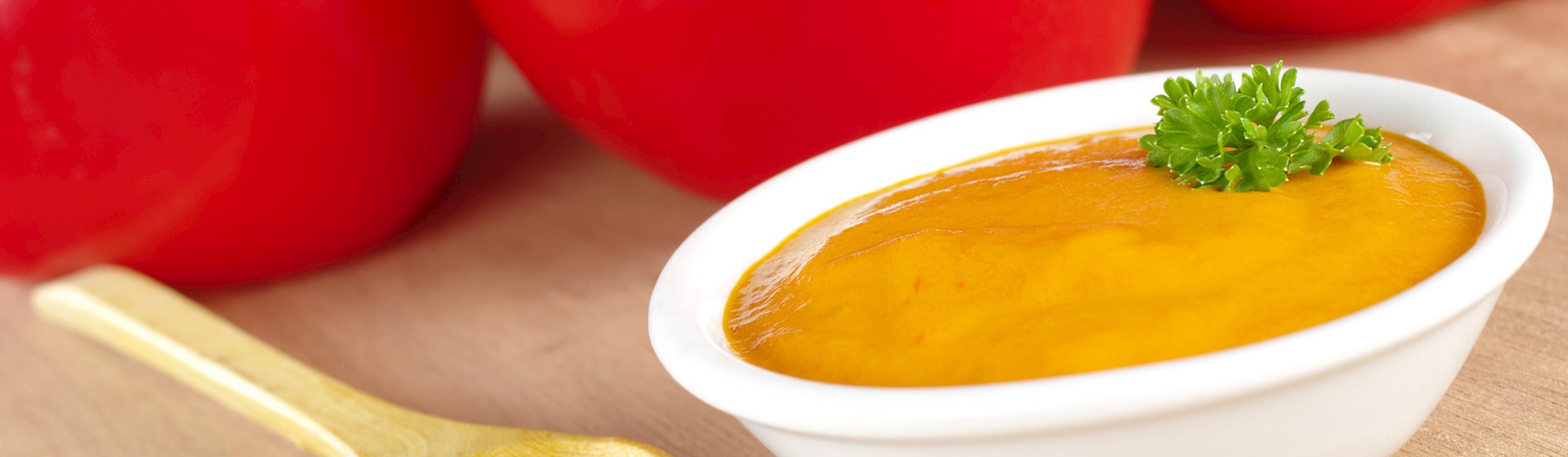
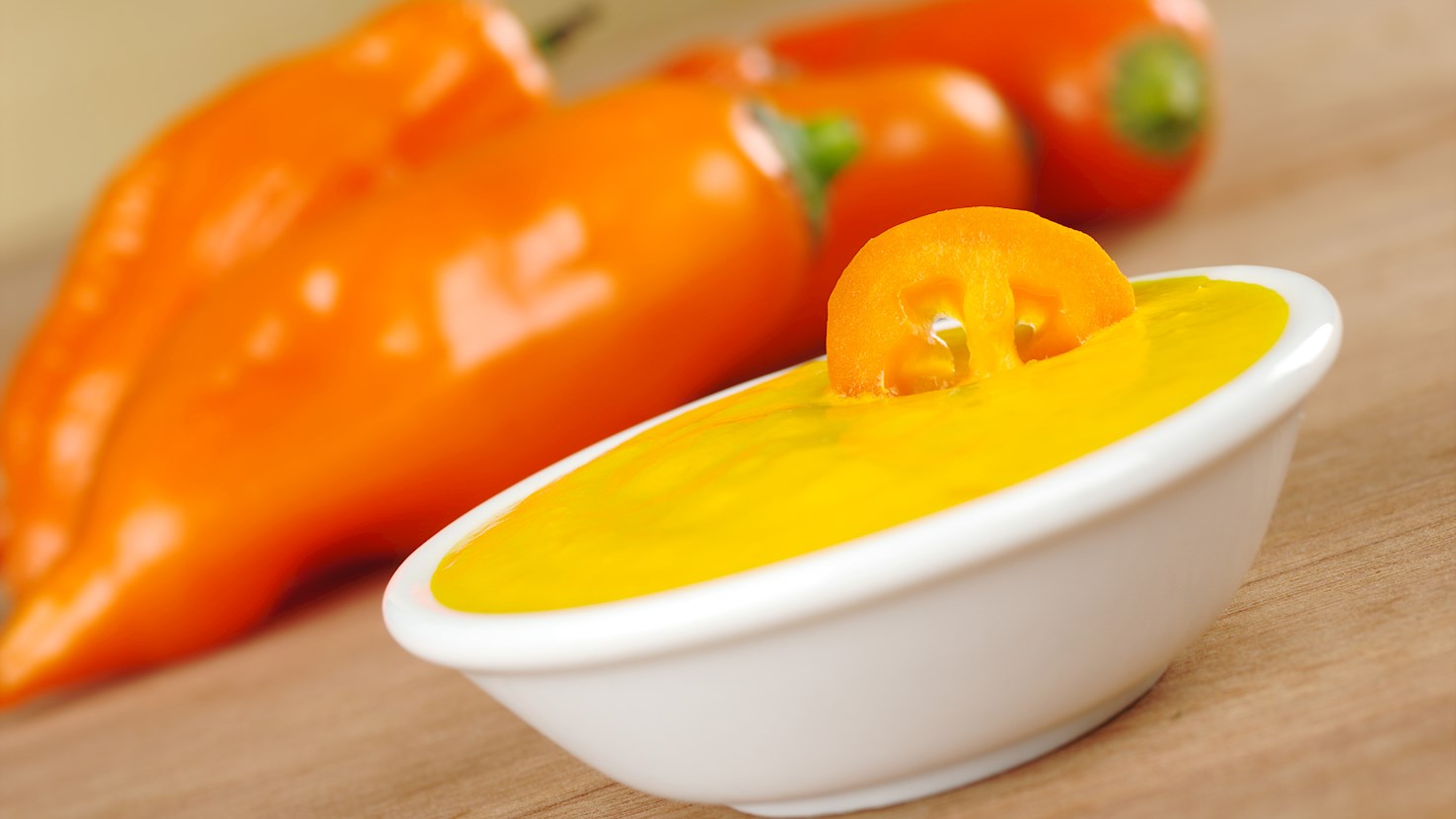
Aji criollo or salsa de aji is a spicy Peruvian salsa prepared with a combination of yellow aji chili peppers and oil. The sauce is usually pleasantly spicy, but it can also be extremely hot and spicy, so one should be careful when tasting it for the first time. The sauce is traditionally used as an accompaniment to various meat and fish dishes, but it's also often used as a dip for french fries and tequeños. Although it shares the name with an Ecuadorian sauce, those two differ significantly, both in appearance (Ecuadorian version is green), and in the method of preparation and ingredients used.

02

Salsa de rocoto

4.5 ·

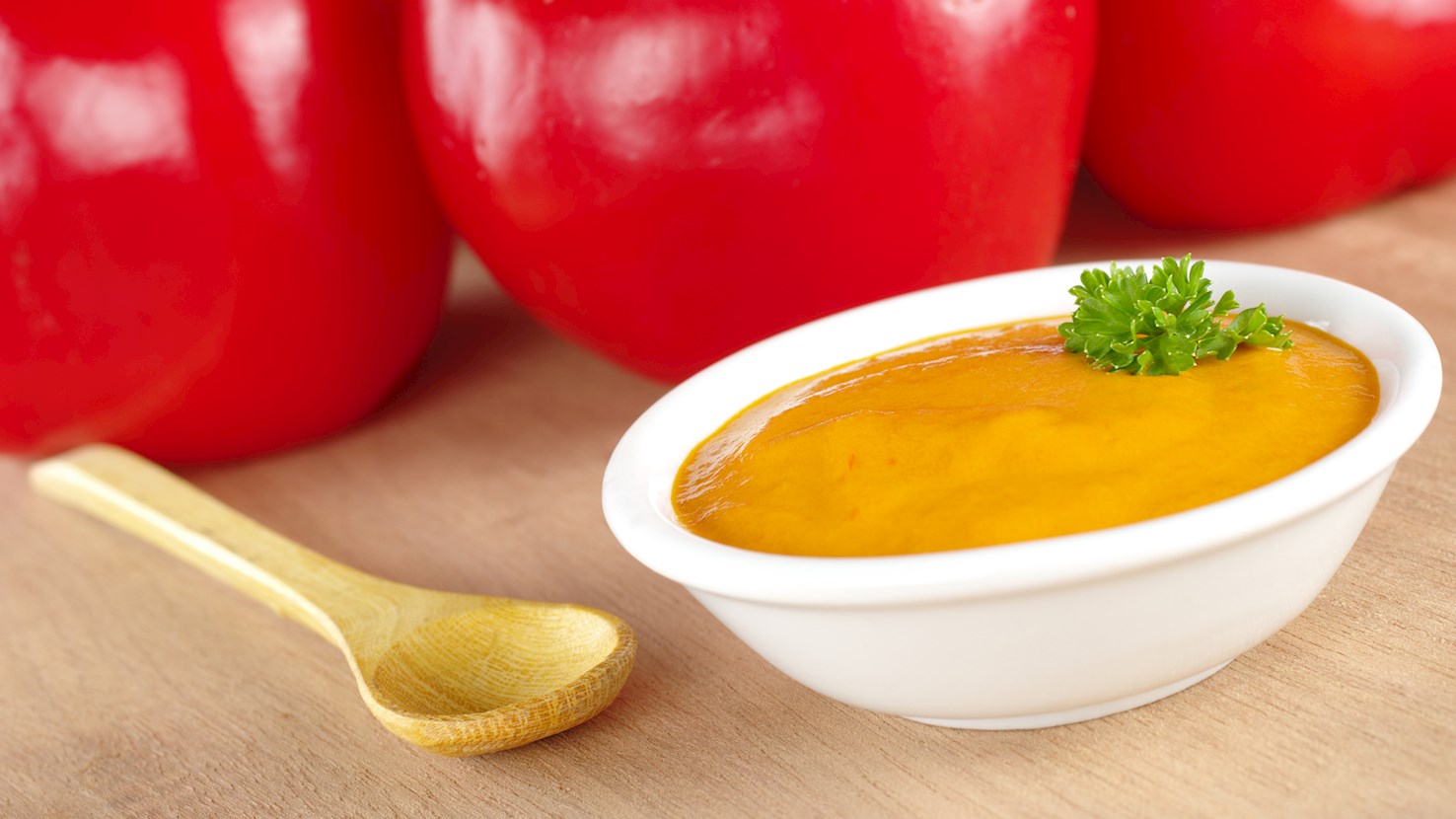
Salsa de rocoto is a hot Peruvian sauce or dip that's a staple at most tables in the country. It is prepared with fiery red rocoto peppers, oil, and lime juice, with the occasional addition of parsley, cilantro, or milk. Due to the fact that this salsa is so popular in the country, there are numerous variations, ranging from medium hot to insanely hot, so be careful when trying it for the first time. Use the salsa with a variety of fish and meat dishes, potatoes, or try it in sandwiches.

03

Salsa a la huancaina

4.3 ·

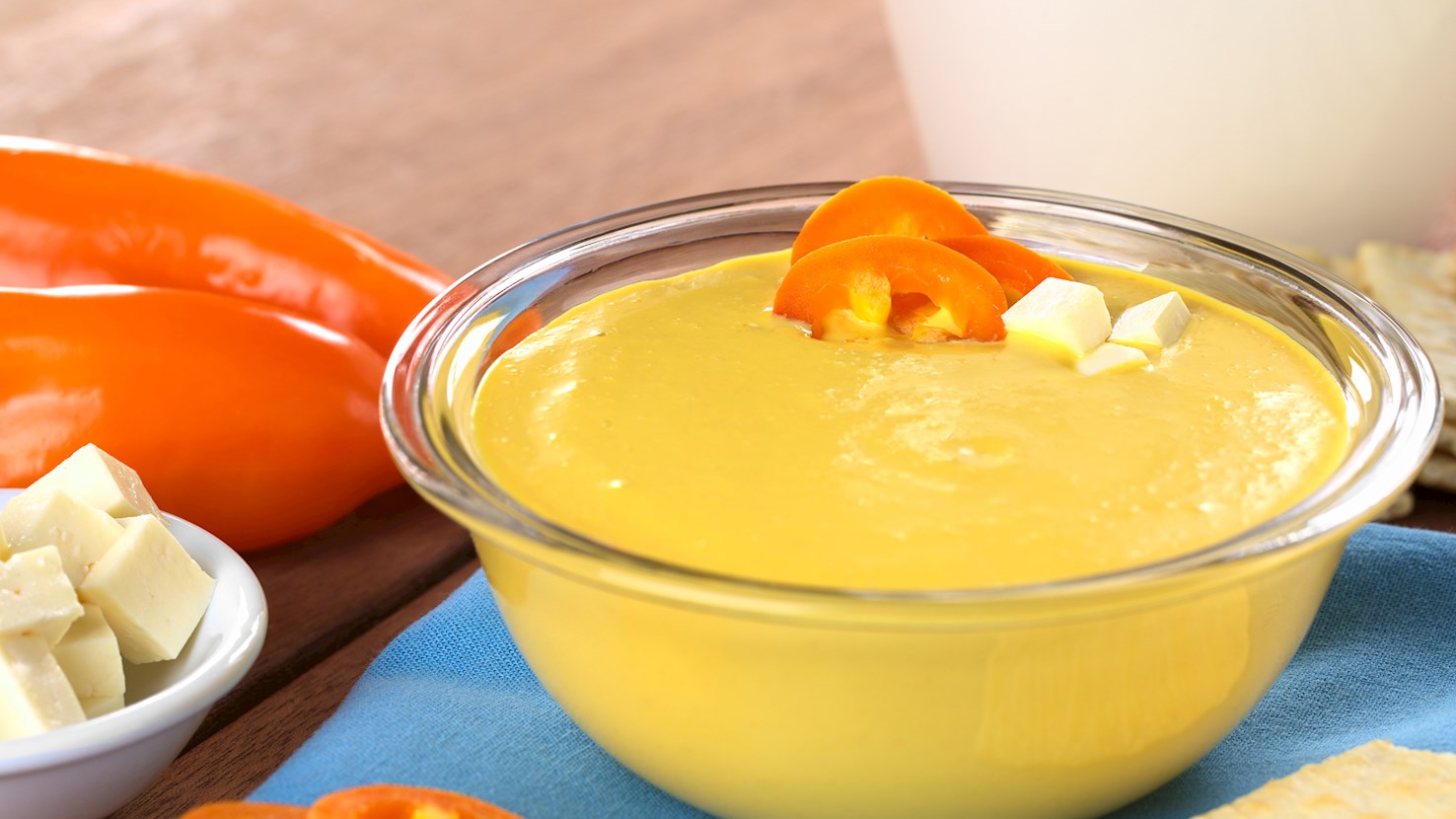
Salsa a la huancaina is a Peruvian sauce that is traditionally used in the preparation of a famous appetizer called papas a la huancaina. This salsa is made with aji amarillo peppers or aji amarillo paste, onions, garlic, oil, evaporated milk, and queso fresco. The combination of these ingredients is blended until the sauce develops a smooth and thick texture. If the sauce is too thin, saltine crackers are typically used to thicken it. Salsa Huancaina is often used as a dip for french fries, boiled potatoes, corn, and fried yucca.

04

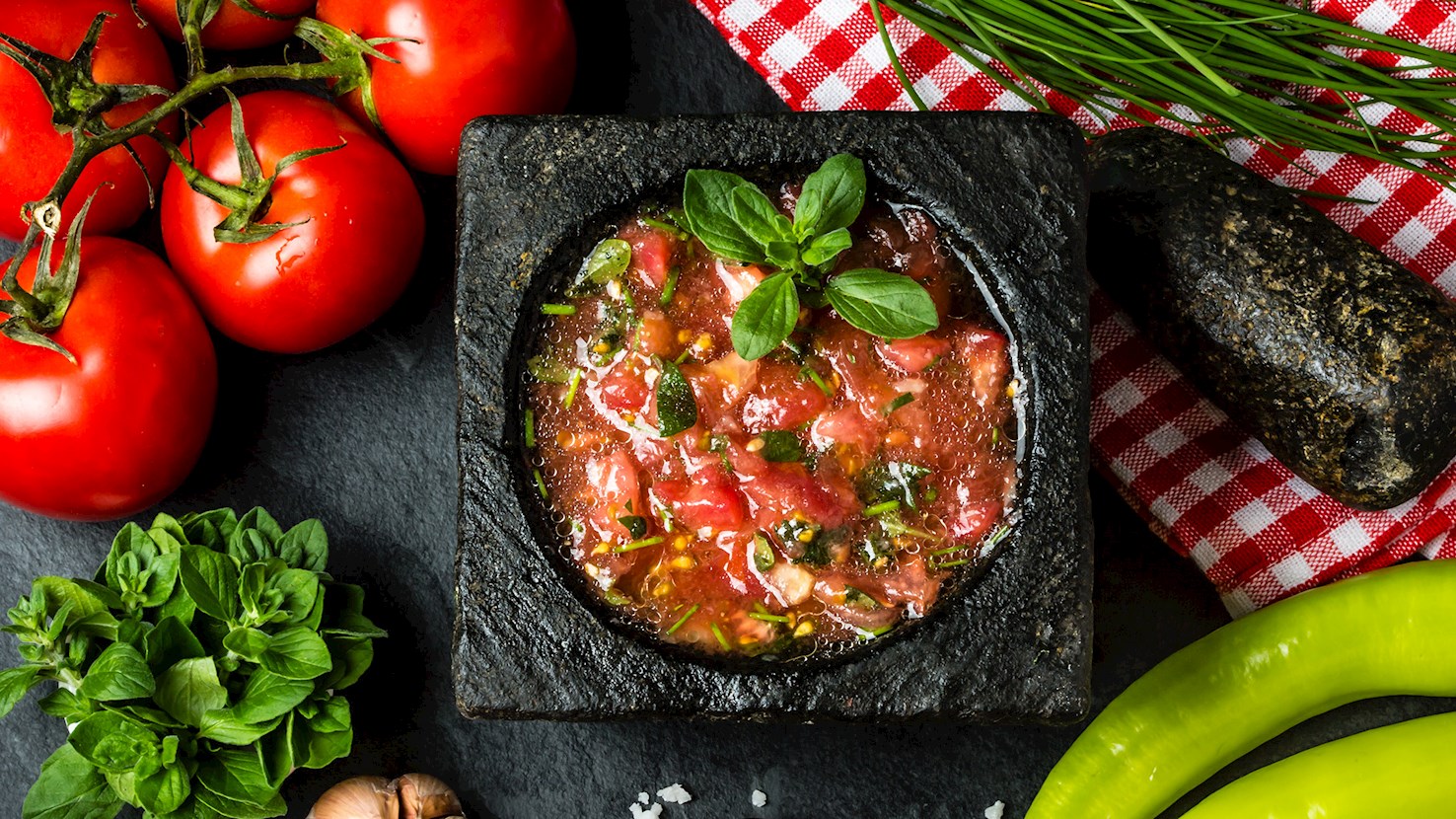
Chancho en piedra

4.2 ·

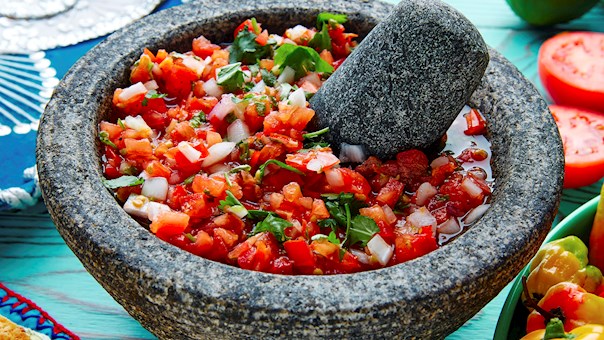
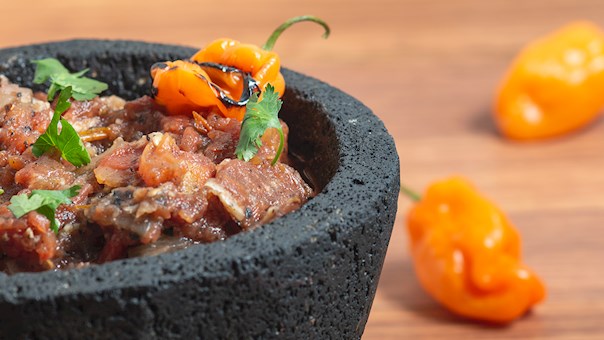
Chancho en piedra is a Chilean salsa that is essentially a variation of pebre salsa with more sauce-like consistency. Apart from the tomatoes, it contains garlic, chili peppers, onions, olive oil, salt, pepper, and parsley or coriander. It is recommended to serve it with bread, sopapillas, or empanadas. The name chancho en piedra means pig on a stone or pig on a rock, referring to the preparation of this salsa in a stone mortar and pestle.

Best restaurants
05

Salsa verde

4.1 ·

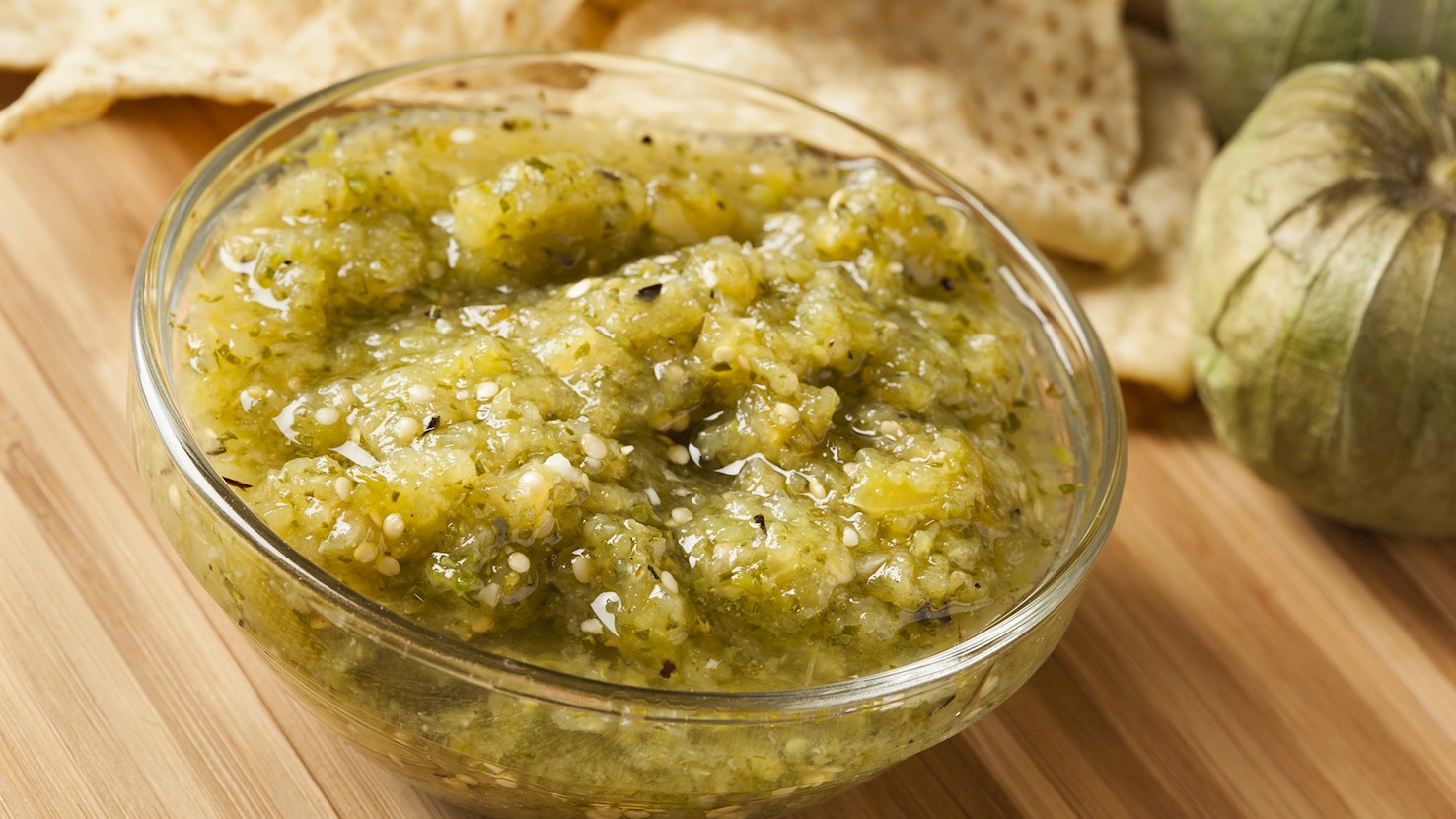
Salsa verde is a traditional salsa that's made with a combination of tomatillos, garlic, cilantro, chili peppers, onions, and sea salt. There are three versions of salsa verde - the tomatillos in each are used raw, roasted, or stewed. If the tomatillos are roasted, they are usually mashed into a paste in a molcajete – a traditional mortar and pestle. The resulting salsa can be thin or thick, depending on personal preferences, but it is important that the tomatillos remain the star of the dish. This tasty salsa can be served as an accompaniment to various meat and fish dishes, enchiladas, tacos, and tostadas.

06

Pebre

4.1 ·

Often referred to as Chilean salsa and being the most popular condiment in the country, the versatile pebre is a staple in Chile. It is created with a combination of spicy and crunchy ingredients, with the addition of fragrant fresh herbs doused in a sour vinegar coating. Most common elements in pebre are garlic, traditional spicy aji peppers, cilantro, onions, vinegar or lemon juice, olive oil, and occasionally tomatoes. All of the ingredients are chopped, thoroughly mixed, and shortly rested, allowing the flavors to blend. Pebre is best served freshly prepared, but can be kept in the fridge for a short period. The main characteristic of pebre is that no variation is like the other. Each restaurant or Chilean household has their unique and favorite version in which the ingredients are often swapped, and proportions may vary. Depending on the choice of ingredients and amounts used, its texture can range from chunky and texturally diverse to the more sauce-like, liquid versions. Chilean tradition suggests that pebre can be served with almost anything. Whether complementing meat, scrambled egg, grilled chorizo, plain vegetable dishes, or served as a dip for empanadas, sopaipillas, and bread rolls, it is an omnipresent accompaniment during any Chilean meal.

07

Salsa macha

4.1 ·

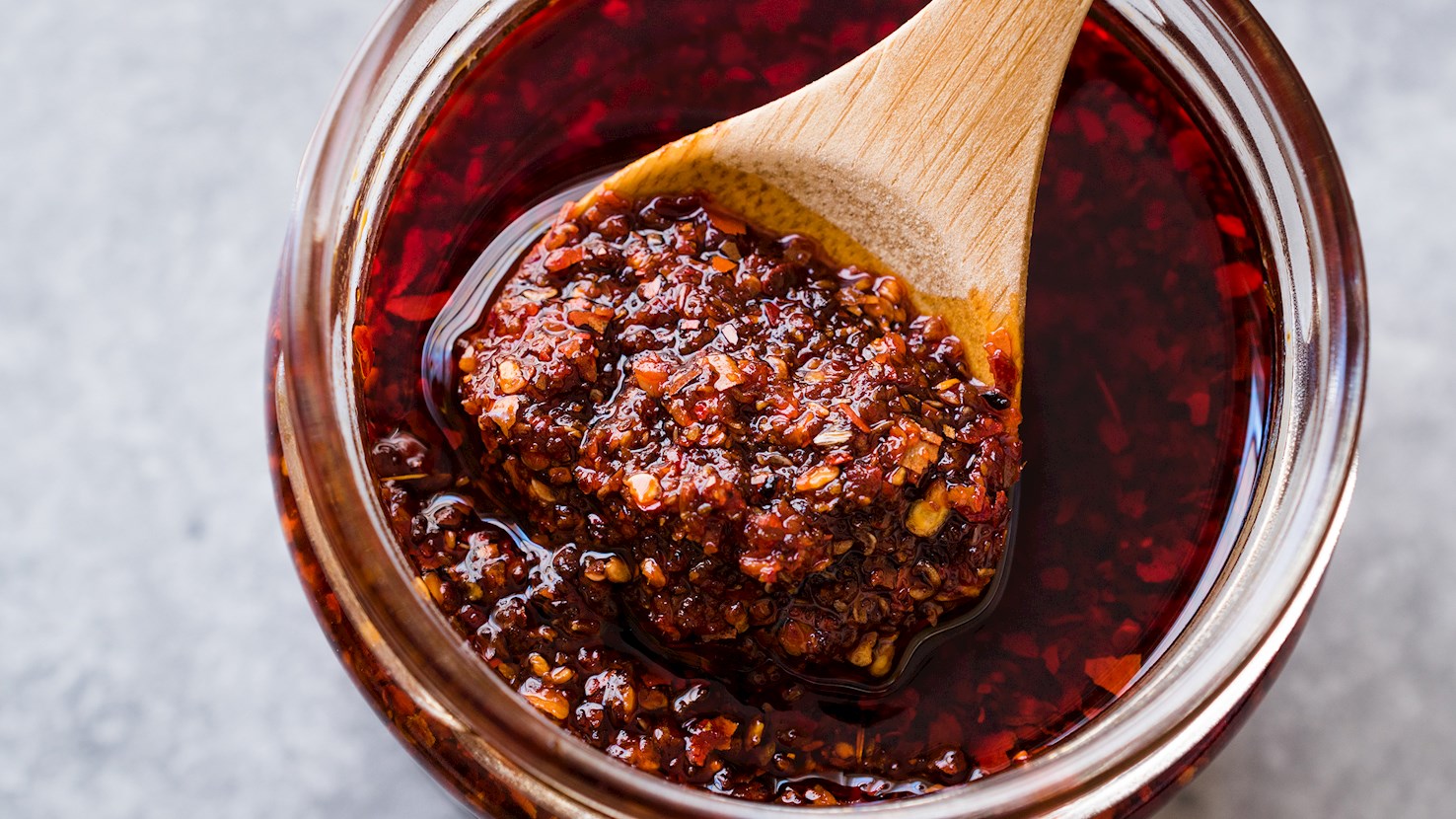
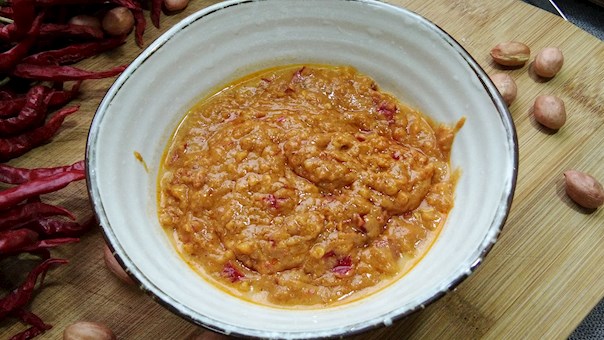
Salsa macha is a traditional salsa originating from Orizaba in Veracruz. Although there are many variations, this spicy salsa is usually made with a combination of chili peppers, oil, peanuts (or similar nuts), garlic, sesame seeds, and salt. The peanuts, chili peppers, garlic, and sesame seeds are browned in oil, cooled, then mixed with more oil and blended to a semi-coarse consistency. The salsa is seasoned with salt to taste, and it's then served as a condiment with Mexican dishes such as tortas, enchiladas, tacos, or burritos.

08

Salsa de chipotle quemado

4.1 ·

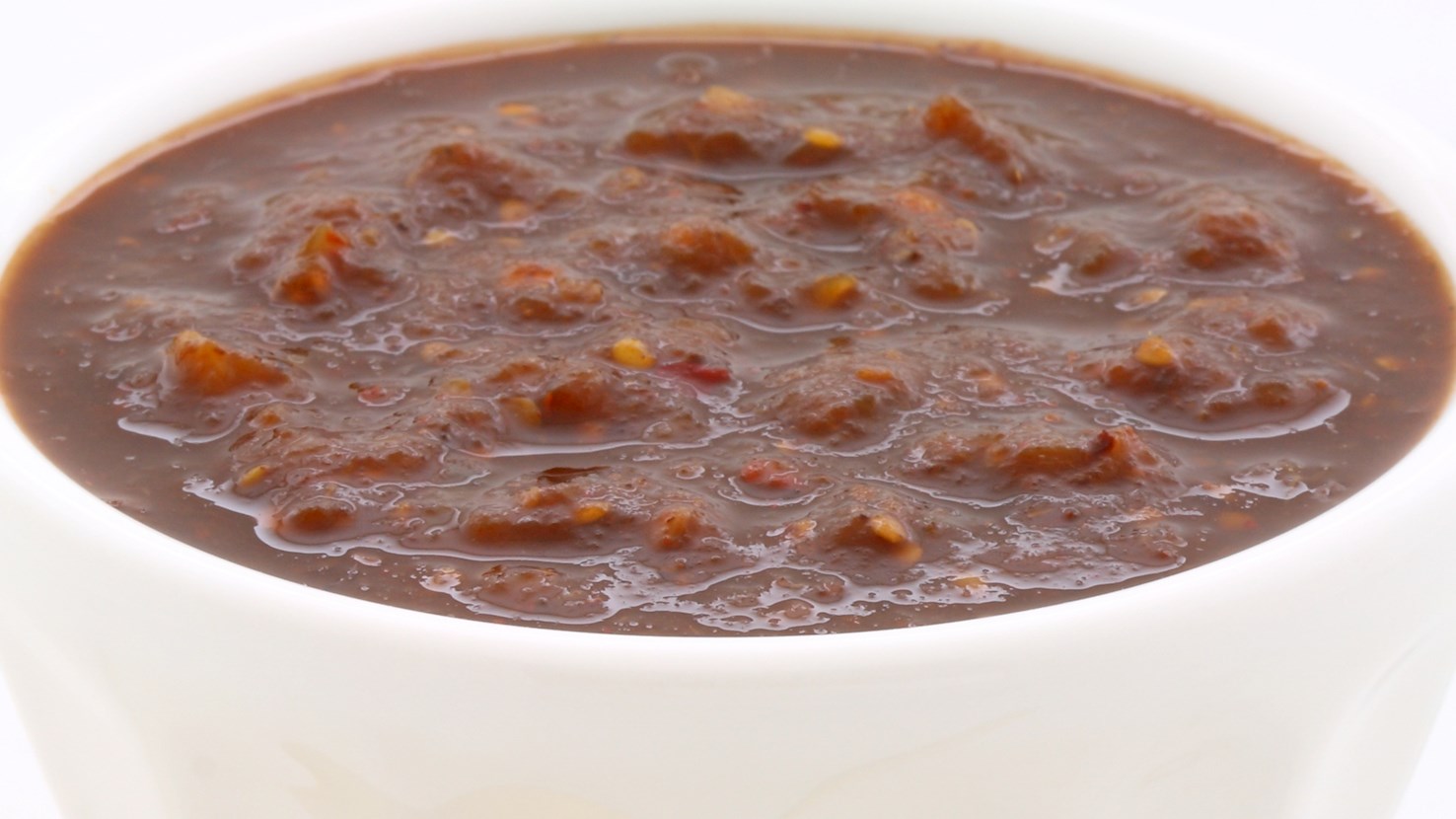
Salsa de chipotle quemado or burnt chipotle salsa is a flavorful Mexican sauce made by toasting dried chiles until they develop a brown color, then combining them with onions, agave syrup, apple cider vinegar, garlic, and salt. This smoky salsa is often used as a complement to robust meat dishes made with lamb or goat.

09

Salsa criolla

4.0 ·

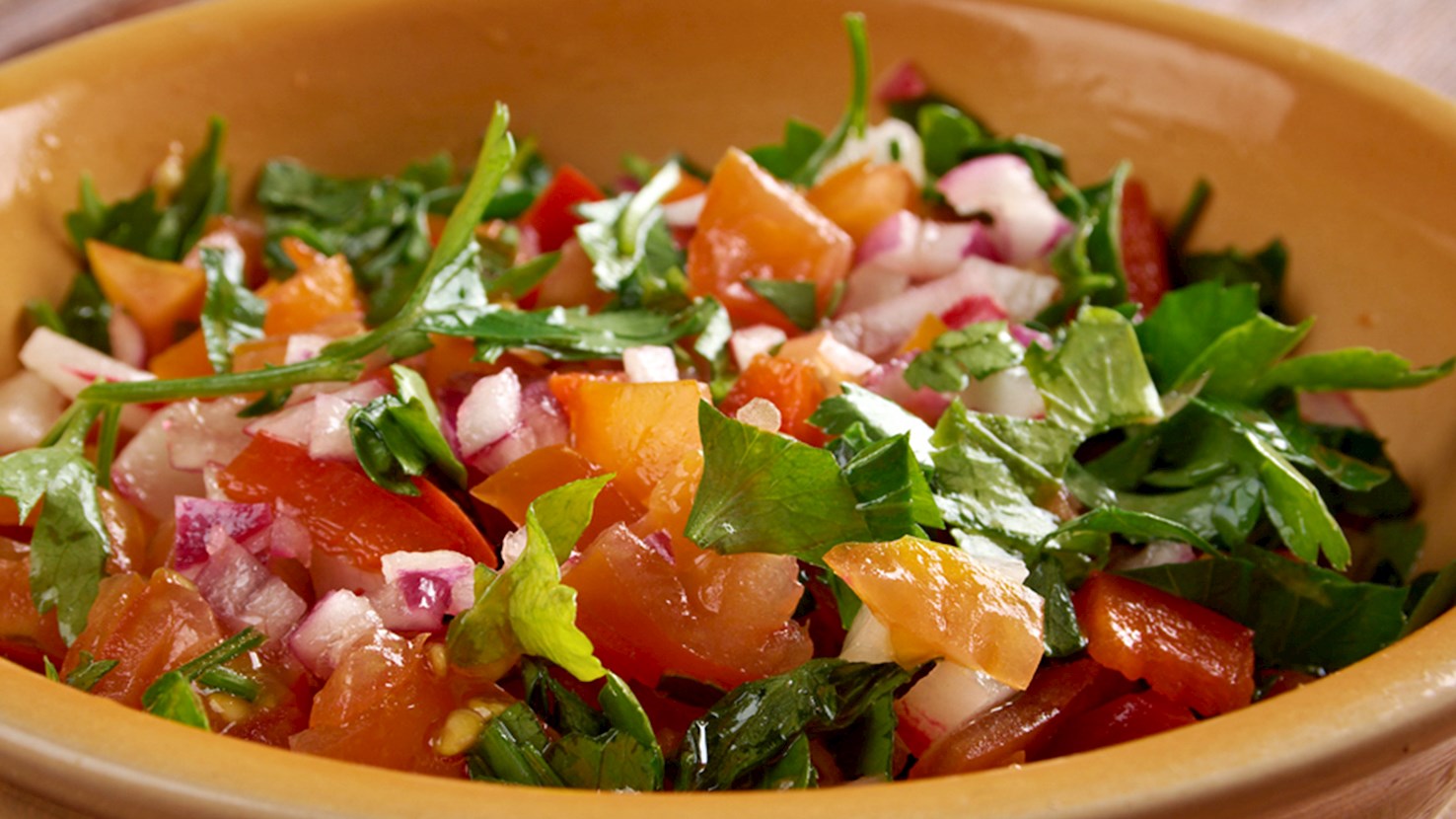
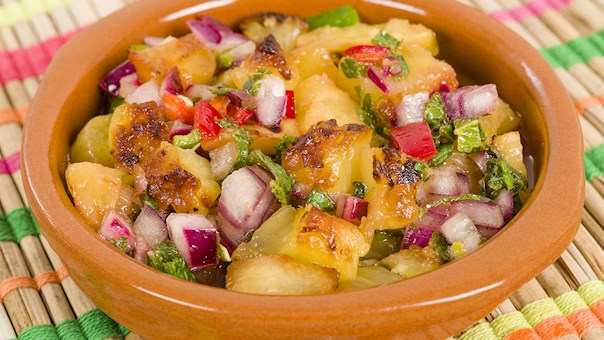
Salsa criolla is the onion-based condiment served alongside many Peruvian and Argentinian dishes. Next to thinly sliced onions, it can incorporate a huge variety of ingredients such as bell peppers, avocados, jalapeños, tomatoes, and generous amounts of freshly chopped parsley and cilantro. Usually seasoned with salt, vinegar, and lime juice, salsa criolla is versatile, easy to prepare, and should always be served fresh. It is mostly enjoyed as a complement to grilled meat, sandwiches, rice, and popular Peruvian ceviche dishes. In Puerto Rico, salsa criolla denotes a different type of salsa based on tomato sauce with garlic, peppers, onions, sofrito, and white wine, but the ingredients are variable. The Puerto Rican version of salsa criolla is typically served with seafood, mofongo, and various meat dishes.

10

Pico de gallo

4.0 ·

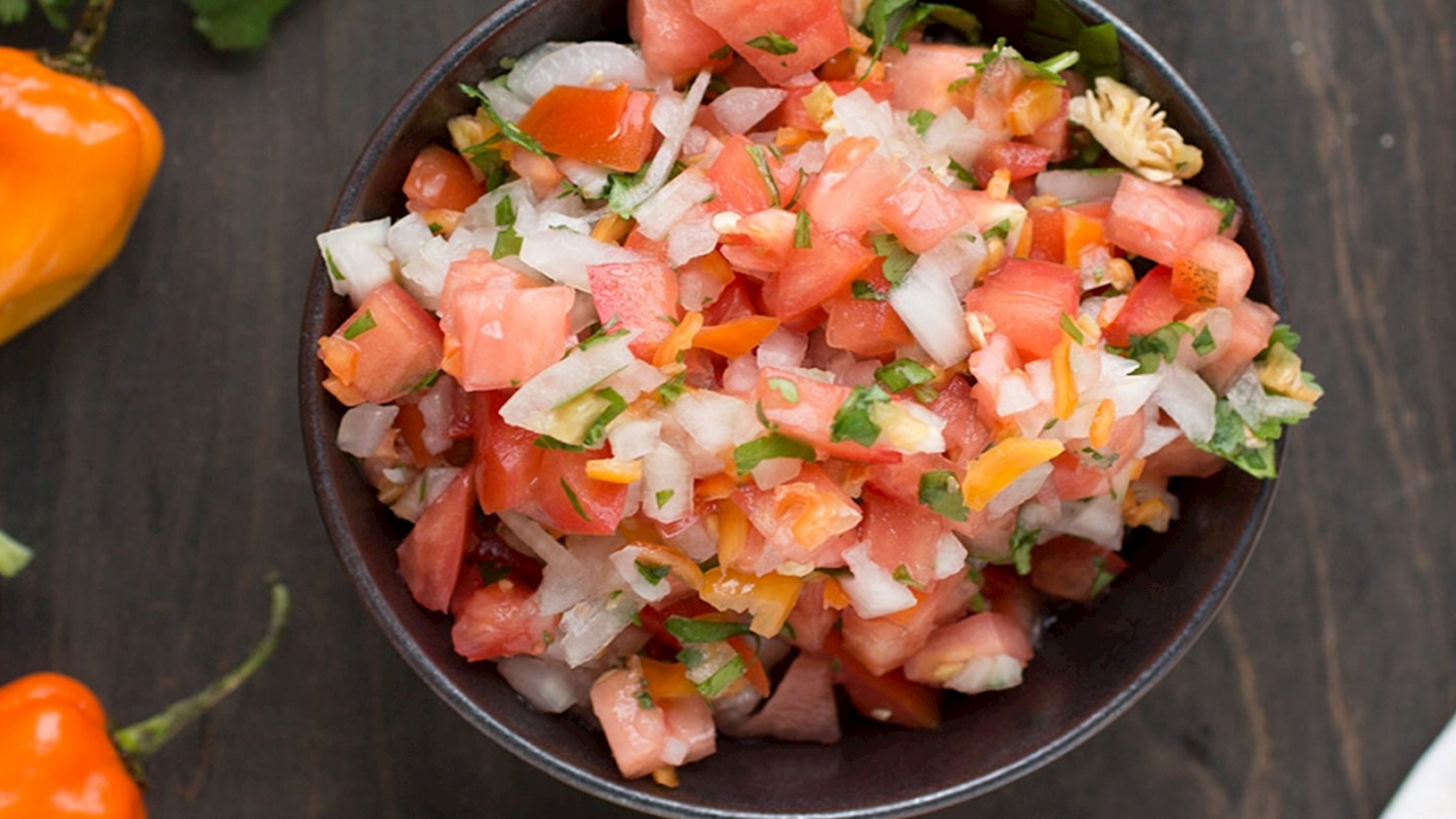
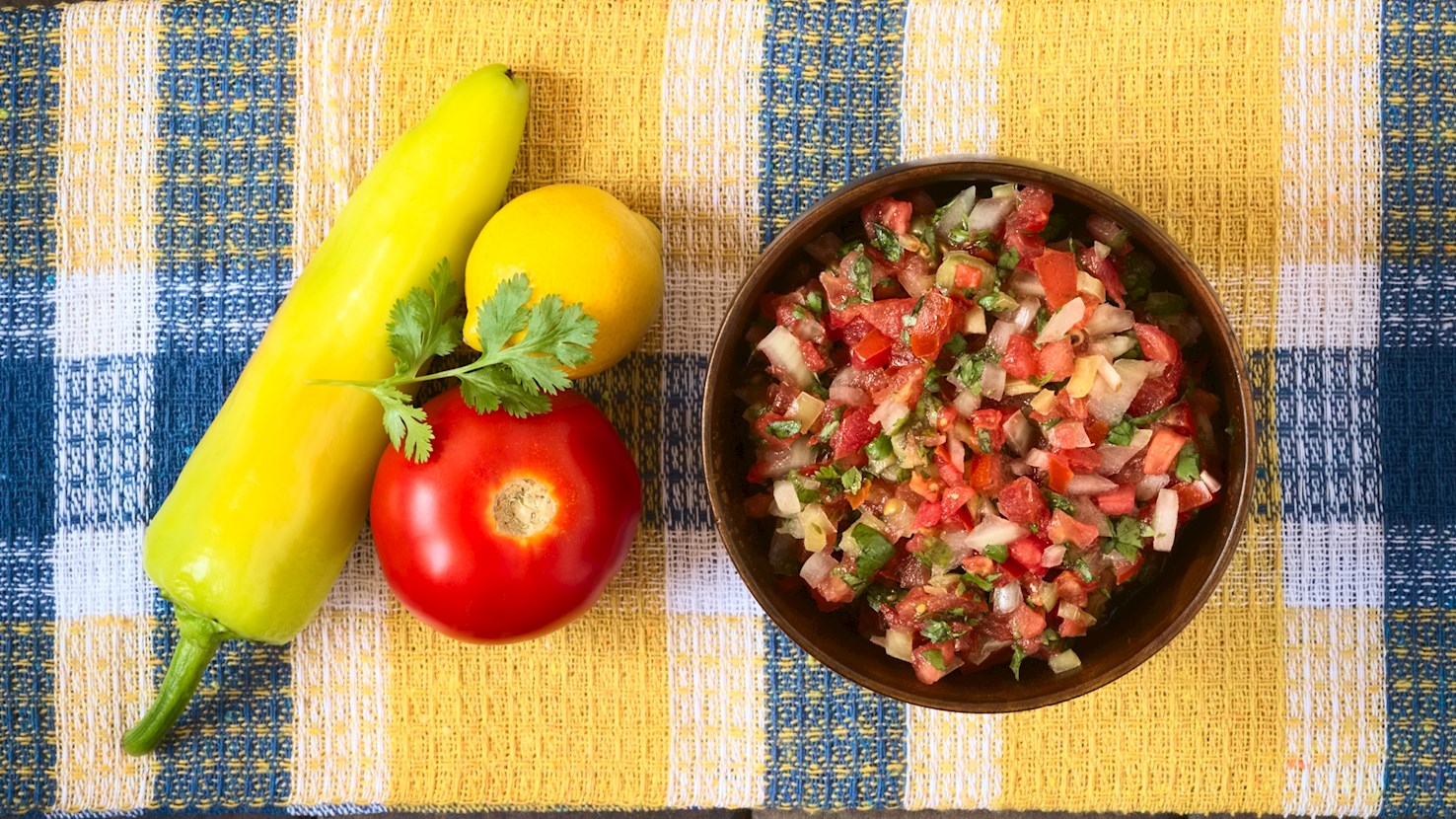
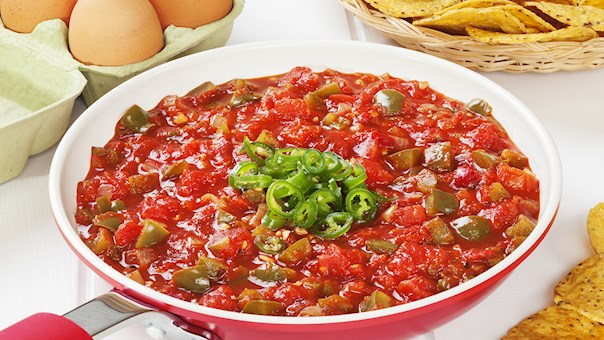
Unlike most other types of salsa, pico de gallo is of solid consistency, made with a combination of coriander, onions, tomatoes, and hot peppers such as serranos or jalapeños. Pico de gallo is very popular due to its bold flavors and the fact that the preparation process is quite simple: the ingredients should only be chopped, seasoned, and mixed together, and the salsa is ready to be served. Its name is means rooster's beak, but the origins of the name remain a mystery. However, there are some interesting theories about the origin of its name. Some believe that the dish got its name because the salsa was consumed using the thumb and index finger, an action reminiscent of the rooster's beak sting. Others claim that the name is derived from the color of the salsa, which is reminiscent of rooster's feathers. The third theory says it's because the ingredients are chopped to the same size as the food of a rooster. Whatever the origin of its name might be, pico de gallo brings freshness and flavor to numerous meat, fish, and egg dishes, or traditional Mexican dishes such as tacos, nachos, and quesadillas.

Best restaurants
About this ranking

TasteAtlas food rankings are based on the ratings of the TasteAtlas audience, with a series of mechanisms that recognize real users and that ignore bot, nationalist or local patriotic ratings, and give additional value to the ratings of users that the system recognizes as knowledgeable. For the “Top 19 Salsas in the World” list until June 15, 2026, 2,901 ratings were recorded, of which 1,259 were recognized by the system as legitimate. TasteAtlas Rankings should not be seen as the final global conclusion about food. Their purpose is to promote excellent local foods, instill pride in traditional dishes, and arouse curiosity about dishes you haven’t tried.

Similar lists