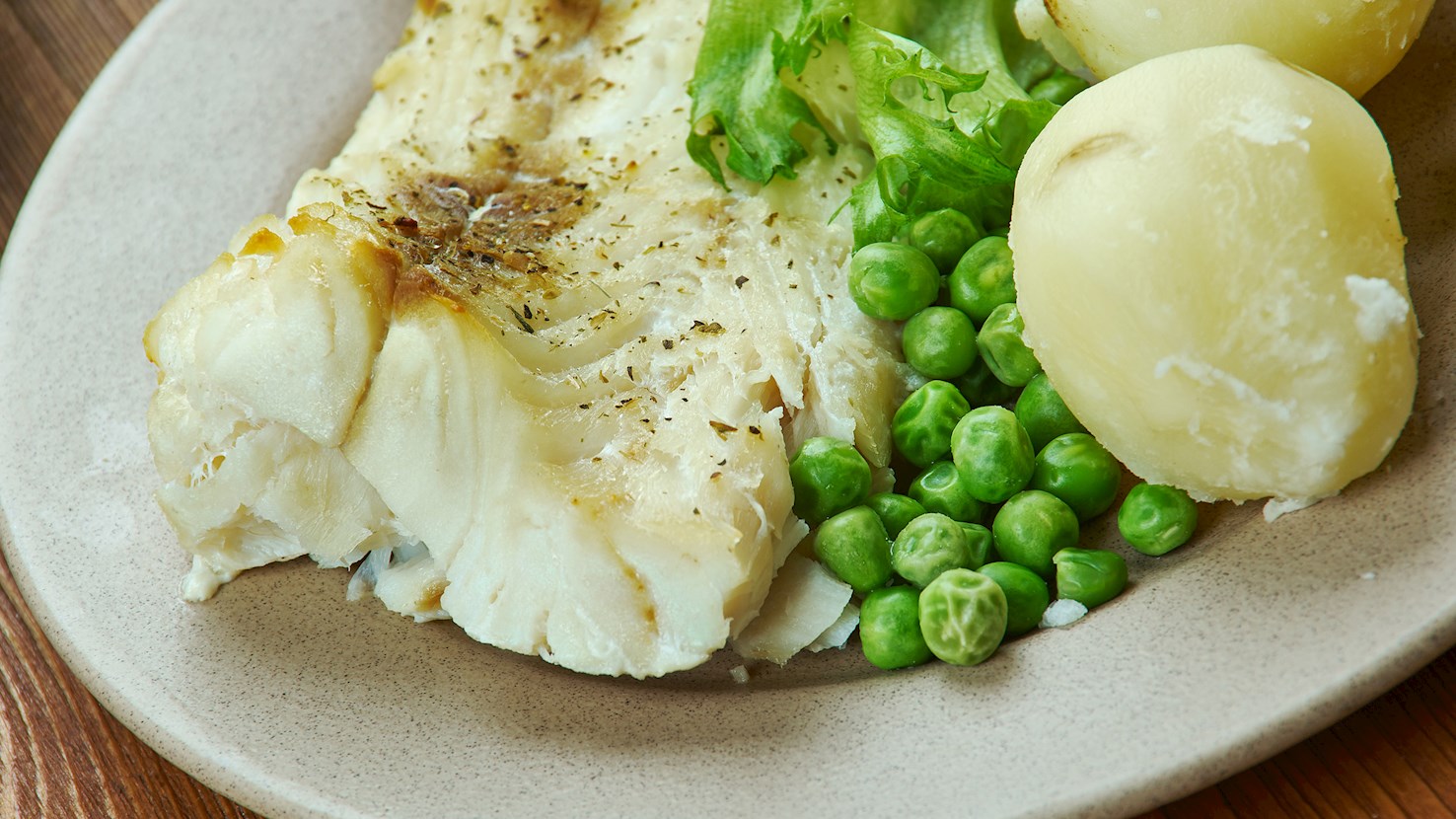
Stekt fisk is a traditional fish specialty that is made by braising seasoned and floured fish fillets in melted butter. Although it usually features smaller fish varieties, this dish can be prepared with various types of fish. With a slightly crispy crust on the outside, the tender pieces of fish are typically drizzled with the braising sauce before serving, and they are usually paired with some creamed peas or creamed carrots and boiled potatoes on the side.
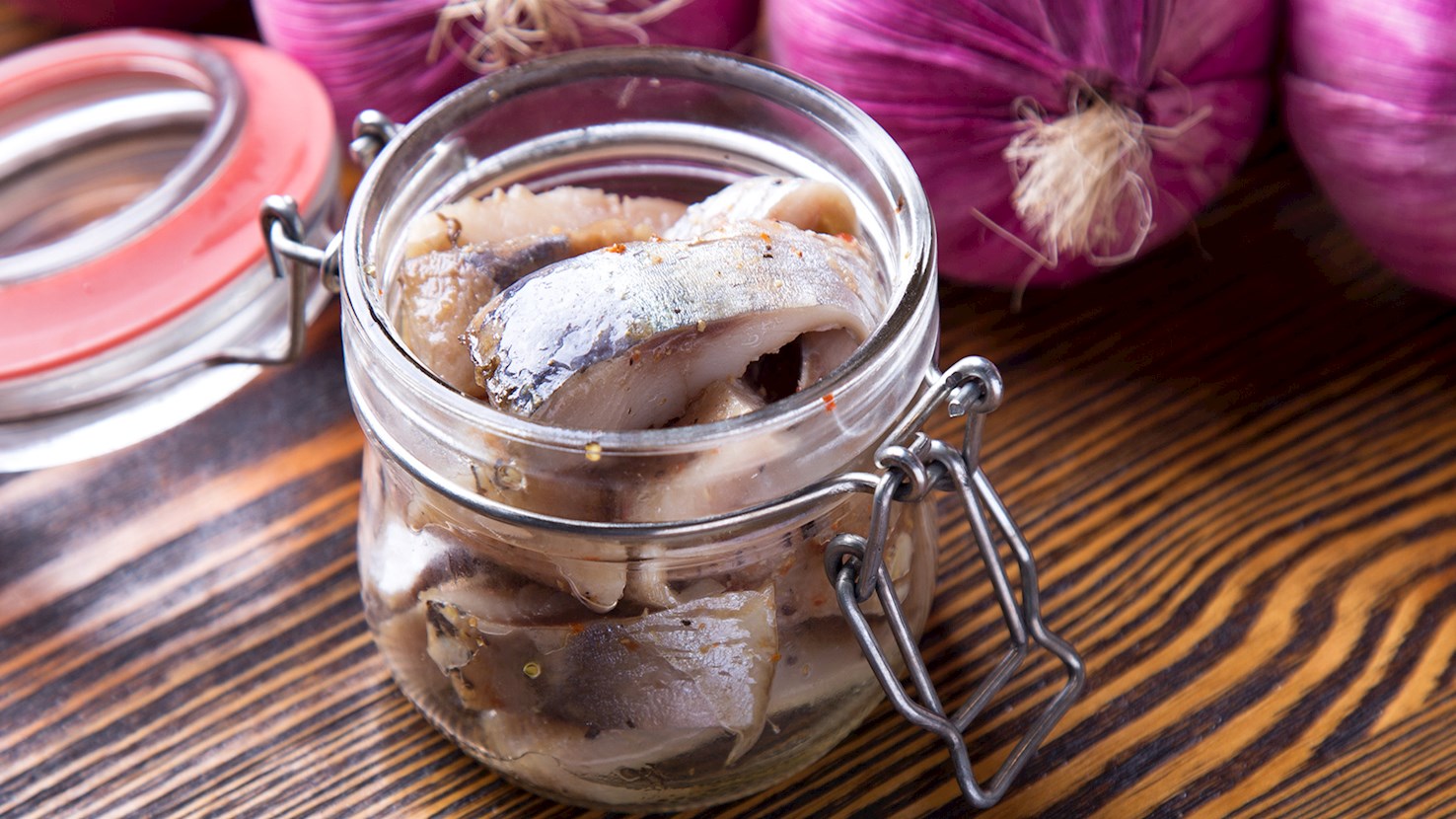
Sursild is a Norwegian pickled fish delicacy that is traditionally consumed during the winter holiday season, particularly on Christmas. The dish is usually made by combining slices of salted herring, onion slices, and a variety of spices such as allspice, black peppercorns, and mustard seeds in a jar, which is then filled with a boiled vinegar-based mixture. A common breakfast meal, the pickled fish is usually consumed with slices of fresh bread, smeared with butter, and topped with onion slices, or with a side of boiled potatoes as a part of a large dinner. In Norway, jars of pre-made pickled herrings are also sold in numerous supermarkets in the country.
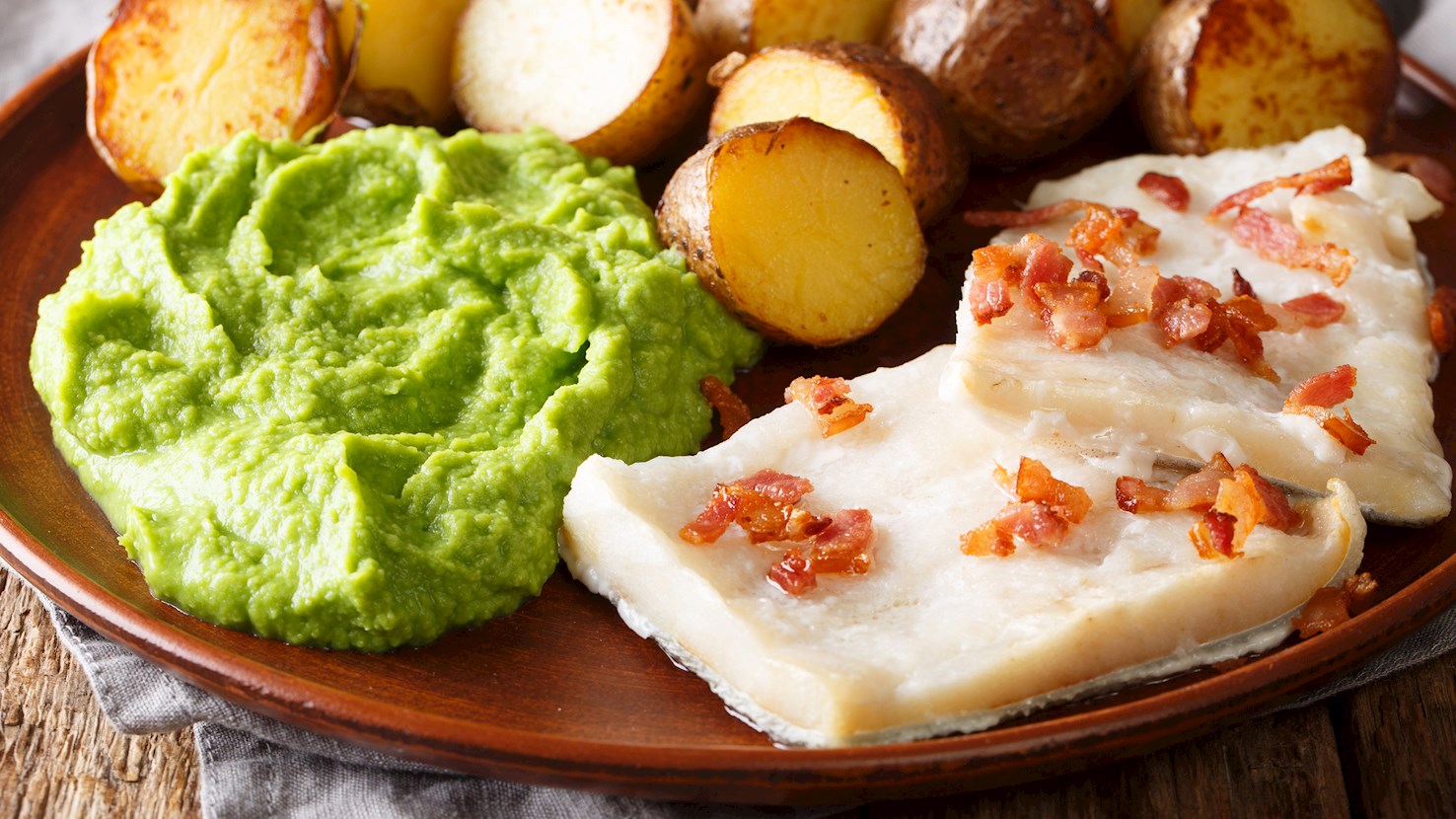
Persetorsk is a traditional fish dish originating from Bergen. The dish is usually made with a combination of cod, sugar, salt, dill, bacon, and a sauce consisting of shallots, green peas, crème fraîche, vinegar, and dill. The cod is pressed for a long time in a solution of sugar and salt, and the fish is then cut into pieces and fried in bacon fat until the skin becomes crispy. The fried pieces of cod are served on a plate and the sauce is poured over it. The dish is traditionally served with munavoi, a mixture of hard-boiled eggs and butter.
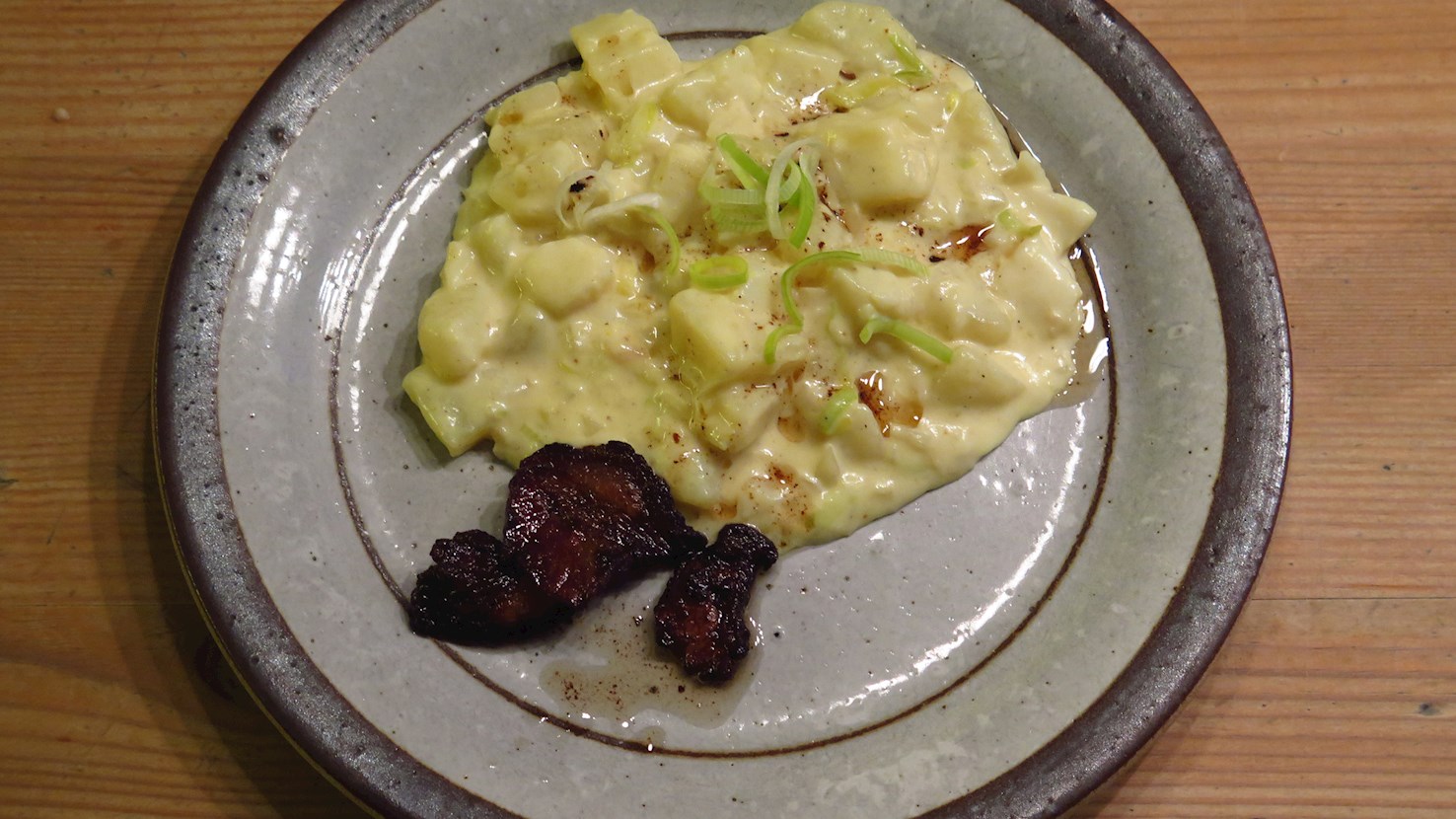
Plukkfisk is a traditional fish dish originating from Norway and it's especially popular in coastal settlements of Western Norway. The dish consists of potatoes, pieces of fish, and onions cooked in a bechamel sauce. Cod is traditionally used, but some people like to use pollock instead. There are many variations on the dish, but it's usually made with a combination of cod, potatoes, onions, leeks, chives, butter, salt, white pepper, bacon slices, and bechamel sauce (butter, flour, milk, nutmeg, salt, and pepper). Once done, plukkfisk is often topped with crispy bacon, and the dish is served with a flatbread on the side. Before serving, plukkfisk is typically garnished with chopped chives and pickled leeks.
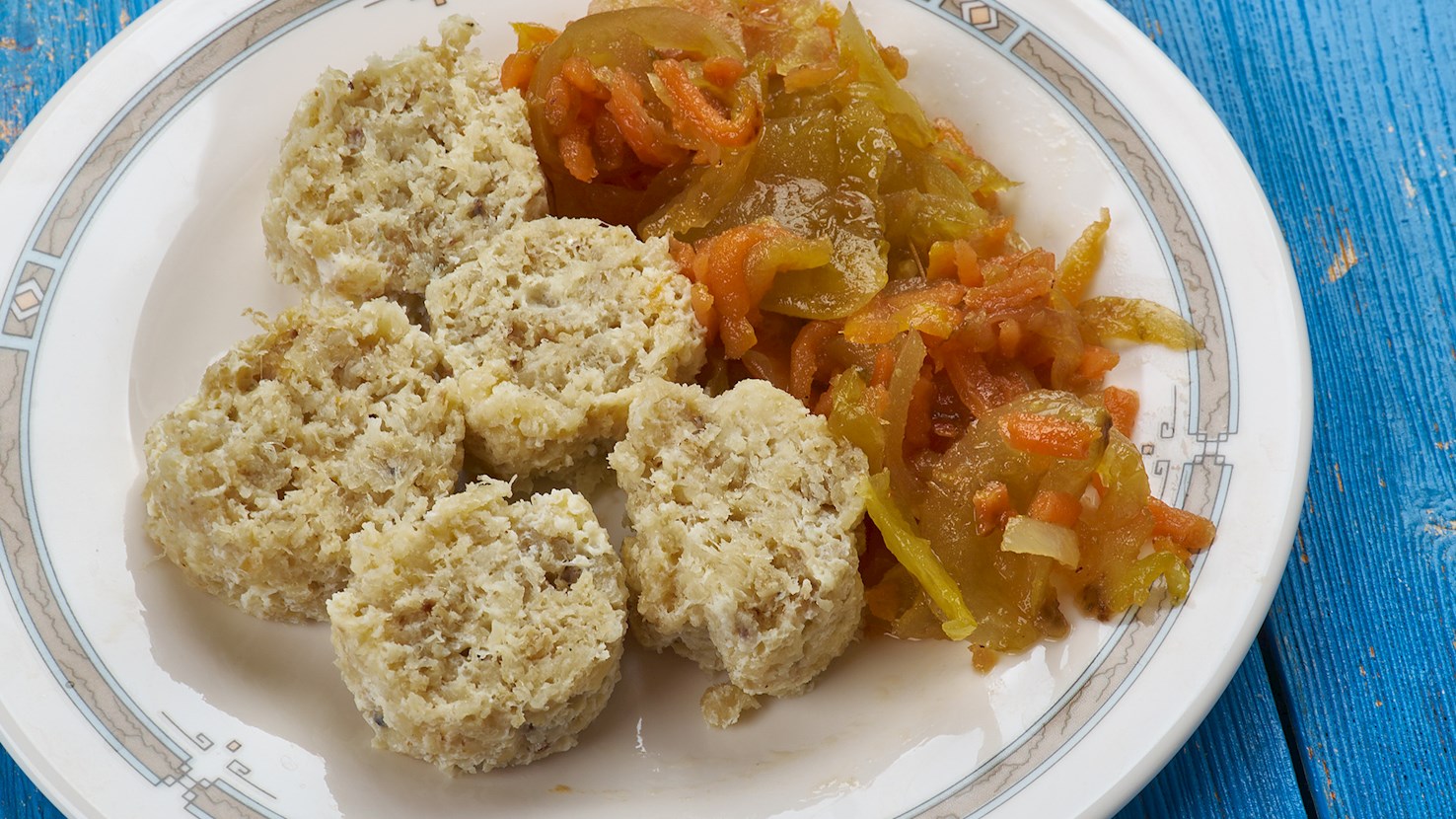
Fiskeboller, literally meaning fish balls, is a classic Norwegian dish made from minced white fish, flour, eggs, and milk. A hearty dinner staple for most Norwegians, fiskeboller are typically served in thick white sauce along with steamed vegetables, usually carrots, and boiled potatoes. Since they resemble dumplings, they are also commonly referred to as fish dumplings and are typically made from cod, haddock, or pollock. Eaten on their own, the fish balls have a very mild, almost bland taste, which is why a favored version calls for the addition of curry powder and shrimp to the plain béchamel sauce for an exotic twist to the dish and a more pleasing flavor. Fiskeboller can also be added to fish soups and stews. They can either be made from scratch or bought fresh or ready to eat in canned and tinned versions available in supermarkets throughout Norway. In fact, the Norwegian fiskeboller brand Vesteraalens has been producing more than a million cans of this national culinary delight annually, for over 100 years now.
Lutefisk is a Scandinavian dish made from dried whitefish, most commonly cod, that has been rehydrated through a unique process involving a lye solution. It is closely associated with Norway and Sweden, though it is also eaten in parts of Finland and by Scandinavian communities in North America. Its origins lie in the necessity of preserving fish for long periods in harsh northern climates. Drying cod on wooden racks in the cold, windy air was one of the earliest and most effective preservation methods, allowing fish to be stored and transported without spoiling. Once dried, the fish was extremely hard and required soaking to make it edible again. At some point, the practice of soaking it in water combined with lye emerged, possibly as a way to accelerate rehydration or improve texture, and this became codified into the process known today. Over centuries, lutefisk became deeply woven into seasonal food traditions across Scandinavia, valued not only for its preservation heritage but also for its association with celebration and shared meals. Preparing lutefisk is a multi-stage process that transforms the fish’s structure completely. First, stockfish or dried cod is soaked in cold water for several days to reintroduce moisture. It is then soaked in a lye solution, which breaks down the protein structure and gives the fish its signature gelatinous, translucent texture. Because lye is caustic, the fish is subsequently soaked again in fresh water for several days to remove any traces of alkalinity and render it safe for consumption. Once this is done, the lutefisk is ready to cook, typically by steaming, baking, or gently poaching. The final dish is delicate and quivering, with a mild flavor that reflects the purity of its preparation. It is often served with accompaniments designed to balance its soft texture and subtle taste. In Norway, it is commonly paired with boiled potatoes, bacon, mustard, and green peas. In Sweden, additions like white sauce, allspice, and sometimes lingonberries provide contrast. In Finnish households, it may be served with melted butter or béchamel sauce. In North America, where it became an emblem of Scandinavian immigrant heritage, lutefisk dinners are often community events, served in church halls with simple sides and strong coffee. The use of lye is what sets lutefisk apart from nearly all other preserved fish dishes, producing a consistency unlike any other preparation method. While its slippery, gelatinous texture divides opinion, it is precisely this transformation that makes it distinctive. Lutefisk continues to be a seasonal centerpiece, valued as much for its connection to heritage as for its place in the contemporary Nordic table, where it is eaten slowly and socially, often surrounded by dishes that balance its mildness with richness, acidity, or spice.
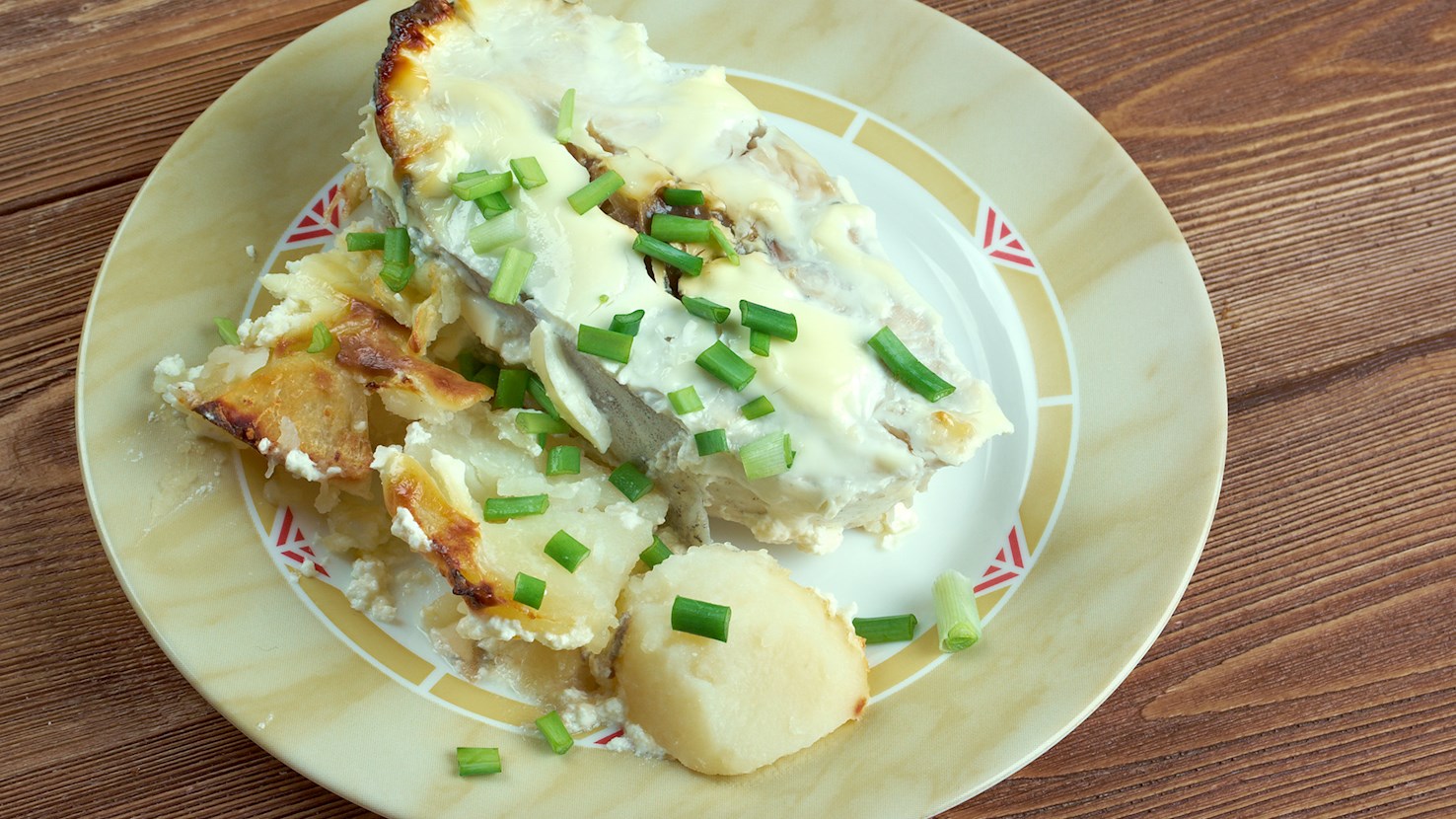
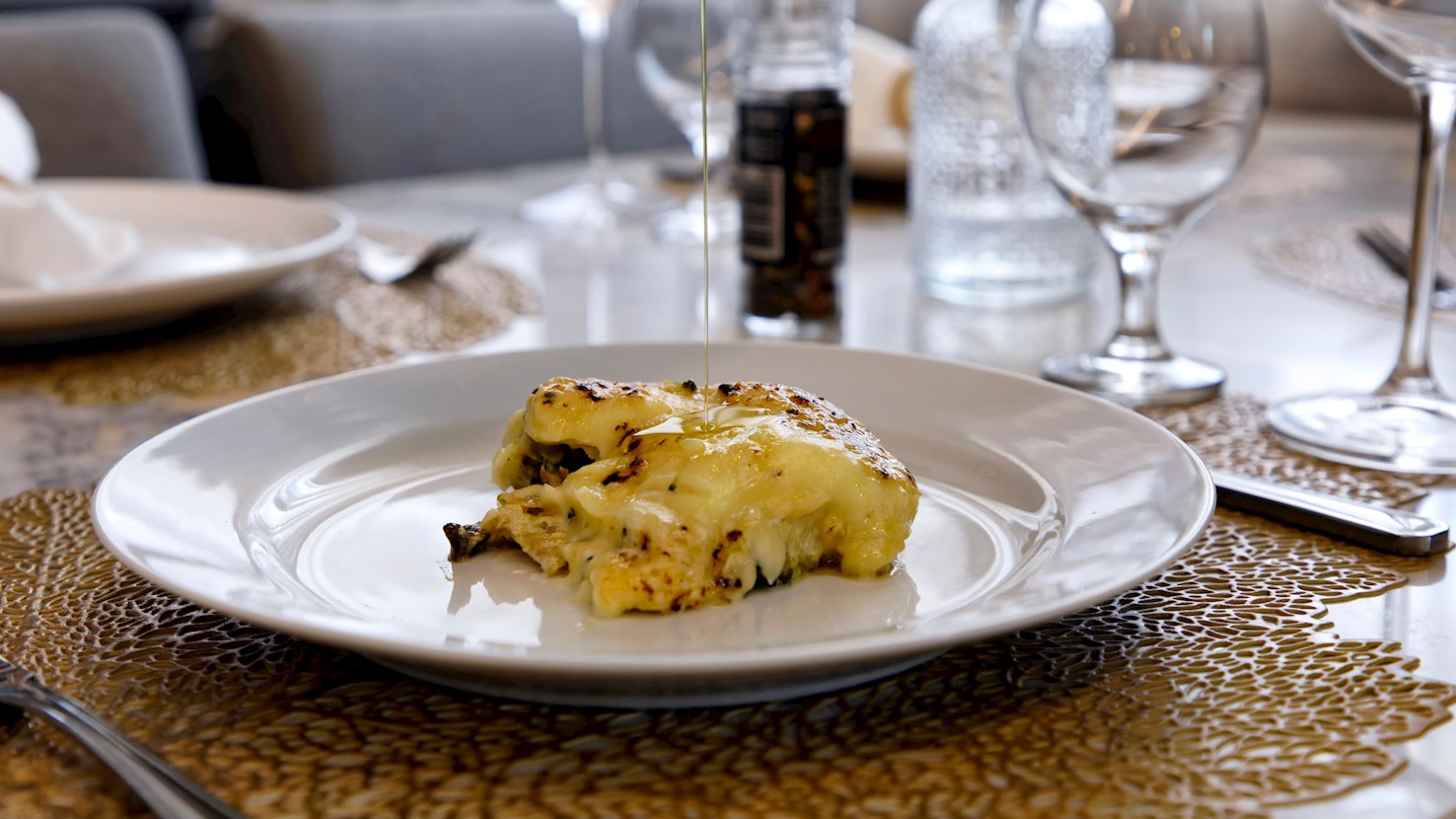
Jarlsberg torsk is a traditional fish dish originating from Norway. The dish is usually made with a combination of cod fillets, leeks, butter, tomatoes, Jarlsberg cheese, salt, garlic, milk, cream, and white pepper. The fish is cleaned, dried, and cut into pieces that are arranged in a greased baking dish. It is seasoned with salt, pepper, and garlic. The leeks and tomatoes are sliced and arranged over the fish. The dish is topped with grated Jarlsberg, milk, and cream before it's baked in an oven until done. It's recommended to garnish the dish with chopped parsley or chives before serving and accompany it with potatoes or heavy bread for mopping up the sauce.
Mølje is a hearty dish from Norway featuring cod paired with liver and roe, primarily eaten along the coast. It developed in fishing communities where the arrival of seasonal cod brought not only fillets but also the liver and rogn (roe), all used together to make a single robust meal. In its most classic preparation the roe is simmered gently in hot water for up to an hour, the cod liver is boiled and plunged into cold water repeatedly to release excess oil and firm the texture, and the cod fillets or steaks are briefly poached in salted water until just cooked. Potatoes are boiled separately. The three components are arranged on a warm platter and often lightly seasoned with salt and pepper and finished with a splash of vinegar or lemon to provide a subtle acidity. Along the coast of Troms the fish version is regarded as a local speciality, whereas inland there is a meat-based version (kjøttmølje) made from broth and flatbread. Variations of mølje include using different fish such as sei (pollock) instead of cod, omitting the liver in some summer variants, including carrots, or serving smaller portions where each component is cooked separately in its own pot before combining on the plate. A distinctive feature of mølje is its use of cod liver and roe alongside the fish—components that in many other cuisines may be discarded or used in separate dishes, yet here they form an integrated part of the plate. Mølje is eaten hot, especially in winter months and in coastal communities, typically as a main course accompanied by boiled potatoes, flatbrød and sometimes pickled vegetables; it pairs naturally with crisp white wines, a light beer or aquavit, and the simple accompaniments allow the rich fish, liver and roe flavours to stand out.
TasteAtlas food rankings are based on the ratings of the TasteAtlas audience, with a series of mechanisms that recognize real users and that ignore bot,
nationalist or local patriotic ratings, and give additional value to the ratings of users that the system recognizes as knowledgeable.
For the “Top 8 Norwegian Saltwater Fish Dishes” list until June 15, 2026, 214 ratings were recorded, of which 173 were recognized by the system as legitimate.
TasteAtlas Rankings should not be seen as the final global conclusion about food. Their purpose is to promote excellent local foods,
instill pride in traditional dishes, and arouse curiosity about dishes you haven’t tried.