

shutterstock

Top 11 Southeast Asian Saltwater Fish Dishes

Last updated on June 15, 2026
01

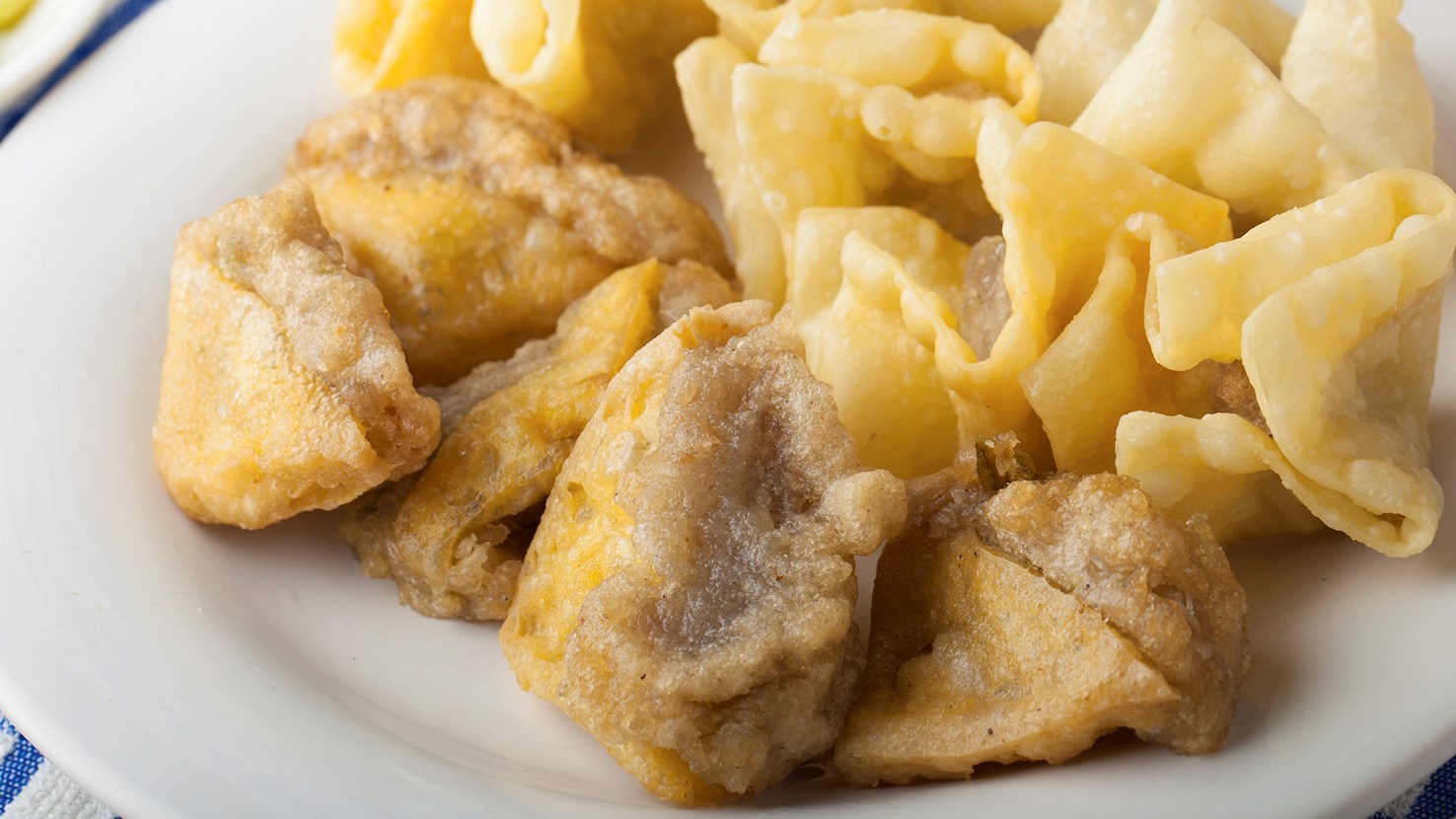
Batagor

4.4 ·

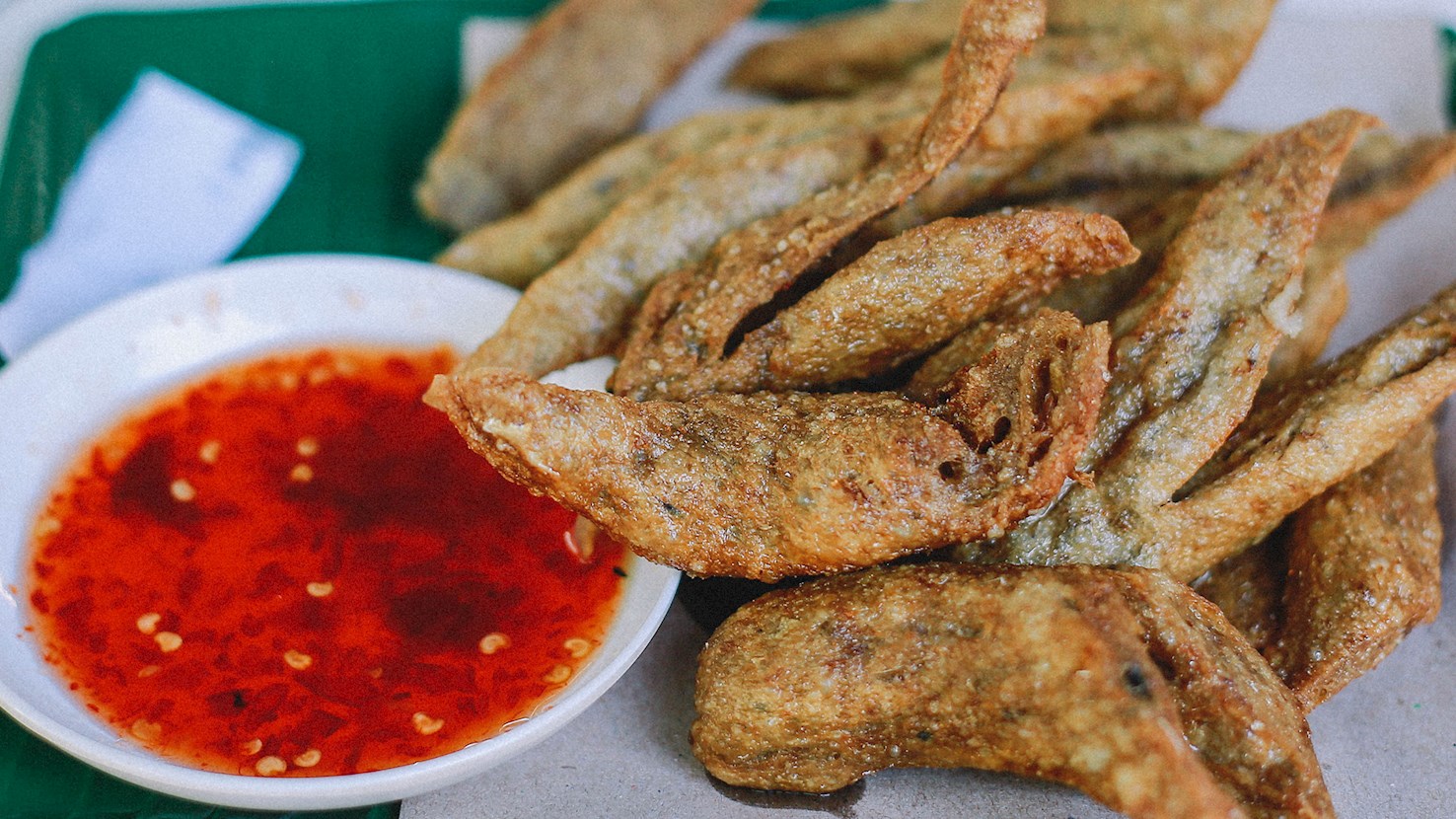
One of the most famous snacks in Indonesia is batagor, a fried fish dumpling served in a traditional spicy sauce. It has roots in the Chinese culinary tradition, which has left a trace on many Indonesian dishes. Although this famous snack is reminiscent of the more famous Chinese dumpling, its distinguishable characteristic is that it is fried, not steamed. The most common fish used to make the dish is wahoo, but tuna, mackerel, and even prawns can also be used. Potatoes, tofu, or cabbage are also occasionally added to the dish. Batagor is the perfect snack because of the way it is served. When fried, the dumplings are cut into small bite-sized pieces and covered in peanut, soy, and chili sauce with a splash of lime juice. It was invented in the 1980s in Bandung, but today it can be found throughout Indonesia. Since it is quickly prepared, it is commonly sold by street vendors, but it can also be found in many Indonesian restaurants.

02

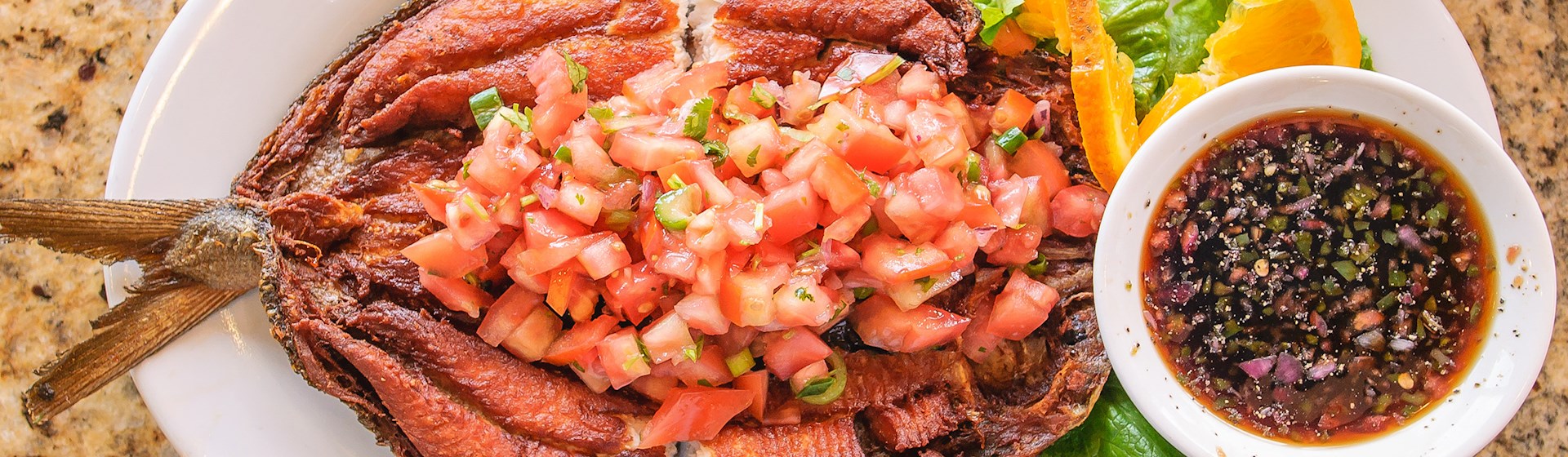
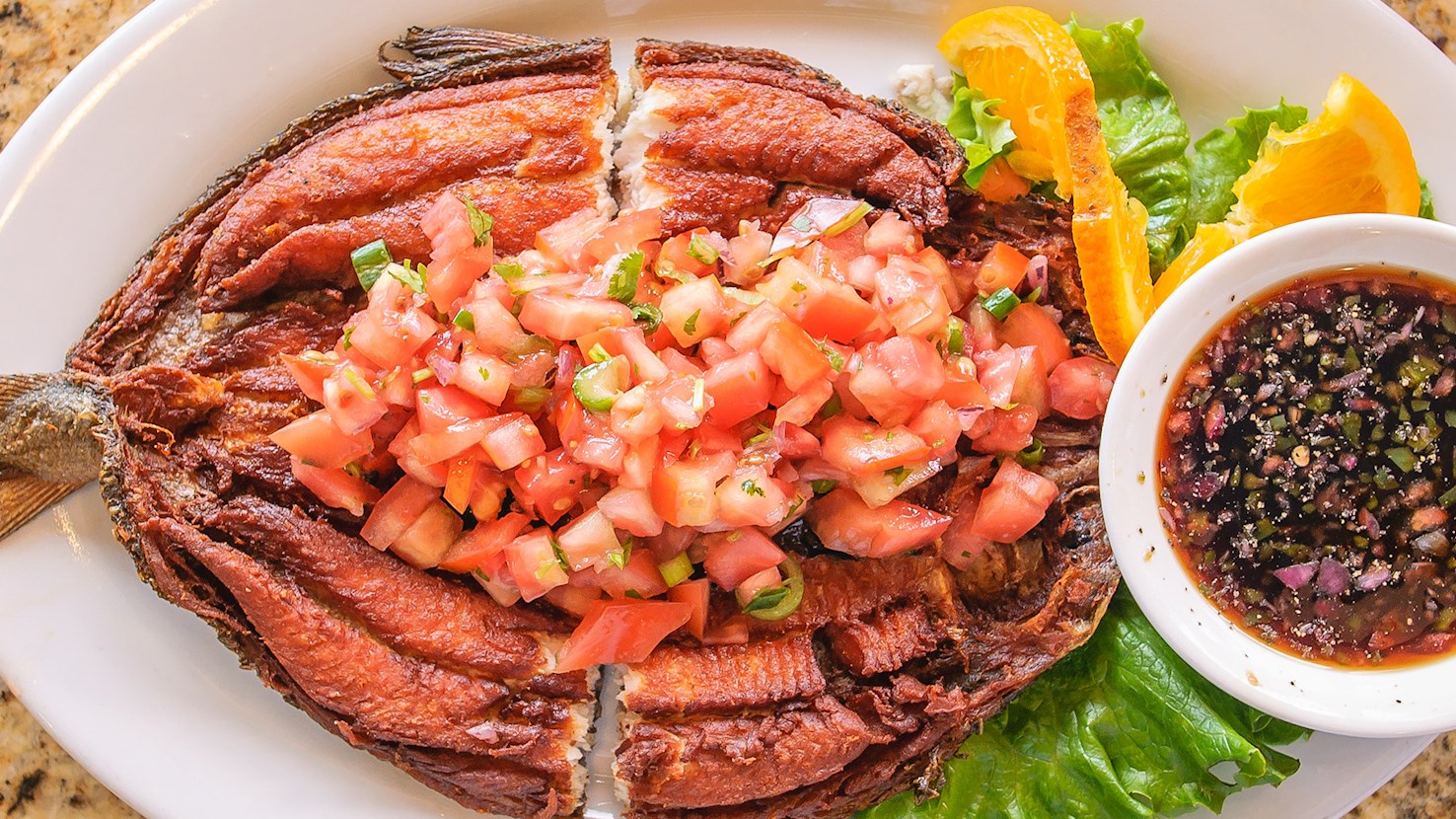
Daing na bangus

4 ·

This traditional Filipino dish consists of butterflied, marinated milkfish that is pan-fried until crispy. The marinade usually combines vinegar, garlic, and various spices, and the fish is prepared with the skin intact, which adds an additional crunch to its texture. Daing na bangus can be enjoyed as a filling lunch or breakfast, and it is usually accompanied by garlic-fried rice, fried eggs, pickled vegetables, and spicy vinegar.

03

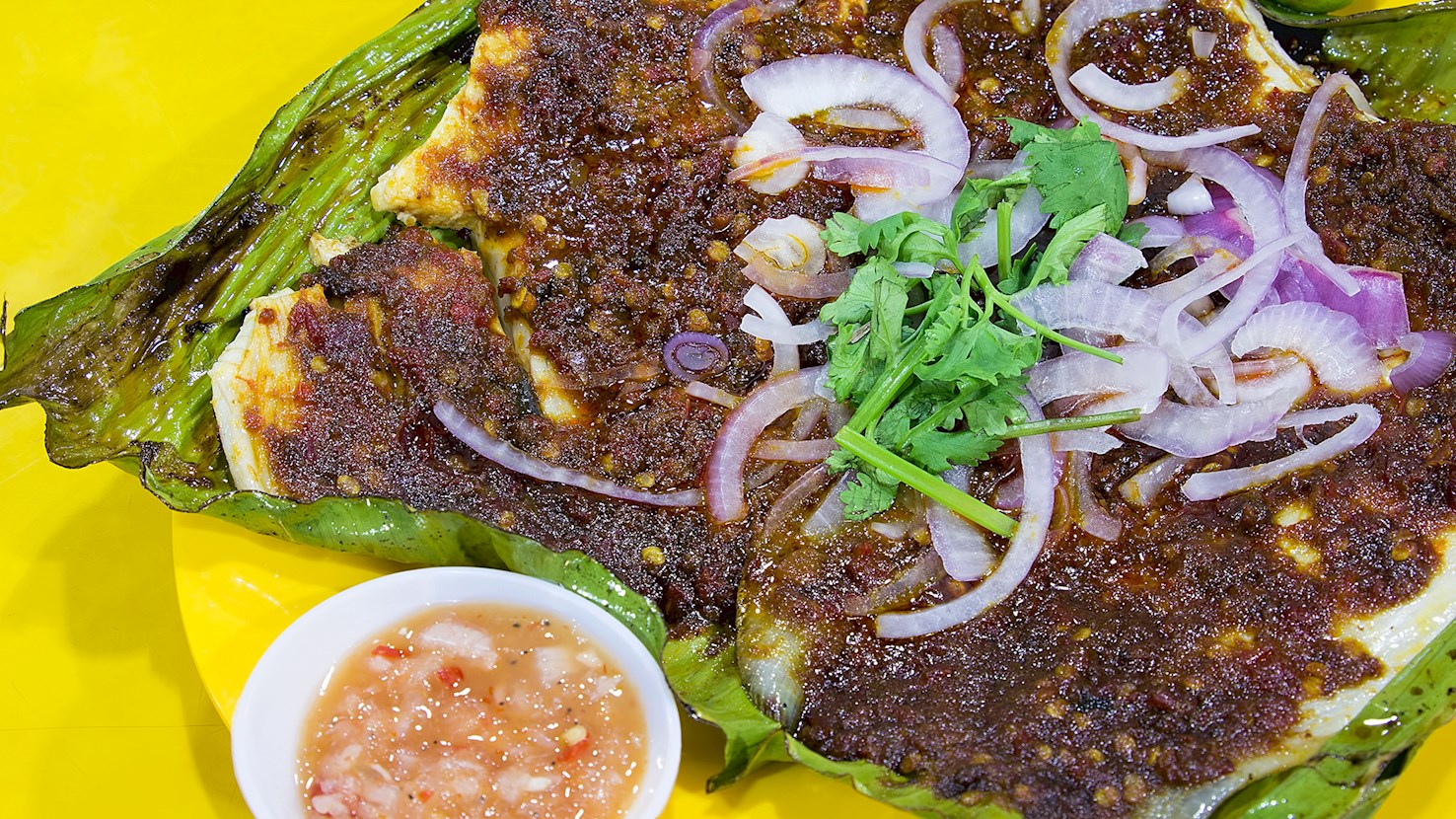
Sambal Stingray

3.8 ·

This Singaporean and Malaysian classic dish couples grilled stingray and spicy sambal paste—the chili pepper-based sauce that may incorporate various other elements such as lime juice, shrimp paste, ginger, vinegar, or sugar. The thin stingray fillets are usually coated with sambal and are then grilled and served on a banana leaf. The whole dish is traditionally accompanied by lime wedges, onions, or sliced chili peppers, and there is also a special dipping sauce on the side. Apart from Singapore, the dish is also enjoyed in Malaysia where it is known as ikan pari bakar.

04

Keropok lekor

3.6 ·

Keropok lekor is a Malaysian snack and a specialty of the Terengganu region. In order to prepare it, ground fish such as herring, ikan tamban, ikan kerisi, or ikan selayang are combined with sago flour, and the combination is formed into long, sausage-like shapes which are then boiled for several hours, although these fish sausages can also be fried. There are many stalls in the region where keropok lekor can be bought, and it is traditionally served hot with a spicy chili dipping sauce.

05

Kinilaw

3.5 ·

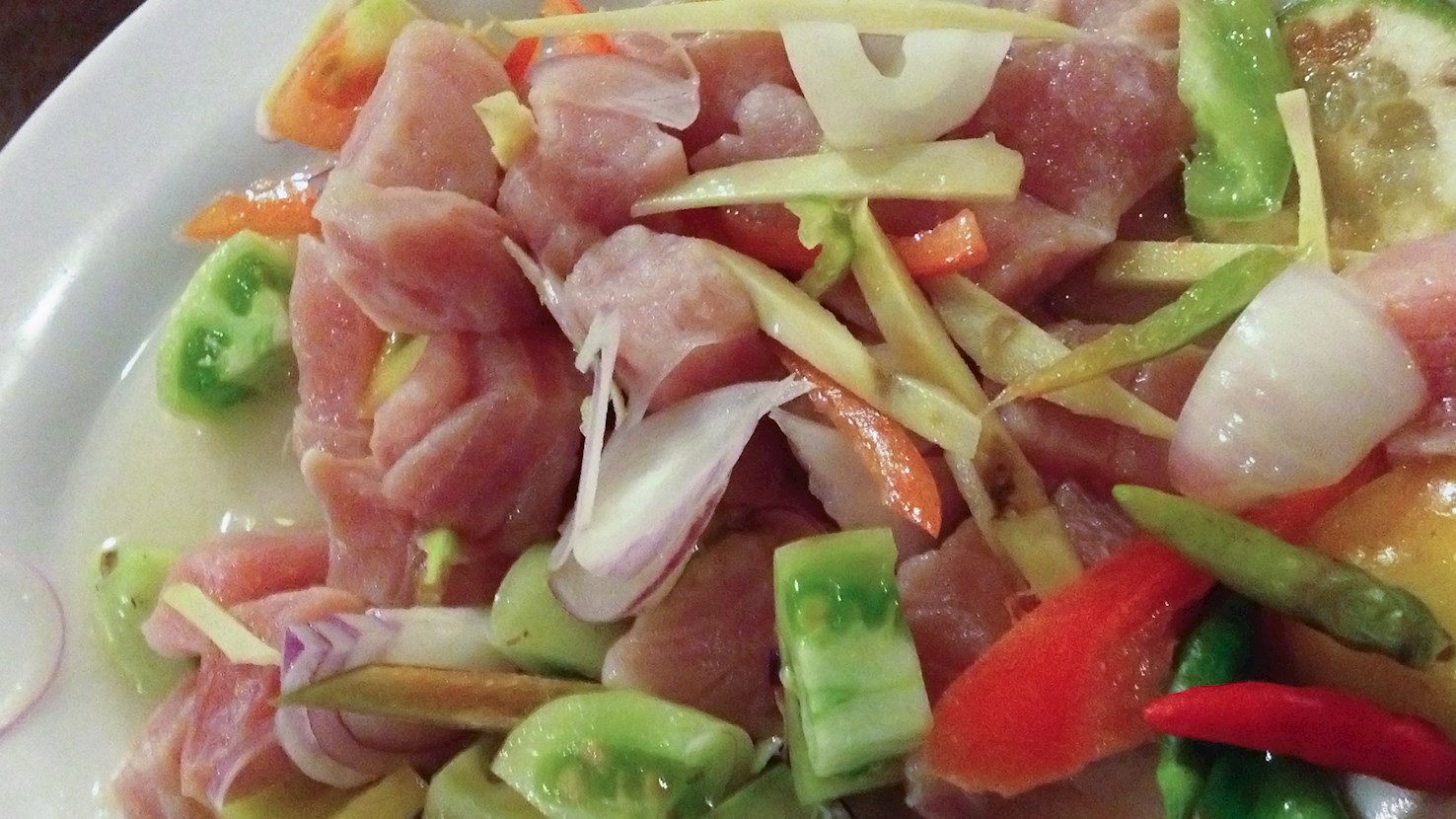
Kinilaw is a Filipino appetizer made with raw, cubed fish in a dressing based on vinegar. The appetizer is typically garnished with onions, ginger, chili peppers, and garlic. Fish should be washed in vinegar, not soaked in it, turning the pink flesh into white and slightly opaque in the process. Although kinilaw is usually consumed as an appetizer before a big meal, it can also be eaten as finger food, when it’s traditionally consumed with alcoholic beverages on the side.

06

Khanom chin nam ya

3.5 ·

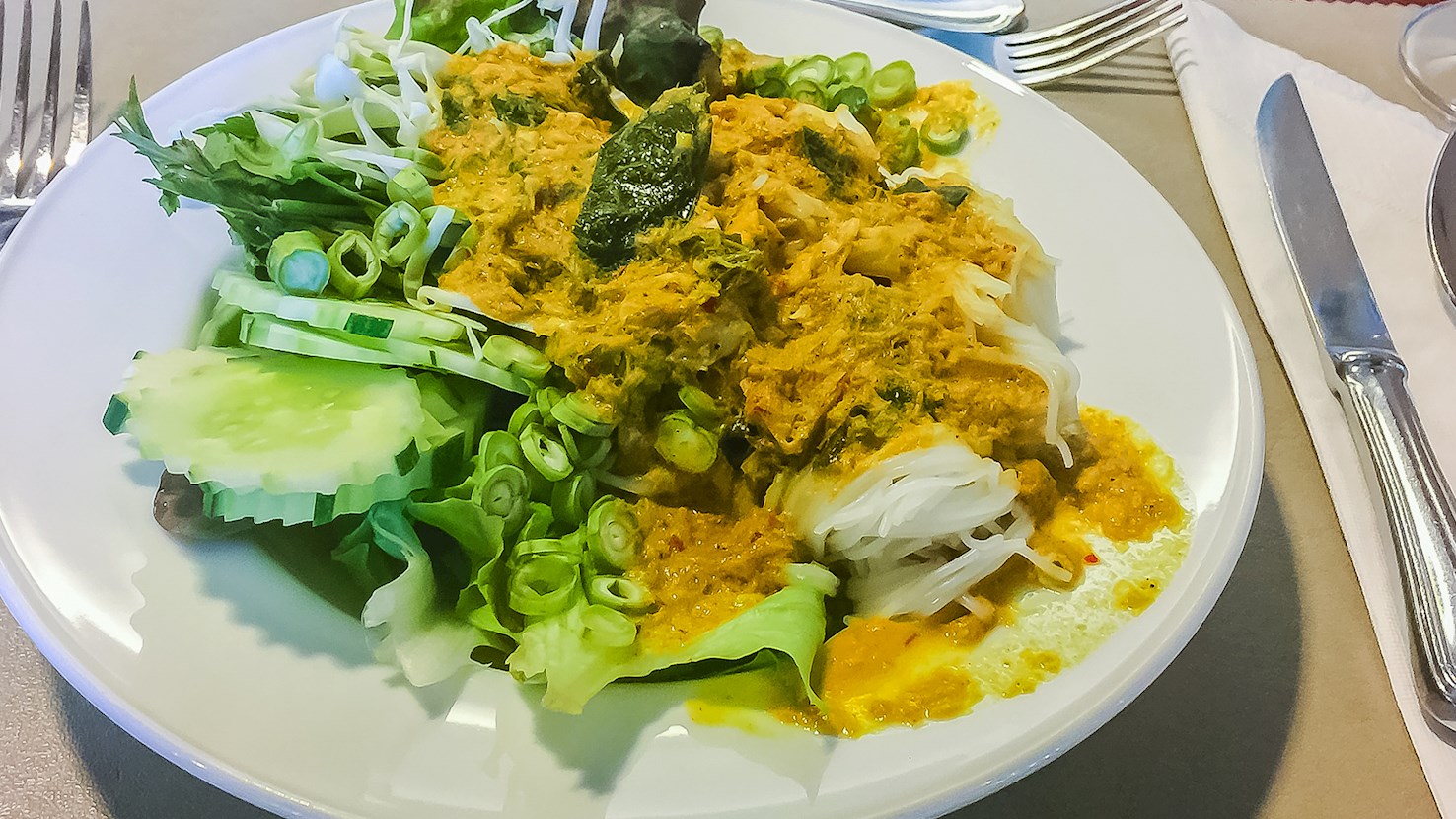
This fiery Thai fish curry is usually associated with Central Thailand, although similar varieties can be found throughout the country. The most popular version consists of fresh rice noodles (khanom chin) that are served with a thick and spicy curry which is based on coconut milk, white fish, and a thick curry paste that usually combines freshly ground chilis, lemongrass, shrimp paste, turmeric, and garlic. The dish is traditionally accompanied by fresh vegetables, lemon basil, and fried chilis. Traditionally, it comes topped with hard-boiled eggs.

07

Pla sam rot (Three-Flavor Fish)

3.3 ·

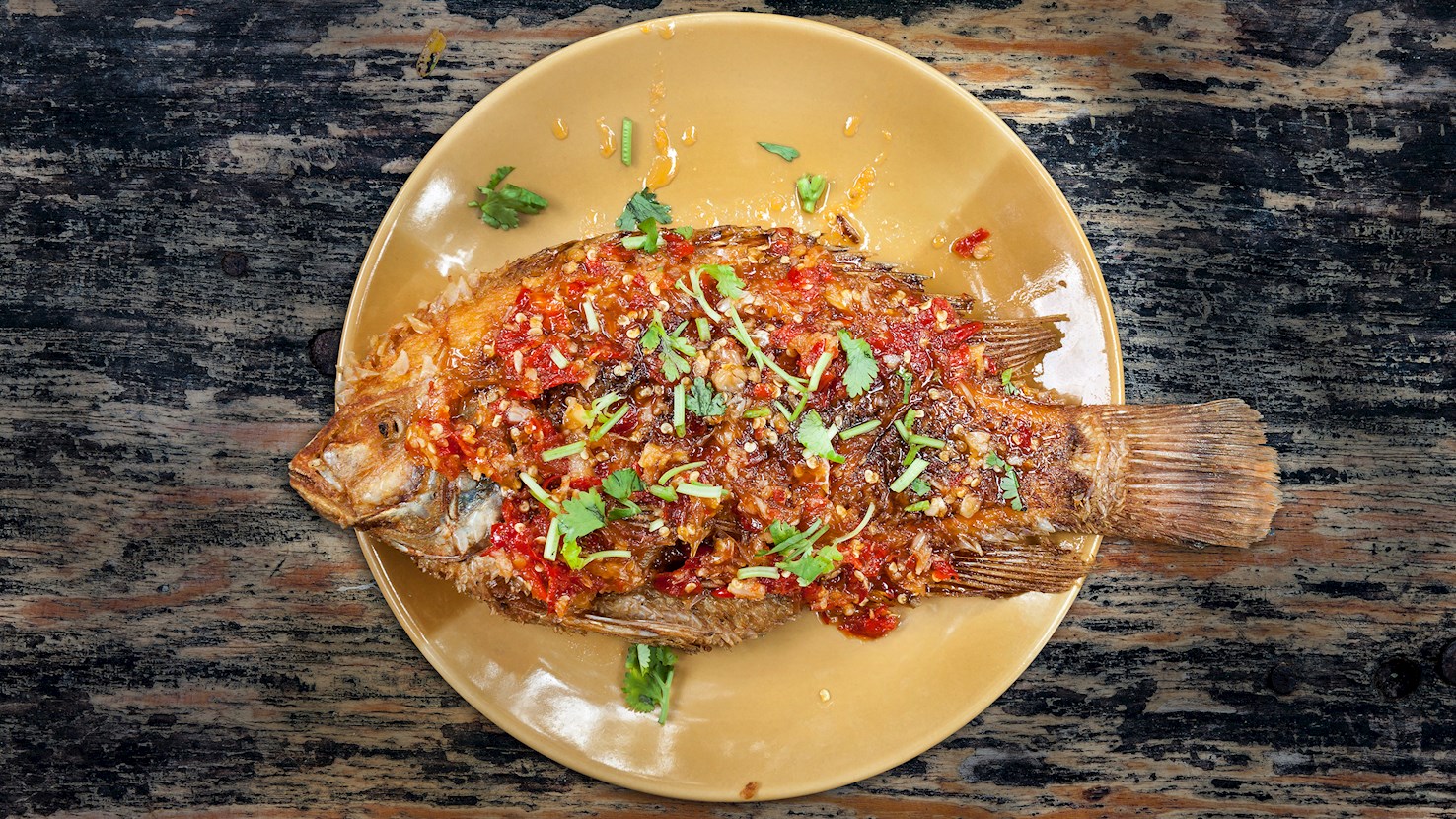
Pla sam rot is a traditional fish dish originating from Thailand. The dish is usually made with fish such as sea bass, tilapia, or snapper. The three-part sauce is made with a mixture of tamarind (sour), palm sugar (sweet), fish sauce (salty), and additional ingredients such as garlic, coriander, hot peppers, shallots, Thai basil, and oil. The fish is fried in oil and the sauce is then spooned over the fish. Pla sam rot is traditionally served on a platter as a shared meal, with steamed jasmine rice on the side.

08

Fish Head Curry

3.3 ·

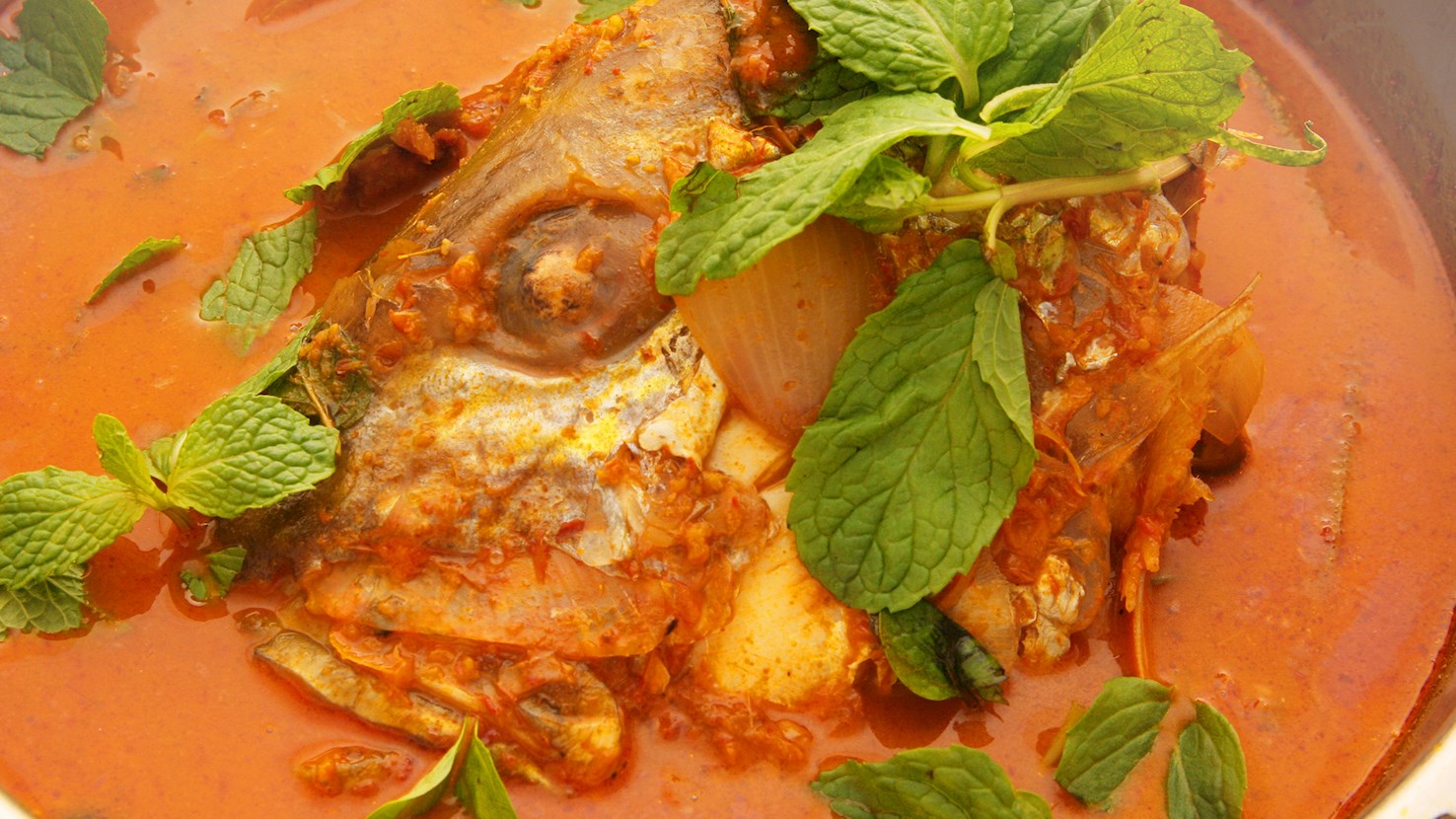
Fish head curry is a Singaporean specialty dish consisting of fish heads, coconut cream, tomatoes, and an array of seasonings such as curry leaves, garlic, chili, coriander, cumin, turmeric, pepper, and tamarind. The dish was invented during the 1970s as a way to use up unwanted fish heads. Today, it is served with bread or rice on the side, and one simmering pot of fish head curry can easily feed a few people.

09

Sliced Fish Soup

3.2 ·

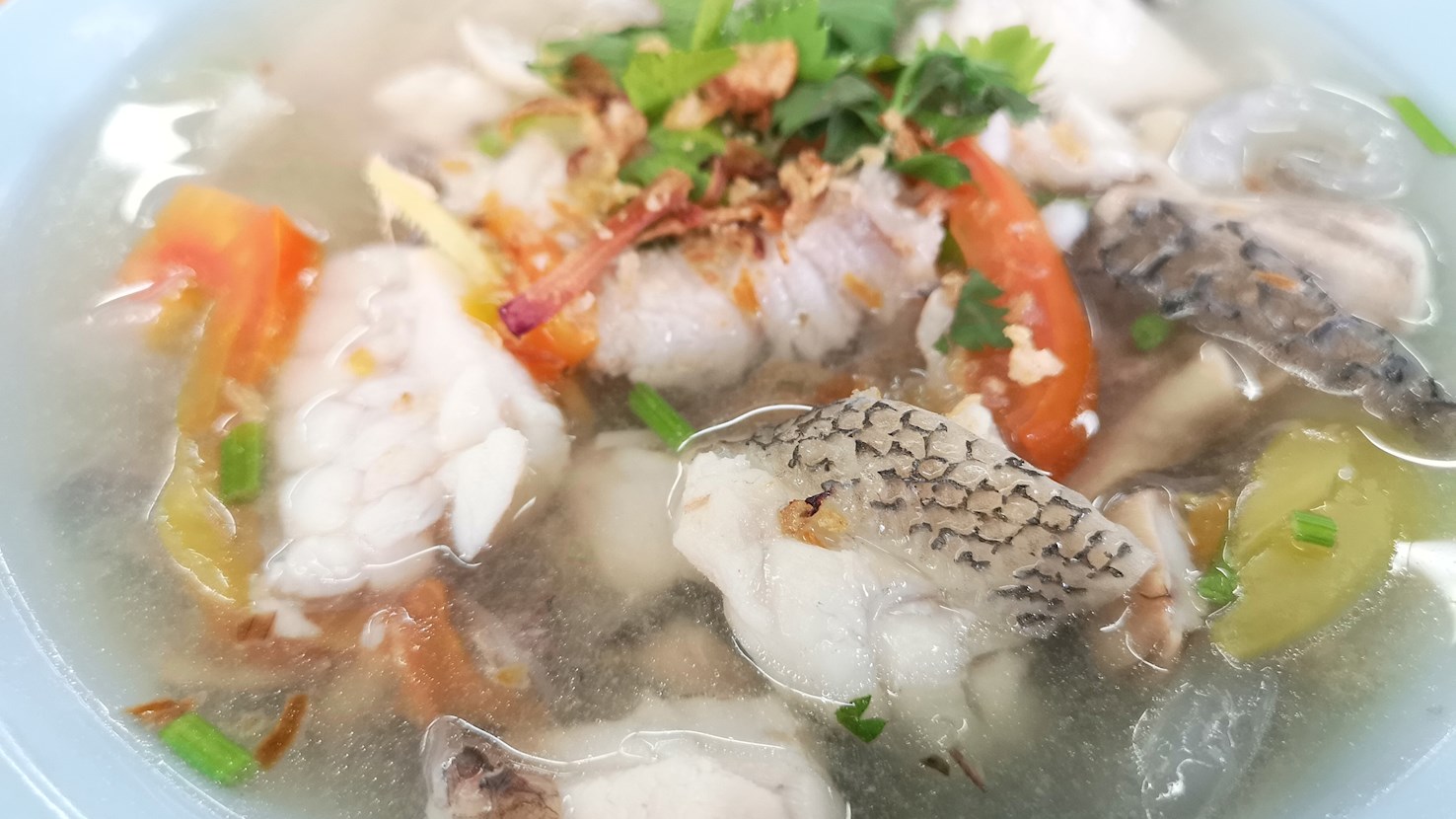
Sliced fish soup is a traditional fish soup originating from Singapore. There are many variations, but it’s often made with a combination of fish such as grouper, minced pork, cabbage, tofu, tomatoes, fish stock, salt, white pepper, sesame oil, cornstarch, soy sauce, and Shaoxing wine. The fish and meat are marinated, sautéed, and then cooked into a soup with the vegetables and seasonings. If desired, cooked noodles can also be added to the soup. Sliced fish soup is a staple at hawker centers across the country and it’s believed that the dish was created by the Teochew people.

10

Kinunot

n/a ·

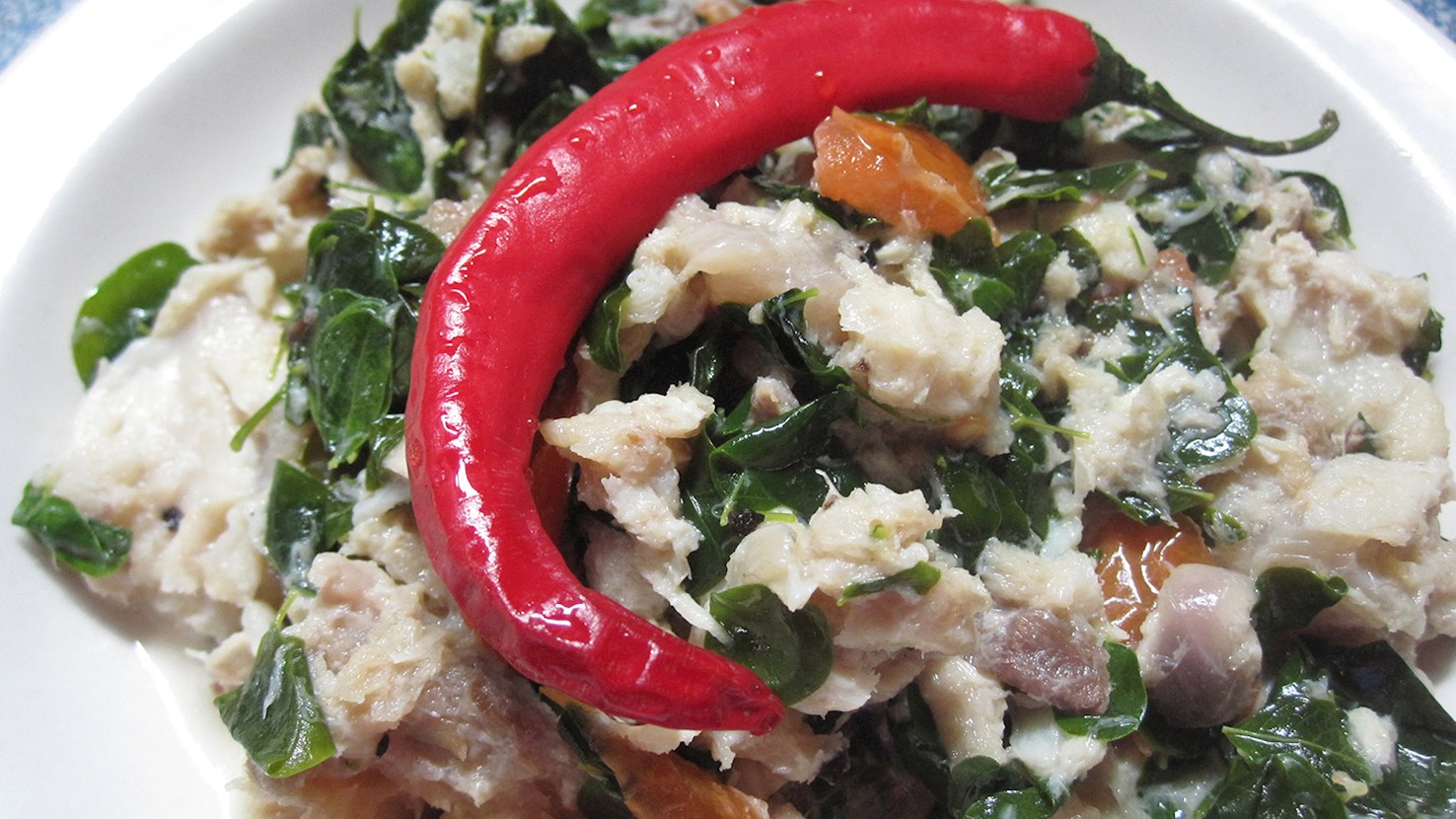
Kinunot is a traditional dish originating from the Bicol province. The dish is made with a combination of fish (usually stingray or shark), coconut milk and cream, onions, garlic, malunggay (moringa) leaves, ginger, vinegar, hot chili peppers, and fish sauce. The fish is flaked and mixed with the other ingredients which are then cooked in coconut cream sauce with spices. Kinunot is very popular in Bicol because chili peppers, coconuts, and seafood are abundant in the area. It's often served with steamed white rice on the side. The name of the dish is a Bicolano term for flaking (the fish, in this case).

11

Ping pa

n/a ·
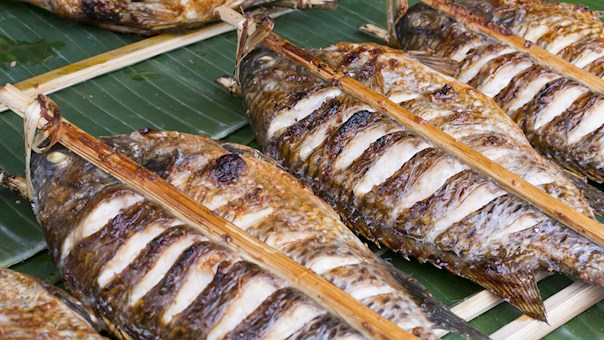
Read more
View all
View map
About this ranking

TasteAtlas food rankings are based on the ratings of the TasteAtlas audience, with a series of mechanisms that recognize real users and that ignore bot, nationalist or local patriotic ratings, and give additional value to the ratings of users that the system recognizes as knowledgeable. For the “Top 11 Southeast Asian Saltwater Fish Dishes” list until June 15, 2026, 344 ratings were recorded, of which 226 were recognized by the system as legitimate. TasteAtlas Rankings should not be seen as the final global conclusion about food. Their purpose is to promote excellent local foods, instill pride in traditional dishes, and arouse curiosity about dishes you haven’t tried.

Similar lists