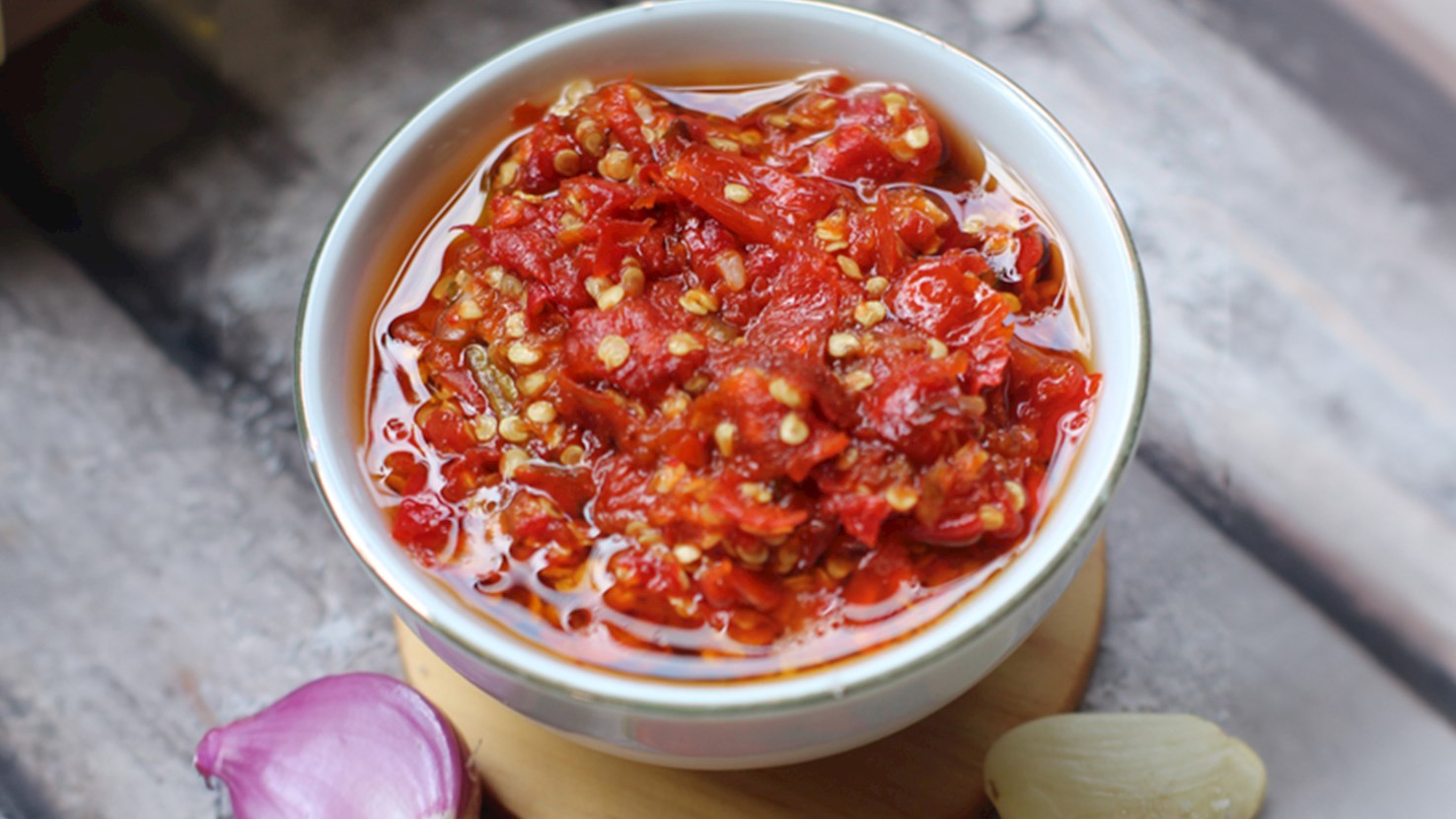
Sambal terasi is an Indonesian chili paste made primarily from fresh red chilies and fermented shrimp paste known as terasi. It is one of the most common and widely used sambals across Indonesia and serves as a versatile condiment that accompanies a variety of dishes, from fried fish and vegetables to rice and tofu. The key ingredient, terasi, is made from ground, salted, and fermented small shrimp that is sun-dried and either formed into blocks or sold loose. Before being used in sambal, terasi is typically toasted or fried to reduce its strong odor and enhance its umami flavor. The sambal is prepared by grinding red chilies, garlic, shallots, and sometimes tomatoes together with the toasted shrimp paste using a mortar and pestle, though modern versions may use a blender. Palm sugar is added to introduce sweetness, and tamarind juice or lime juice provides a sour note to balance the flavors. Salt is used for seasoning, and a small amount of oil is often added to blend everything smoothly or to fry the sambal further if a cooked version is desired. There are two main types of sambal terasi: sambal terasi mentah (raw), which uses raw chilies and ingredients and is served fresh, and sambal terasi matang (cooked), where the ingredients are sautéed to develop a deeper, more mellow flavor. Sambal terasi is an essential part of Indonesian cuisine and is found in households and restaurants throughout the country. It is known for its bold, savory taste and ability to enhance even the simplest dishes. While it can be very spicy depending on the amount and type of chilies used, it is always characterized by its complex combination of spicy, salty, sweet, and tangy notes. Because of its strong flavor and the presence of shrimp paste, sambal terasi is often made in small batches and consumed fresh, although it can be stored for several days in a sealed container in the refrigerator. In Malaysia, sambal terasi is known as sambal belacan.
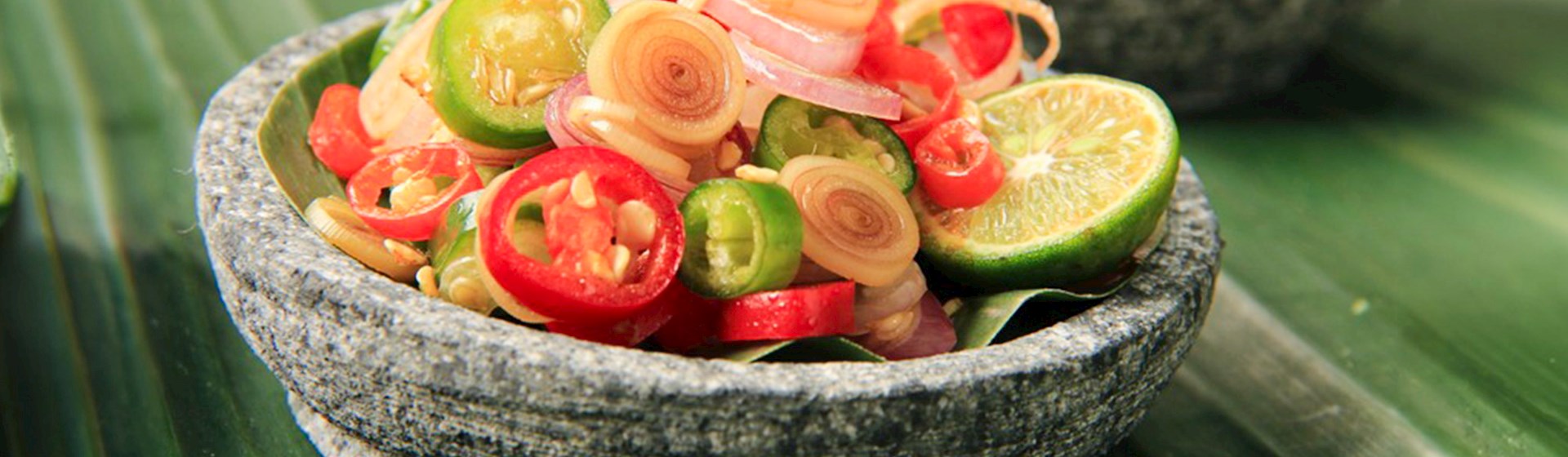
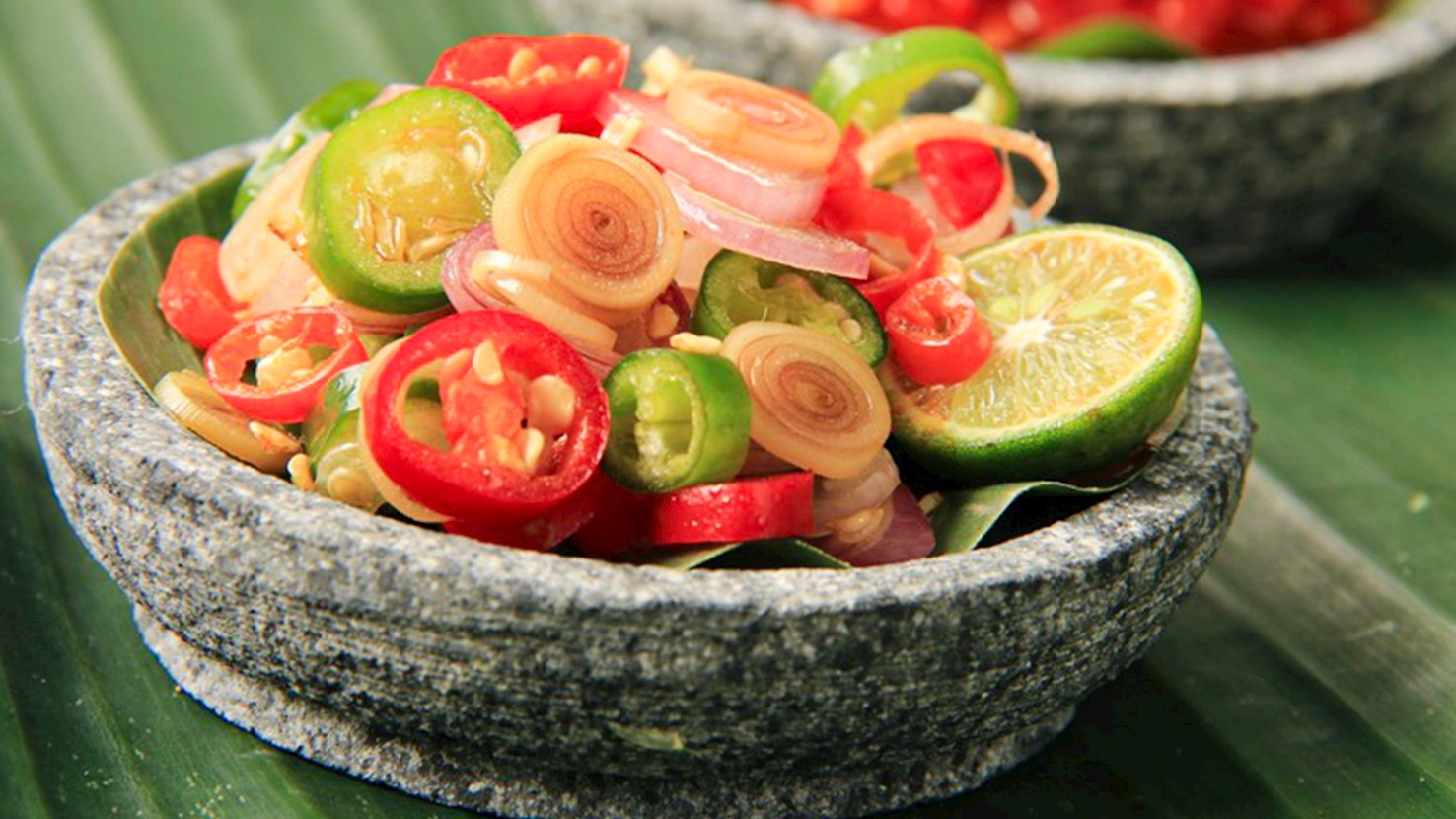
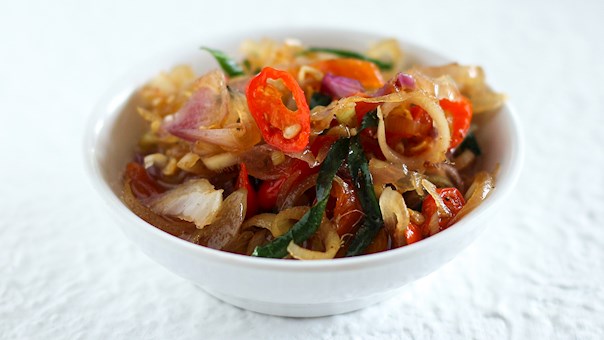
Sambal matah is a type of Indonesian sambal that features a raw mixture of chopped shallots, lemongrass, chili peppers, and sometimes garlic, mixed with coconut oil (or another type of vegetable oil) and lime juice. This sambal is known for its fresh, spicy, and slightly tangy flavor profile, making it a popular condiment in Indonesian cuisine, especially in Bali and Lombok. Unlike cooked sambals, sambal matah is prepared without any heat treatment, preserving the sharp, pungent flavors of its raw ingredients. It's commonly served as a side dish or condiment alongside grilled meats, seafood, or rice dishes, adding a burst of freshness and spice that enhances the overall flavor of the meal.
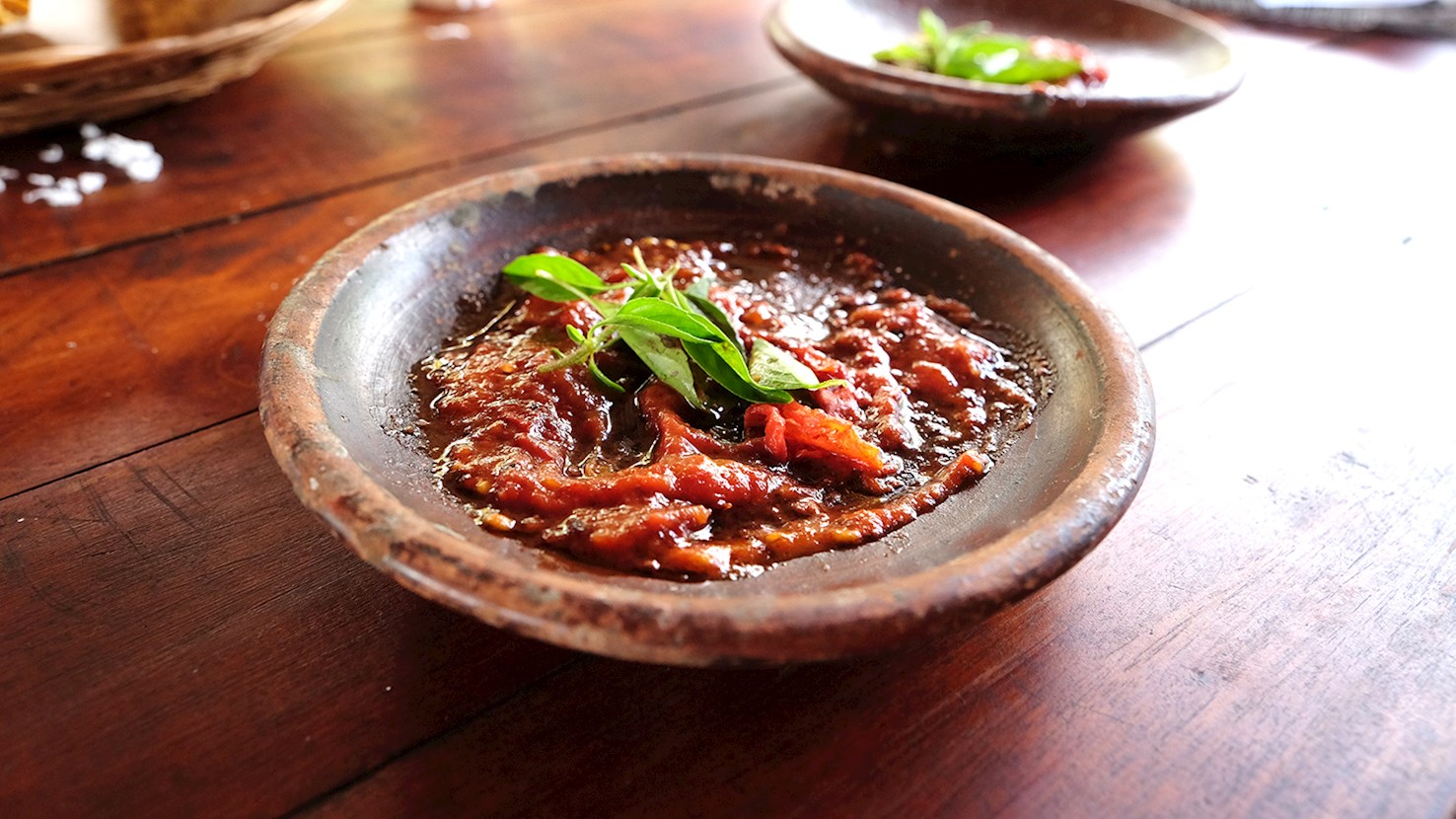
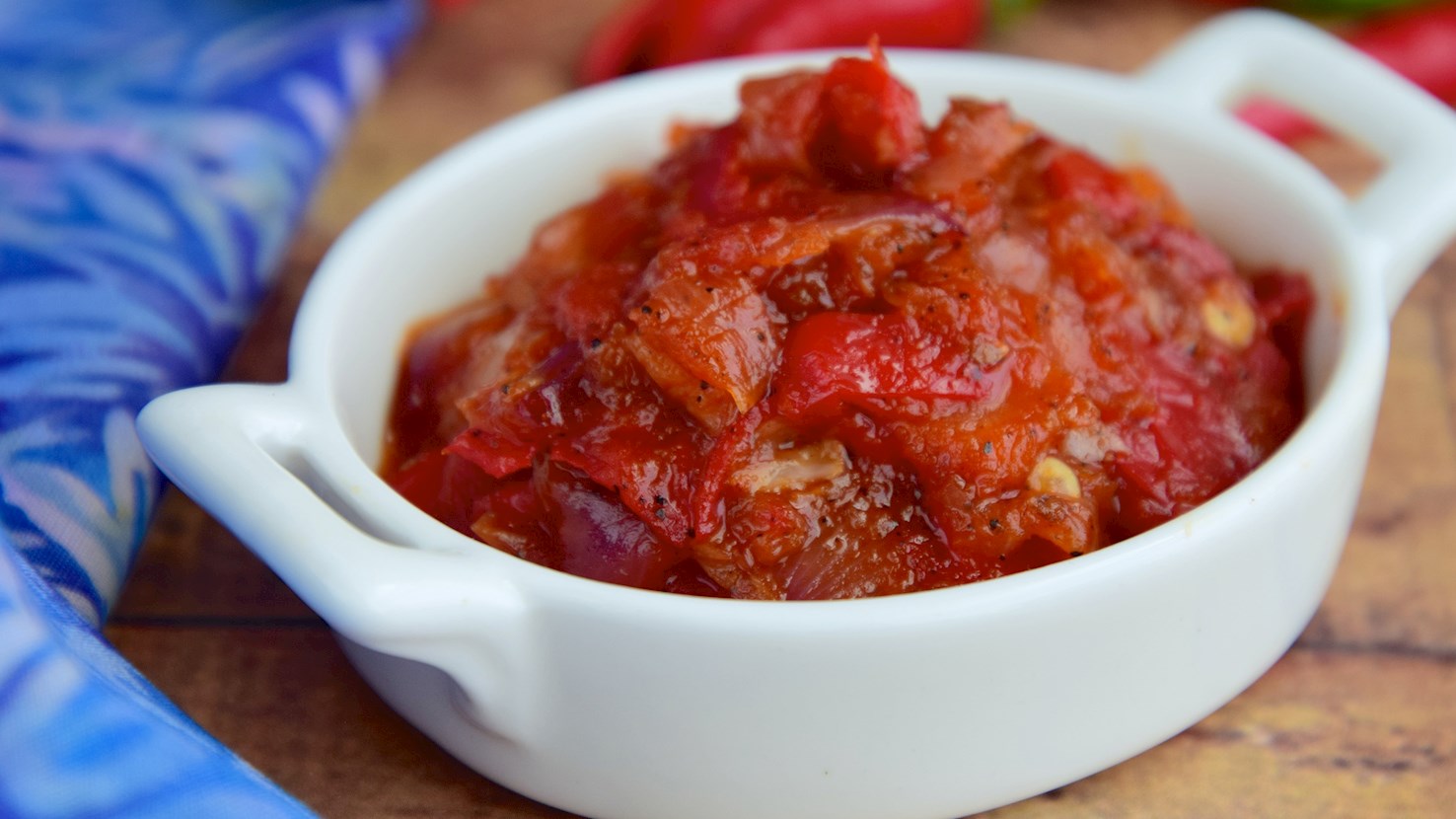
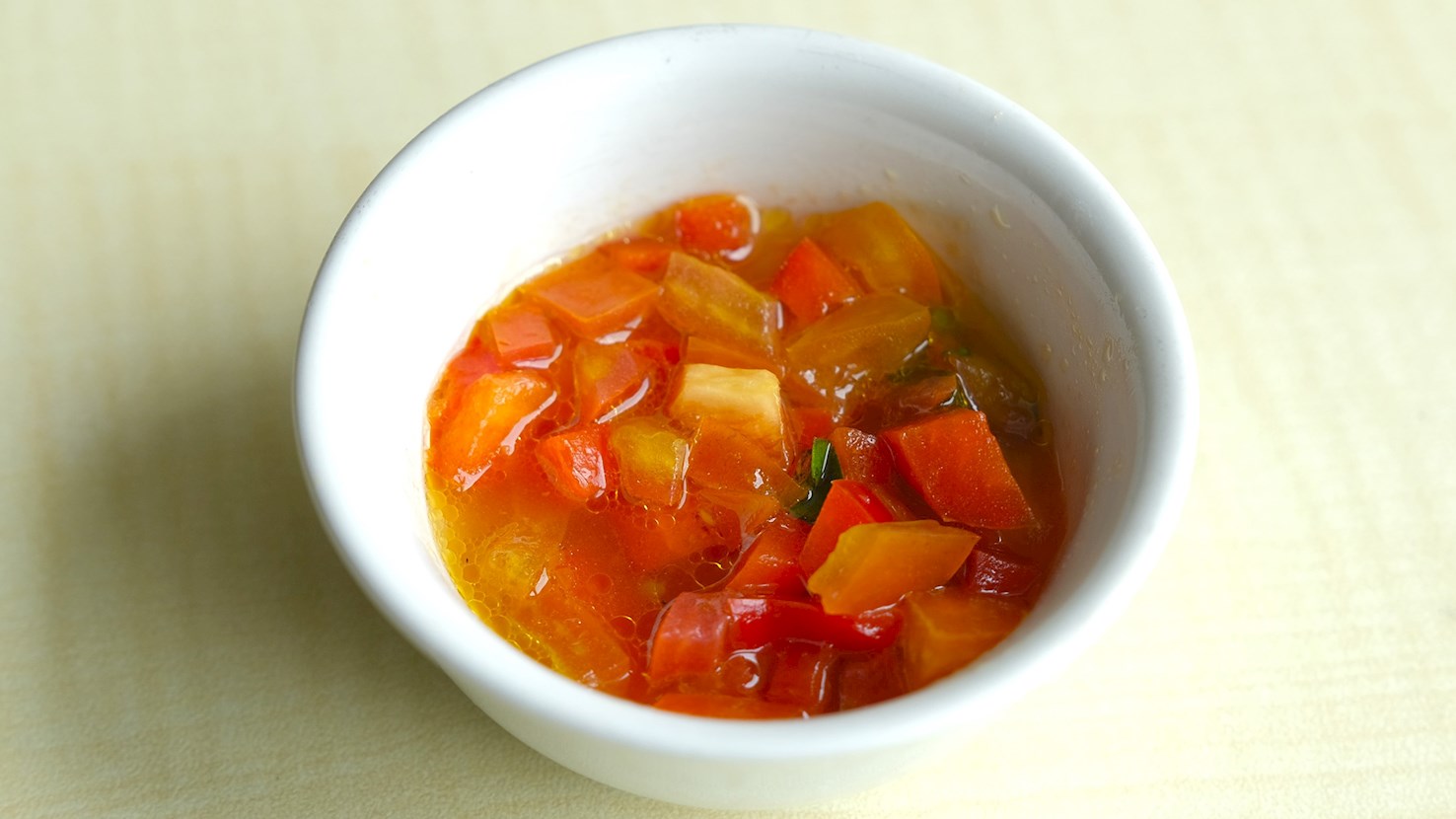
Sambal tomat is an Indonesian chili sauce that prominently features tomatoes along with chili peppers. The inclusion of tomatoes gives this sambal a distinctive tangy and somewhat sweet flavor, complementing the spiciness of the chilies. This sambal can vary in texture from smooth to chunky, depending on how finely the ingredients are chopped or blended. The basic ingredients for sambal tomat usually include fresh red chili peppers, shallots, garlic, and, of course, ripe tomatoes. Most variations also include shrimp paste (terasi) for added depth, as well as salt, sugar, and lime juice to balance the flavors. The ingredients are typically ground into a paste, which can then be cooked (fried) to intensify the flavors and meld them together, although there are also versions that are served fresh, without cooking. Sambal tomat is a versatile condiment in Indonesian cuisine, serving as a flavorful addition to dishes such as grilled fish, chicken, rice, and vegetables.
Dabu-dabu is a vibrant, spicy condiment from North Sulawesi, Indonesia, particularly associated with the Minahasan cuisine of the Manado region. It is a raw sambal made by combining chopped fresh ingredients like bird’s eye chilies, tomatoes, shallots, and sometimes green onions, all dressed with a generous squeeze of calamansi juice or key lime, and a touch of salt and oil. The result is a bright, zesty mixture that delivers heat, acidity, and freshness in equal measure, making it a perfect accompaniment to grilled or fried fish, seafood, and meats. Unlike cooked sambals found in many other Indonesian regions, dabu-dabu maintains the crispness and natural flavor of its components, with the citrus playing a central role in lifting the dish and balancing the heat of the chilies. The use of citrus, especially local varieties like lemon cui or calamansi, gives it a sharp, aromatic edge that sets it apart from other Indonesian condiments. This sambal is often spooned generously over freshly grilled ikan bakar, where it cuts through the richness of the fish with its raw brightness and makes each bite deeply satisfying.
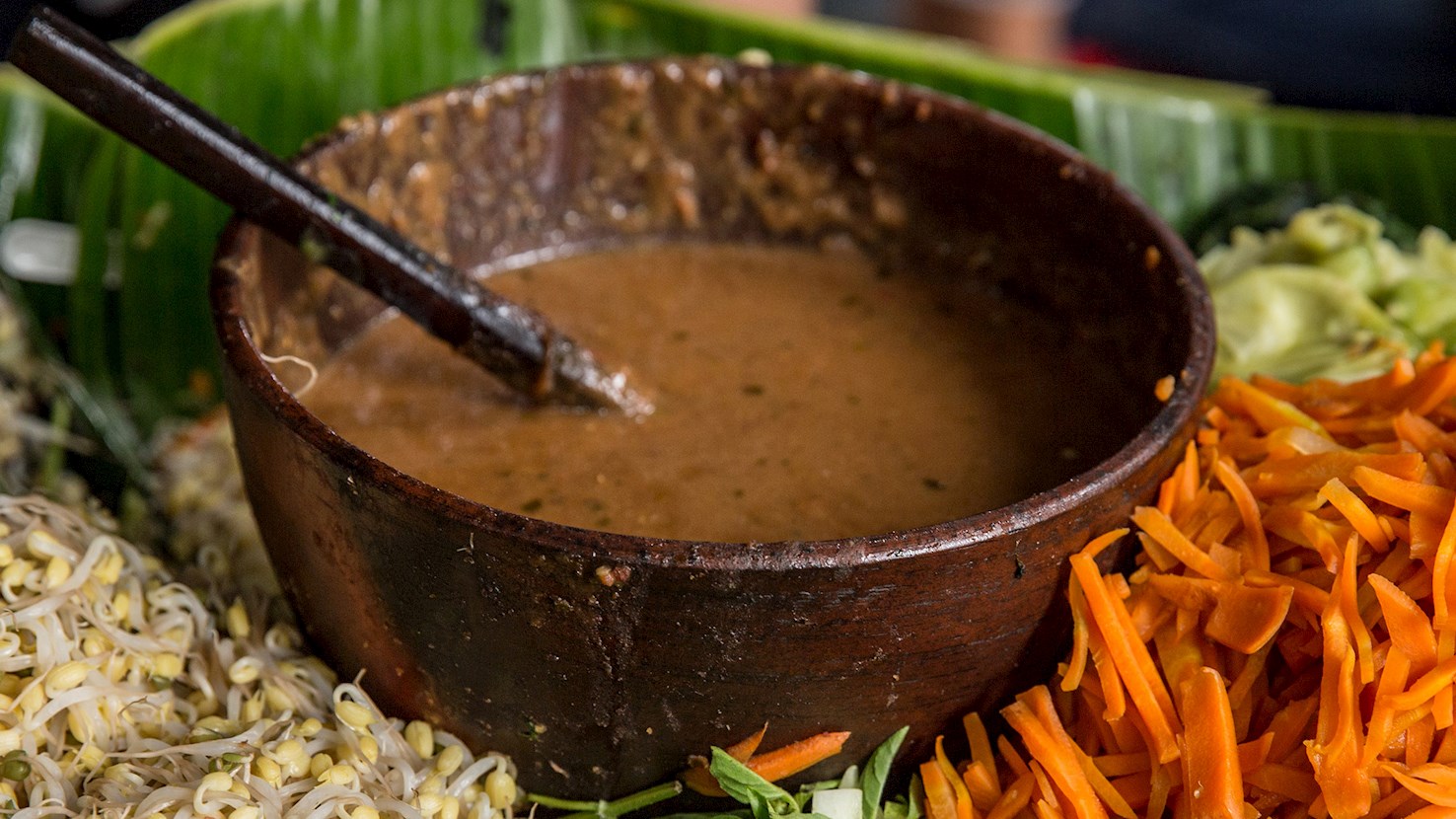
Sambal kacang is an Indonesian peanut-based chili sauce, commonly used as a dipping sauce or dressing for dishes like satay, gado-gado, ketoprak, and nasi uduk. It has a rich, nutty flavor with a balance of spiciness, sweetness, and umami, making it one of the most beloved sambals in Indonesian cuisine. Unlike regular chili-based sambals, sambal kacang is made with roasted peanuts blended with chilies, garlic, palm sugar, tamarind, and sweet soy sauce (kecap manis), creating a thick, creamy, and slightly spicy sauce. Some variations may include coconut milk for extra richness or lime juice for a tangy kick.
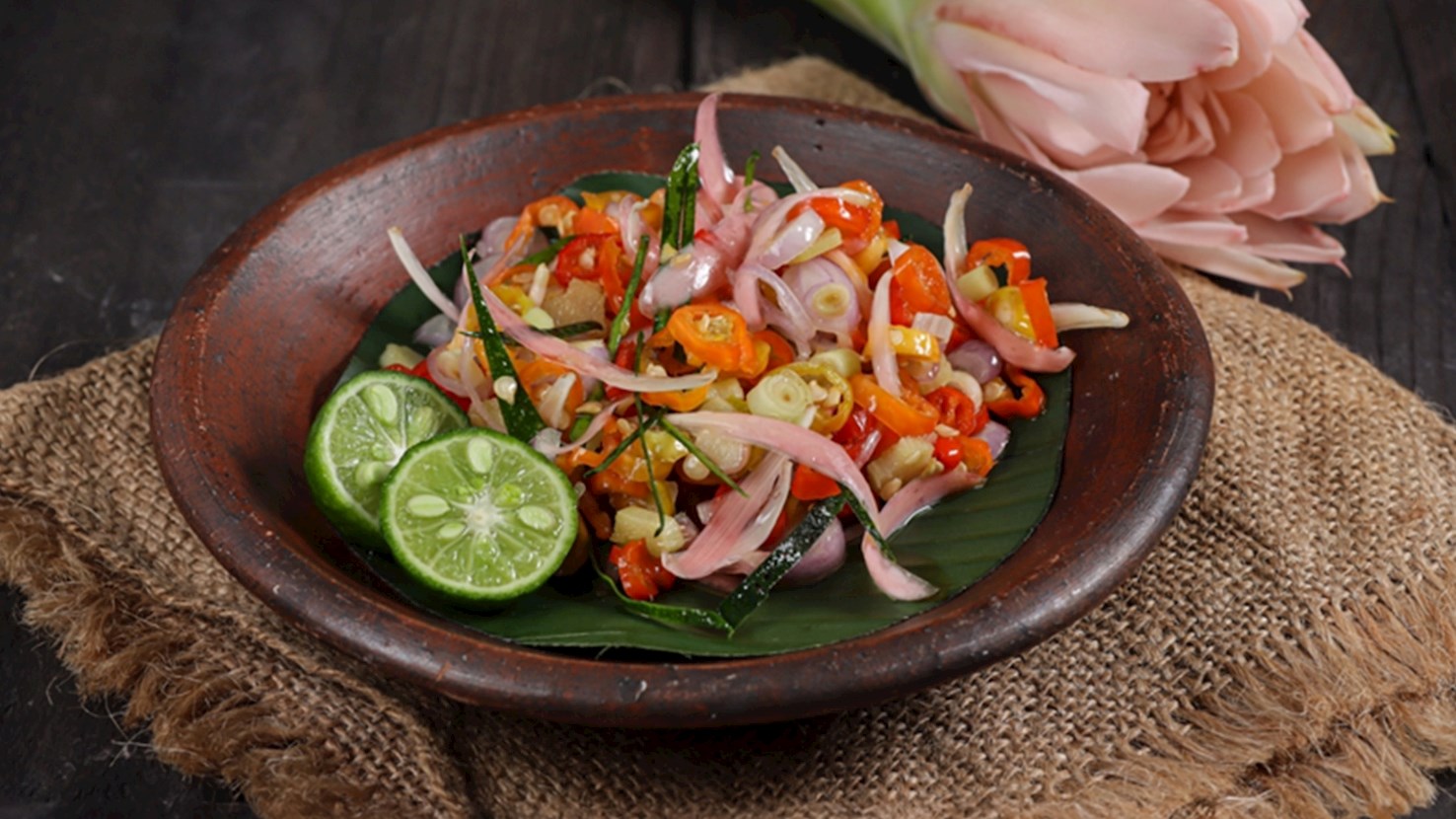
Sambal bongkot is a distinctive side dish from Bali, where it is prepared using bongkot, the local name for torch ginger flower buds. The dish combines the aromatic qualities of this unique ingredient with chilies, shallots, and fresh coconut, creating a sambal that is both spicy and deeply fragrant. The torch ginger lends a subtle citrusy flavor that sets sambal bongkot apart from other Balinese sambals that rely primarily on red chilies and shrimp paste. Preparation begins by slicing the unopened torch ginger buds very finely so their fragrance can blend evenly into the mixture. The sliced bongkot is mixed with chopped shallots, bird’s eye chilies, grated young coconut, salt, and a squeeze of lime juice. Some recipes also incorporate a small amount of palm sugar to balance the heat. Unlike cooked sambal, sambal bongkot is usually served raw, highlighting the freshness of its ingredients. It is most often eaten as an accompaniment to steamed rice, grilled fish, or roast pork. In Balinese households, the sambal is prepared just before serving to keep its bright aroma intact, and it is sometimes presented alongside other sambals such as sambal matah. Sambal bongkot is closely associated with home cooking and village-style meals rather than commercial restaurants. Because torch ginger buds are seasonal and not always available in markets, the sambal is often reserved for times when the plants are flowering. For this reason, some cooks consider it a specialty that reflects both the agricultural cycle and the importance of fresh herbs in Balinese cuisine. The sambal can be adjusted to suit individual tastes, with more or fewer chilies depending on how spicy the diners prefer.
Sambal bajak is a rich and savory Indonesian chili paste that's more complex in flavor compared to simpler sambals like sambal ulek. It's a cooked sambal, meaning the ingredients are sautéed together, which develops a deeper, more integrated flavor profile. Sambal bajak includes a blend of chili peppers, shallots, garlic, tamarind, palm sugar, and often shrimp paste (terasi) for umami depth. Additional ingredients like lemongrass, galangal, and kaffir lime leaves can also be included to enhance its aromatic qualities. The cooking process caramelizes the ingredients slightly, resulting in a sambal that is both spicy and sweet, with a rich umami background. It's a versatile condiment that can be used to accompany a variety of dishes, from rice and noodles to meats and vegetables, adding a flavorful kick to any meal.
Sambal ulek is a traditional chili paste or sauce that's made by grinding fresh red chili peppers with a small amount of salt using a mortar and pestle. The name "ulek" or "oelek" comes from the Indonesian term "ulekan," which refers to the mortar, and "ngulek," the action of grinding with a mortar and pestle, highlighting the traditional method of preparation. Sambal ulek is known for its simplicity and pure, fiery heat. Unlike many other sambal varieties that may include a wide array of ingredients like shrimp paste, ginger, or sugar, sambal ulek focuses on the chili peppers themselves, making it a versatile condiment that can be used as a base for other sambal variations or as a straightforward spicy addition to numerous dishes.
Sambal tappa is a traditional salad originating from Ambon, Maluku, where fresh tuna is abundant. The salad is made with a combination of tuna, unripe mangoes, shallots, coconut milk, salt, and white pepper. The mango is sliced into matchsticks, then sprinkled with salt and squeezed to remove as much liquid as possible. It is then mixed with flaked tuna, white pepper, coconut milk, and shallots in a large bowl. Sambal tappa is traditionally served well-chilled.
Colo-colo is a vibrant sambal originating from Ambon in Maluku, where it is prepared to accompany grilled or fried fish and seafood. The recipe is centered around chopped raw ingredients that are mixed just before serving to keep their textures bright and fresh. The core components usually include bird’s eye chilies, shallots, tomatoes, and fresh basil or lemon basil. These are combined with the juice of calamansi or local lime to create a sharp acidity that balances the heat of the chilies. Unlike cooked sambal, colo-colo is assembled raw, giving it a crisp, clean flavor that enhances simply seasoned fish. In some versions, the mixture includes kenari nuts, a local ingredient similar to candlenuts, which add richness and a subtle creaminess when crushed. A small amount of coconut oil or cooking oil is sometimes stirred in to bind the mixture. Another common addition is sweet soy sauce or light soy sauce, which introduces a mellow saltiness. The preparation involves finely slicing or dicing all components and combining them in a bowl with lime juice and salt. The mixture is left to stand briefly so the flavors meld without becoming soggy. When served, colo-colo is spooned over freshly grilled fish, especially tuna or mackerel, or used as a dip for fried seafood. Colo-colo reflects the influence of Maluku’s abundant coastal ingredients and the region’s preference for sour and spicy condiments. It is found in small warungs and homes, prepared in batches to accompany daily meals as well as festive gatherings. While the proportions of chilies and citrus can vary based on taste, the key characteristic is the combination of raw, aromatic elements that create a lively counterpoint to rich or oily fish. Outside Maluku, colo-colo has attracted interest among chefs and food enthusiasts who explore regional Indonesian recipes. The name is sometimes confused with dabu-dabu, a similar condiment from North Sulawesi, but colo-colo is distinct in its use of local lime and occasional inclusion of nuts or oil. The condiment is valued for its adaptability, as cooks can adjust the level of spiciness, acidity, and salt to match different dishes.
TasteAtlas food rankings are based on the ratings of the TasteAtlas audience, with a series of mechanisms that recognize real users and that ignore bot,
nationalist or local patriotic ratings, and give additional value to the ratings of users that the system recognizes as knowledgeable.
For the “14 Sambal Varieties Ranked From the Best To the Worst” list until June 17, 2026, 777,524 ratings were recorded, of which 504,674 were recognized by the system as legitimate.
TasteAtlas Rankings should not be seen as the final global conclusion about food. Their purpose is to promote excellent local foods,
instill pride in traditional dishes, and arouse curiosity about dishes you haven’t tried.