dreamstime

Top 12 European Sandwich Types

Last updated on July 15, 2026

Best European Sandwich types

01

Yorkshire Dama Cheese

4.5 ·

Yorkshire Dama Cheese is a cheese producer based in England, specifically established in Sowerby Bridge, West Yorkshire. The company was founded by Razan Alsous, a Syrian immigrant, who started the business in 2014.

Yorkshire Dama Cheese is known for producing a variety of cheeses, including their award-winning halloumi cheese. The company sources its cow's milk locally to maintain freshness and supports sustainable practices.

Awards
International Cheese Awards - Gold (2024, 2023)

Best European Sandwich Types

01

Montadito

4.1 ·

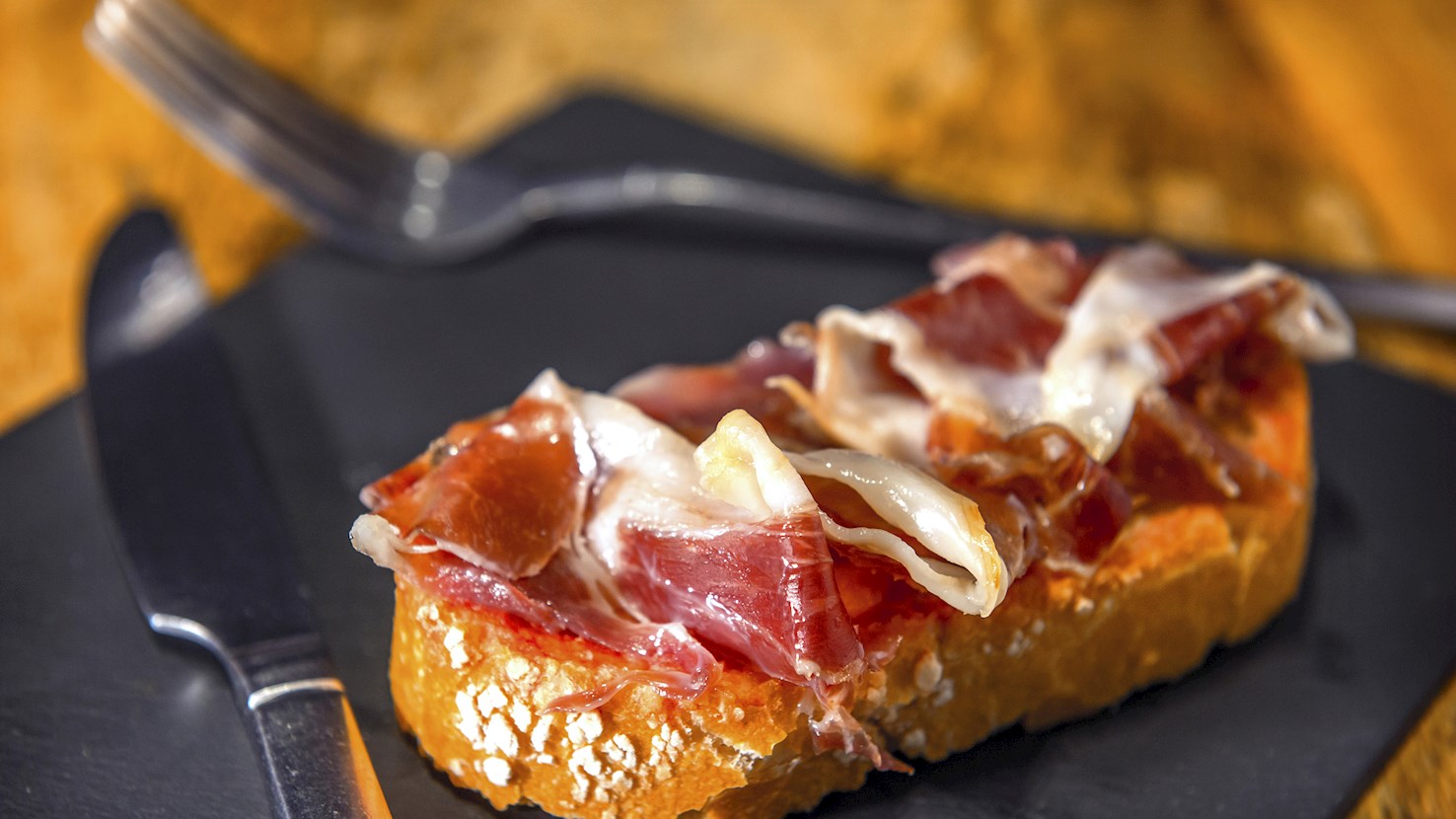
Montaditos are open-faced sandwiches and an essential tapa in Spain. Although there is no set list of ingredients, montaditos are always made with bread slices, typically from a thin elongated bread similar to a baguette. The toppings are incredibly versatile and may include anything from smoked meat, chorizo sausages, jamóns, various types of cheese, pickled vegetables, anchovies, as well as other types of seafood. The combinations are seemingly endless, and there are no set rules which toppings to use and how to combine them. It is believed that montaditos were the first type of sandwiches in Spain, dating back to fifteen or sixteenth century. The name montadito is believed to stem from the word montar, meaning to mount—as a reference to all the toppings that are mounted on top of each bread slice.

02

Smørrebrød

4.0 ·

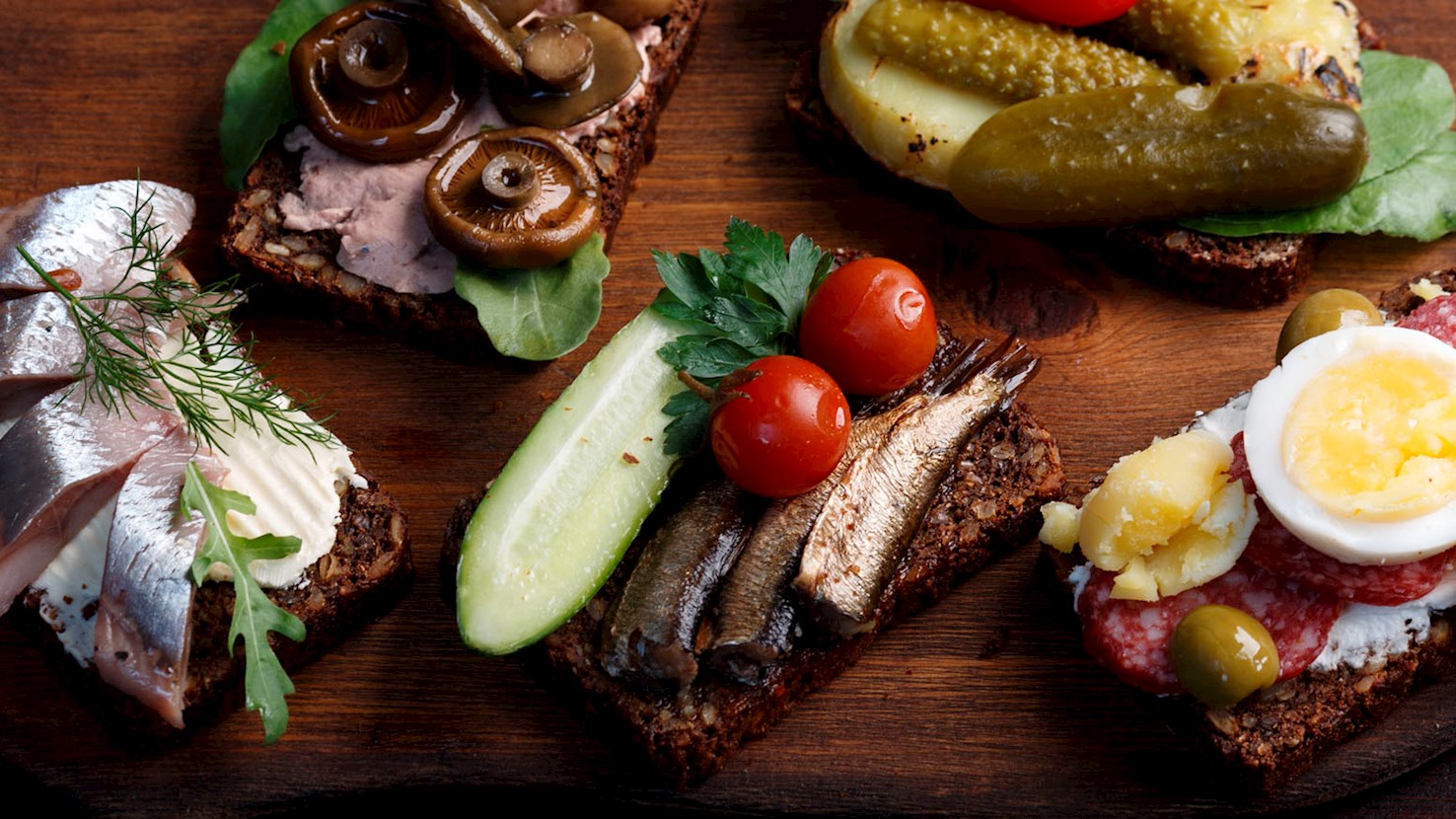
Smørrebrød is a traditional open-faced sandwich consisting of buttered rye bread that is topped with numerous ingredients and typically accompanied by vegetables, herbs, and salads. Toppings include ingredients such as cold cuts of meat, cheeses, spreads, meatballs, caviar, and condiments such as mayonnaise. This sandwich was invented in the 19th century by Scandinavian agricultural workers who would pack a variety of open-faced sandwiches for lunch–often made with leftovers from the previous night–in order to provide them with energy during the long working hours. Some claim that the basic idea stems from the Middle Ages and the tradition of serving food on stale bread. Today, smørrebrød is a staple of Scandinavian cuisine that is served either as an appetizer, main course, or a dessert. The sandwiches are especially popular during the holiday festivities such as Christmas and Easter. Open-faced sandwiches are also common in other countries - in Austria, they're known as belegte brote.

03

Bocadillos

4.0 ·

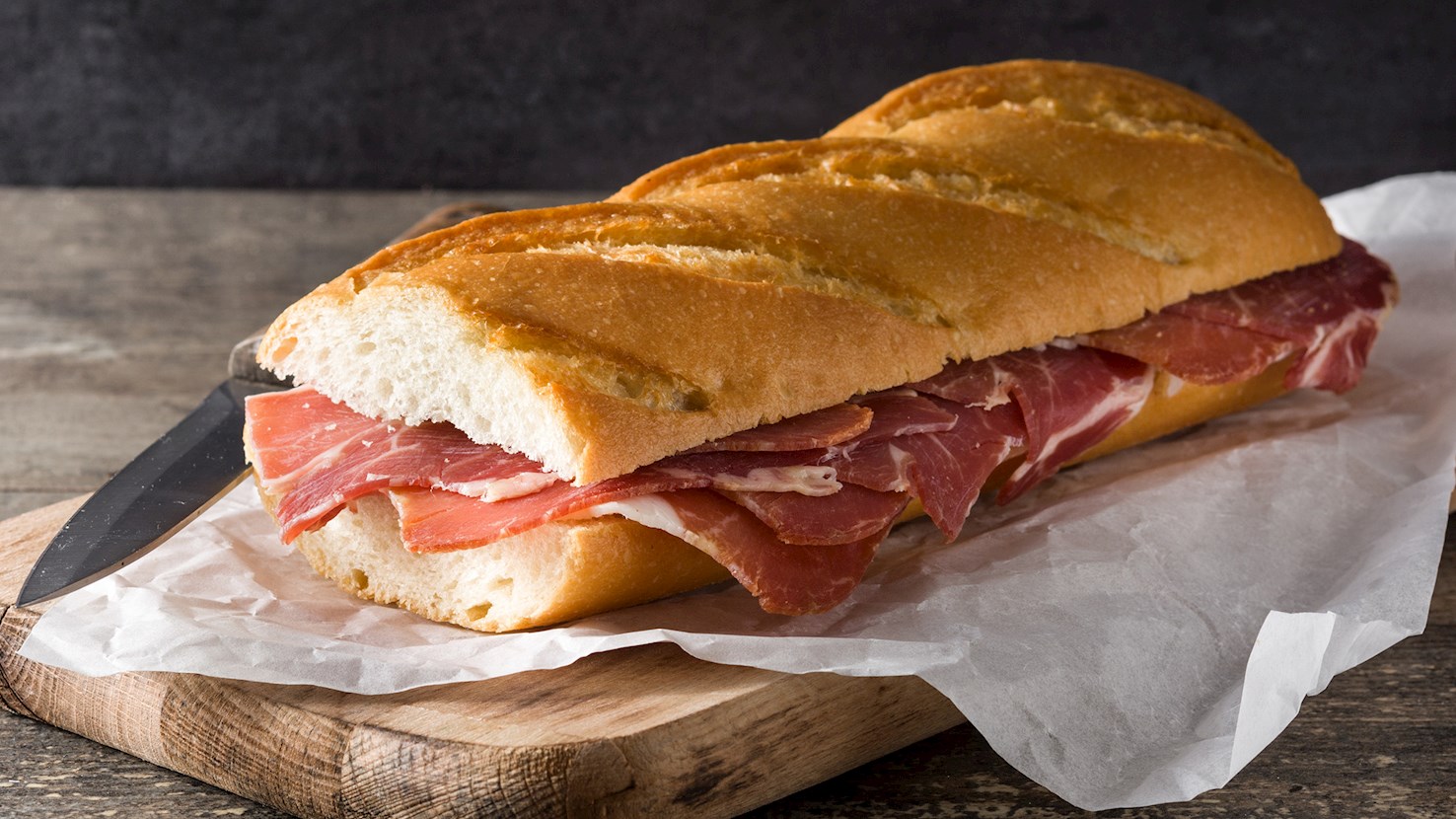
Bocadillos or bocatas are Spanish sandwiches made with Spanish-style baguettes known as barra de pan, unlike regular sandwiches which are made with modern white bread, known as pan de molde in Spain. The most common fillings for bocadillos include meat, cheese, tuna, omelets, jamón, or chorizo sausages. The Spanish typically don't add onions, mayonnaise, pickles, or lettuce to bocadillos, but the bread is sometimes rubbed with halved tomatoes or olive oil. Due to the popularity of these sandwiches, the fillings vary from one region to another – omelet bocadillos are usually eaten for breakfast or as an afternoon snack and include eggs, cheese, beans, peppers, and potatoes; meat-based bocadillos are often made with chicken, beef, pork, horse, or goat; and fish bocadillos often include cuttlefish, sardines, and squid. These sandwiches can be found everywhere from bars and taverns to roadside eateries, but you probably won't find one on a restaurant menu.

04

Strammer Max

3.9 ·

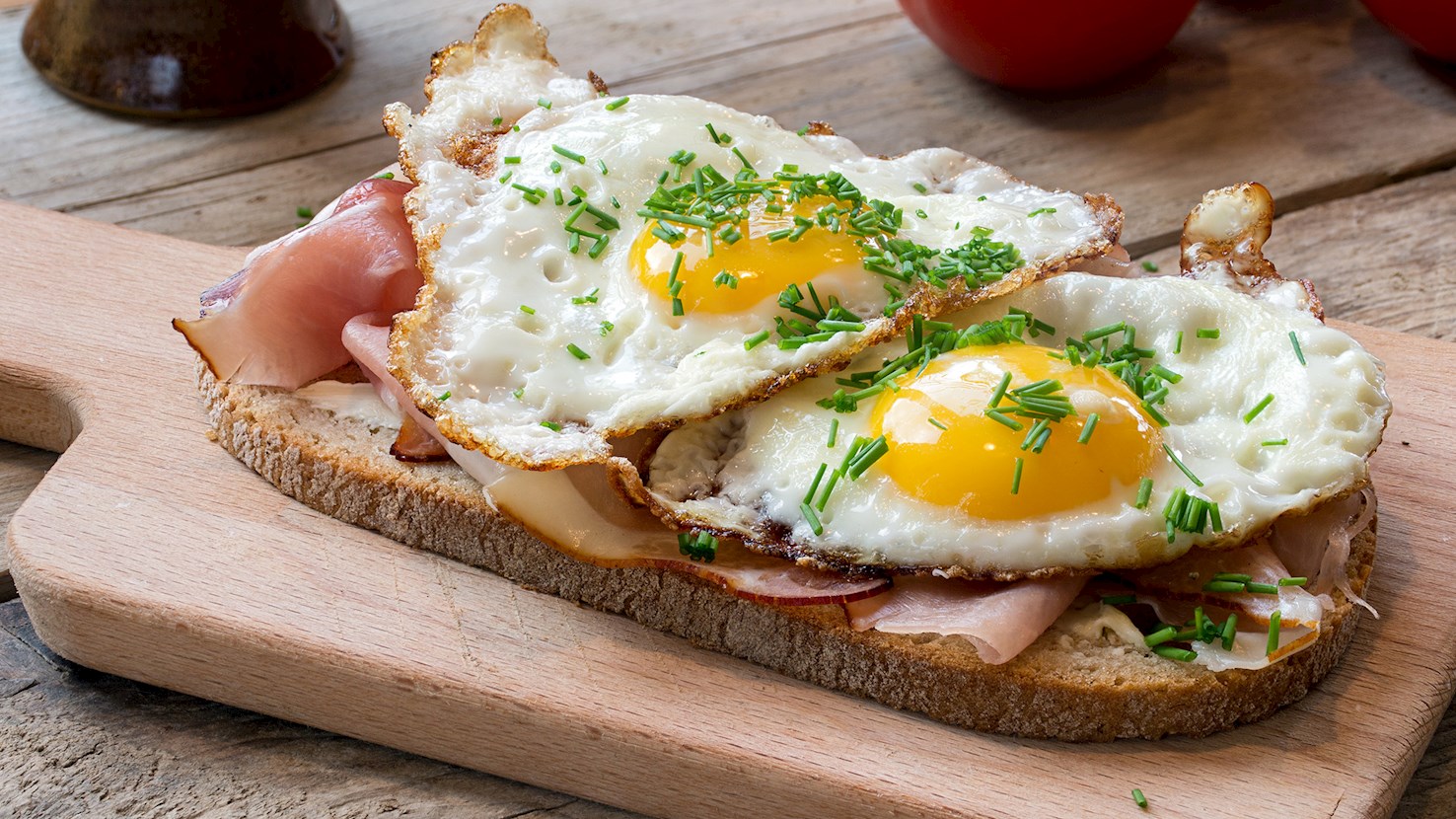
Strammer Max is a German open-faced sandwich that's served warm and has numerous variations. It's usually made with a slice of rye or wheat flour bread that can be toasted and buttered or fried in oil or butter. The bread is seasoned with salt, pepper, and (sometimes) mustard. It is then topped with slices of cured ham and a fried egg to finish it off. Due to the fact that it's quick and easy to prepare the sandwich, it spread throughout the country, but it's especially popular in Berlin, where it's an integral part of the city's food culture. Nowadays it can be found anywhere from street food stands and pubs to upscale restaurants. The most popular variations include Stramme Lotte, made with cooked ham, and Strammer Otto, with slices of salami or beef. In Bavaria, the sandwich is made with a slice of leberkäse, while a ladle of goulash as the topping is a specialty of Cologne.

05

Tramezzino

3.8 ·

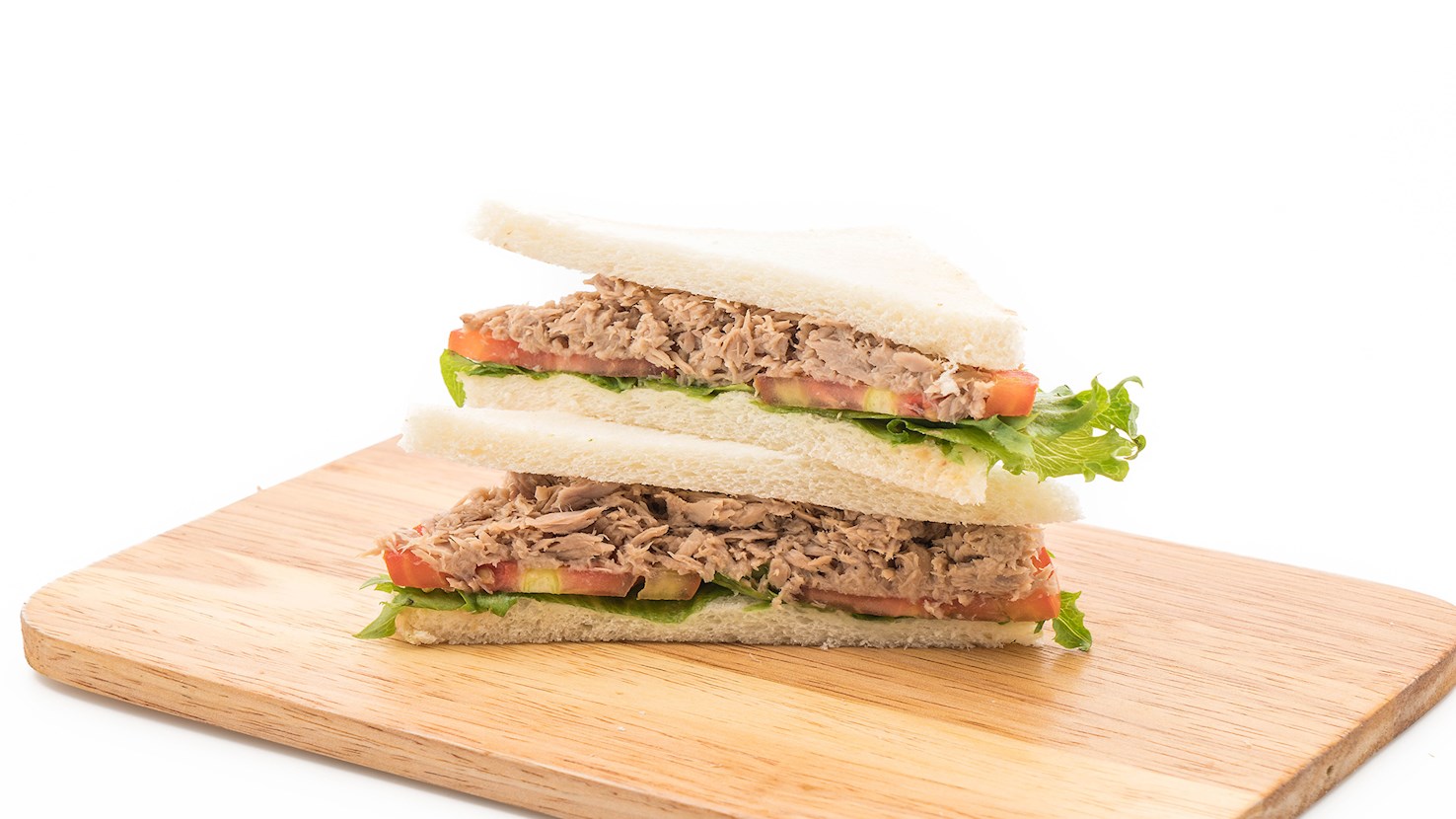
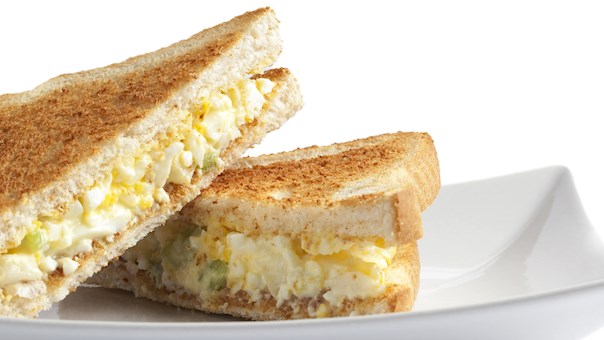
Tramezzino is a popular Italian triangular sandwich made with chewy, crustless white bread and various fillings such as mayonnaise, tuna, prosciutto, and cheese. It is believed that the first tramezzino was invented in 1925 at Caffè Mulassano in Turin. It soon became incredibly popular, especially in Venice, where it's often enjoyed with a glass of Spritz. Today, there are numerous varieties of tramezzini, and they can be found in cafés throughout Italy, although pre-packed varieties that can be bought in supermarkets are also quite common. Coined by Gabriele D'Annunzio, the name tramezzino is a diminutive of the term tramezzo, which refers to a period between breakfast and lunch.

06

Chlebíčky

3.8 ·

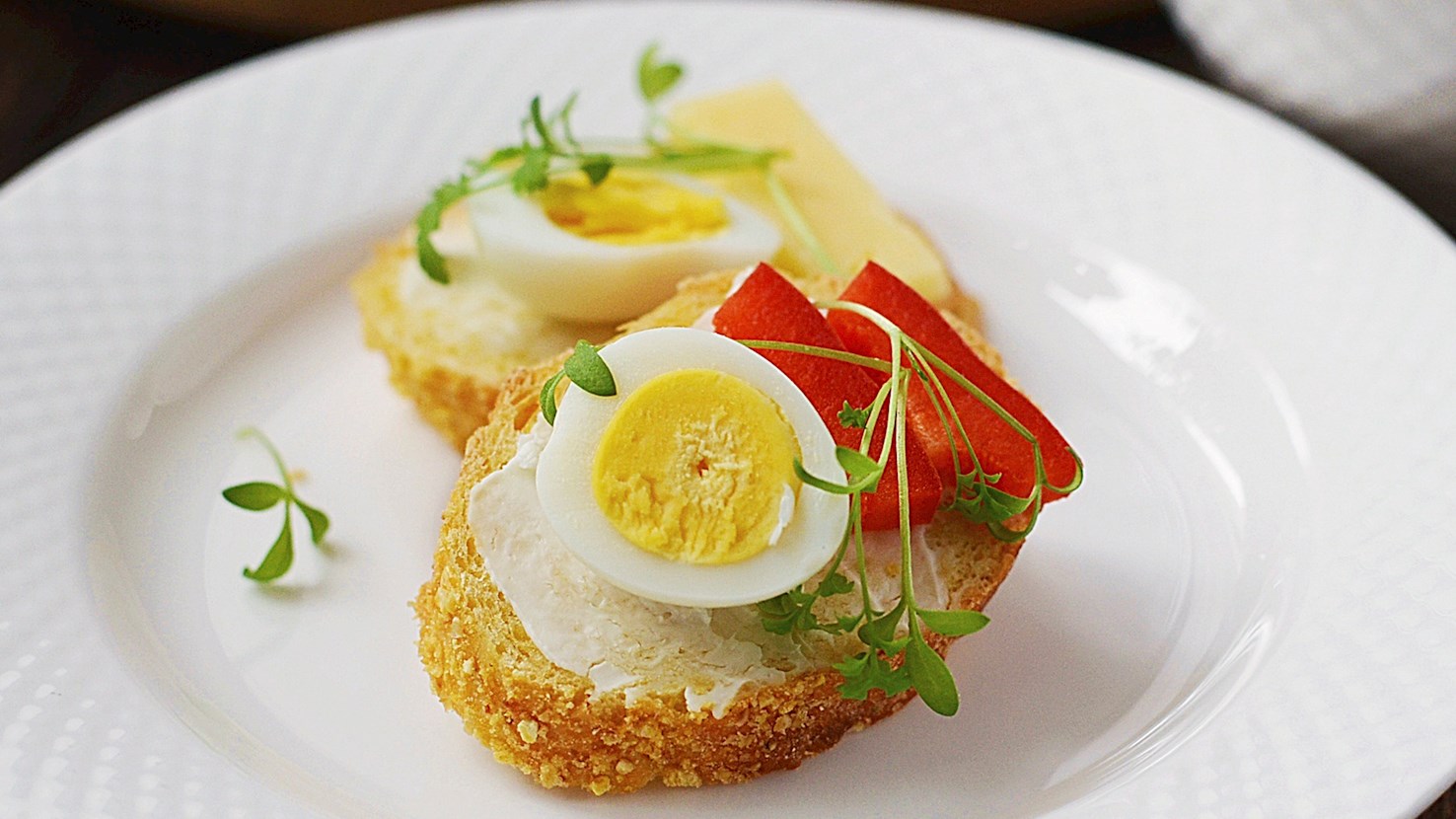
Chlebíčky are small, open-faced sandwiches originating from the Czech Republic. Although there are many open-faced sandwiches throughout the world, chlebíčky are unique because of their unusual combination of toppings, a variety of flavors, and careful arrangement and presentation. The sandwiches usually consist of thin slices of white bread topped with spreads such as potato salad, cream cheese, and lobster paste, along with ingredients such as tomatoes, salmon, capers, Brie cheese, cooked ham, or pepperoni. The original chlebíčky was invented by Jan Paukert at the beginning of the 20th century in Prague, and it consisted of Prague ham, pieces of a hard-boiled egg, a slice of Emmental cheese, tomato, Hungarian salami, and potato salad. The first chlebíčky was originally sold at the Paukert Deli, which soon became a favorite spot of famous actors from the nearby National Theater. Today, chlebíčky are a staple of numerous Czech festivities, celebrations, and birthdays, with seemingly infinite varieties and toppings.

07

Breakfast roll

3.7 ·

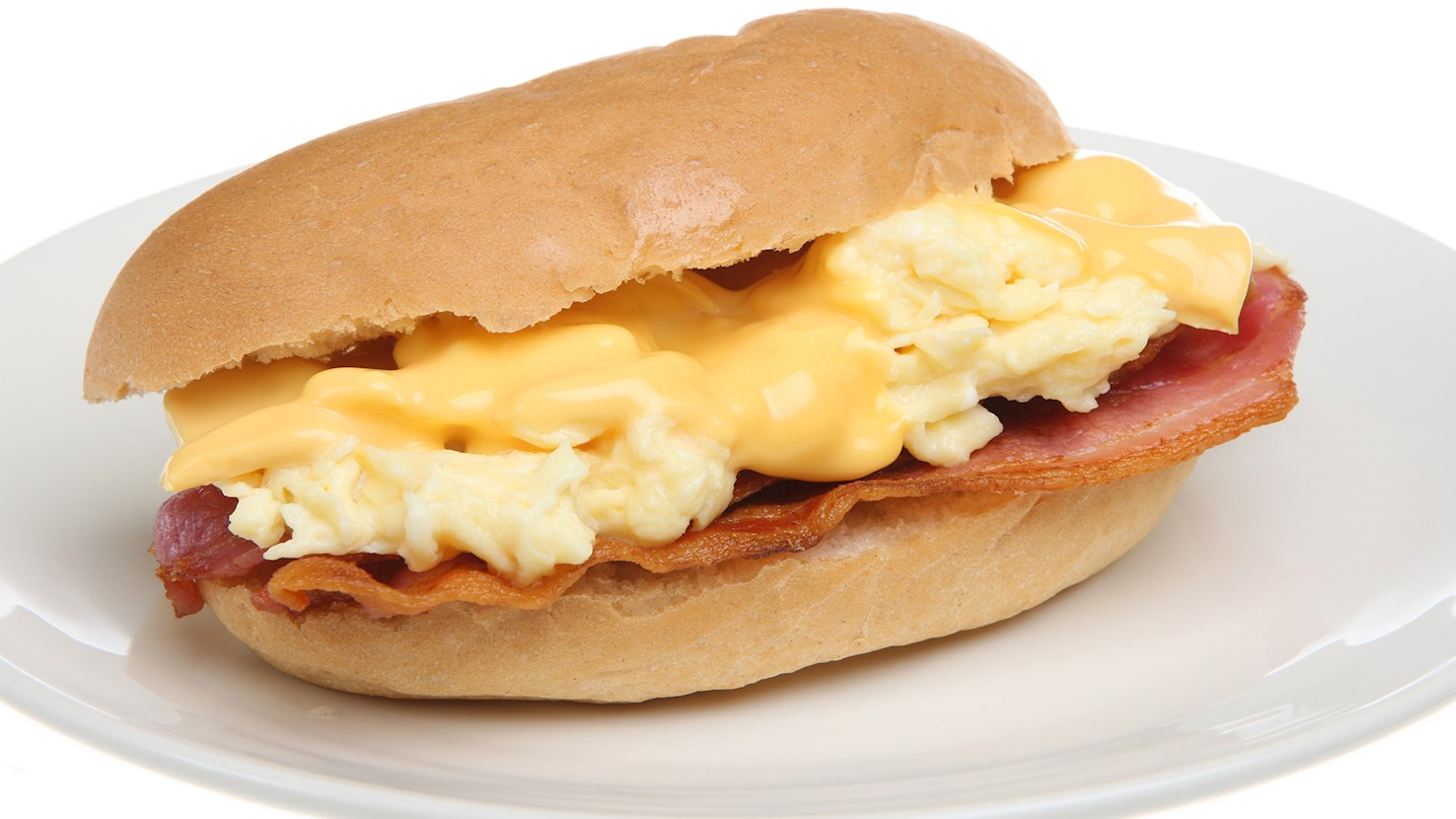
The breakfast roll is a popular Irish food that brings together the elements of a full cooked breakfast inside a bread roll, usually a soft baguette-style bap or long white roll. It comes from Ireland and reflects the country’s love for hearty, filling meals designed to fuel long working days. Its origins are closely tied to the culture of the “full Irish breakfast,” which includes sausages, rashers of bacon, black and white pudding, fried eggs, and sometimes extras like hash browns, mushrooms, or beans. In the late twentieth century, particularly during the Celtic Tiger years, this meal was adapted into a portable form, making it easier for workers to eat on the go without sacrificing the satisfaction of a full breakfast. Preparation involves cooking the components of the Irish breakfast (sausages, rashers, puddings, and eggs) until they are crisp and flavorful, then layering them into a buttered roll. Some versions add ketchup, brown sauce, or even mayonnaise to enhance the flavor, while others might include chips or hash browns for additional bulk. The order of filling is not fixed, but balance is key so that each bite carries a mix of textures from soft bread, savory meat, and the richness of egg or sauce. Today it is eaten across Ireland, commonly found in petrol station delis, cafés, and convenience shops. It is especially popular among workers who need a quick but substantial meal in the morning. Pairings often include a hot cup of tea, strong coffee, or even a cold soft drink, depending on personal preference. While variations exist, the essence of the breakfast roll remains the same: a complete Irish breakfast packed into bread, made to be eaten quickly, easily, and with maximum satisfaction.

08

Panuozzo di Gragnano

3.5 ·

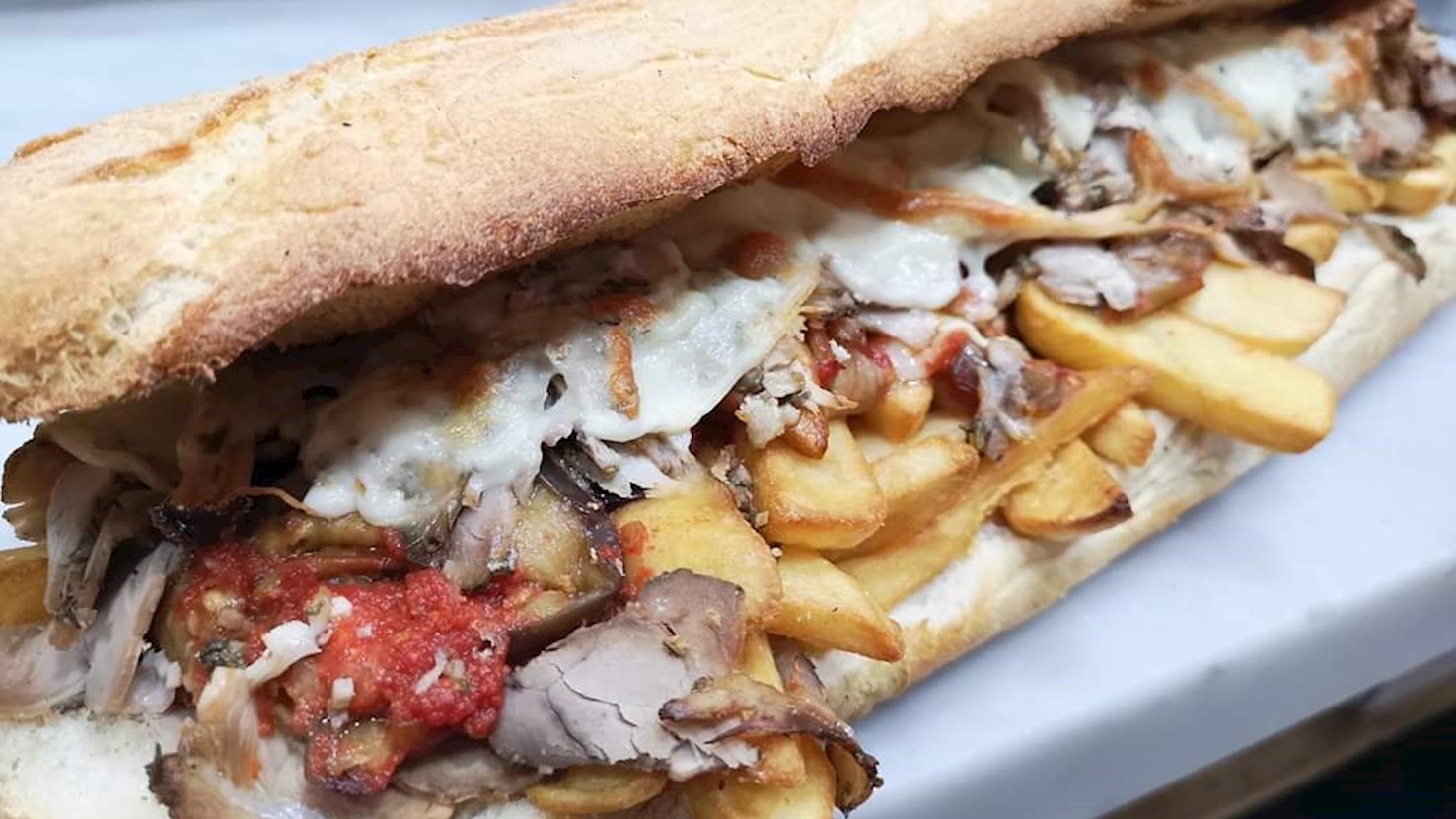
Panuozzo di Gragnano is an Italian sandwich, a sort of large oval-shaped bread or panino that can be filled with various ingredients. It was in 1983, in a small town near Naples called Gragnano, that this specialty was created by Giuseppe Mascolo, whose family has been the exclusive owner of the registered trademark Panuozzo since 1996. Made with simple pizza dough, the bread is baked in a wood-fired pizza oven, and it is then sliced lengthwise before all the desired ingredients are tucked inside. Then comes the final touch - a second, brief time spent in the oven - a step which gives the bread its distinctive crispy exterior and allows for the filling to blend perfectly with the bread. Although the original filling consisted of pancetta, mozzarella, and arugula (rocket), nowadays, the choice for panuozzo stuffing is limitless, offering a wide range of both savory and sweet stuffings depending on the customer's choice. Typical ingredients include different varieties of Italian cheese such as provolone, smoked buffalo mozzarella, or Grana Padano, Italian meat products, polpette (meatballs), mushrooms, salsiccia and friarielli (sausage and broccoli rabe), and vegetables, while the sweet versions usually contain Nutella, gelato, nuts, and powdered sugar.

09

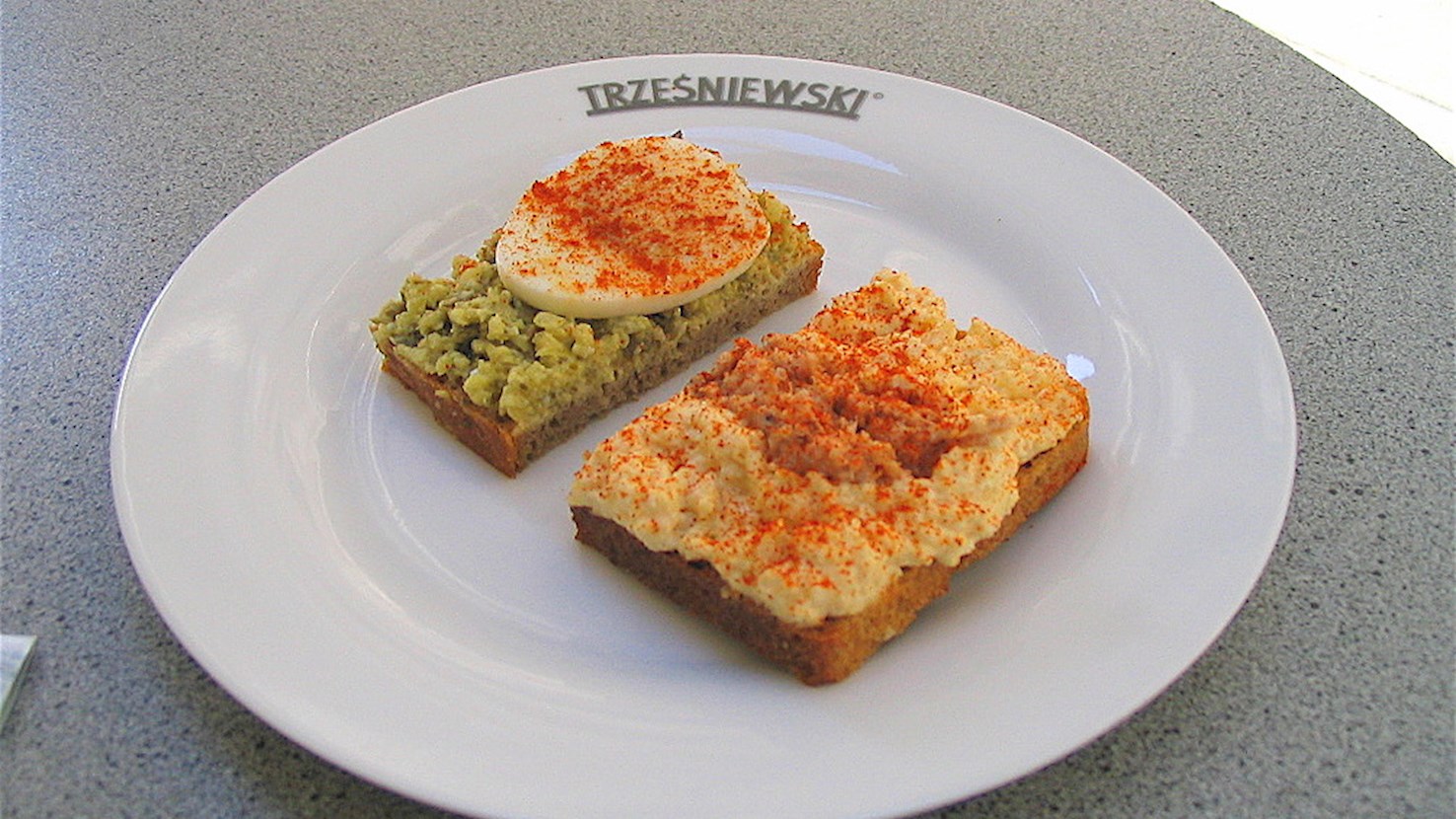
Trześniewski Brötchen (Trześniewski Sandwiches)

3.5 ·

Trzesniewski brötchen are a type of open-faced sandwich emblematic of the Viennese buffet Trzesniewski. The base of this morsel-sized belegte brote is rye bread cut into a specific rectangular shape, which is then covered with various spreads and toppings. Some of the more popular choices include bacon with egg, salami, tomato, smoked salmon, mushrooms, and paprika. The number of varieties is finite and currently stands at 26, each meticulously prepared according to the recipes that have gone virtually unchanged for more than a hundred years of Trzesniewski history. They were brought to Vienna by the Polish cook Franciszek Trześniewski, who opened his first store in 1902 on the Tiefer Graben Street. Shortly after, Trześniewski moved to Dorotheergasse Street, where the flagship location of this small buffet chain remains to this day. Nowadays, buffet Trzesniewski rightfully holds the title of one of the most unique, esteemed, and beloved gastronomy landmarks in Vienna. Their sandwiches are a practical and delectable treat, usually accompanied by pfiff of beer (1/8L in a small glass) or a shot of Polish vodka

10

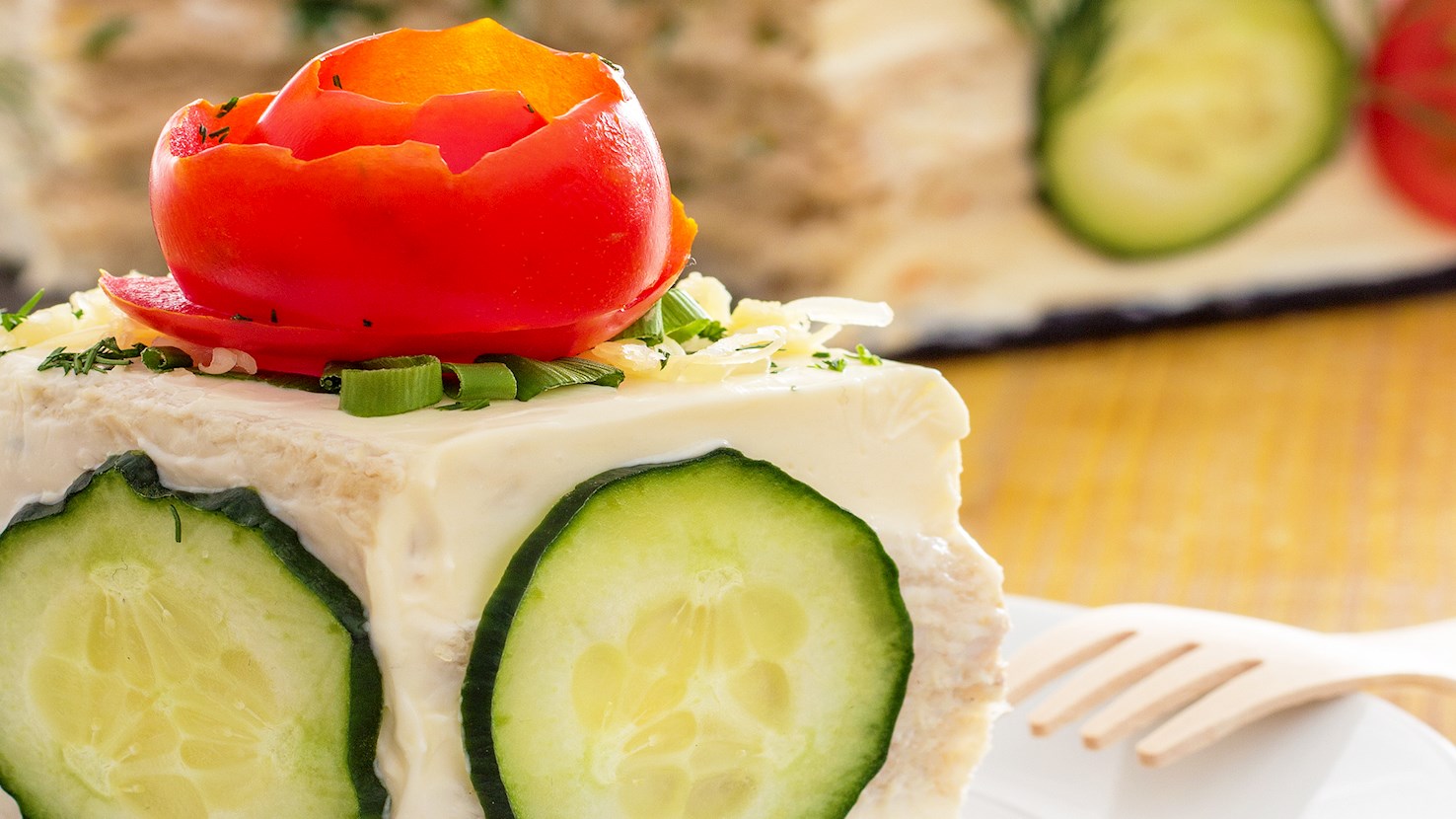
Smörgåstårta

3.4 ·

Smörgåstårta is a Swedish layer cake consisting of sandwiches: slices of white or rye bread, toppings, and fillings, frosted with cream cheese, mayonnaise, yogurt, or a combination, and garnished with various vegetables. Traditionally, smörgåstårta follows the smörgåsbord all-in principle: caviar, pâté, cold cuts, shrimp, smoked salmon, cheese, eggs, vegetables, only some of it or all of it together, there are virtually no limits. This Swedish staple is ideal for parties and celebrations, visually reminiscent of a cake, but with the flavors of a really filling sandwich. The cake is also popular in Estonia and Finland. Interestingly, it has been found out that some of the policemen in Sweden asked for smörgåstårta as a bribe, acting as further proof of the cake's enormous popularity.

Read more
View all
View map
About this ranking

TasteAtlas food rankings are based on the ratings of the TasteAtlas audience, with a series of mechanisms that recognize real users and that ignore bot, nationalist or local patriotic ratings, and give additional value to the ratings of users that the system recognizes as knowledgeable. For the “Top 12 European Sandwich Types” list until July 15, 2026, 1,659 ratings were recorded, of which 1,423 were recognized by the system as legitimate. TasteAtlas Rankings should not be seen as the final global conclusion about food. Their purpose is to promote excellent local foods, instill pride in traditional dishes, and arouse curiosity about dishes you haven’t tried.

The initial list of top producers was compiled based on available reviews, awards, local recommendations, media and blog coverage, and consumer reviews. The list will be updated with ratings from TasteAtlas local ambassadors and TasteAtlas users.

Similar lists