shutterstock

Top 27 Sandwich Types
in the World

Last updated on July 15, 2026

Best Sandwich Types in the World
01

Bánh mì

4.4 ·

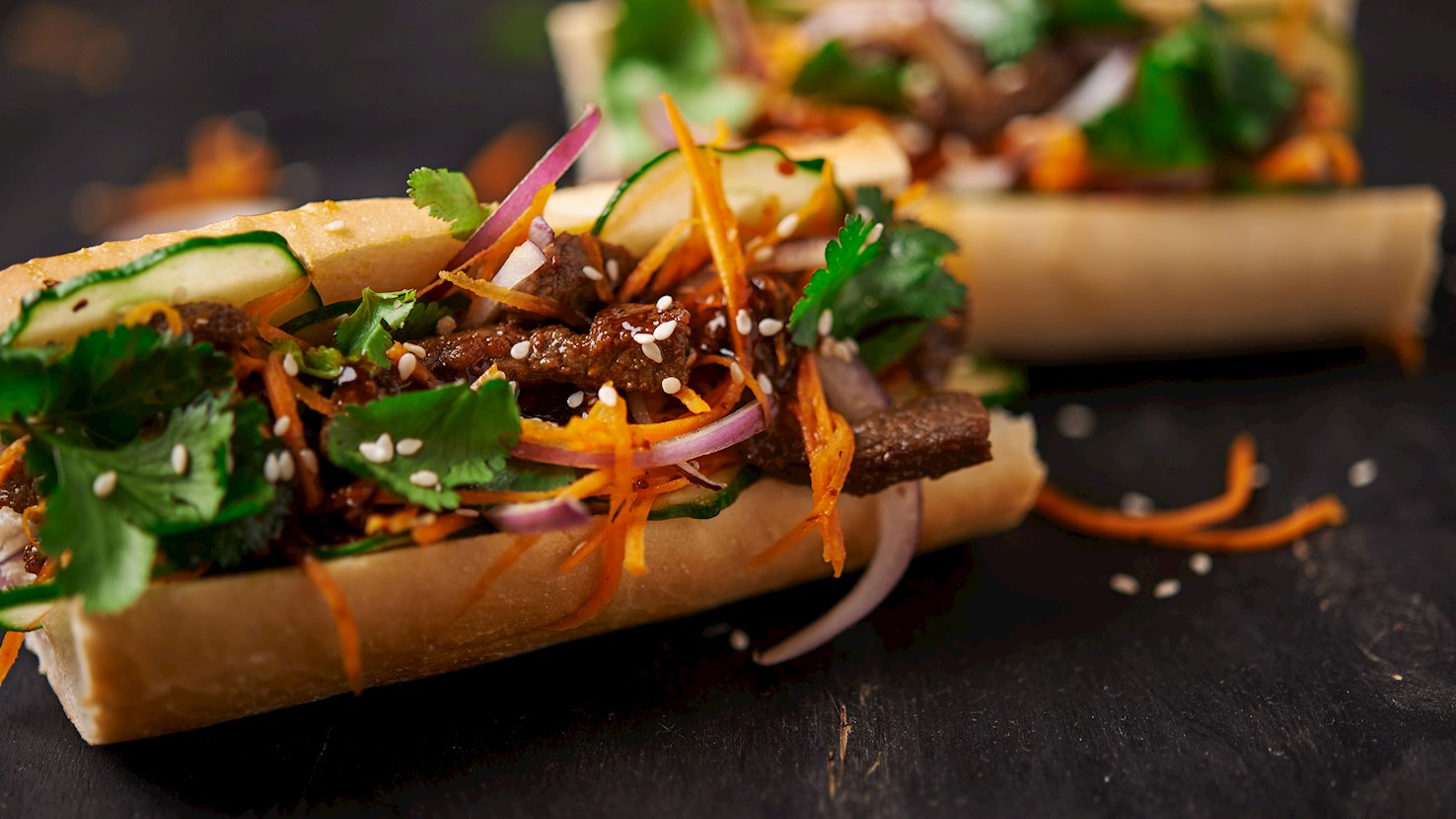
Bánh mì (pronounced 'bun mee') is a popular Vietnamese variety of sandwiches that share the same core ingredient - a baguette. The baguette was brought over to Vietnam during the colonial period, and nowadays it is one of the few happy legacies from the time. The crusty bread, condiments, and meats are all a legacy of French and Chinese colonialism, while cilantro, chili, and pickles reflect the Vietnamese taste for fresh vegetables and bright flavors. In the beginning, most banh mi sandwiches consisted of bread, meat, and seasonings, with no added vegetables. Today, the possibilities are virtually limitless - the sandwiches are stuffed with cold cuts, French butter, fresh mayonnaise, liver pâté, cucumbers, cilantro, pickles, oyster sauce, garlic...and the list goes on. The bread should be light, with a delicate crust and a tender, chewy, and soft interior with a slightly sweet flavor. The meat on the inside can be chicken, pork, beef, seafood, cold cuts, or pâtés, sausages, and terrines, but it is extremely important not to overstuff the sandwich. Most of the fillings and condiments are things that foreigners are unfamiliar with, and that just may be the secret to its popularity. With their cult-like following and savory Vietnamese fillings, these sandwiches have crossed the borders of their native country long ago, and banh mi shops are still popping up all over the world.

02

Texas Brisket Sandwich

4.3 ·

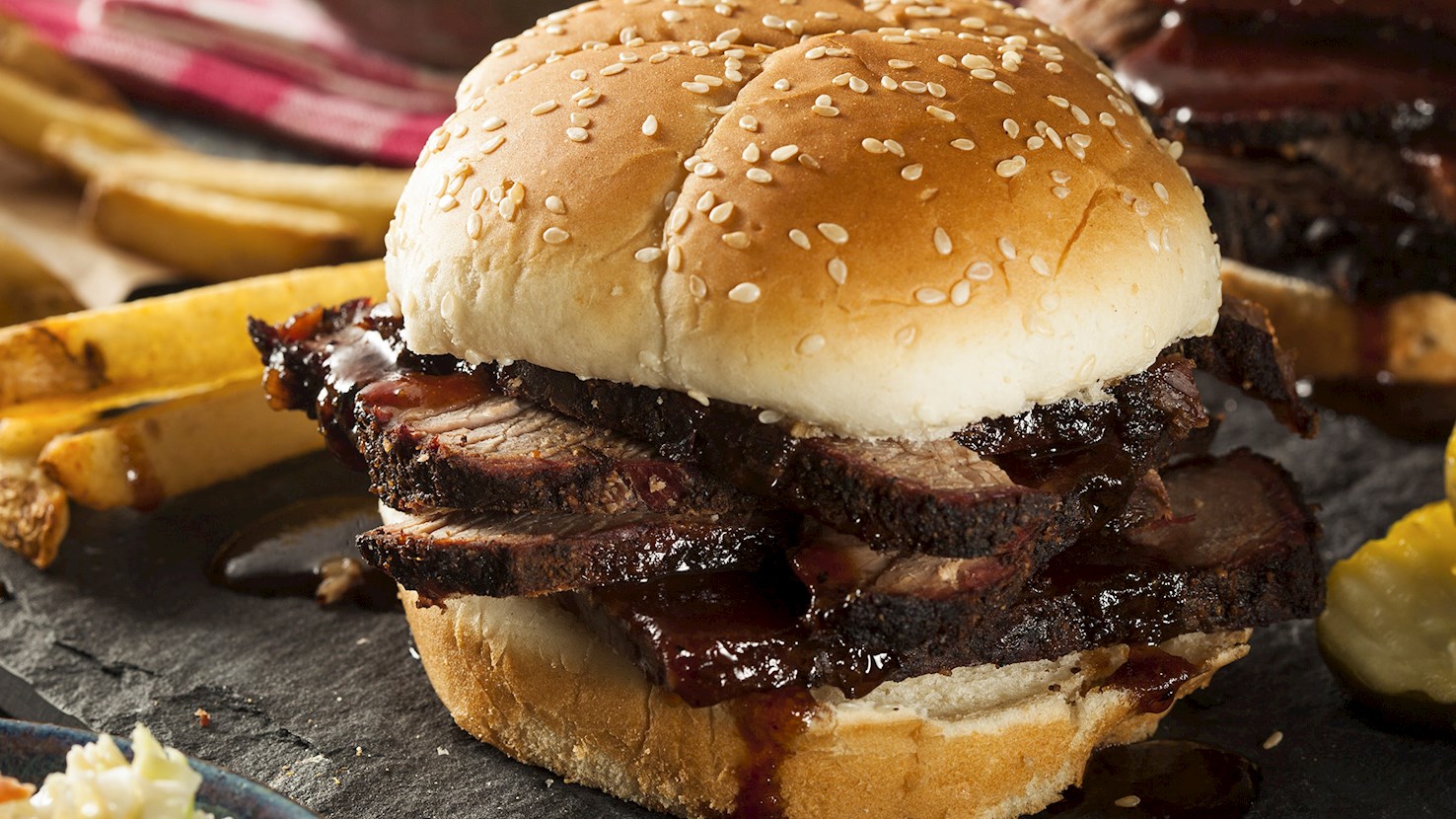
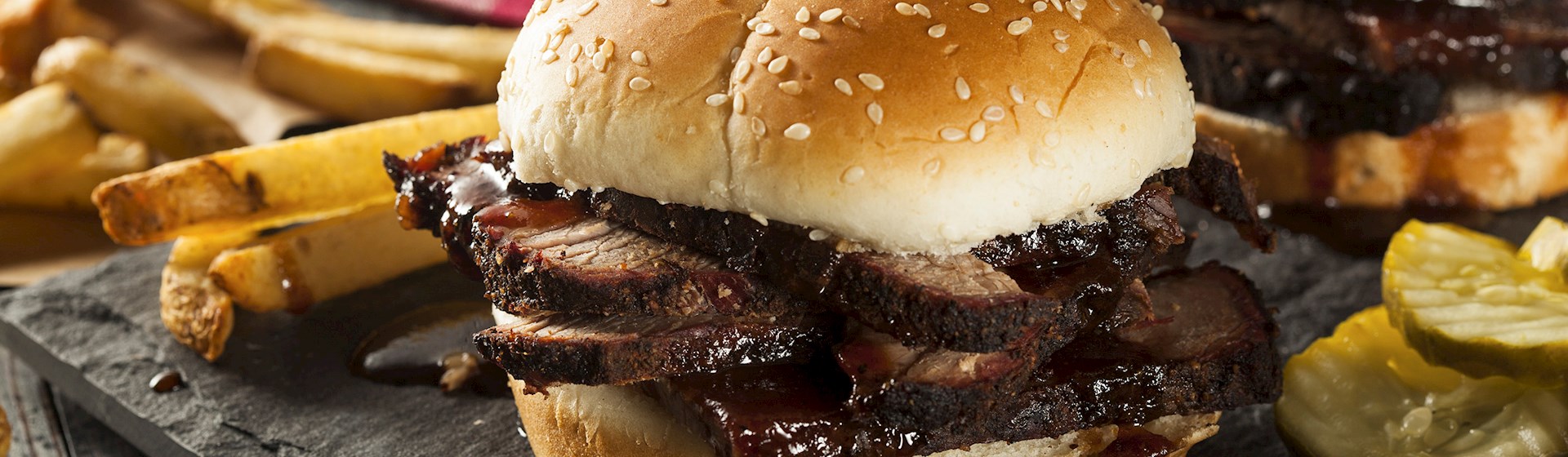
The practice of smoking brisket has a long tradition in Texas, and this juicy, fatty treat also works great as a flavorful sandwich filling. Texas brisket sandwiches can be considered more of a concept than a recipe - various toppings and sorts of bread can be used, but the undisputed star remains the slow-smoked brisket, whether chopped or sliced. It can be tucked between slices of bread or piled on a toasted bun, served on its own or drenched in sauce, and garnished with toppings such as cheese, pickles, and onions - whatever the combination, the fatty brisket meat with a smoky crust guarantees a mouthwatering perfection in each bite.

03

Tortas

4.2 ·

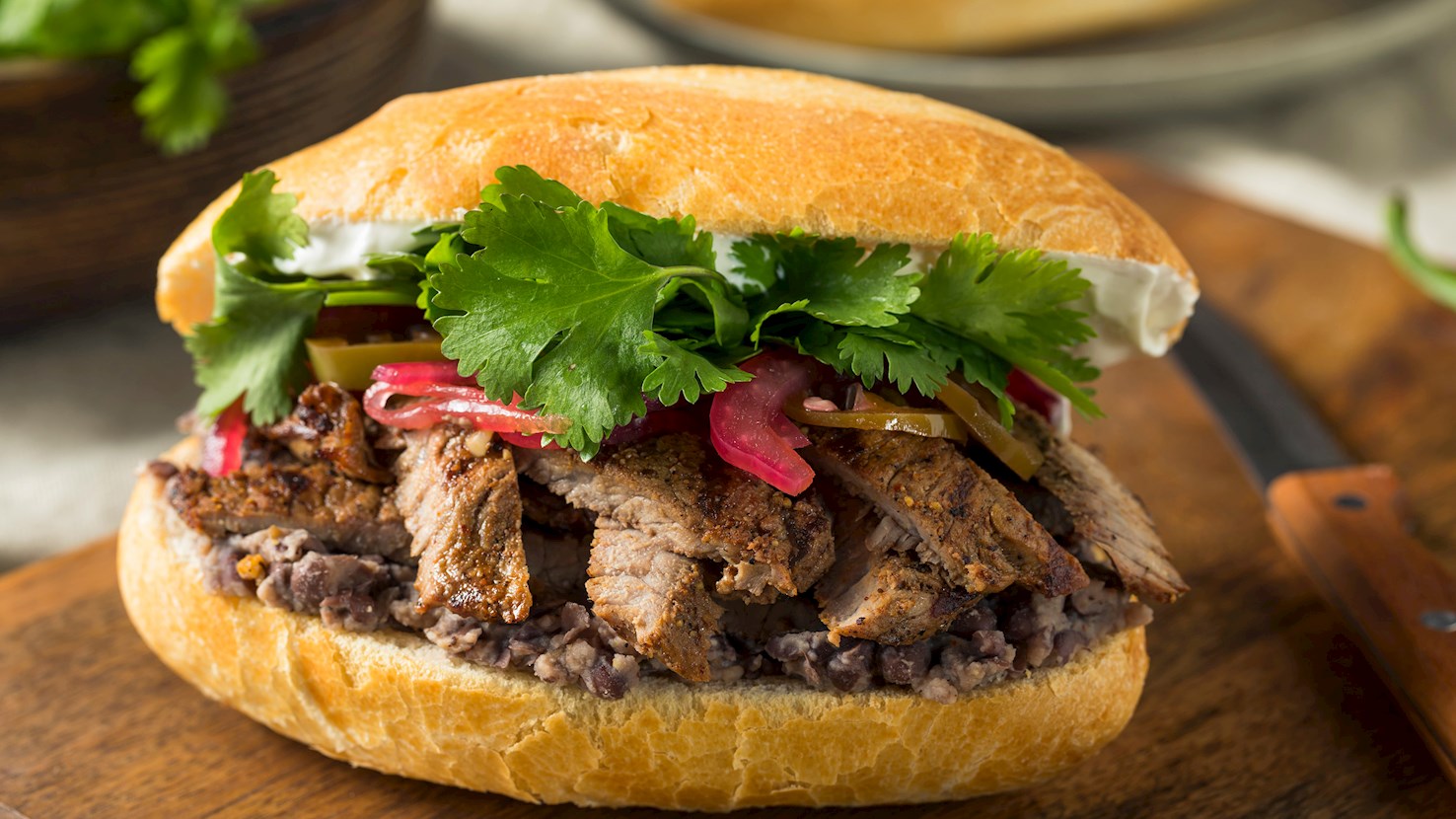
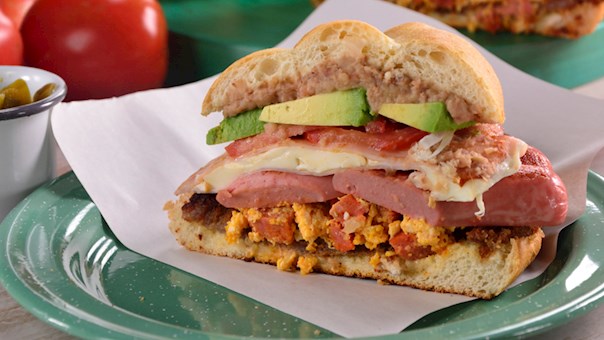
Mexican tortas are luscious traditional sandwiches filled with delicious, mostly authentic Mexican ingredients. They are a unique Mexican creation, considering they are served in bread rolls, an ingredient that is not so often associated with Mexico. There are two bread varieties usually incorporated in tortas, the traditional French influenced bolillos, and the similar round teleras, which are an authentic Mexican product from Puebla. The rolls are sliced horizontally, buttered, and stuffed with the most popular Mexican ingredients such as beans, avocados, ham, queso, jalapeños, and a myriad of other typical Mexican dishes like fried beef or chicken, shredded beef, roasted pork, and even tamales. Tortas are traditionally served cold, but in the 1960s, the hot, grill-heated varieties started to appear and soon became equally famous. There is not much known about the origin of this hearty sandwich, but it is believed that during the French colonization, French bakers introduced their tradition of baking bread to Mexicans, who modified it and created their popular varieties, which later became a staple of Mexican cuisine. The birthplace of the torta is usually associated with the city of Puebla, the place where traditional telera originated, but the location where they flourished was Mexico City. Although tortas have not been widely recognized outside of Mexico as tacos, burritos, and tortillas, they are a favorite meal eaten throughout the country. Tortas are usually sold at food stalls and small restaurants, popularly called torterias, widespread across Mexican cities. The variations and regionally influenced creations of tortas are endless. The most common ones are cubana, which usually combines at least four meat varieties and two types of cheese; pepito, made with marinated sliced steak; cochinita, made with slowly roasted pork; and agohada, a Guadalajara favorite made with pork and served in tomato sauce.

04

Po'Boy

4.1 ·

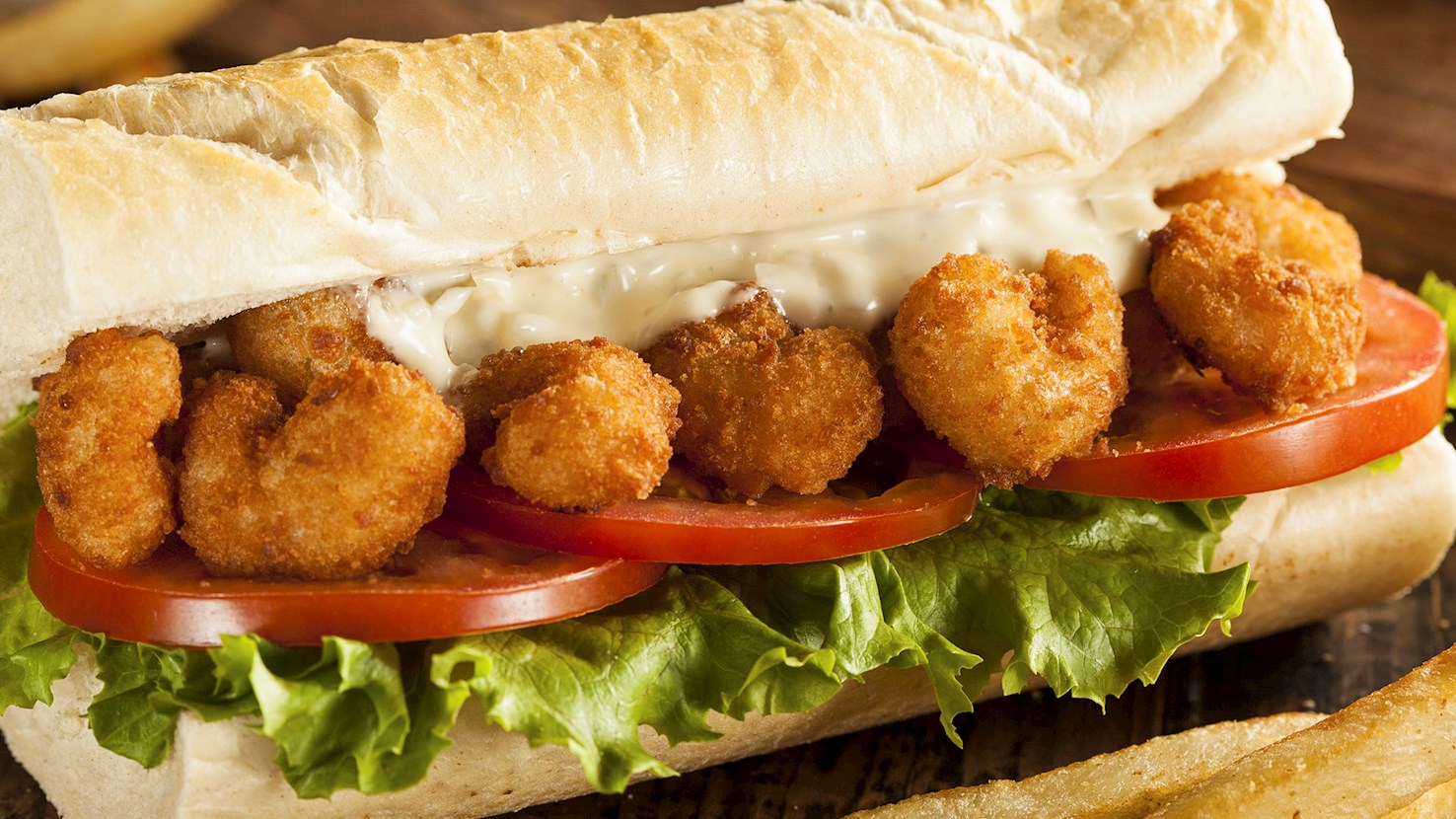
Po'boy is a unique sandwich with a rich history. It originated from Louisiana in the early 20th century, when it was invented by two brothers named Benny and Clovis Martin. The Martins opened a sandwich shop in New Orleans and started to make po'boys with French bread filled with a variety of meat or seafood such as roast beef, ham and cheese, meatballs, oysters, crabs, or shrimps. The combinations of ingredients are virtually infinite. The name of the sandwich refers to the moment when one of the New Orleans streetcar conductors, who were on strike at the time, entered the Martins' shop, and someone shouted: "Here comes another po-boy"! The sandwich gained huge popularity due to the locally-made bread which is crispy on the exterior and incredibly soft on the interior. Today, this Louisiana staple is commonly served with French fries and gravy, and it is recommended to pair it with a cold beer on the side.

05

Montadito

4.1 ·

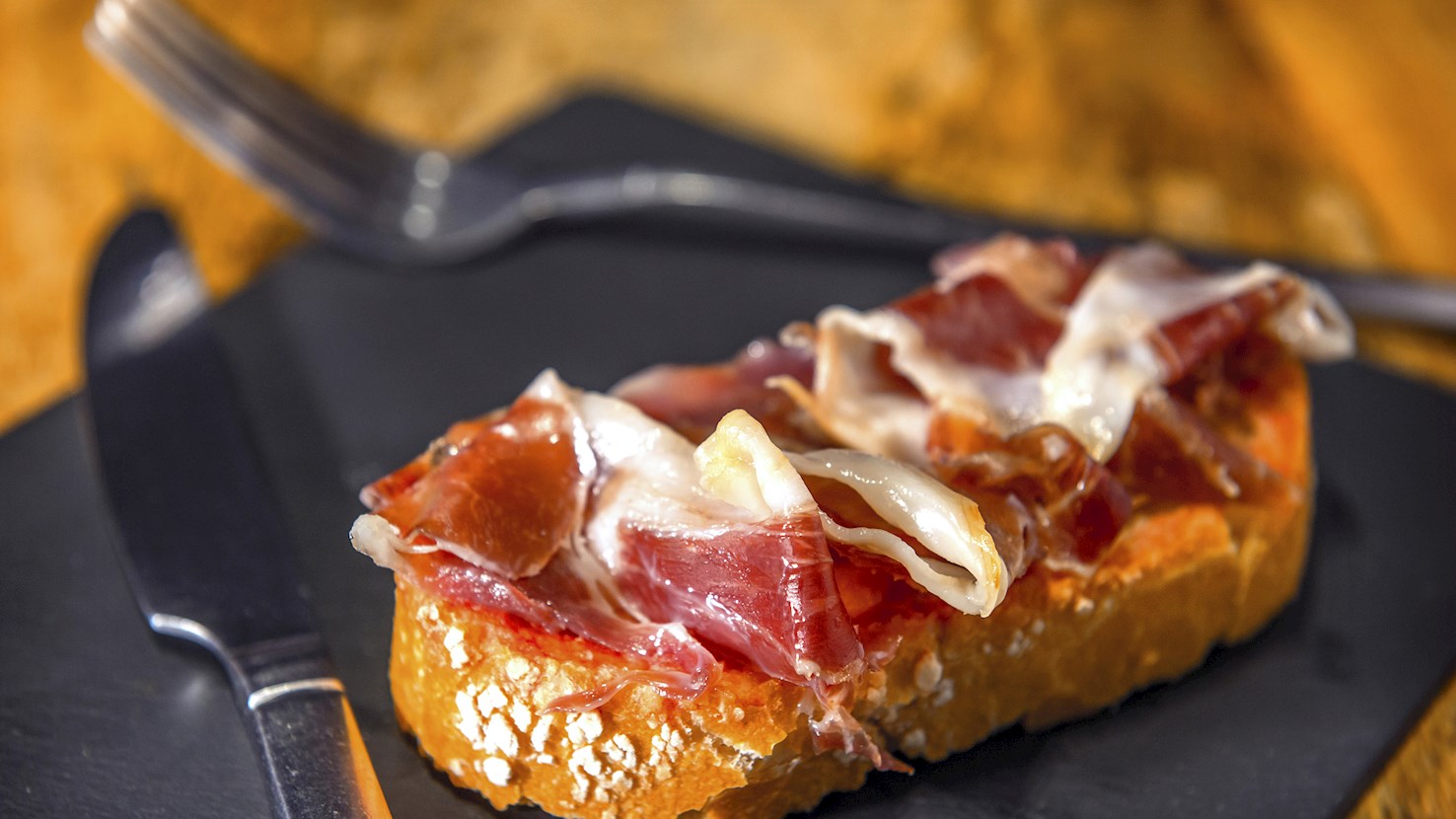
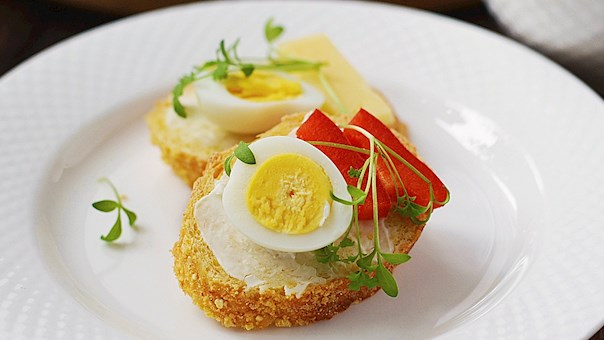
Montaditos are open-faced sandwiches and an essential tapa in Spain. Although there is no set list of ingredients, montaditos are always made with bread slices, typically from a thin elongated bread similar to a baguette. The toppings are incredibly versatile and may include anything from smoked meat, chorizo sausages, jamóns, various types of cheese, pickled vegetables, anchovies, as well as other types of seafood. The combinations are seemingly endless, and there are no set rules which toppings to use and how to combine them. It is believed that montaditos were the first type of sandwiches in Spain, dating back to fifteen or sixteenth century. The name montadito is believed to stem from the word montar, meaning to mount—as a reference to all the toppings that are mounted on top of each bread slice.

06

Italian Sandwich

4.1 ·

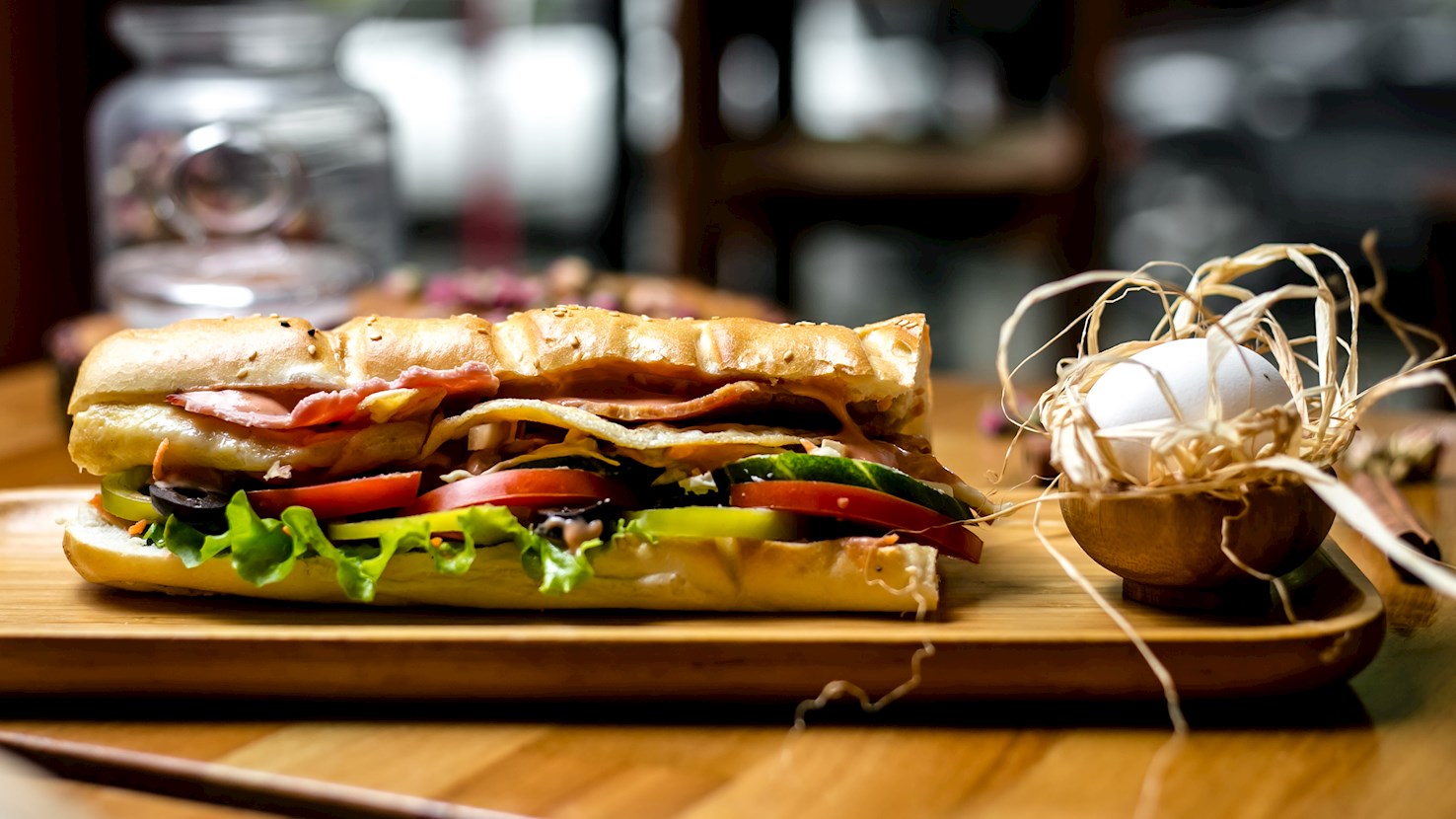
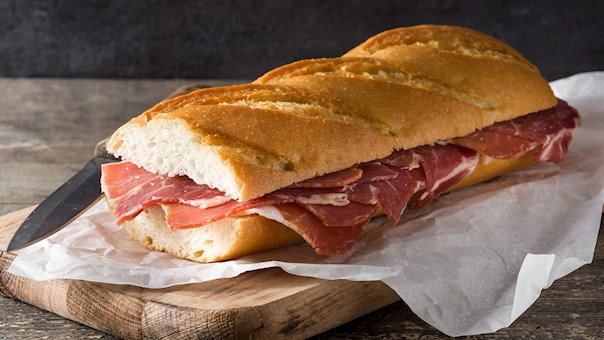
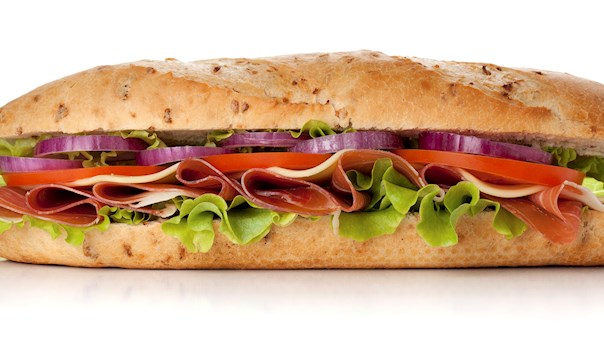
Italian sandwich is a submarine-style sandwich made with a long, soft bread roll filled with sliced cured meats, cheese, crisp raw vegetables, and a sharp oil-based dressing. The large sandwich is usually served tightly wrapped in white butcher paper and often cut crosswise into two easier-to-handle halves. Because of its size and the slippery layers of meat, oil, and wet vegetables, it is usually eaten with both hands. The basic version begins with a soft, slightly sweet bread roll split straight down the middle. The inside is lined with a thick layer of thinly sliced boiled ham and white American cheese. Chopped white onions, thick strips of green bell pepper, and raw tomato slices are piled heavily over the meat and cheese. Sour dill pickles, salty black Kalamata olives, and a generous drizzle of soybean oil mixed with salt and black pepper complete the filling. The origins of the Italian sandwich point to Portland, Maine, in 1902. Giovanni Amato, a baker, began selling cheap, portable lunches from a pushcart to dockworkers along the waterfront. To meet the laborers’ need for filling, calorie-dense food, Amato sliced open his freshly baked bread rolls and stuffed them with inexpensive meat, cheese, and fresh vegetables. This practical lunch quickly became a regional staple and later spread into brick-and-mortar bakeries across New England. Ingredient substitutions often push the flavor toward sharper, saltier notes. A prominent East Coast version replaces the mild boiled ham and American cheese with heavily spiced cured pork products such as capicola, Genoa salami, and mortadella, along with sharp provolone. Other versions add a strong splash of red wine vinegar and dried oregano to the oil dressing for a more pronounced acidic bite. Spicy versions include handfuls of pickled cherry peppers or hot giardiniera relish placed directly on the meat for lingering heat. A toasted version is also common: the bread, meat, and cheese are heated in a hot oven until the cheese melts completely and the crust turns brittle, before the cold vegetables are added.

07

Arepa

4.0 ·

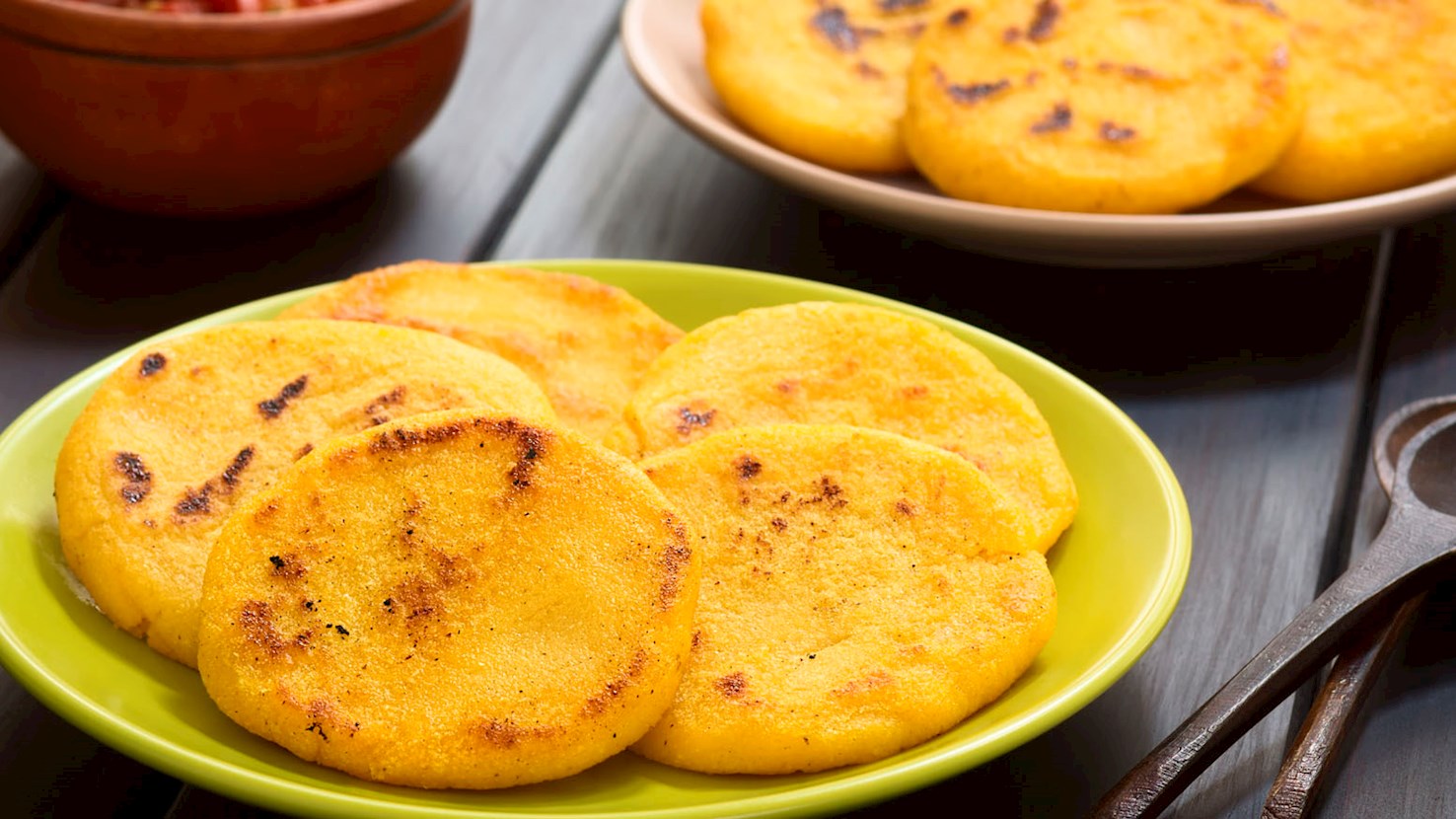
Arepa is a highly versatile cornbread made from ground corn dough or precooked corn flour. It is commonly consumed in Venezuela, Colombia, Panama, Puerto Rico, and the Dominican Republic. In Venezuela, arepa is eaten at any time of the day, throughout the whole country, and across all socio-economic groups. The golden disks with a crispy, browned crust are commonly stuffed with a variety of ingredients, and the combinations are seemingly infinite, from beans, cheese, and avocado to shredded beef and onions. For a Venezuelan breakfast, arepas are traditionally paired with a cup of strong coffee and hot dipping chocolate. Since they are not filled with anything for breakfast, they are commonly referred to as the viuda (widow). The name arepa comes from the word erepa, which is the indigenous word for this corn bread, as its origins are believed to be from the indigenous tribes across Venezuela, such as Timoto-Cuicas, Arawak, Carib, and Karina. Today, arepas are usually served at traditional eateries called areperas.

08

Melt Sandwich

4.0 ·

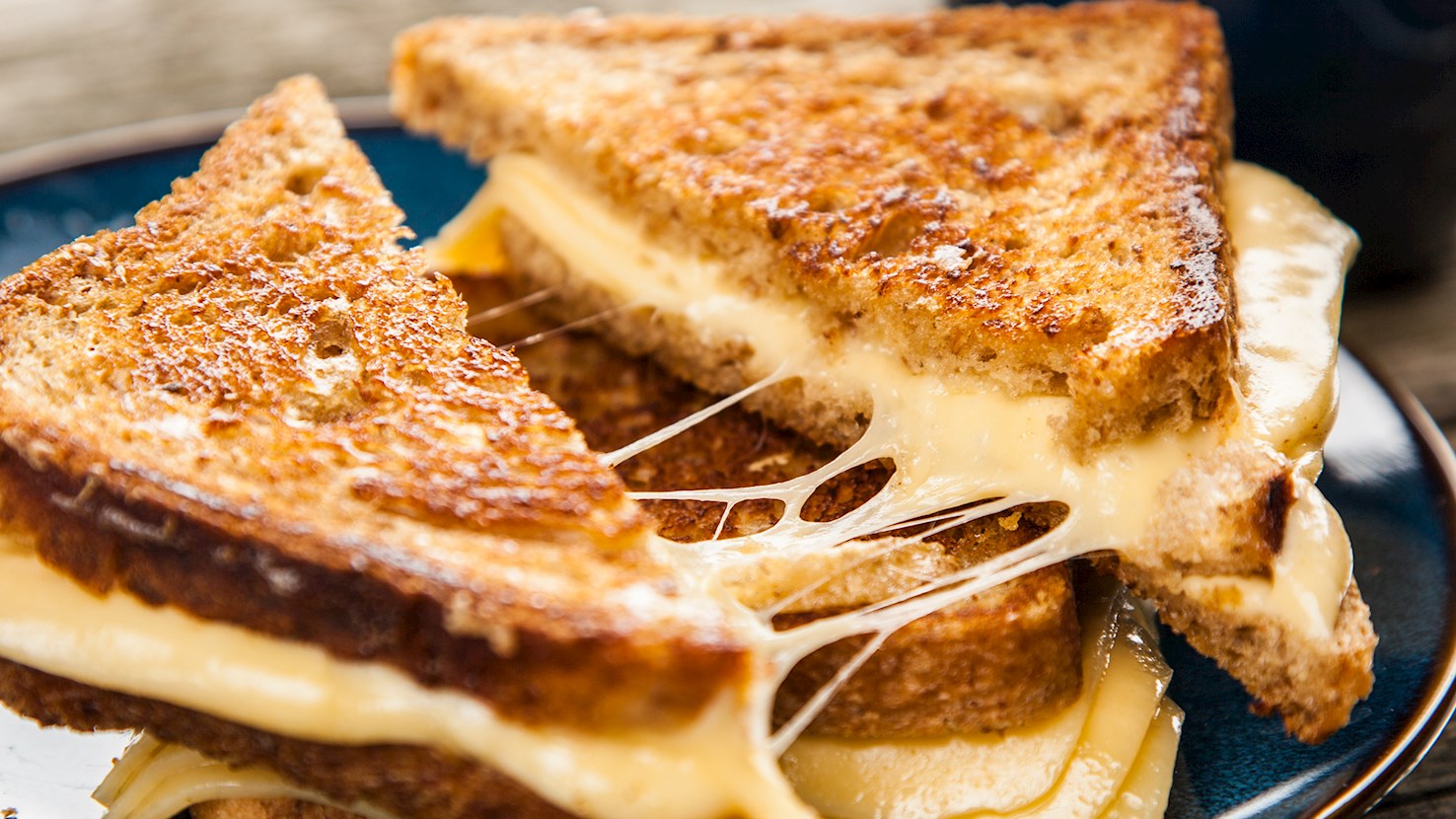
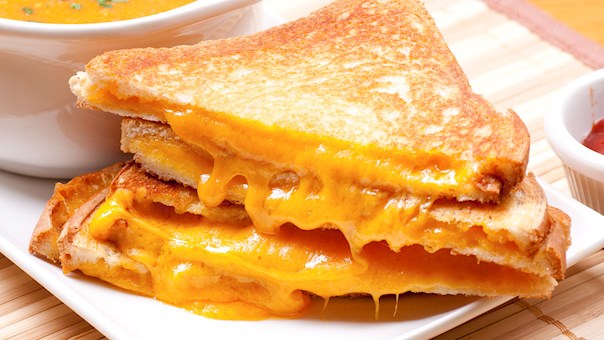
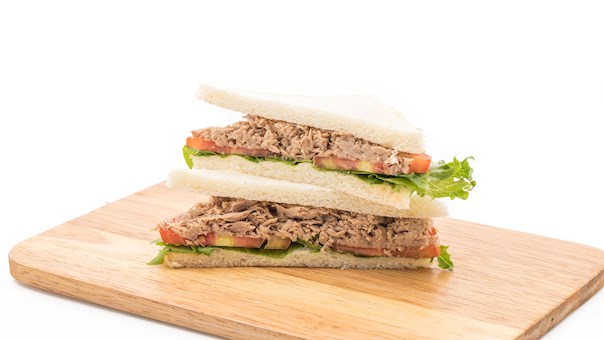
These sandwiches typically consist of slices of sandwich bread with cheese in between. The cheese might be sliced or grated, and the sandwiches are then grilled, toasted, or fried so that the cheese melts. Apart from cheese, melt sandwiches can be filled with a variety of other ingredients, but depending on the choice of other ingredients, the sandwiches might become something entirely different, such as tuna melt sandwich (with added tuna and mayonnaise) or patty melt (with added meat patties).

09

Smørrebrød

4.0 ·

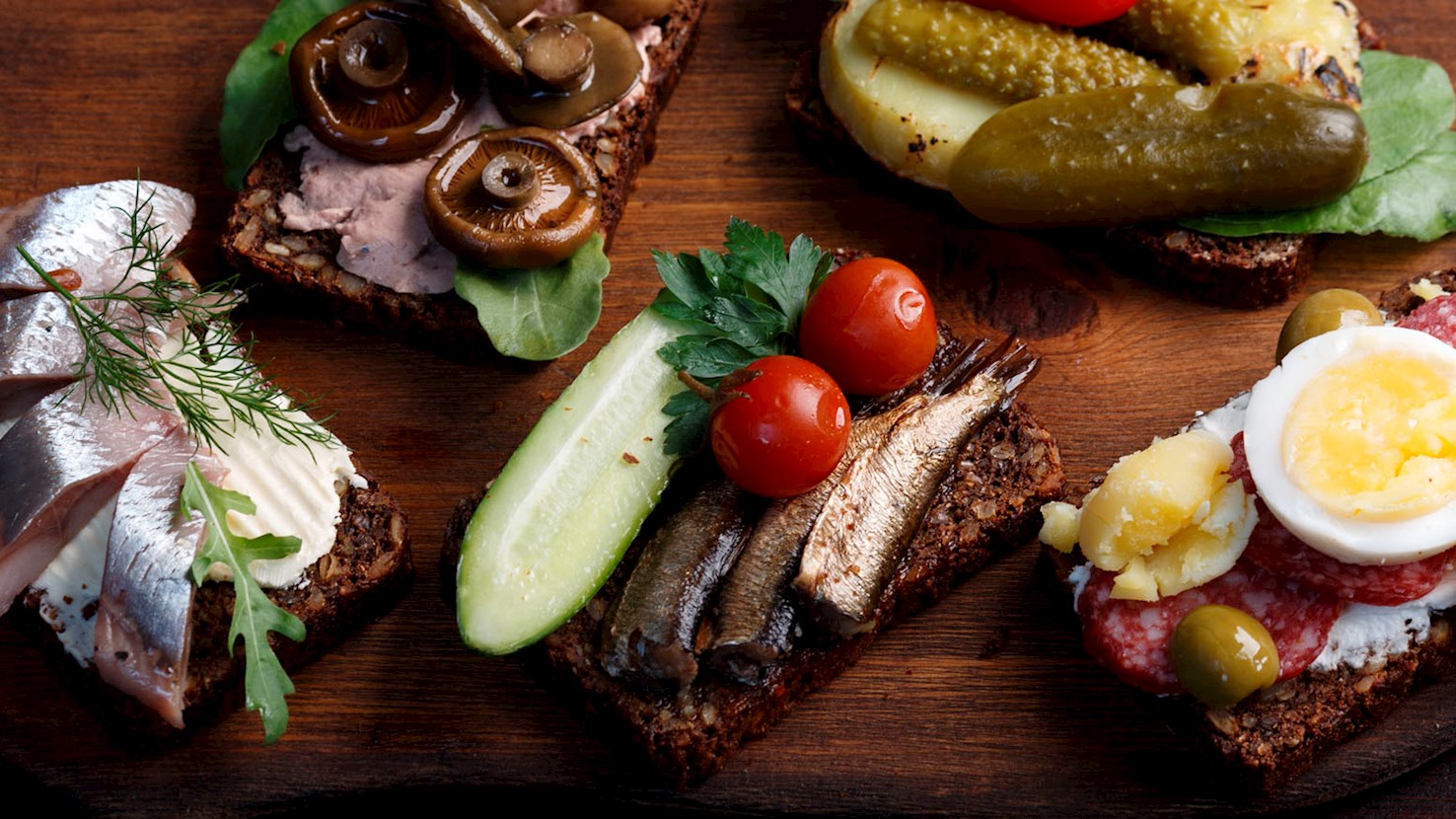
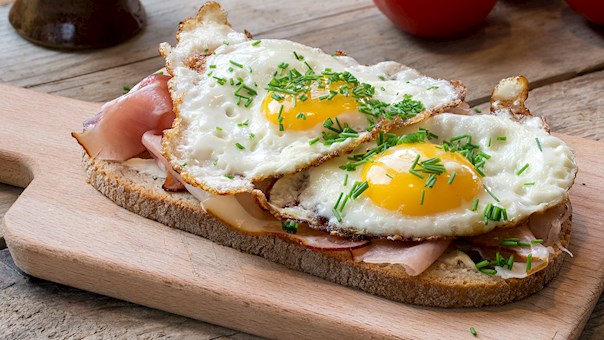
Smørrebrød is a traditional open-faced sandwich consisting of buttered rye bread that is topped with numerous ingredients and typically accompanied by vegetables, herbs, and salads. Toppings include ingredients such as cold cuts of meat, cheeses, spreads, meatballs, caviar, and condiments such as mayonnaise. This sandwich was invented in the 19th century by Scandinavian agricultural workers who would pack a variety of open-faced sandwiches for lunch–often made with leftovers from the previous night–in order to provide them with energy during the long working hours. Some claim that the basic idea stems from the Middle Ages and the tradition of serving food on stale bread. Today, smørrebrød is a staple of Scandinavian cuisine that is served either as an appetizer, main course, or a dessert. The sandwiches are especially popular during the holiday festivities such as Christmas and Easter. Open-faced sandwiches are also common in other countries - in Austria, they're known as belegte brote.

10

Breakfast Sandwich

4.0 ·

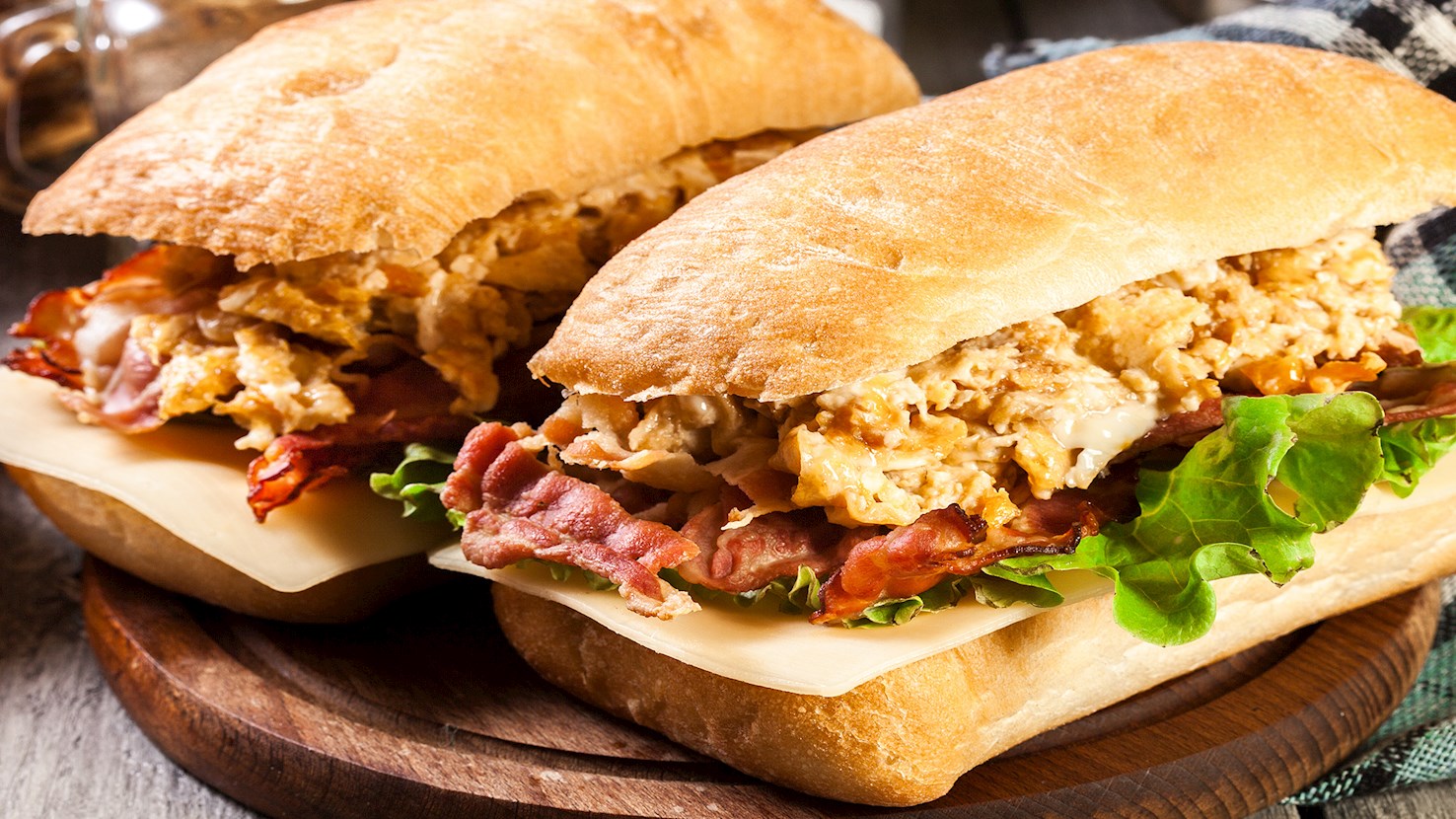
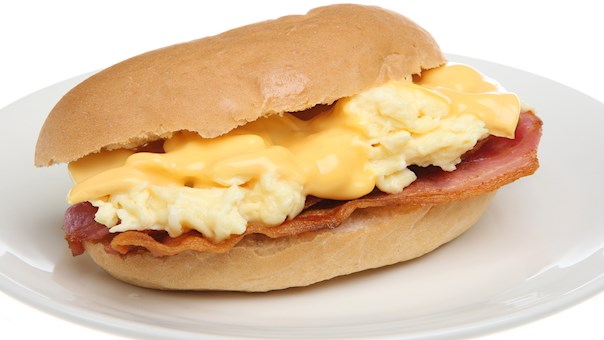
A breakfast sandwich refers to any kind of sandwich filled with foods that are usually considered a breakfast staple such as cured meats, eggs, cheese, and various types of bread. Before the explosion of breakfast sandwiches in the United States, they were often consumed by factory workers of the 19th century London, where they were called bap sandwiches, named after the soft (and back then, often slightly stale) rolls filled with fried eggs, crispy bacon, and melted cheese. During the industrial revolution, the breakfast sandwich became popular in the USA, filled with eggs, green peppers, onions, and ham. It was a staple of blue-collar workers, and the first recipe can be found in a cookbook that was published in 1897. With the rise of the fast food industry, these sandwiches became even more popular, and today they can be found in most fast food restaurants, delis, and convenience stores in numerous varieties.

Best Sandwich types in the World
01

Yorkshire Dama Cheese

4.5 ·

Yorkshire Dama Cheese is a cheese producer based in England, specifically established in Sowerby Bridge, West Yorkshire. The company was founded by Razan Alsous, a Syrian immigrant, who started the business in 2014.

Yorkshire Dama Cheese is known for producing a variety of cheeses, including their award-winning halloumi cheese. The company sources its cow's milk locally to maintain freshness and supports sustainable practices.

Awards
International Cheese Awards - Gold (2024, 2023)
About this Ranking

TasteAtlas food rankings are based on the ratings of the TasteAtlas audience, with a series of mechanisms that recognize real users and that ignore bot, nationalist or local patriotic ratings, and give additional value to the ratings of users that the system recognizes as knowledgeable. For the “Top 27 Sandwich Types in the World” list until July 15, 2026, 5,536 ratings were recorded, of which 4,346 were recognized by the system as legitimate.

TasteAtlas Rankings should not be seen as the final global conclusion about food. Their purpose is to promote excellent local foods, instill pride in traditional dishes, and arouse curiosity about dishes you haven’t tried.

The initial list of top producers was compiled based on available reviews, awards, local recommendations, media and blog coverage, and consumer reviews. The list will be updated with ratings from TasteAtlas local ambassadors and TasteAtlas users.

What People Say

Similar Lists