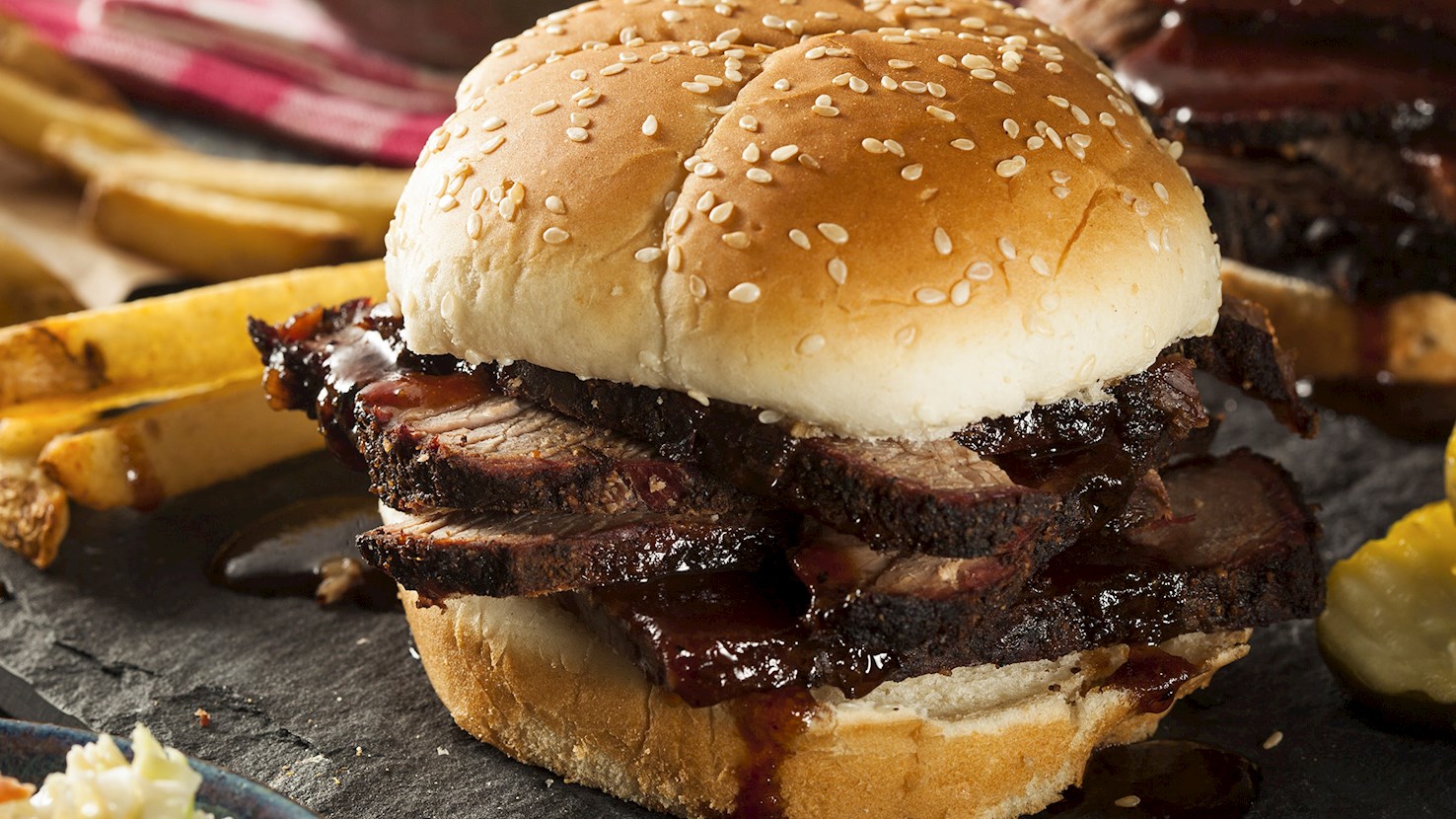
The practice of smoking brisket has a long tradition in Texas, and this juicy, fatty treat also works great as a flavorful sandwich filling. Texas brisket sandwiches can be considered more of a concept than a recipe - various toppings and sorts of bread can be used, but the undisputed star remains the slow-smoked brisket, whether chopped or sliced. It can be tucked between slices of bread or piled on a toasted bun, served on its own or drenched in sauce, and garnished with toppings such as cheese, pickles, and onions - whatever the combination, the fatty brisket meat with a smoky crust guarantees a mouthwatering perfection in each bite.
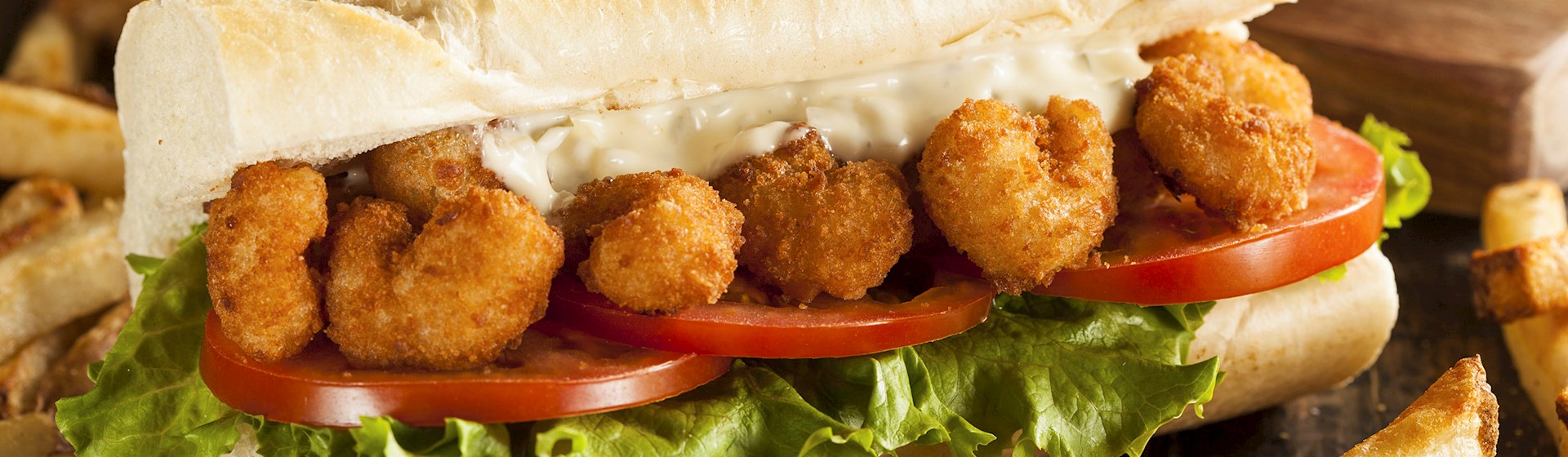
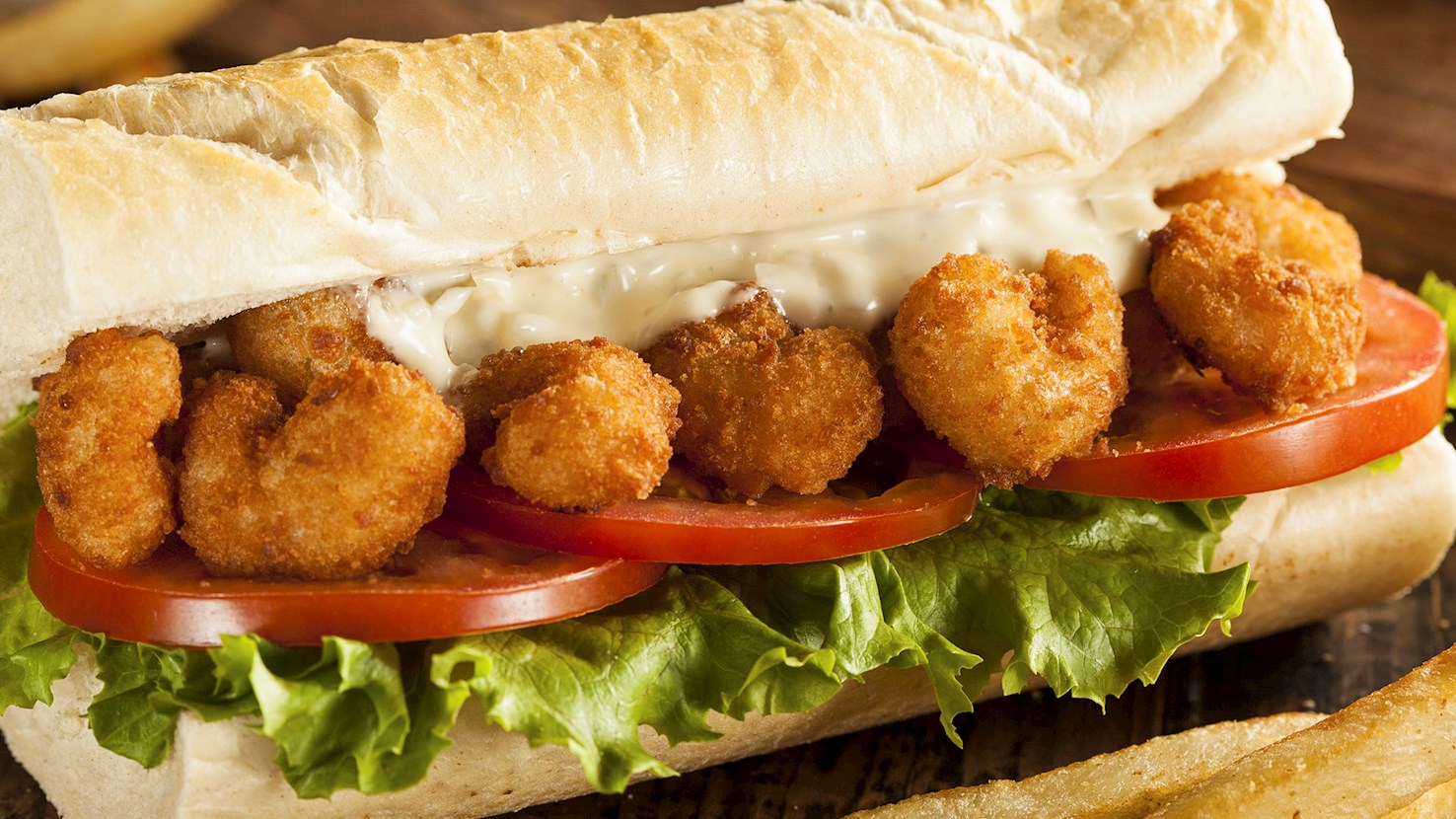
Po'boy is a unique sandwich with a rich history. It originated from Louisiana in the early 20th century, when it was invented by two brothers named Benny and Clovis Martin. The Martins opened a sandwich shop in New Orleans and started to make po'boys with French bread filled with a variety of meat or seafood such as roast beef, ham and cheese, meatballs, oysters, crabs, or shrimps. The combinations of ingredients are virtually infinite. The name of the sandwich refers to the moment when one of the New Orleans streetcar conductors, who were on strike at the time, entered the Martins' shop, and someone shouted: "Here comes another po-boy"! The sandwich gained huge popularity due to the locally-made bread which is crispy on the exterior and incredibly soft on the interior. Today, this Louisiana staple is commonly served with French fries and gravy, and it is recommended to pair it with a cold beer on the side.
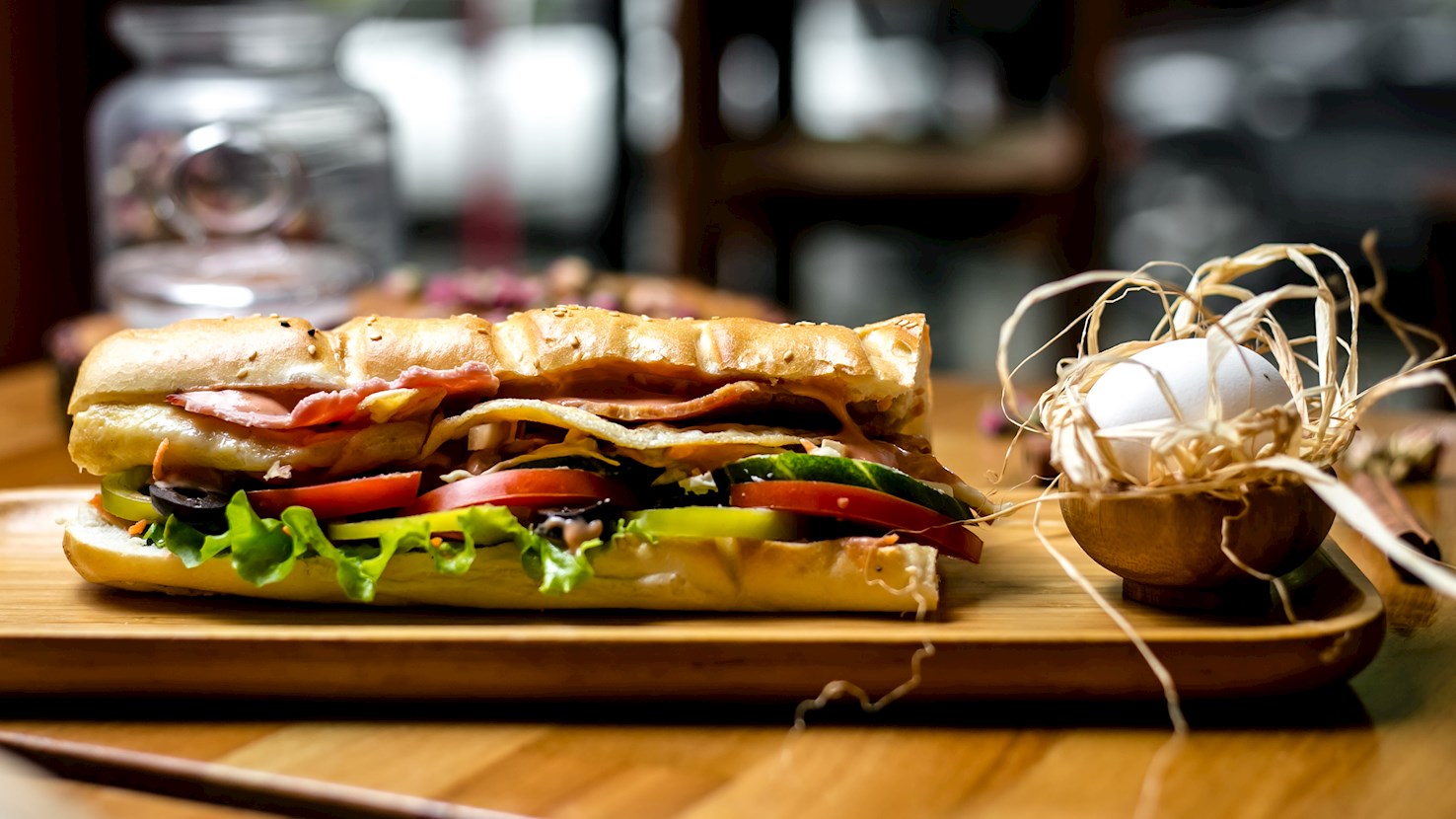
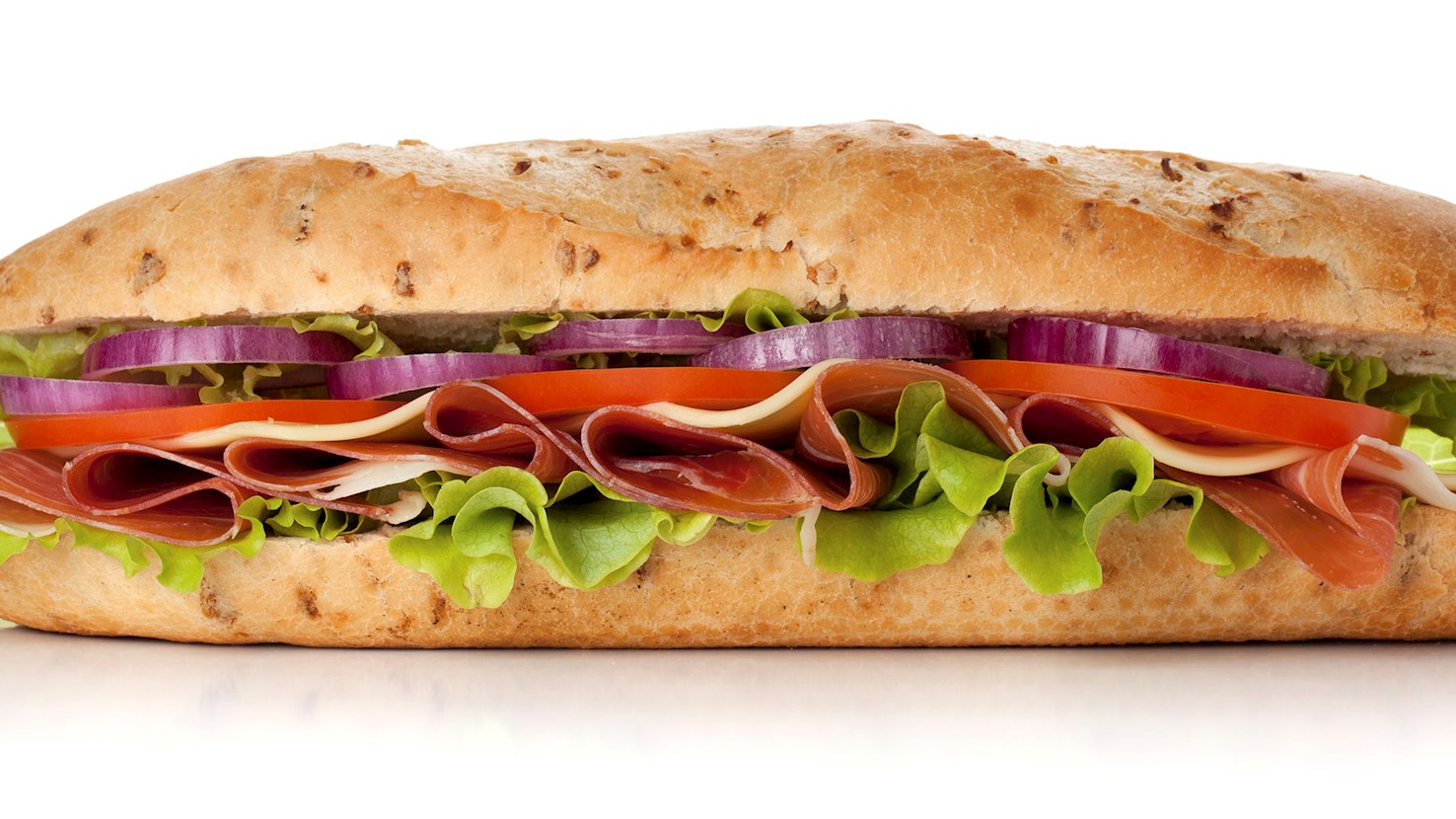
Italian sandwich is a submarine-style sandwich made with a long, soft bread roll filled with sliced cured meats, cheese, crisp raw vegetables, and a sharp oil-based dressing. The large sandwich is usually served tightly wrapped in white butcher paper and often cut crosswise into two easier-to-handle halves. Because of its size and the slippery layers of meat, oil, and wet vegetables, it is usually eaten with both hands. The basic version begins with a soft, slightly sweet bread roll split straight down the middle. The inside is lined with a thick layer of thinly sliced boiled ham and white American cheese. Chopped white onions, thick strips of green bell pepper, and raw tomato slices are piled heavily over the meat and cheese. Sour dill pickles, salty black Kalamata olives, and a generous drizzle of soybean oil mixed with salt and black pepper complete the filling. The origins of the Italian sandwich point to Portland, Maine, in 1902. Giovanni Amato, a baker, began selling cheap, portable lunches from a pushcart to dockworkers along the waterfront. To meet the laborers’ need for filling, calorie-dense food, Amato sliced open his freshly baked bread rolls and stuffed them with inexpensive meat, cheese, and fresh vegetables. This practical lunch quickly became a regional staple and later spread into brick-and-mortar bakeries across New England. Ingredient substitutions often push the flavor toward sharper, saltier notes. A prominent East Coast version replaces the mild boiled ham and American cheese with heavily spiced cured pork products such as capicola, Genoa salami, and mortadella, along with sharp provolone. Other versions add a strong splash of red wine vinegar and dried oregano to the oil dressing for a more pronounced acidic bite. Spicy versions include handfuls of pickled cherry peppers or hot giardiniera relish placed directly on the meat for lingering heat. A toasted version is also common: the bread, meat, and cheese are heated in a hot oven until the cheese melts completely and the crust turns brittle, before the cold vegetables are added.
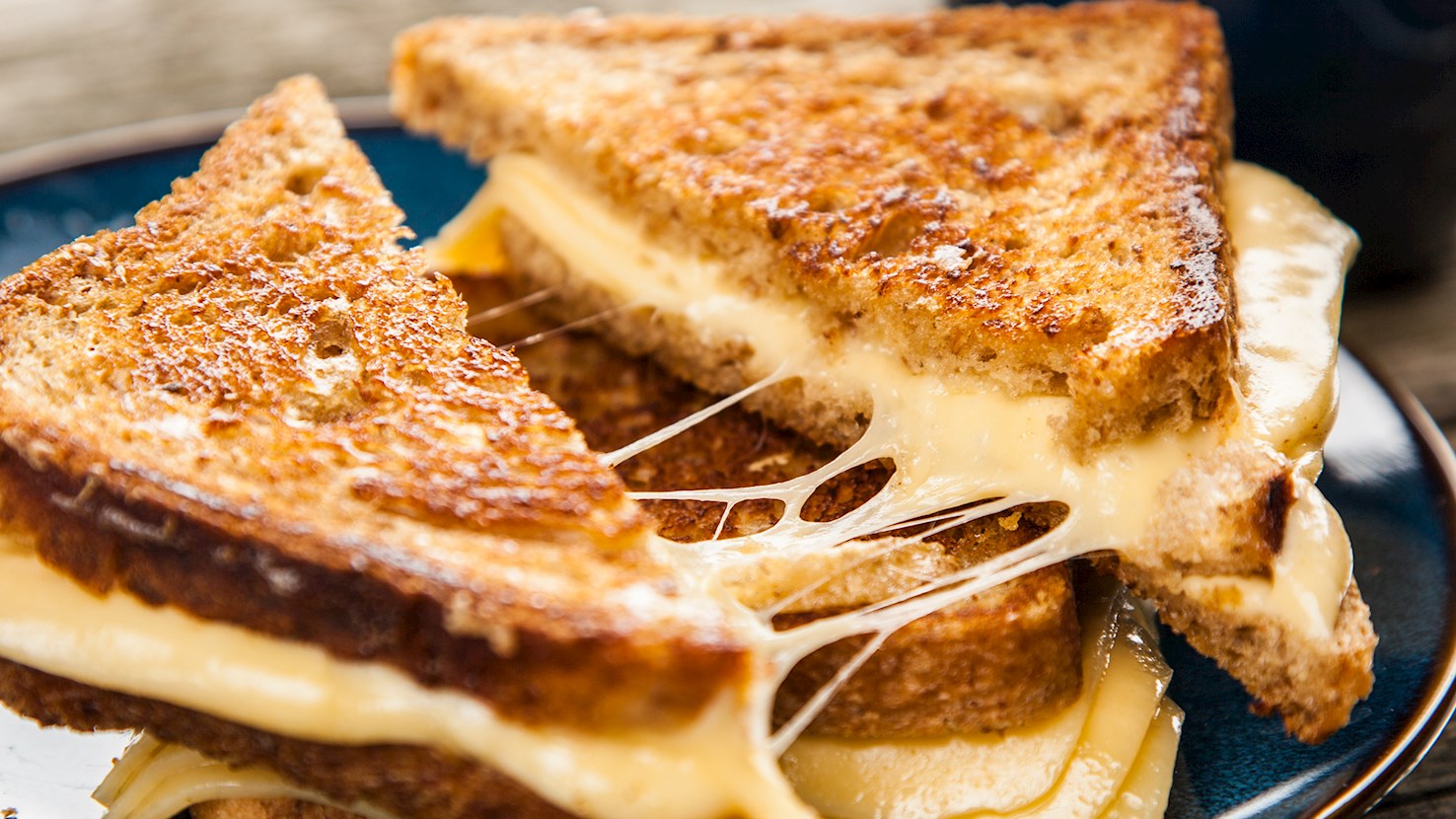
These sandwiches typically consist of slices of sandwich bread with cheese in between. The cheese might be sliced or grated, and the sandwiches are then grilled, toasted, or fried so that the cheese melts. Apart from cheese, melt sandwiches can be filled with a variety of other ingredients, but depending on the choice of other ingredients, the sandwiches might become something entirely different, such as tuna meltsandwich (with added tuna and mayonnaise) or patty melt (with added meat patties).
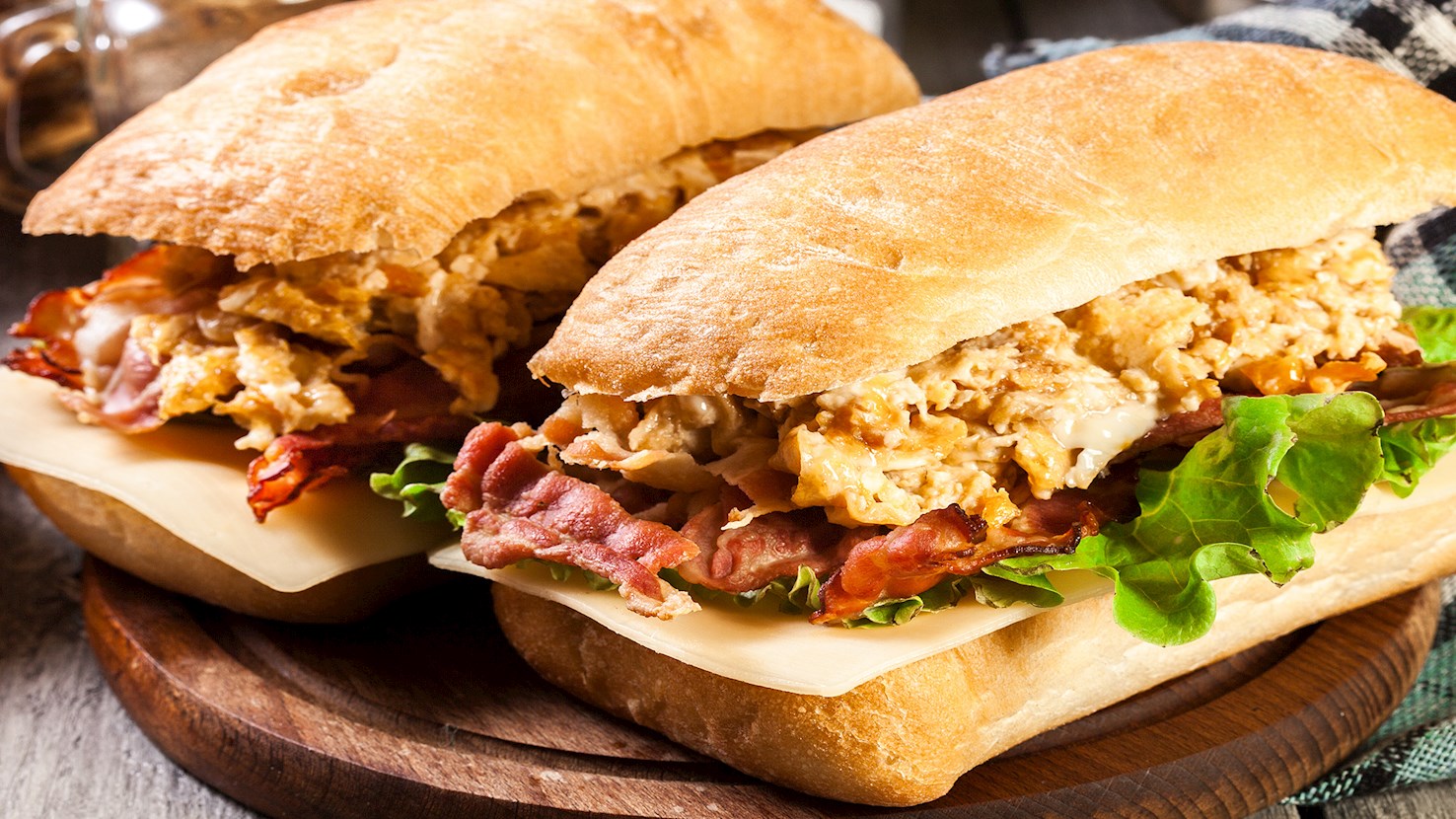
A breakfast sandwich refers to any kind of sandwich filled with foods that are usually considered a breakfast staple such as cured meats, eggs, cheese, and various types of bread. Before the explosion of breakfast sandwiches in the United States, they were often consumed by factory workers of the 19th century London, where they were called bap sandwiches, named after the soft (and back then, often slightly stale) rolls filled with fried eggs, crispy bacon, and melted cheese. During the industrial revolution, the breakfast sandwich became popular in the USA, filled with eggs, green peppers, onions, and ham. It was a staple of blue-collar workers, and the first recipe can be found in a cookbook that was published in 1897. With the rise of the fast food industry, these sandwiches became even more popular, and today they can be found in most fast food restaurants, delis, and convenience stores in numerous varieties.
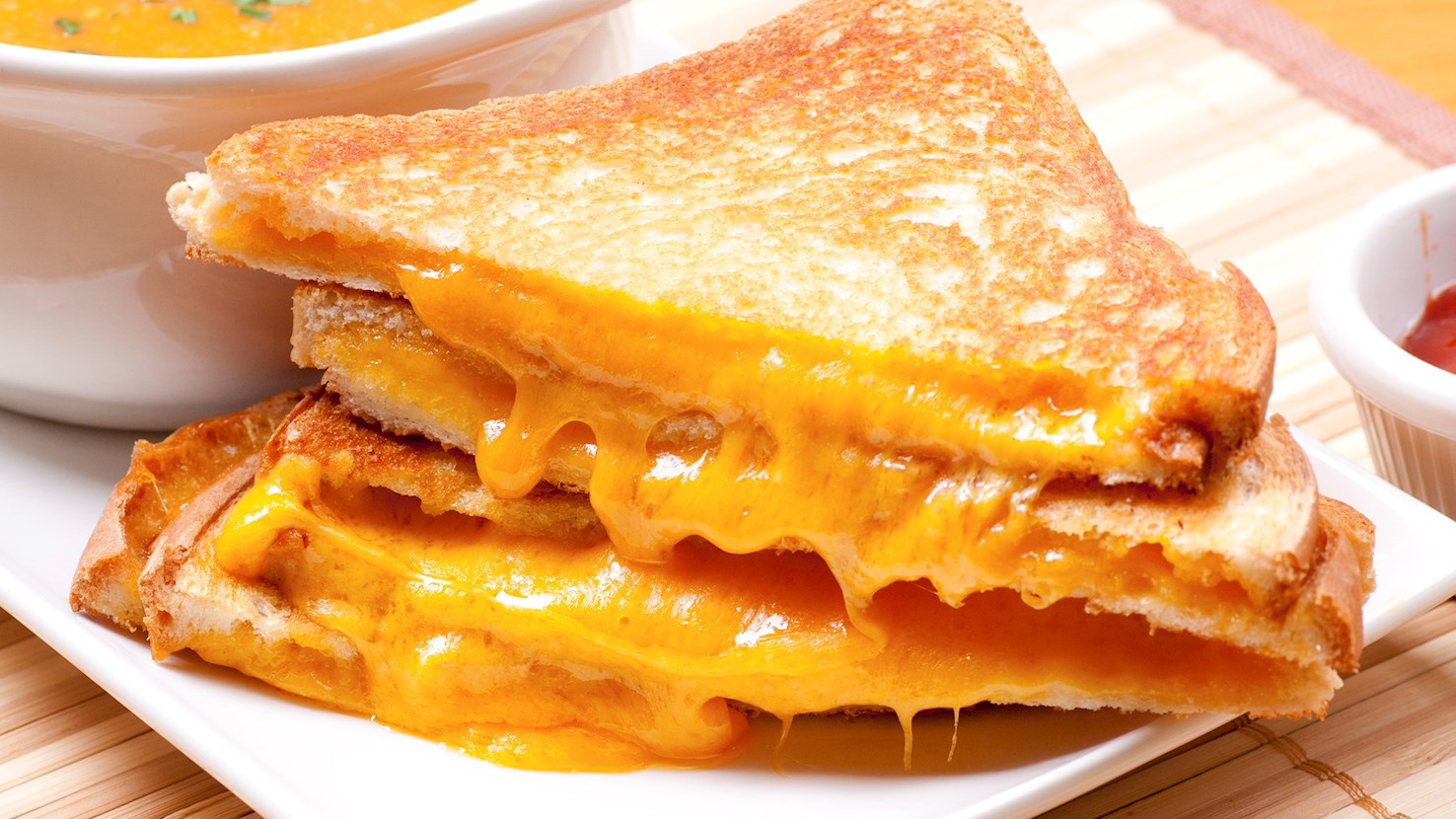
Grilled cheese is a classic American sandwich that is usually prepared with one or more cheese varieties that are placed between two slices of bread. The slices are buttered from the outside, and the sandwich is then shortly heated, typically in a pan or on a griddle, until the bread is golden and the cheese melts. Although cheese and bread were a common pairing since the early 1900s, and the French have their own, similar Croque Monsieur sandwich, grilled cheese sandwich first appeared in the United States in the 1920s, when it was prepared open-faced, as a slice of bread topped with shredded cheese. It rose in popularity due to the fact that it was inexpensive and affordable. In the 1960s, a second slice of bread was added on top, and the classic grilled cheese as we know today was invented, due to the availability of pre-sliced bread and processed cheese singles. Today, the sandwich has evolved into various creations, as innovators started serving it on bagels, adding different kinds of cheese, meat, and vegetables such as bacon, tomatoes, and avocado into it. Grilled cheese still remains a staple of comfort food and the children's favorite, although it is often consumed by many adults, and it is even served in some high-end restaurants. For many people, there is nothing better than pairing a hot grilled cheese sandwich with a bowl of tomato soup, and it is believed that the comforting combination is best when consumed on a cold, rainy night.
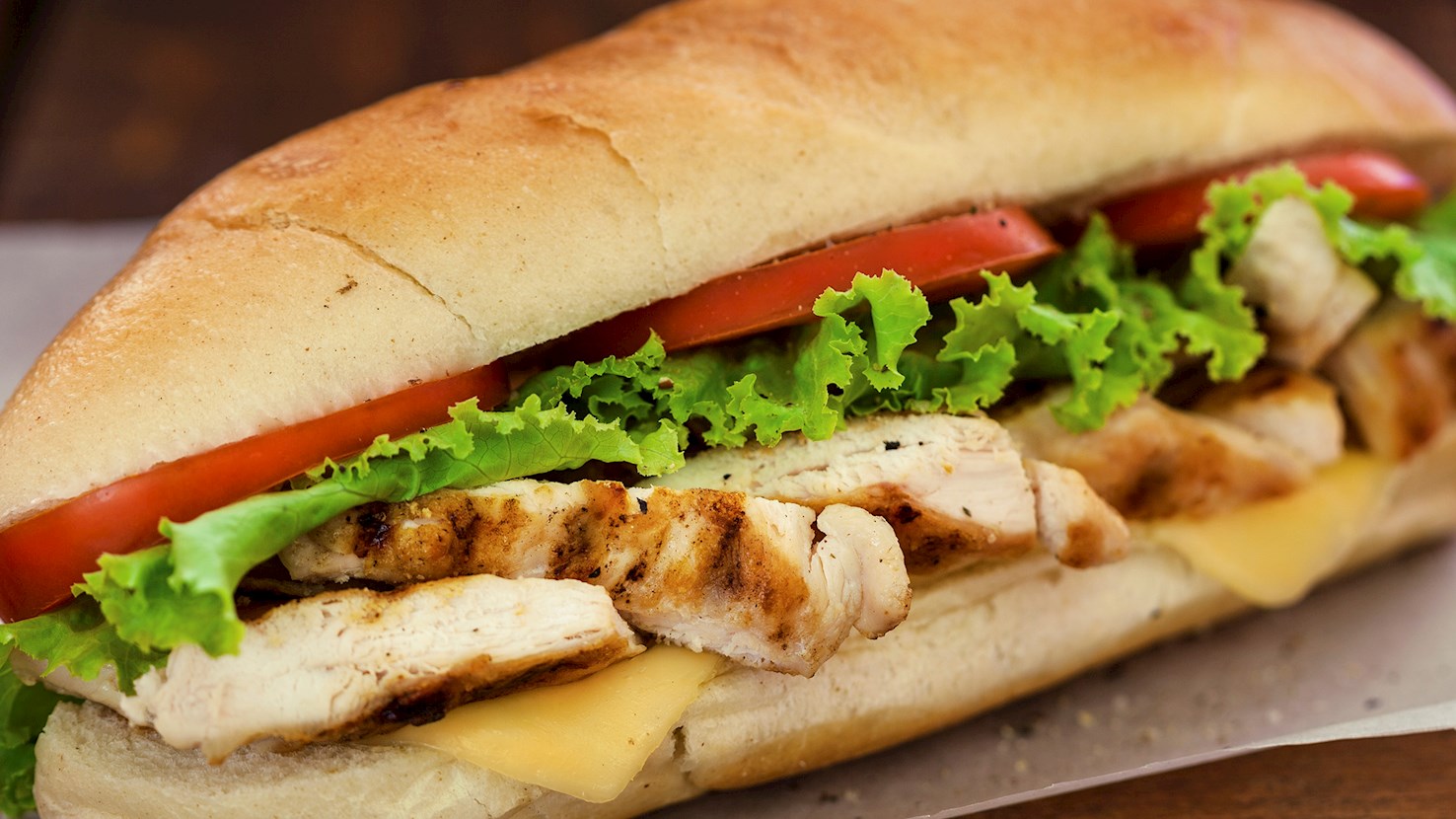
Achicken sandwich consists of chicken, either a fillet or patty, various toppings, and bread. The meat can be white or dark meat (usually thigh meat is used when it's dark meat) and be shredded, deep-fried, roasted, or grilled; even cold cuts can be used. On the other hand, bread can be any bread, either bread slices cut from a loaf, a bun, or a roll. The chicken sandwich can be served hot or cold. Numerous variations exist, so there are also chicken wraps and open-faced versions of the chicken sandwich. Regarding origin, although Truett Cathy (the founder of the fast food chain Chick-fil-A) has proclaimed himself as the inventor, that is not true — the chicken sandwich is much older than the 1940s, and the truth is we do not know when and by who it was created. There are many types of chicken sandwiches in the US, such as Ohio's shredded chicken sandwich. Also, hamburger joints often offer chicken sandwiches as an alternative to beef. Those sandwiches are prepared the same as hamburgers and can be found on menus under such names as "chicken burger" and "chicken on the bun". But when it comes to famous variations worldwide, there are also many. For example, in Ireland, there's the chicken fillet roll consisting of a baguette filled with breaded and fried chicken. In Eastern Canada, there's the hot chicken sandwich which is a chicken sandwich covered in gravy, often accompanied by peas, and eaten with a knife and fork. And in Mexico and Venezuela, there's the pepito, a roll or bun filled with either beef or chicken and beans.
Submarine sandwich consists of a long, split bread roll, filled with numerous ingredients such as meats, cheeses, sauces, vegetables, and seasonings. Depending on the regional variety, the sandwich is called differently throughout the United States. In the Midwest and California, it's grinder, in New York and Northern New Jersey, it's hero, in Delaware, it's sub, and in Baltimore, South Jersey, and Philadelphia, it's called a hoagie. Around New Orleans, it's known as po'boy, and in Maine, it's Italian sandwich, even if it has nothing to do with Italy. However, the submarine sandwich originated in the Italian-American communities in the United States in the late 19th century, called a sub because it looked like a submarine. Today, submarine sandwiches are known worldwide due to the rise of large chain restaurants and the fast food industry.
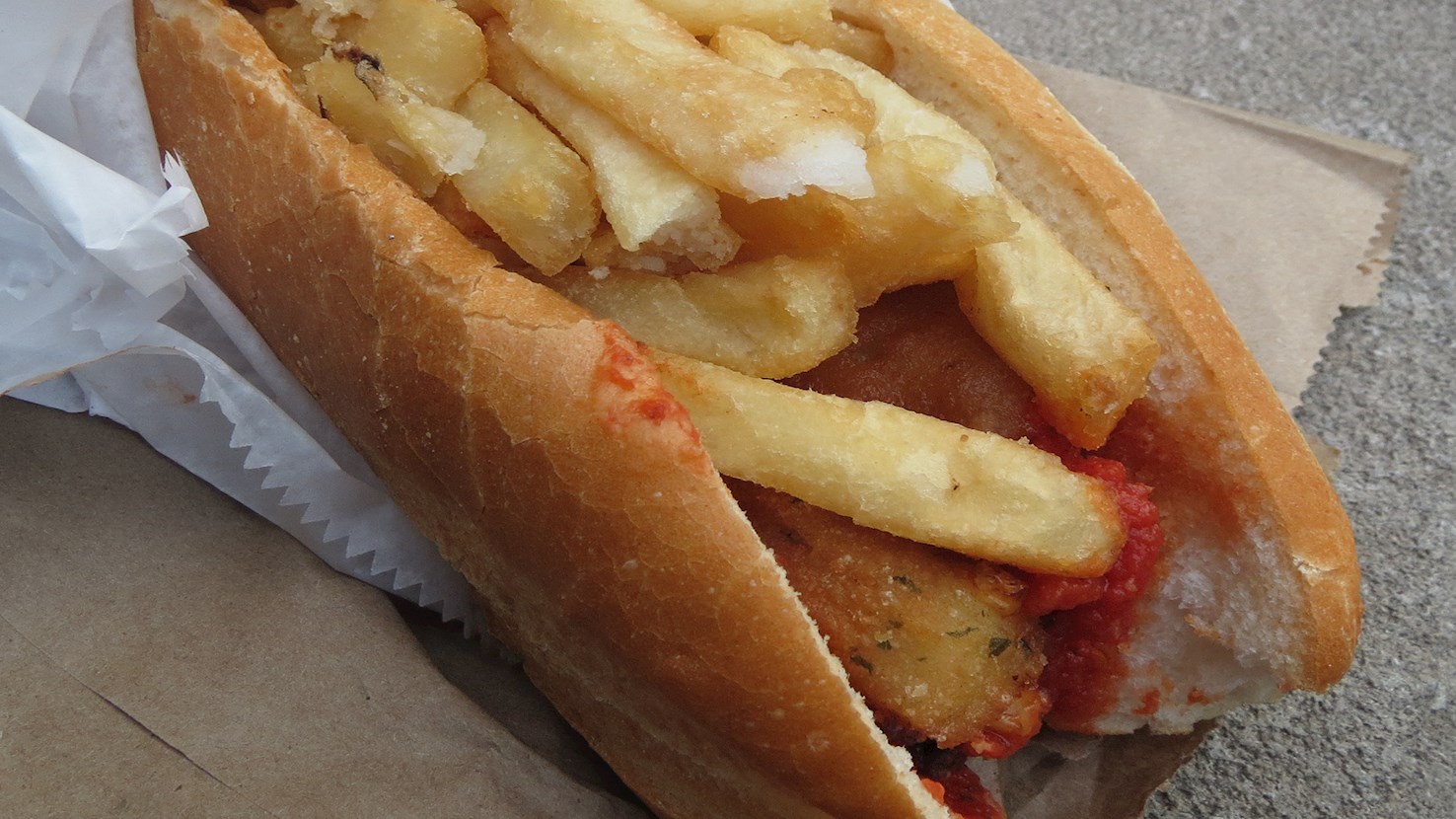
A fat sandwich is a submarine-style sandwich variety that is characterized by being overstuffed with calorie-laden, fatty, fried ingredients such as gyro meat, chicken strips, fries, and mozzarella sticks. These supersized sandwiches originated at Rutgers University in New Brunswick, New Jersey, where they were originally served out of so-called Grease Trucks which were lined up on College Avenue, satiating the hunger of numerous students, mostly after a night of heavy drinking. It is believed that the first fat sandwich was invented in 1979 and was called the Fat Cat, consisting of a cheeseburger topped with french fries. Today, there are a number of variations including the Fat Darrell, the Fat Knight, the Fat Elvis, the Fat Lady, and the Fat Romano.
TasteAtlas food rankings are based on the ratings of the TasteAtlas audience, with a series of mechanisms that recognize real users and that ignore bot,
nationalist or local patriotic ratings, and give additional value to the ratings of users that the system recognizes as knowledgeable.
For the “Top 9 American Sandwich Types” list until September 15, 2026, 1,935 ratings were recorded, of which 1,808 were recognized by the system as legitimate.
TasteAtlas Rankings should not be seen as the final global conclusion about food. Their purpose is to promote excellent local foods,
instill pride in traditional dishes, and arouse curiosity about dishes you haven’t tried.



What People Say