


shutterstock

Top 33 Northeastern American Sandwiches and Wraps

Last updated on May 15, 2026
01

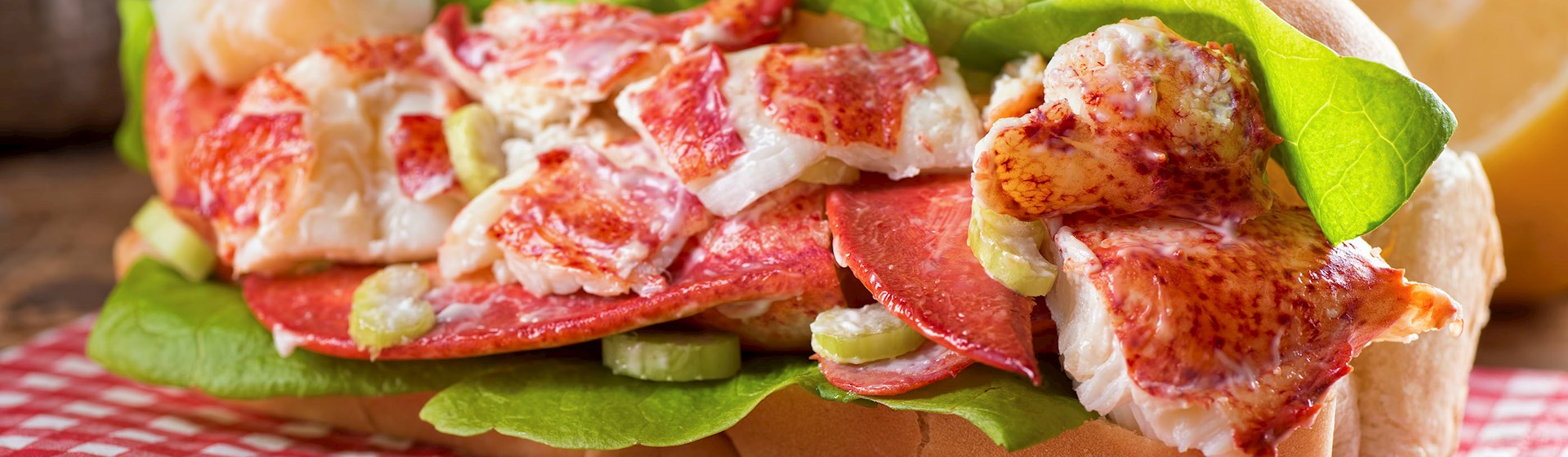
Maine-style Lobster Roll

4.4 ·

One of New England cuisine staples, the Maine-style lobster roll consists of a chilled lobster salad tucked into New England-style split-top buns. The lobster salad, at its basic, is made with knuckle and claw meat that is dressed in mayonnaise and mixed with finely chopped celery, seasoned only with salt and pepper. Variations typically include ingredients like lemon juice, mustard, and chives. Because the buns are buttered and toasted, the result is a lobster roll with contrasting texture and flavor: a warm, buttery, toasted bun vs. a cold, crunchy lobster salad. It is unknown when it was invented and by whom. What is known is that it started to first appear sometime in the 1950s due to the explosion of summer tourism, but it boomed in the 1970s thanks to the increase in the roadside lobster roll stands. Red Eat's, the most famous restaurant on Route 1 in Maine, had a big role in popularizing it. Also, even though the Connecticut-style lobster roll appeared earlier, the Maine-style one is the more popular of the two. When it comes to serving, the most typical pairing is a Maine lobster roll and either creamy clam chowder or seafood chowder. But at seafood shacks or food stands, it is typically served with salt and vinegar potato chips, coleslaw, pickles, and onion rings.

02

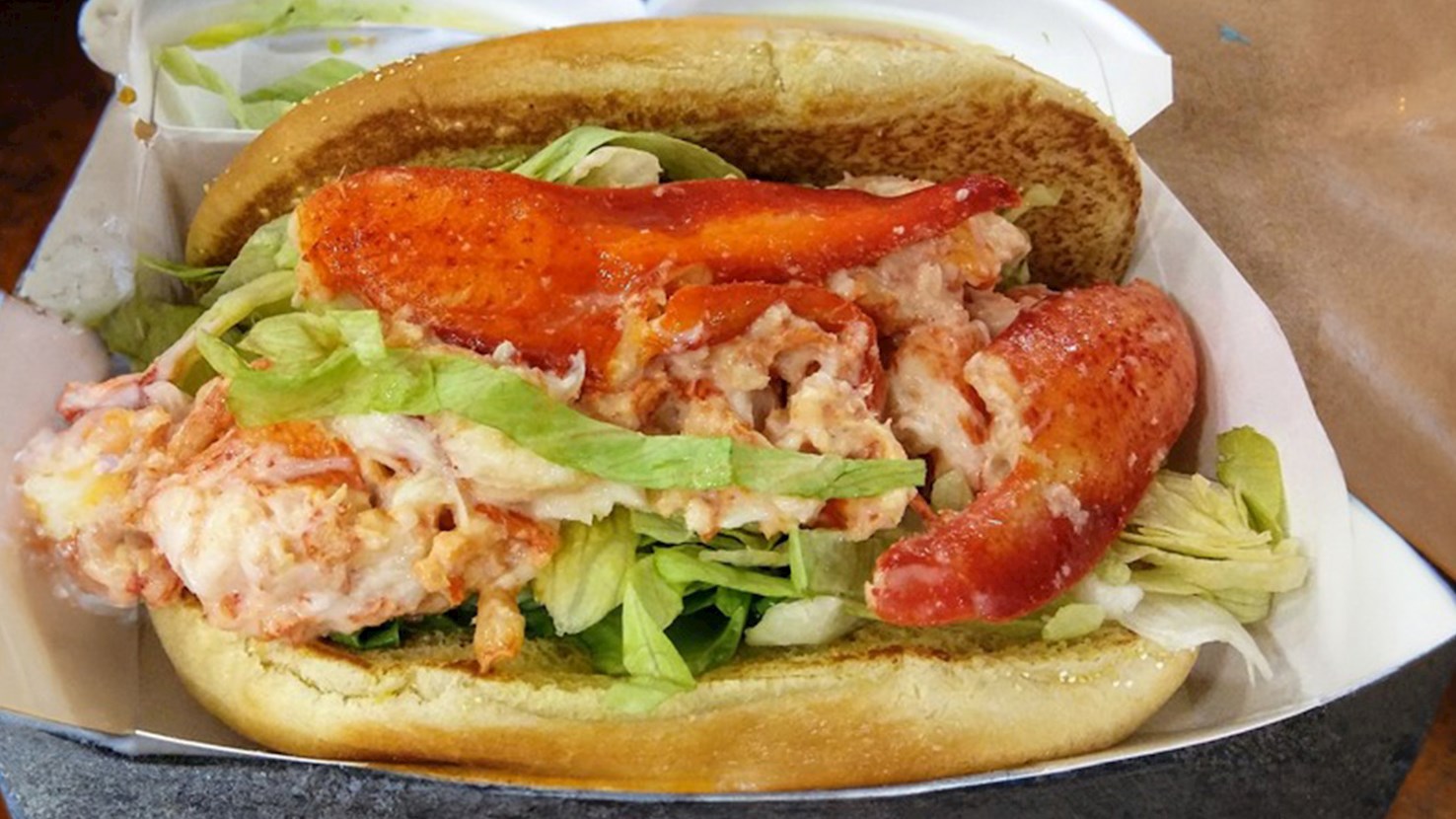
Lobster Roll

4.2 ·

Lobster roll is a Maine specialty consisting of cooked lobster meat that is, ideally, drizzled with melted butter and placed into long hot dog rolls. Additionally, the sandwich might include lettuce, lemon juice, salt, and black pepper. Traditional accompaniments include potato chips or french fries on the side. Some claim that lobster roll first appeared at Perry's in Milford, Connecticut, while others claim it was first prepared at Red's in Wiscasset, Maine. Regardless of the origins, the entire state of Maine continues to honor the tradition by offering more version of lobster rolls than the first inventor could have possibly imagined, starting an endless debate over how it should be made and who makes the best rolls. For example, most Mainers eat the roll filled with cold lobster salad made with mayonnaise, sometimes with the addition of diced celery and no melted butter whatsoever.

03

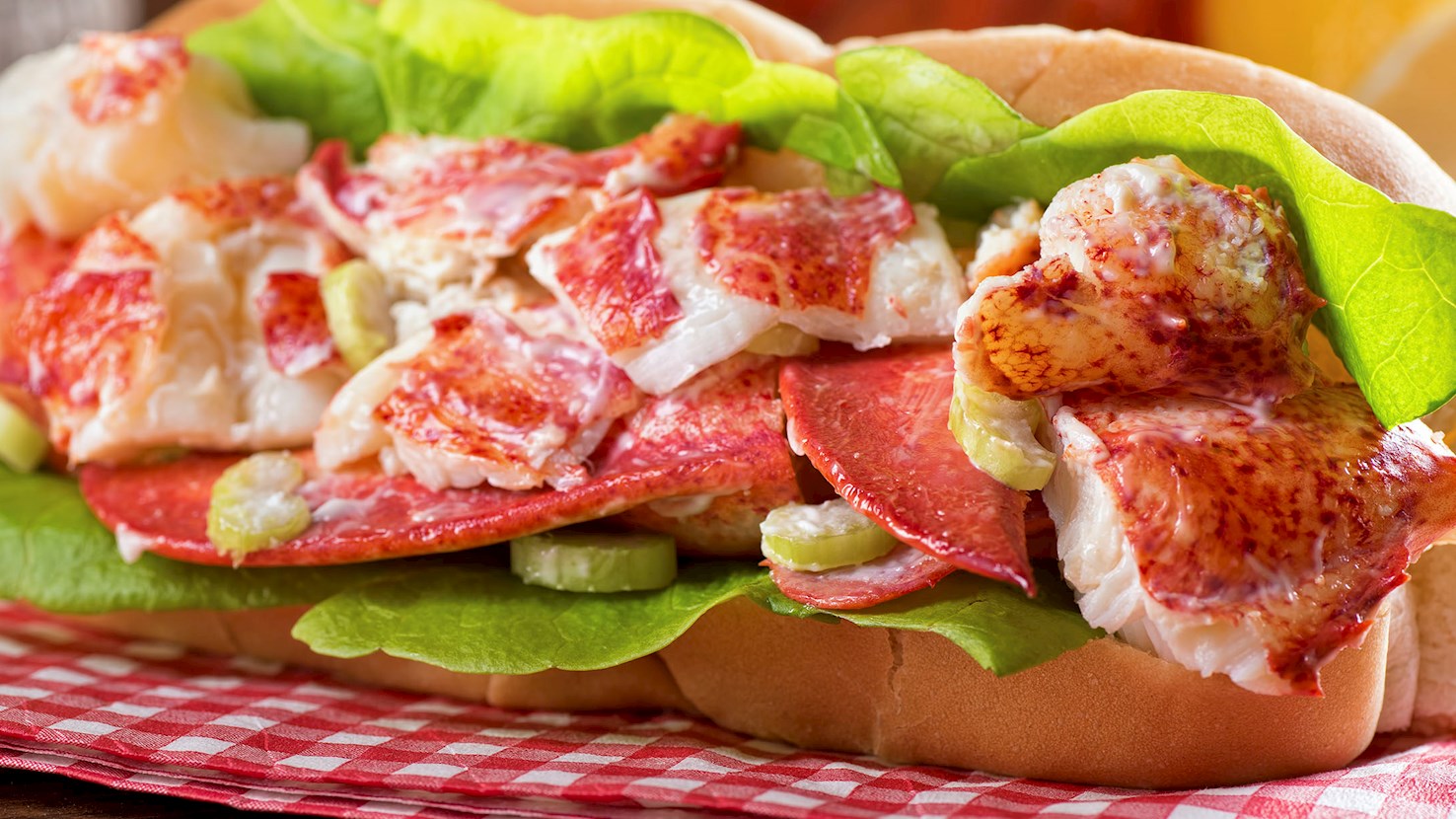
Connecticut-style Lobster Roll

4.2 ·

The first type of lobster roll to exist, the Connecticut-style lobster roll, is characterized by the fact that it's warm; both the lobster meat and the roll are. The lobster meat is steamed or boiled, tucked into a toasted and warm New England-style bun, and then drizzled over with drawn butter. Typically, knuckle and claw meat, but sometimes tail as well, are preferred, and there is very little seasoning, usually only salt, pepper, and lemon juice. Variations will typically include ingredients, herbs, and spices like chives, dill, and paprika. You will also find it often includes lettuce as well, since it prevents the sandwich from going too soggy by creating a barrier between the meat and the bun. This style of the lobster roll was invented in the 1920s by Harry Perry, the owner of a restaurant Perry's in Milford, Connecticut, for a regular, Ted Hales. Once it became a success, he also commissioned French's Bakery to make him a suitable bun, which was similar to a submarine sandwich roll, that he would cut a V-notch wedge at the top of it, remove the crumb inside and load it with lobster meat. Serving-wise, Connecticut-style lobster roll typically comes with a side of potato chips or fries and dill pickles. Also, a creamy potato salad works well with this lobster roll.

04

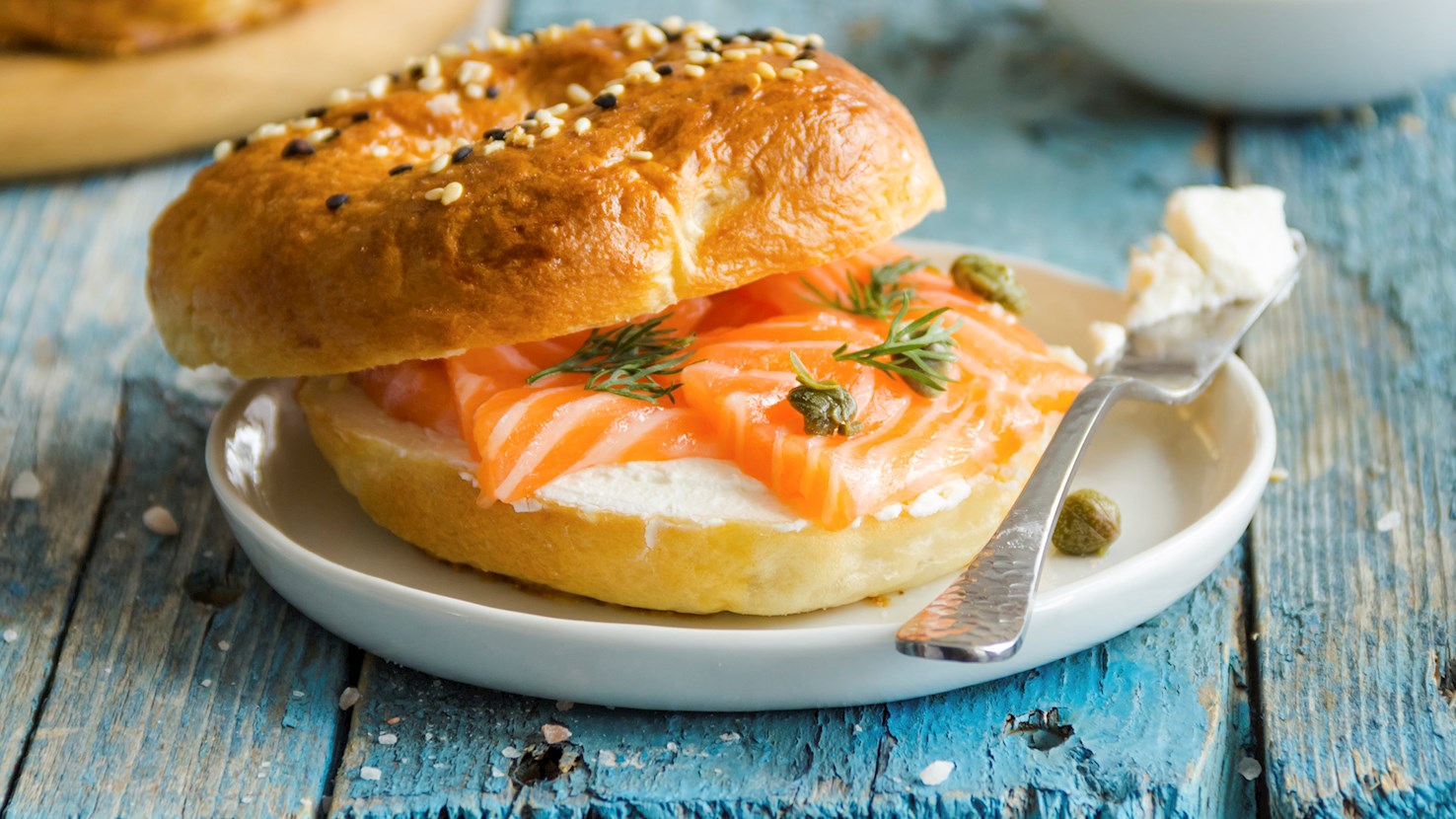
Bagel and Lox

4.2 ·

Bagel and lox is a classic New Yorker sandwich consisting of a freshly baked bagel that's split in half, then topped with cream cheese and cured salmon. The sandwich can be additionally garnished with capers or thinly sliced red onions, while the plain cream cheese can be replaced with dill and chive cream cheeses. Both the bagels and lox were introduced to America by European Jewish immigrants at the turn of the 20th century, and by the 1950s, the bagel became a staple food in America. Traditionally, they could be found at New York's Jewish delis, but today they're available throughout the country. However, if you're a purist that wants only the authentic bagel and lox sandwich, stick with New Yorker delis.

05

Reuben

4.1 ·

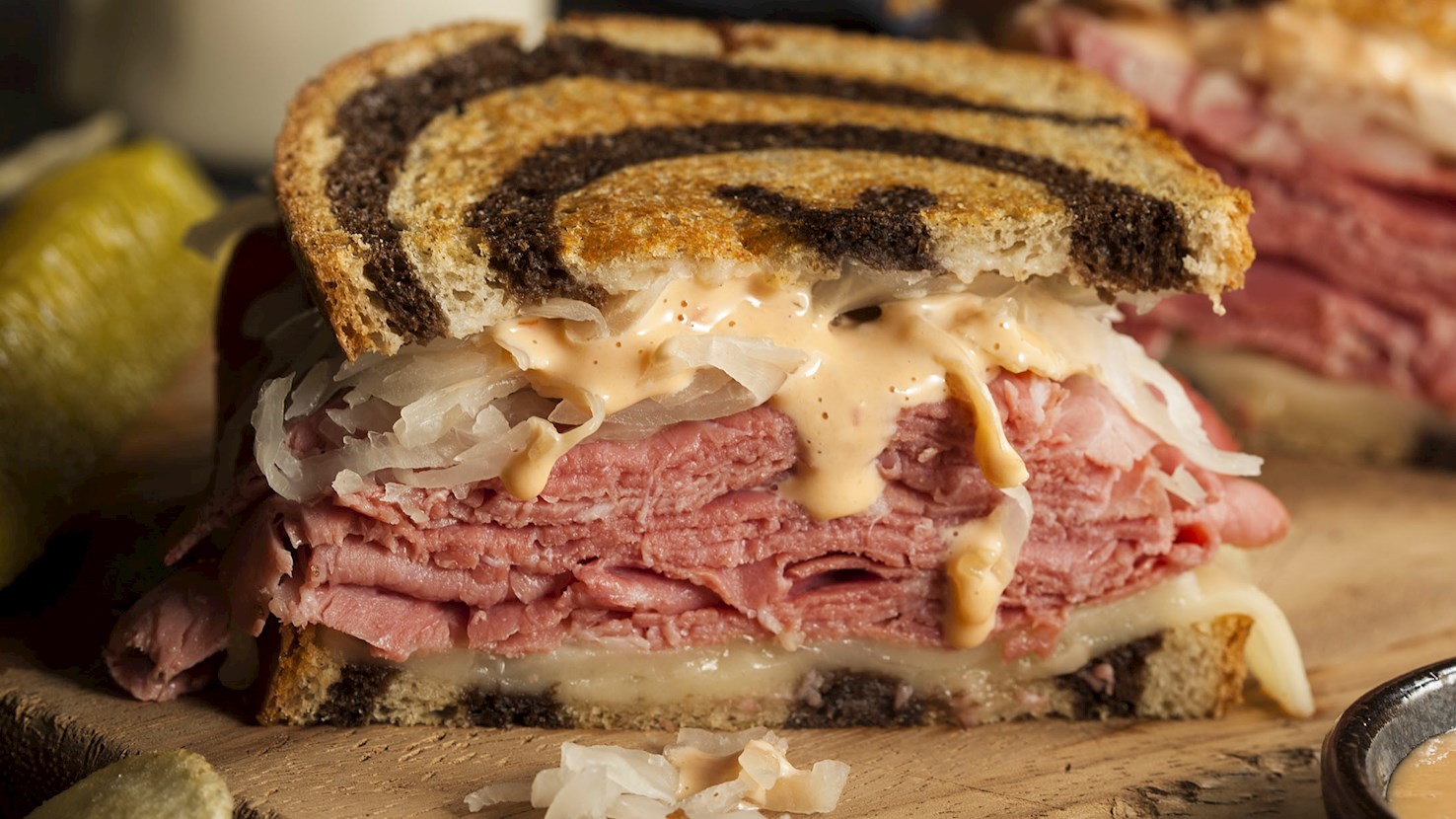
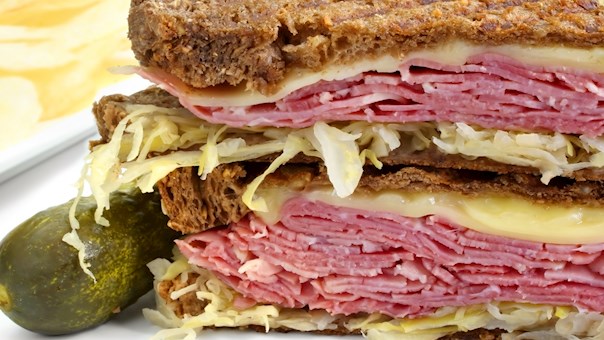
Reuben is a melty sandwich consisting of a combination of corned beef, rye bread, sauerkraut, Russian dressing, and Swiss cheese. According to one out of many theories, it was invented in 1914 at Manhattan's Reuben Delicatessen by its owner, Arnold Reuben, when an out-of-work actress ordered something new, and Arnold made her a Reuben sandwich. The combination of meat and cheese is not kosher, but the sandwich can be found in Jewish delis because it's a part of Jewish food culture and it's mostly eaten by people who are not strictly Orthodox. Just like most popular food, Reuben also has numerous variations such as Rachel sandwich, grouper Reuben, West Coast Reuben, Montreal Reuben and Reuben egg rolls. Savory, sloppy and extremely satisfying, Reuben remains a staple of New Yorker cuisine.

06

Beef on Weck

4.1 ·

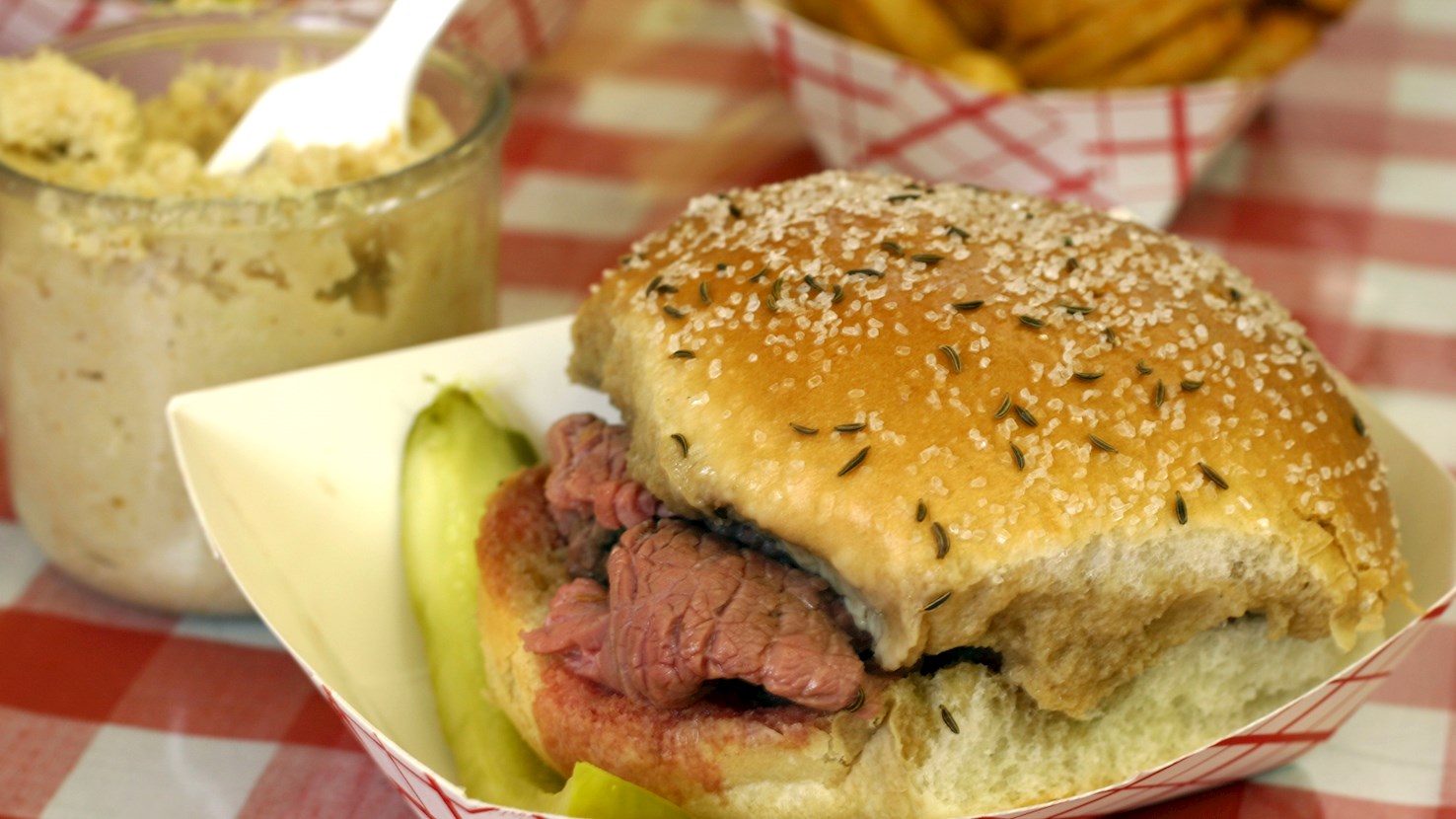
After the chicken wings, beef on weck is the most popular food in Buffalo, New York, consisting of three basic parts: meat, bread, and horseradish. The sandwich is named after the kummelweck roll, or 'weck for short, which should be sprinkled with a hefty dose of caraway seeds and coarse salt so that the beef inside it could be left as underseasoned as possible. The beef must be succulent, thinly sliced, and slightly pink in the middle, while the horseradish should be freshly grated for the best possible experience. Beef on weck is served in almost every bar or tavern in Buffalo, and its story started in 1901 when a man named Joe Gohn turned his house into a hotel and tavern and decided that a roast beef sandwich would be great for satiating the appetites of his hungry tenants. Joe's baker was a German who suggested that they add caraway seeds and salt on top of the rolls, just like they did back in Germany. Beef on weck was a success, and due to caraway and salt, the consumers were thirstier than usual, so the sales of beer in the tavern also skyrocketed, which, as some say, was the intended purpose of the sandwich. Best paired with a dill pickle or some french fries, beef on weck can only be found in the western part of New York, where hundreds of hungry customers indulge in the juicy, messy delight, possibly led by the local saying: "If you didn't make a mess, you didn't enjoy it."

07

Roast Pork Sandwich

4.1 ·

Roast pork sandwiches are a staple of numerous sandwich shops throughout Philadelphia. The bread roll is typically topped with sesame seeds and loaded with a generous spoonful of pork juices. It is then stuffed with either sliced pork roast, roast pork chunks, or pulled pork, along with broccoli rabe (or spinach), and melted cheese such as provolone. The condiments are optional and every customer can choose some of them according to personal preferences. These succulent sandwiches are popular in Philadelphia due to their simplicity and a nice balance of flavors.

08

Cheesesteak

4.1 ·

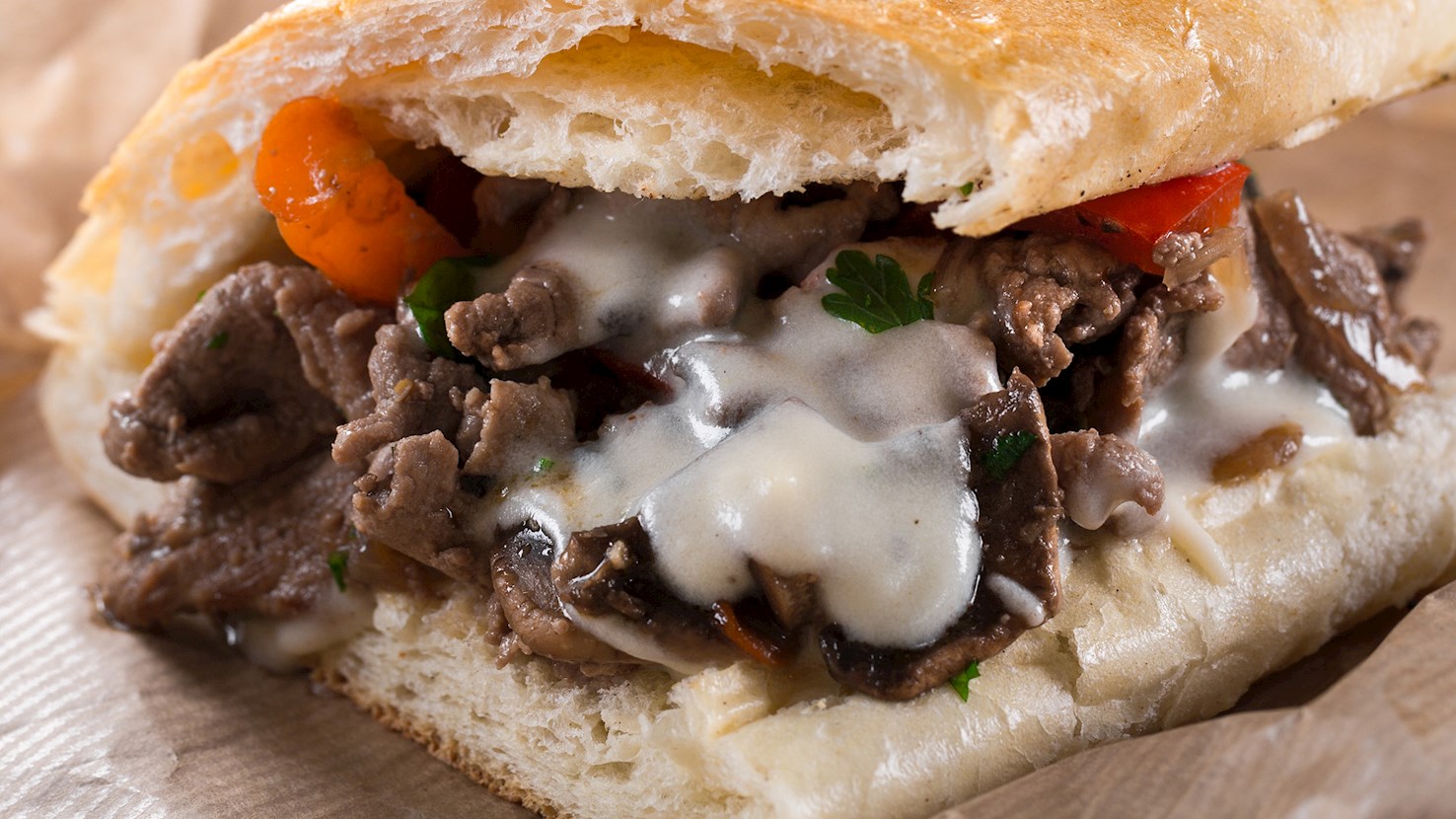
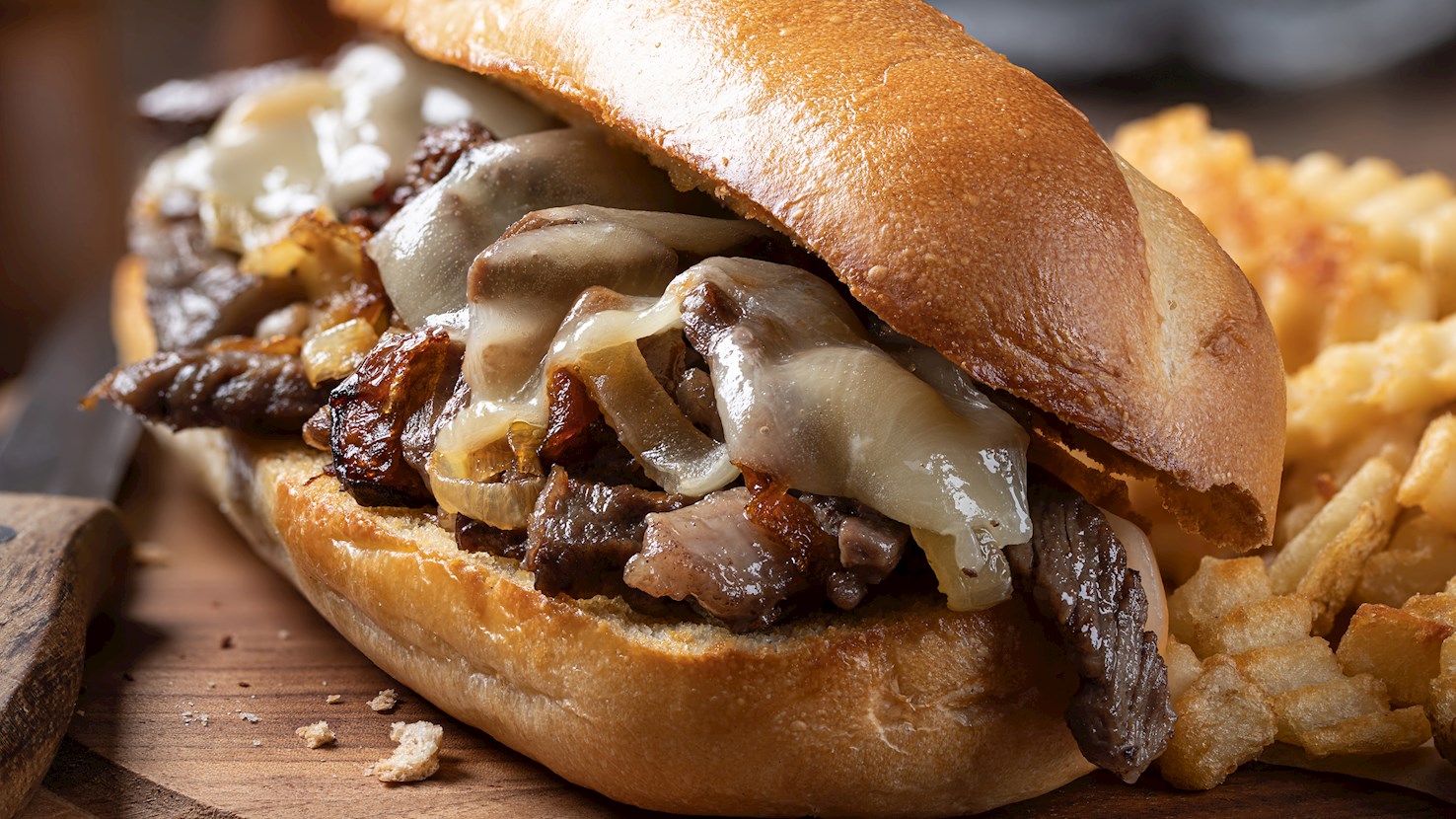
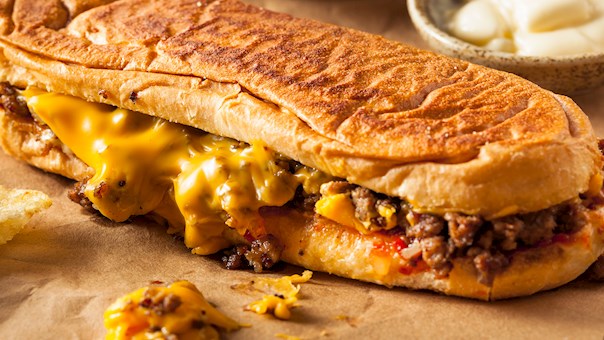
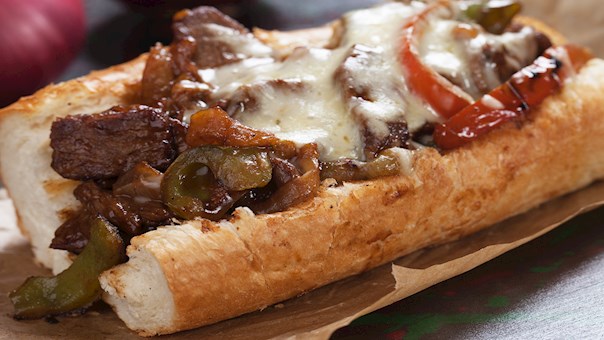
The Philadelphian icon known as Philly cheesesteak is an extremely popular sandwich consisting of thinly sliced pieces of steak and tender, melting cheese in a long and crusty hoagie roll. It was invented in the 1930s in what is now a Philadelphian institution called Pat's King of Steaks. Pat's started as a regular hot dog stand in South Philadelphia, and one day Pat had decided to make himself a sandwich consisting of thinly sliced rib-eye steak and cooked onions placed into an Italian roll. When a hungry cab driver stopped by and smelled the beef, he forgot about the hot dogs, and Philly steak sandwich was born. Originally, the sandwich was made without cheese, which only started to be added during the 1960s. Some claim that the cheese (ideally, Cheez Whiz or Provolone) was added by Pat's friendly rival Joey Vento, the owner of Geno's Steaks, located across the street from Pat's joint. Today, it is one of the most popular fast foods in Philadelphia, ready to satiate even the hungriest customers with additional toppings such as sautéed mushrooms, ketchup, and hot or sweet peppers.

09

Italian Sandwich

4.1 ·

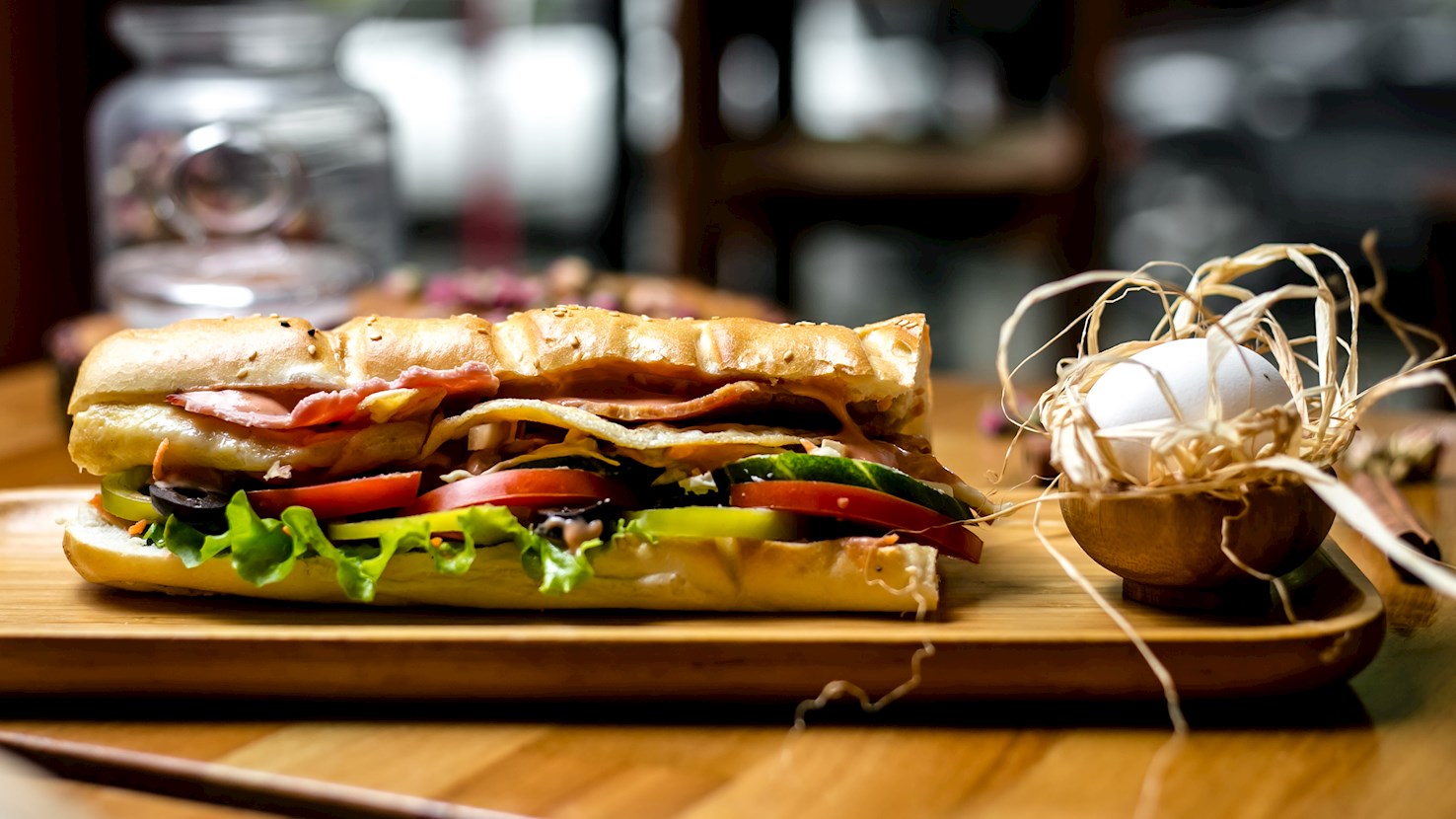
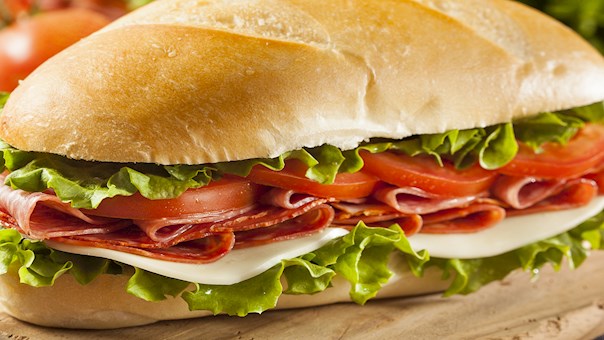
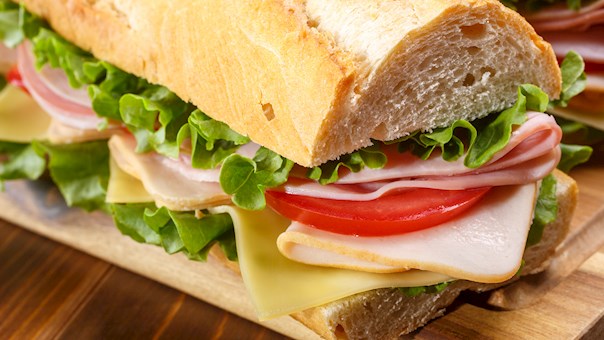
Italian sandwich is an American sandwich consisting of a long bread roll filled with cheese such as provolone, meats such as salami, mortadella, and ham, and condiments such as tomatoes, olives, pickles, and onions. It is believed that the first Italian sandwich was created in Portland, Maine, in 1899 by an Italian baker named Giovanni Amato. He originally created it as an inexpensive, portable lunch for road construction workers, but today it has gained such popularity that it is a staple of numerous variety stores and sandwich shops throughout Maine.

10

Pastrami on rye

4 ·

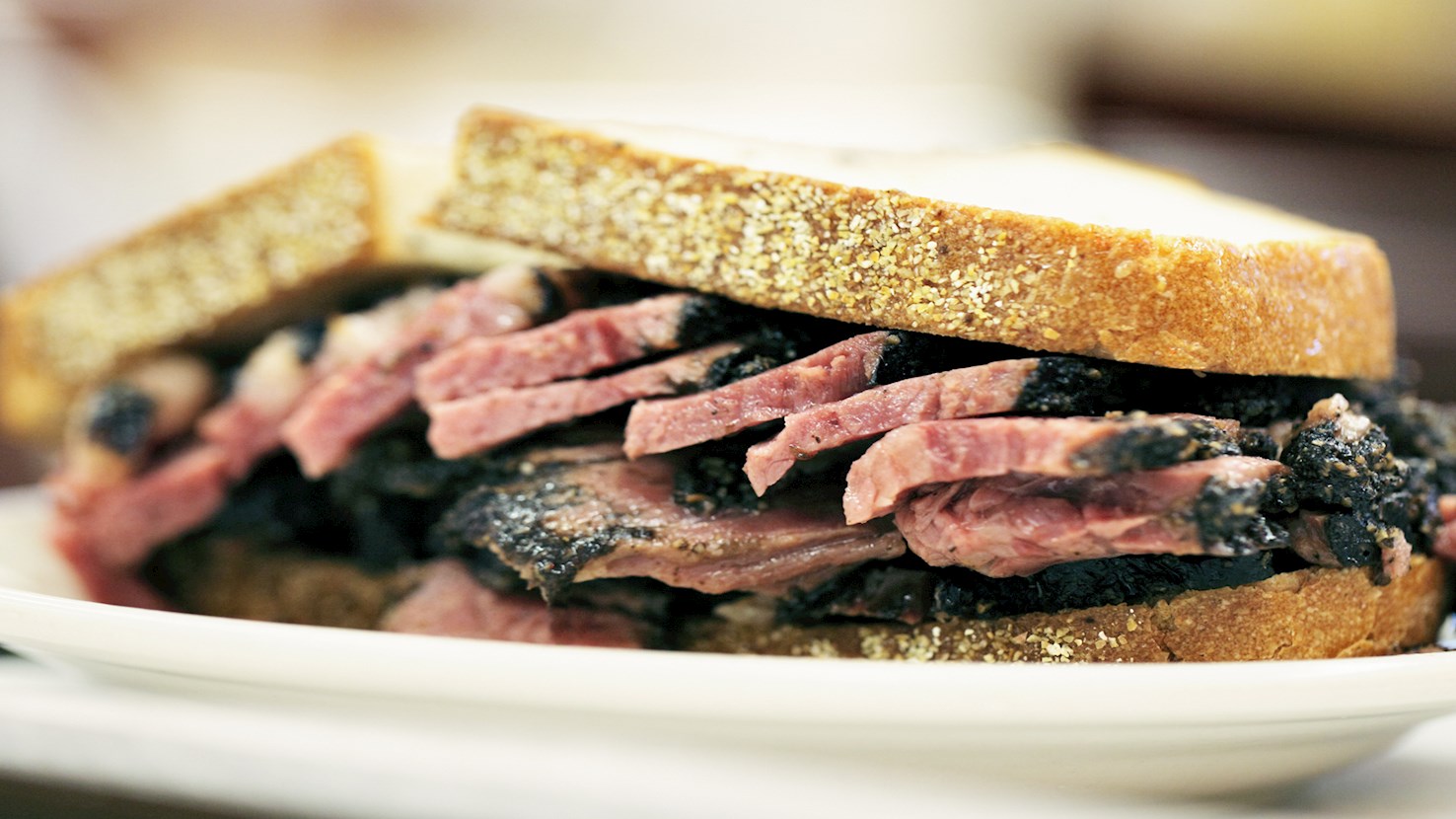
Pastrami on rye is New York's signature sandwich and a staple of many Jewish delis. This simple sandwich traditionally consists of delicate pastrami slices that are placed on rye bread, then topped with spicy mustard, and the whole thing is typically accompanied by kosher dill pickles on the side. It was originally invented in 1888 by a Lithuanian immigrant named Sussman Volk, who was also the owner of one of the first delis in New York City. Today, Katz's Delicatessen is believed to be the best place for a great pastrami on rye sandwich.

Read more
View all
View map
About this ranking

TasteAtlas food rankings are based on the ratings of the TasteAtlas audience, with a series of mechanisms that recognize real users and that ignore bot, nationalist or local patriotic ratings, and give additional value to the ratings of users that the system recognizes as knowledgeable. For the “Top 33 Northeastern American Sandwiches and Wraps” list until May 15, 2026, 2,738 ratings were recorded, of which 2,465 were recognized by the system as legitimate. TasteAtlas Rankings should not be seen as the final global conclusion about food. Their purpose is to promote excellent local foods, instill pride in traditional dishes, and arouse curiosity about dishes you haven’t tried.

Similar lists