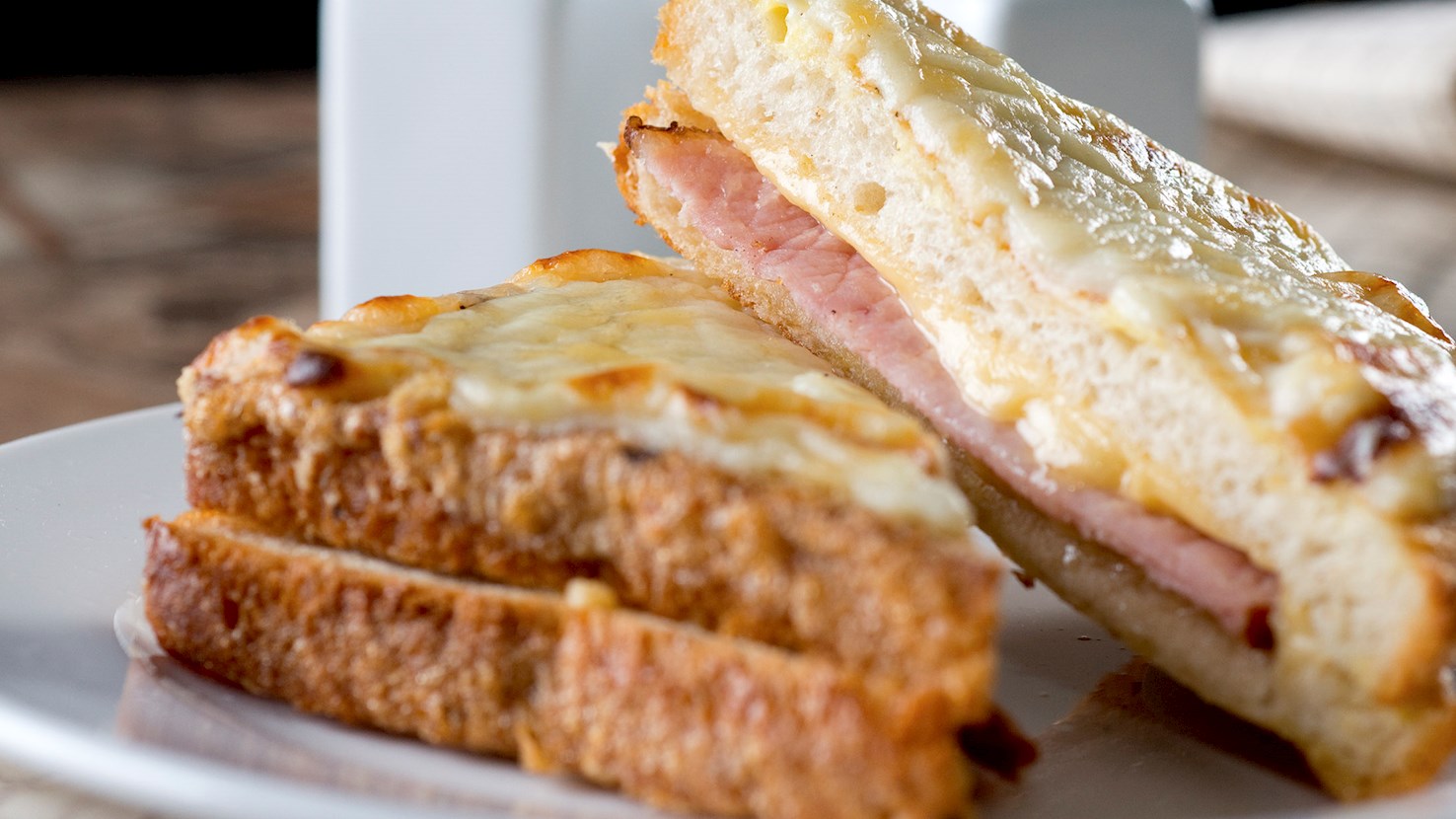
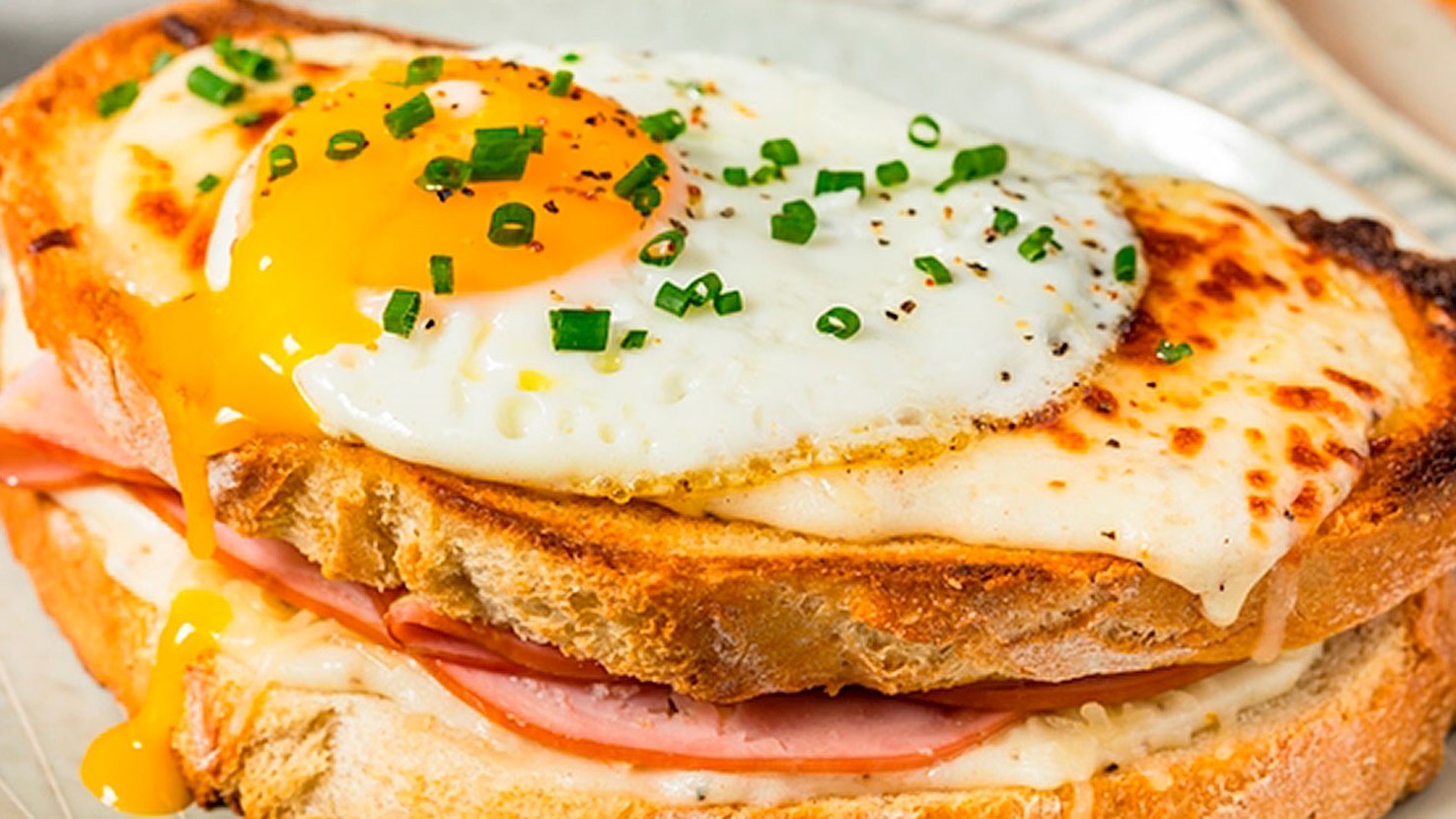
According to Larousse, this classic French hot sandwich consists of a thin slice of ham and melted cheese tucked between two pieces of sliced bread. The original first appeared on Parisian menus in 1910, and some claim it was invented by accident, when French workers left their lunch near a hot radiator, only to come back later and discover that the cheese in their sandwiches had melted. If you want to taste an authentic croque, the cheese must be Gruyere (mixed with bechamel in order to get Mornay sauce) and the whole sandwich needs to be sautéed in butter until it is crispy and golden brown. The croque-monsieur is so popular that the famous novelist Proust even wrote about it in his 1918 masterpiece In Search of Lost Time. According to food historians, the sandwich was originally named by Michel Lunarca, the owner of a popular bistro on the Boulevard des Capucines in the early 20th-century Paris. Frustrated by his success, Lunarca's competitors began spreading rumors that he was a cannibal. When he ran out of baguettes for sandwiches one day, he used a loaf of pain de mie to make a toasted sandwich with cheese and bread. Upon being asked by a guest what kind of meat he used for the sandwich, he replied "Le viande de monsieur, évidemment."—meaning—"Human meat, obviously." The joke made these sandwiches an instant hit, and he put them on the menu under the name they are known by today. For those who think everything tastes better with eggs, there is the croque-madame, a popular version of croque-monsieur topped with a fried egg, which, according to some people, represents a woman's hat.
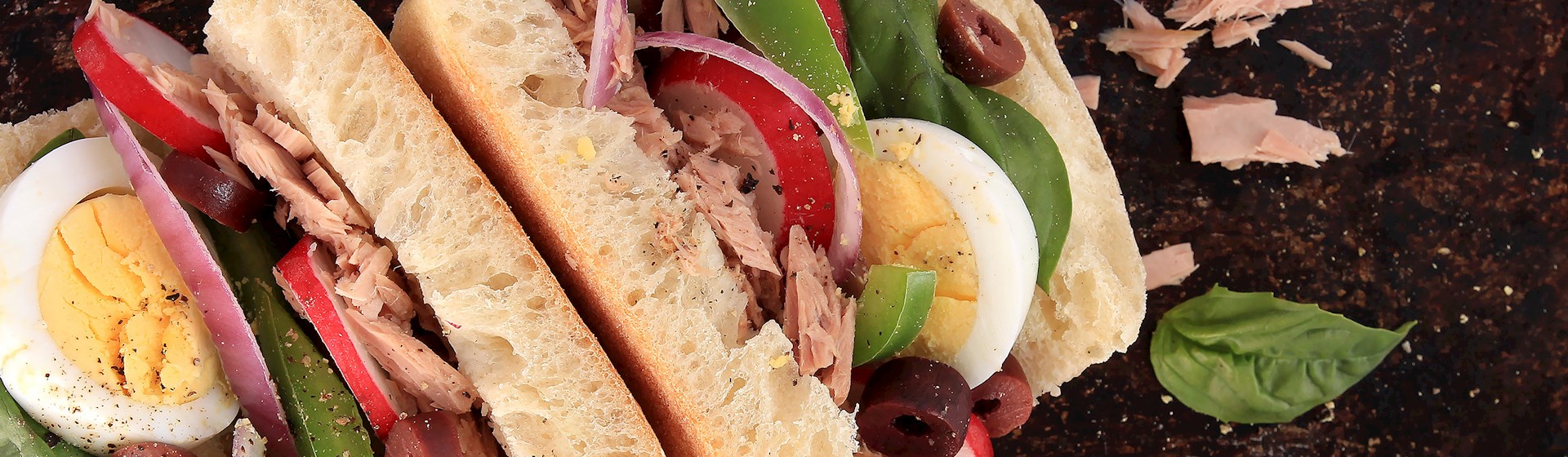
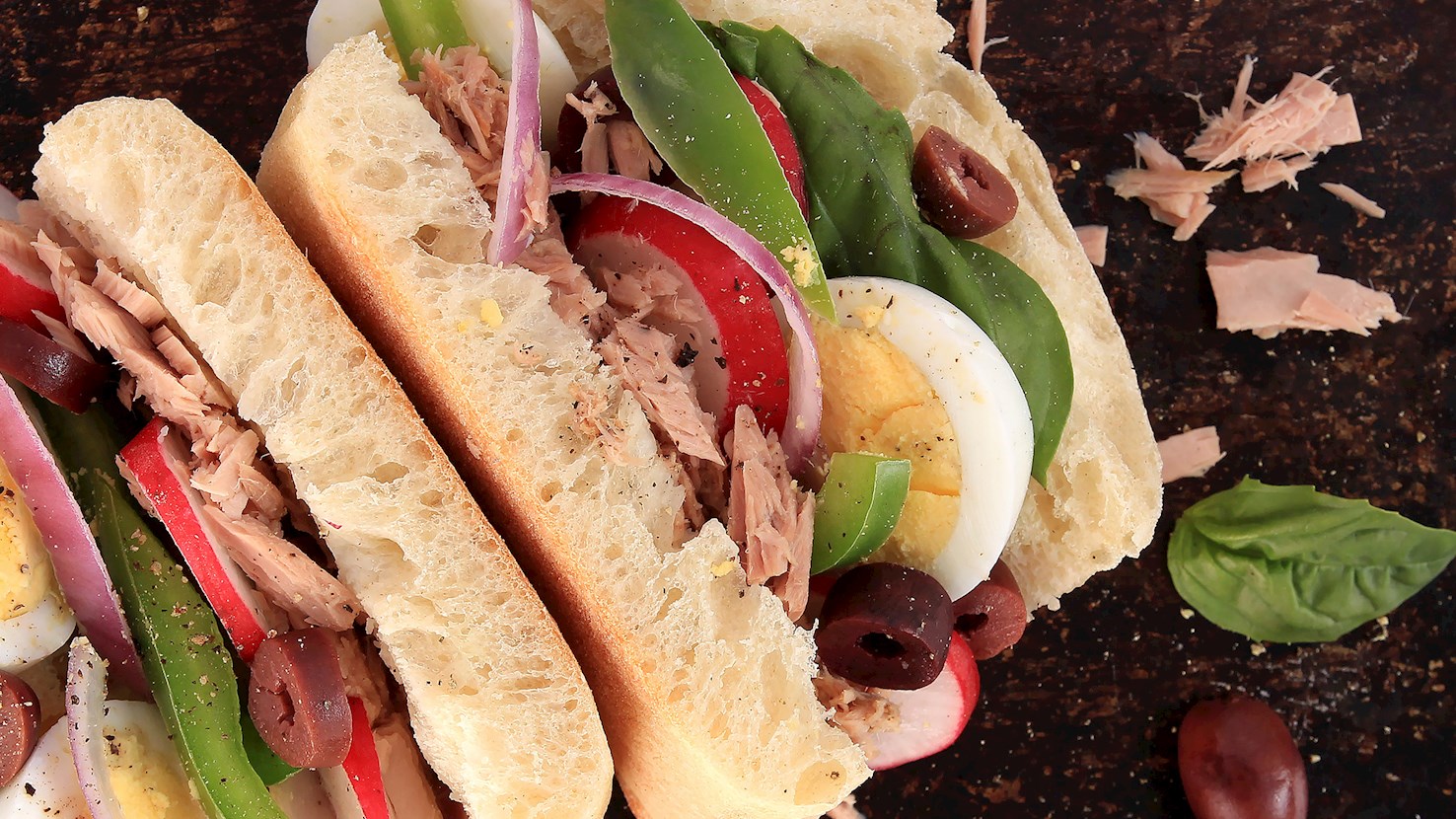
Pan bagnat is a specialty sandwich of Nice, consisting of a round bun with a crispy exterior and a soft interior that is filled with Niçoise salad, another signature dish from Nice. When translated, the name of the sandwich means bathed or wet bread, since the idea is to leave the sandwich rest in the refrigerator after the preparation in order for the flavors to soak into the bread. The root of the name comes from the Italian pane bagnato, due to the influx of Italian immigrants to Nice in the 19th century. Flavorful and easy to prepare, pan-bagnat remains a lunch staple both in Nice and throughout France.
The Welch or Welsh complet is a French take on the Welsh rarebit. The dish is made by boiling beer in a pot, adding cheese (usually cheddar) to the pot, then pouring the mix over a slice of toasted bread and ham. It's then cooked until it becomes golden, followed by the addition of a fried egg on top. A teaspoon of mustard is often, but not always, added to the dish. The Welch is a specialty of the northern parts of France and it's usually served in the breweries of Nord-Pas-de-Calais. This dish makes for a perfect hangover meal, and there are also some variations such as le beef Welsh, made with chopped steak, and le Welsh du QG, which consists of a potato pancake with ham, cheese, mustard, and eggs that's cooked in beer.
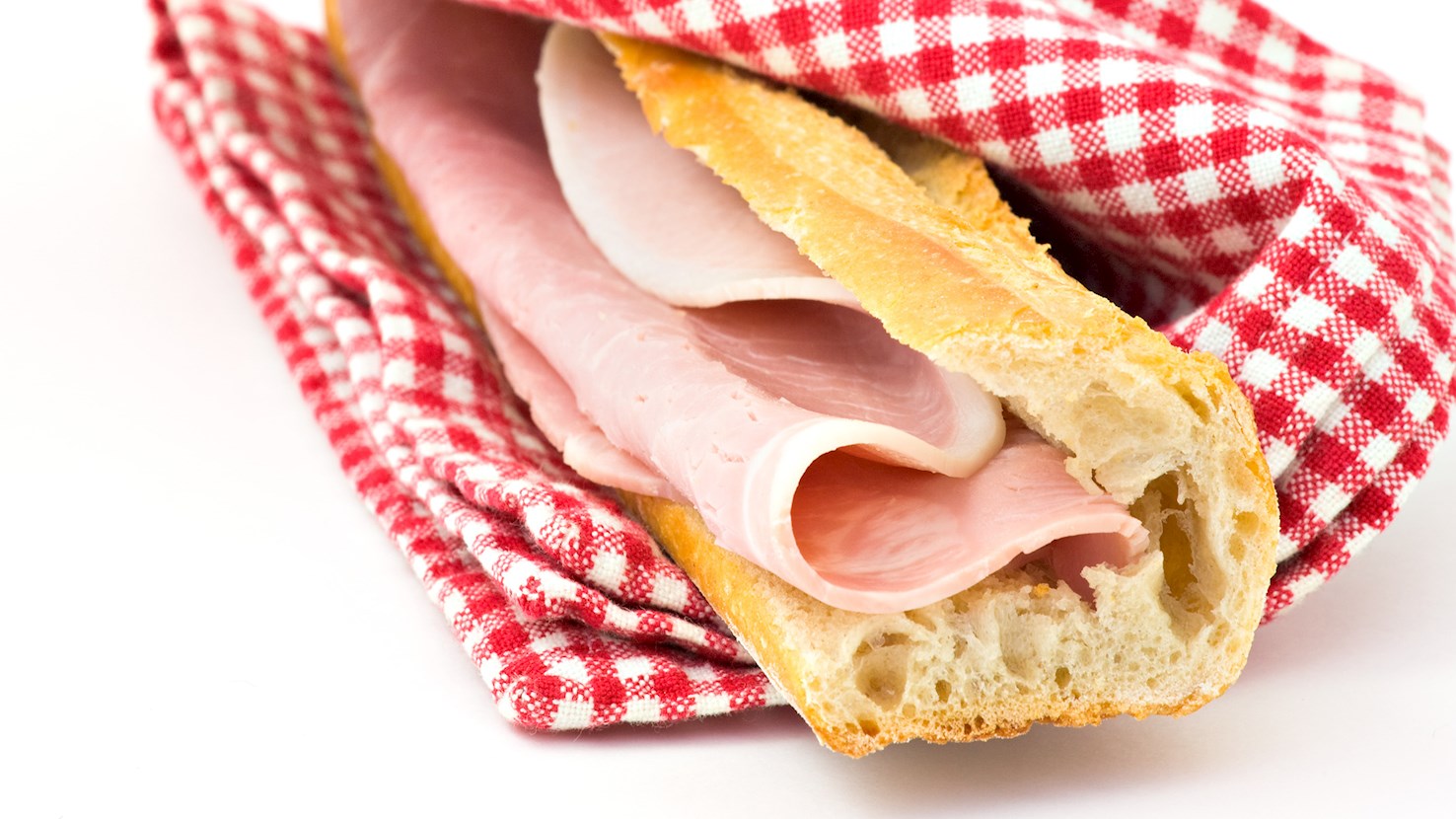
Although the combination of ham and butter on a baguette may seem simple, the jambon-beurre (ham-butter) sandwich is an iconic staple of Parisian gastronomy. More than a billion of these sandwiches were sold in France in 2013 alone, making it one of the most popular snacks in the country. The secret is in using only the finest baguettes and the best ham and butter. Thanks to jambon-beurre, France is the only country in the world where a sandwich can match or even surpass the sale of hamburgers.
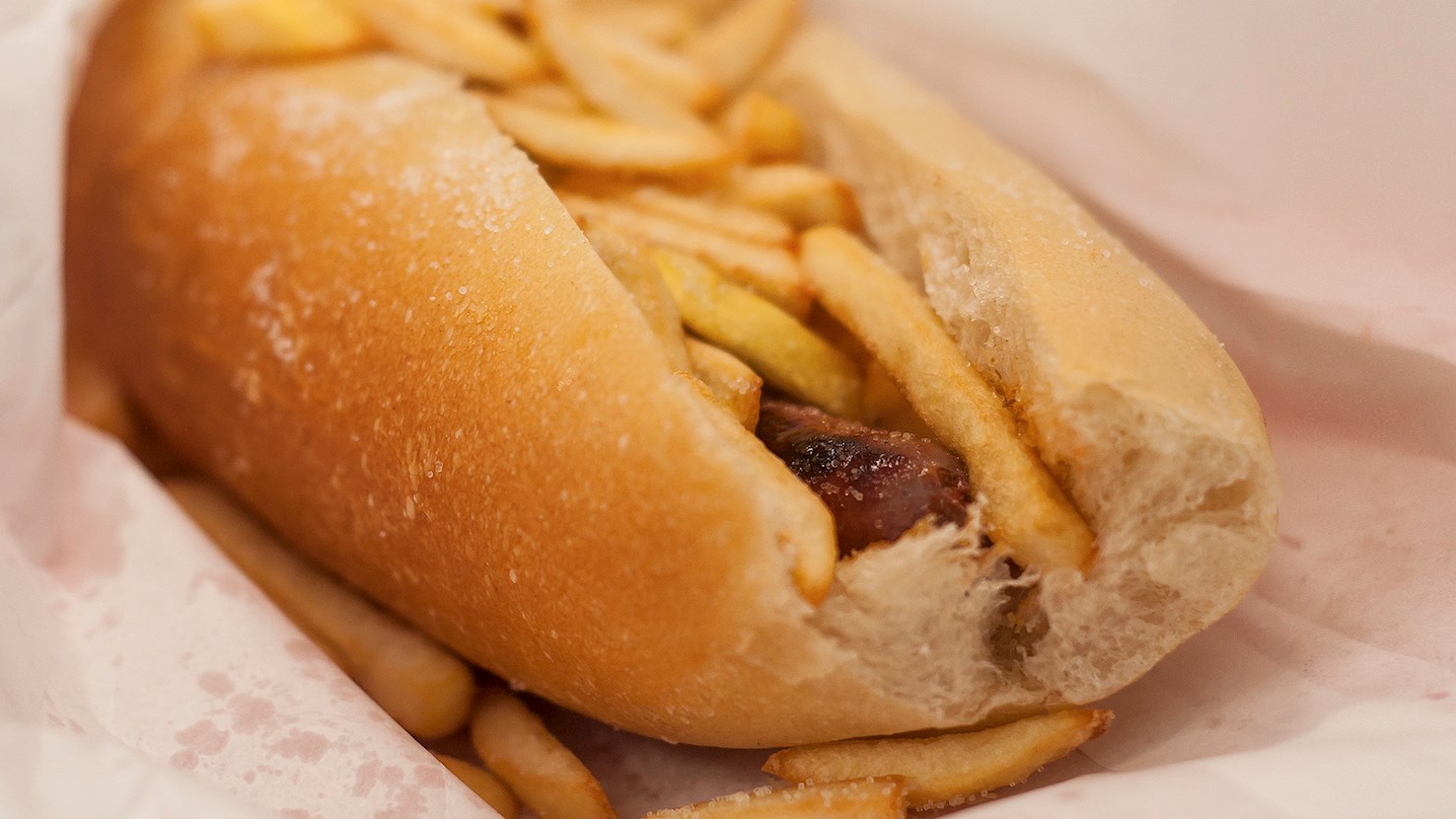
Merguez frites is a Parisian street food staple, a sandwich that consists of a cheap baguette stuffed with charred, cumin-laced merguez lamb sausages, fiery harissa, and heaps of pommes frites. The influence of North African cuisine is evident in the key ingredient of this sandwich - the spicy lamb sausages known as merguez. Apart from these basic ingredients, some people also like to add ketchup or Dijon mustard as extra condiments, while the others sometimes don't even serve it on a baguette, but use a hot dog bun instead. Merguez frites is especially popular in Montmartre and the Marais.
Crocus de Nîmes is a grilled sandwich originating in Nîmes, a type of croque-monsieur, with two slices of bread filled with goat cheese, green olive tapenade, honey, onion, and sliced almonds, toasted and seasoned with saffron. Gilles Deschamps and the Maison du Goût created this specific recipe in 2023 to celebrate the designation of the Maison Carrée, an ancient Roman temple in Nîmes, as a UNESCO World Heritage site. The name of the sandwich refers to the saffron crocus, a flower historically cultivated in the surrounding region and whose threads provide the golden color and earthy aroma of the final product. Preparation begins by lightly sprinkling the sourdough bread with saffron and a small amount of olive oil. A layer of green tapenade is spread on one slice of bread, then a portion of goat cheese is placed in the center. A thin layer of honey (either Cévennes or Garrigues) is spread over the top, followed by a handful of flaked almonds and fresh slices of sweet Cévennes onion. After the sandwich is closed with the second slice of bread, the exterior is drizzled with additional olive oil. The assembly is placed in a toasted sandwich machine or under a grill and cooked until the bread turns golden and crusty. The sandwich is eaten hot as a lunch or snack, paired with a fresh green salad and a glass of white or rosé wine from the Costières de Nîmes vineyards.
Croque-madame is a French hot sandwich from Paris composed of ham, cheese and toasted bread, crowned with a fried egg. It appeared in Parisian cafés in the early 20th century as an evolution of the croque-monsieur, which was already popular on brasserie menus. The addition of an egg on top created a richer version that quickly spread through Paris, becoming a standard of café fare where quick, hearty and inexpensive meals were in demand. Traditional recipe begins with slices of pain de mie or similar soft white bread spread lightly with butter. Thin slices of cooked ham are placed between the bread along with grated or sliced Gruyère or Emmental. Some recipes include a thin layer of béchamel inside the sandwich to give it softness and a creamy interior. The assembled sandwich is either brushed with more butter or covered with a ladle of béchamel and additional cheese, then toasted or baked until golden and the cheese melts. A fried egg—sunny-side up, with a soft yolk—is cooked separately and placed on top just before serving. Part of the cheese can be replaced with Comté for a stronger aroma, mustard can be added inside the sandwich, or the egg can be prepared over-easy rather than sunny-side style. Some versions omit the béchamel entirely, relying solely on cheese for richness, while others add a touch of nutmeg to the sauce. Croque-madame is eaten hot in cafés, brasseries and homes throughout France, often served at lunchtime or as an all-day café dish. It pairs well with a simple green salad dressed with a light vinaigrette, and beverages such as a crisp white wine, a pale beer or a refreshing citron pressé.
TasteAtlas food rankings are based on the ratings of the TasteAtlas audience, with a series of mechanisms that recognize real users and that ignore bot,
nationalist or local patriotic ratings, and give additional value to the ratings of users that the system recognizes as knowledgeable.
For the “Top 7 French Sandwiches” list until September 15, 2026, 859 ratings were recorded, of which 754 were recognized by the system as legitimate.
TasteAtlas Rankings should not be seen as the final global conclusion about food. Their purpose is to promote excellent local foods,
instill pride in traditional dishes, and arouse curiosity about dishes you haven’t tried.





What People Say