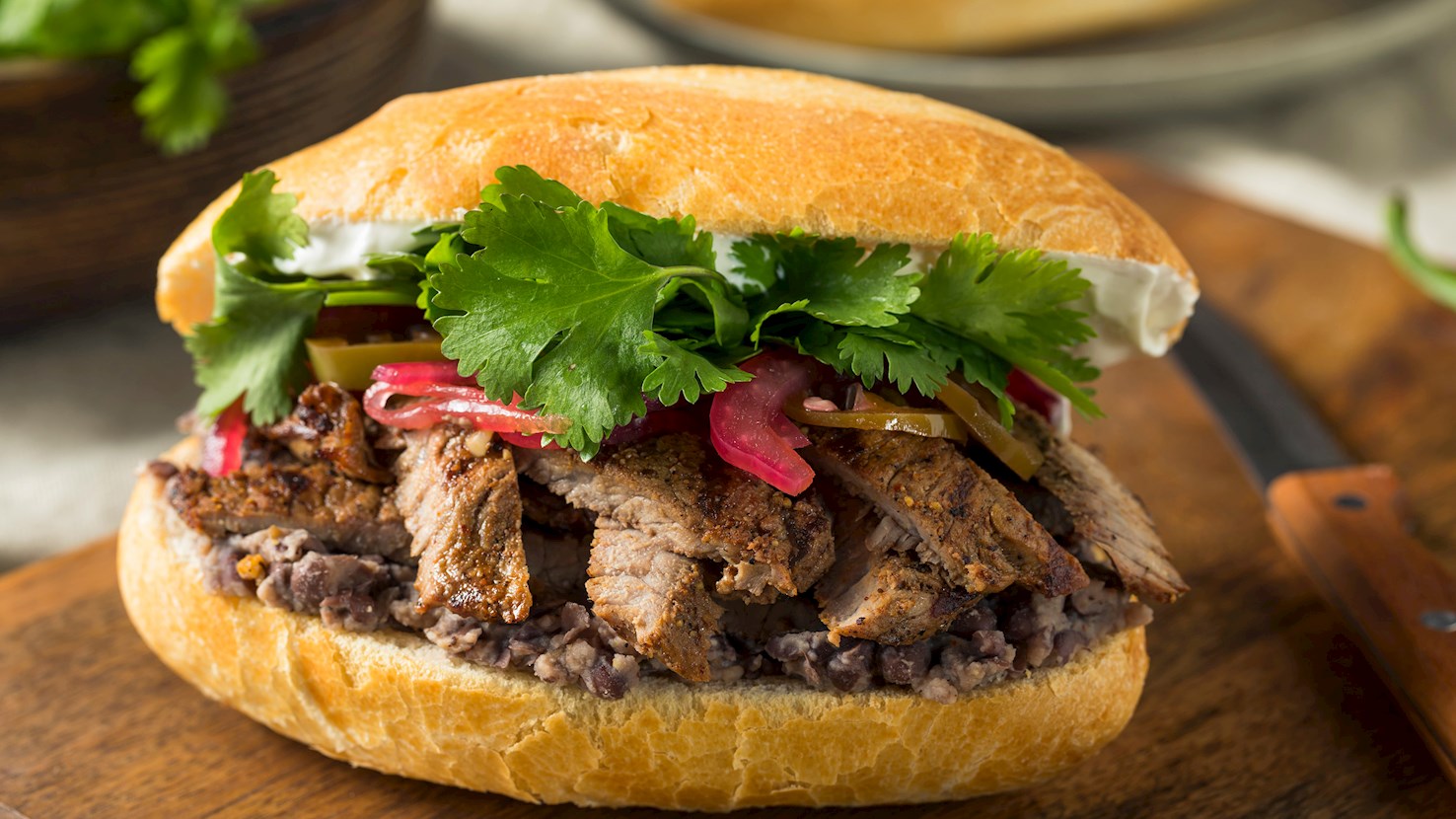
Mexican tortas are luscious traditional sandwiches filled with delicious, mostly authentic Mexican ingredients. They are a unique Mexican creation, considering they are served in bread rolls, an ingredient that is not so often associated with Mexico. There are two bread varieties usually incorporated in tortas, the traditional French influenced bolillos, and the similar round teleras, which are an authentic Mexican product from Puebla. The rolls are sliced horizontally, buttered, and stuffed with the most popular Mexican ingredients such as beans, avocados, ham, queso, jalapeños, and a myriad of other typical Mexican dishes like fried beef or chicken, shredded beef, roasted pork, and even tamales. Tortas are traditionally served cold, but in the 1960s, the hot, grill-heated varieties started to appear and soon became equally famous. There is not much known about the origin of this hearty sandwich, but it is believed that during the French colonization, French bakers introduced their tradition of baking bread to Mexicans, who modified it and created their popular varieties, which later became a staple of Mexican cuisine. The birthplace of the torta is usually associated with the city of Puebla, the place where traditional telera originated, but the location where they flourished was Mexico City. Although tortas have not been widely recognized outside of Mexico as tacos, burritos, and tortillas, they are a favorite meal eaten throughout the country. Tortas are usually sold at food stalls and small restaurants, popularly called torterias, widespread across Mexican cities. The variations and regionally influenced creations of tortas are endless. The most common ones are cubana, which usually combines at least four meat varieties and two types of cheese; pepito, made with marinated sliced steak; cochinita, made with slowly roasted pork; and agohada, a Guadalajara favorite made with pork and served in tomato sauce.
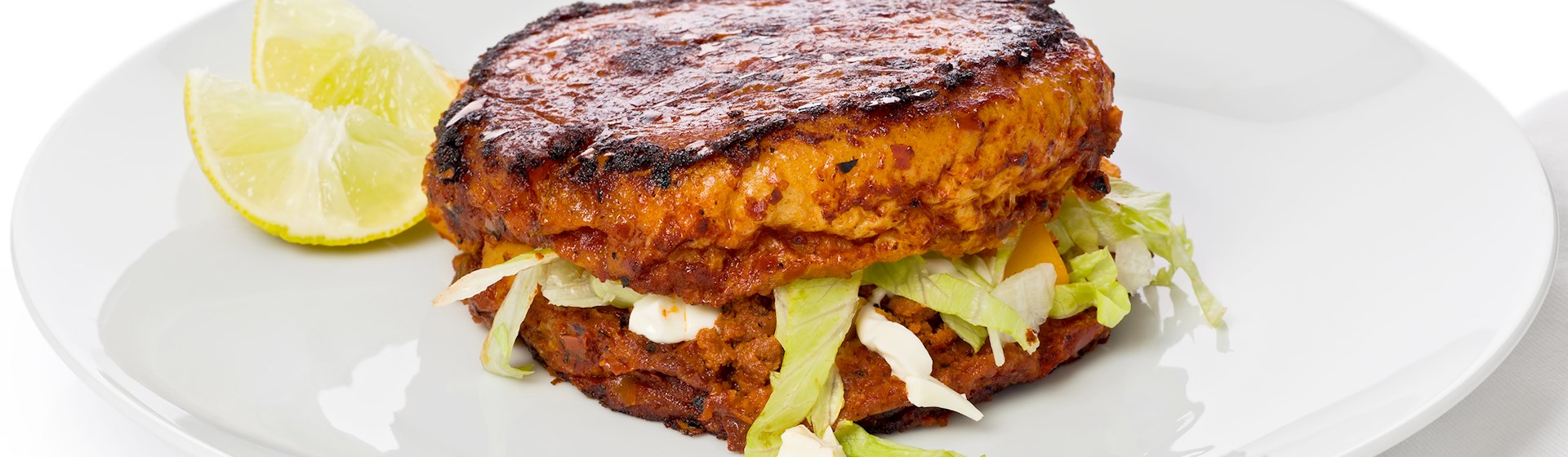
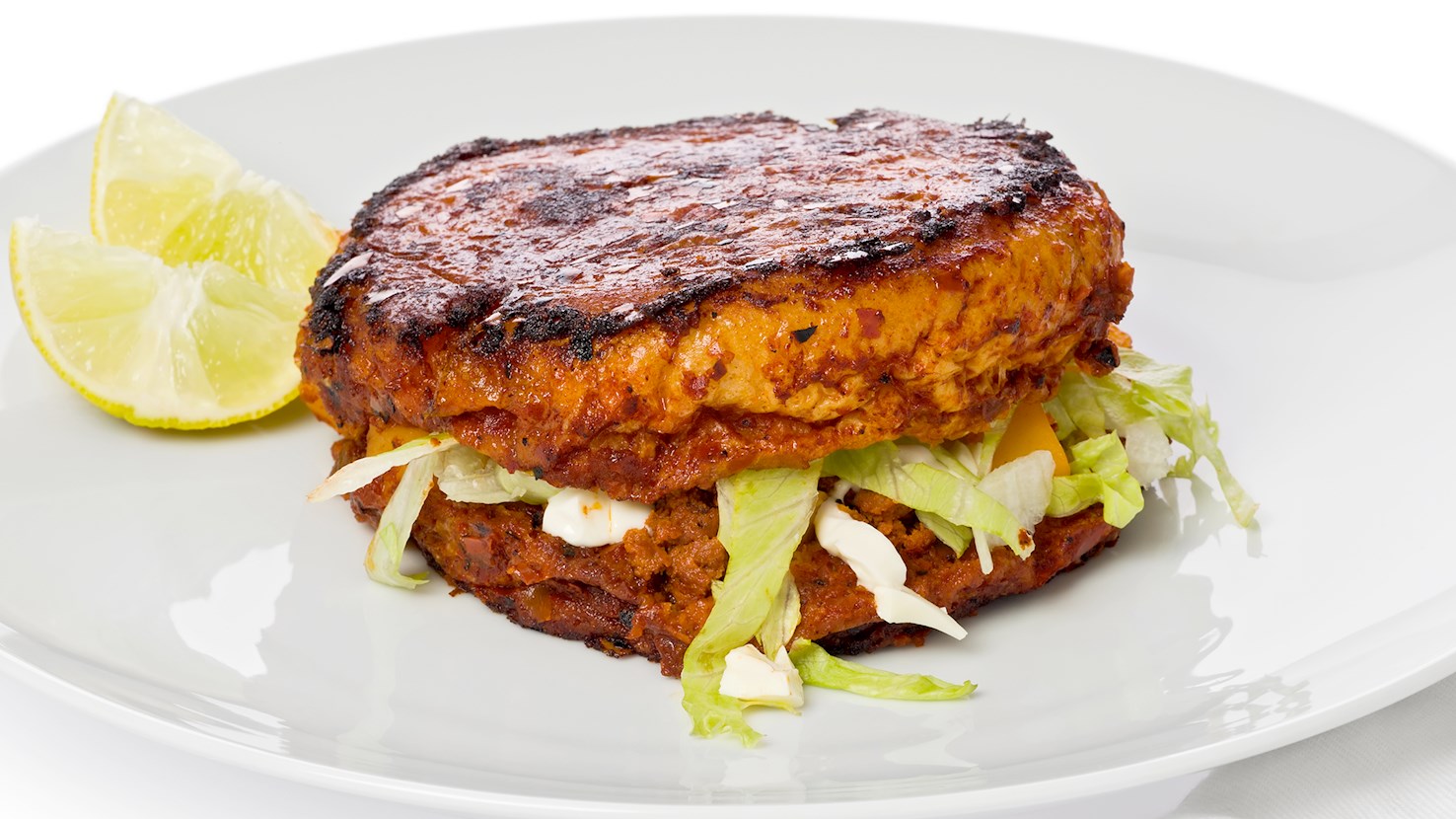
Pambazo is both the name of a Mexican bread and the name of the sandwich made using that same bread. Its name stems from pan basso, a type of peasant bread reserved for the lower classes through history. The bread is commonly dipped in a spicy, pepper-onion-garlic sauce called guajillo, giving the sandwich a unique, bright orange color. Typically, the sandwich is filled with ingredients such as potatoes, refried beans, avocado slices, chicken, and chorizo sausage, but during Lent, street vendors often substitute the meat with cheese. Pambazos are especially popular in the area of Puebla and Veracruz, and it is said that they make a great light supper, especially when paired with a freshly prepared salad on the side.
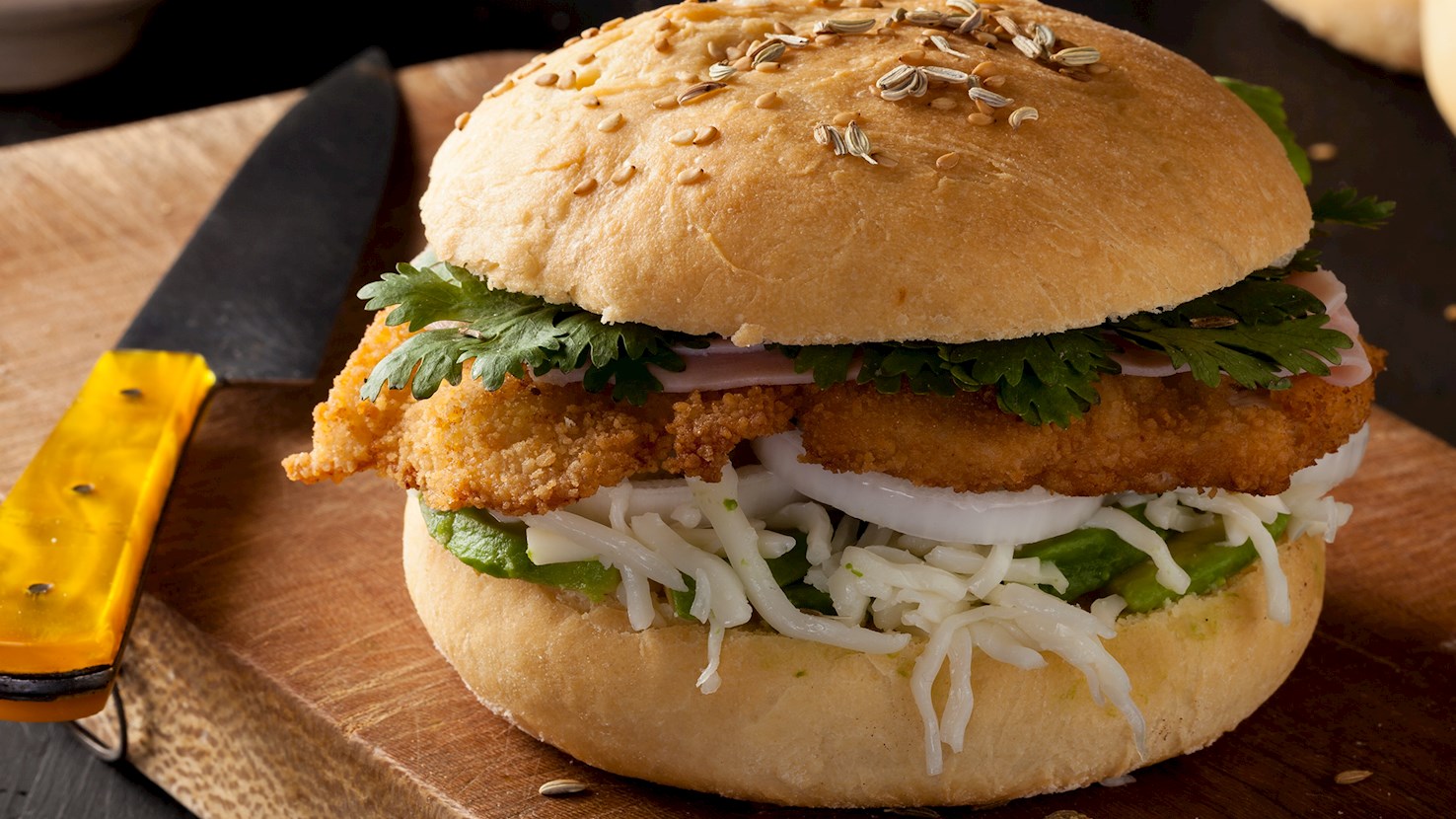
Cemita is a popular Mexican sandwich originating from Puebla, consisting of a fresh, sesame seed-sprinkled bun filled with tiny strands of shredded cheese, avocado slices, pickled jalapeños, papalo (herb with a unique flavor), and cutlets of meat such as pork, beef, or chicken, all fried in breadcrumbs. The sandwich can be additionally stuffed with tomatoes, lettuce, and mayonnaise. The name cemita refers both to the bun and the sandwich.
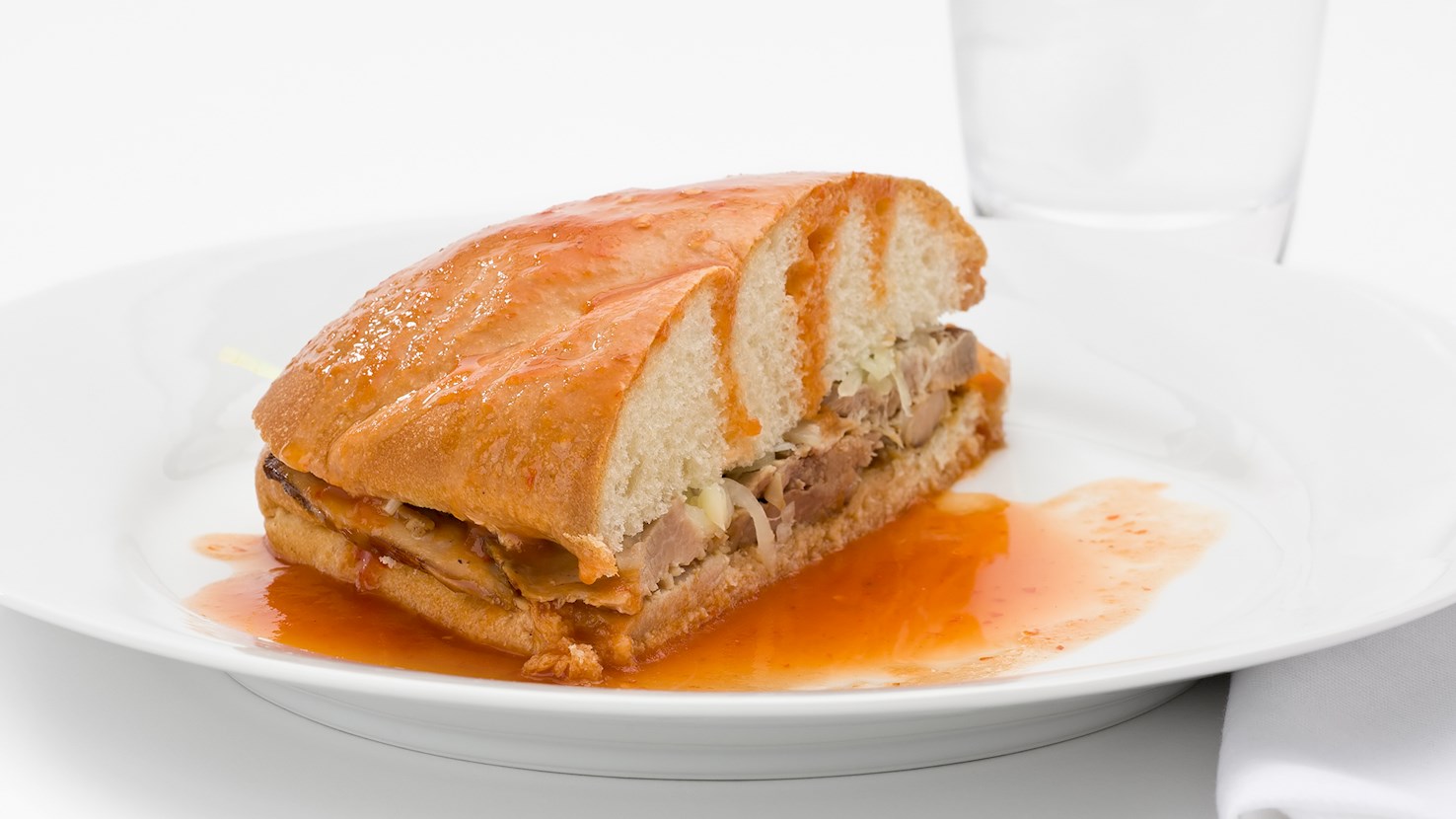
Torta ahogada is Guadalajara's signature sandwich, a salted bun that is crunchy on the outside and soft on the interior, filled with pork, and submerged in a spicy salsa consisting of vinegar, cumin, and chile de árbol pepper. The sandwich is then filled with onions, mild tomato-garlic salsa, and a squeeze of lime juice. It was invented in the early 1900s, and today it is a staple dish for curing hangovers, usually found on small stands on street corners and busy urban centers.
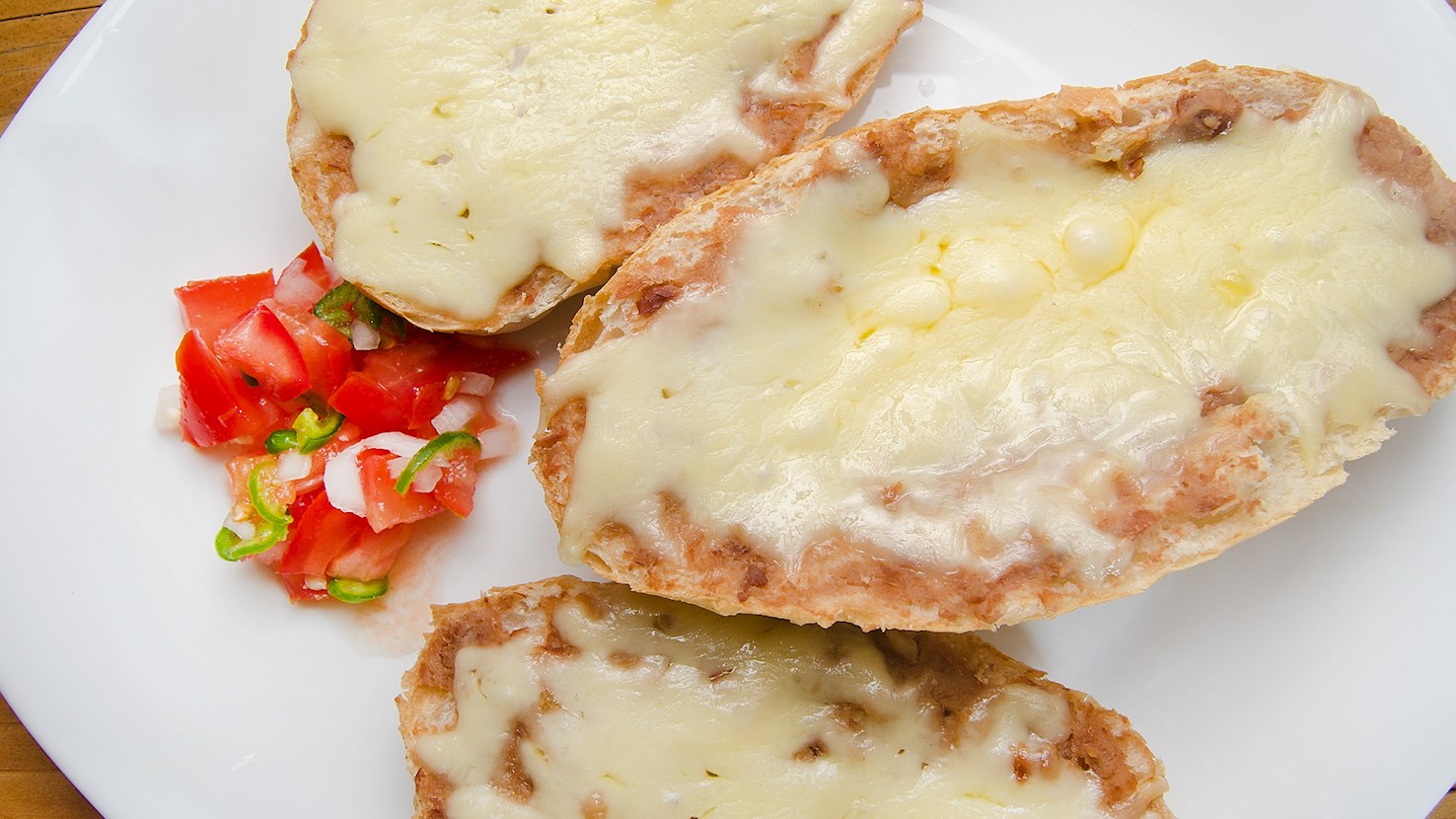
Mollete is a traditional sandwich from northern Mexico consisting of a halved bolillo bread roll that is topped with refried beans, cheese, and tomato salsa. It can be found throughout Mexico in numerous coffee shops, restaurants, and street food stalls. The sandwich has roots in Andalusia, Spain, where molletes signifies a rustic, oval-shaped bread that has been a breakfast staple for many years. However, the Spanish version is much simpler, served with olive oil, tomato, and garlic. Mexican molletes are sometimes referred to as a distant cousin of the Italian bruschetta, and in southern parts of the country, they are often served with pico de gallo and topped with bacon and mushrooms. With its rising popularity, molletes have even made it to the United States, so it is unsurprising that a sweet version of the dish also exists, made with butter, sugar, and honey instead of the usual, savory ingredients.
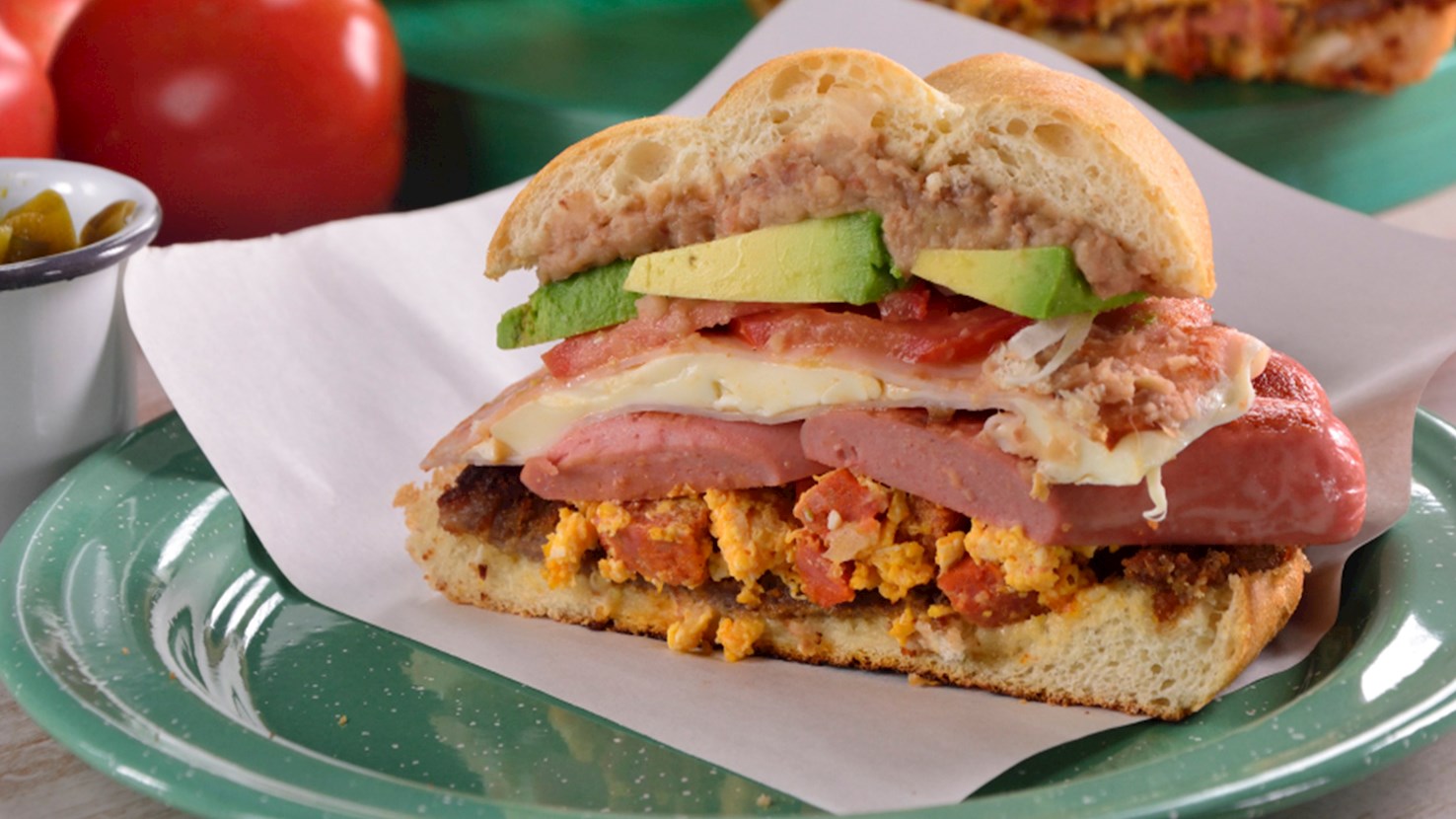
Torta cubana is a massive, multi-layered street sandwich packed with an excessive variety of roasted, fried, and cured meats stacked between the halves of a toasted telera roll. Handling the final product requires two hands and a wide stance. The vendor tightly wraps the bulging, heavy sandwich in white butcher paper or aluminum foil and slices it directly down the middle, exposing a dense, colorful cross-section of fats and fresh vegetables. Customers eat it immediately while standing next to the metal cart, relying on the tight paper wrapper to catch the dripping egg yolk, melted cheese, and stray beans. Building this towering item begins by slicing a soft, oval-shaped bread roll down the middle and pulling out some of the fluffy interior crumb to make room for the dense fillings. Both sides of the bread are heavily smeared with mayonnaise and topped with a thick layer of warm refried beans. The meat goes on next in distinct phases. A large, thin cutlet of beef or pork is breaded and pan-fried until crispy, forming a foundational layer known as milanesa. Sliced hot dogs, thick-cut ham, and heavily spiced chorizo are crumbled onto the hot griddle right next to the bread to toast together. Slices of mild yellow cheese and stretchy white quesillo drape over the hot meats, melting rapidly from the heat. A freshly fried egg, complete with a runny yolk, usually lands directly on top of the melting cheese. To balance the heavy fats, ingredients like sliced avocados, thick tomato rounds, and fiery pickled jalapeño peppers are piled onto one half of the bread. Because street carts constantly experiment with their offerings, the exact ingredient list changes drastically from one neighborhood to the next. Some throw a thick slice of roasted pineapple onto the griddle to add a sharp, sugary bite, while others skip the hot dogs entirely in favor of shredded roasted pork leg or slow-cooked carnitas. The name falsely suggests a Caribbean origin, but this massive sandwich actually emerged in the mid-20th century on Calle República de Cuba in the historic center of Mexico City. Street vendors on this specific avenue began stuffing their bread with every available ingredient they had on hand to satisfy hungry workers looking for maximum calories at a very low cost.
Torta de tamal or guajolota is a popular Mexican street food item that is usually consumed for breakfast, consisting of a soft bolillo roll (or telera bread) filled with a tamal. For example, the Oaxacan-style tamal is typically filled with mole negro and shredded chicken, but there are many other kinds of tamal. Besides tamal, various sauces, cheeses, and other ingredients are also often added. According to the historian, economist, and food writer, José N. Iturriaga, torta de tamal was invented in the city of Puebla sometime in the 19th century. This initial version was unlike the one we know today, consisting of tortilla, red enchilada (dried red chilies), ground pork, and pambazo bread. With time, the dish underwent many changes, particularly once it reached Mexico City, where today, they claim it as their own. Since these ingredients were not easily found in the capital, tamal became the main filling in guajolota, hence the other name, torta de tamal. It is recommended to pair the carb-loaded sandwich with even more carbohydrates in the form of atole, a hot beverage based on corn.
Guacamaya is a Mexican torta originating from León, Guanajuato. It is made by filling a bolillo roll with crispy chicharrón pork rinds, avocado, spicy salsa, lime juice, and salt. In the city of León, these sandwiches are usually sold from guacamaya carts – tricycles that are equipped with a glass case containing all that is needed to assemble these spicy tortas. But fear not, as they also offer a refreshing local beverage called cebadina to counter the spiciness of guacamaya.
Tortas hamburguesas is a Mexican take on the hamburger. The sandwich consists of split and toasted bread rolls that are filled with a beef patty, cheese, avocados, tomatoes, lettuce, and coriander sprigs. There are a few variations on tortas hamburguesas, so the sandwich might also be filled with hot sauce and jalapenos, if desired.
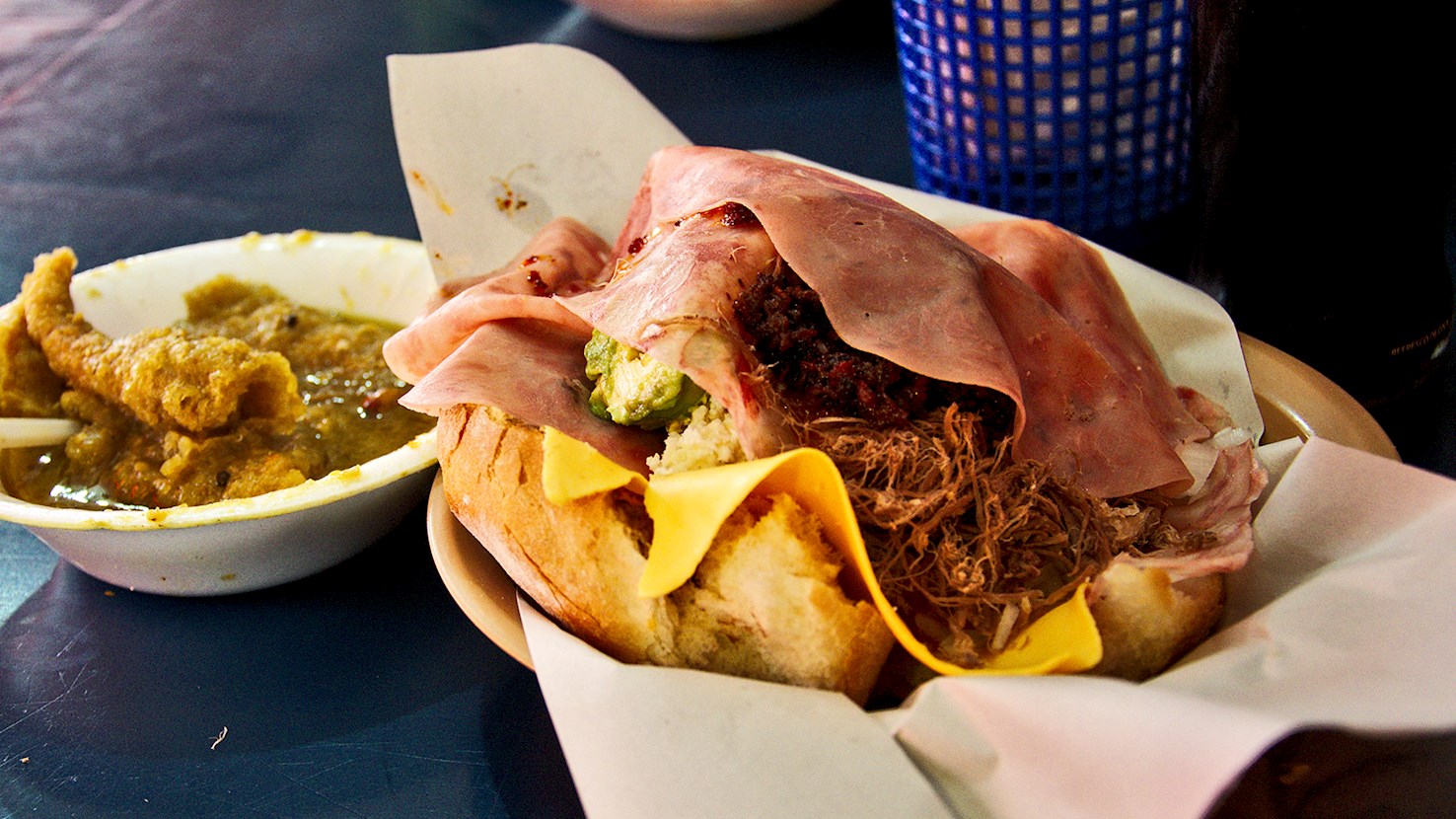
Torta de la barda is a traditional sandwich originating from the city of Tampico. The base is a crusty white bread roll called telera, bolillo, pan blanco, birote, or pan francés, depending on the region. The rolls are filled with shredded beef, pork rinds in green salsa, refried beans, pork cheese head, thinly sliced ham, cheese, tomatoes, onions, avocado slices, and Mexican chorizo. The sandwich is stuffed with a large number of ingredients because it was originally sold to marine and train station workers in the early 1930s from small stands that were setlled along the fence (barda) of the Tampico Marine Terminal and near the train station. Nowadays, during Lent, the sandwich is prepared with canned sardines instead of the meat fillings.
TasteAtlas food rankings are based on the ratings of the TasteAtlas audience, with a series of mechanisms that recognize real users and that ignore bot,
nationalist or local patriotic ratings, and give additional value to the ratings of users that the system recognizes as knowledgeable.
For the “Top 11 Mexican Sandwiches” list until October 15, 2026, 1,950 ratings were recorded, of which 874 were recognized by the system as legitimate.
TasteAtlas Rankings should not be seen as the final global conclusion about food. Their purpose is to promote excellent local foods,
instill pride in traditional dishes, and arouse curiosity about dishes you haven’t tried.





What People Say