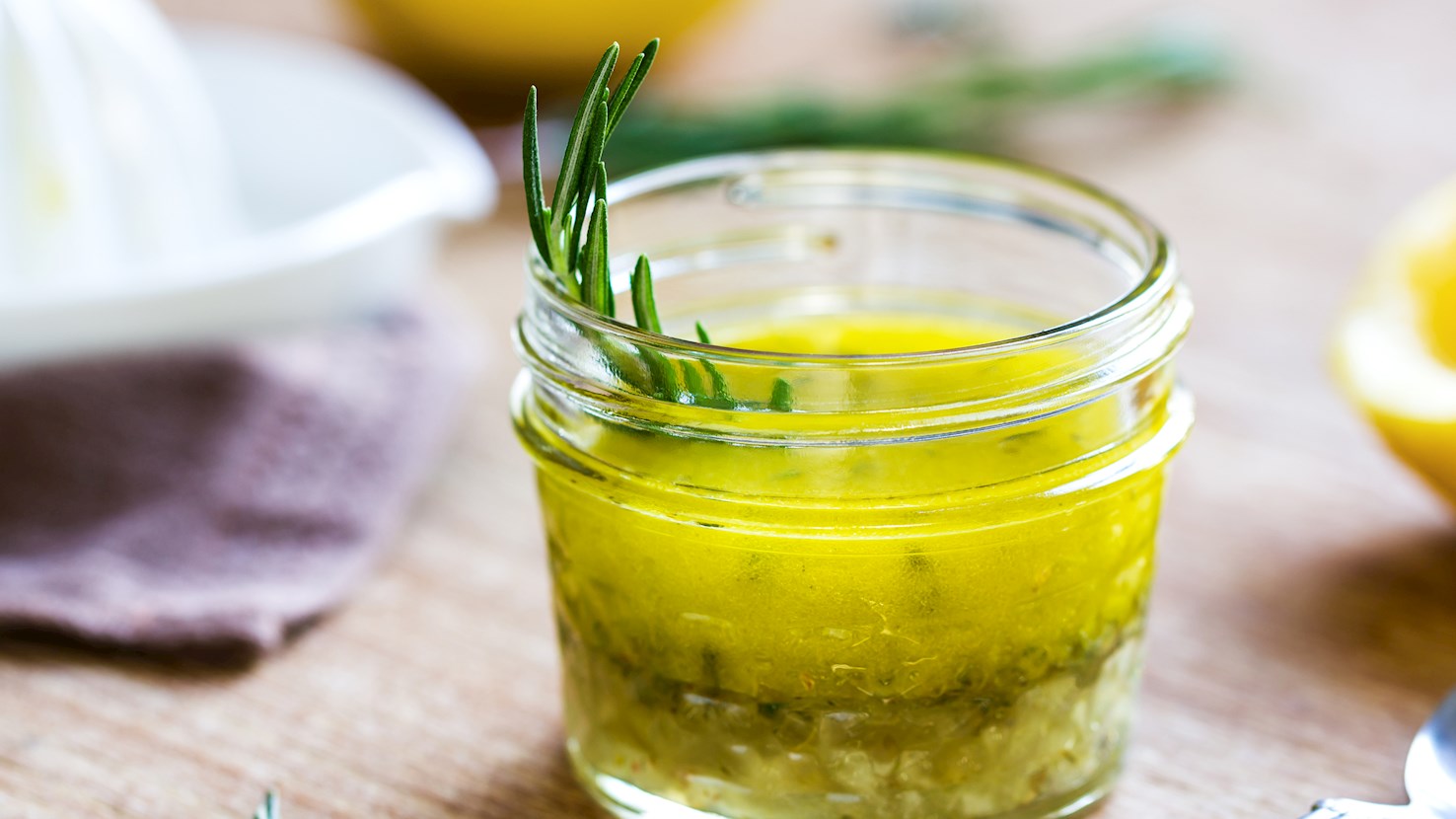
Mojo de ajo is a garlic sauce that's popular in Mexico, Cuba, Chile, and many Caribbean and Latin American countries. It usually consists of olive oil, crushed garlic, salt, and lemon, orange, or lime juice. The ingredients are simply blended together until smooth and the sauce is ready to be consumed. It can be used to season yucca, tostones, chicken, steaks, vegetables, and just about anything else. In Mexico, mojo de ajo is typically used with a fish known as pejelagarto.
Sos pwa is a bean sauce made by cooking beans until tender, puréeing them with some of their cooking liquid, and seasoning the mixture with garlic, onion, or scallion, herbs, spices, and often coconut milk. The finished sauce is smooth, savory, and usually loose enough to pour over rice or cornmeal rather than thick enough to hold its shape. Traditionally, it is prepared in a pilòn, a mortar and pestle used in Haiti. The name means bean sauce in Haitian Creole. Several varieties exist, distinguished mainly by the type of bean used. Sos pwa nwa is made with black beans, sos pwa wouj with red beans, and white beans can be used for a paler, milder version. Pinto beans also appear. Dried beans are usually rinsed and simmered in plenty of water until completely tender. Soaking them beforehand can shorten the cooking time, but an overnight soak is not essential for every version. Garlic, onion, leek, parsley, or other aromatics can be cooked with the beans from the beginning. Once soft, most or all of the beans are blended with some of their cooking liquid. The goal is a creamy consistency rather than a coarse paste. Historically, the beans could be crushed with a pilòn, or mortar and pestle, while a blender is now the easier method. The purée is often passed through a sieve to remove skins and create an especially smooth sauce. This step is characteristic but not mandatory. Some versions leave a portion of the cooked beans whole, giving the finished sauce more texture. Garlic is one of the most characteristic seasonings. Onion, shallot, scallion, leek, parsley, thyme, black pepper, and cloves also appear frequently. Epis, the Haitian seasoning mixture based on herbs, peppers, scallions, garlic, and other aromatics, can be used to provide several of these flavors at once. Whole or ground cloves are particularly recognizable in many Haitian bean preparations. Only a small amount is needed because their flavor can easily dominate the relatively mild beans. Thyme and parsley provide the main herbal notes. The aromatics may be sautéed briefly in vegetable or olive oil before adding the bean purée. Butter can also be incorporated for additional richness. Rendered pork fat is possible in individual household versions, but it is not necessary to define sos pwa. A whole Scotch bonnet pepper can be simmered in the sauce to add its aroma and a restrained amount of heat. Keeping the pepper intact produces a much milder result than cutting or crushing it. Sos pwa itself does not need to be strongly spicy. Coconut milk is an important variation, particularly common in sos pwa nwa. It gives the beans a smoother texture and a mild coconut richness without turning the sauce sweet. Fresh coconut milk can be extracted from grated mature coconut, while canned coconut milk provides a convenient substitute. Coconut milk is not limited to southern Haiti. It appears broadly in Haitian black-bean sauce and other bean-and-rice preparations and should be treated as an established ingredient rather than a narrowly regional modification. The sauce is returned to low heat after blending and seasoning. It is simmered gently until the flavors combine and the consistency becomes creamy enough to coat rice while remaining fluid enough to spread across the plate. If it becomes too thick, reserved bean cooking liquid can be added. Sos pwa wouj essentially follows the same method, using red beans. The color turns reddish-brown, and the flavor changes slightly, but the basic combination of cooked beans, aromatics, herbs, and seasoning remains the same. The most characteristic accompaniment is plain white rice. The bean sauce is ladled generously over the rice, allowing the grains to absorb its seasoned liquid. This combination is one of the simplest and most familiar ways of serving sos pwa. Another important pairing is mayi moulen, Haitian cornmeal cooked into a soft, thick porridge. Sos pwa is poured over or alongside it, much as with rice. The smooth bean sauce and dense cornmeal form a particularly substantial combination. Meat or fish can complete the plate, including chicken, pork, goat, or fried fish, while plantains, avocado, and vegetables may also be served alongside. These are accompaniments rather than essential components of sos pwa itself. At its most recognizable, sos pwa is a smooth, pourable bean sauce seasoned with garlic, herbs, spices, and sometimes coconut milk, served generously over white rice or mayi moulen. Black, red, and white beans produce different versions, while pigeon peas form the related sos pwa kongo.
Ajilimójili is a garlic-and-pepper sauce made by pounding or blending peppers with garlic, salt, olive oil, and an acid such as vinegar or lime juice. It can be hot or only mildly spicy, depending on the peppers used, and ranges from a loose chopped sauce to a coarse purée. Earlier Puerto Rican recipes use a mixture of hot red peppers and sweet red peppers with garlic, peppercorns, salt, lime juice, and olive oil. The peppers and garlic are crushed in a mortar until broken down, then the citrus juice and oil are worked in to form the sauce. This version is red to orange and has a direct garlic flavor, fresh acidity, and chile heat moderated by the sweet peppers and oil. Other common preparations use ají dulce, the small aromatic Caribbean pepper that resembles a hot chile in shape but is usually mild, together with Cubanelle pepper and a smaller amount of habanero or another hot chile. When added, cilantro or culantro, onion, oregano, and black pepper make the greener version of the sauce, while cumin appears in some preparations. The vegetables and herbs are processed with olive oil and white vinegar until the mixture remains slightly coarse rather than completely smooth. Lemon or lime juice can supplement or replace part of the vinegar. Because the sauce is uncooked in many versions, the garlic, herbs, and peppers retain a fresh, sharp flavor. Some preparations warm or soften the peppers and garlic briefly in oil before blending, producing a softer texture and less raw garlic bite. The name also appears as ajilimoje, an older Spanish culinary term for a garlic-based sauce or seasoning mixture; ajilimójili was already present in Spanish cuisine long before the modern Puerto Rican pepper sauce took its shape. Ajilimójili is served with roast pork, grilled meats, fish, lobster, shrimp, and crab, and can also be used as a marinade. It accompanies viandas, the collective Puerto Rican term for boiled starchy vegetables and roots such as yuca, yautía, green banana, and plantain, where the oil-and-vinegar mixture coats the relatively mild vegetables. It is also served with fried plantains, including tostones, and spooned over grilled vegetables or seafood shortly before eating.
Pique verde boricua is a traditional green sauce. It is made with a combination of Caballero chili peppers, Cubanelle peppers, onions, cilantro, culantro, olive oil, lime juice, and garlic. This hot sauce is usually served with tostones, mofongo, rice and beans, meat dishes, and root vegetables.
Mojito isleño is a popular Puerto Rican hot sauce consisting of olive oil, olives, bell peppers, vinegar, tomatoes, capers, garlic, onions, and hot peppers. It is often additionally flavored with various spices and fresh herbs such as bay leaves. This sauce is most commonly used as a chunky topping for a variety of fish and shellfish dishes, but it can also be served on the side. It is believed that mojito isleño originated in Salinas, and its name can be translated as islander sauce.
Pique Criollo is a Puerto Rican hot sauce prepared in numerous version, as each family has their own recipe. However, it is always based on hot chili peppers and vinegar, and the concoction can be combined with olive oil, various fresh herbs, onions, pineapple chunks, and garlic cloves. The combination is then left to macerate in the sun for about five days, and the longer it macerates, the hotter it gets.
This spicy Haitian sauce is popular throughout the Caribbean. It consists of oil, scotch bonnet peppers, tomato sauce or tomato paste, lemon or lime juice, and various spices and flavorings such as onions, cloves, salt, pepper, thyme, and parsley. The sauce is traditionally served warm, and it is then spooned over various meat, fish, or rice dishes, but it can also be used as a condiment while preparing other dishes to add a spicy kick.
TasteAtlas food rankings are based on the ratings of the TasteAtlas audience, with a series of mechanisms that recognize real users and that ignore bot,
nationalist or local patriotic ratings, and give additional value to the ratings of users that the system recognizes as knowledgeable.
TasteAtlas Rankings should not be seen as the final global conclusion about food. Their purpose is to promote excellent local foods,
instill pride in traditional dishes, and arouse curiosity about dishes you haven’t tried.







What People Say