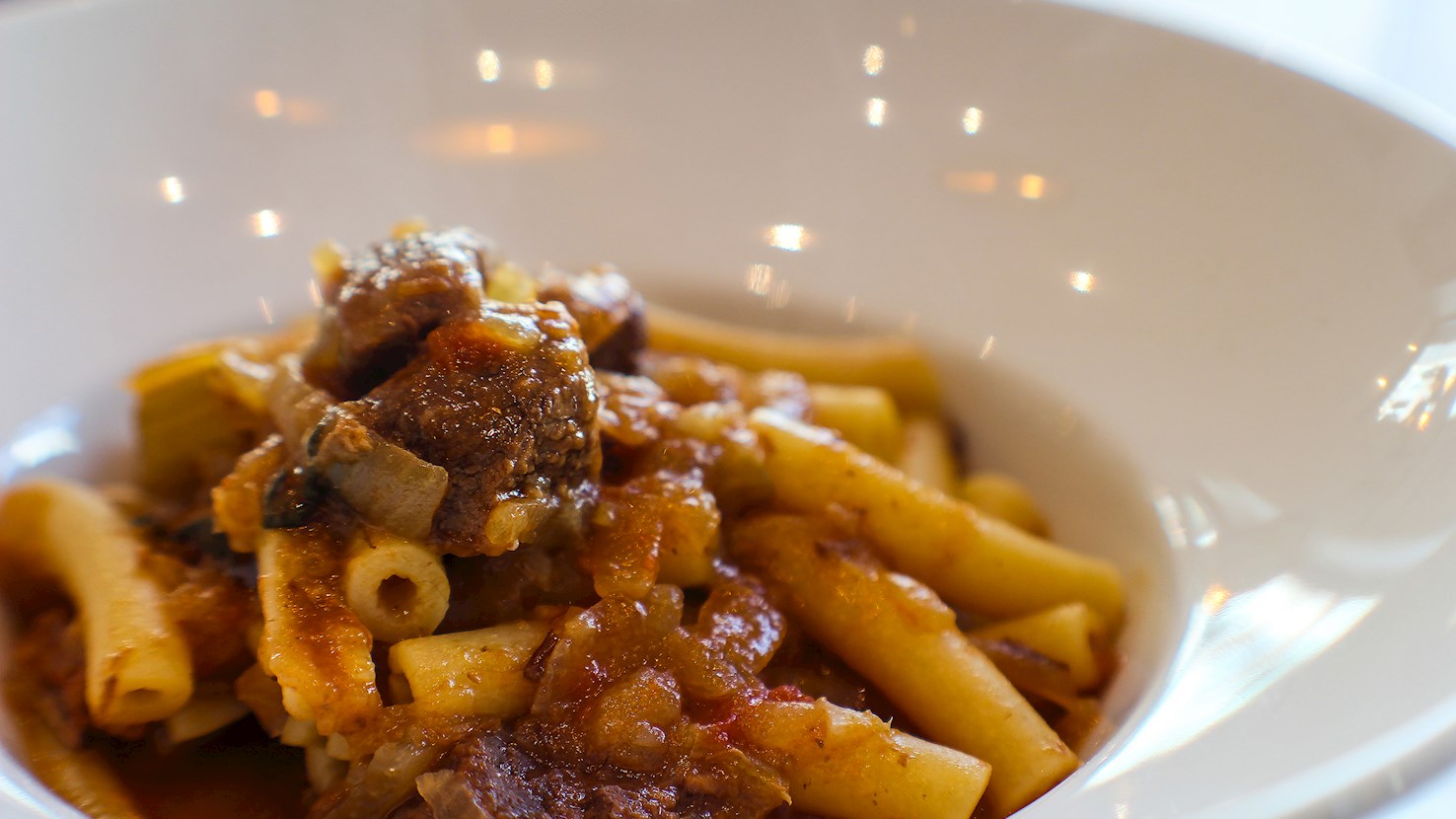
Sugo alla Genovese is a traditional sauce that, despite its name, originates from Naples, but it was likely brought over to the city from Genoa by Genovese immigrants during the Renaissance period. The sauce is prepared by sautéeing veal or beef in olive oil with large amounts of onions, carrots, and celery for a long time, usually from 2 to 10 hours. White wine or stock are often added to the sauce to enrich its flavors. Once done, sugo alla Genovese is served either as it is or the meat is served separately from the sauce. It's traditionally paired with pasta types such as ziti or rigatoni, and the dish is then garnished with tomatoes and topped with grated pecorino.
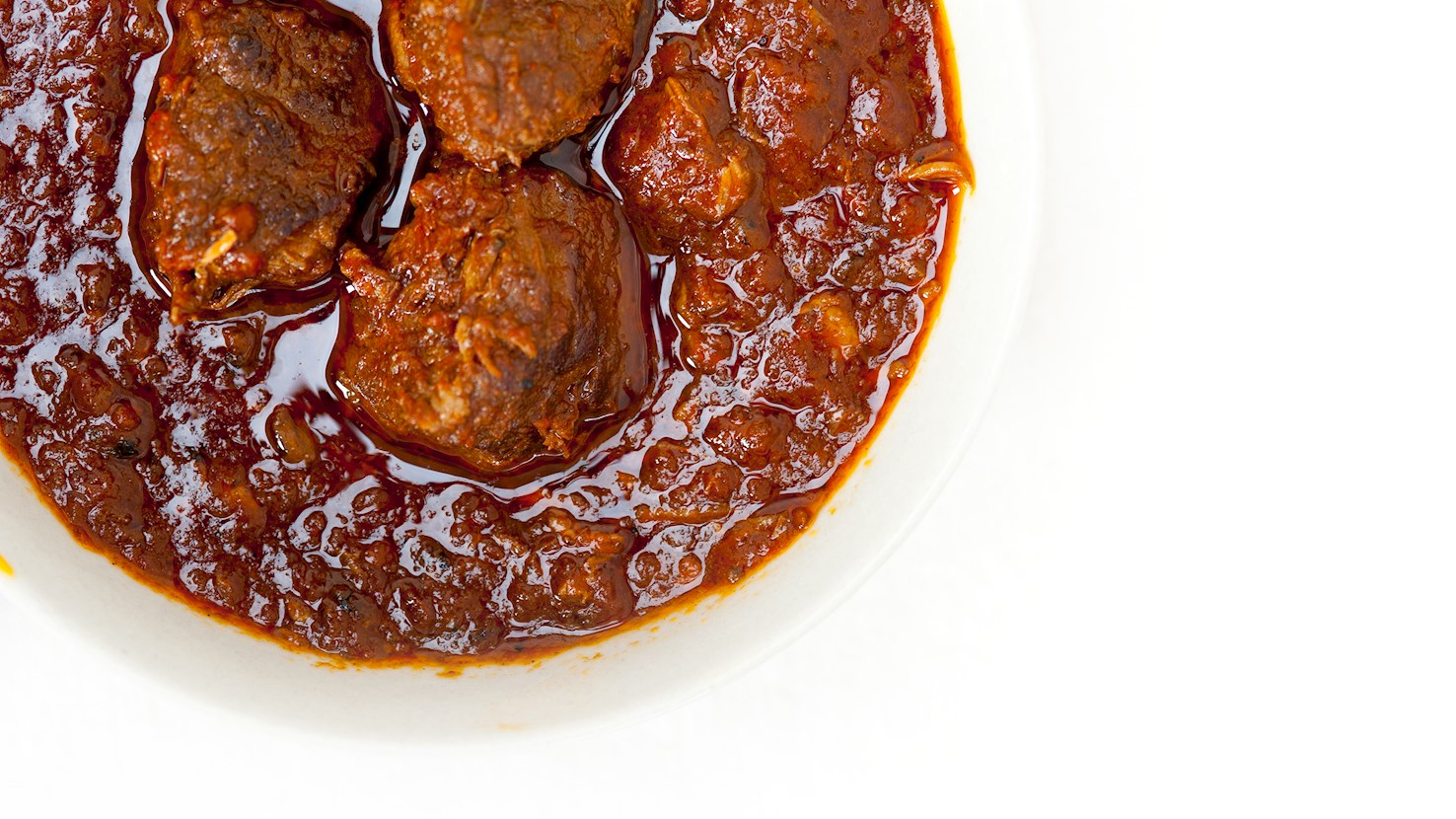
Ragù Napoletano is a traditional meat and tomato sauce originating from Naples. In the past, it was prepared by the portinai or doormen who sat while observing the comings and goings of tenants as well as the sounds of the barely simmering dish, hence its other name, ragù guardaporta. This ragù is cooked very slow and long over very low flames. Unlike the famous ragù alla Bolognese, the Neapolitan version doesn't start with a battuto (carrots, onions, celery), includes huge amounts of tomato sauce, and incorporates whole cuts of meat instead of ground or chopped meat. The sauce is usually started with an onion soffritto with the addition of a local aromatic herb called piperna for extra flavor and aroma. Regarding the types of meat, there are as many recipes as there are cooks, but most people use beef (especially a cut from the beef chuck called locena), pork (ribs and bone-in chops), or a combination of both. This ragù should never be simmering, but only forming a small bubble or a few of them on top, called peppiare in the Neapolitan dialect. Due to the lengthy preparation, it's recommended to prepare ragù Napoletano a day or two in advance, and as a bonus, the flavors will even become better, gaining more complexity and depth over time. The sauce is typically used with various types of pasta, while the rest of the meat is served as a secondo along cime di rapa or friarielli (also known as rapini).
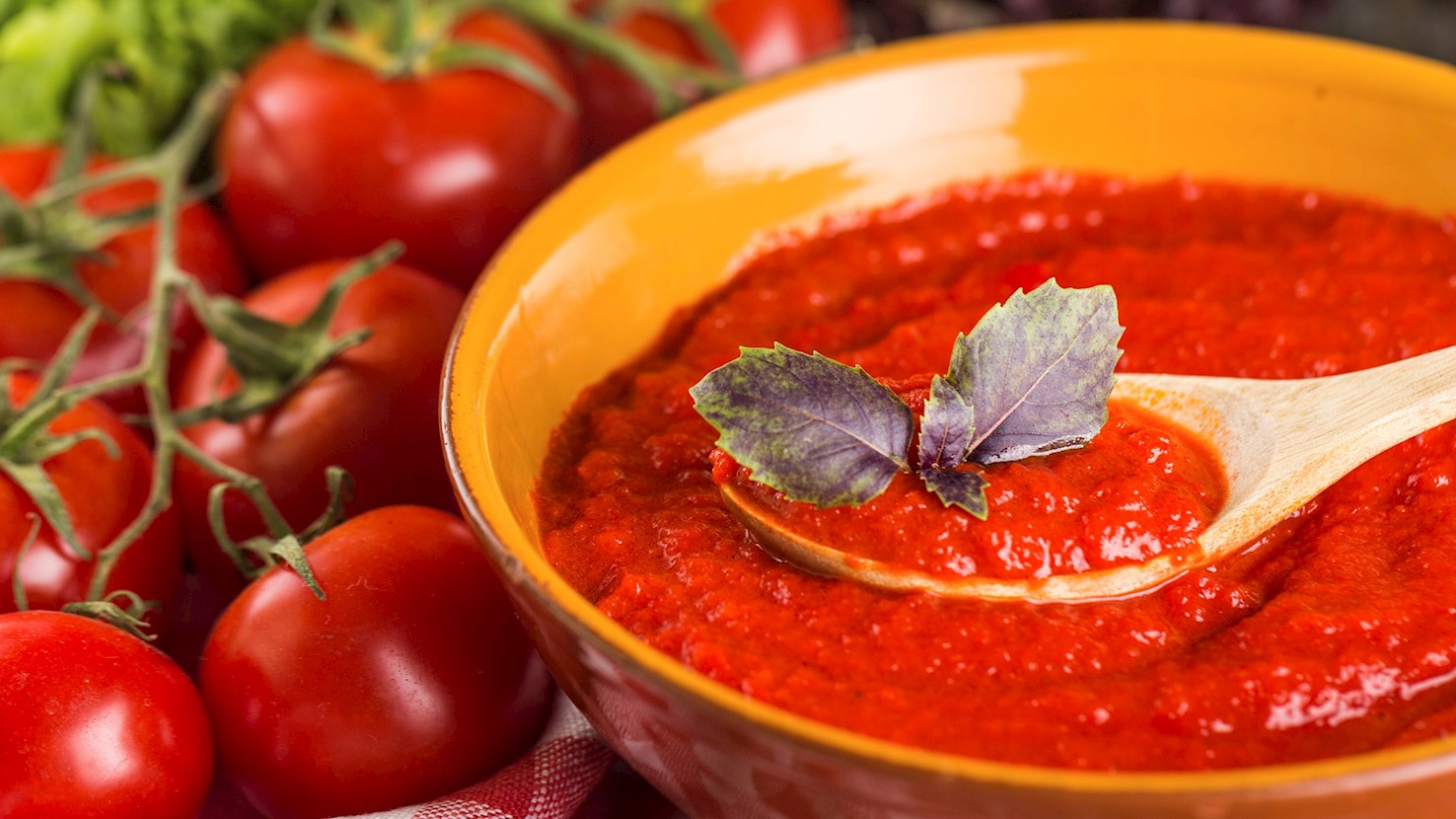
Marinara is a red sauce consisting of olive oil, garlic, tomatoes, and herbs. Onions might sometimes get added to the combination of these ingredients, and marinara might be transformed into another sauce such as arrabbiata or puttanesca with the addition of different ingredients. Due to its simplicity, marinara acts as a versatile base for many Italian dishes. It originated in Naples in southern Italy, its name derived from the Italian word for sailors (marinai). Some say it was named after the sailors because marinara's ingredients didn't spoil easily, and the sauce could be prepared quickly, in about the same time it took pasta to cook, so the two made a flavorful and cheap meal for sailors on their voyages. By the early 1900s, marinara became a classic in the United States of America as well, due to a large number of Italian immigrants. Today, it is commonly served hot with pasta such as ziti, linguini, or spaghetti.
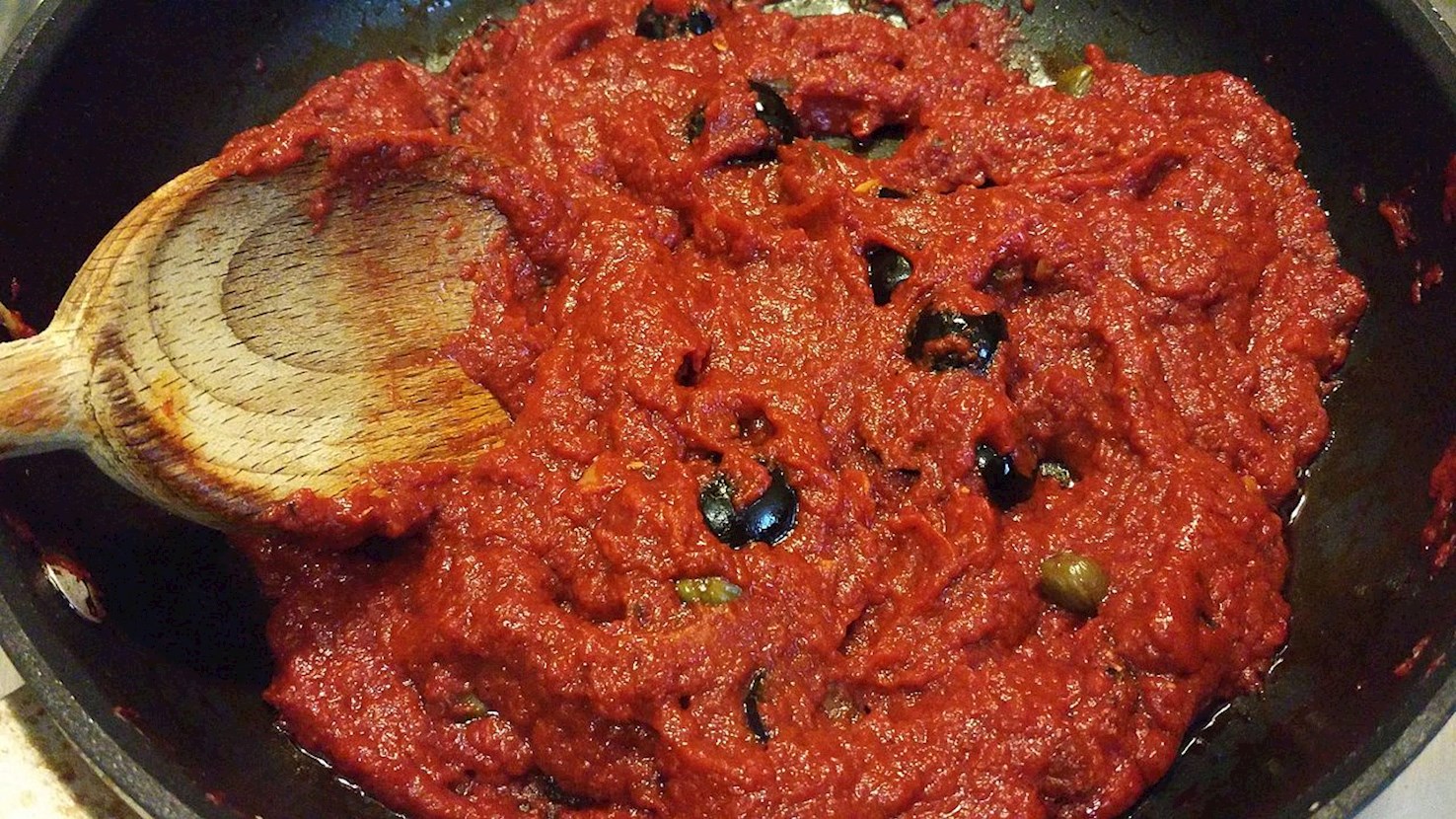
Sugo alla puttanesca is a robust Italian sauce typically made with kalamata olives, capers, anchovies, tomatoes, and crushed red pepper flakes. The combination is sautéed in olive oil until thick and fragrant, and it is usually seasoned with salt and pepper, with the optional addition of sugar, garlic, and herbs such as parsley, dried oregano, or basil. Although its origins are not entirely clear, the sauce is believed to have originated in Naples in the mid-20th century. Interestingly, when translated from Italian, the name alla puttanesca means in the style of a prostitute from the Italian word puttana, meaning prostitute or whore. Traditionally, the sauce is enjoyed with spaghetti, but it can also be used with other pasta types such as penne, linguine, or bucatini.
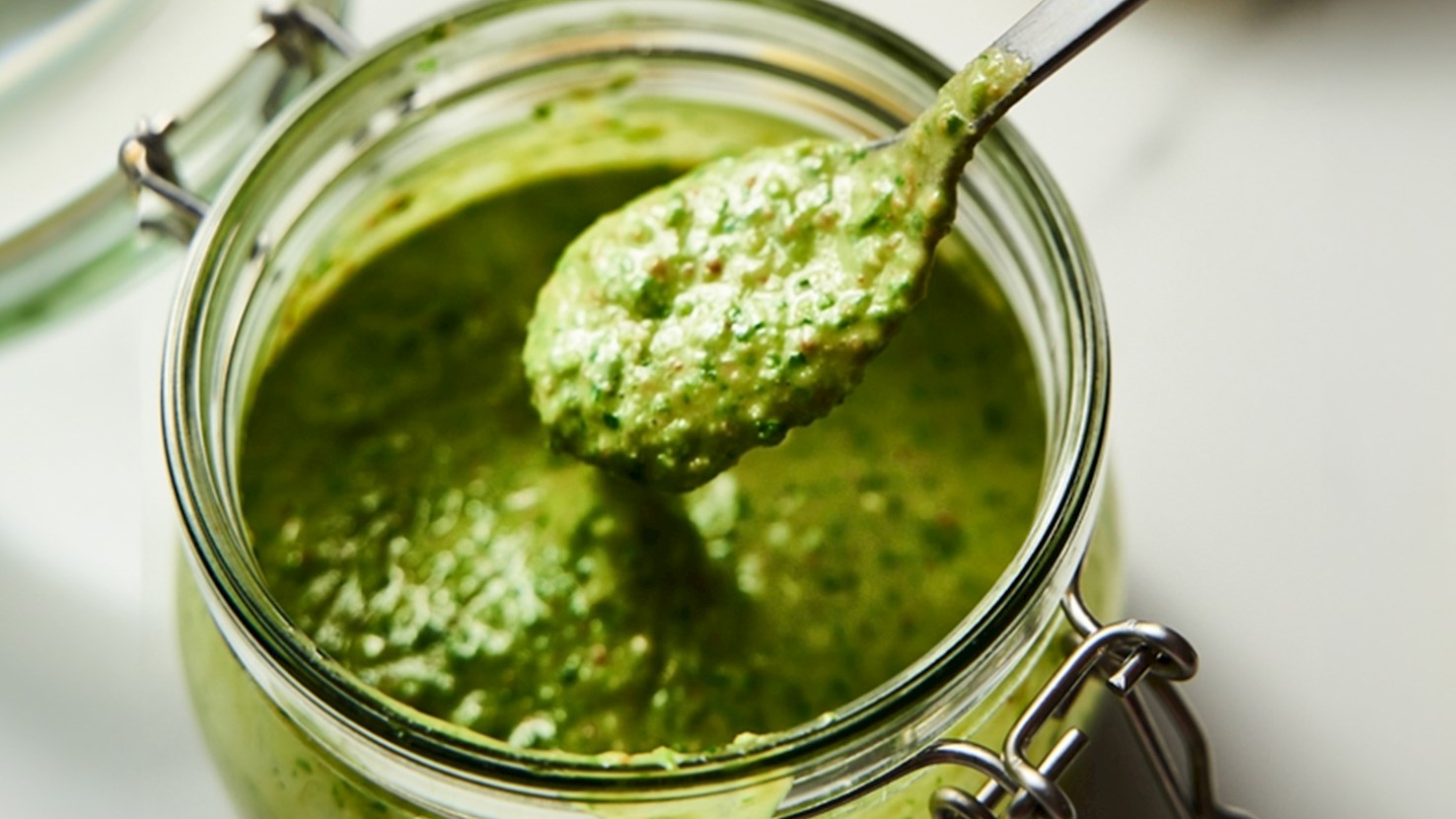
Pesto di limone, also known as lemon pesto, is a variant of the traditional Italian pesto sauce that incorporates lemon into its recipe. Originating from the Procida island near Naples, this pesto is a sauce consisting of lemon (both juice and zest), crushed garlic, pine nuts, Parmigiano-Reggiano cheese, coarse salt, basil leaves, parsley, and olive oil. The lemon introduces a bright, citrusy note to the sauce that is particularly enjoyable in summer or with seafood dishes. As with other pesto sauces, pesto di limone is often served with pasta, but it can also be used as a marinade for poultry and fish, a spread for sandwiches, a dip for vegetables, or a dressing for salads. Its versatility and fresh, vibrant taste have made it a popular choice in many contemporary Italian and Mediterranean dishes.
TasteAtlas food rankings are based on the ratings of the TasteAtlas audience, with a series of mechanisms that recognize real users and that ignore bot,
nationalist or local patriotic ratings, and give additional value to the ratings of users that the system recognizes as knowledgeable.
For the “Top 5 Neapolitan Sauces” list until May 15, 2026, 699 ratings were recorded, of which 570 were recognized by the system as legitimate.
TasteAtlas Rankings should not be seen as the final global conclusion about food. Their purpose is to promote excellent local foods,
instill pride in traditional dishes, and arouse curiosity about dishes you haven’t tried.