shutterstock

Top 16 Mexican Sauces

Last updated on June 15, 2026

Best Mexican Sauces

01

El Progreso

4.7 ·
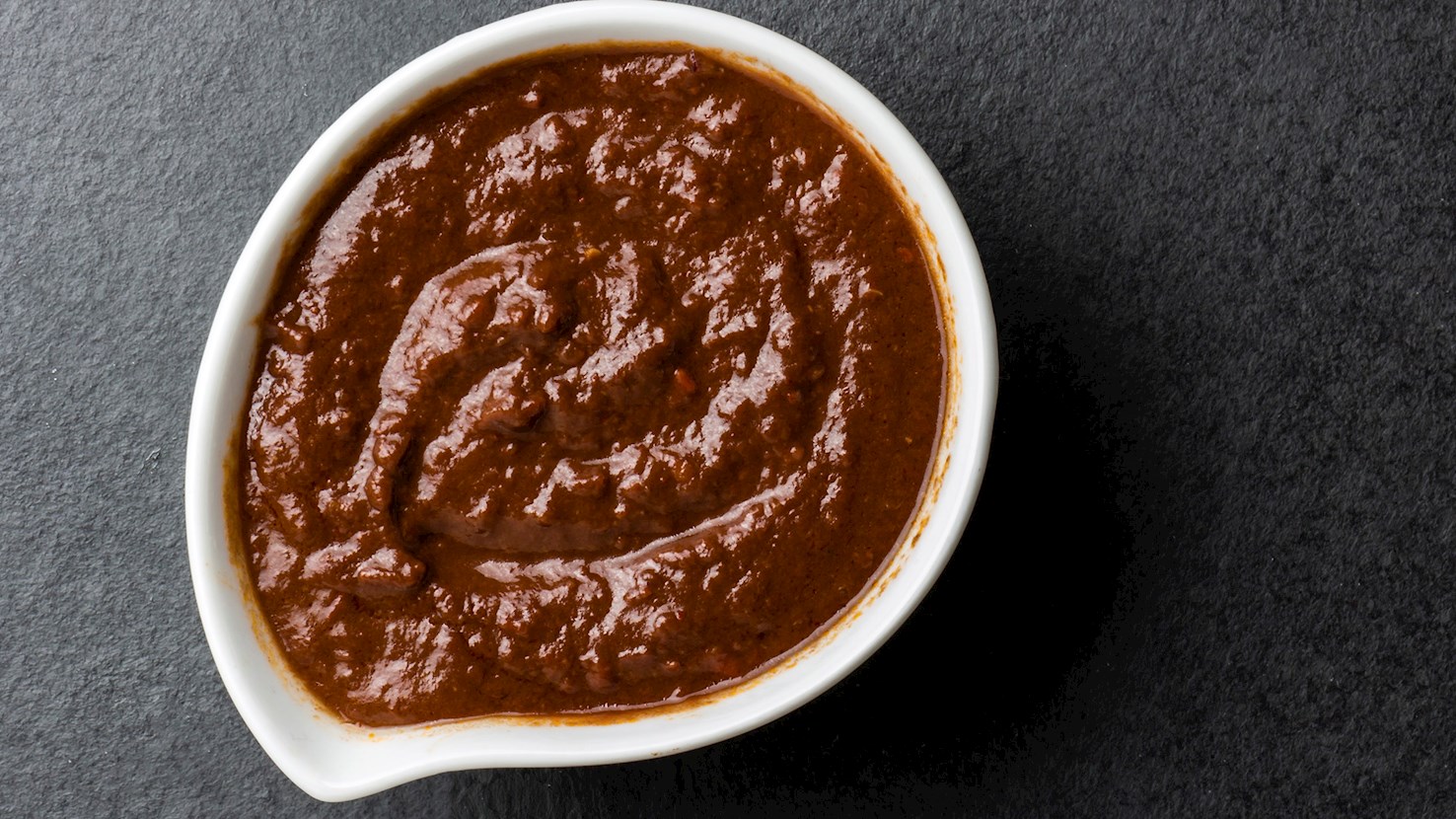
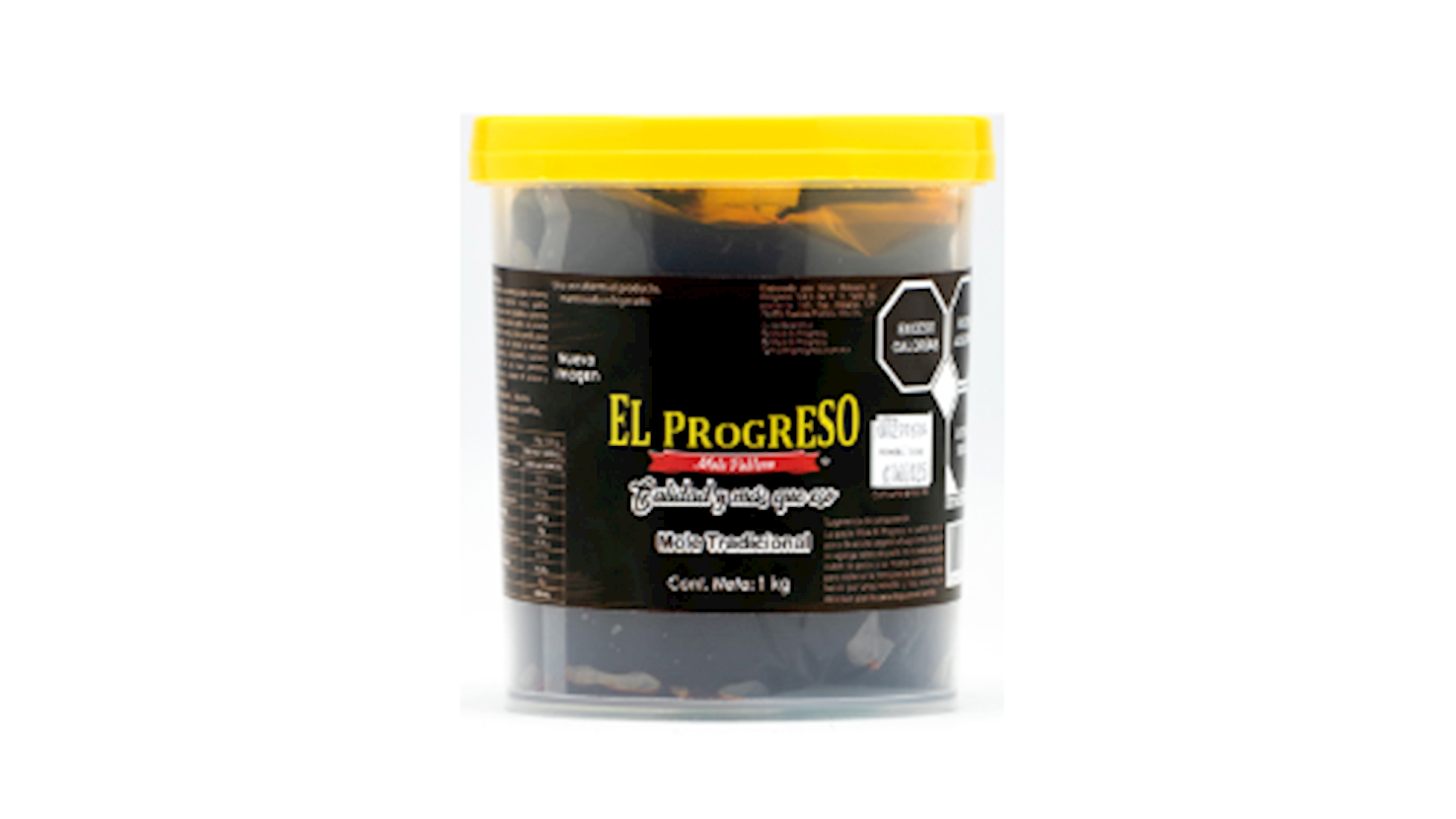
El Progreso is a family-run company from the city of Puebla that has been producing traditional mole for more than eight decades, preserving one of the most iconic elements of Mexican cuisine. The brand originated as a small family mill for grinding chili peppers and spice blends, and today it offers various types of mole pastes and powders, including classic traditional mole, spicier versions, and mixtures enriched with nut-based ingredients. El Progreso remains faithful to time-honored recipes that combine chilies, spices, seeds, and chocolate, while the production process still relies on careful manual selection of ingredients and controlled preparation. Their mole is known for its rich, layered flavor in which spicy, chocolate, and aromatic notes intertwine, making it ideal for traditional meat and poultry dishes. By combining tradition, quality, and authenticity, El Progreso makes mole accessible to consumers seeking a true taste of the Puebla region.

Best Mexican Sauces

01

Mole Poblano

4.2 ·

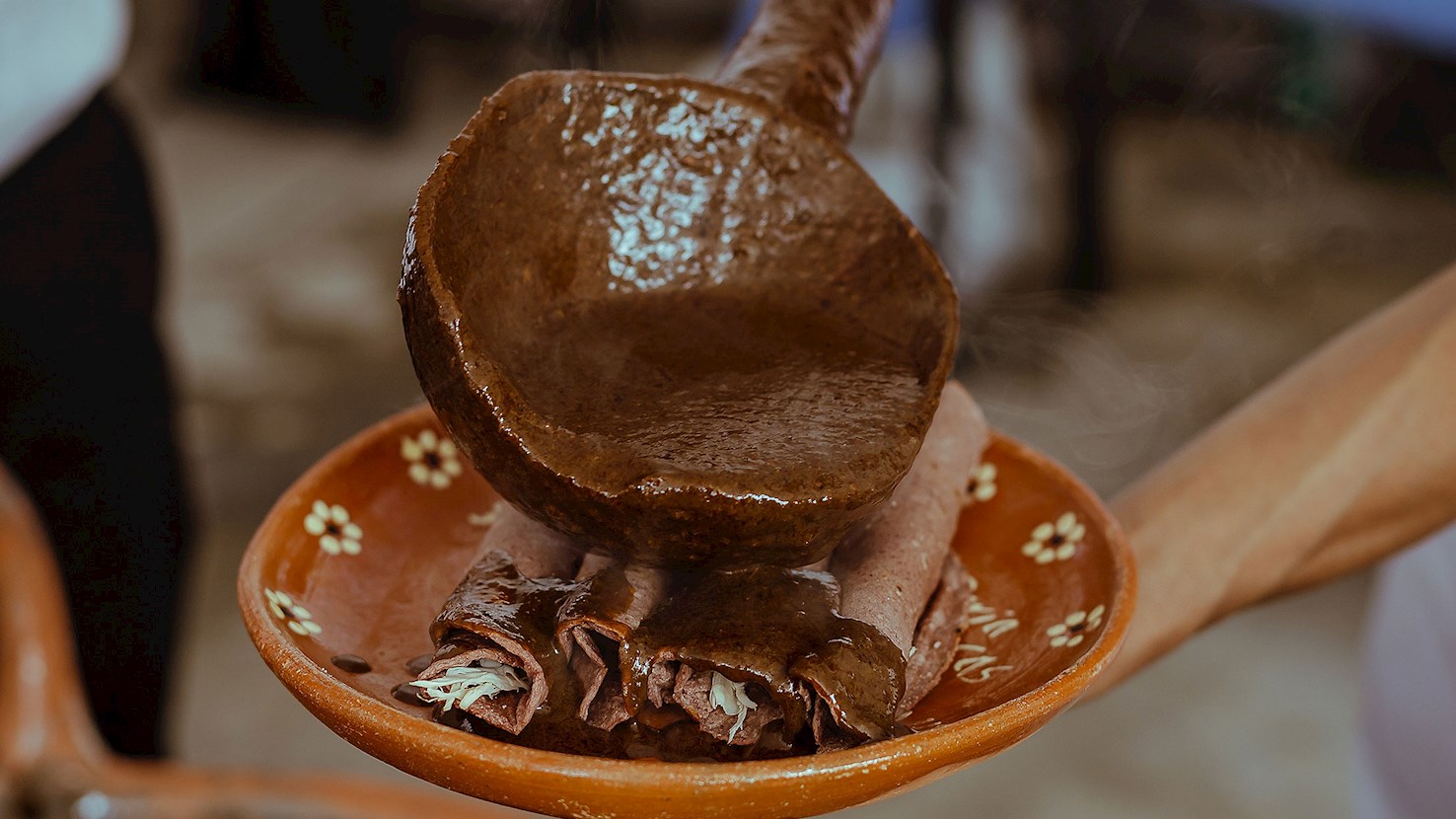
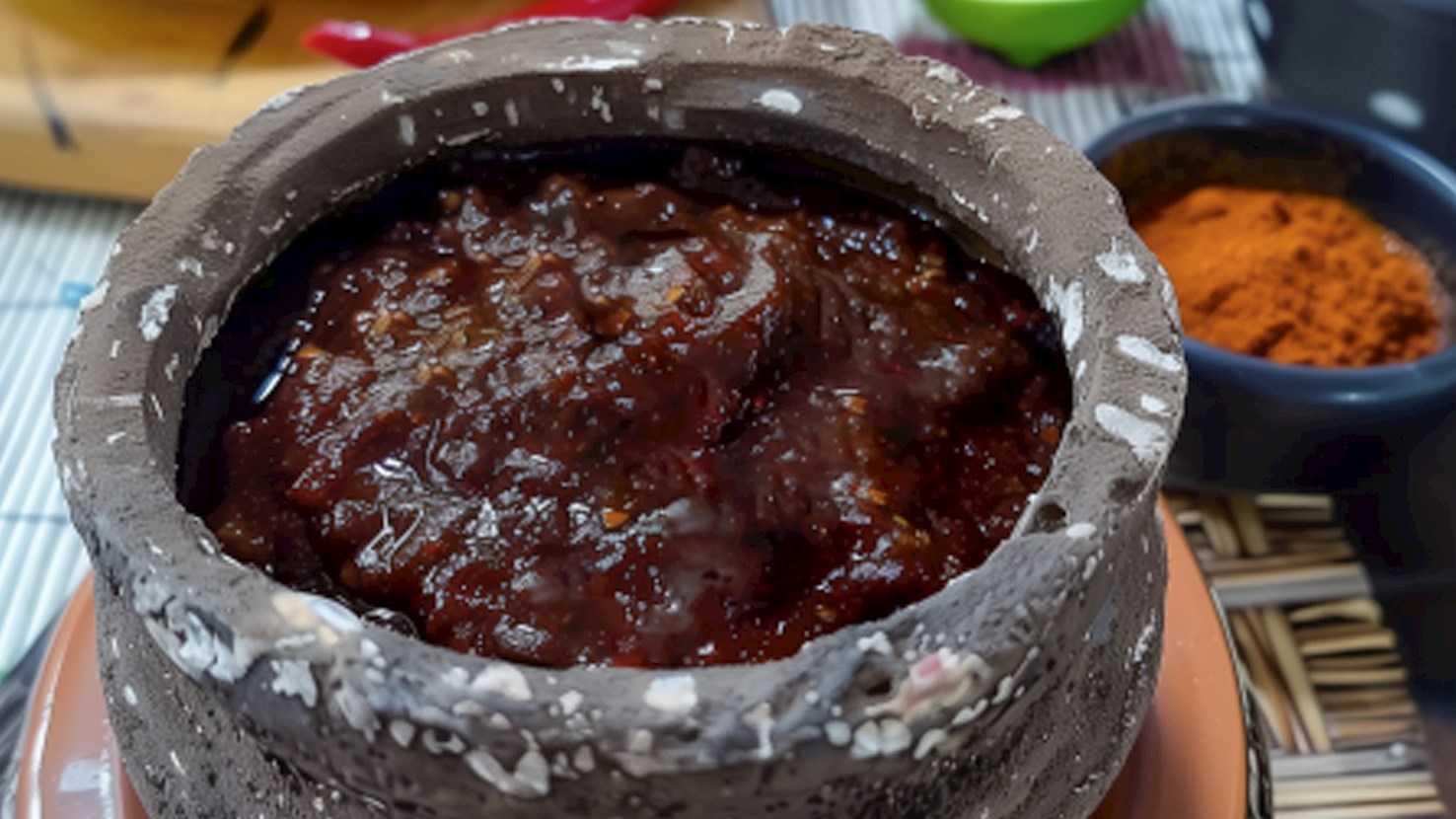
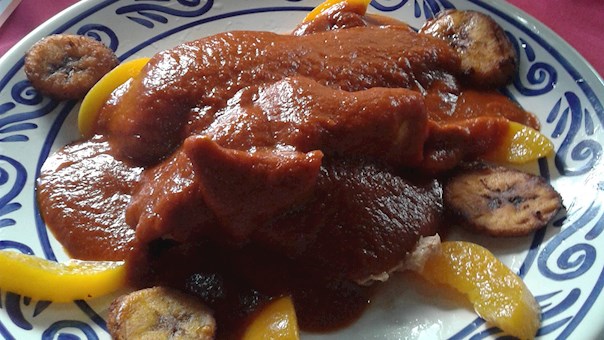
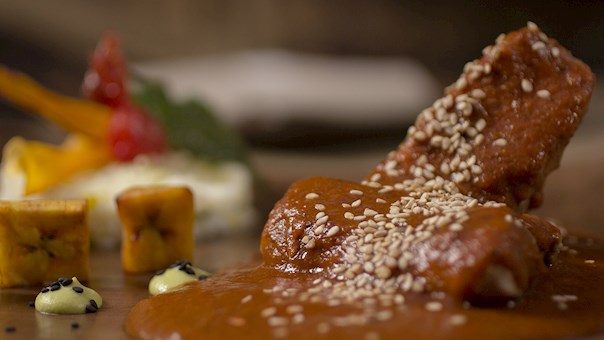
The most popular mole sauce is mole poblano (also known as mole rojo or red mole), consisting of at least twenty ingredients, including the likes of cinnamon, black pepper, poblano chiles, cloves, anise seed, and chocolate. According to a popular legend, it was invented in the Mexican city of Puebla in the 16th century, when people in the Santa Rosa convent prepared a different version of the original Aztec sauce in order to show honor to a visiting bishop. However, it's also associated with Oaxaca and its seven famous moles. Some say that the secret to a good mole lies in the roasting of chile seeds that become charred and act as flavor bombs when blended in the sauce. Traditionally, this flavorful and spicy sauce is served over poultry dishes such as chicken enchiladas accompanied by rice on the side.

02

Mojo de ajo

4.2 ·

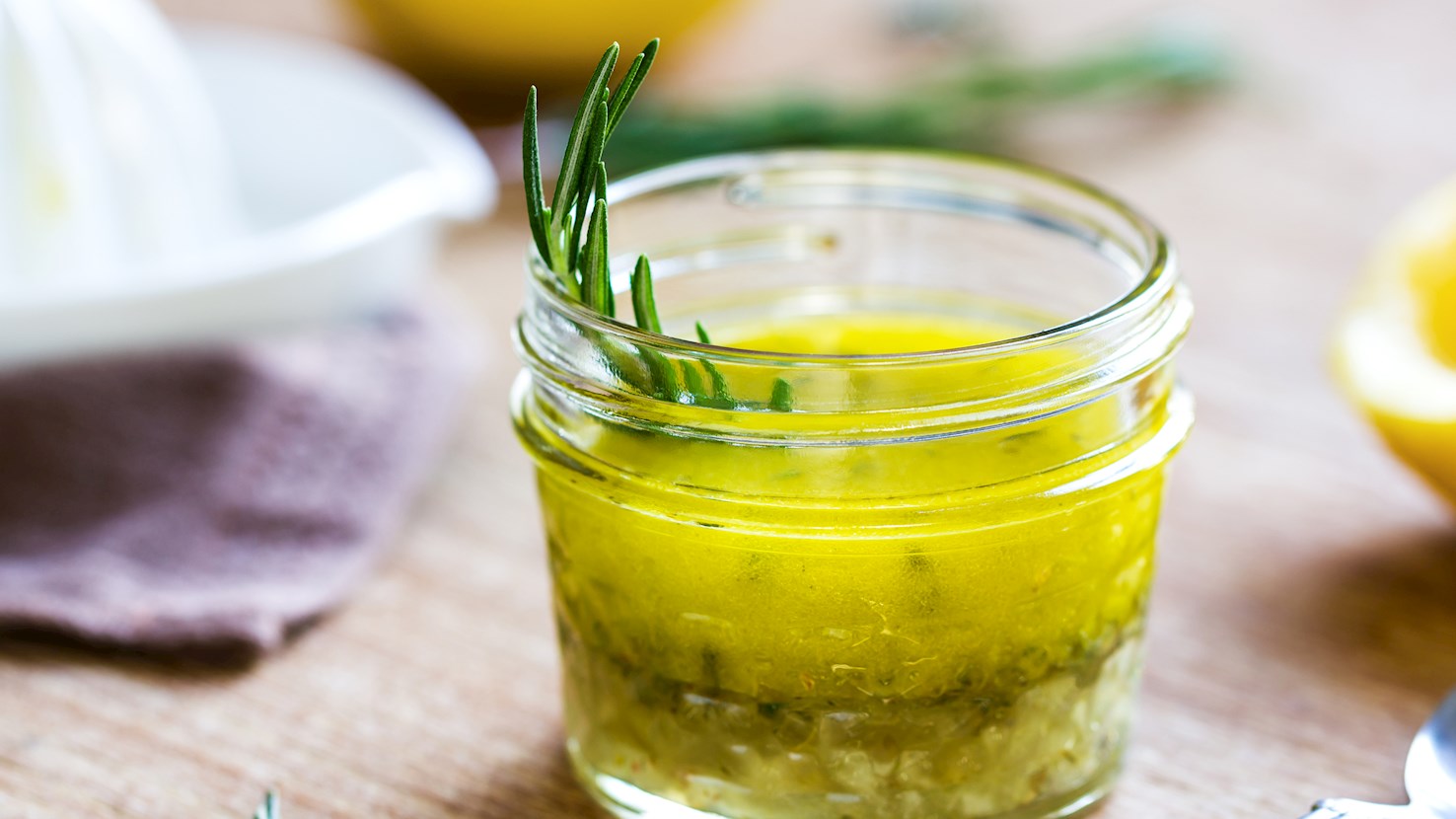
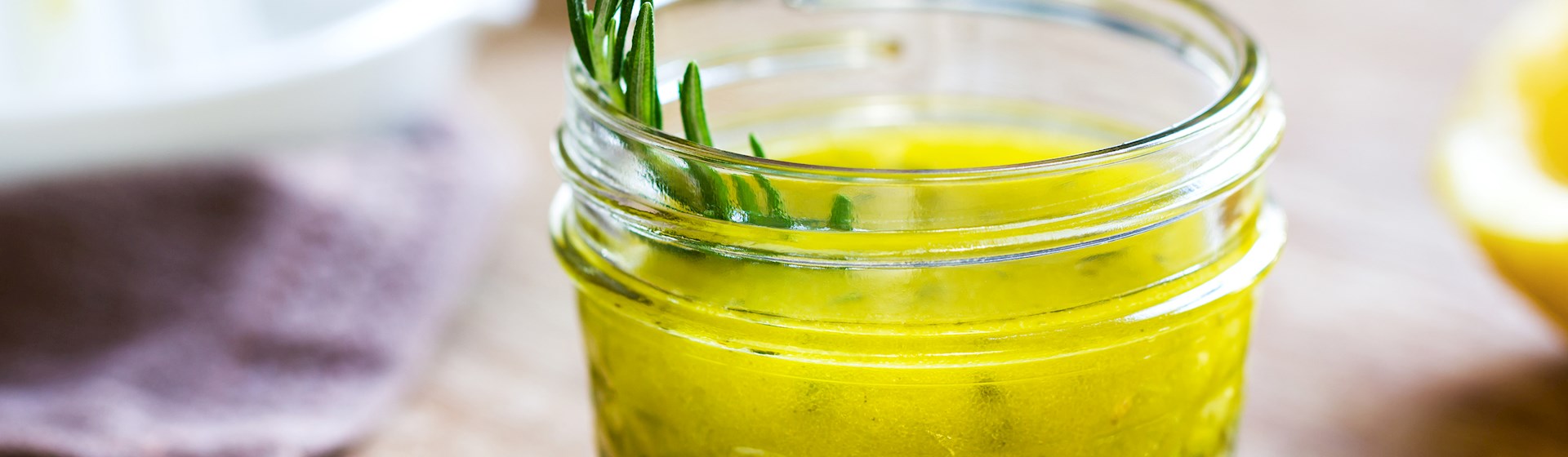
Mojo de ajo is a garlic sauce that's popular in Mexico, Cuba, Chile, and many Caribbean and Latin American countries. It usually consists of olive oil, crushed garlic, salt, and lemon, orange, or lime juice. The ingredients are simply blended together until smooth and the sauce is ready to be consumed. It can be used to season yucca, tostones, chicken, steaks, vegetables, and just about anything else. In Mexico, mojo de ajo is typically used with a fish known as pejelagarto.

03

Mole

4.1 ·

Mole is a family of rich Mexican sauces and the national dish of the country. The base usually contains Mexican chile peppers which are ground in molcajete - a traditional mortar and pestle made of stone. Other ingredients may vary, so moles can contain vegetables, fruits, spices, herbs, nuts, seeds, masa cornmeal, bread, and even chocolate, which adds earthy notes to the spicier ingredients. Interestingly, the Aztecs called it molli, meaning concoction or mixture. The best-known mole is surely mole poblano, originating from Puebla. In Oaxaca, also known as “land of the seven moles”, one can find moles verdes (with cilantro), moles rojos (tomatoes, sesame seeds), moles negros (chiles, chocolate, nuts, dried fruits), manchamantel (tomatoes, pineapple, ancho chiles, cinnamon, bananas), orange-red moles (plantains), mole almendrado (almonds), and cacahuate (peanuts). The ingredients used in moles are always ground, blended, then simmered together, and once the rich sauce is done, it’s traditionally served over poultry.

04

Seven Moles of Oaxaca

4.1 ·

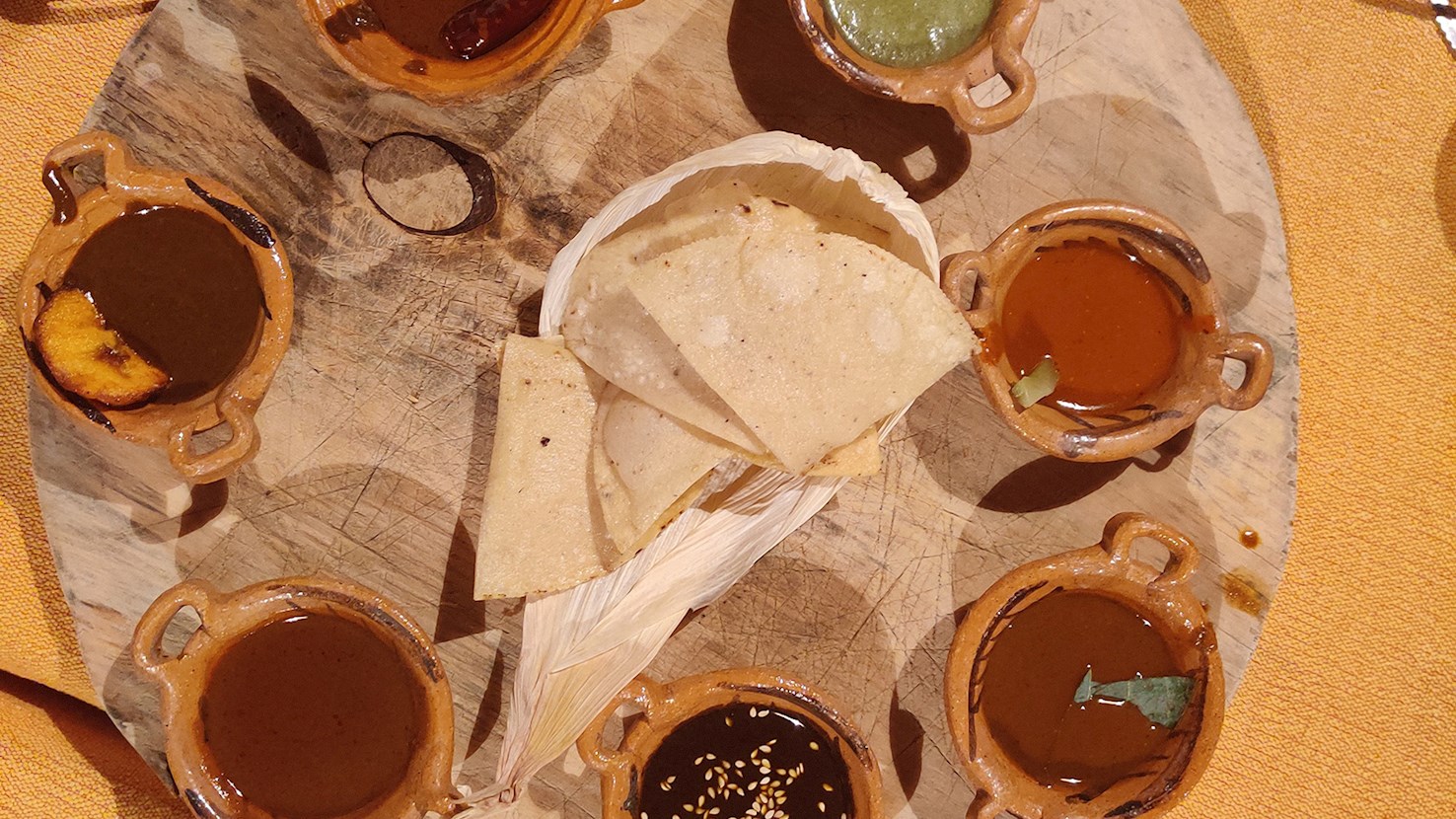
In Oaxaca, Mexico, there are seven types of mole, dark and rich sauces that are drizzled over Mexican staple dishes throughout the country. The moles of Oaxaca include mole negro, made with dark chocolate; mole rojo, also known as mole poblano; mole coloradito, made with mashed plantain; mole amarillo, made with tomatillos and masa harina; mole verde, made with coriander and ground pumpkin seeds; mole chichilo, made with beef stock and thickened with tortillas or masa harina, and mole manchamantel; meaning tablecloth-stainer, made with chorizo grease, tomatoes, pineapple, and chili peppers. Although there are seven moles in Oaxaca, every family has their own version of each of the seven sauces, so one can only begin to imagine the varieties.

05

Pipian

4.1 ·

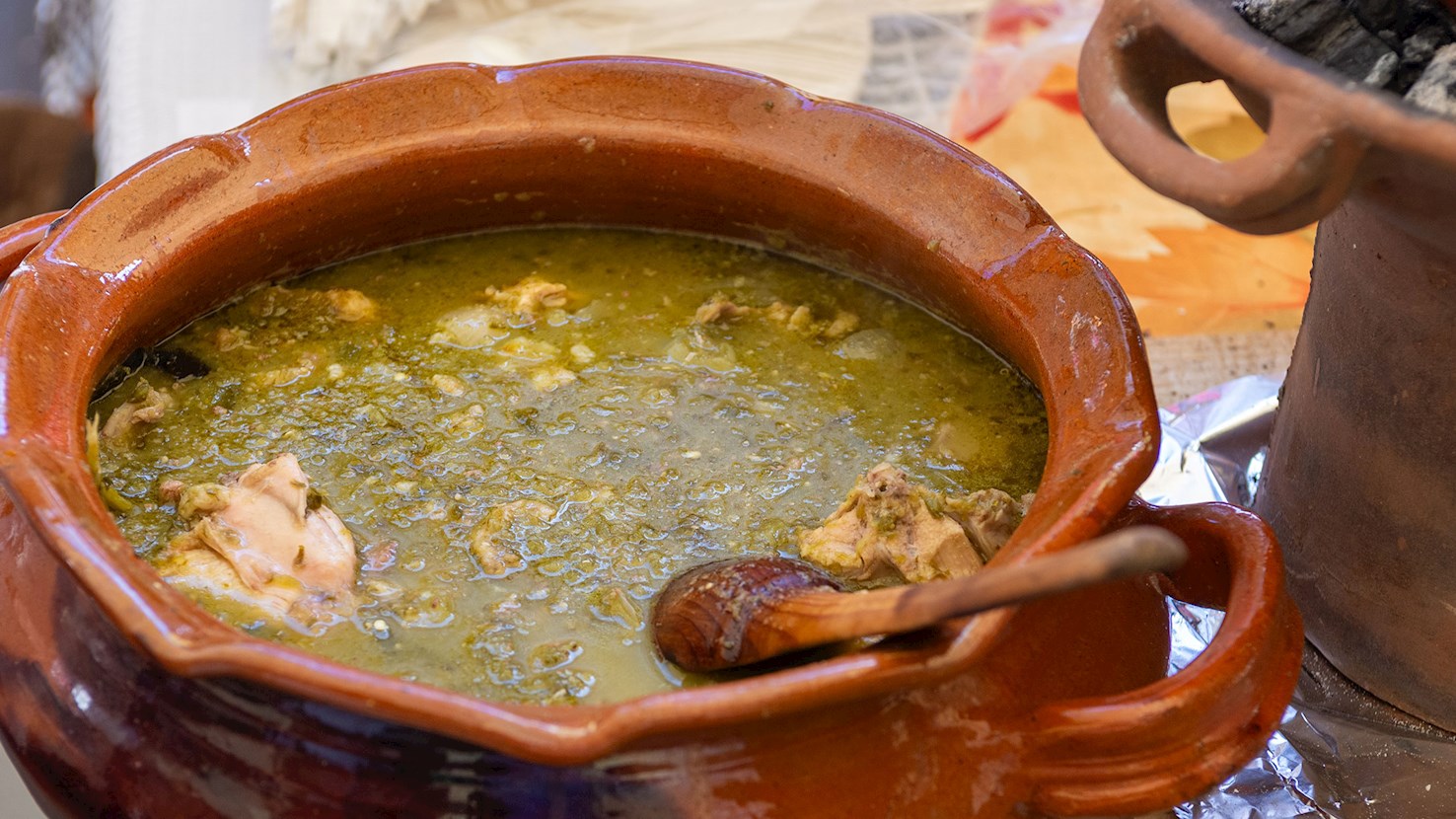
Pipian or mole verde or green mole is a spicy Mexican mole sauce with a unique, nutty flavor. Although the most famous version comes from Oaxaca as one of the seven moles of Oaxaca, where every household has their own version, green mole is prepared all over Mexico. It's usually made with ingredients such as cumin, coriander, garlic, dried chiles, and ground squash or pumpkin seeds which are either dried or roasted. Lemon juice can be additionally added to the combination in order for pipian to develop a more liquid consistency. The sauce is traditionally served over enchiladas or roasted chicken, while it is also commonly used as a flavorful rub for meat. Depending on the region, pipian can also be red or white, although the green one is the most traditional and popular variety.

06

Mole negro

4.1 ·

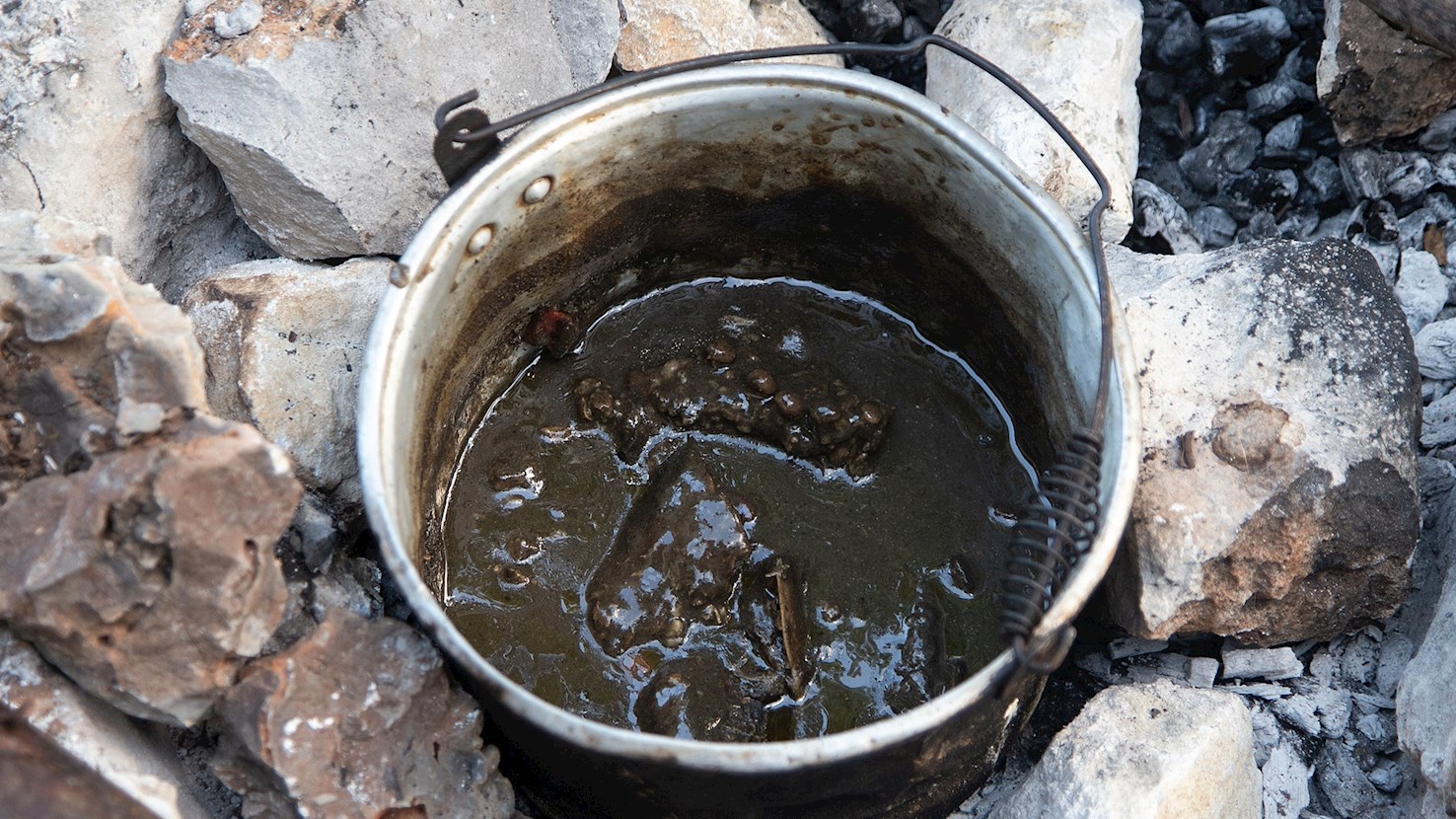
Mole negro or black mole is a traditional sauce originating from Oaxaca as one of the seven moles of Oaxaca. This is the most complex type of Mexican mole and it's usually made with ingredients such as hoja santa (aromatic, licorice-tasting herb), cinnamon, cumin, cloves, onions, garlic, dried chili peppers, cilantro, pumpkin and sesame seeds, dark chocolate, bread, and dried fruits. Once prepared, mole negro is always served over different foods and it's never eaten on its own.

07

Salsa de chile pasilla

4.0 ·

Salsa de chile pasilla is a traditional sauce originating from Central Mexico. This sauce is usually made with a combination of pasilla chili peppers, garlic, chopped white onions, water, and salt. The chili peppers are toasted on a griddle or a comal over medium heat. Once toasted, they're blended with the salt, garlic, and water. It's recommended not to overblend the sauce as it should have some texture. The salsa is placed into a dish or a bowl, then topped with the chopped onions. It's usually served with tacos, chicken, and beef.

08

Mole blanco

3.6 ·

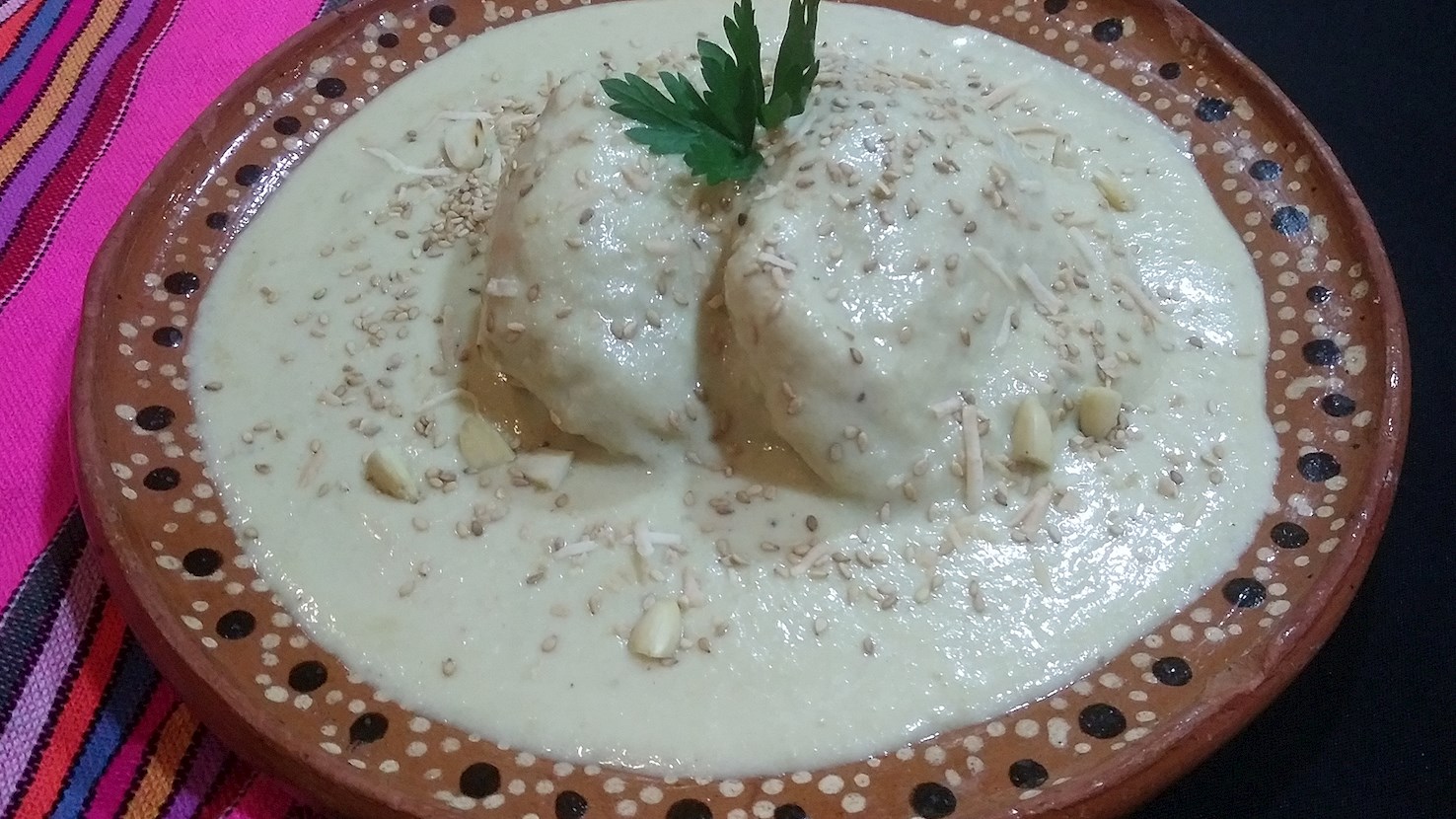
Mole blanco is a rare type of mole that is prepared for special events such as Easter or Christmas. Thick, nutty, and extremely creamy, the sauce consists of almonds, peanuts, pine nuts, Spanish almonds, garlic, onion, habanero peppers, and chicken broth. Its richness is a direct result of the blend of white pine nuts, almonds, peanuts, and coconut oil. Traditionally, mole blanco is presented with pípí or chitapí, an edible flower growing on trees in Mixtec, Oaxaca. The sauce can be served with stuffed chile peppers, rabbit, or chicken dishes. In the past, mole blanco was prepared in a stone molcajete with a tejolote (Mexican mortar and pestle), but today's cooks are more likely to use a blender.

09

Mole de Queretaro

3.4 ·

This mole from Queretaro is traditionally made with pasilla and ancho chili peppers as key ingredients. Although there are a few versions, apart from chili peppers, it typically includes toasted tortillas, chicken stock, peanuts, onions, bolillo bread, walnuts, almonds, lard, chocolate, raisins, and dry-roasted tomatoes. It is enriched with a wide array of spices such as cumin, cloves, black pepper, allspice, and marjoram. Since Queretan mole is quite thick, it is usually spooned over chicken or turkey. When served, it is recommended to garnish this tasty mole with chopped coriander and nuts.

Best restaurants
10

Mole amarillo

3.4 ·

Mole amarillo or yellow mole is a traditional sauce originating from Oaxaca as one of the seven moles of Oaxaca. This mole is usually made with ingredients such as dried chili peppers, annatto seeds, cinnamon, cloves, cumin, oregano, saffron, corn oil, garlic, onions, tomatoes, yellow tomatillos, the licorice-tasting hoja santa leaves, chicken stock, and masa harina or corn flour. Every household in Oaxaca has their own version of the sauce. The ingredients are ground and simmered until the mole becomes thick. Once prepared, mole amarillo should be yellow in color, and it's typically served with potatoes, fish, mussels, chayote (Mexican squash), chicken, empanadas (with shredded chicken), and tamales. It can also be thinned into a broth with potatoes, beef, and green beans.

Read more
View all
View map
About this ranking

TasteAtlas food rankings are based on the ratings of the TasteAtlas audience, with a series of mechanisms that recognize real users and that ignore bot, nationalist or local patriotic ratings, and give additional value to the ratings of users that the system recognizes as knowledgeable. For the “Top 16 Mexican Sauces” list until June 15, 2026, 1,641 ratings were recorded, of which 720 were recognized by the system as legitimate. TasteAtlas Rankings should not be seen as the final global conclusion about food. Their purpose is to promote excellent local foods, instill pride in traditional dishes, and arouse curiosity about dishes you haven’t tried.

The initial list of top producers was compiled based on available reviews, awards, local recommendations, media and blog coverage, and consumer reviews. The list will be updated with ratings from TasteAtlas local ambassadors and TasteAtlas users.

Similar lists