shutterstock

Top 13 Spanish Sauces

Last updated on May 15, 2026

Best Spanish Sauces

01

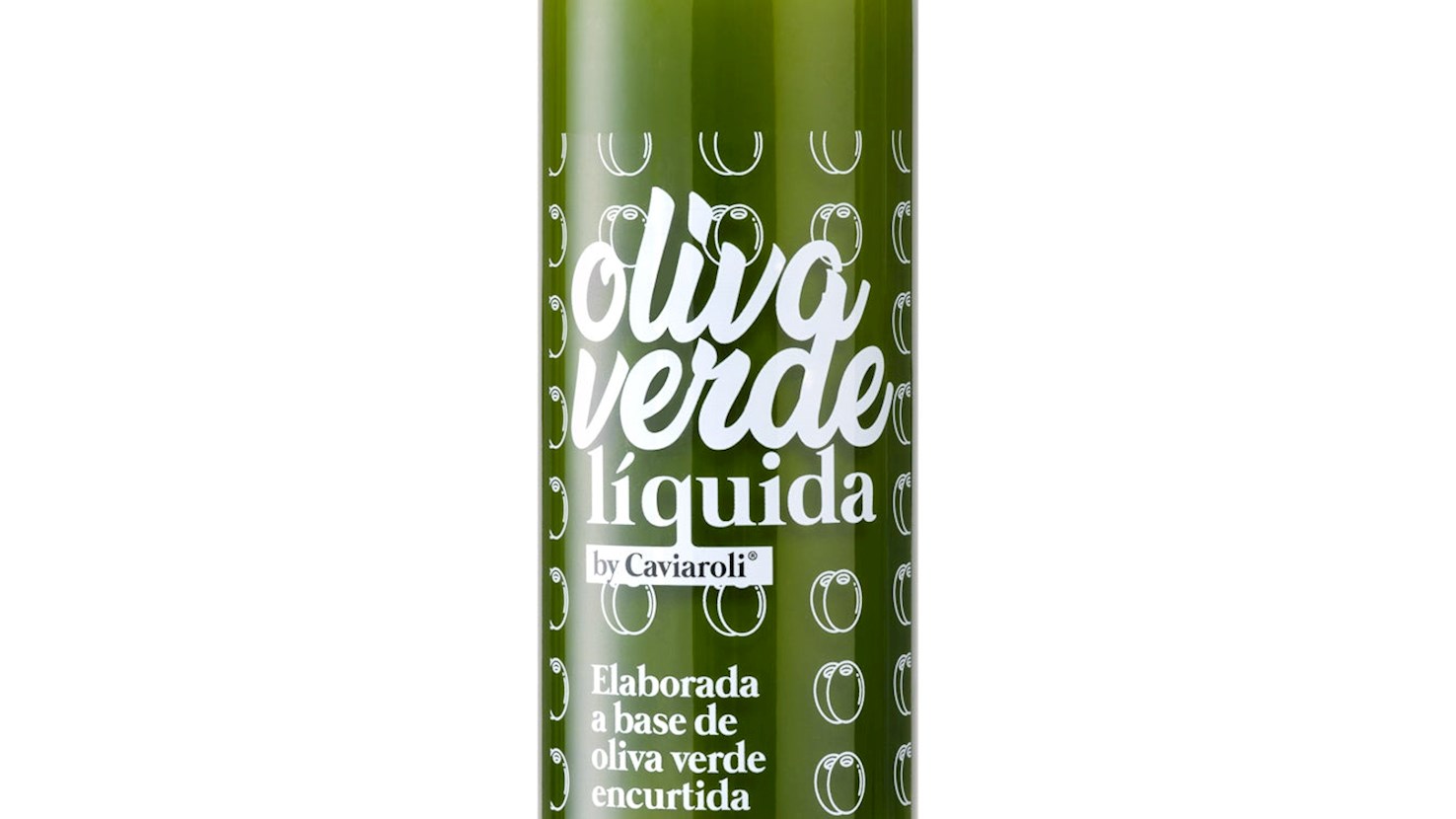
Cavairoli

4.5 ·
Awards
Great Taste Awards - 2 Stars (2022)

Best Spanish Sauces

01

Mojo rojo

4.2 ·

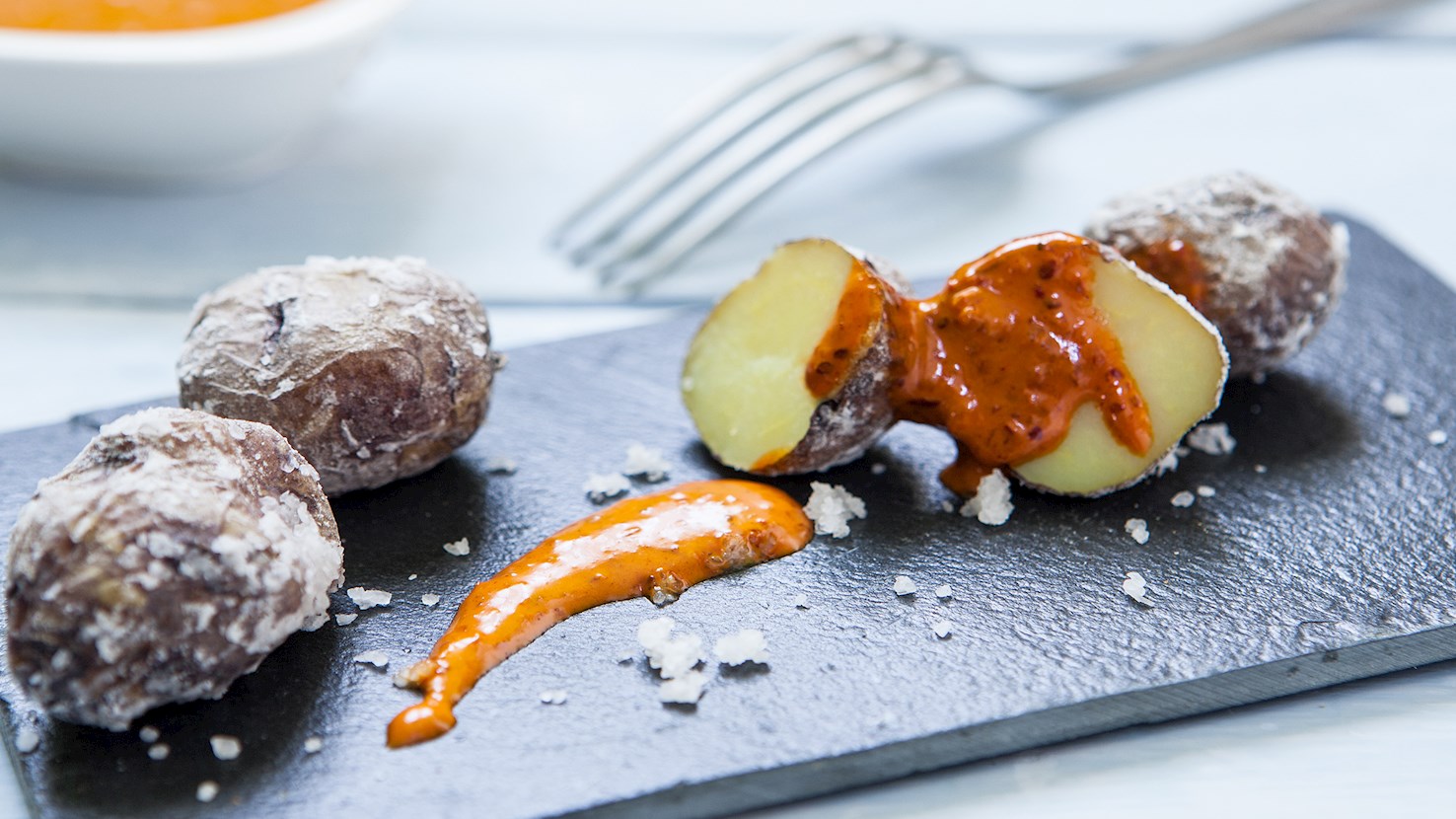
Mojo rojo or red mojo is a flavorful Spanish sauce that is especially popular in the Canary Islands. It is believed that it has origins in Spanish cuisine, which was heavily influenced by the Moors. The sauce usually consists of olive oil, vinegar, sea salt, garlic, chili, cumin, and pimentón paprika. It is typically consumed with meat dishes and boiled potatoes.

02

Alioli

4.2 ·

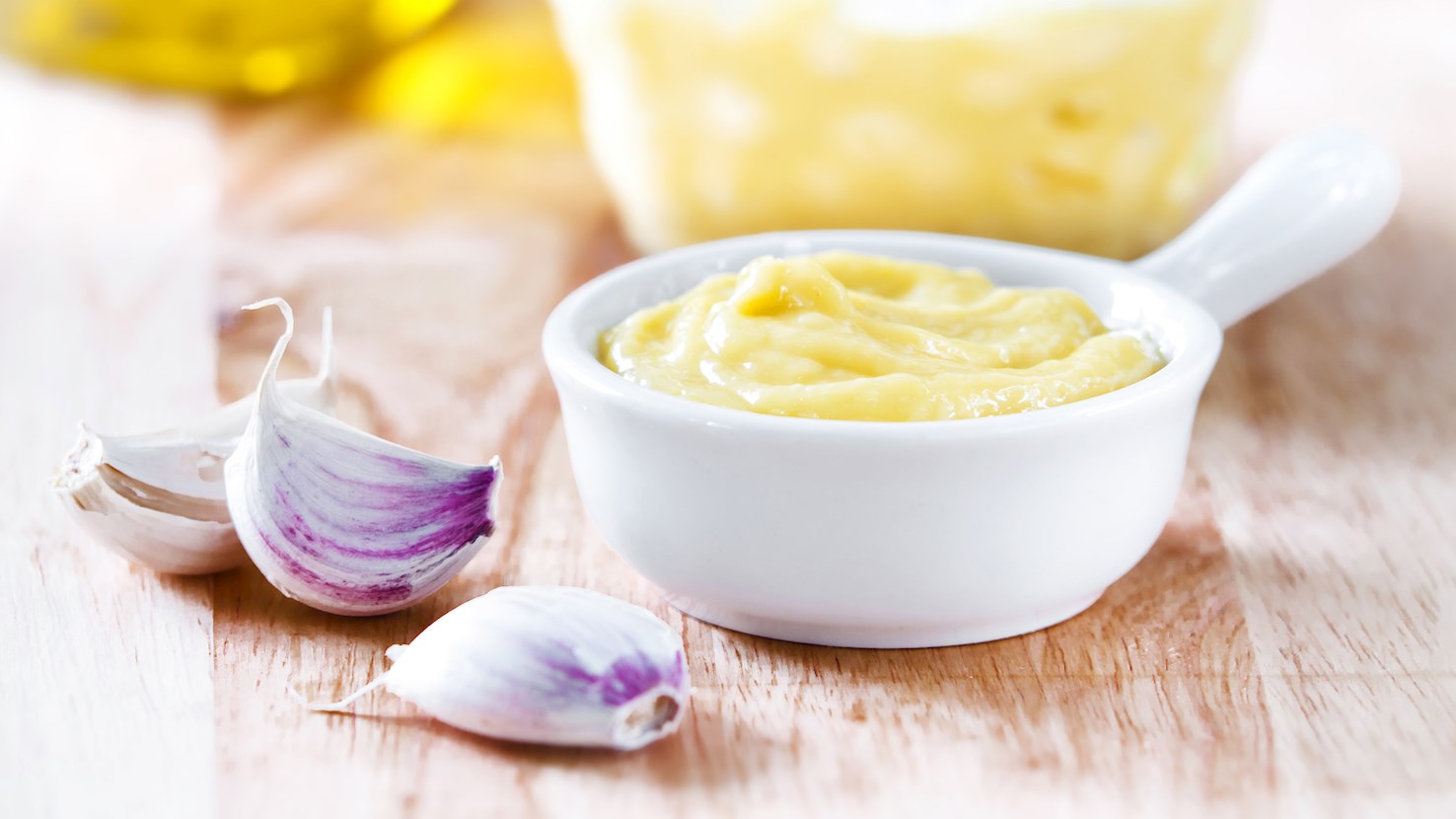
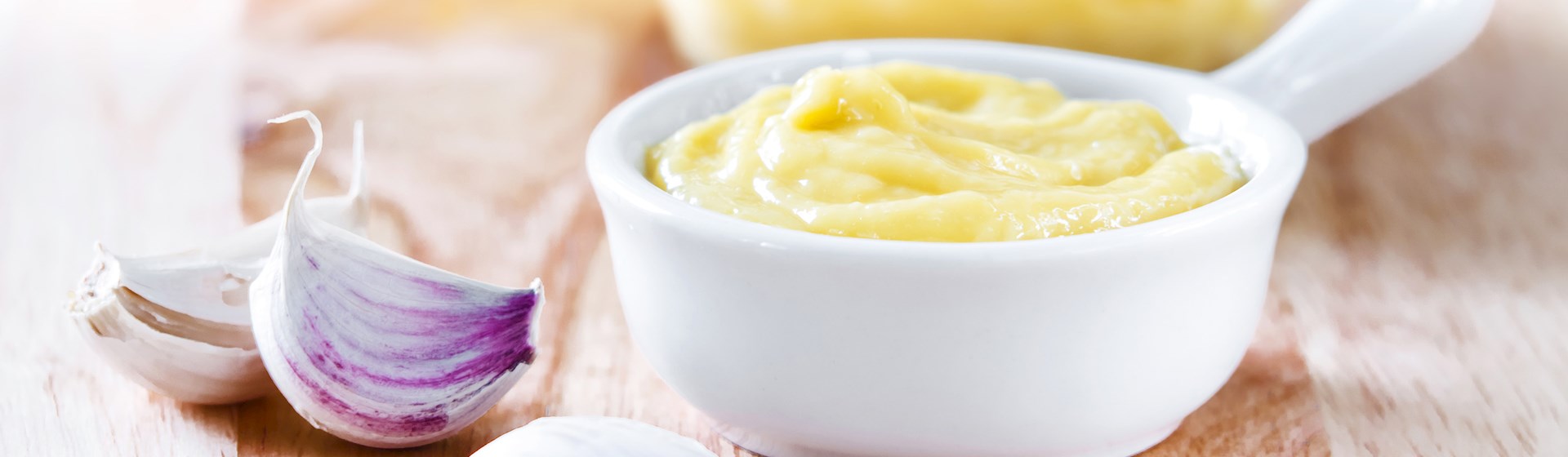
This rich garlic sauce is similar in texture to mayonnaise, and is commonly used in the cuisine of Provençe in France and Catalonia in Spain. Provençal aïoli consists of egg yolks, olive oil, and garlic, while the Catalan version consists only of garlic, salt, and olive oil. Its name comes from ail, meaning garlic, and oli, the Provençal word for oil. Some historians claim that its origins lie in a Roman sauce called aleatum, which was also made with garlic and oil. A sauce similar to aïoli was first mentioned by Pliny the Elder, Roman procurator of Tarragona, in his first-century encyclopedia Naturalis Historia, in which he describes garlic and its powerful medicinal properties. In Provençe, the sauce is made with the first garlic of the season, which is quite tender and does not have an overpowering flavor. Although the sauce was originally meant to accompany cod, it also pairs well with starchy vegetables, meats, cold salads, and eggs, and is usually served at room temperature.

03

Mojo

4.1 ·

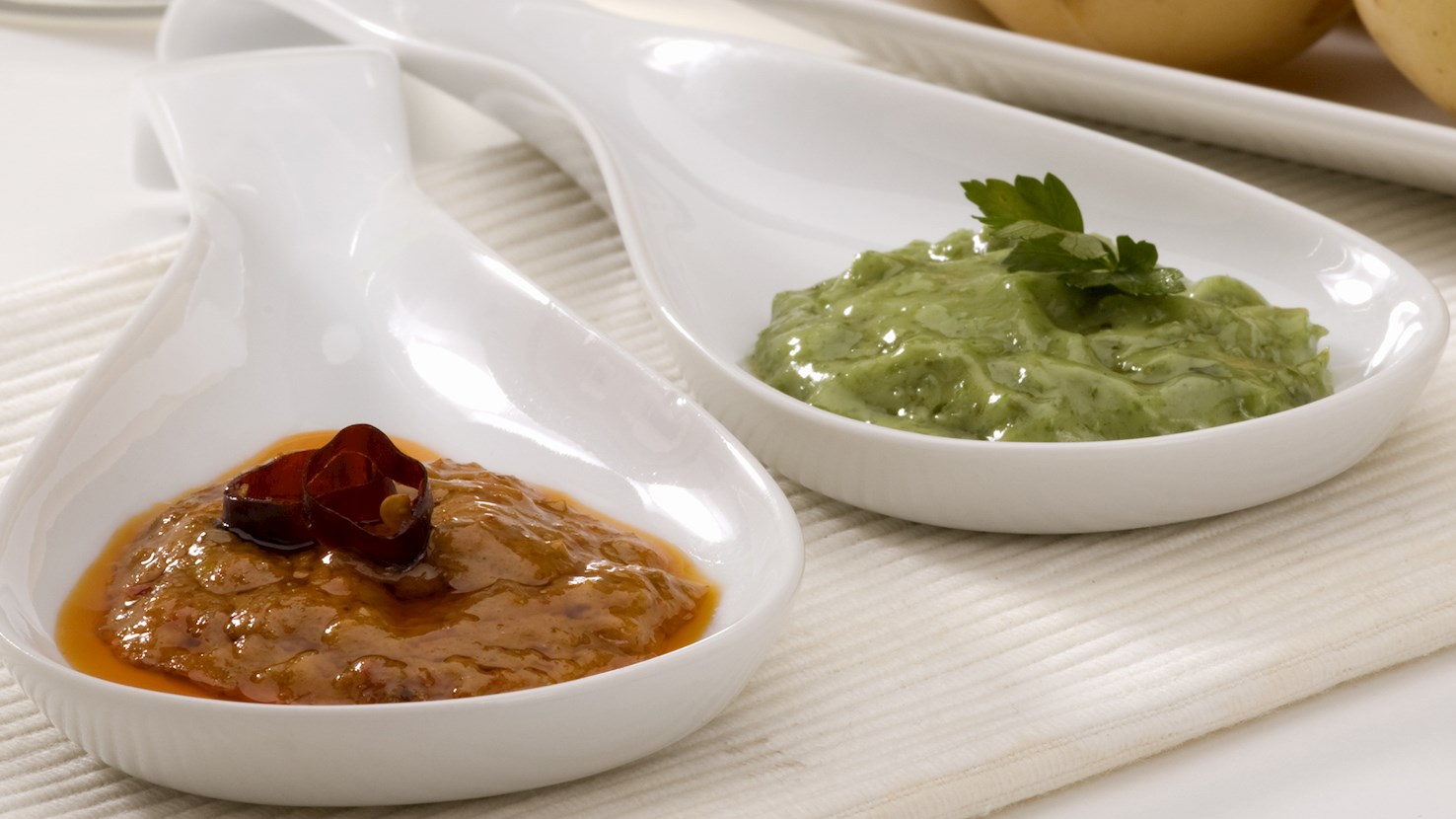
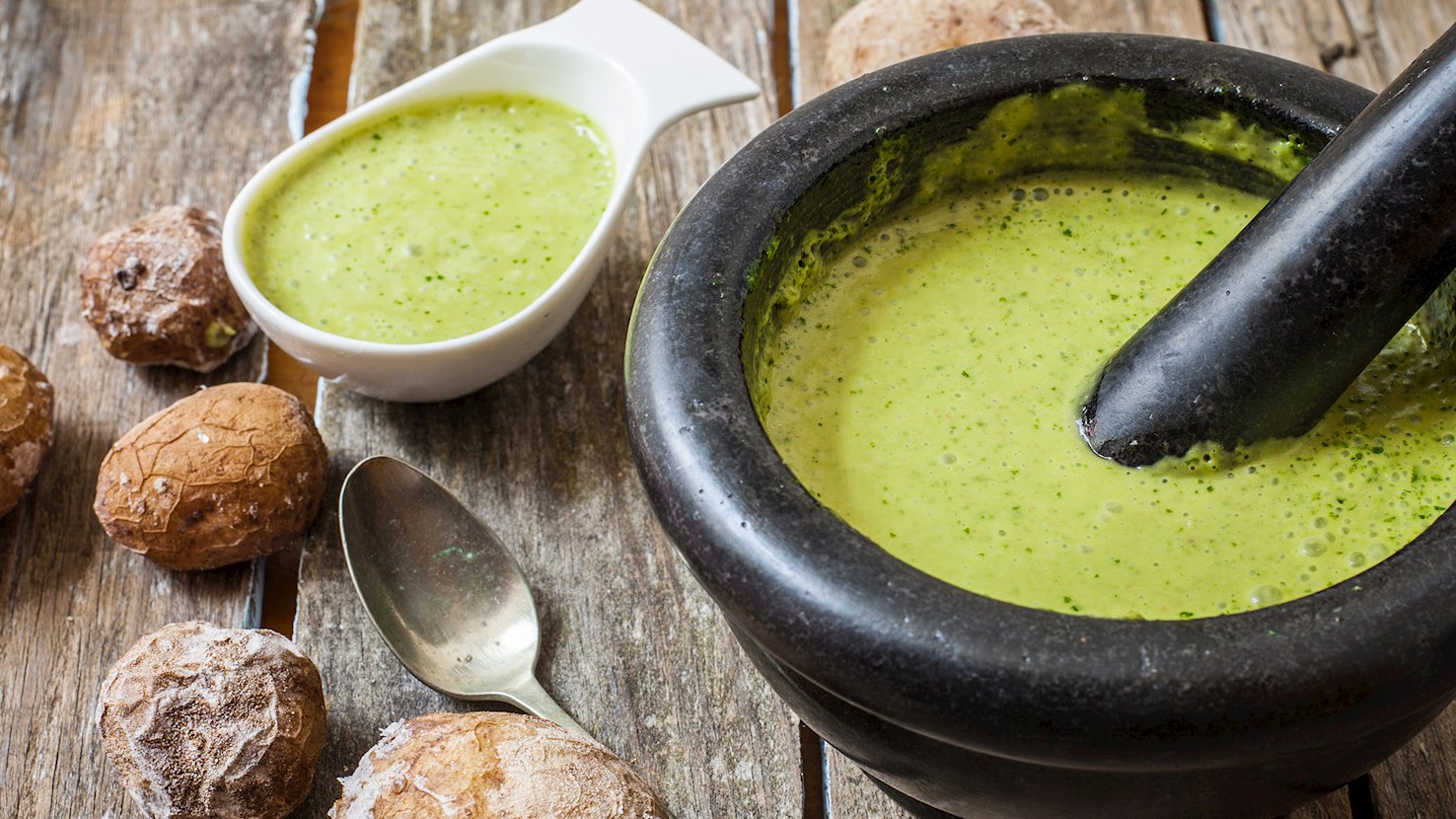
This pungent, acidic sauce is a specialty of the Canary Islands. It can be used as a sauce, baste, marinade, or dip. Traditionally, mojo sauce is made with a base of vinegar, hot peppers, sea salt, cumin, garlic, and olive oil. The sauce can be either red (mojo rojo) or green (mojo verde), depending on whether it is flavored with coriander or paprika. The red version is usually served with meat and potatoes, while the green one is paired with fish dishes. The name of the sauce is derived from the Portuguese word molho, which means sauce.

04

Romesco

4 ·

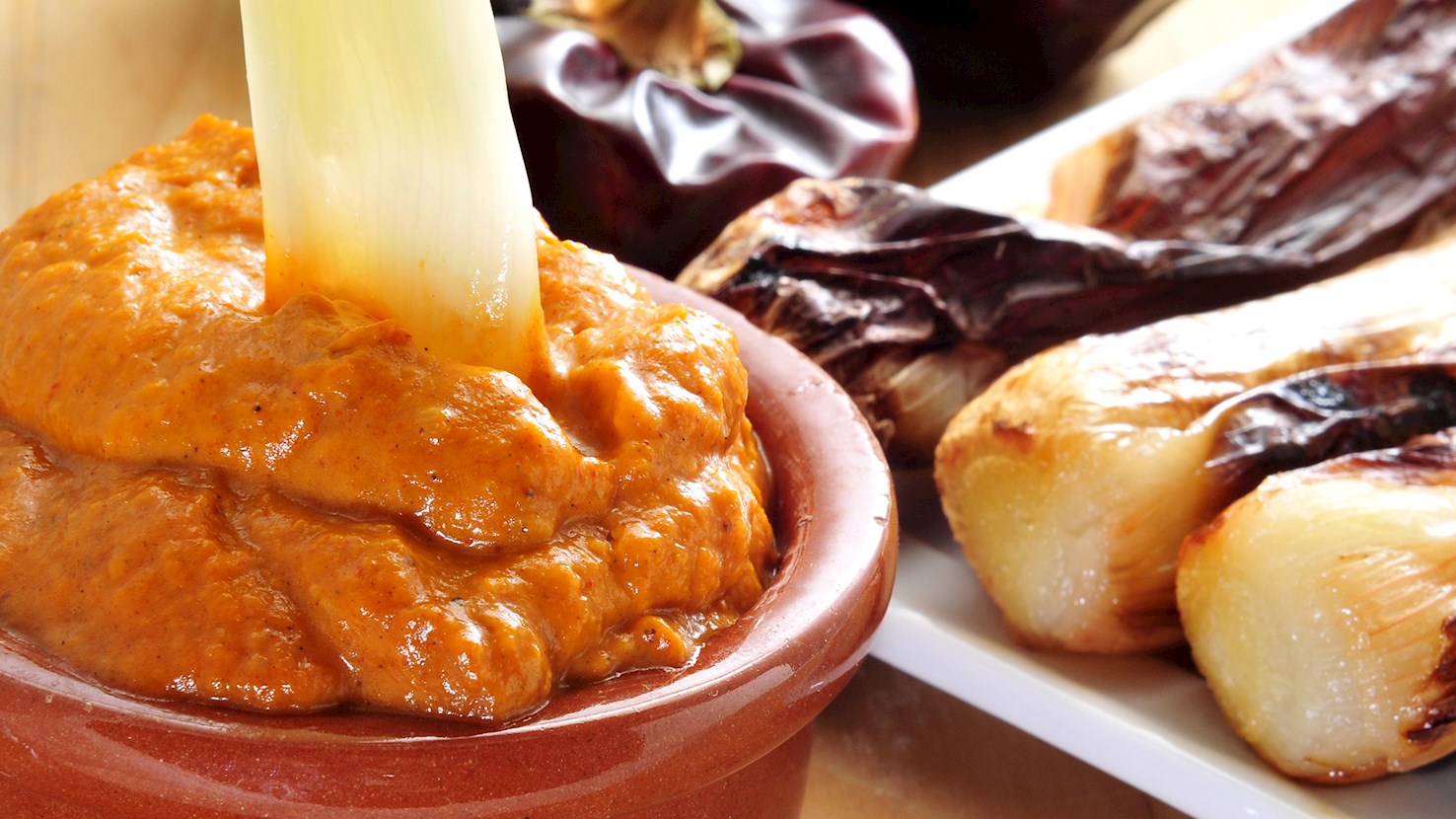
Romesco is a savory Spanish sauce consisting of red peppers, tomatoes, onions, and a variety of roasted or raw nuts such as pine nuts, hazelnuts, and almonds. The sauce is extremely versatile, so it can be served with fish, seafood, salads, vegetables, and meat dishes, although it can also be used in stews, giving them a savory richness. Romesco is also traditionally consumed as a dipping sauce for grilled spring onions, which is another Catalan delicacy.

05

Mojo verde

4 ·

Mojo verde or green mojo is a flavorful sauce that is especially popular in the Canary Islands. It consists of coriander, parsley, green peppers, olive oil, vinegar, garlic, and sea salt. The sauce is typically served with a variety of fish dishes, adding tons of flavor in the process.

06

Salsa brava

3.9 ·

Salsa brava is a traditional sauce known for its bold and spicy flavor, used as a key component of the popular tapa patatas bravas, which consists of fried potatoes topped with this distinctive sauce. The name "salsa brava" translates to "fierce sauce," highlighting its spiciness. The preparation of salsa brava begins with heating olive oil in a saucepan over medium heat. Once the oil is hot, finely chopped onion is added and cooked until it becomes soft and translucent. Minced garlic is then added to the saucepan and cooked for another minute, being careful not to let it burn. Next, smoked paprika and hot paprika are stirred in, followed by flour. This mixture is cooked for 1-2 minutes, stirring constantly to prevent the flour from burning, which helps to thicken the sauce and develop its flavor. Gradually, chicken broth is whisked in, ensuring there are no lumps, and then tomato sauce or crushed tomatoes are added. The mixture is stirred well to combine all the ingredients. The sauce is brought to a gentle simmer and cooked for about 10-15 minutes, or until it thickens to the desired consistency, with occasional stirring to prevent sticking. The sauce is then tasted and salt is added to liking. For a tangy flavor, a tablespoon of vinegar can be stirred in at this point, and the mixture is cooked for an additional minute or two. For a smoother texture, the sauce can be blended using an immersion blender or transferred to a regular blender and processed until smooth. Salsa brava is traditionally served over crispy fried potatoes, but it can also be used to add a spicy kick to other dishes such as grilled meats, seafood, or vegetables.

07

Tomate frito

3.8 ·

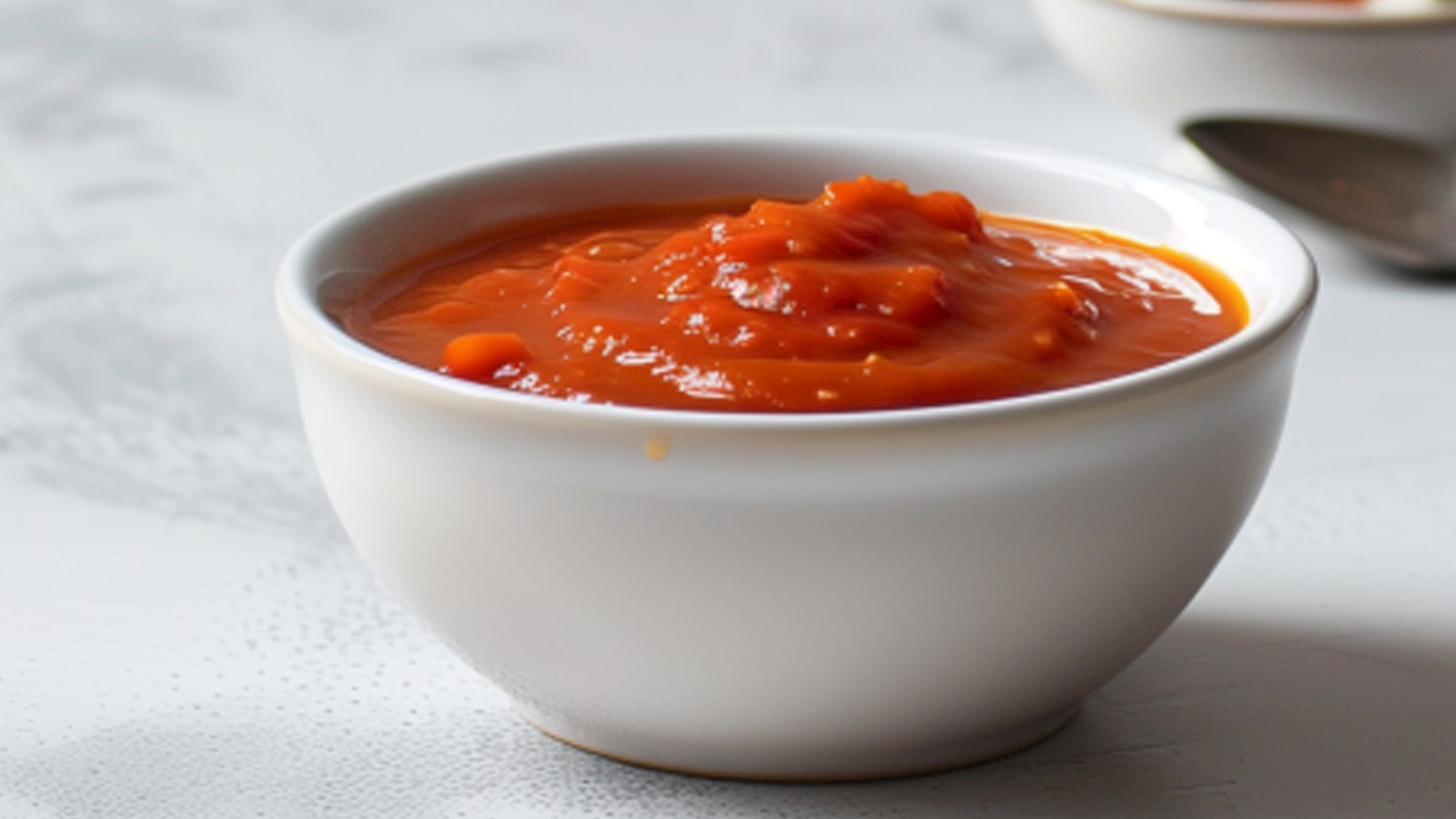
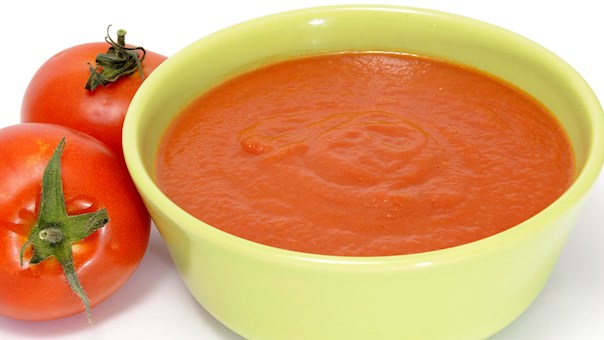
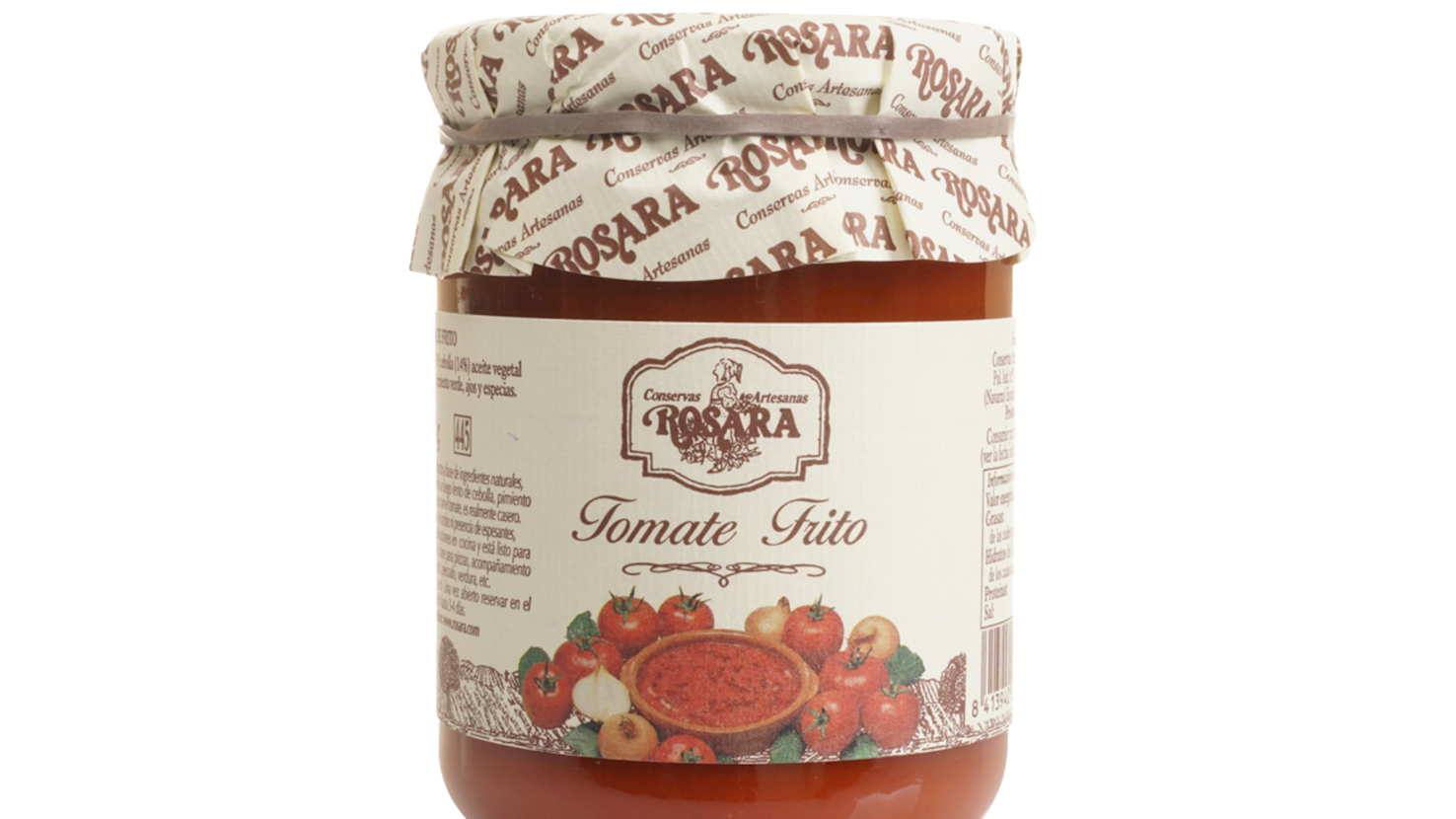
Tomate frito is a basic Spanish sauce consisting of puréed fried tomatoes, salt, sugar, olive oil, and onions. This traditional sauce is used in numerous fish and meat dishes, but it can also be used as a base for pasta, lasagna, or pizza. Sometimes, bay leaves, garlic, or basil are added for extra flavor. The sauce can be made at home or bought in most Spanish supermarkets.

08

Almogrote

3.6 ·

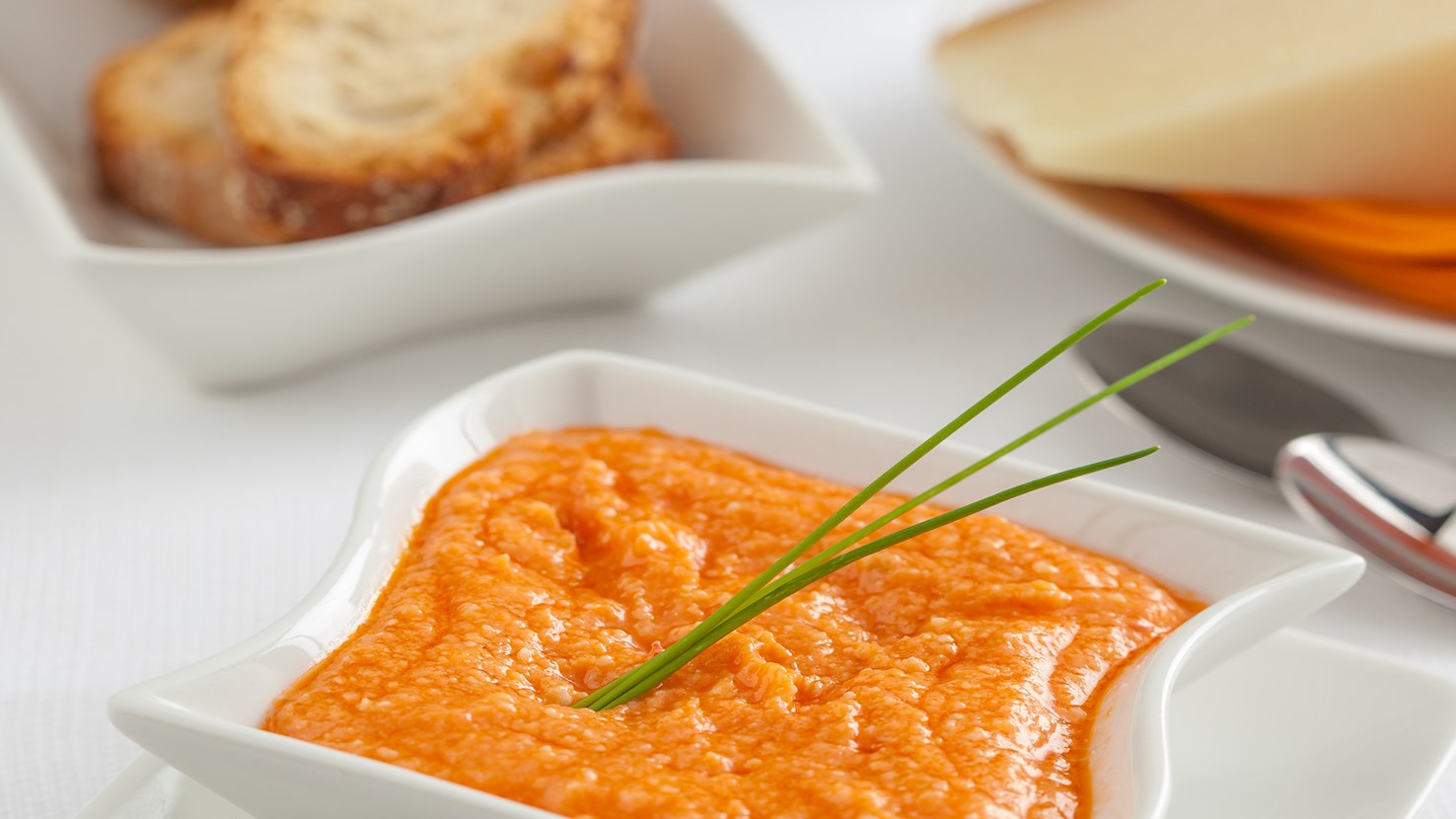
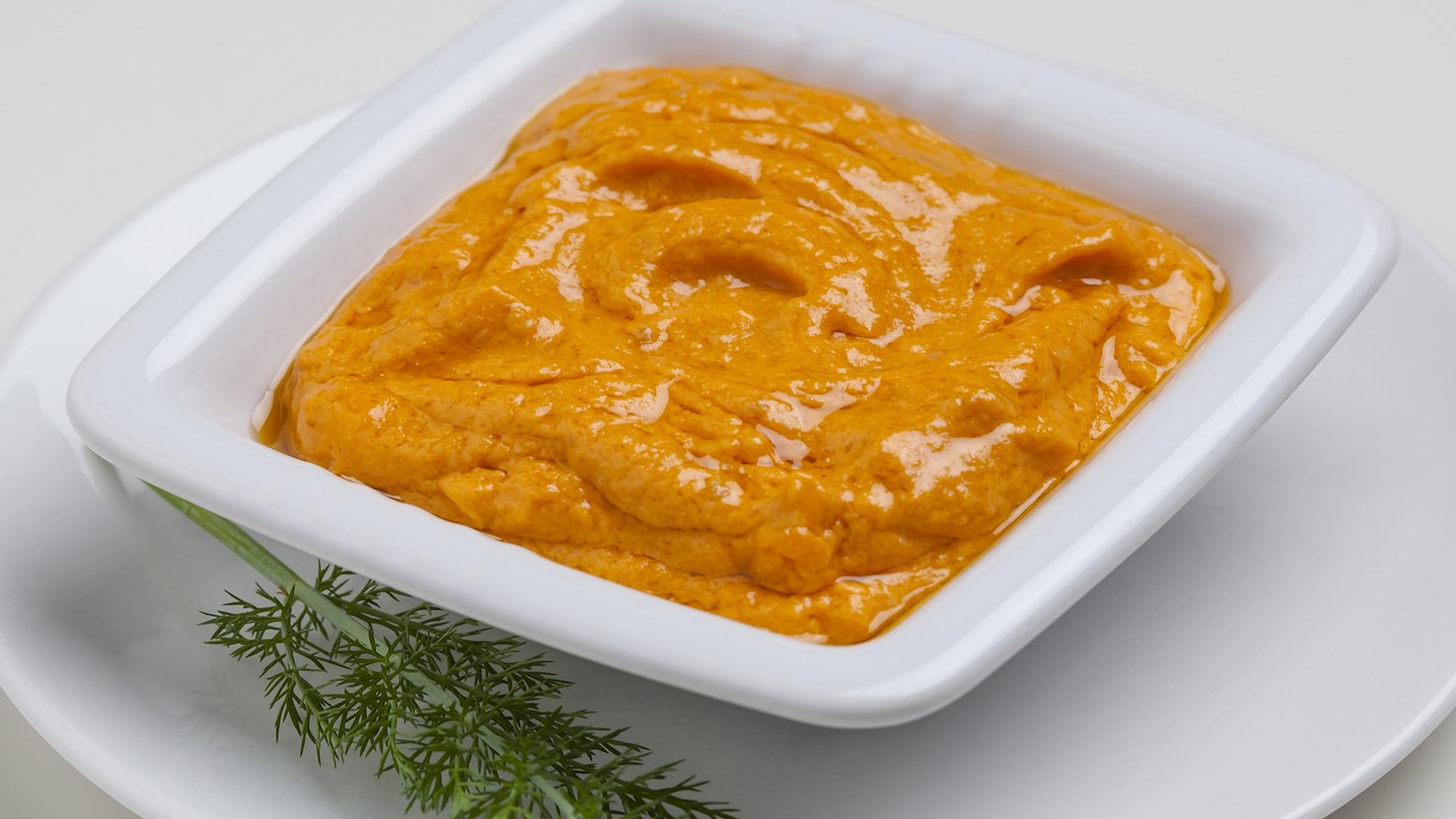
Almogrote is a unique sauce from the Canary Islands, consisting of over-cured hard cheese, garlic, olive oil, and peppers. It is traditionally prepared using a wooden mortar and pestle, but it can also be made in a blender. After it has been prepared, almogrote is usually spread on toasted bread or used as a sauce. It is recommended to pair it with a glass of wine.

09

Salsa Vizcaina

3.5 ·

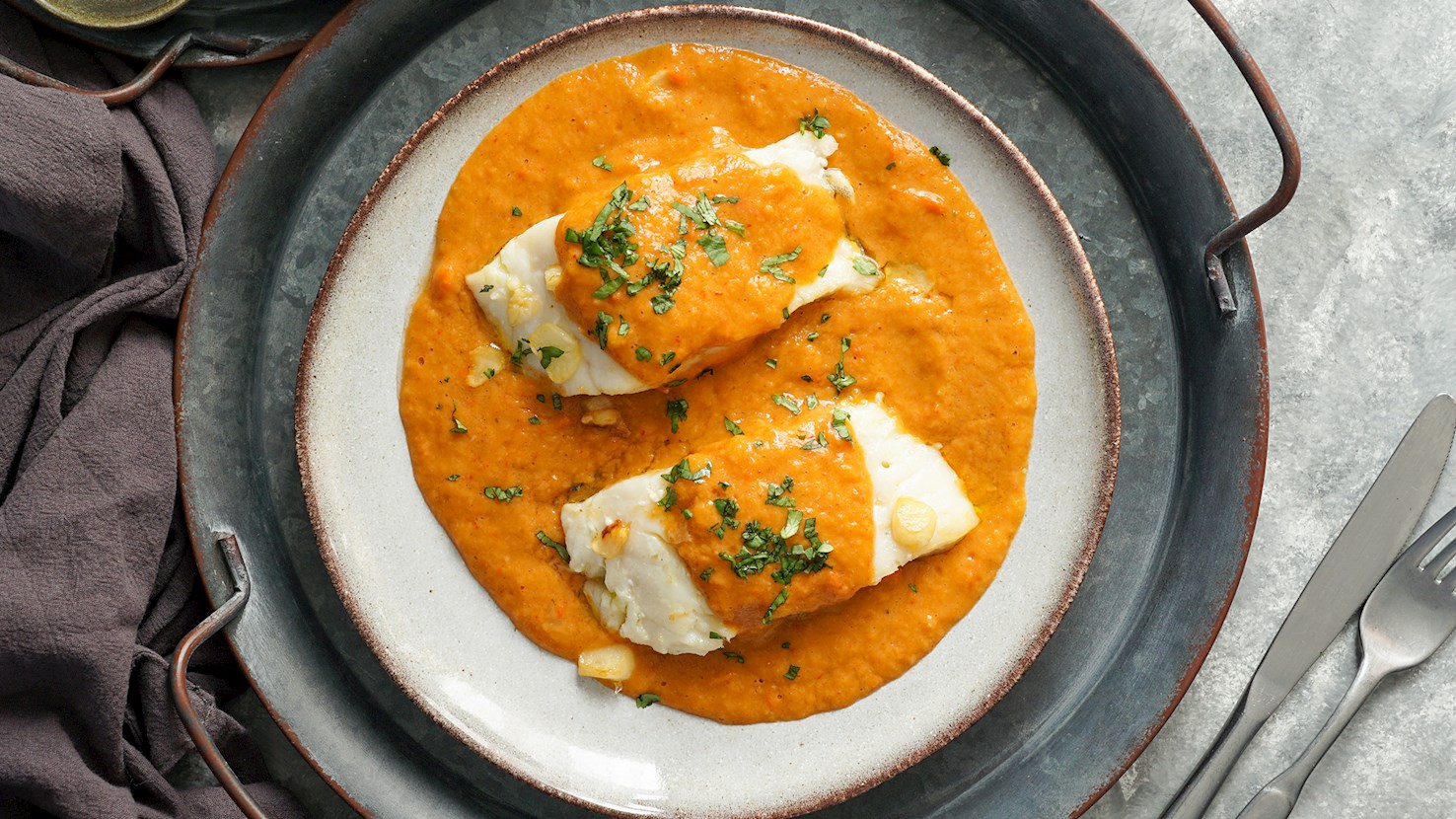
Salsa Vizcaina is a classic red sauce originating from Basque Country. It's made with red onions, garlic, and choricero peppers. The onions are sautéed in olive oil with the addition of deseeded choricero peppers and stock. The combination is seasoned with salt and blended until the sauce has a consistency of a tomato sauce. But some people claim that salsa Vizcaina also contains tomatoes, and it's an issue that's caused debates in Spain for many years. However, the sauce probably wasn't made with tomatoes because some say it had already been prepared in Vizcaya before fresh tomatoes even entered the market. This sauce found its perfect pairing when Basque fishermen brought back salt cod from Newfoundland, but it can also be served with fried potatoes, pork shank, or grilled chicken breasts for an explosion of flavors.

10

Xató (sauce)

3.5 ·

Xató is a simple Catalan sauce made with breadcrumbs, garlic, hazelnuts, almonds, vinegar, olive oil, dried nyora peppers, and a bit of salt. It is traditionally prepared in a mortar, but home cooks can easily make it in a blender. Originally, xató comes from the Garraf and Penedès regions, where it is usually prepared for the Carnival and used as an accompaniment to different varieties of filled omelets. Apart from that, the sauce is traditionally used as a dressing for the eponymous xató salad that consists of endive leaves, anchovies, Arbequina olives, salt cod, and tuna.

11

Samfaina

3.2 ·
12

Salsa española

2.9 ·
13

Picada

2.5 ·
Read more
View all
View map
About this ranking

TasteAtlas food rankings are based on the ratings of the TasteAtlas audience, with a series of mechanisms that recognize real users and that ignore bot, nationalist or local patriotic ratings, and give additional value to the ratings of users that the system recognizes as knowledgeable. For the “Top 13 Spanish Sauces” list until May 15, 2026, 983 ratings were recorded, of which 839 were recognized by the system as legitimate. TasteAtlas Rankings should not be seen as the final global conclusion about food. Their purpose is to promote excellent local foods, instill pride in traditional dishes, and arouse curiosity about dishes you haven’t tried.

The initial list of top producers was compiled based on available reviews, awards, local recommendations, media and blog coverage, and consumer reviews. The list will be updated with ratings from TasteAtlas local ambassadors and TasteAtlas users.

Similar lists