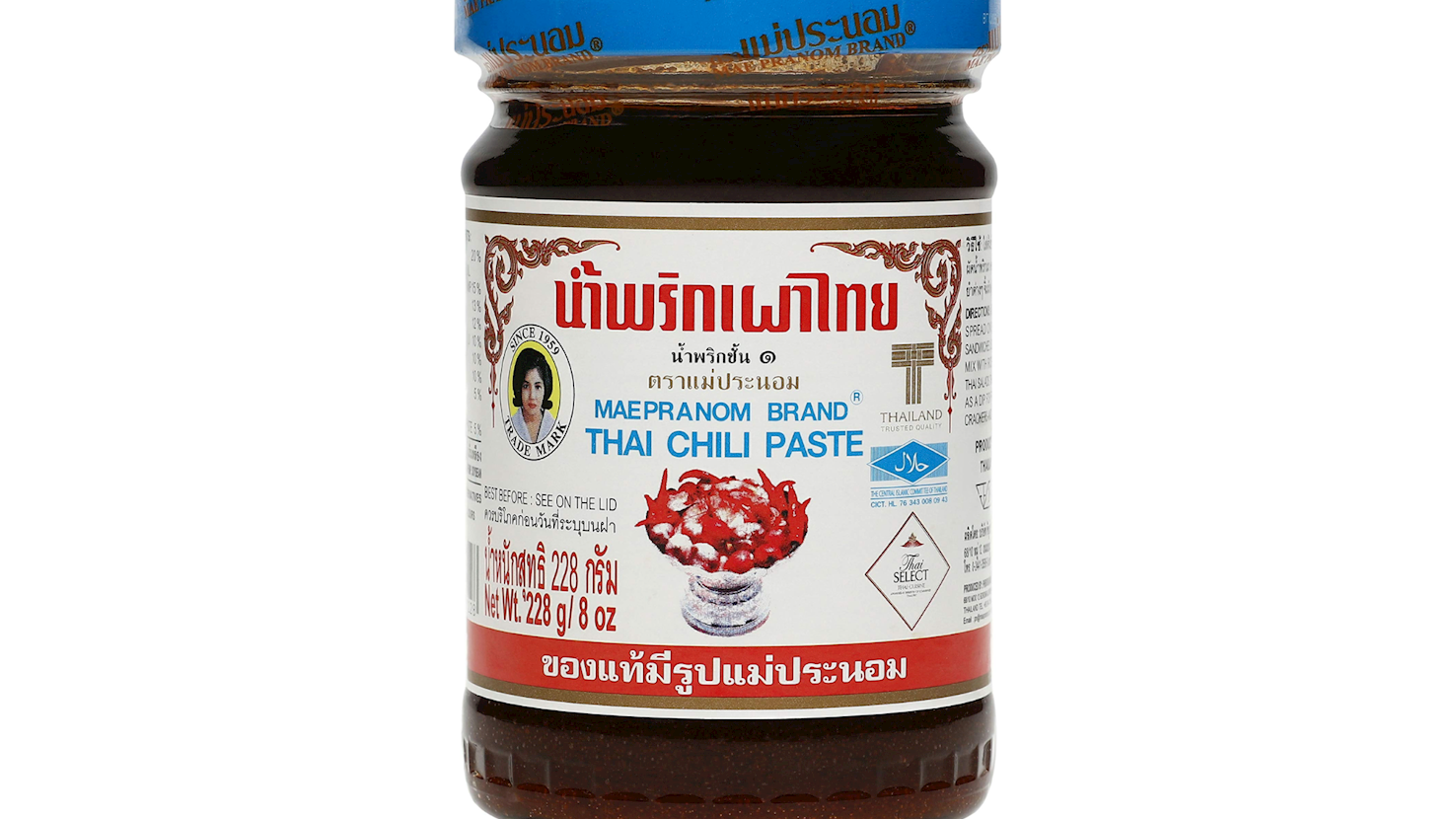
Maepranom is one of Thailand’s most recognized brands of curry pastes, sauces, and condiments, with roots dating back to 1959 when Pranom and Sirichai Daengsupha founded Phiboonchai Maepranom Thai Chili Paste. The brand was named after its founder, Pranom Daengsupha, whose portrait remains a distinctive feature on the packaging to this day. The company began by producing traditional Thai chili paste and gradually evolved into one of the country’s leading manufacturers of ready-to-use and semi-prepared food products. Its portfolio includes chili pastes, curry pastes, sweet chili sauces, dipping sauces, seasoning blends, and ingredients for preparing authentic Thai dishes. Maepranom is particularly known for preserving traditional Thai flavors while adhering to modern production and food safety standards. Its products are exported worldwide and are widely regarded as some of the most recognizable representatives of Thai cuisine on the international market. Through a combination of culinary heritage, quality ingredients, and consistent innovation, Maepranom has established itself as a leading ambassador of Thailand’s rich food culture.
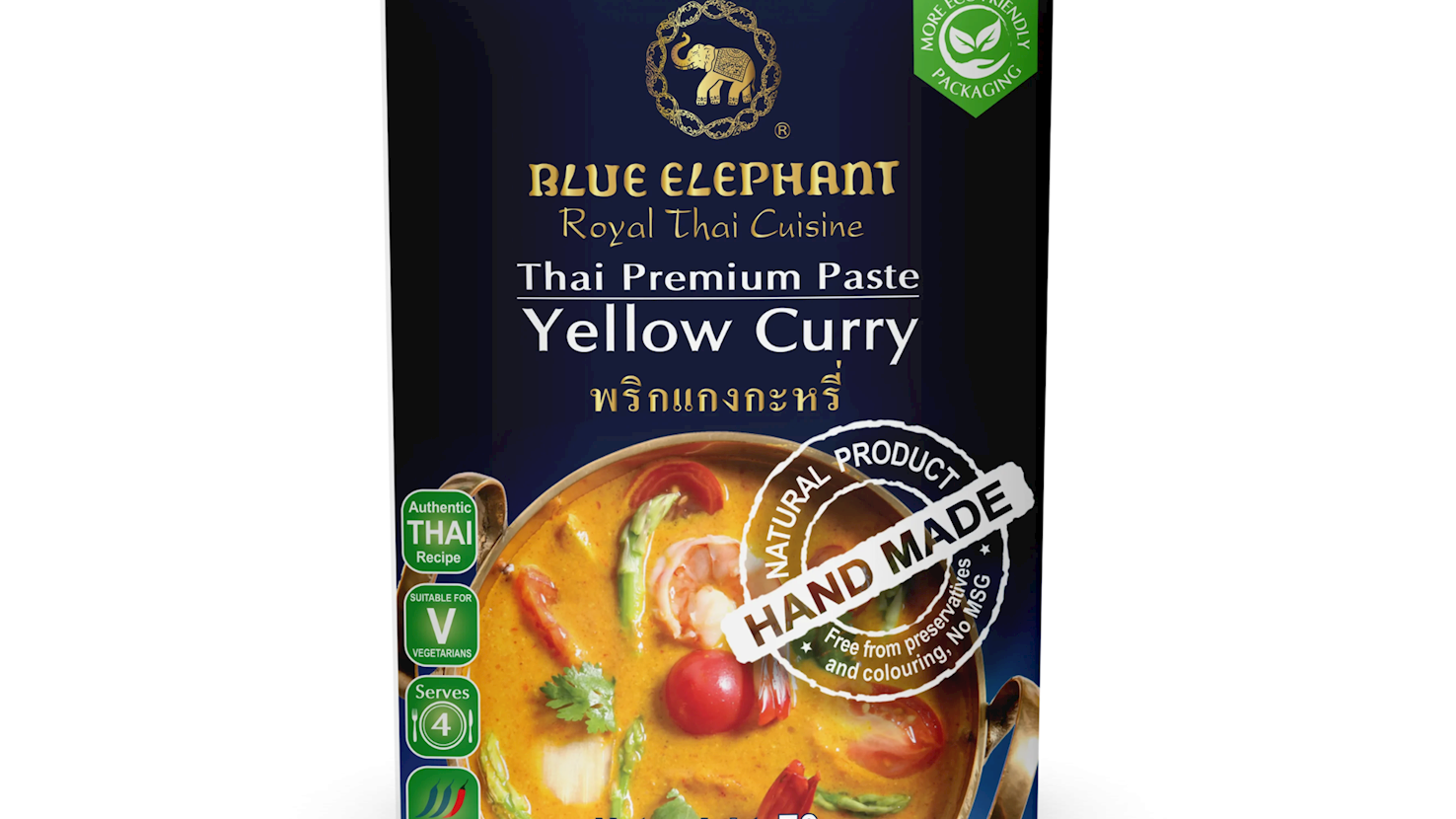
Blue Elephant is a globally recognized Thai culinary brand founded by Master Chef Nooror Somany Steppe and Karl Steppe. Established with the opening of its first restaurant in Brussels in 1980, the company has grown into an international ambassador of Thai heritage cuisine through its restaurants, cooking schools, and premium food products.
Blue Elephant is dedicated to preserving and promoting traditional Thai recipes, regional culinary traditions, and authentic ingredients while adapting them for a global audience. Its product portfolio includes curry pastes, sauces, seasonings, rice, noodles, teas, and gourmet gift sets developed from Chef Nooror’s recipes and produced in Thailand.
Through a combination of culinary education, food manufacturing, and hospitality, Blue Elephant has become one of the most influential brands representing Thai gastronomy worldwide, with its products available in more than 45 countries.
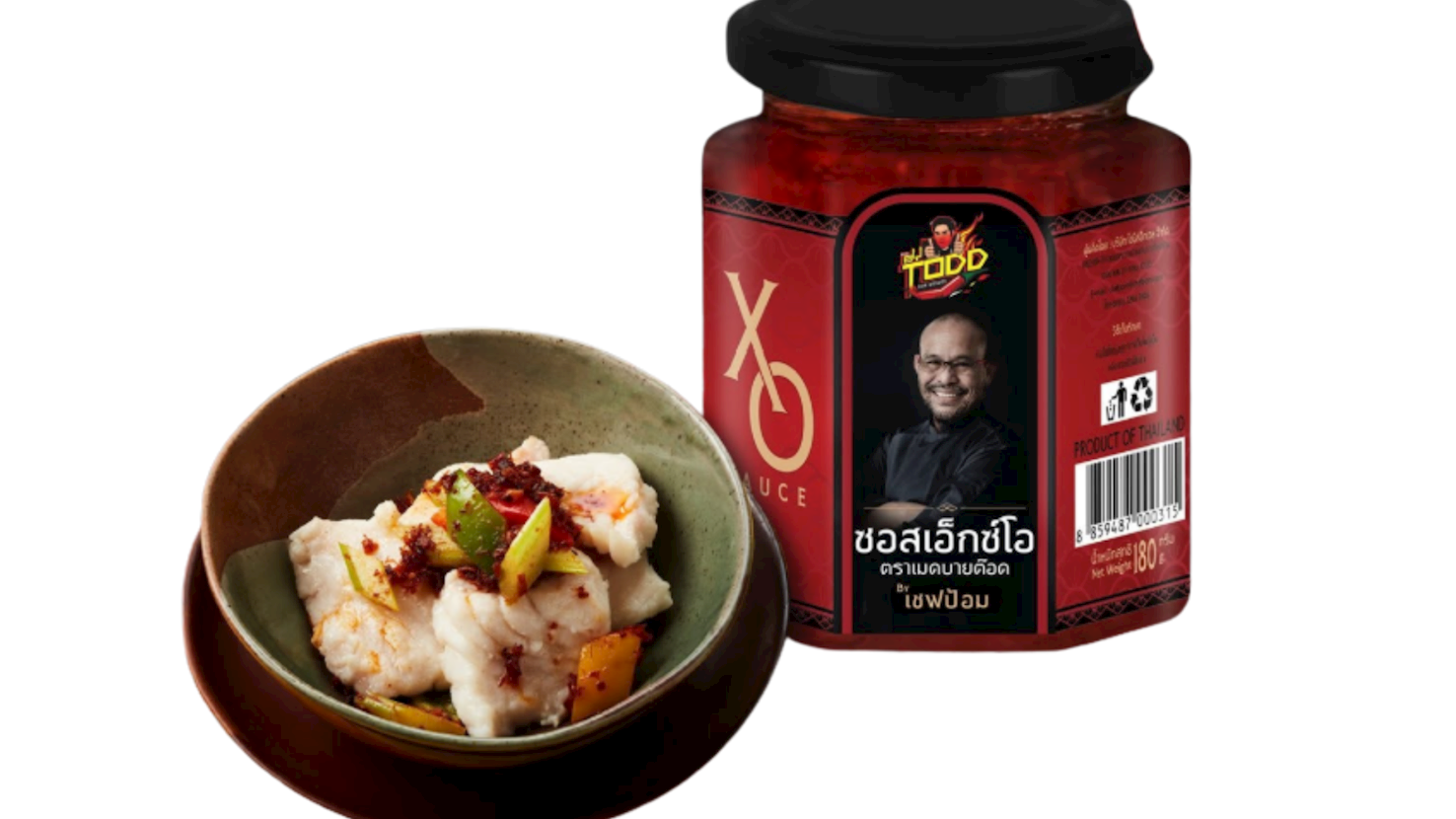
Chef Pom is a Thai culinary brand created by renowned chef Thanarak Chuto, widely known as Chef Pom and recognized as one of Thailand's leading experts in Chinese cuisine. The brand was established with the aim of combining traditional Chinese culinary techniques with a contemporary approach to food preparation and presentation, placing a strong emphasis on premium ingredients and authentic flavors. Its menu features Cantonese specialties, dim sum, Peking duck, seafood dishes, soups, and other classic Chinese recipes prepared with modern refinement. The brand is distinguished by its commitment to high-quality ingredients, precise culinary craftsmanship, and elegant presentation. Chef Pom gained nationwide recognition through television cooking competitions, including Iron Chef Thailand, where its founder became one of the country's most prominent chefs. Beyond its restaurants, the brand is also involved in hospitality consulting, culinary events, and educational programs for professional chefs and food enthusiasts. Through its consistent quality and the strong reputation of its founder, Chef Pom has become one of the leading names in contemporary Chinese gastronomy in Thailand.
Gaeng is a Thai word for the world-famous Thai curry paste, either yellow, red, or green in color, sorted by the order of spiciness where yellow curry is slightly spicy and green curry is the spiciest. Yellow curry consists of coconut milk as its base and toasted and powdered variety of spices such as turmeric, anise, cinnamon, dried chilis, bay leaves, ginger, coriander, cumin, and fermented shrimp paste. Yellow curries are often prepared with bits of beef, lamb or chicken, onions, potatoes, and pineapple. Red curries consist of coconut milk, red chili powder, white pepper, cumin, nutmeg, coriander, garlic, lemongrass, ginger, and grated kaffir limes. The sauce pairs well with roasted pork, beef, shrimp, duck, eel, bamboo shoots, Thai basil, and pumpkin. Green curries consist of coconut milk, hot green chilis, lemongrass, ginger, coriander, cumin, white pepper, onions, palm sugar, grated kaffir lime, garlic, and holy basil (Thailand's beloved pungent herb). This devilishly hot curry pairs well with beef or chicken and Thai eggplants. There is also a popular Thai curry that is not linked with a specific color - massaman curry, consisting of cumin, caraway, cloves, anise, cinnamon, cardamom, white pepper, ginger, nutmeg, cashews, lime, garlic, lemongrass, and the extremely hot bird's eye chilis. Massaman curry is a legacy of Muslim spice traders, so it is not usually paired with pork, but with tamarind, bitter oranges, potatoes, pineapples, chicken, or beef, which is the reason why it is more aromatic than spicy in the end. One might wonder why most curries are served with rice on the side, and the reason is that beverages and liquids spread the spicy, hot oils all over the surface of the tongue while rice is used to "mop them up" - so the next time you eat a hot and spicy curry, try eating more rice instead of drinking a cold beverage to soothe the palate.
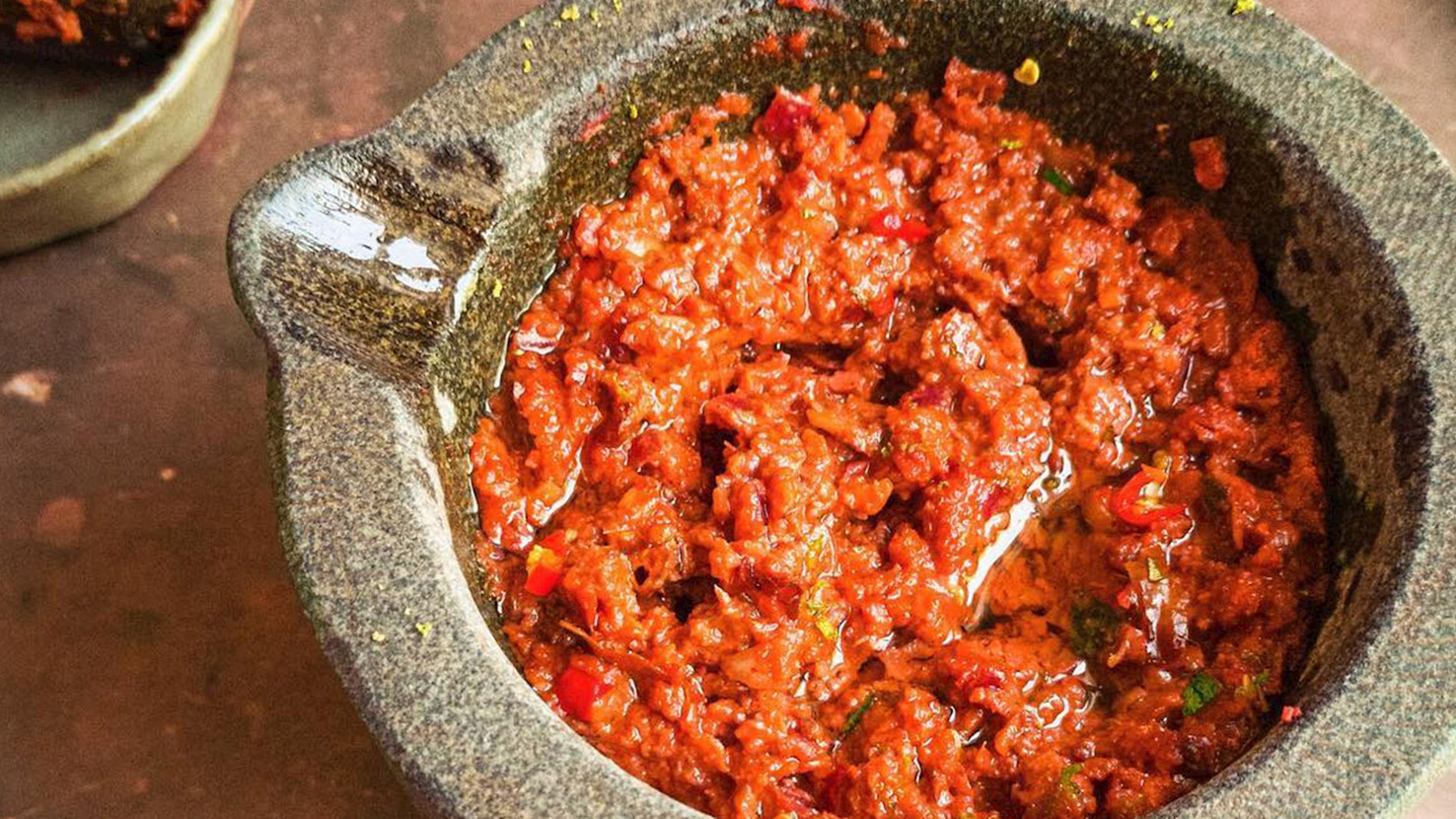
The term nam phrik refers to a vast range of chili-based sauces that are found throughout Thailand. Although the sauces may vary in consistency, they are traditionally prepared in a mortar, and apart from fresh or dry chili peppers, they usually consist of lime juice, garlic, seasonings, as well as fish sauces or shrimp paste. Different regional varieties include ingredients such as galangal, sugar, tamarind, and even dry or fermented fish and fruits. Most nam phrik are served as dipping sauces with vegetables and meat or fish.
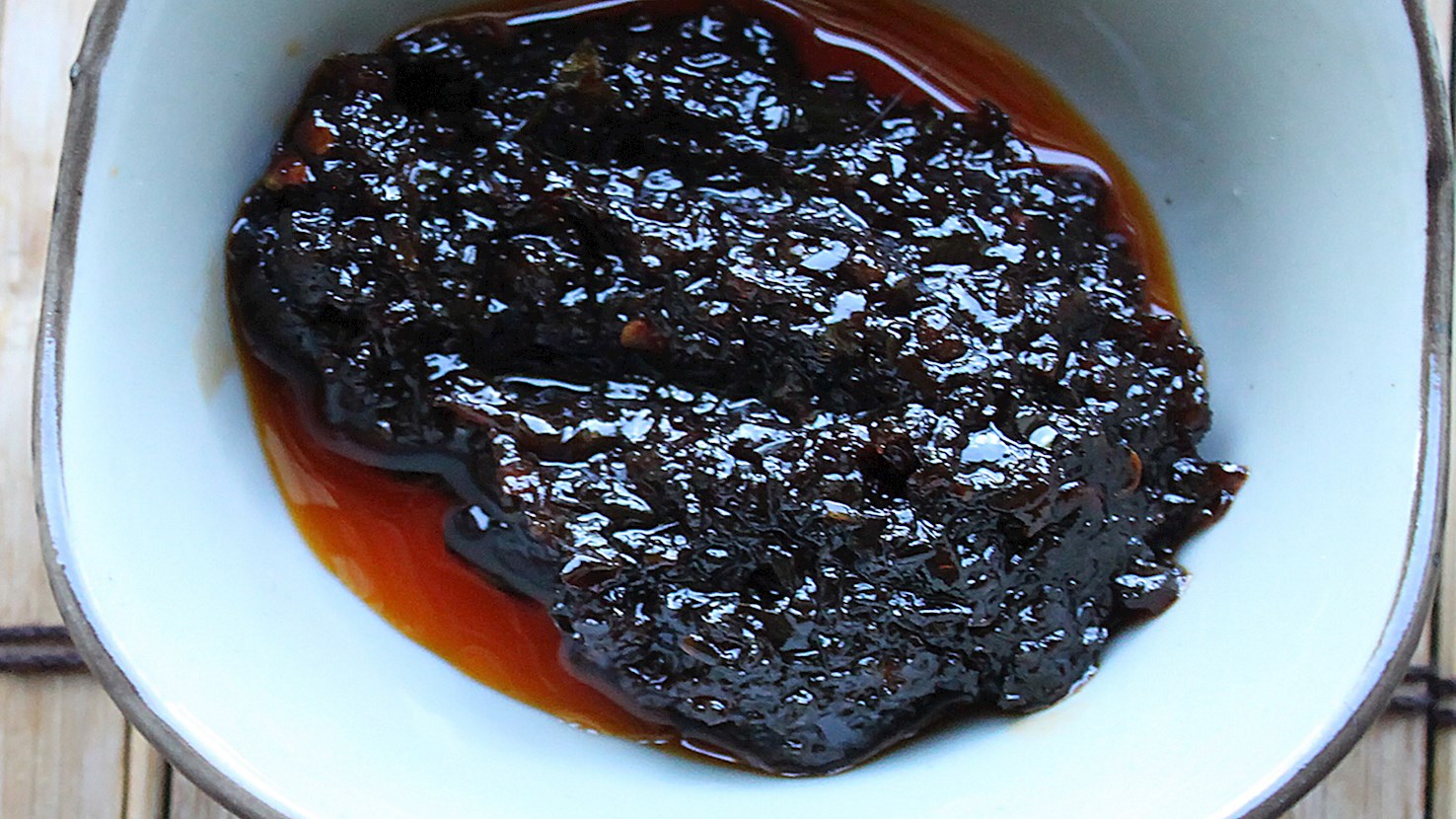
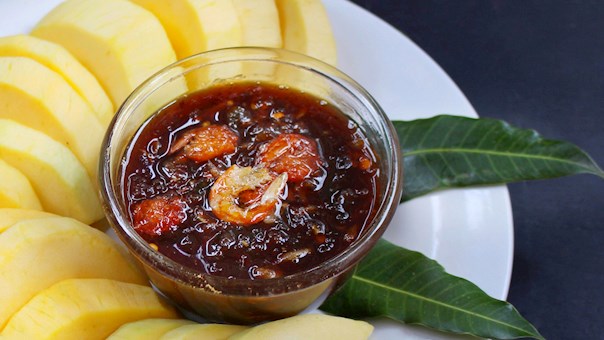
Nam phrik phao is a versatile Thai concoction and a secret ingredient in numerous Thai dishes. It is made with a combination of roasted chili peppers, dried shrimp, garlic, shallots, ginger, fish sauce, tamarind paste, fermented shrimp paste, and palm sugar. It can be used as a sauce, condiment, a dip, or a spread, along with being used in a number of different dishes as a cooking ingredient.
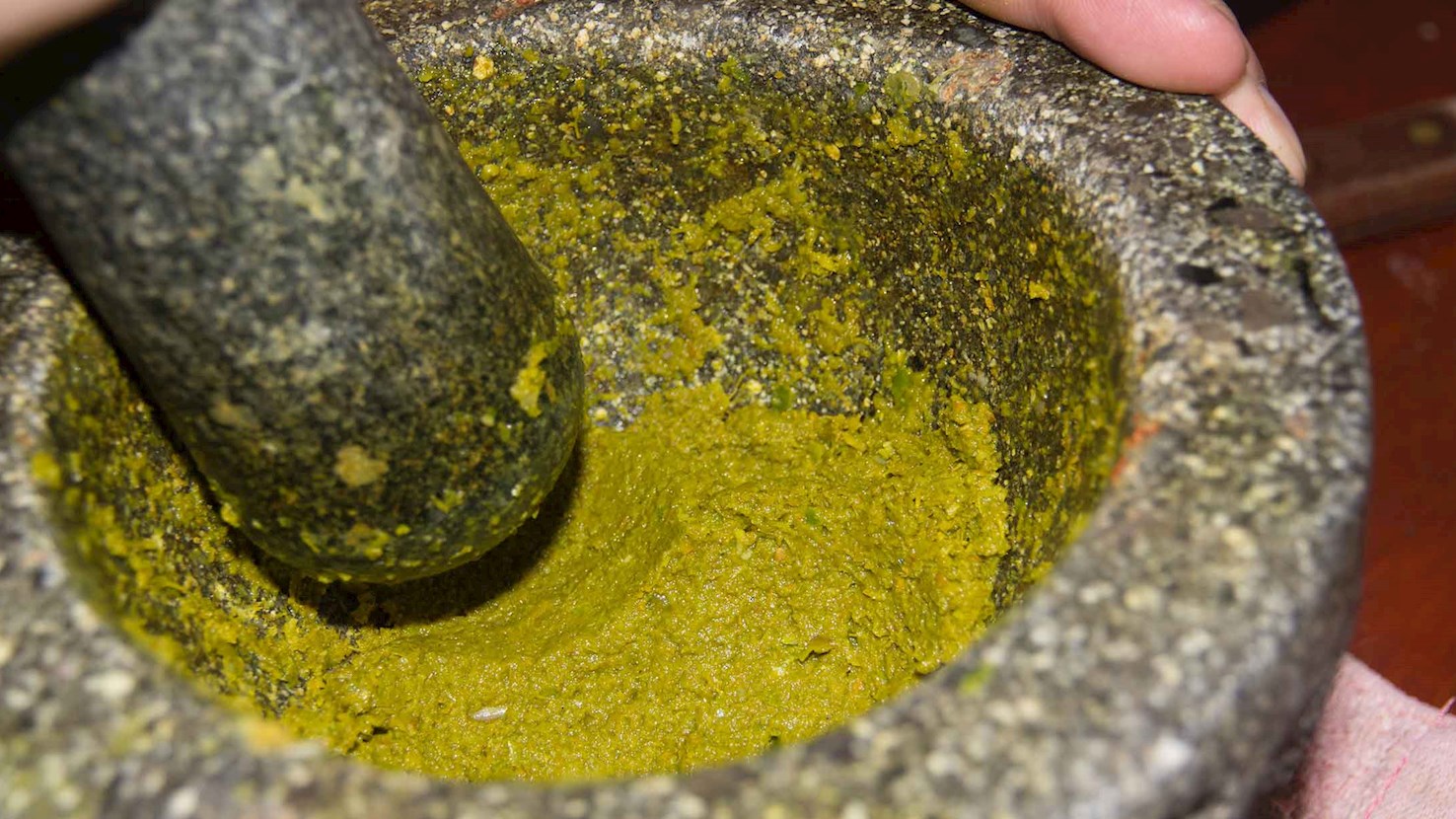
Gaeng kiew wan is the name for green Thai curry paste. Although there are variations, it's usually made with a combination of green chili peppers, lemongrass, coconut milk, coriander, ginger, cumin, onions, white pepper, palm sugar, garlic, holy basil, and grated kaffir lime peel. The ingredients are mashed into a paste with a mortar and pestle, and the paste is then used to make spicy green curries that often contain fish, beef, or chicken, eggplants, basil, and even fruit.
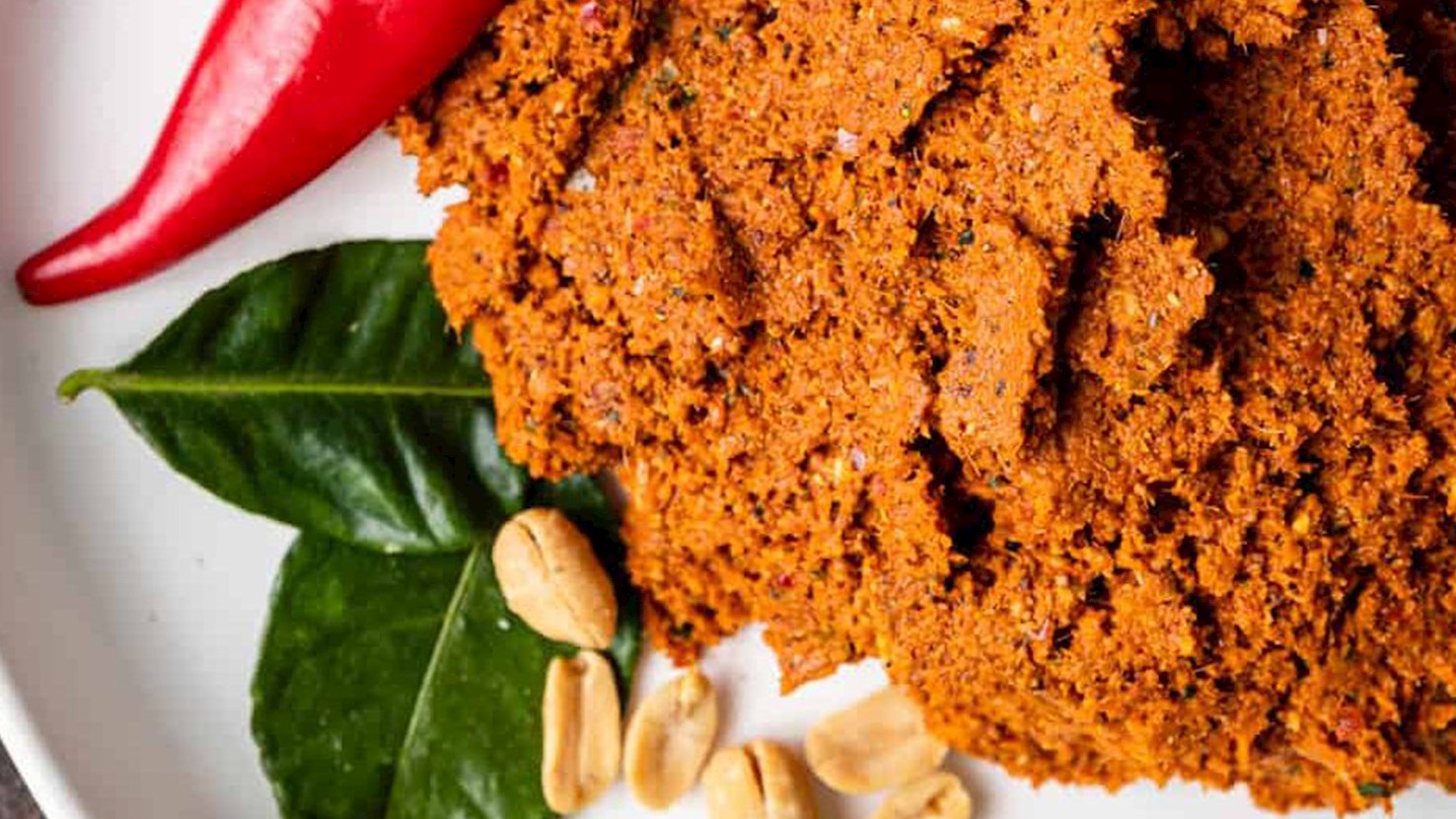
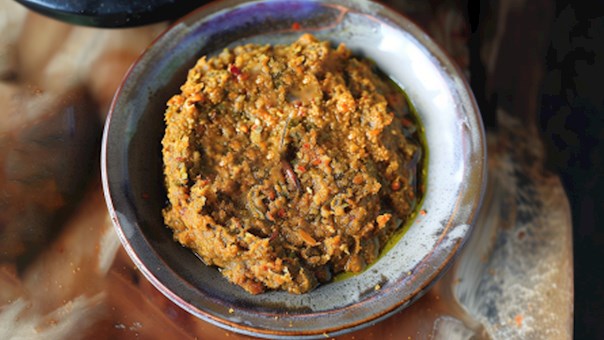
Panang curry paste is a Thai curry paste characterized by a vibrant red color, nutty flavor, and rich texture. It is prepared with lots of herbs, spices, and aromatics, namely Thai spur chillis, cumin, coriander, white peppercorns, lemongrass, galangal, makrut lime leaves, cilantro roots, garlic, shallots, shrimp paste, roasted peanuts, and salt. The preparation starts with deseeding and soaking the chilies and roasting the cumin and coriander. The cumin, coriander, and peppercorns are finely ground in a mortar and pestle, and then the other so-called "wet" ingredients are added to the dry ones and mortar and pestled until a paste is formed. Compared to the similar Thai red chili paste, panang curry paste is less red as it has less chilis and is richer. It is used in the preparation of Panang Thai curry, and commercially produced ones will typically have mung beans instead of peanuts, as many people are allergic to peanuts.
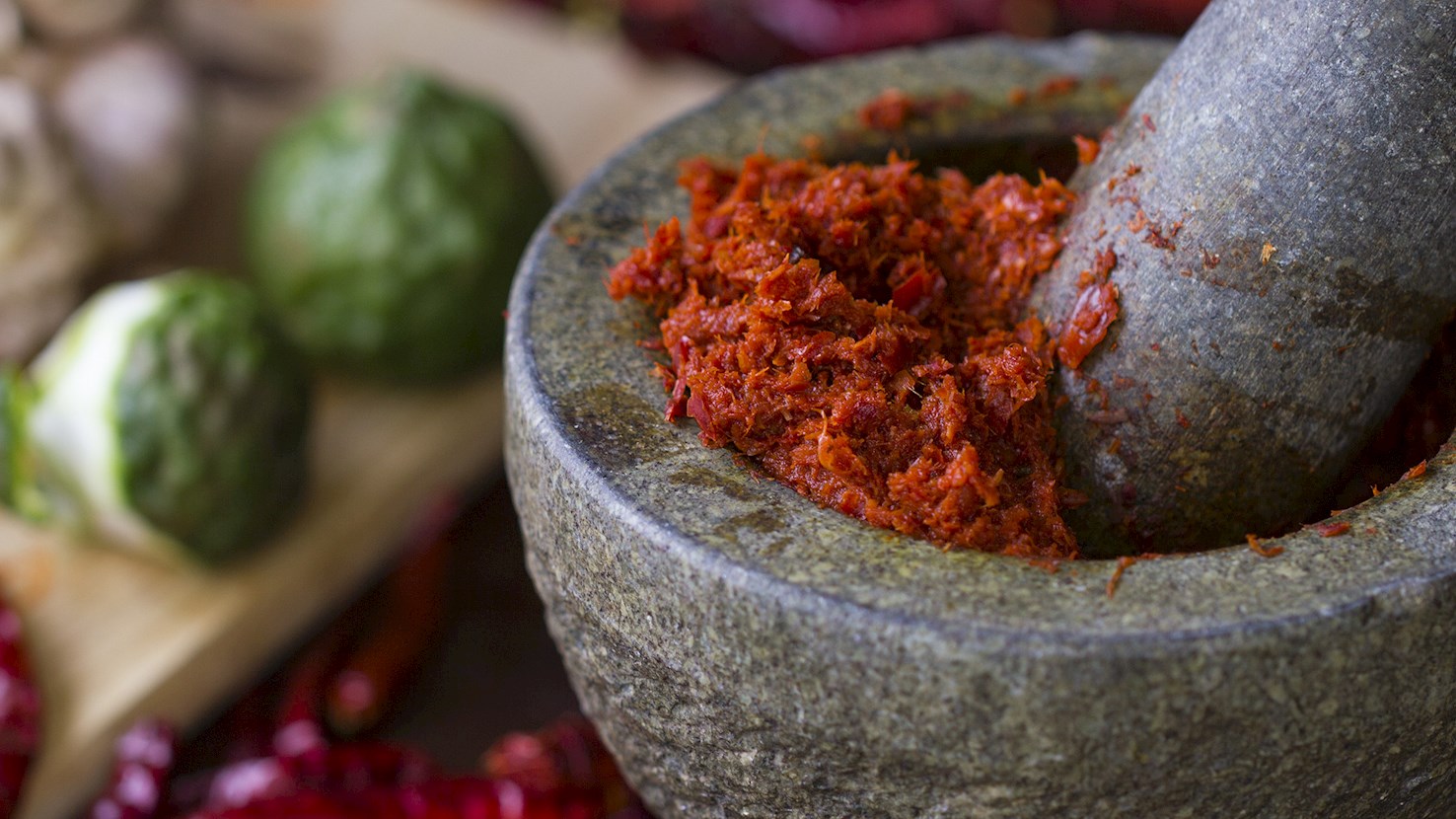
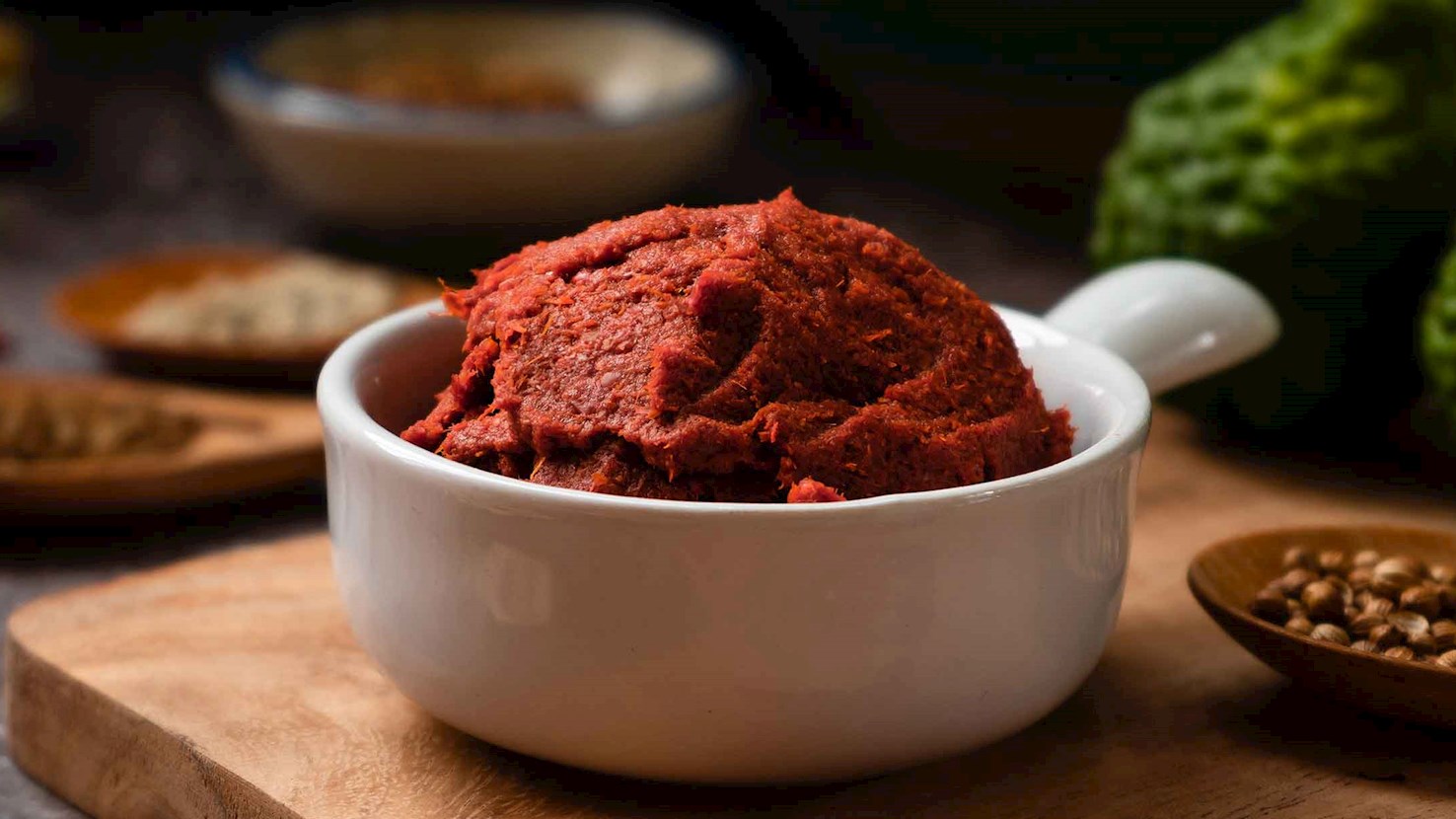
Phrik kaeng phet is the name for red Thai curry paste. Although there are variations, it's usually made with a combination of garlic, shallots, red chili peppers, shrimp paste, coriander, cumin, peppercorns, salt, coconut milk, nutmeg, lemongrass, and grated kaffir lime peel. The ingredients are mashed into a paste with a mortar and pestle, and the paste is then used to make red curries that often contain pork, beef, shrimp, duck, or eel, bamboo shoots, pumpkin, and Thai basil.
Panang curry paste is a type of Thai curry paste that is used as the base for Panang curry, a dish named after the island of Penang in Malaysia but widely popular in Thailand. This curry paste is known for its rich, savory, and slightly sweet flavor profile, distinguishing it from other Thai curries. The key ingredients in Panang curry paste include dried red chili peppers, which contribute to its mild to medium spiciness, along with lemongrass, galangal, garlic, shallots, coriander roots, makrut lime zest, cumin seeds, peanuts, and shrimp paste. The inclusion of ground peanuts in the paste gives Panang curry its signature nutty flavor and thicker consistency. Panang curry is typically prepared with meat, such as beef, chicken, or pork, and is less soupy than other Thai curries, served with a thicker sauce and often garnished with kaffir lime leaves and sliced red chilis.
Nam prik gaeng karee is the name for yellow Thai curry paste. Although there are variations, it's usually made with a combination of yellow chili peppers, shallots, galangal, garlic, lemongrass, cumin, coriander, cinnamon, shrimp paste, fish sauce, turmeric, white pepper, brown sugar, coconut milk, tomatoes, and lime juice. The ingredients are blended into a smooth paste, and the paste is then used to make yellow curry, which often contains beef, lamb, or chicken, potatoes, onions, and pineapple.
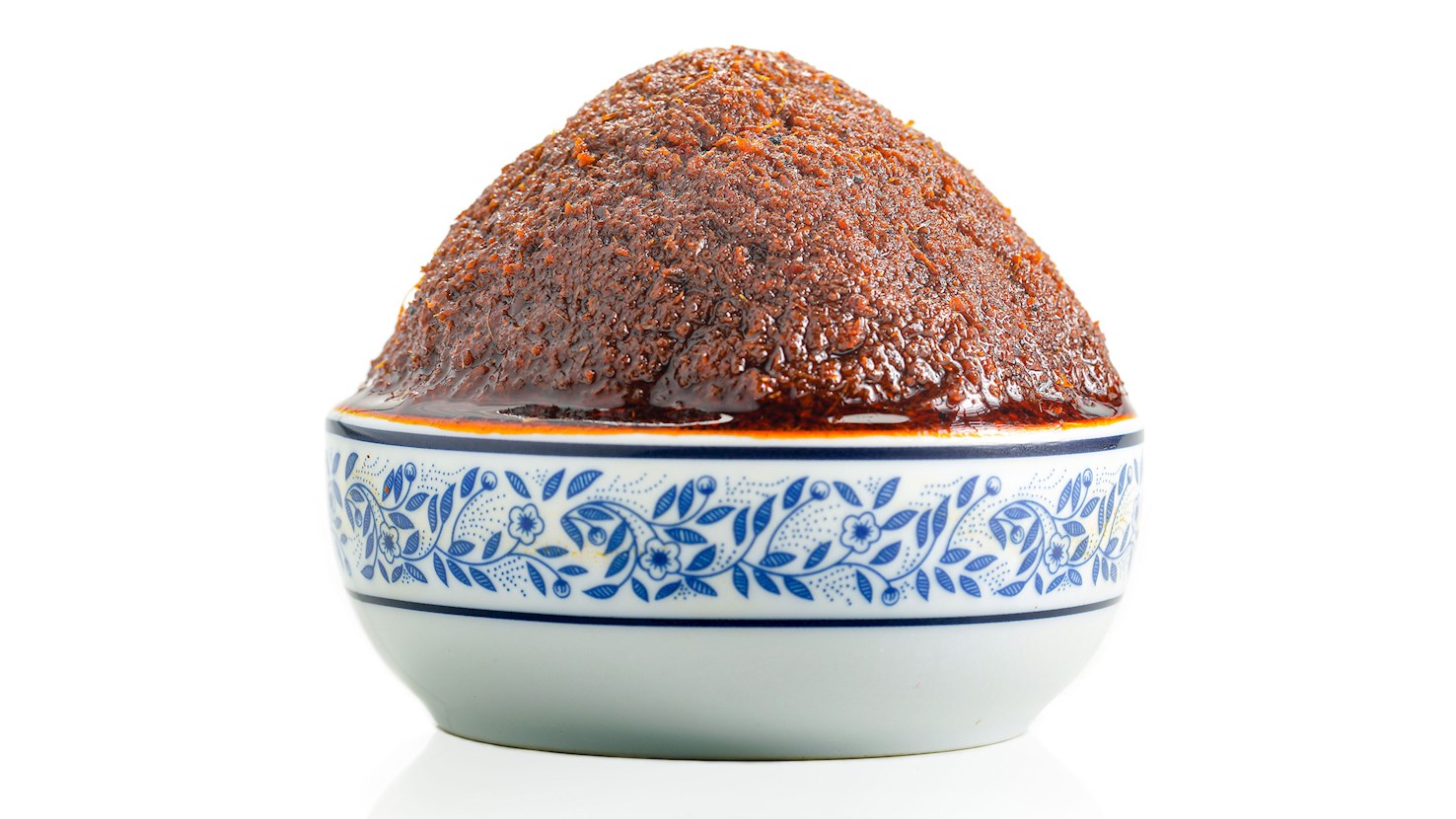
Prik gaeng massaman is a traditional curry paste originating from Thailand. Unlike most other curry pastes, the ingredients for this one are almost all roasted or fried before they're pounded or ground. The ingredients for the paste are usually cardamom, cinnamon, cloves, coriander, cumin, dried hot peppers, galangal, garlic, lemongrass, peppercorns, shallots, kaffir lime zest, salt, shrimp paste, nutmeg, and mace. Once roasted, the ingredients are usually ground with a mortar and pestle, and if properly prepared, the paste should be dark red, smoky, and very fragrant. It's then usually mixed with coconut milk and added to chicken curries, most notably the eponymous massaman curry. The paste will keep for a couple of weeks in the refrigerator.
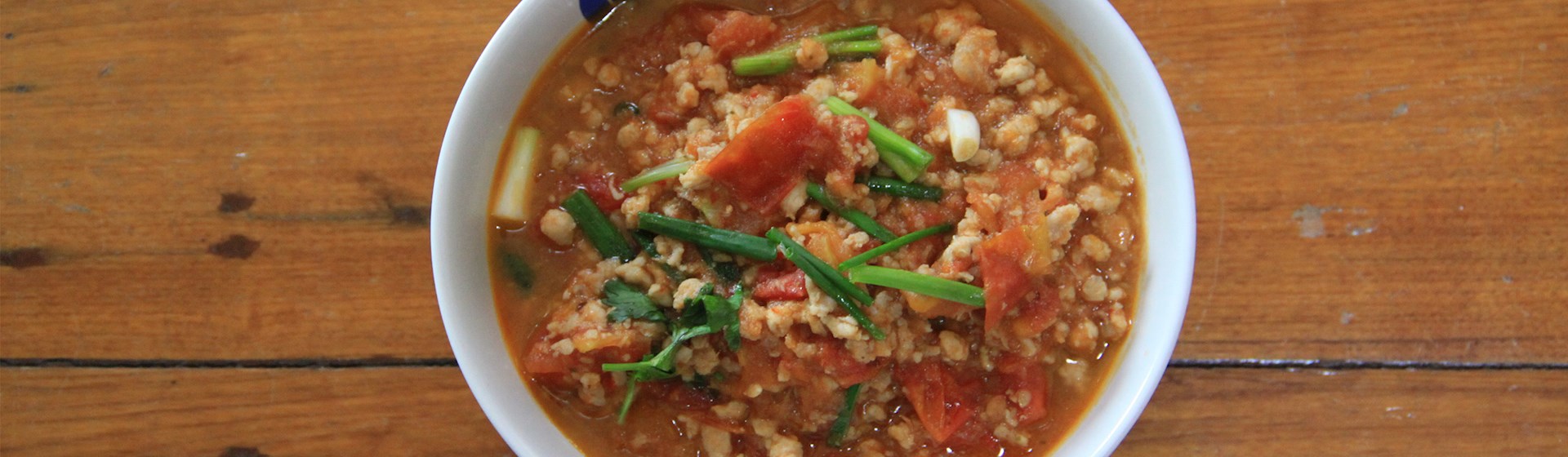
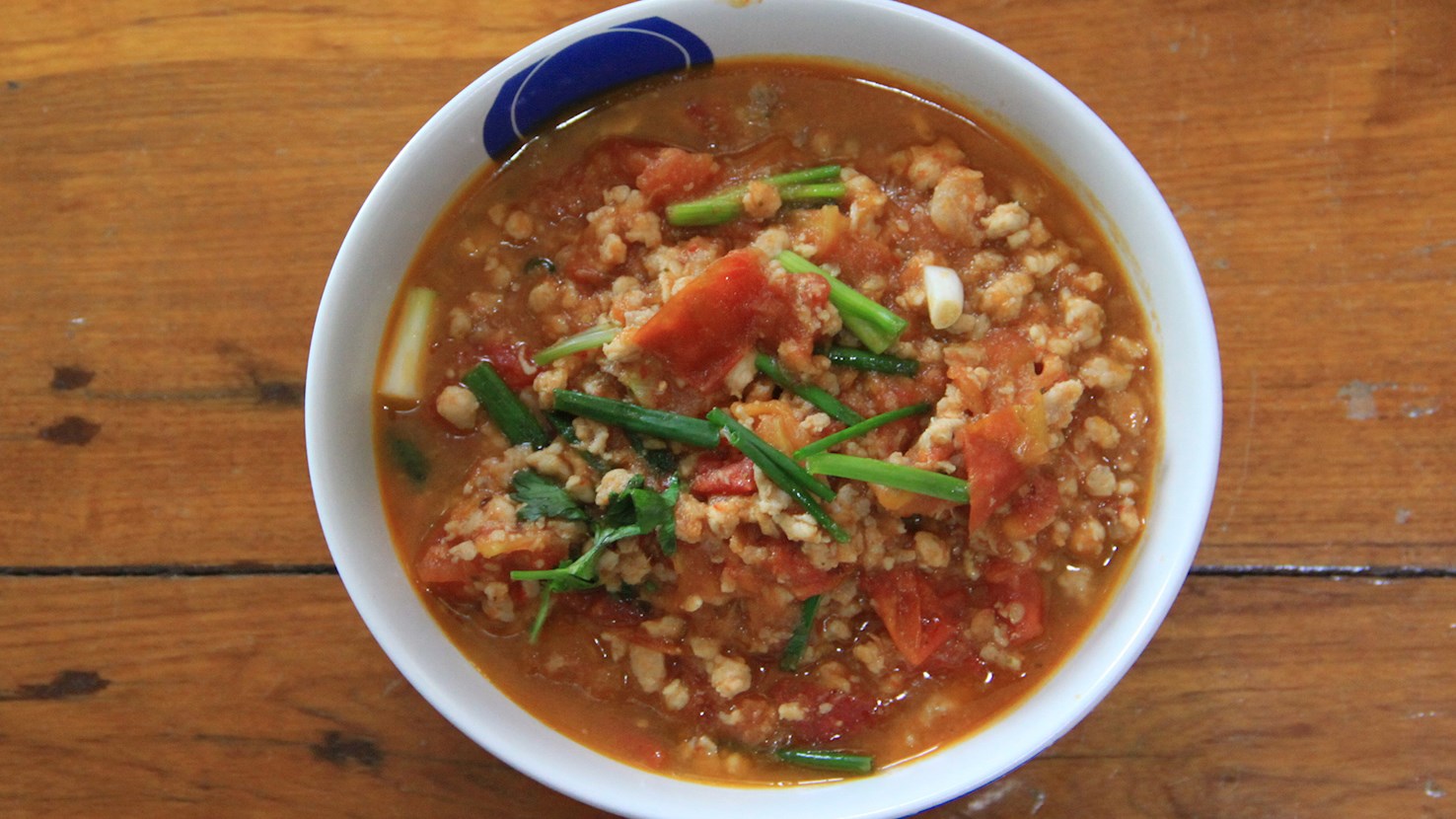
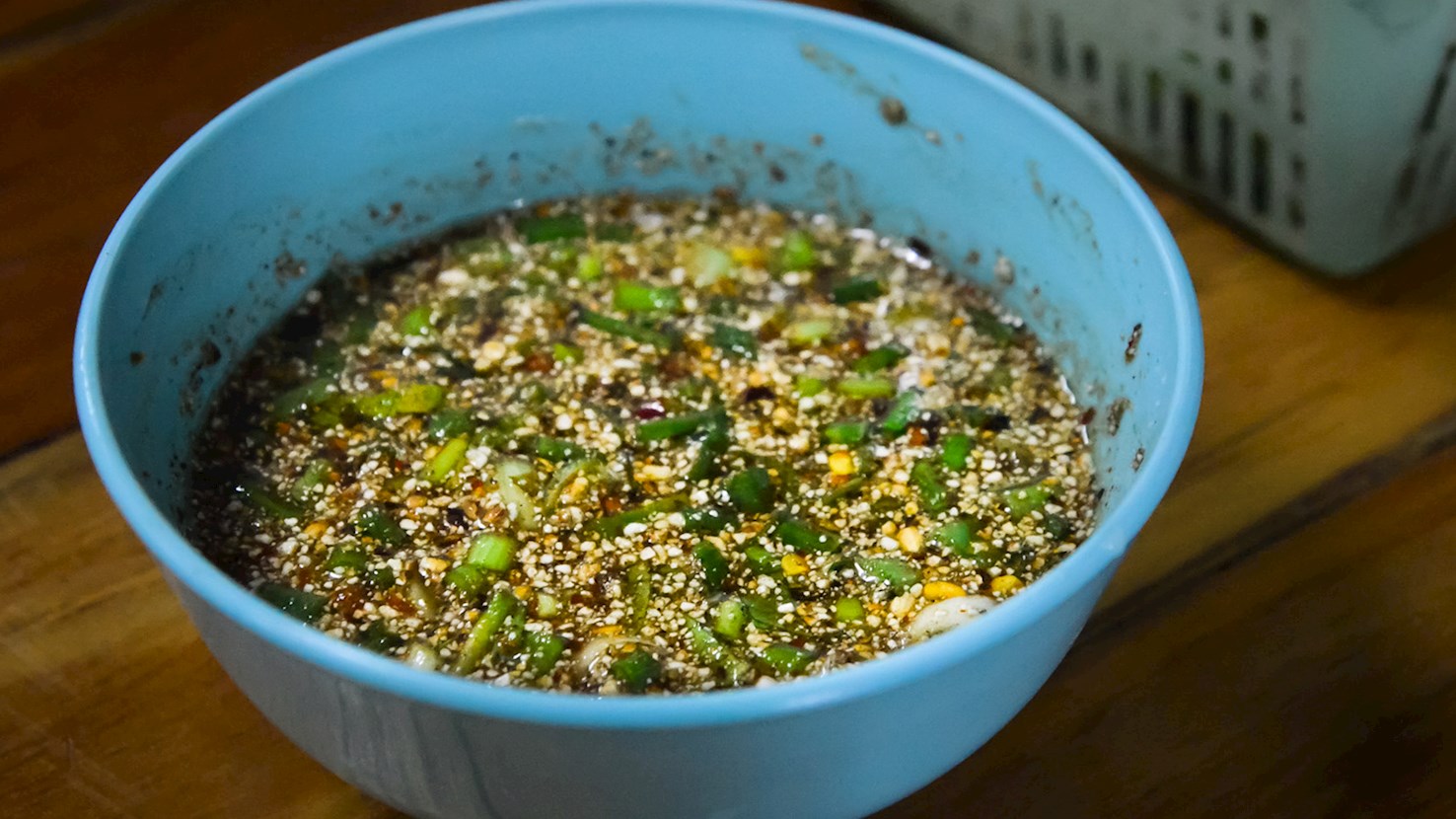
This variety of nam chim sauce consists of dried chili peppers, lime juice, fish sauce, palm sugar, and toasted sticky rice. The sauce is characterized by its complex combination of spicy, sour, and sweet flavors, as well as its liquid and slightly sticky texture. It is usually served as a dipping sauce with grilled pork or chicken and often comes topped with sliced scallions.
TasteAtlas food rankings are based on the ratings of the TasteAtlas audience, with a series of mechanisms that recognize real users and that ignore bot,
nationalist or local patriotic ratings, and give additional value to the ratings of users that the system recognizes as knowledgeable.
TasteAtlas Rankings should not be seen as the final global conclusion about food. Their purpose is to promote excellent local foods,
instill pride in traditional dishes, and arouse curiosity about dishes you haven’t tried.
The initial list of top producers was compiled based on available reviews, awards, local recommendations, media and blog coverage, and consumer reviews.
The list will be updated with ratings from TasteAtlas local ambassadors and TasteAtlas users.






What People Say