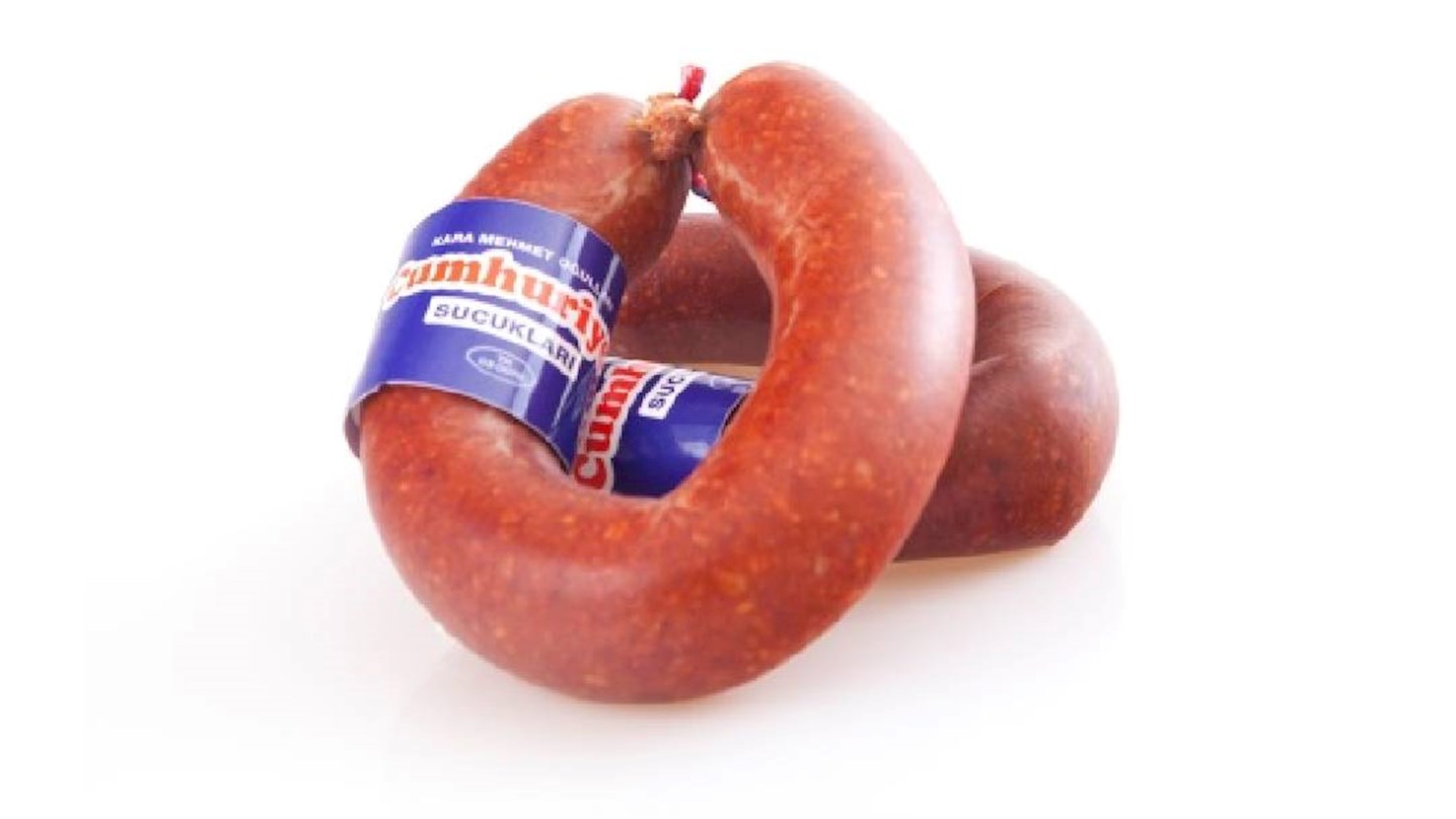
Cumhuriyet Sucukları is a Turkish company specializing in the production of traditional cured meat products, particularly sucuk. Founded in 1923 in Afyonkarahisar by a butcher known as "Kasap Kara Mehmet," the company has become one of Turkey's most renowned brands for sucuk and other meat products.
The production process combines traditional recipes with modern technologies, ensuring high quality and authentic flavor. Sucuk is made from 100% beef, seasoned with spices and salt, and prepared without heat treatment, resulting in a fermented product with a rich taste.The distribution network spans a wide range of retail locations across Turkey, including supermarkets and specialty stores.
Additionally, the products are available through online platforms, making it convenient for customers to access their favorite items.
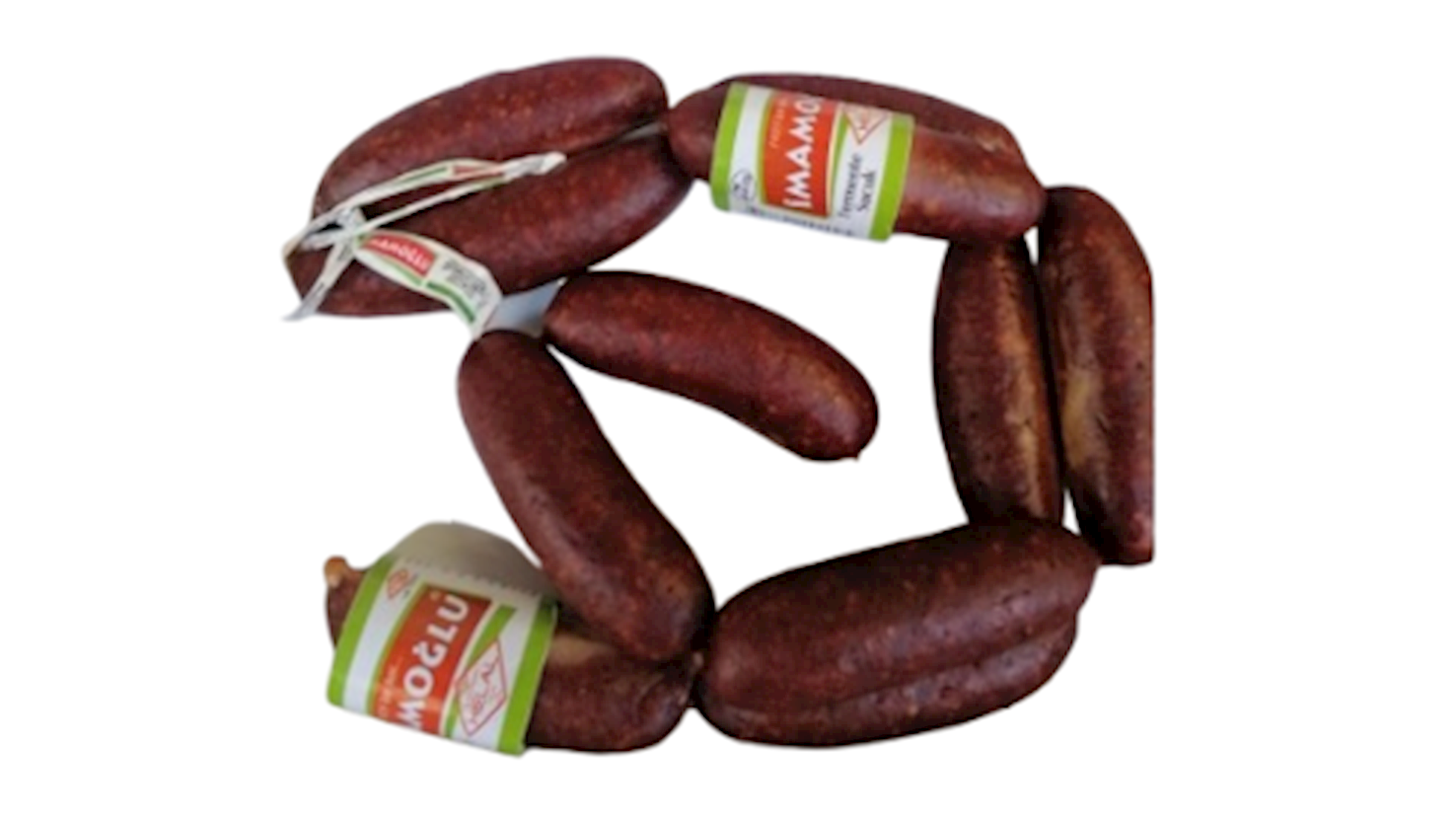
Divan Pastırma ve Sucuk is a Turkish company specializing in the production and sale of traditional meat products, including pastırma, sujuk, and mantı. Established in 1952 by H.
Mehmet Sözduyar in Kayseri, the company began as a small workshop in the Karpuzatan area, focusing on wholesale and retail operations. Later, the leadership was taken over by H. İbrahim Sözduyar, and today, the third generation - brothers Metin, Murat, and Mehmet Sözduyar - continues the family tradition under the brand Sözduyar Sucuk ve Pastırma.
The company is dedicated to preserving traditional production methods while integrating modern technologies to ensure high quality and authentic flavors in its products. Their product range includes various types of pastırma, sujuk, kavurma, and mantı, which are available both in physical stores and through online orders.
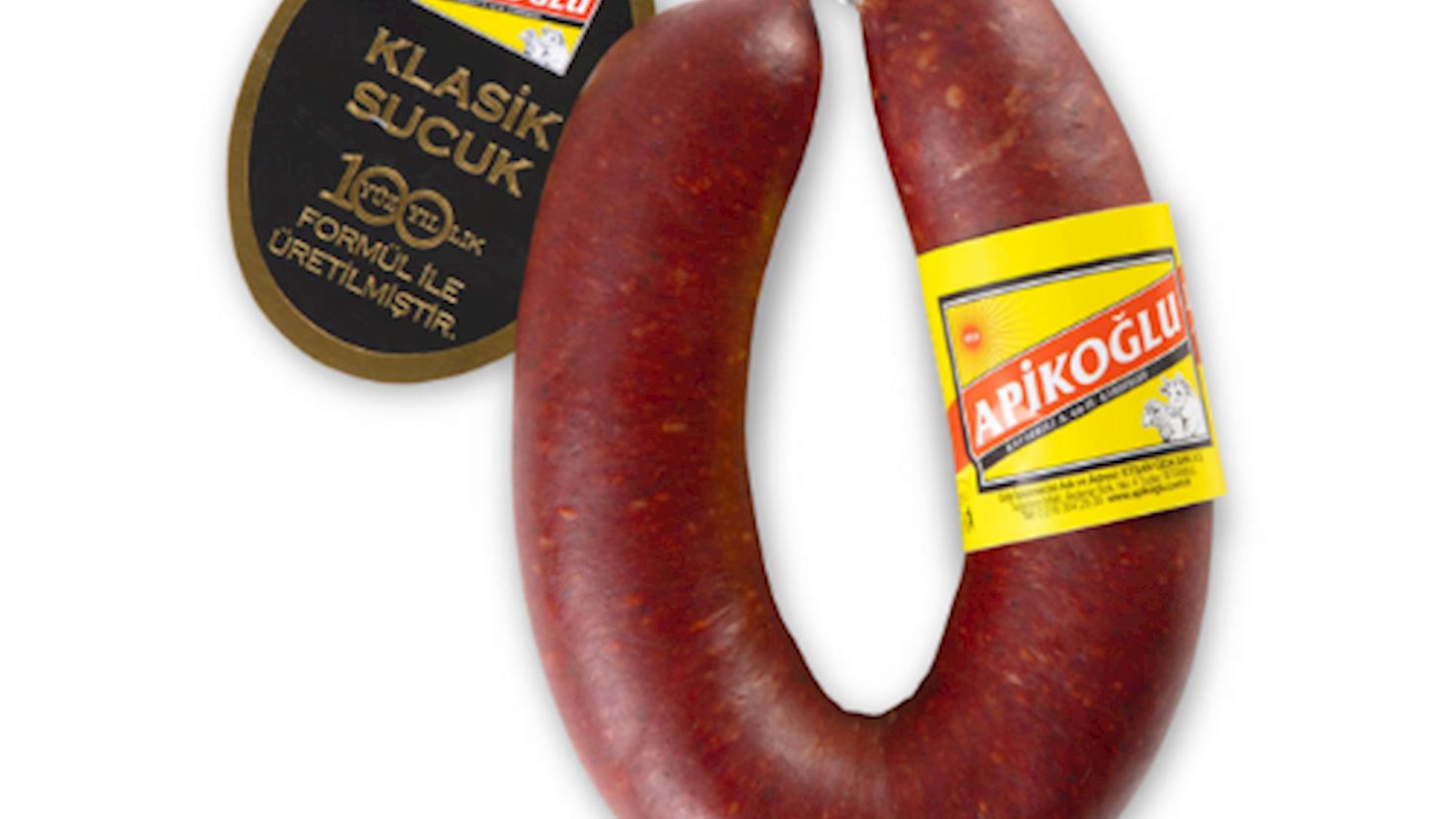
Apikoğlu is a renowned Turkish family-owned company specializing in the production of processed meat products, with a rich tradition dating back to 1910. It was founded by Kirkor Apikoğlu in Kayseri and is now recognized as a pioneer in the industrial production of cured meats in Turkey, especially sujuk and pastirma.
Carefully selected cuts of beef, natural spices, and a fermentation process lasting 7–8 days ensure authentic flavor and texture.
Today, Apikoğlu proudly operates a modern production facility in Tuzla, which combines state-of-the-art technology with over a century of experience. The facility produces a wide range of delicacies, including sujuk, pastirma, kavurma, salami, sausages, and other high-quality meat products.
At the heart of every product remains the same philosophy - no compromise on taste, hygiene, or tradition.
Apikoğlu continues to honor the legacy of its founders while meeting the demands of the modern market, both in Turkey and abroad.
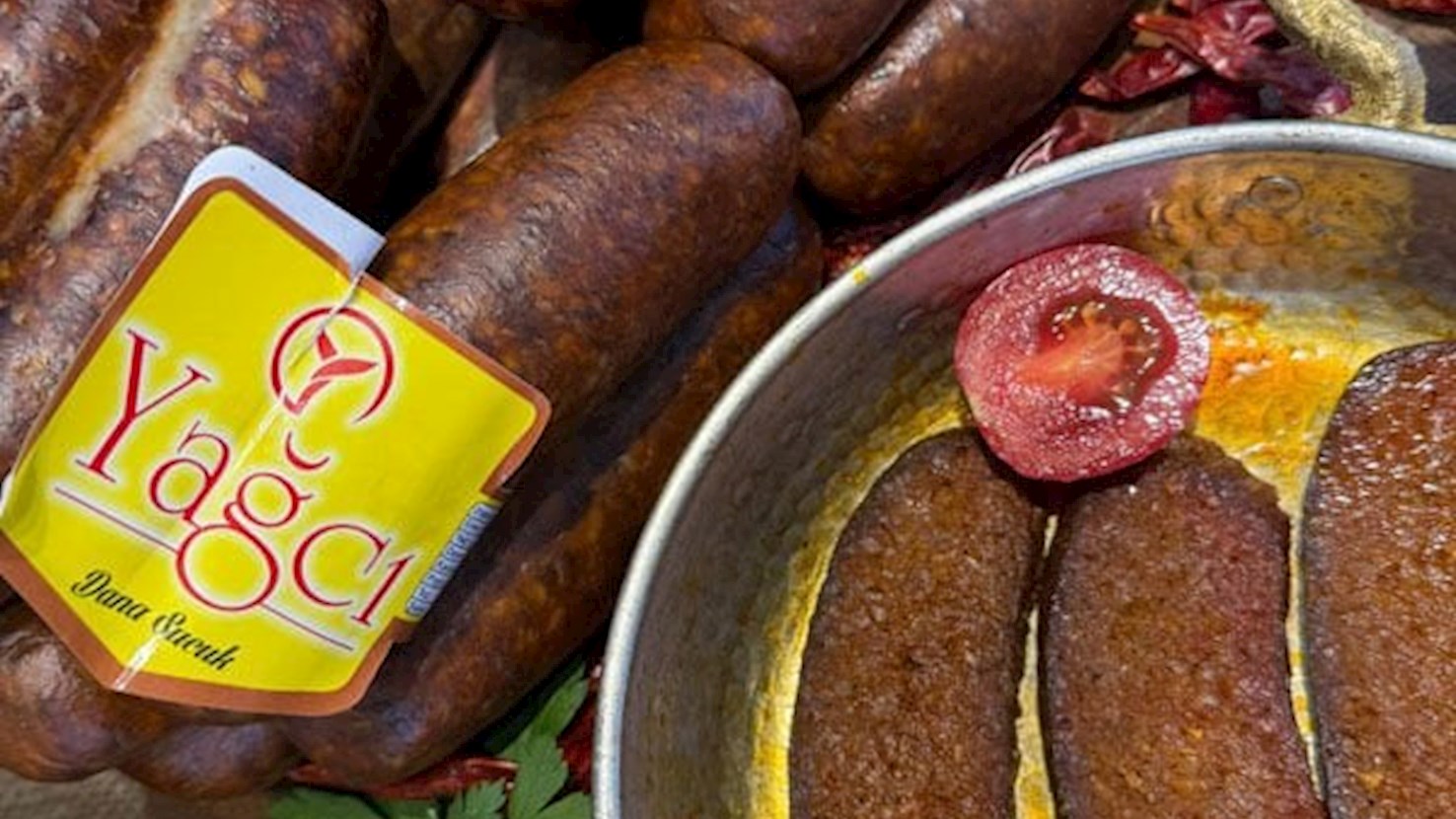
Yağcı Gıda Gurme Mağazası is a renowned store located in Kayseri, Turkey, specializing in high-quality traditional products such as pastırma, sujuk, mantı, kavurma, tulum cheese, and other regional specialties. Their products are well-known for their authentic taste and meticulous preparation, making them a popular choice among fans of Turkish cuisine.
In addition to their physical store, Yağcı Gıda offers online ordering, allowing customers across Turkey to enjoy these delicacies.
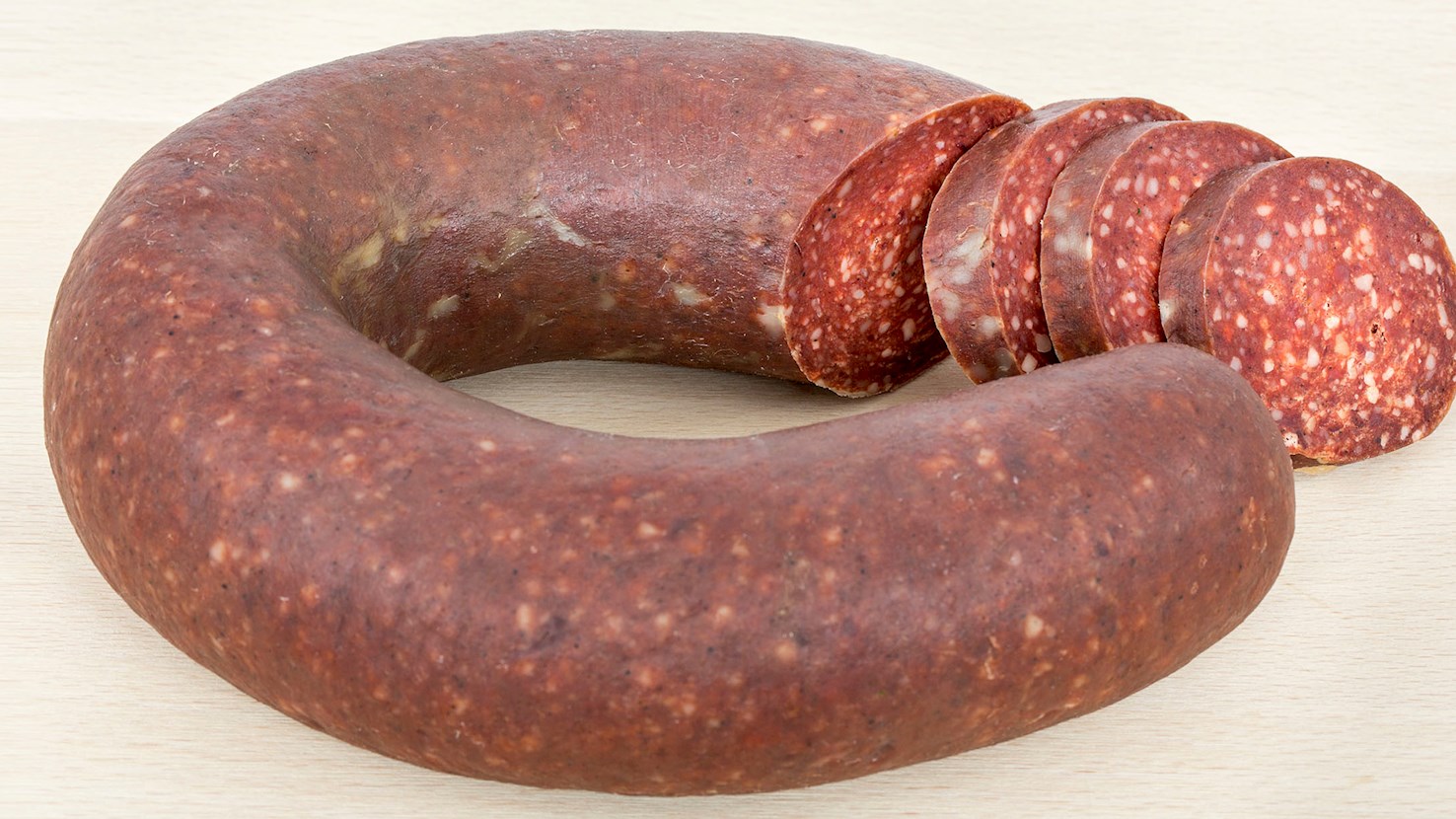
Afyon Sucuğu is a dry, fermented, and spiced sausage originating from the Afyonkarahisar province in Türkiye. The production of this cured meat stems from the nomadic Turkic tribes of Central Asia who developed methods to preserve surplus meat by salting, drying, and spicing it, which later adapted to the local climate and livestock of the Anatolian region as these populations settled. The preparation involves aging beef and buffalo meat in large pieces, separating the meat from tendons and fat, and then grinding the meat before mixing it with a blend of salt, red pepper, cumin, black pepper, garlic, and ginger. The mixture is stuffed into beef casings and hung on racks to undergo natural fermentation and drying at specific temperatures and humidity levels. A unique characteristic of Afyon Sucuğu is the mandatory inclusion of at least 15 percent water buffalo meat, which provides a distinct flavor profile and a fat content that allows the sausage to release its own rich oils when heated without the need for additional cooking fat. It is widely eaten across Türkiye, commonly sliced and pan-fried without extra oil to make breakfast dishes like sucuklu yumurta, or grilled and placed into flatbread to create a sandwich known as sucuklu ekmek. When served, it is typically accompanied by fresh tomatoes, cucumbers, white cheese, and olives, and it pairs well with a hot glass of black tea or a salty yogurt drink called ayran to balance the high sodium and spice levels.
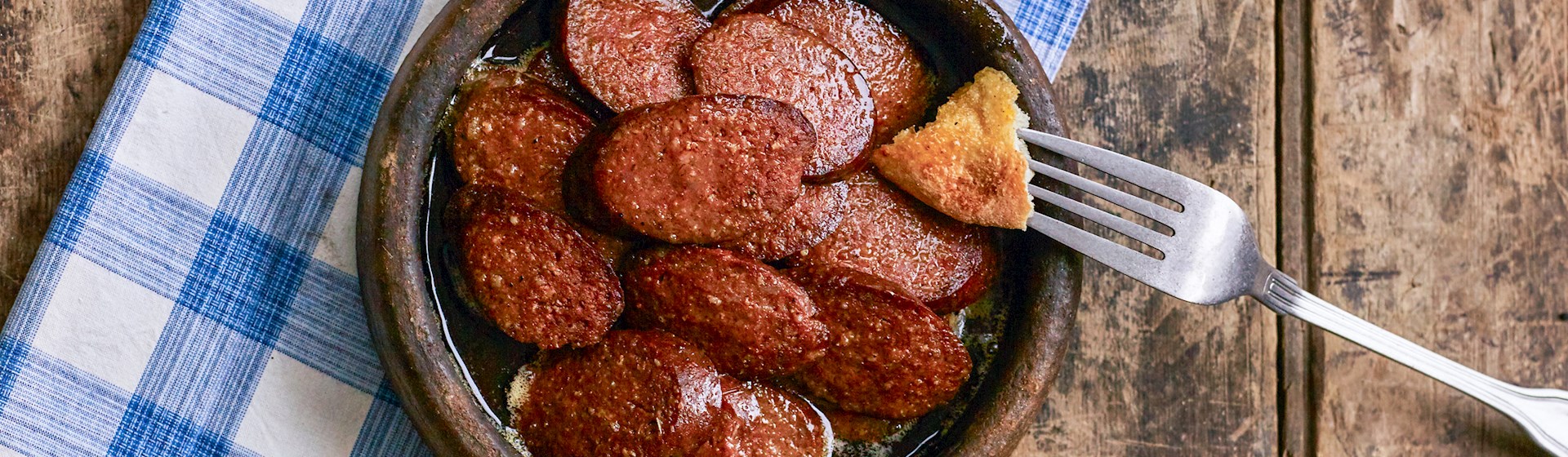
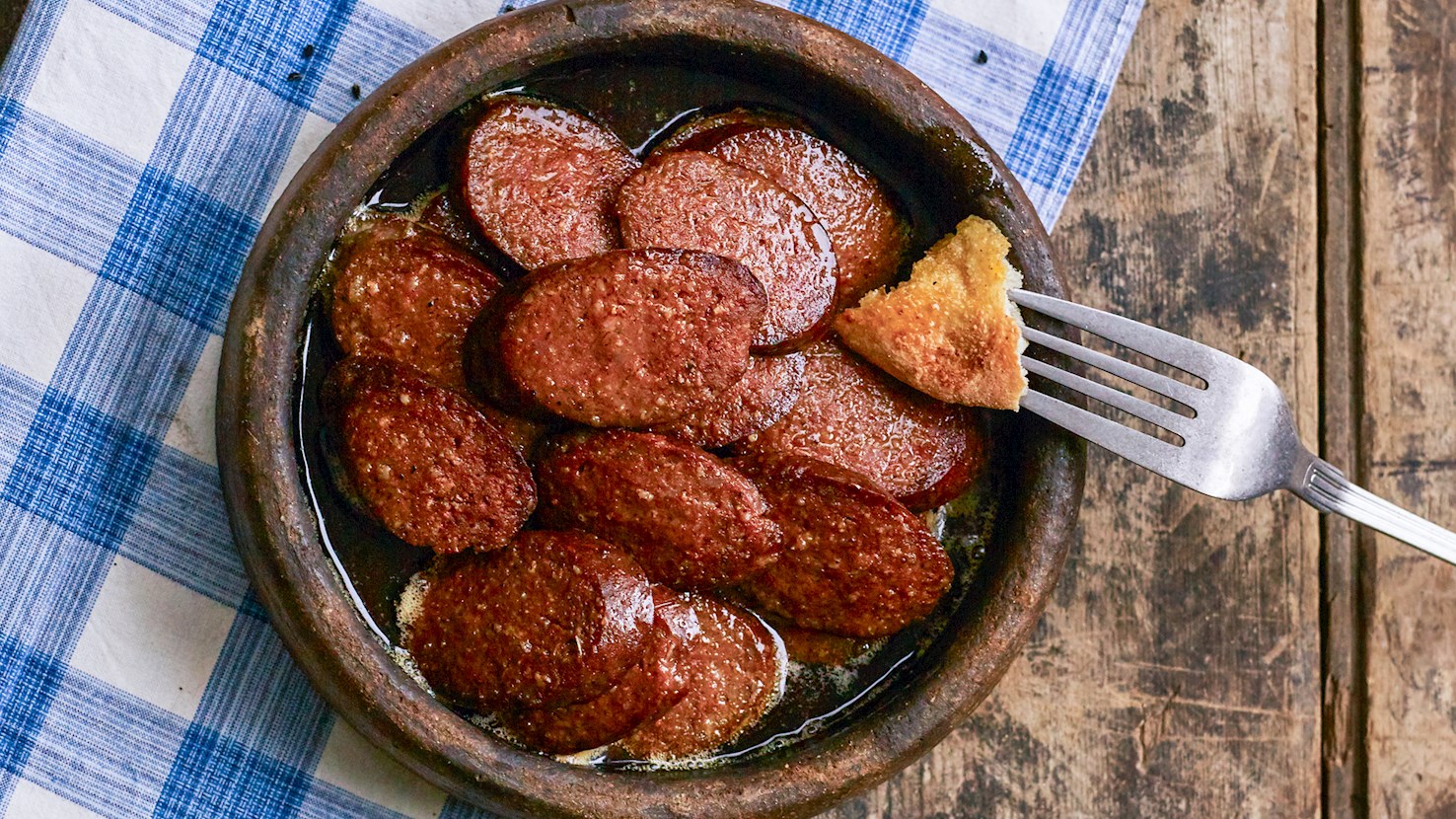
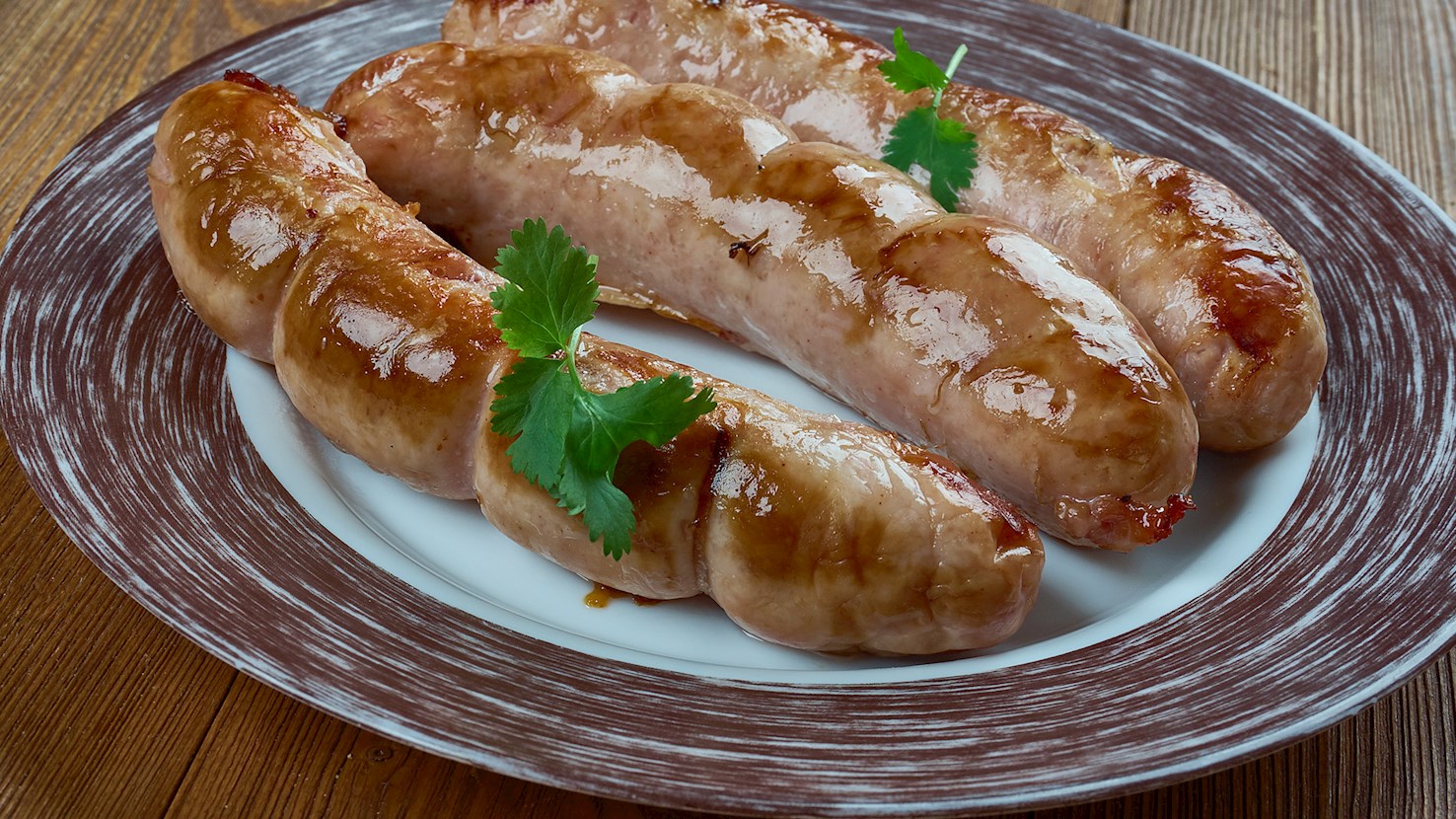
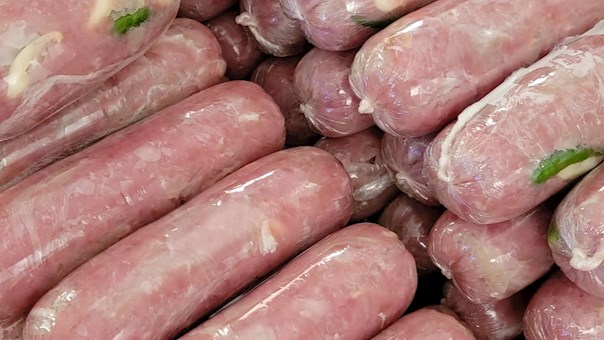
Sucuk or sujuk is a dry, cured sausage made primarily from beef or lamb and seasoned heavily with garlic and spices, produced and consumed across Anatolia, the Caucasus, and the eastern Mediterranean, with strong associations in Turkey, Armenia, and parts of the Levant, where it appears as a household staple rather than a delicatessen item. Its development followed patterns of meat preservation in regions with seasonal slaughter and limited refrigeration, relying on salting, spicing, and air-drying to stabilize minced meat, with spice blends evolving according to local availability, particularly paprika, cumin, and garlic, which also served functional roles in preservation alongside flavor. Preparation begins with finely ground beef (or lamb) mixed with salt, crushed garlic, paprika, cumin, and sometimes fenugreek, kneaded until cohesive, then stuffed into natural casings, pressed flat to encourage even drying, and left to cure under controlled airflow until firm and shelf-stable, after which it is stored whole and sliced as needed rather than cooked in advance. Serving involves slicing the cured sausage and cooking it briefly, most commonly pan-fried without added fat, as sucuk releases its own oils, and it is often cooked until the edges crisp while the interior remains dense, sometimes paired with eggs or incorporated into simple hot dishes rather than eaten on its own. A defining characteristic of sucuk is its flat shape and strong spice concentration, which allows small amounts to season a dish effectively without additional aromatics, and its cured state means it transitions directly from storage to pan without intermediate preparation. It is eaten at breakfast or lunch in homes and casual eateries, alongside flatbread, eggs, tomatoes, or cheese, and pairs well with plain yogurt, fresh vegetables, unsweetened tea, or black coffee, which offset its salt and spice without competing with its intensity.
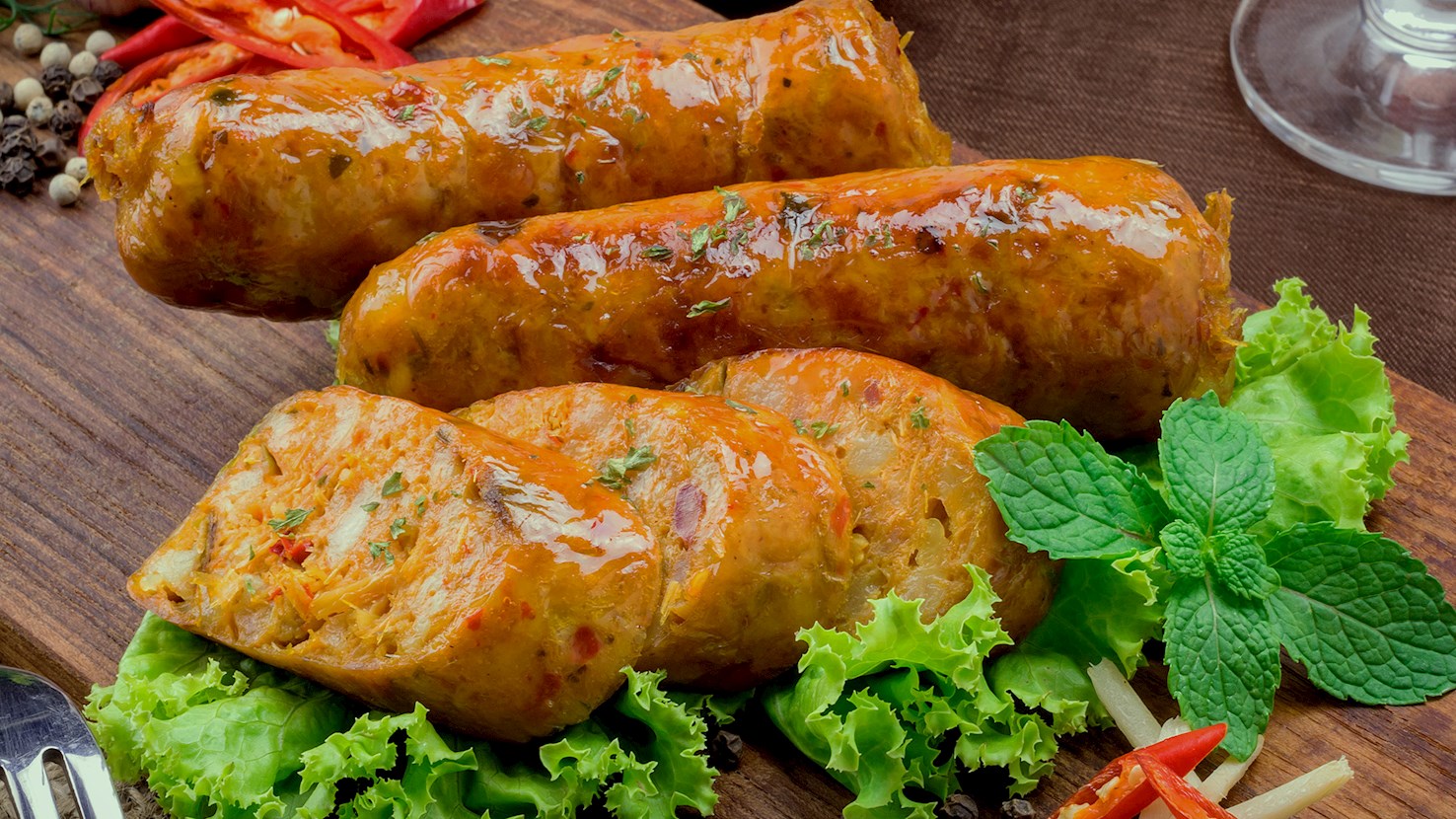
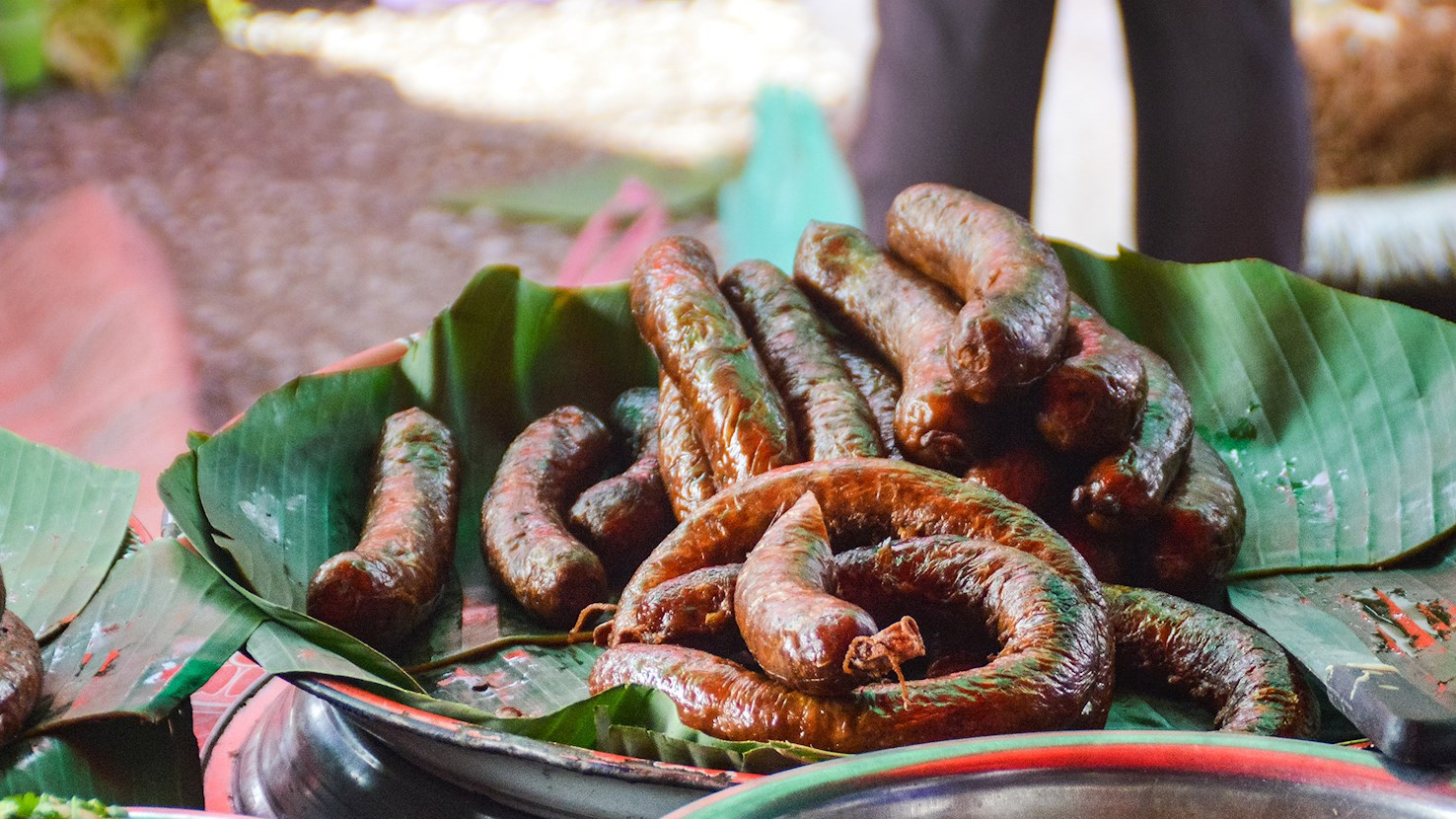
Sai oua, also known as Northern Thai herbal sausage or Lao sausage, is a grilled pork sausage heavily spiced with a pounded curry paste, originating from Northern Thailand and Luang Prabang in northern Laos. The dish developed among the Tai Yuan and Lanna cultures as a preservation method for pork meat and fat following livestock slaughter, utilizing locally grown aromatics to extend shelf life in tropical climates without cold storage. Preparation involves pounding a dense curry paste composed of dried red chilies, lemongrass, galangal, kaffir lime zest, garlic, shallots, fresh turmeric, shrimp paste, and salt using a granite mortar and pestle before combining it with coarsely ground pork shoulder, pork fat, fish sauce, and finely shredded fresh kaffir lime leaves. The mixture is stuffed tightly into natural pork small intestine casings, tied into long coils or individual segments, pricked with small needles to prevent bursting during heat expansion, and slow-grilled over charcoal embers at low temperatures until the casing turns crisp and the inner fat renders into the herbal meat paste. What sets sai oua apart from other Southeast Asian sausages is its high ratio of fresh herb paste to meat, often up to thirty percent of the total filling by weight, resulting in a dense, non-fermented sausage with a vivid yellow-orange interior from fresh turmeric and a fibrous, aromatic structure throughout. Unlike fermented regional sausages like sai krok Isan or naem, sai oua relies entirely on direct heat cooking and fresh herb aromatics rather than lactic acid fermentation. Sai oua is eaten hot or at room temperature at morning markets, street food stalls, and family meals throughout Chiang Mai, Chiang Rai, and northern Lao provinces. Diners slice the grilled coils crosswise into bite-sized rounds and eat them by hand alongside steamed glutinous rice (khao niao), fresh green chili dipping paste (nam phrik noom), pork cracklings (kab moo), raw cabbage leaves, and sliced fresh ginger, pairing the sausage with cold amber lagers, iced herbal infusions, or fresh coconut water.
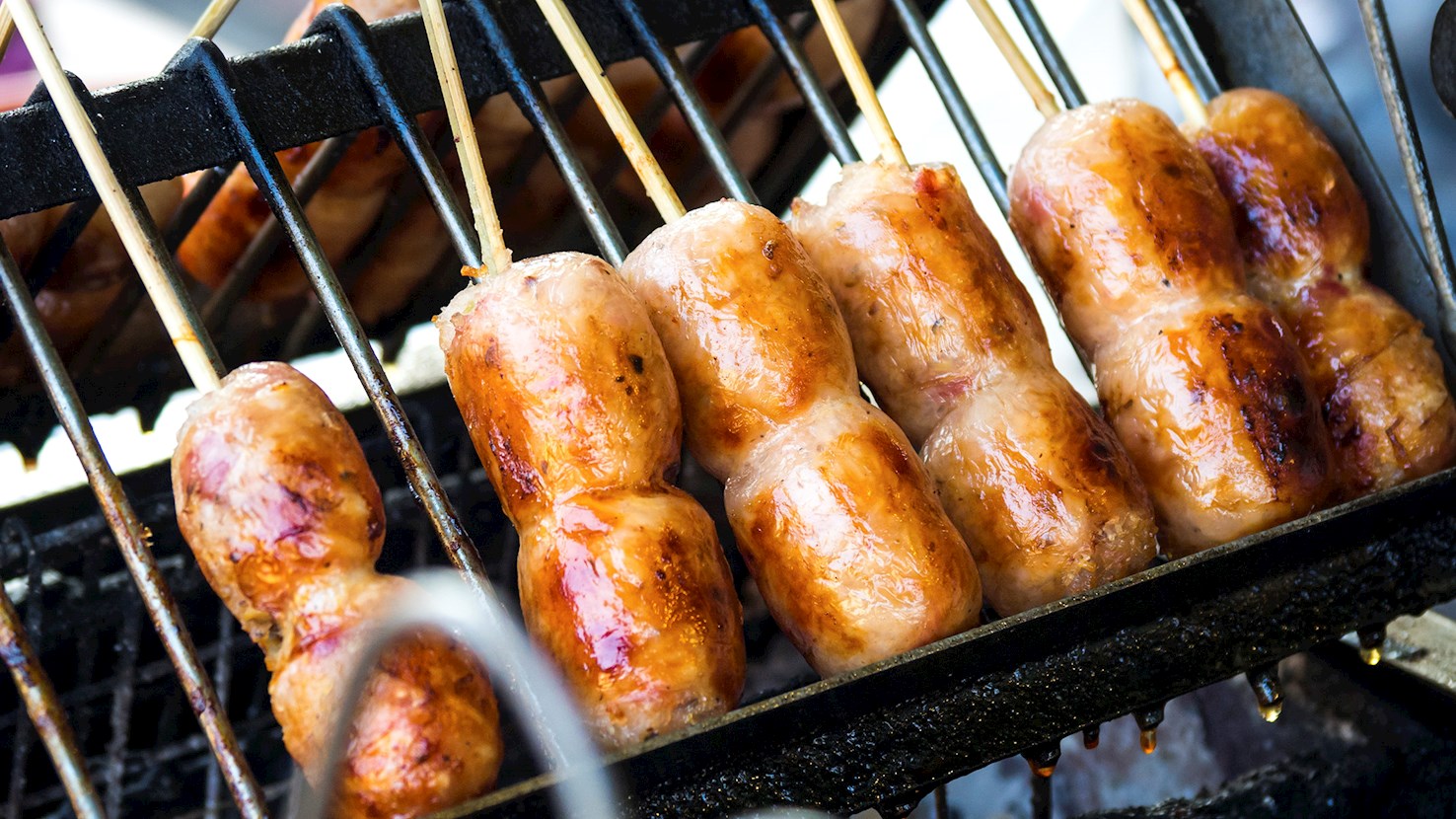
Sai krok Isan is a fermented sausage from the Isan region. It is made with a mixture of ground pork meat and fat, combined with garlic, sticky rice, salt, and pepper in a natural encasing. The sausage is then allowed to dry and ferment for several hours or sometimes even for up to 2-3 days in a blazing hot sun, a method that provides this sausage with its unique sourness. Salty with a hint of sourness, these flavorful sausages are usually grilled or fried and served alongside raw chilis, fresh ginger slices, garlic, and fresh vegetables. Thais consume them for breakfast or buy them from local street carts as delicious snacks that are grilled on a stick and consumed on the go.
Makanek are small Lebanese sausages made with lamb, beef, or a combination of both. The sausages are seasoned and spiced with cumin, cinnamon, nutmeg, pine nuts, vinegar, and white wine. The combination of ground meat and spices is stuffed into sheep casings. These Lebanese sausages are either fried or grilled before serving, and they're traditionally accompanied by pomegranate molasses.
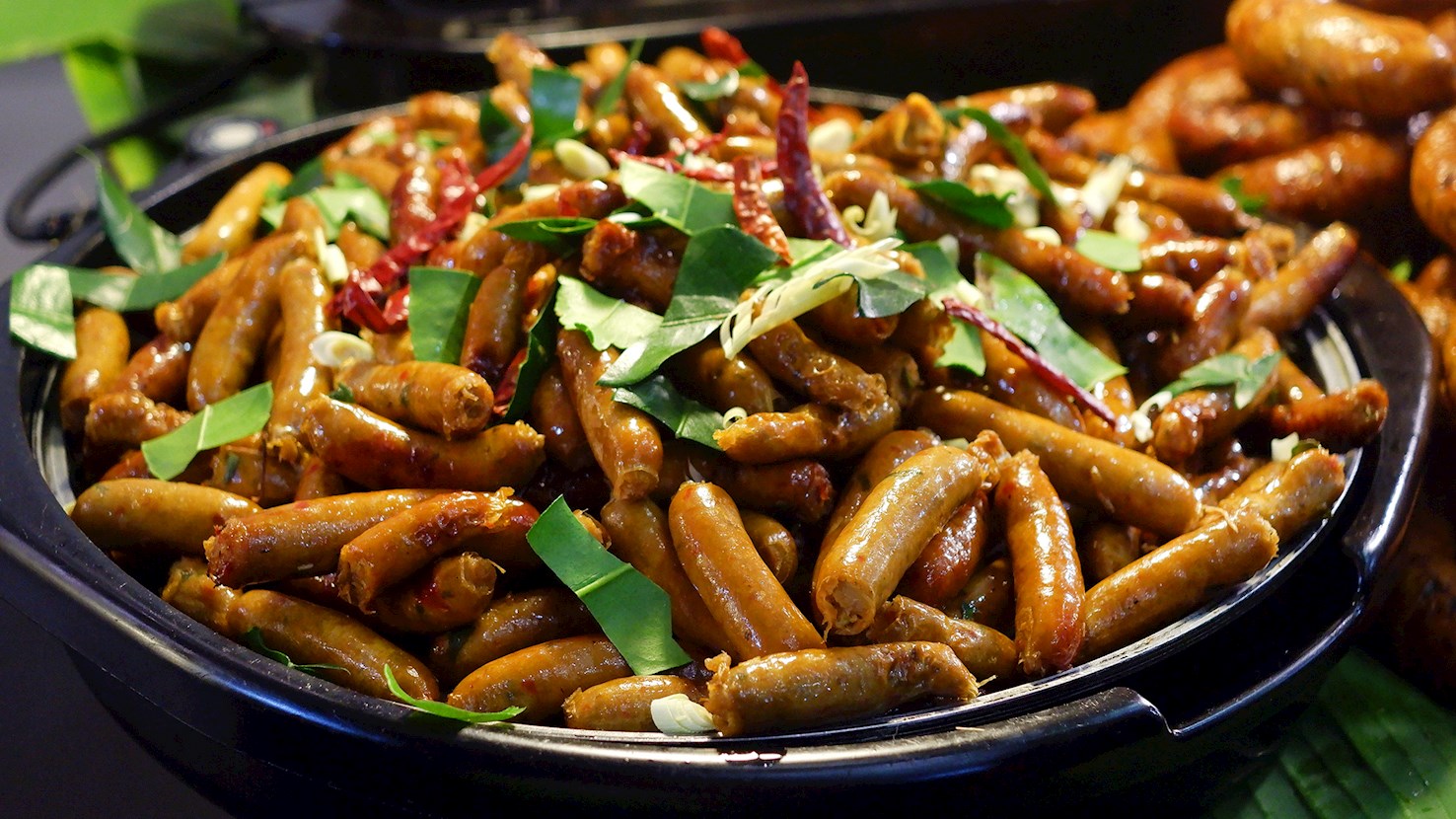
Renowned for being flavor-packed, sai ua is a type of Northern Thai sausage that combines pork with a red curry paste and a variety of herbs and spices. The meat mixture is prepared with ground pork, green onions, kaffir lime leaves, and cilantro stems, which are all finely chopped and combined. It is then mixed with a curry paste usually composed of galangal, kaffir lime zest, lemongrass, garlic, fermented shrimp paste, chilis, shallots, and fish sauce. Traditionally, sai ua is added to an intestine wrapper and formed into a coil that is typically grilled. These days, however, the sausage mixture is not necessarily added to sausage casings and can be shaped into meat patties, balls, or caseless sausages. Sai ua is often broiled, baked, or fried, and consumed as a street snack, an appetizer, or an accompaniment to main dishes. Salty and somewhat spicy, this Thai sausage is usually served with fresh vegetables, sticky rice, and nam prikh num sauce on the side. Sai ua is a staple of northern Thai provinces, especially Chiang Mai, where it is available at numerous street stalls and markets.
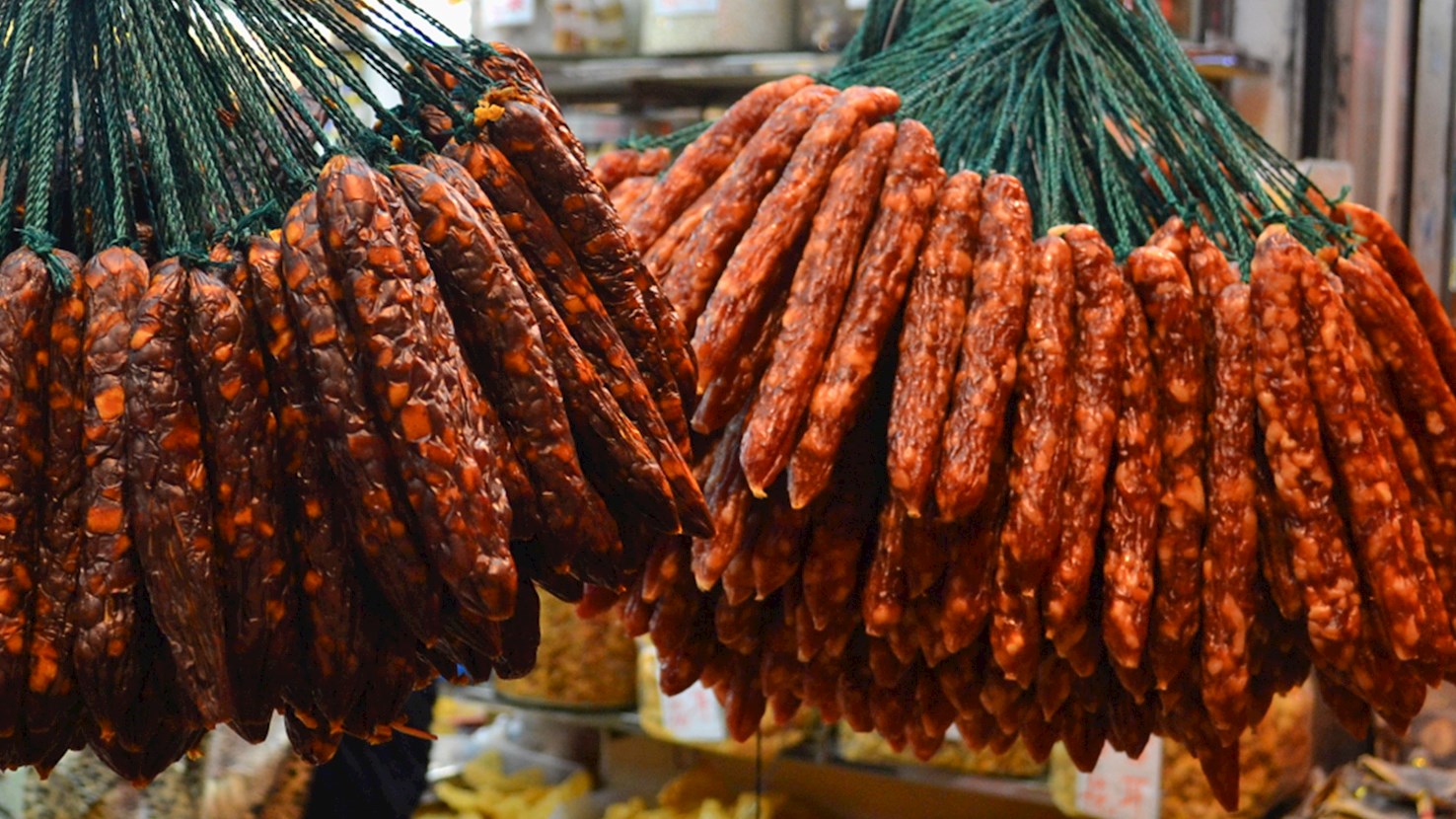
Làcháng is a type of Chinese cured sausage made primarily from pork, seasoned with sugar, salt, soy sauce, and rice wine, then air-dried or smoked. It originates from southern China, particularly Guangdong and Sichuan provinces, and varies in flavor and preparation depending on regional taste and climate. The sausage is known for its glossy surface, firm texture, and balance of sweet and savory flavors. The development of làcháng is closely tied to Chinese preservation methods that predate refrigeration. In southern China, where winter temperatures are cool but not freezing, meat was seasoned heavily with salt, sugar, and rice wine before being stuffed into casings and hung to dry in open air. The combination of sugar and soy sauce, characteristic of Cantonese cuisine, produced a sausage that was mildly sweet, aromatic, and reddish in color. In Sichuan, the same curing process incorporated chili, peppercorn, and baijiu, giving the sausage a spicier and more robust flavor. These variations reflect the regional cuisines that shaped their seasoning preferences. By the early twentieth century, làcháng had become a common preserved meat in markets and home kitchens across China, valued for its long shelf life and distinctive taste. Preparation begins with coarsely minced or diced pork, typically using a ratio of lean meat to fat that ensures moisture and texture. The meat is mixed with sugar, salt, soy sauce, rice wine, and optional spices such as five-spice powder or Sichuan pepper. The mixture is marinated for several hours or overnight, then stuffed tightly into natural pork casings. Once filled, the sausages are tied into short links and hung in a cool, airy place to cure for about one to two weeks, depending on humidity and temperature. In some regions, they are lightly smoked during or after curing to deepen the color and flavor. When fully dried, the sausages are firm and slightly translucent, with a rich aroma that intensifies during cooking. Làcháng is usually cooked before eating, either steamed, boiled, or pan-fried. In Cantonese cuisine, it is sliced thinly and steamed with rice, allowing the fat and juices to flavor the grains. It is also added to claypot rice, stir-fried with vegetables, or combined with cured duck and dried shrimp in festive dishes served during the Lunar New Year season. In Sichuan, it may be stir-fried with chili or used in soups to enrich broth. The sausage’s combination of sweetness and saltiness makes it suitable for pairing with rice, noodles, or congee. Làcháng is eaten throughout China and in Chinese communities abroad, especially in Hong Kong, Malaysia, and Singapore, where it is used in both home cooking and restaurant dishes. It is often served sliced with steamed rice or used as a flavor base in mixed rice and noodle dishes. It pairs well with light beers, oolong tea, or mild Chinese rice wine, all of which complement its sweetness and help balance its richness.
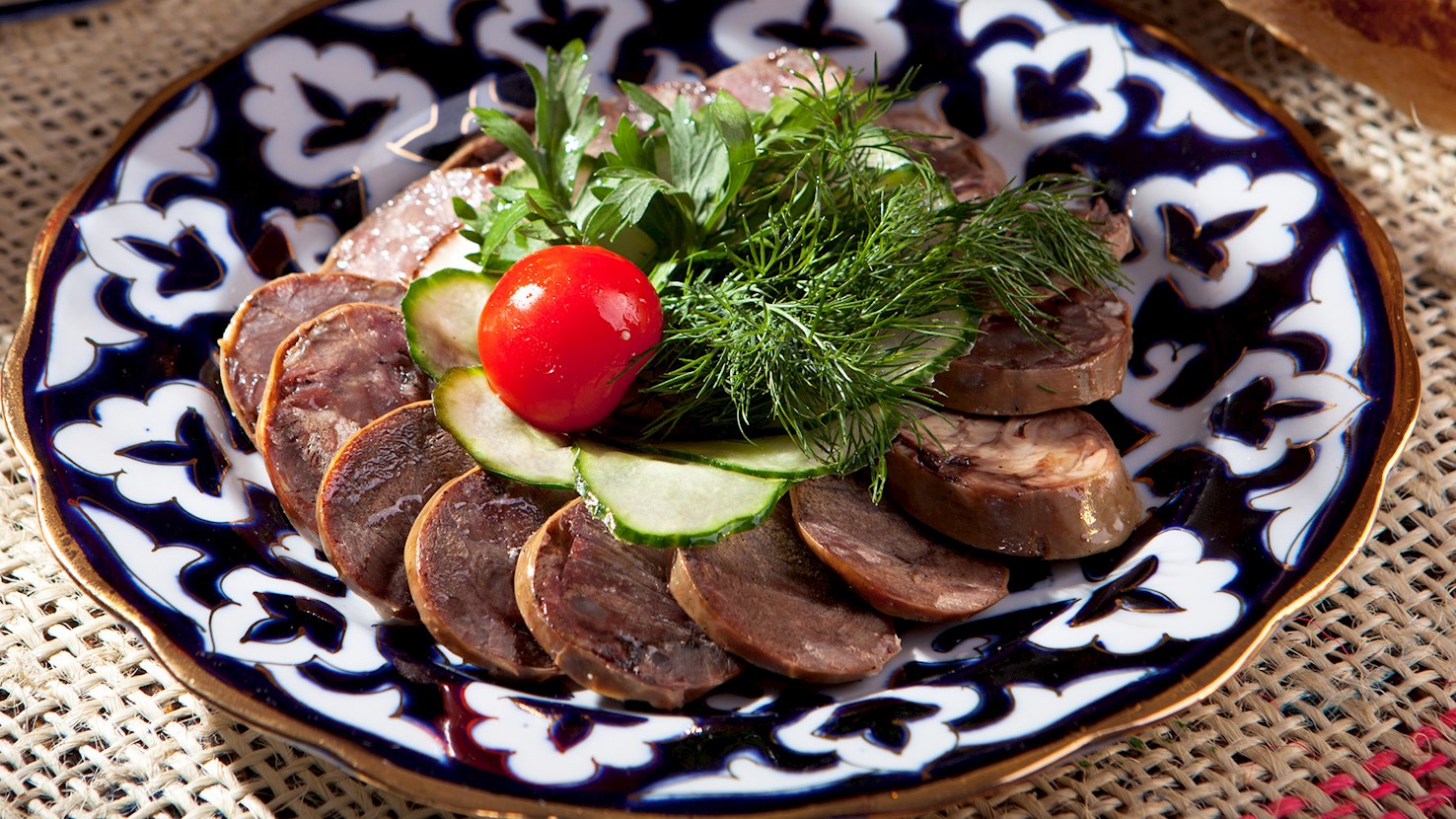
Qazı is a sausage made from horse rib meat and fat, prepared and consumed across Central Asia with its strongest identification in Kazakhstan, where it is regarded as a formal meat item associated with guest meals and ceremonial tables rather than daily cooking. Its formation is rooted in steppe pastoral systems in which horses played a central role in transport, economy, and food supply, and where slaughtering a horse was an infrequent but socially significant event that required preserving valuable cuts in ways that maintained both nutritional value and structure, leading to the development of whole-cut sausages that relied on salting, drying, and boiling rather than grinding or heavy seasoning. Preparation begins by separating rib meat and attached fat from the horse, cutting it into long strips, seasoning primarily with salt and occasionally black pepper or garlic, then stuffing the pieces tightly into cleaned horse intestines, tying the casing at intervals, and allowing the sausage to dry for a controlled period before being slowly boiled until fully cooked, with care taken to avoid splitting so the fat remains enclosed. Serving typically involves slicing the cooked qazı into thick rounds and arranging it prominently on a platter or incorporating it into dishes built around dough and broth such as beshbarmak, while in some contexts it is cooled and served in thinner slices as part of a cold meat spread. What distinguishes qazı is that it is made from intact muscle and fat rather than minced meat, preserving a visible pattern inside each slice and linking the product directly to a specific anatomical cut, a practice that reinforces its status and limits substitution with other meats. It is eaten during large family gatherings, weddings, commemorative meals, and honored guest occasions, shared communally and often served early in the meal, and it pairs naturally with flat noodles or dough sheets, onions softened in broth, and clear soups, while beverages such as black tea, fermented mare’s milk, or lightly salted broth accompany it to balance its richness without adding sweetness or acidity.
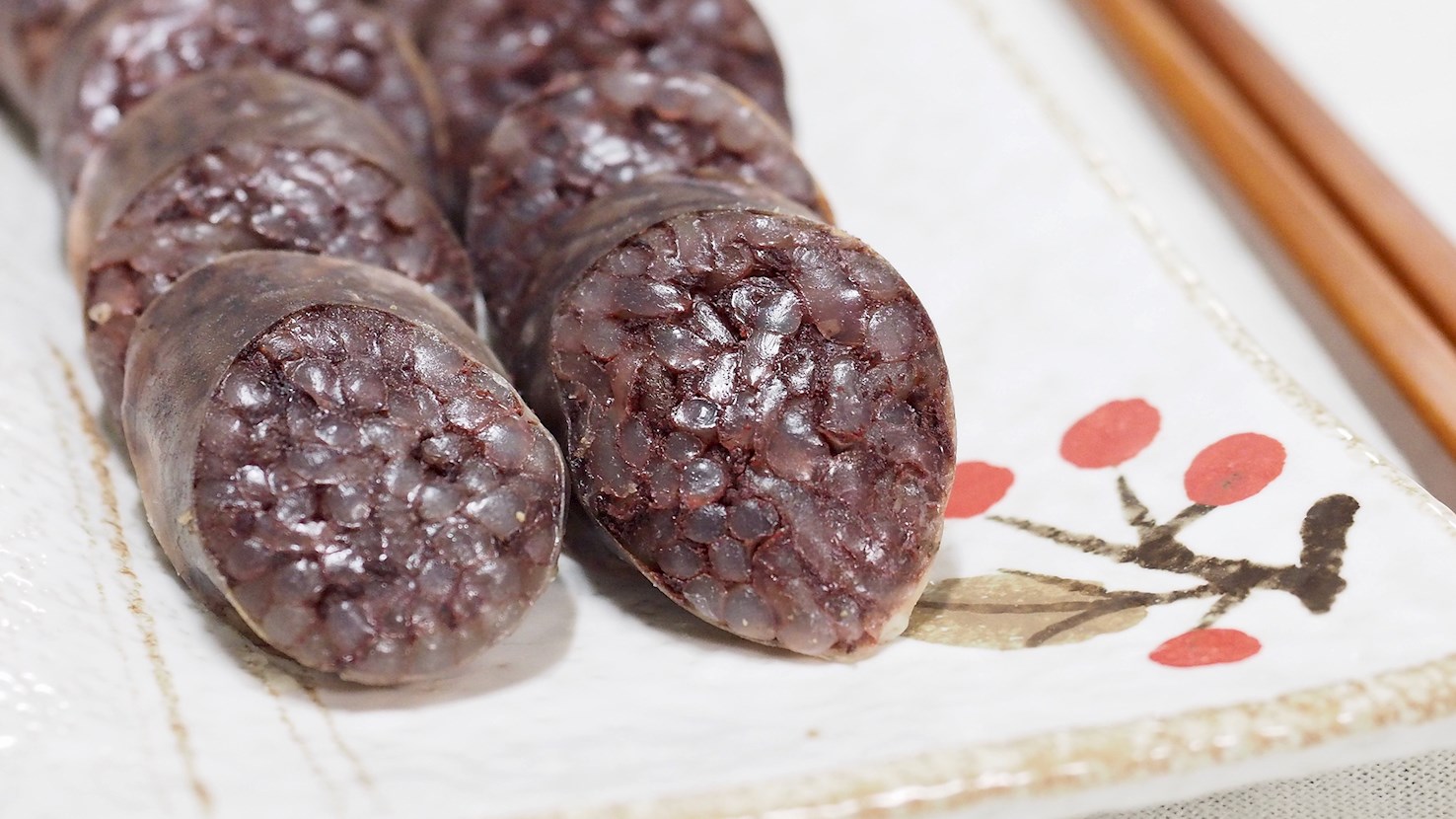
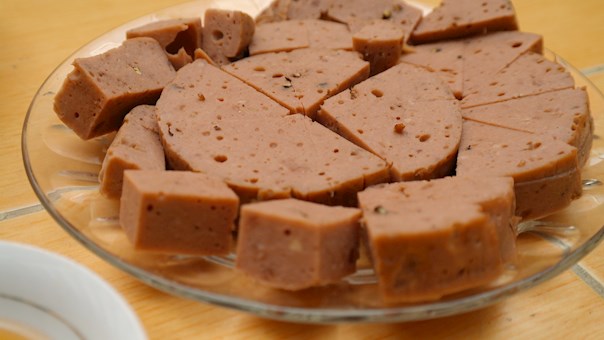
Korean sundae is a traditional blood sausage that usually consists of rice, glass noodles (dangmyeon), and pig’s blood, while the variations may also incorporate barely, bean sprouts, kimchi, perilla leaves, soybean paste, or scallions. Some regional varieties may even consist of squid or fish. Sundae can be steamed and enjoyed on its own, but it is also incorporated into various dishes such as the hearty sundaeguk soup or the sundae bokkeum stir fry. It is believed that sundae originated sometime in the Goryeo period (918–1392).
Sai kok is a spicy pork sausage that is consumed in Laos and northern Thailand. It is very similar to sai oua, another kind of local sausage, and generally uses the flavoring ingredients that are staples in Lao cuisine - lemongrass, kaffir lime leaves, red chilis, garlic, shallots, and fish sauce. Some recipes also incorporate dill, galangal, chicken bouillon seasoning, and black pepper. The sausage is then usually left to infuse for a few days (some street vendors will sell it uncooked), and it is then grilled and served alongside sticky rice and spicy dipping sauces.
TasteAtlas food rankings are based on the ratings of the TasteAtlas audience, with a series of mechanisms that recognize real users and that ignore bot,
nationalist or local patriotic ratings, and give additional value to the ratings of users that the system recognizes as knowledgeable.
For the “Top 14 Asian Cooked Sausages” list until September 15, 2026, 979 ratings were recorded, of which 597 were recognized by the system as legitimate.
TasteAtlas Rankings should not be seen as the final global conclusion about food. Their purpose is to promote excellent local foods,
instill pride in traditional dishes, and arouse curiosity about dishes you haven’t tried.
The initial list of top producers was compiled based on available reviews, awards, local recommendations, media and blog coverage, and consumer reviews.
The list will be updated with ratings from TasteAtlas local ambassadors and TasteAtlas users.





What People Say