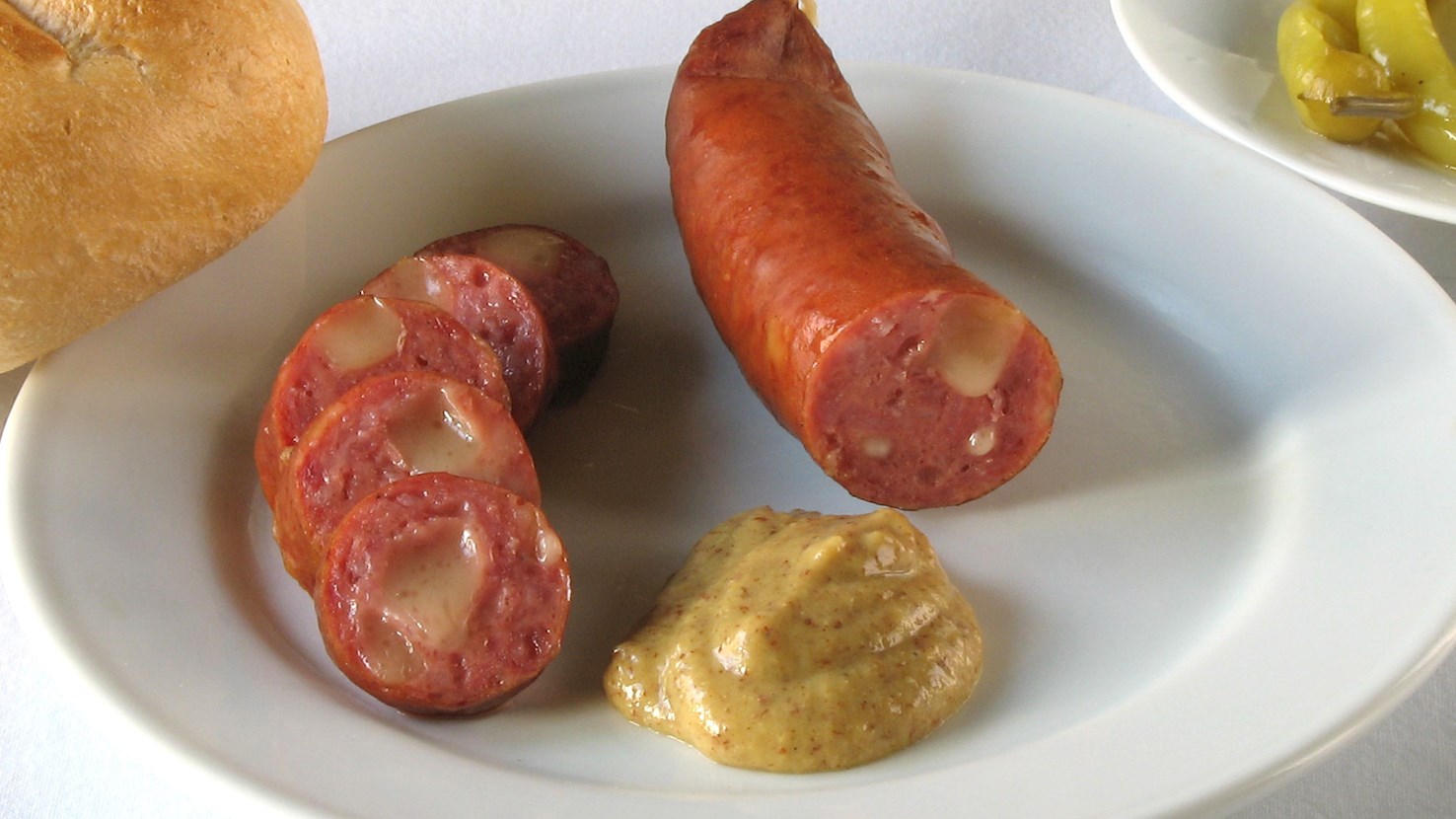
Käsekrainer is a quintessential Austrian gourmet delicacy, a type of sausage filled with small chunks of cheese. It is usually prepared with pork or a mixture of pork, beef, and a variety of spices, while the cheese used for the filling is typically Swiss Emmental. Once stuffed, the plump sausages are lightly smoked over applewood, giving this meat specialty a distinctive smoky aroma and flavor. The name of the sausage combines two words - käse and krainer - the first being the German word for cheese, while the latter refers to Krainer sausage. Käsekrainer is actually considered to be a variation of the traditional Krainer sausage, which has been designated as a PGI-certified meat product of Slovenia under the name Kranjska klobasa (also known as Carniolan sausage). These cheese-filled sausages are most commonly grilled to crispy perfection, although they can also be fried, baked, or boiled. The heating process allows for the cheese to melt entirely, creating that warm gooey sensation of oozing cheese that has made Käsekrainer so popular with locals and tourists alike. The locals have likened the way the cheese seeps out of the sausage to the rather unpleasant image of being filled with pus, which is how the sausage earned its other name, dieEitrige (lit. ulcerous or pus-filled). A beloved street food snack, käsekrainer can be bought at almost any street food stand in the country. In Austria, these traditional sausages are usually enjoyed with bread rolls, slices of dark bread, or small baguette-like rolls, and condiments such as mustard, curry sauce, horseradish, ketchup, pickles, and hot peppers.
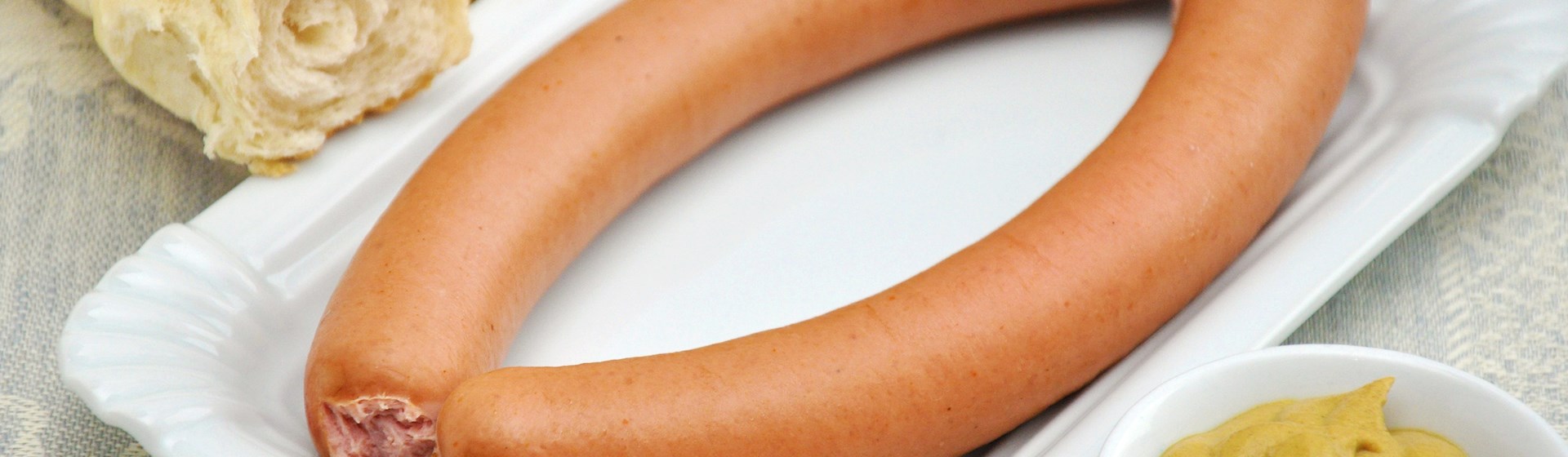
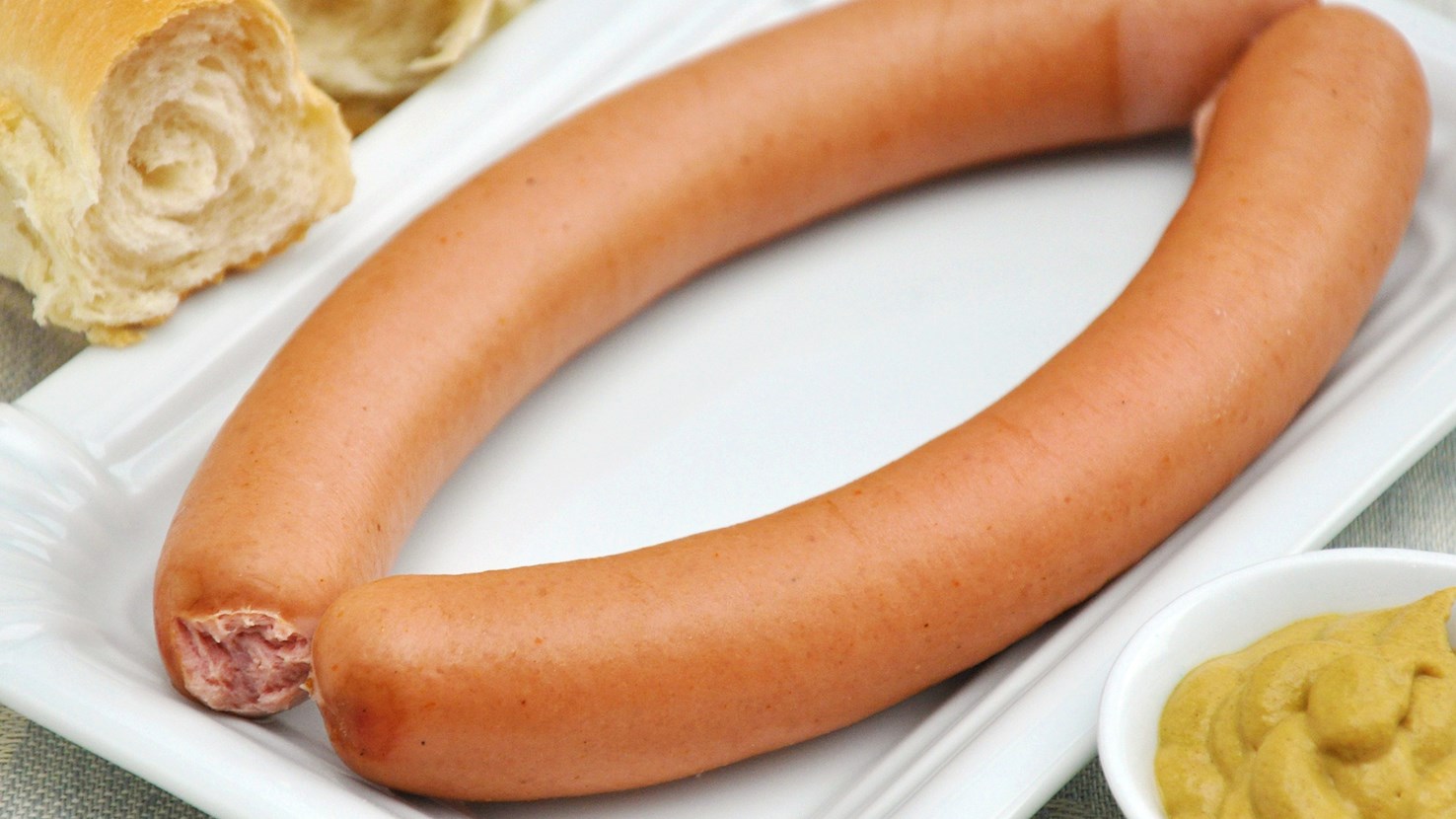
Considered a variation on the traditional frankfurter würstchen (frankfurter sausage), wiener würstchen is the name of an Austrian sausage that is typically prepared with a mixture of pork and beef. The combination is finely chopped and seasoned with spices such as white pepper, coriander, mace, paprika, salt, and ginger before it is placed into a thin sheep intestine, smoked, and parboiled. It was back in 1805, in Vienna, when Johann Georg Lahner, a butcher from Gasseldorf but trained in Frankfurt, created a new variety of sausage by adding beef to the original frankfurter, which was made exclusively from pork. Initially, his creation carried the name Lahners würstel, but it soon came to be known as frankfurter würstel - a name that has stuck until today in Austria. In Germany, the sausage came to be known as wiener würstchen (meaning Viennese sausage in German), referring to the place where the production of these sausages initially began. Another reason why the Germans had to call these sausages wiener würstchen instead of frankfurter sausages, as was the case in Vienna, was because of the protected status that frankfurter würstchen have been enjoying in the country since 1860. These sausages are usually enjoyed in pairs, either warm or cold, and they are typically simply heated in boiling water, roasted, or grilled.
Gebackene blunznradln is a traditional dish made with blunzn, or blood sausage. In this dish, the blood sausage is sliced into rounds, breaded, and then fried, similar to a Wiener Schnitzel preparation method. The finished Gebackene blunznradln might be served with a side of potatoes, sauerkraut, or other traditional Austrian side dishes.
TasteAtlas food rankings are based on the ratings of the TasteAtlas audience, with a series of mechanisms that recognize real users and that ignore bot,
nationalist or local patriotic ratings, and give additional value to the ratings of users that the system recognizes as knowledgeable.
For the “Top 3 Austrian Cooked Sausages” list until July 15, 2026, 424 ratings were recorded, of which 370 were recognized by the system as legitimate.
TasteAtlas Rankings should not be seen as the final global conclusion about food. Their purpose is to promote excellent local foods,
instill pride in traditional dishes, and arouse curiosity about dishes you haven’t tried.