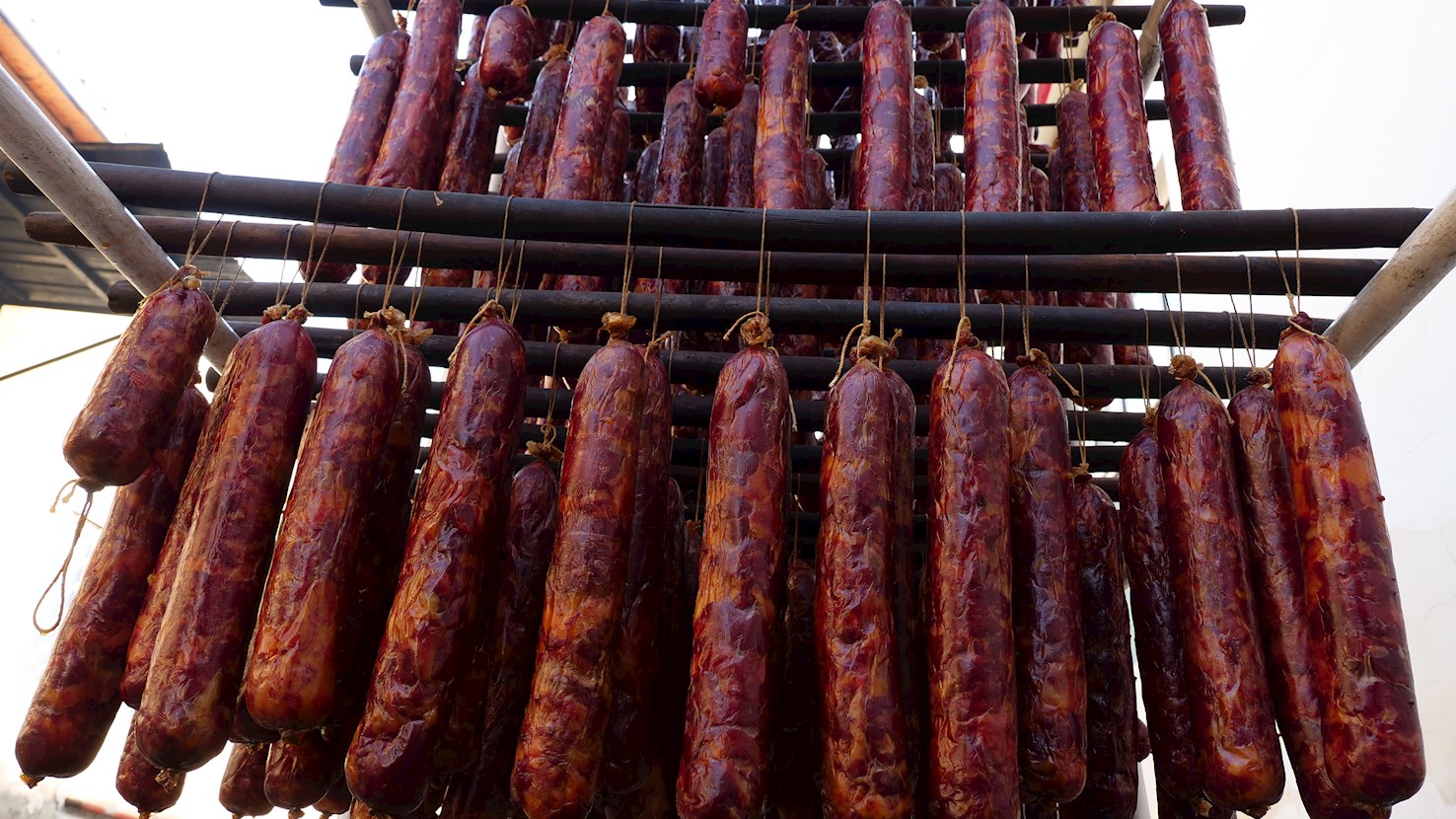
Debreceni kolbász is a Hungarian sausage made with pork and spices such as garlic, paprika, pepper, and marjoram, which account for the reddish-orange color of the sausage. It is named after the Hungarian town of Debrecen. These sausages are typically unsmoked or lightly smoked, and the flavor is strong and slightly pungent. They can be broiled, baked, or fried. Some use them as an ingredient in various aromatic stews or bake the sausages with beans. Nowadays, Debreceni kolbász is popular throughout the former Austro-Hungarian Empire.
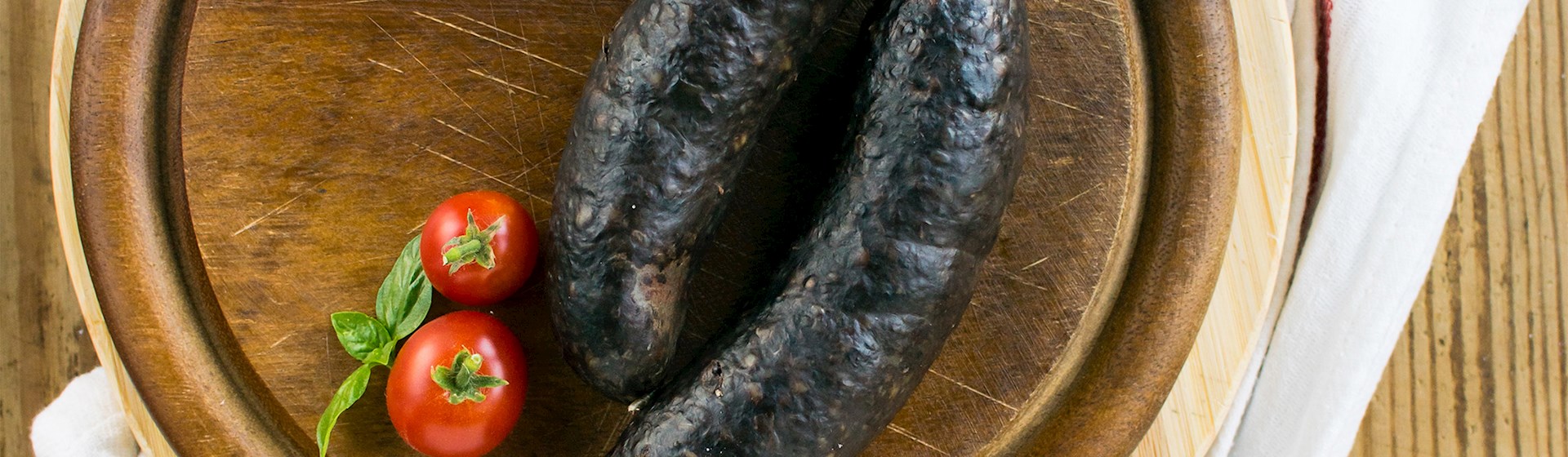
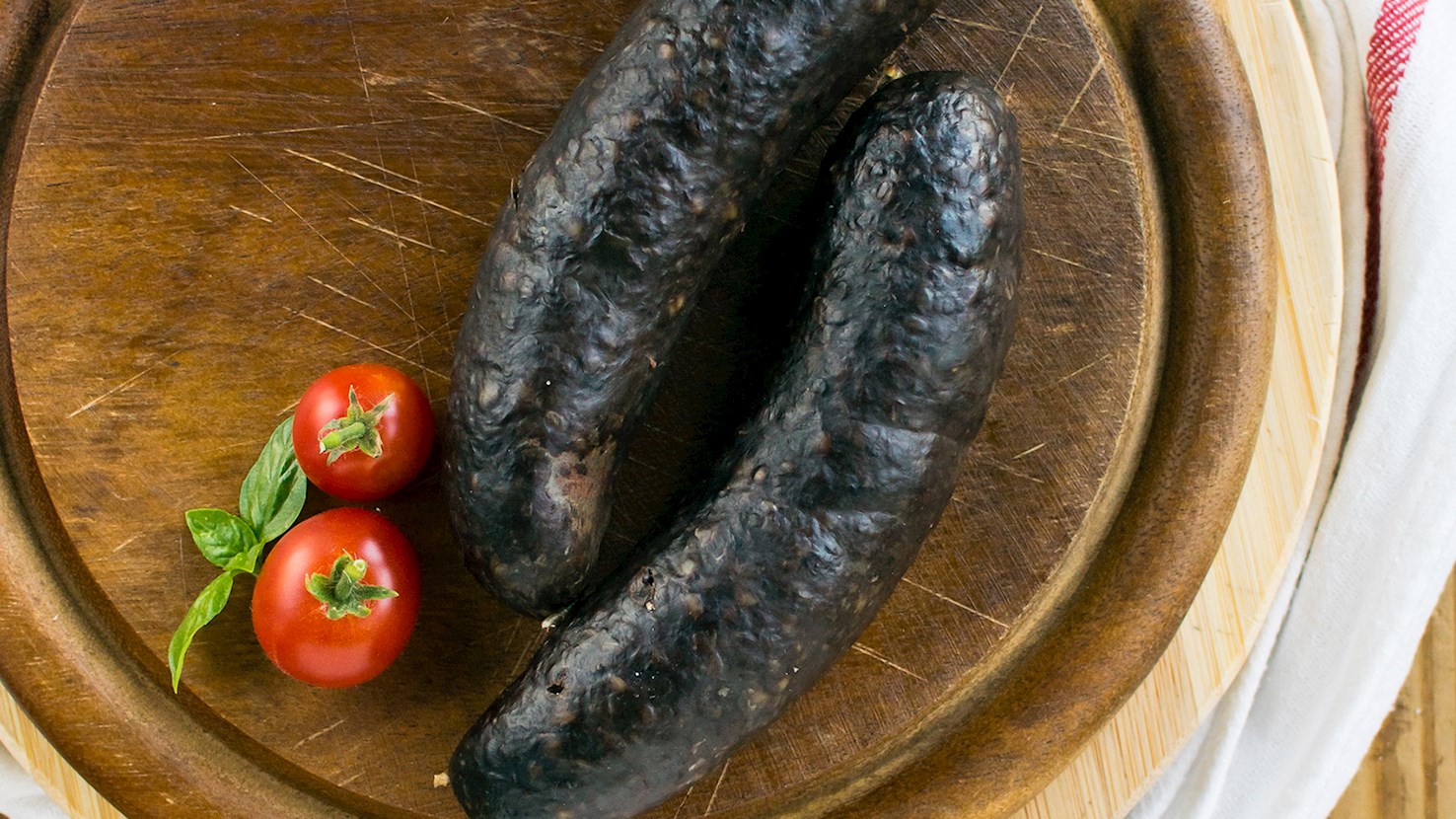
Hurka is a popular Hungarian sausage consisting of ground pork and pork liver, rice, and onions. There are two main varieties: májas hurka, made with liver and rice, and véres hurka, made with blood, rice, and seasonings. It is recommended to pan-fry or grill the sausages and enjoy them with fresh bread, sauerkraut, potatoes with parsley, and mustard, or alternatively, pickled vegetables such as cucumbers and peppers. Hurka pairs extremely well with a glass of cold beer on the side.
Lókolbász is a Hungarian sausage made from horse meat. During the preparation process, the meat is flavored with paprika, garlic, and caraway. Occasionally, pork fat is added to enrich the flavor and improve texture. Horse sausage is typically cooked and served on a plate with various vegetables, but it can also be used as an ingredient in stews and traditional goulashes.
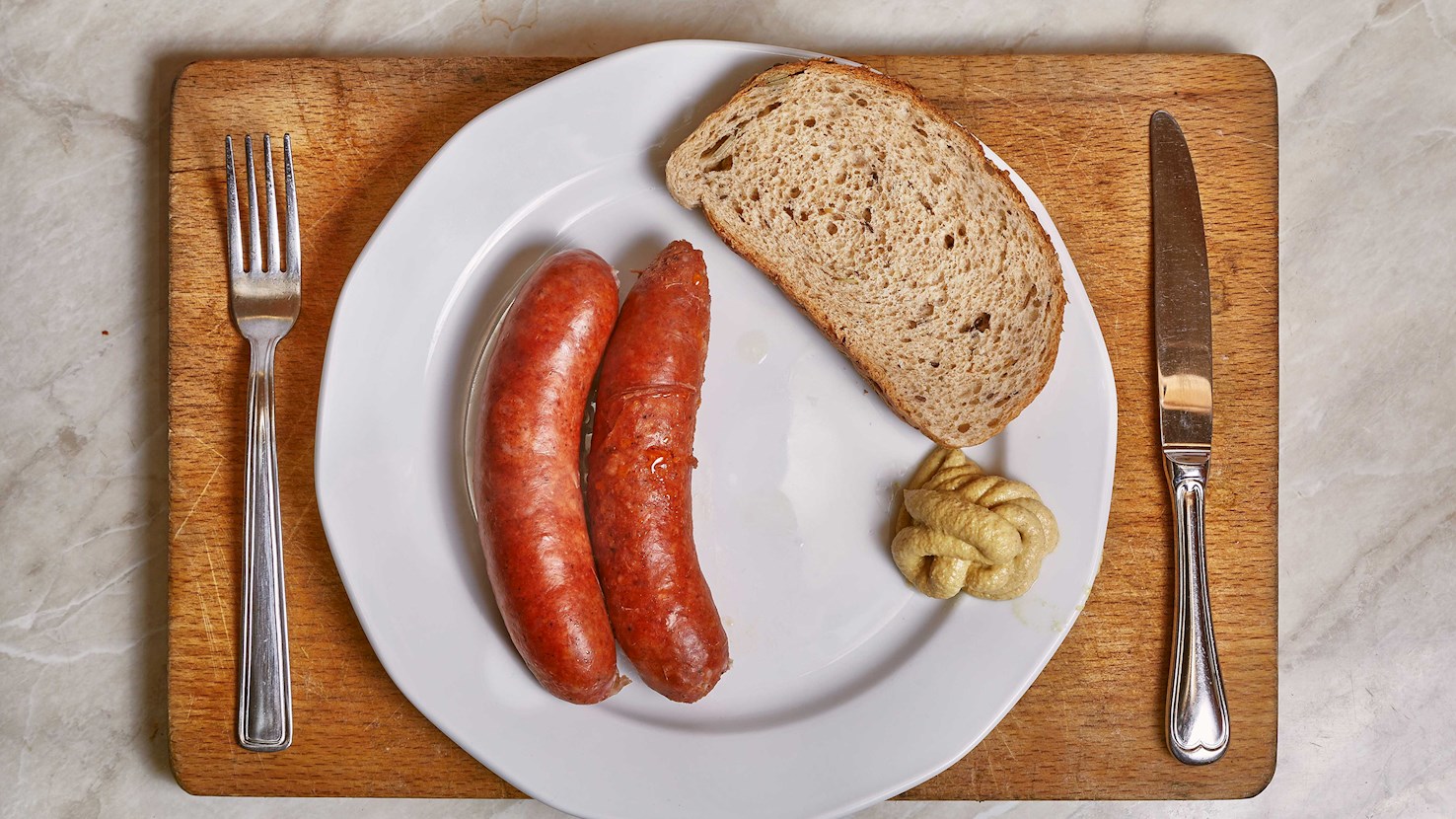
Sült kolbász is a pork sausage from Hungary designed specifically for frying or roasting that consists of fresh or lightly cured meat that must be cooked before eating. When fried or roasted, the natural casing becomes browned and brittle, while the interior remains succulent and soft. The flavor profile is robust, defined by the taste of rendered pork fat, garlic, paprika, black pepper, and salt. The specific style became prominent in the 19th century, coinciding with the standardization of pork processing and the widespread adoption of paprika in Hungarian cuisine. As butchery practices evolved, sausages were developed for immediate consumption or short-term storage. These products emphasized cooking methods that utilized high heat to brown the exterior and render the fat, distinct from the preservation-focused drying methods used for other local charcuterie. The making of sült kolbász begins with coarsely grinding pork shoulder and back fat. This mixture is seasoned with salt, crushed garlic, black pepper, and paprika—ranging from sweet to hot—and sometimes caraway seeds. The meat is stuffed into natural hog casings and allowed to rest briefly to let the seasoning distribute. The sausages are then cooked slowly in a pan or over a grill; this gradual application of heat allows the fat to render without splitting the casing, ensuring the meat cooks through evenly. The primary differences between versions lie in the intensity of the spice blend, particularly the ratio of hot to sweet paprika, and the diameter of the sausage. Some butchers produce thicker links while others prefer thinner forms. Sült kolbász is eaten hot and is a staple at markets, fairs, and casual dining establishments. It is most commonly served with thick slices of fresh white bread, mustard, pickled vegetables, or stewed cabbage. To cut through the richness of the fat, it is typically paired with light lagers, wine spritzers made with soda water, or simple acidic table wines.
TasteAtlas food rankings are based on the ratings of the TasteAtlas audience, with a series of mechanisms that recognize real users and that ignore bot,
nationalist or local patriotic ratings, and give additional value to the ratings of users that the system recognizes as knowledgeable.
For the “Top 4 Hungarian Cooked Sausages” list until May 15, 2026, 229 ratings were recorded, of which 165 were recognized by the system as legitimate.
TasteAtlas Rankings should not be seen as the final global conclusion about food. Their purpose is to promote excellent local foods,
instill pride in traditional dishes, and arouse curiosity about dishes you haven’t tried.