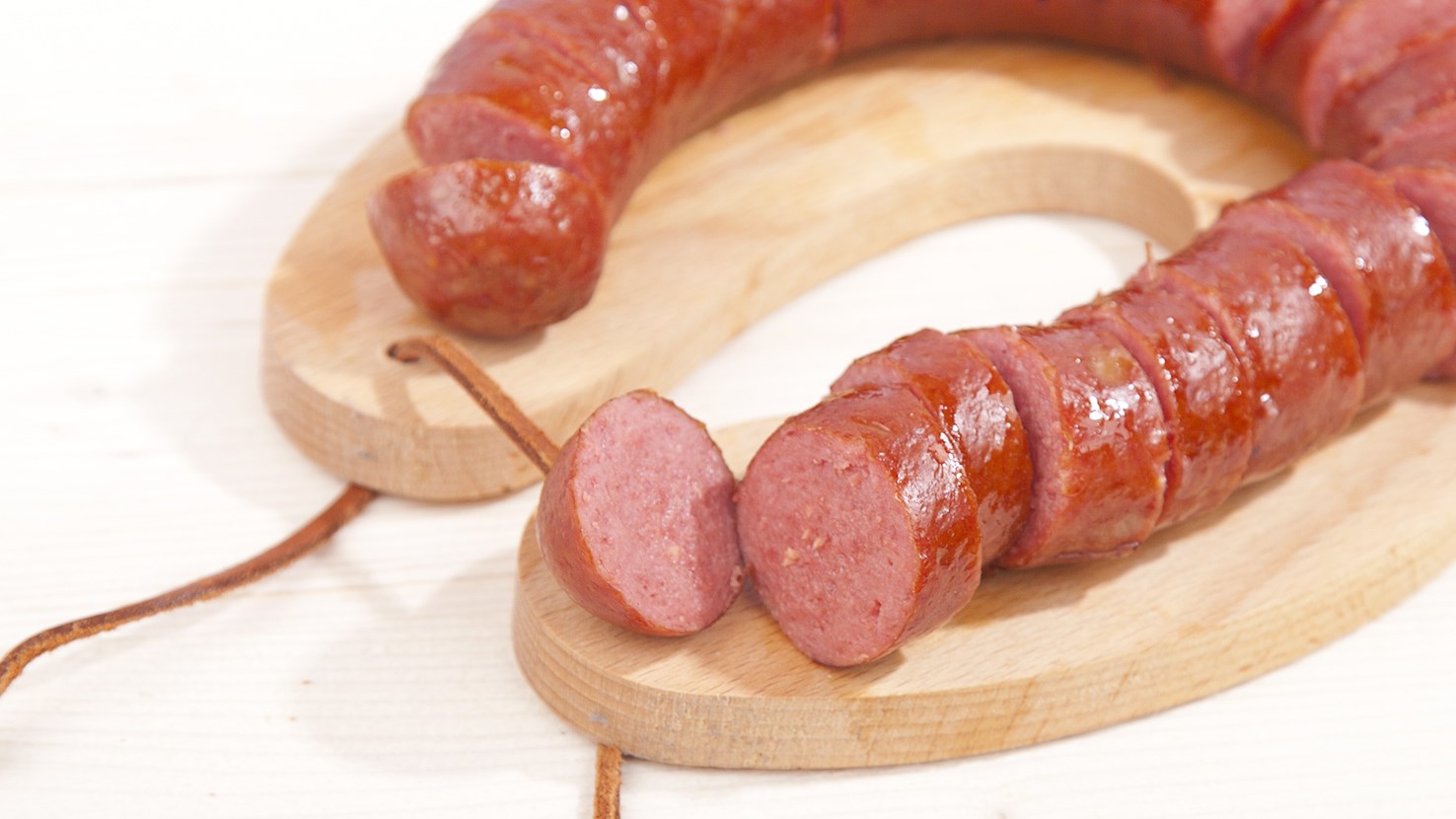
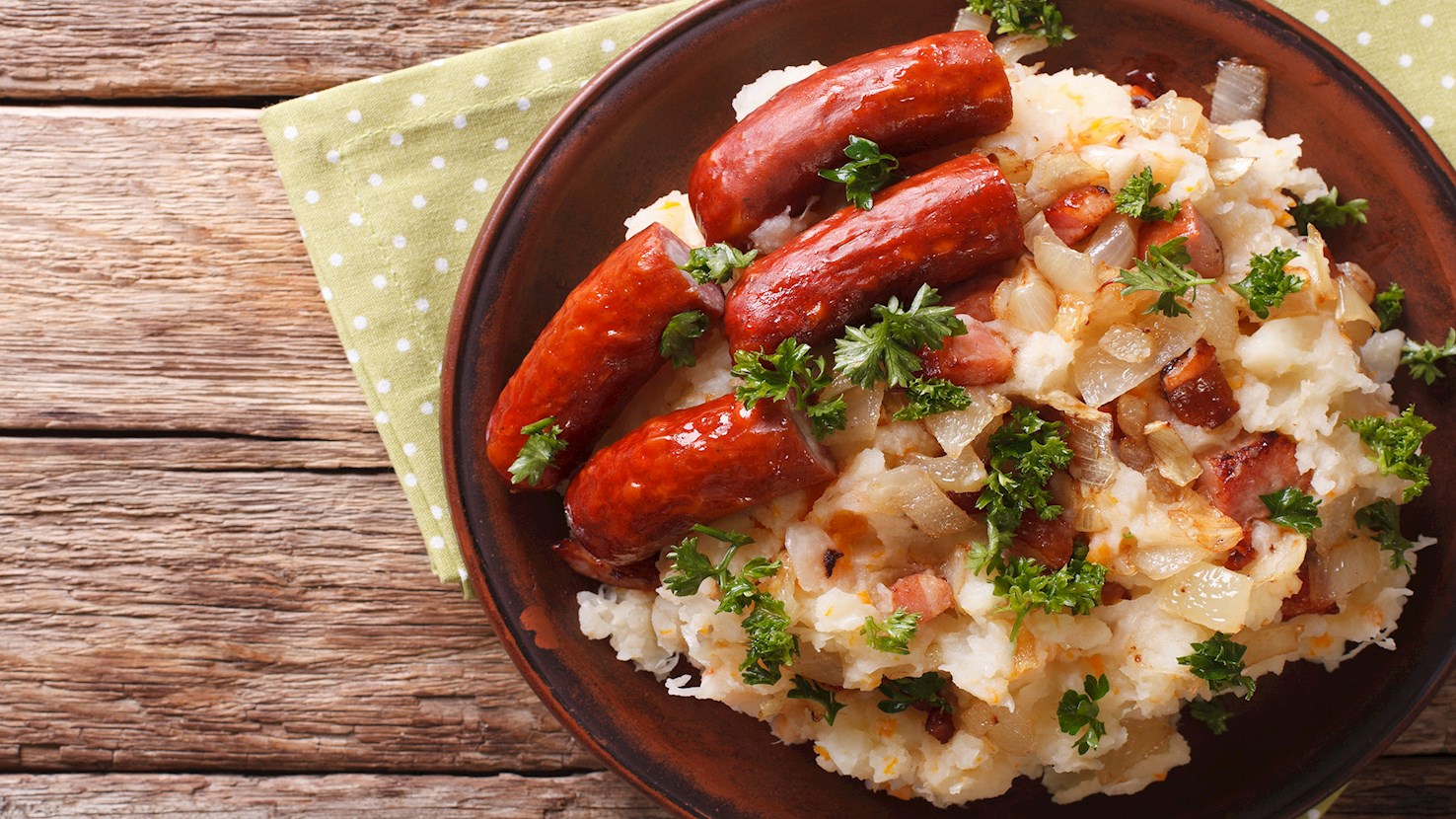
Rookworst is a Dutch smoked sausage made with either pork, pork and beef, or pork and veal, but in recent years there's also a turkey-based rookworst that's available in most Dutch stores. The meat is typically flavored with saltpeter, nutmeg, and sugar before it is placed into pork intestines and left to smoke over smouldering woodchips. There are two distinctive varieties of this sausage – Gelderse rookworst and raw rookworst. The Gelderse variety is pre-cooked and sold vacuum-packed, so it can simply be reheated, while the raw variety should be cooked before consumption. For the most traditional meal, pair rookworst with a piping hot serving of stamppot.
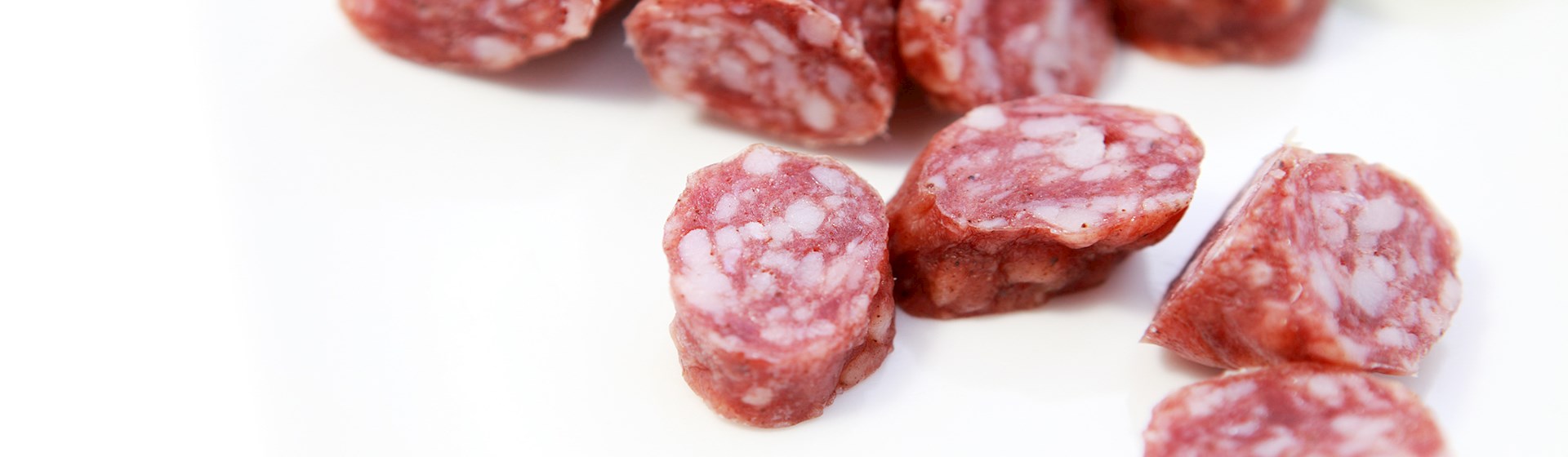
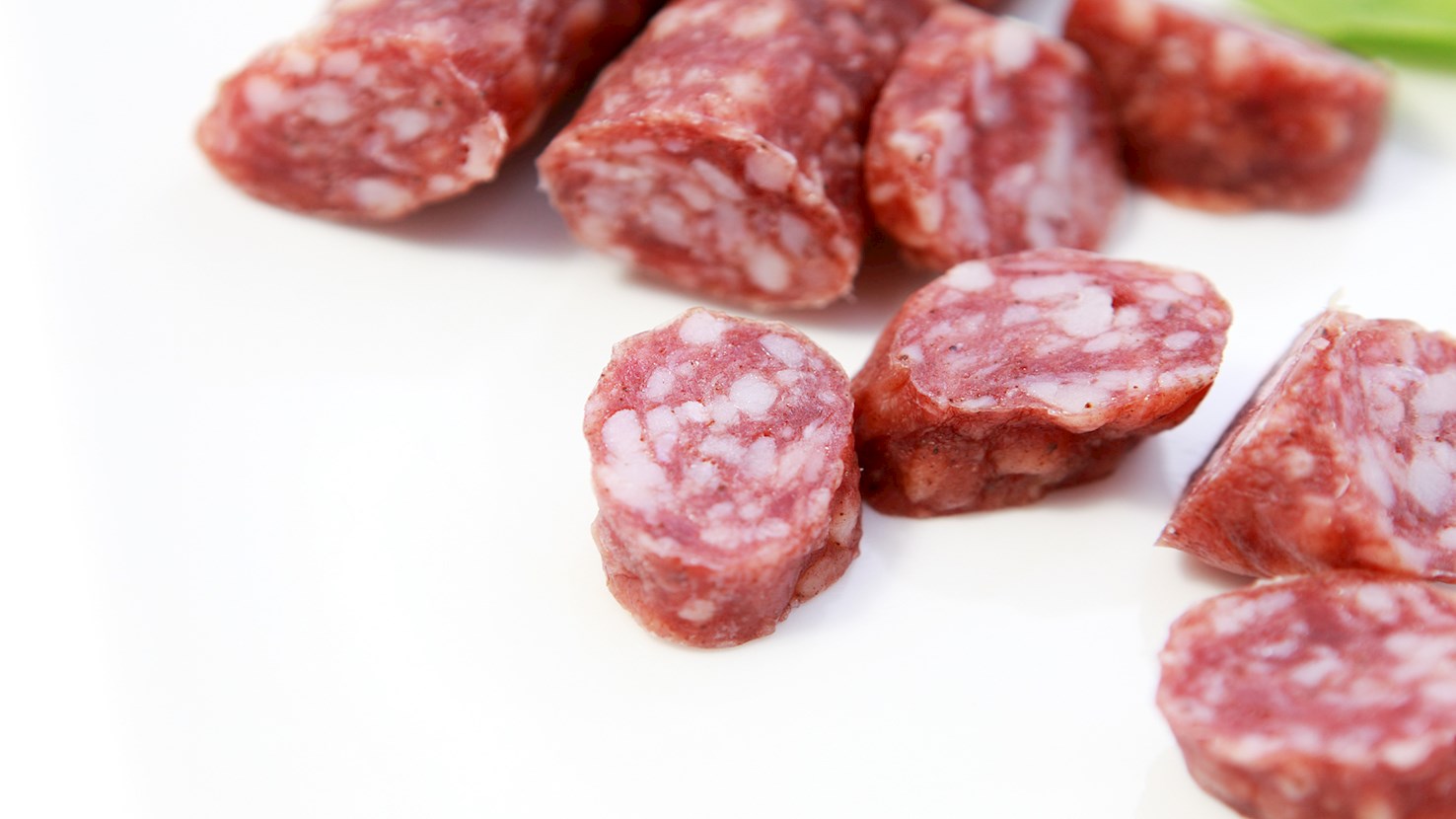
Metworst is a traditional sausage made from ground pork. The sausage is always dried in the open air and has a very strong flavor. In the past, due to its preservability, metworst was mostly used in cases of emergency, when the farmers had shortages of fresh meat, but over time, it started to be consumed by field laborers as a light lunch. Today, the sausage is most often eaten as a cold cut on bread.
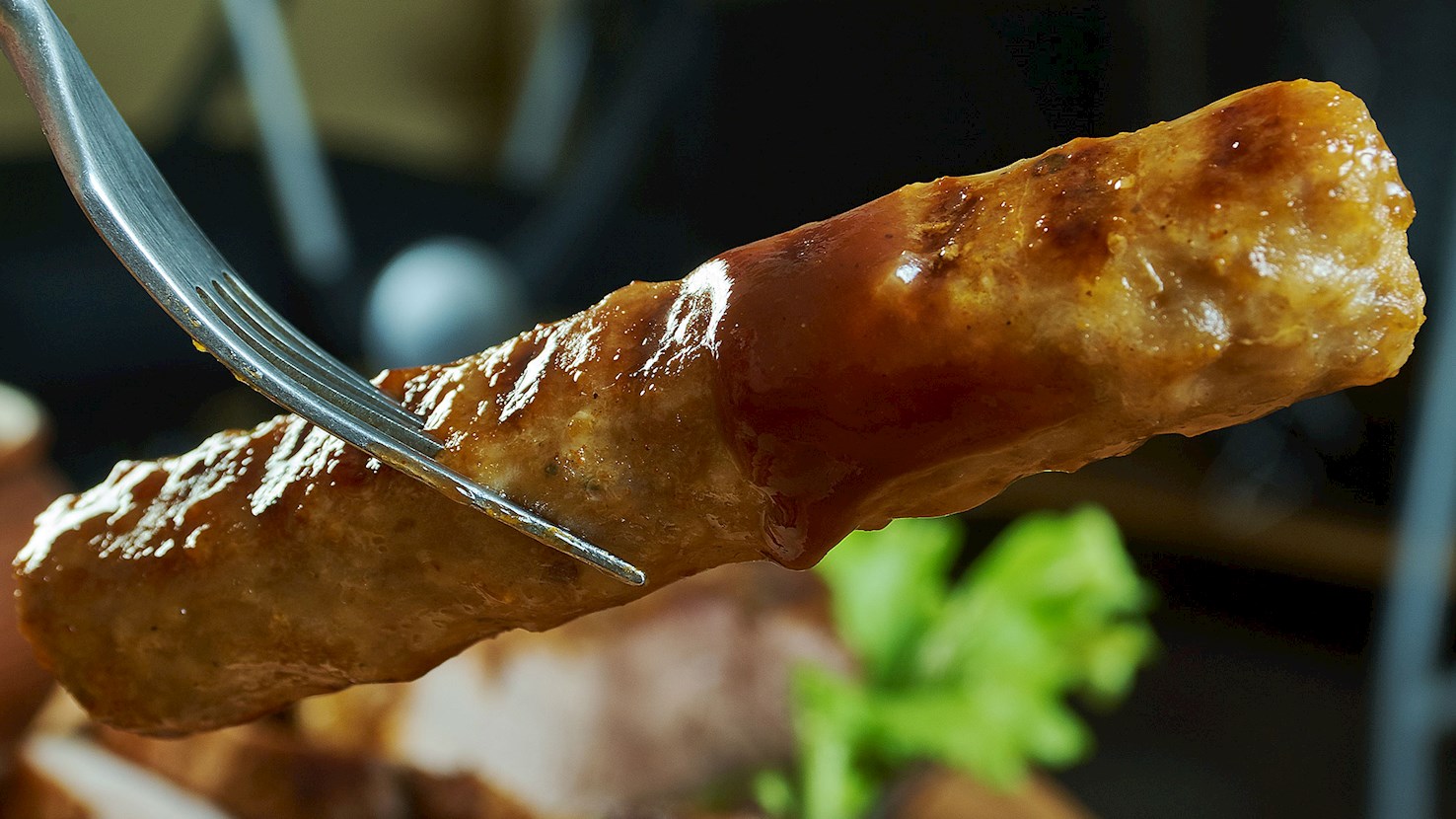
Braadworst is a typical Dutch sausage characterized by its large size. The name means roast sausage in Dutch, so braadworst is typically pan-fried with butter or grilled at barbecues. It consists of finely ground pork, beef, or veal meat that is lightly seasoned with spices and herbs such as nutmeg, pepper, fennel, and coriander, although the primary flavor should be that of meat. The sausages can be paired with anything from stamppot and mustard to onions and cucumbers.
This unique, skinless, deep-fried sausage is a popular snack that is mostly consumed in Belgium and the Netherlands. There has been a long dispute whether frikandel is originally Belgian or Dutch, and although the exact origin of frikandel is unknown, it is certain that the dish first appeared in the 1950s. The original frikandel sausage consisted of a variety of meat, most commonly pork, chicken, and horse meat. However, since eating horse meat is sometimes regarded as taboo these days, most producers eliminated it from their recipes. Traditionally, it is served plain, with a dollop of mayonnaise on the side. However, it can be served as broodje frikandel, where the sausage is served in a white bread bun, or as frikandel speciaal, when the sausage is sliced through the middle and doused with mayonnaise, curry ketchup, and finely chopped onions. Frikandel can often be found at numerous snack bars and friteries throughout Belgium and the Netherlands.
Rolpens is a Dutch sausage made with minced beef and pork mixed with spices, encased in a section of beef tripe and preserved in a vinegar-based brine. The item originates from the Netherlands, particularly associated with the province of Zeeland. It belongs to the category of charcuterie products that utilize variety meats and pickling as a means of preservation. The appearance is characterized by a cylindrical shape with the textured lining of the tripe visible on the exterior, which holds the seasoned meat filling in a tight, structured form. The development of this product is rooted in the urban slaughtering practices of the 17th and 18th centuries in Dutch cities. During this period, the autumn slaughter necessitated the immediate processing of all parts of the animal, including the stomach lining and smaller meat trimmings. The use of a vinegar pickling solution was a practical method to extend the shelf life of these proteins throughout the winter months when fresh meat was less accessible. By the 19th century, rolpens had become a common sight in Dutch butcher shops, often displayed in large stoneware crocks filled with spiced brine. The composition of the spices, typically including nutmeg, cloves, and salt, reflects the historical influence of the Dutch East India Company on the local palate and the availability of tropical spices in Dutch ports. Preparation involves finely dicing or mincing the beef and pork, which is then seasoned and stuffed tightly into a cleaned beef tripe. The ends are secured, and the roll is boiled before being placed into a pickling jar containing a mixture of vinegar, water, and pickling spices such as peppercorns and bay leaves. A technical characteristic of rolpens is the contrast between the gelatinous, slightly chewy texture of the outer tripe and the dense, seasoned meat interior. Before consumption, the roll is removed from the brine and sliced into circular discs. These slices are typically pan-fried in butter until the edges of the tripe become crisp and the meat filling is heated through. A unique aspect of the frying process is that the tripe acts as a natural casing that shrinks slightly when heated, further compressing the filling and concentrating the flavors.Rolpens is eaten as a warm component of a meal, predominantly in the Netherlands during the colder seasons. It is most frequently served with sliced fried apples, which provide a sweet and acidic contrast to the savory meat and the residual tang of the vinegar brine. The most common accompaniment is a side of boiled or mashed potatoes. In some regions, it is served on a slice of buttered bread as a heavy lunch or snack. It is often paired with a glass of cold milk or a robust Dutch pilsner, which helps balance the fatty profile of the fried meat and tripe.
TasteAtlas food rankings are based on the ratings of the TasteAtlas audience, with a series of mechanisms that recognize real users and that ignore bot,
nationalist or local patriotic ratings, and give additional value to the ratings of users that the system recognizes as knowledgeable.
TasteAtlas Rankings should not be seen as the final global conclusion about food. Their purpose is to promote excellent local foods,
instill pride in traditional dishes, and arouse curiosity about dishes you haven’t tried.




What People Say