shutterstock

Top 8 South American Cooked Sausages

Last updated on June 15, 2026

Best South American Cooked Sausages
01

Chorify

4.8 ·
Chorify is an Argentinian producer specializing in barbecue products, with a particular focus on chorizo, morcilla, and provolone. Their rich selection includes a wide variety of chorizos – from classic, traditional recipes to innovative stuffed versions filled with cheeses like provolone, cheddar, and mozzarella, as well as more unique combinations featuring fig, walnut, and pancetta. What sets Chorify apart is their carefully selected high-quality ingredients and artisan-style production, which guarantees authentic flavor and a distinctive character in every product. In addition to chorizo, they offer a range of morcillas – from traditional to those enriched with dried fruits, vegetables, or cheese – as well as provolone, perfect for melting on the grill and enjoying as part of any asado.
02

Don Julio

4.6 ·
Don Julio is a producer that uses meat exclusively from its own farm. On the farm, Hereford and Aberdeen Angus cattle are raised, fed solely on grass, and grown using regenerative grazing methods. This approach allows for sustainable farming and high-quality meat production. Don Julio owns a renowned restaurant in Buenos Aires, famous for its top-tier meat products, including house-made sausages. The sausages served at the restaurant, such as morcilla (blood sausage), salchicha, and chorizo, are made from meat sourced from the farm, using traditional techniques and spices. The meat is dried and aged to achieve optimal flavor and texture. All products are handcrafted, in line with the highest quality standards.

Best South American Cooked Sausages

01

Chorizo a la parrilla

4.2 ·

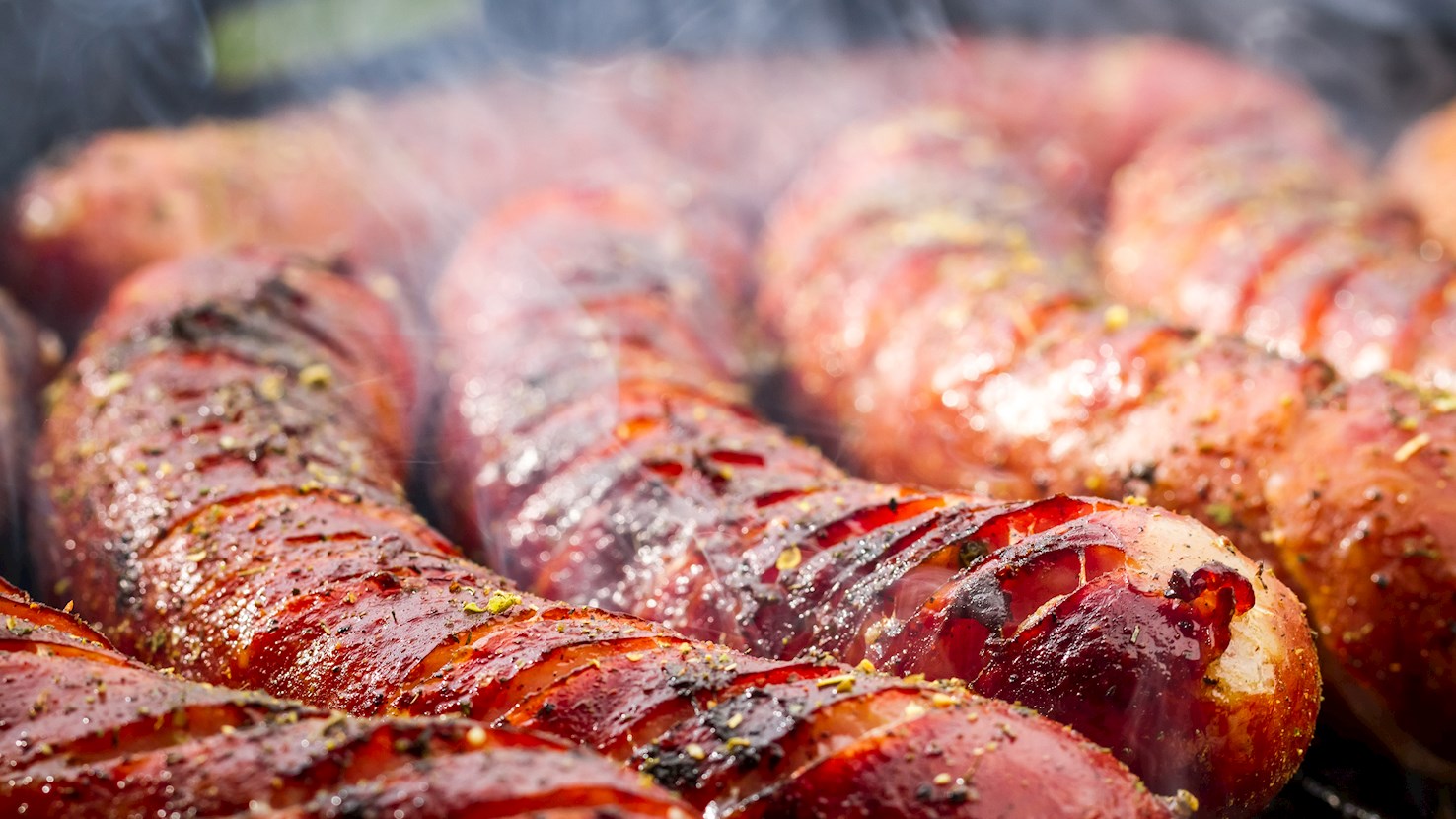
A true Argentinian asado is only complete with chorizo, a fresh pork (or beef or pork and beef) sausage seasoned with paprika, pepper, oregano, and garlic. It is briefly soaked in water and then grilled until the outside is charred, but the insides remain juicy. Still, chorizo sausage is nearly impossible to overcook thanks to its high-fat percentage. Chorizo is typically served as an appetizer and as a sandwich, inside a bread roll, smothered in chimichurri sauce.

02

Salchicha parrillera

3.8 ·

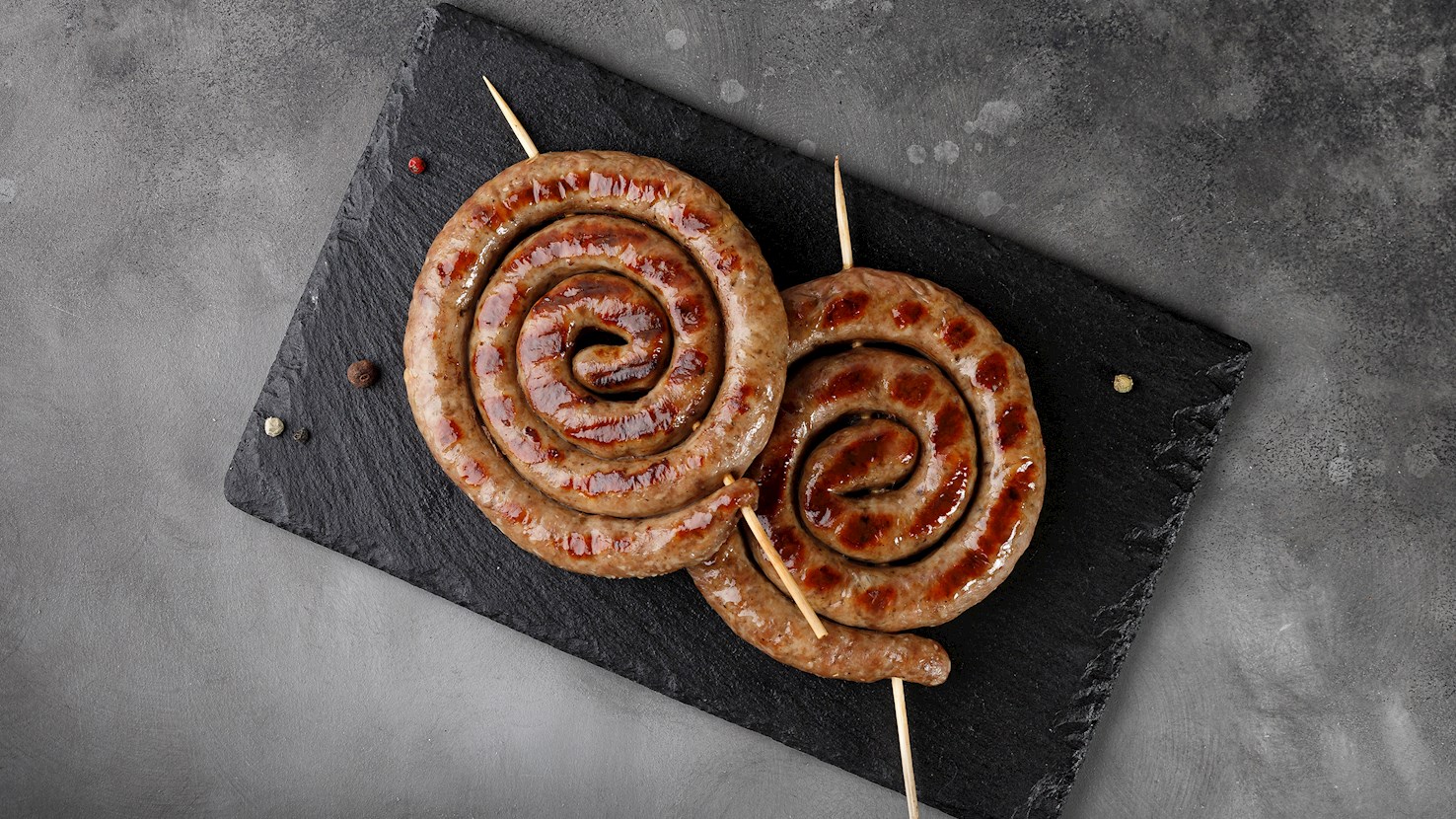
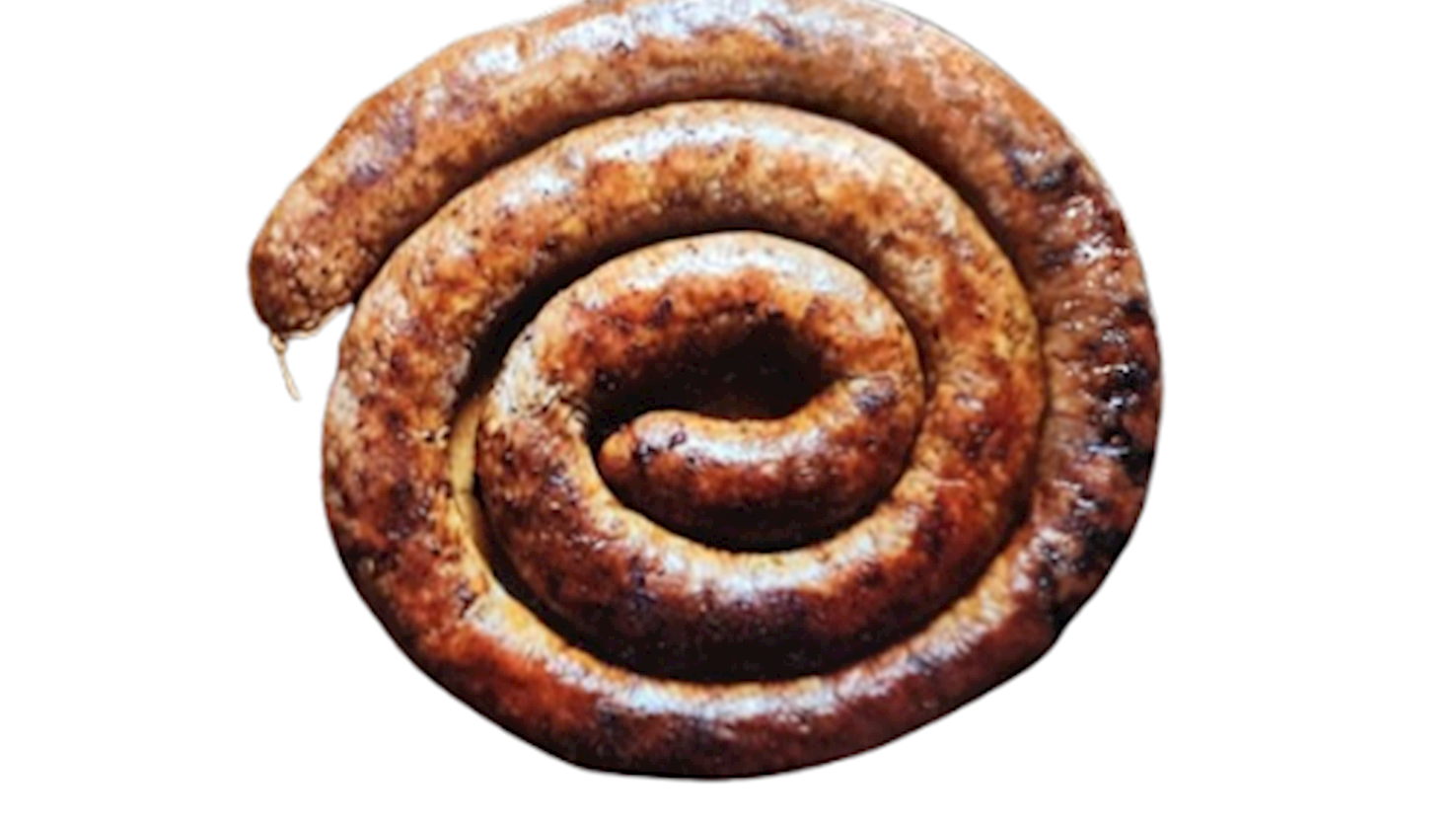
Salchicha parrillera is a thin, long, fresh, and coiled Argentinian sausage that is very similar to chorizo. They only differ in shape. For barbecuing, it’s usually shaped into a tight spiral and secured with long toothpicks that are pierced into the center of the sausage to keep it in place. It is grilled over low to medium flame and often turned until crispy on the outside. The grilled sausage is served with bread and chimichurri sauce.

03

Morcilla a la parrilla

3.2 ·

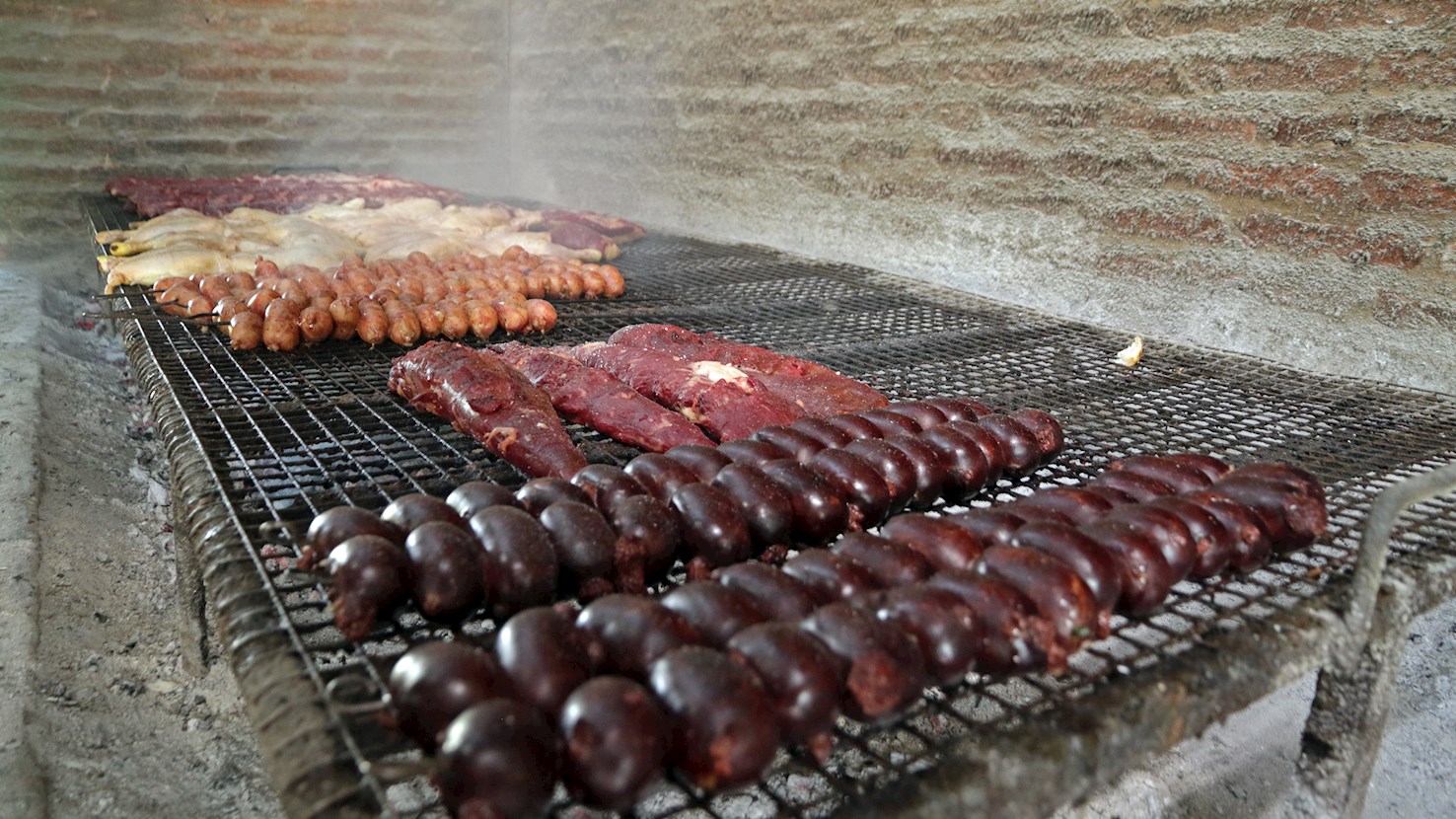
Morcilla a la parilla is a sausage dish that’s prepared by grilling morcilla blood sausage. Every morcilla is different. Some are savory, seasoned with salt, pepper, garlic, and onion, and some are sweeter and have things like raisins, cloves, and nuts, so the dish is each time different depending on the sausage used. Also, because morcilla is a pre-cooked sausage, technically, it is only heated on the grill, not cooked. It can be eaten plain or spread on bread.

04

Morcilla carupanera

n/a ·

Morcilla carupanera is a Venezuelan blood sausage made from pork blood mixed with cooked grains, pork fat, onions, peppers, herbs, and spices, stuffed into natural casings and formed into medium links with a dark exterior, a firm yet moist interior, visible grains, and a flavor that is savory, aromatic, and gently spiced rather than sweet. The sausage developed as Spanish blood sausage techniques merged with local Caribbean ingredients and cooking habits, particularly in coastal areas where rice and aromatics were readily available and pork processing followed communal and seasonal rhythms that required immediate use of fresh blood. Preparation centers on cooking rice until tender, sautéing onions, peppers, garlic, and herbs until soft, combining them with strained fresh pork blood, diced pork fat, salt, pepper, cumin, and local seasonings, filling the mixture into casings, and gently simmering the sausages so the blood coagulates evenly and the structure sets without bursting. Common variations include adjustments in grain proportion, spice intensity, or herb selection, and some versions incorporate additional aromatics or slight heat, while the defining feature remains the balance between rice, blood, and savory vegetables that distinguishes it from sweeter or more heavily spiced morcillas elsewhere. Morcilla carupanera is eaten hot, most often grilled or pan-fried, served with cassava, arepas, boiled roots, or fresh salads, and it appears at home meals and outdoor gatherings where its richness is paired with starches and acidic or fresh accompaniments rather than heavy sauces.

05

Morcilla colombiana

n/a ·

Morcilla colombiana is a cooked sausage made from pork blood mixed with cooked rice, pork fat, finely chopped onion, scallion, garlic, herbs, and spices, stuffed into natural casings and set into medium to thick links with a dark exterior, a firm but tender interior, visible grains of rice, and a flavor that balances savory depth with herbal freshness rather than sweetness. The sausage took shape as Iberian blood sausage methods merged with local ingredients and cooking habits, with rice becoming a defining component that extended yield and moderated richness, and it became closely associated with street food, markets, and everyday meals where pork products were prepared and sold fresh. Preparation centers on cooking rice until just tender, sautéing onions, scallions, and garlic, combining them with strained fresh pork blood, diced pork fat, salt, cumin, pepper, and herbs such as cilantro or oregano, filling the mixture into casings, and gently poaching the sausages so the blood coagulates evenly and the structure sets without bursting. Common variations include differences in herb choice, rice proportion, spice intensity, or firmness depending on whether the sausage is intended for grilling or slicing, while the defining feature remains the prominent use of rice and fresh aromatics rather than dried fruit or sugar. Morcilla colombiana is eaten hot, most often grilled or pan-fried until the casing crisps, served with arepas, potatoes, lime, or ají, and it appears in street stalls and home meals where its savory character pairs with acidity, starch, and simple condiments rather than heavy sauces.

06

Morcilla vasca

n/a ·

Morcilla vasca is a cooked blood sausage distinguished by its sweet profile, made from pork blood mixed with pork fat, onions, sugar, raisins, nuts such as walnuts or almonds, and warm spices, formed into thick links with a dark exterior and a soft, moist interior that is gently crumbly and balanced between savory depth and pronounced sweetness. The sausage took shape as Basque immigrant butchery practices merged with Argentine pork processing, where blood sausages were adapted to local tastes and asado culture, and where the addition of dried fruit and sugar created a clear contrast to more savory regional morcillas while remaining compatible with grilling and communal meals. Preparation involves slowly sautéing onions until fully softened, combining them with strained fresh pork blood, cooked pork fat, sugar, raisins, nuts, salt, and spices, filling the mixture into natural casings, and gently poaching the sausages so the blood coagulates evenly without splitting, after which they are cooled and rested before use. Common variations include adjustments to sweetness level, the choice of nuts, or the inclusion of orange peel or cinnamon, while the defining feature remains the deliberate use of sugar and dried fruit, which sets it apart from other Argentine blood sausages. Morcilla vasca is eaten hot or warm, most often grilled as part of an asado, served with bread or simple salads, and it is also sliced for plates where its sweet-savory character pairs well with bitter greens, acidic condiments, or plain starches rather than spicy sauces.

07

Morcilla argentina

n/a ·

Argentine morcilla is a blood sausage made from pig’s blood mixed with ingredients such as rice or grain, onions, pork fat, and spices, shaped into thick links with a dark exterior and a moist interior that ranges from soft to slightly firm, providing a savory, iron-rich flavor balanced by rice and aromatics. In Argentina the sausage became deeply embedded in the asado criollo barbecue culture, forming part of the set of grilled meats and offal that reflect both Spanish culinary inheritance and local cattle-and-hog processing practices where fresh blood, rice, and aromatic vegetables were incorporated to extend yield and enrich flavor. Preparation begins with collecting and straining fresh pig’s blood, sautéing onions until soft, mixing the blood with cooked rice, diced pork fat, salt, pepper, oregano, and other seasonings, filling the mixture into natural pork casings, and poaching the sausages gently so the proteins set evenly without bursting, after which the links are cooled and may be grilled or warmed before eating. Common variations include versions with rice that produce a slightly firmer texture, meat-only variants without rice, and morcilla vasca which incorporates ingredients such as raisins, nuts, and sometimes spices like nutmeg or paprika, while the defining feature remains the use of blood as the primary binder with onions and complementary seasonings. Argentine morcilla is eaten hot or warm, most often grilled as part of an asado alongside chorizo, ribs, and other achuras, and it is also served in sandwiches called morcipán with chimichurri or simply with bread and salad, where its rich, savory character pairs with acidic condiments and the smoky flavor of the grill.

08

Prieta

n/a ·

Chilean prieta is a blood sausage made from pork blood mixed with finely chopped pork fat and meat, onions, garlic, spices, and grains such as rice or bread, stuffed into natural casings and cooked until set, producing a dark, firm sausage with a moist interior, visible fat and grain, a pronounced savory and mineral flavor, and a texture that is dense yet yielding when sliced. The sausage took shape as Spanish blood sausage practices merged with local ingredients and cooking habits, with grains incorporated to extend yield and balance richness, and it became closely tied to rural slaughtering customs and seasonal pork processing where fresh blood had to be used immediately. Preparation centers on cooking rice or soaking bread, sautéing onions and garlic, combining them with fresh strained blood, diced fat and meat, salt, pepper, cumin, oregano, and chili, filling the mixture into casings, and gently simmering the sausages until the blood coagulates and the structure firms without bursting. Common variations include differences in grain choice, spice intensity, fat content, or the addition of smoked chili or herbs, while the defining feature remains the inclusion of rice or bread, which distinguishes prieta from many European blood sausages that rely more heavily on meat or offal. Chilean prieta is eaten hot or cold, frequently grilled, pan-fried, or sliced and served with potatoes, pebre, sauerkraut, or bread, and it appears at home meals, outdoor gatherings, and pork-centered dishes where its richness is balanced by acidity, heat, or simple starches.

Read more
View all
View map
About this ranking

TasteAtlas food rankings are based on the ratings of the TasteAtlas audience, with a series of mechanisms that recognize real users and that ignore bot, nationalist or local patriotic ratings, and give additional value to the ratings of users that the system recognizes as knowledgeable. For the “Top 8 South American Cooked Sausages” list until June 15, 2026, 171 ratings were recorded, of which 125 were recognized by the system as legitimate. TasteAtlas Rankings should not be seen as the final global conclusion about food. Their purpose is to promote excellent local foods, instill pride in traditional dishes, and arouse curiosity about dishes you haven’t tried.

The initial list of top producers was compiled based on available reviews, awards, local recommendations, media and blog coverage, and consumer reviews. The list will be updated with ratings from TasteAtlas local ambassadors and TasteAtlas users.

Similar lists