


Hotel Gasthof Moserwirt

Top 5 Austrian Savory Pastries

Last updated on June 15, 2026
01

Kiachl

3.5 ·

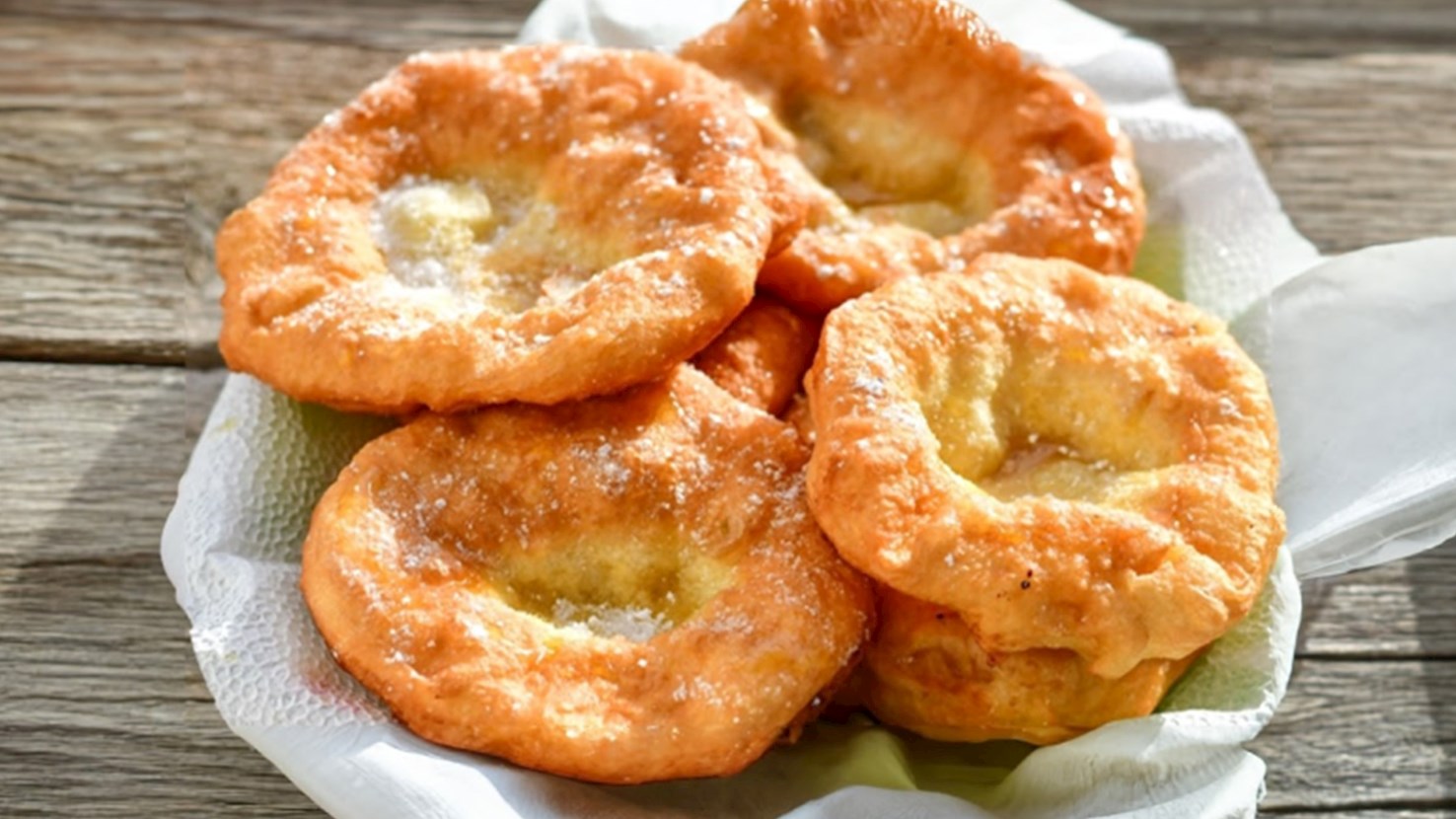
Kiachl is a traditional pastry from the Tyrol region in Austria. It's a type of fried yeast dough pastry often enjoyed during the Christmas season and at local festivals. When making kiachl, a yeasted dough is left to rise, then shaped into a round, flat form with a depression in the middle. The dough is then deep-fried in hot lard or oil until golden brown. After frying, kiachl can be served as a sweet and savory, depending on the topping. Sweet kiachl is dusted with powdered sugar and often served with a side of cranberry jam or other fruit compote. Savory kiachl is typically served with sauerkraut, making for a hearty, satisfying dish.

02

Pinzgauer Bladl

n/a ·

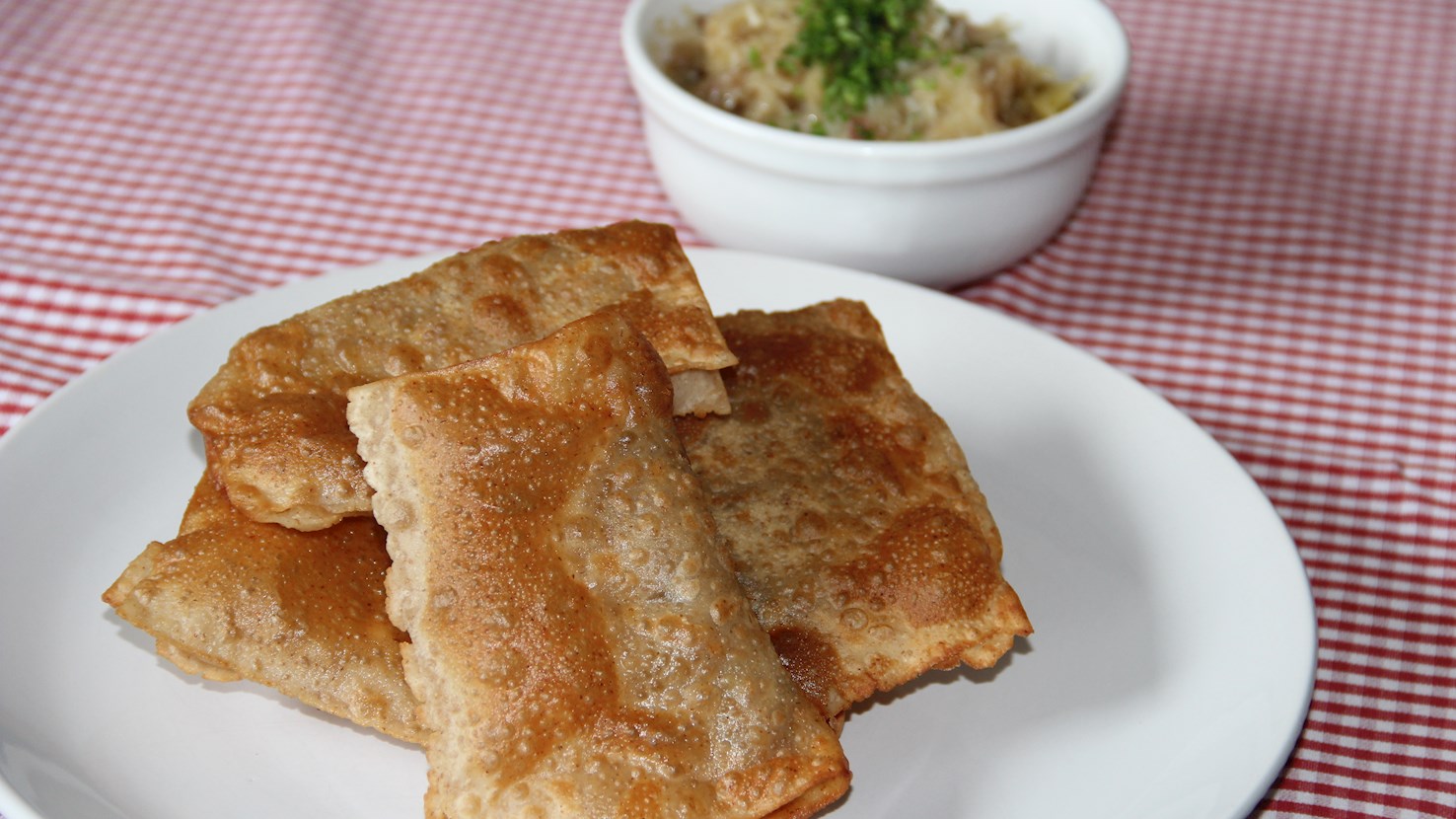
Pinzgauer bladl is a traditional dish made from a batter consisting of rye flour, wheat flour, water, melted butter, and salt. Once prepared, it is rolled out thinly, and then fried in hot fat until it turns crispy. The dough is often made into little pockets (by using two sheets), which are filled with potato and bacon bits. The dish is then served with sauerkraut on the side, but potato salad is also a common accompaniment. This traditional meal is only found in the Pinzgau and Pongau region in Salzburgerland. In the past, it was a staple dish of local farmers, and they would eat it on the field during harvest. Nowadays, it can also be prepared in a sweet version with cranberry jam and icing sugar.

03

Grammelpogatscherl

n/a ·

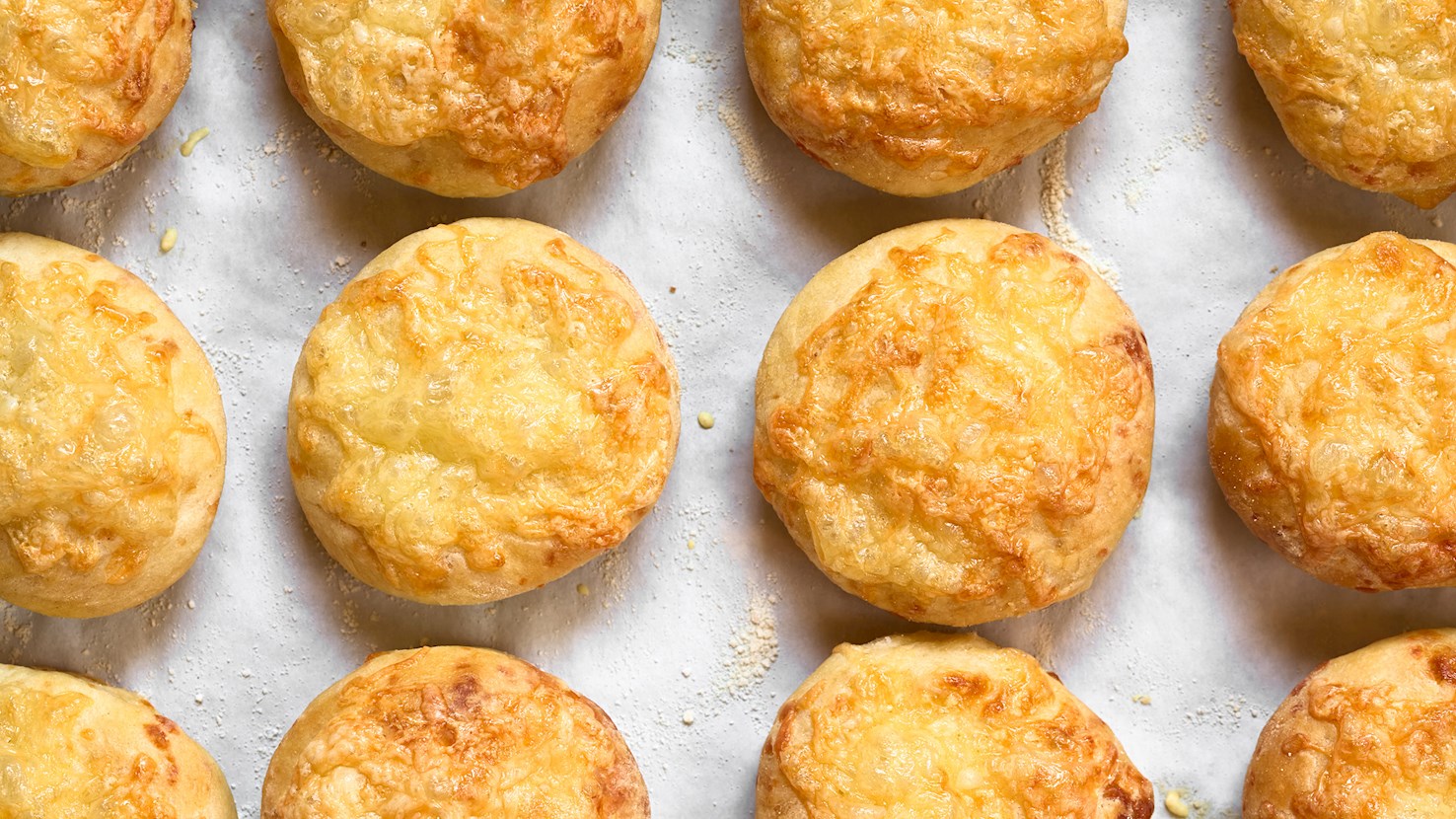
A savory delicacy from Burgenland, grammelpogatscherl is a small, bite-sized pastry containing finely chopped cubes of fried pork fat (grammeln) in the dough. Although the ingredients for its preparation vary from place to place, the pastry is typically made with a combination of flour, eggs, yeast, milk, salt, and fried pork fat. Other common ingredients contained in the dough include lard, sugar, sour cream, white wine, and spices such as pepper, caraway, or cumin. These small pastries are usually made into round shapes and their top is traditionally scored with a knife, giving them a characteristic pattern that varies from family to family. It is recommended to enjoy grammelpogatscherl while they’re still warm, accompanied by sour cream and a glass of wine on the side. These savory pastries are often served as snacks at wine tastings, and they’re commonly prepared for holidays and celebrations.

04

Burgenländischer Krautstrudel

n/a ·

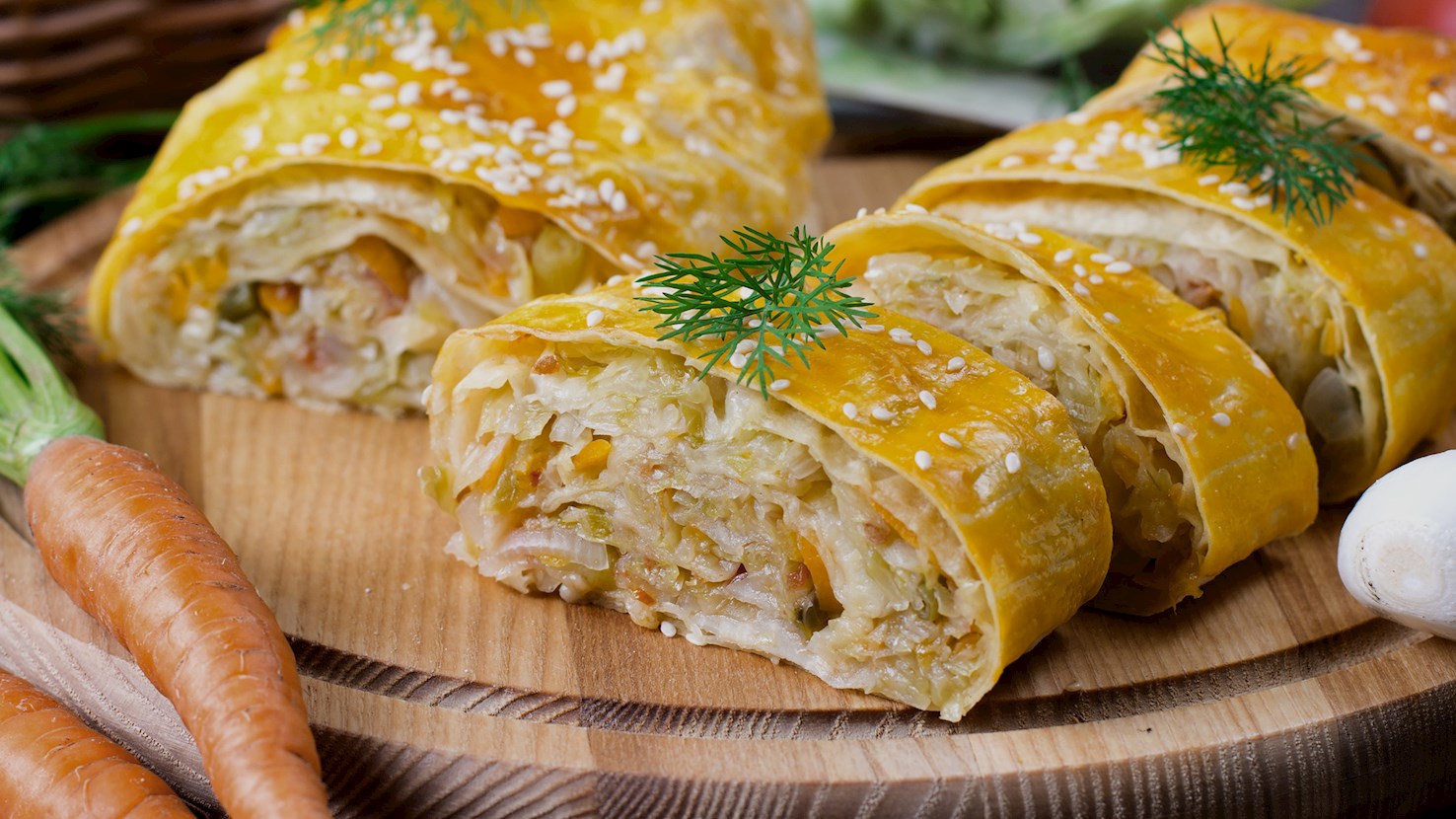
Burgenländischer krautstrudel is a variety of savory strudel from Burgenland, consisting of a thin strudel dough filled with a cabbage filling. The filling is typically prepared with a combination of finely chopped white cabbage, sugar, fat, salt, and spices such as pepper, caraway, and nutmeg. Once stuffed, the cabbage strudel is rolled up, brushed with eggwash, and baked until nicely colored. This specialty is usually enjoyed warm, often topped with coarse pepper and chopped parsley. Strudels stuffed with a cabbage filling - be it savory or sweet - are part of traditional Central European cuisine, and therefore, numerous variations of this specialty can be found in other parts of Austria, Hungary, Croatia, and Germany.

05

Zillertaler Krapfen

n/a ·

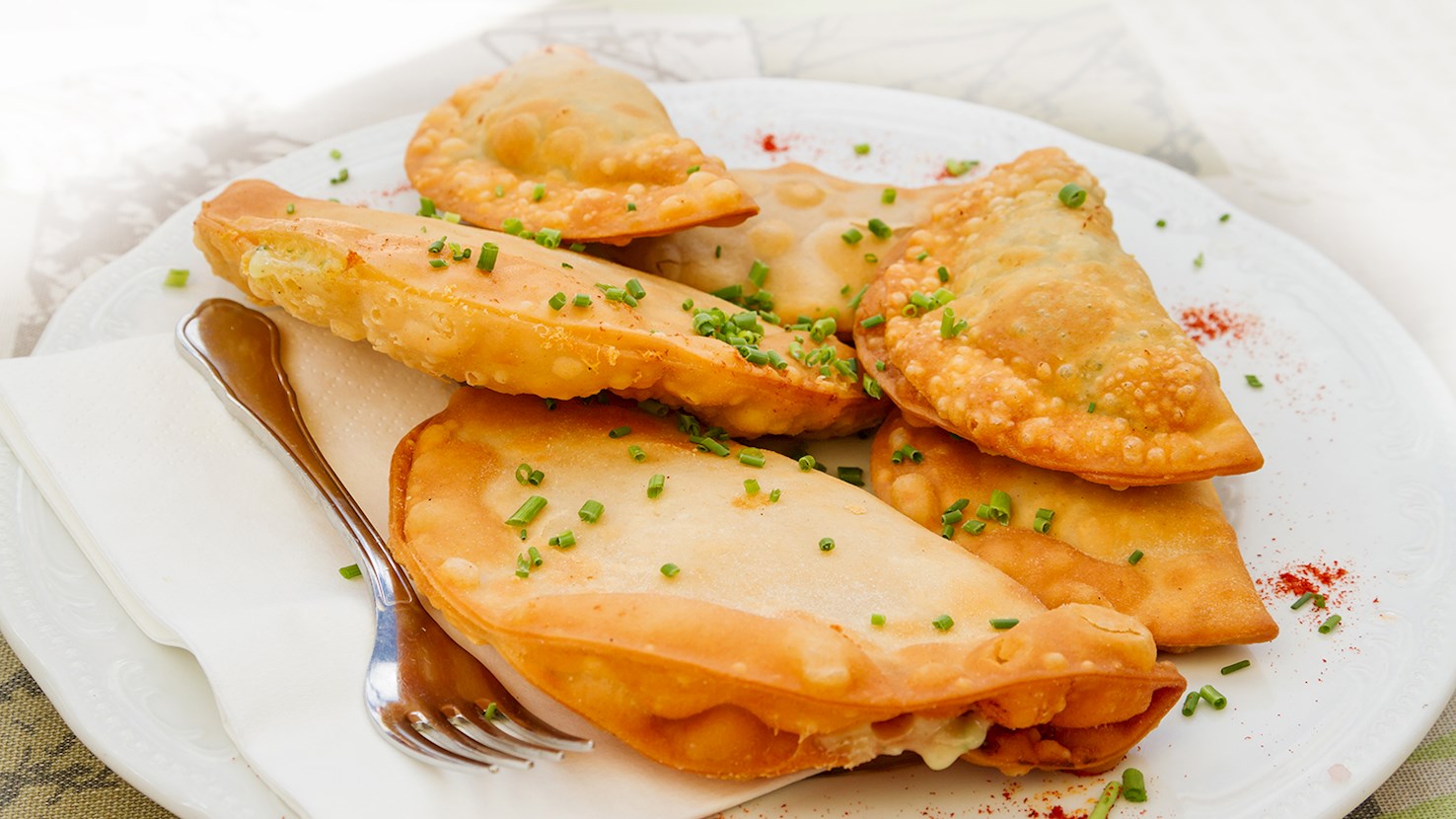
Zillertaler krapfen is a traditional dish originating from Zillertal in Tyrol. These traditional fritters are made with a combination of rye flour, eggs, water, and salt. The filling is made with curd cheese (quark), Tiroler gray cheese, potatoes, salt, and chives. Once the dough has been formed, the fritters are filled with the cheesy filling, shaped into half-moons, and fried in oil or clarified butter. They are usually prepared for festivals and similar special occasions.

Read more
View all
View map
About this ranking

TasteAtlas food rankings are based on the ratings of the TasteAtlas audience, with a series of mechanisms that recognize real users and that ignore bot, nationalist or local patriotic ratings, and give additional value to the ratings of users that the system recognizes as knowledgeable. For the “Top 5 Austrian Savory Pastries” list until June 15, 2026, 47 ratings were recorded, of which 32 were recognized by the system as legitimate. TasteAtlas Rankings should not be seen as the final global conclusion about food. Their purpose is to promote excellent local foods, instill pride in traditional dishes, and arouse curiosity about dishes you haven’t tried.

Similar lists