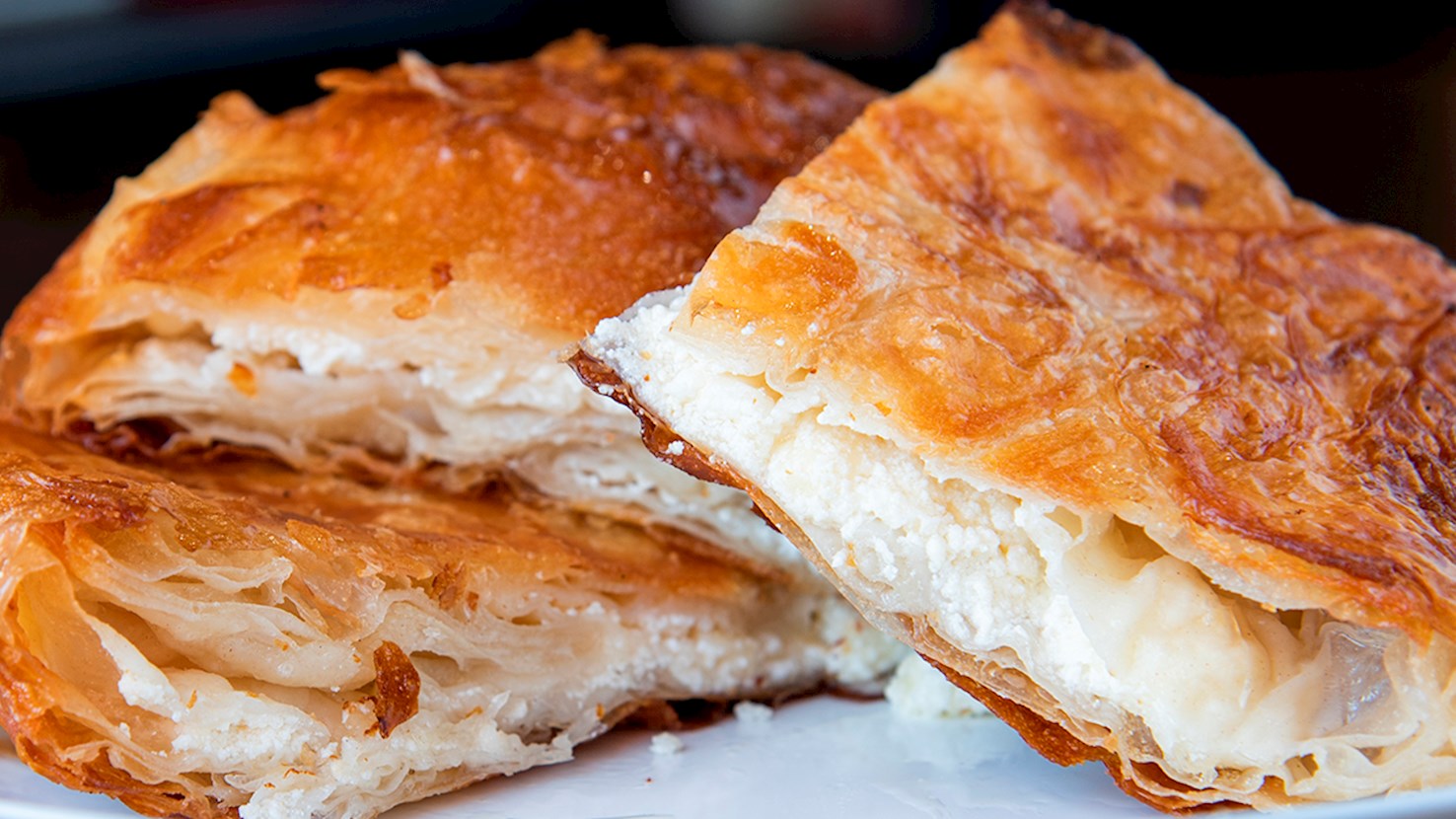
Burek sa sirom is a phyllo pastry that is round or coil-shaped and filled with a mixture of cheese and eggs. The dough is made with flour, salt, and water (and perhaps a bit of oil) and stretched into translucent sheets. The sheets of phyllo dough are stacked in a large tray, and each sheet is sprinkled with oil or oil and mineral water and spread with the cheese and egg filling. Still, you might have heard that burek can only be called burek if it's filled with meat. That is, if you live in Bosnia and Herzegovina, but not everyone does, nor is burek really Bosnian – in fact, it has Turkish origins. In Bosnia, burek (with meat) and other types of similar pies such as sirnica (cheese) and krumpiruša (potatoes) are usually rolled into a coil, while Croatians and Serbs have a more relaxed approach – burek can be round and cut into quarters, or rolled into a coil – both shapes are good, and both can be called burek sa sirom (when filled with cheese, of course). Initially, burek was brought over to Niš in the 15th century, and it was prepared as a round pie. After World War II, burek came to Croatia and Slovenia. The term burek sa sirom, denoting a round or coil-shaped pie filled with cheese has been so engrained into Croatian culture (for more than 50 years) that it can be considered a Croatian classic regardless of its name. The most important thing is that it's delicious, filling, and a great breakfast staple for many Serbs and Croatians, especially when paired with a refreshing cup of yogurt on the side.
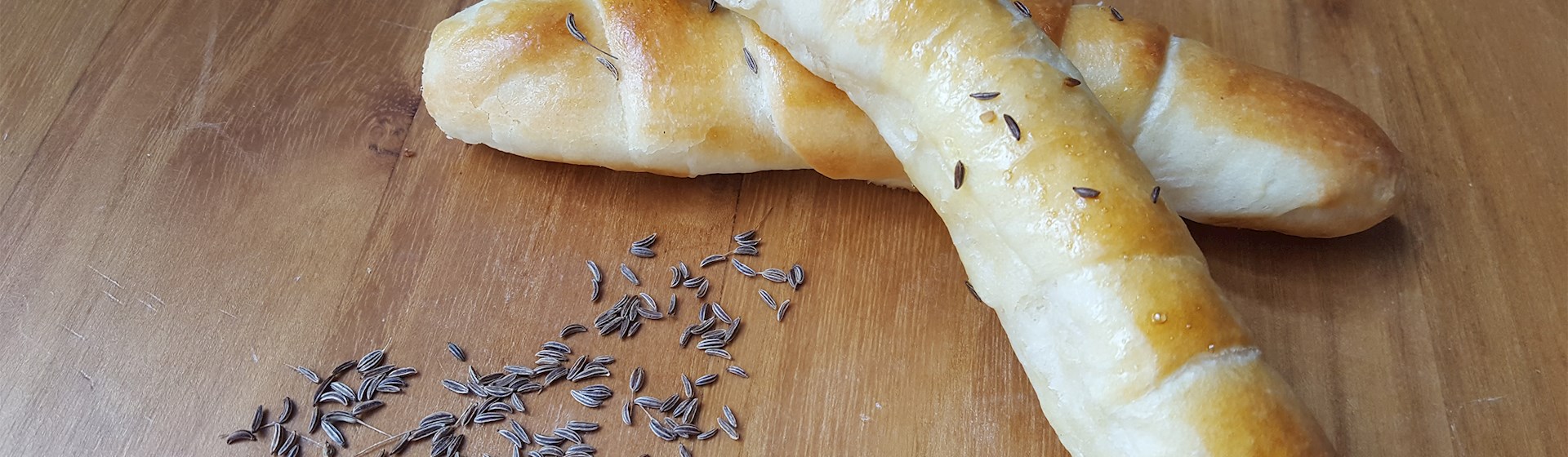
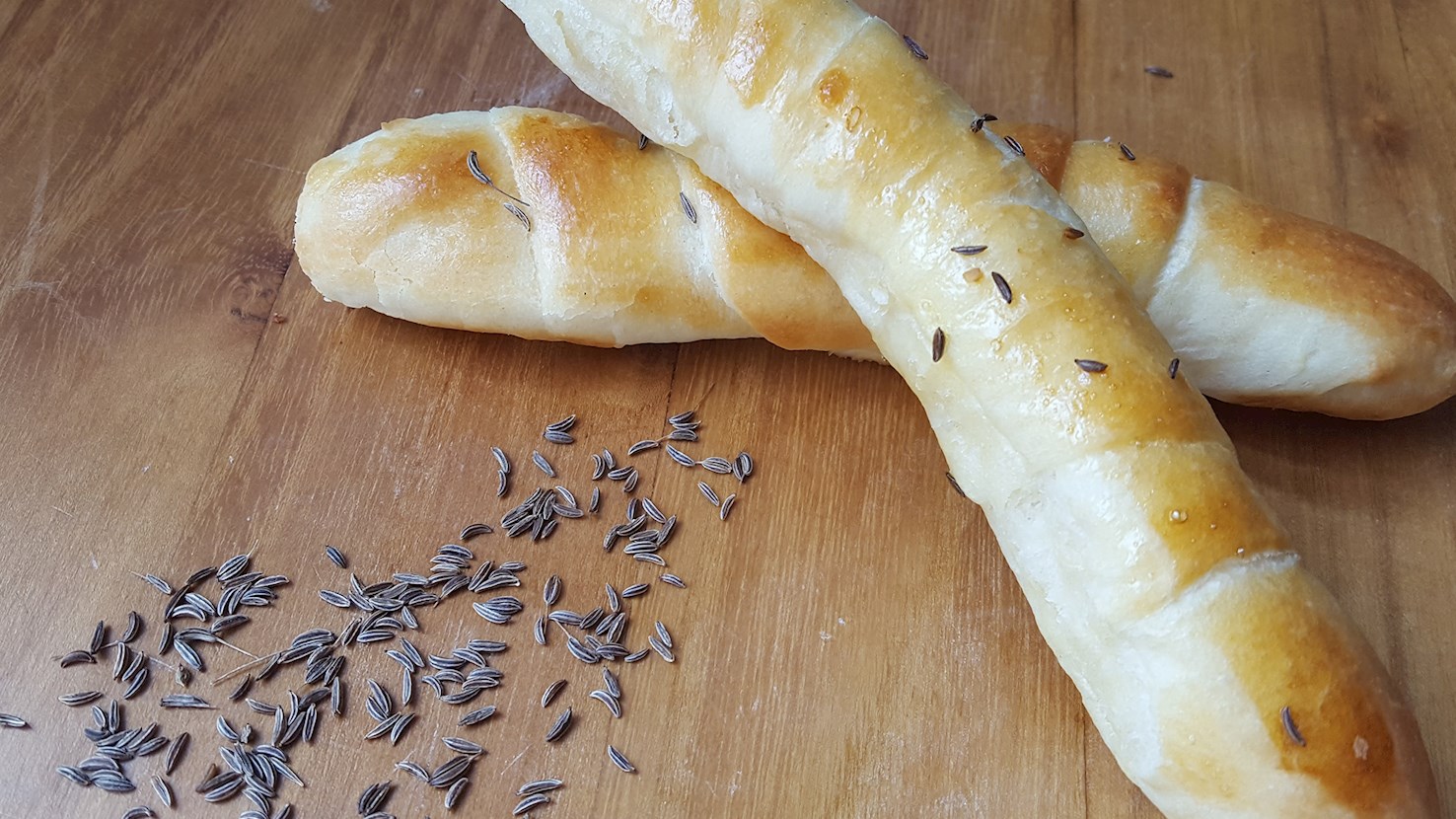
These elongated bread rolls are a specialty of the city of Varaždin, dating back to the 18th century, when Varaždin was the capital of Croatia. They consist of flour, milk, oil, yeast, sugar, and salt. Each klipič should be at least 23cm long, and once done, four folds should be visible on the exterior. Before baking, the dough is traditionally brushed with egg yolk and sprinkled with cumin, pumpkin, or sesame seeds. The flavor of klipiči can ebst be described as milky and slightly sour. Klipiči can be bought at numerous bakeries in Varaždin and they are commonly offered with morning coffee at most cafés in the city.
Bučnica is a comforting Croatian rolled pastry or strudel made with layers of thin dough that is filled with a combination of grated pumpkin, salt, fresh cheese, butter, sour cream, and eggs. The savory rolled pastry is baked in an oven until it develops a golden-brown color on the exterior, and it is recommended to serve it warm with a dollop of sour cream. Bučnica should always be well-baked and crispy, otherwise the filling will release the water and the pastry will lose its crispiness. It's especially popular in the summer as there is an abundance of young pumpkins which are ideal for the filling.
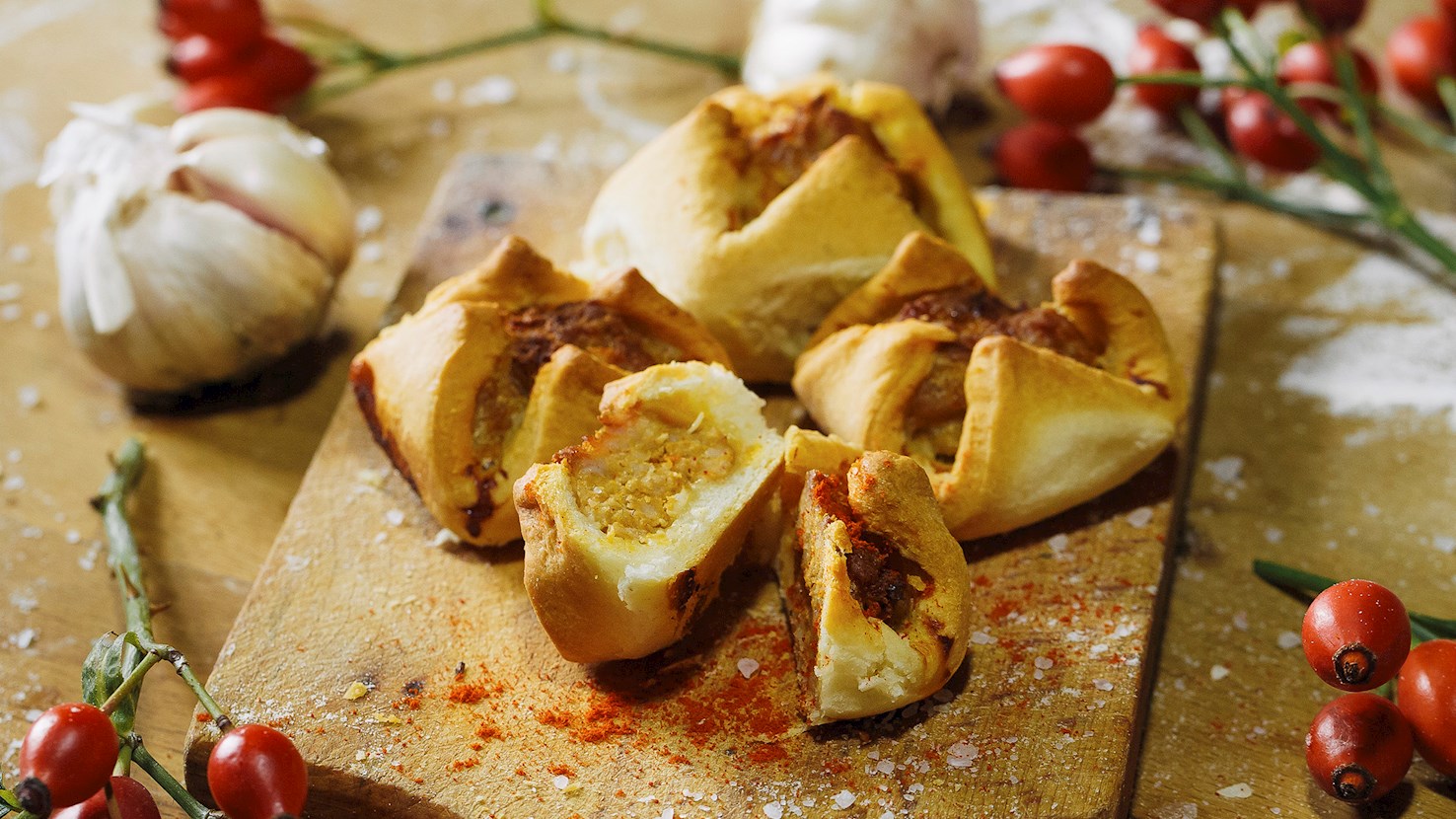
Cernički ćuptet is a savory cake or a pastry originating from the county of Cernik in Croatia, located near the city of Nova Gradiška. It is traditionally prepared during the annual pig slaughter. This delicacy is made by stuffing the dough (flour, salt, white wine, yeast, water) with a mixture of leftover sausage meat seasoned with ground paprika and garlic. Once filled, the dough is usually shaped into squares, pinched on the sides to resemble a rose, sprinkled with melted pork fat, then baked until golden-brown. It is recommended to pair these small savory treats with a glass of local white wine and consume them as a snack.
Plešivički copanjek is a traditional pastry originating from the Plešivica area near the city of Jastrebarsko. The dough consists of flour, lard, and sour cream, while the filling is made with a combination of lard, fresh cow’s cheese, eggs, parsley, and seasonal green vegetables such as mangel, spinach, leeks, and spring onions. In the past, the pastry was filled with nettles and brgunda turnip, because those ingredients were readily available in most households. This dish is baked in an oven until golden brown on top. The name copanjek is derived from the word copati, meaning to knead quickly and skillfully. It is recommended to serve copanjek with a glass of Portugizac Plešivica wine on the side.
Vanjkuši sa špekom is a variety of vanjkuši – stuffed dough. This tasty snack originates from the Croatian county of Sisak-Moslavina. The dough is made with a combination of flour, eggs, and salt, and it is then filled with a mixture of fresh cheese and eggs. Once stuffed, vanjkuši are boiled, wrapped in bacon strips and topped with onion rings, then baked in the oven until golden brown.
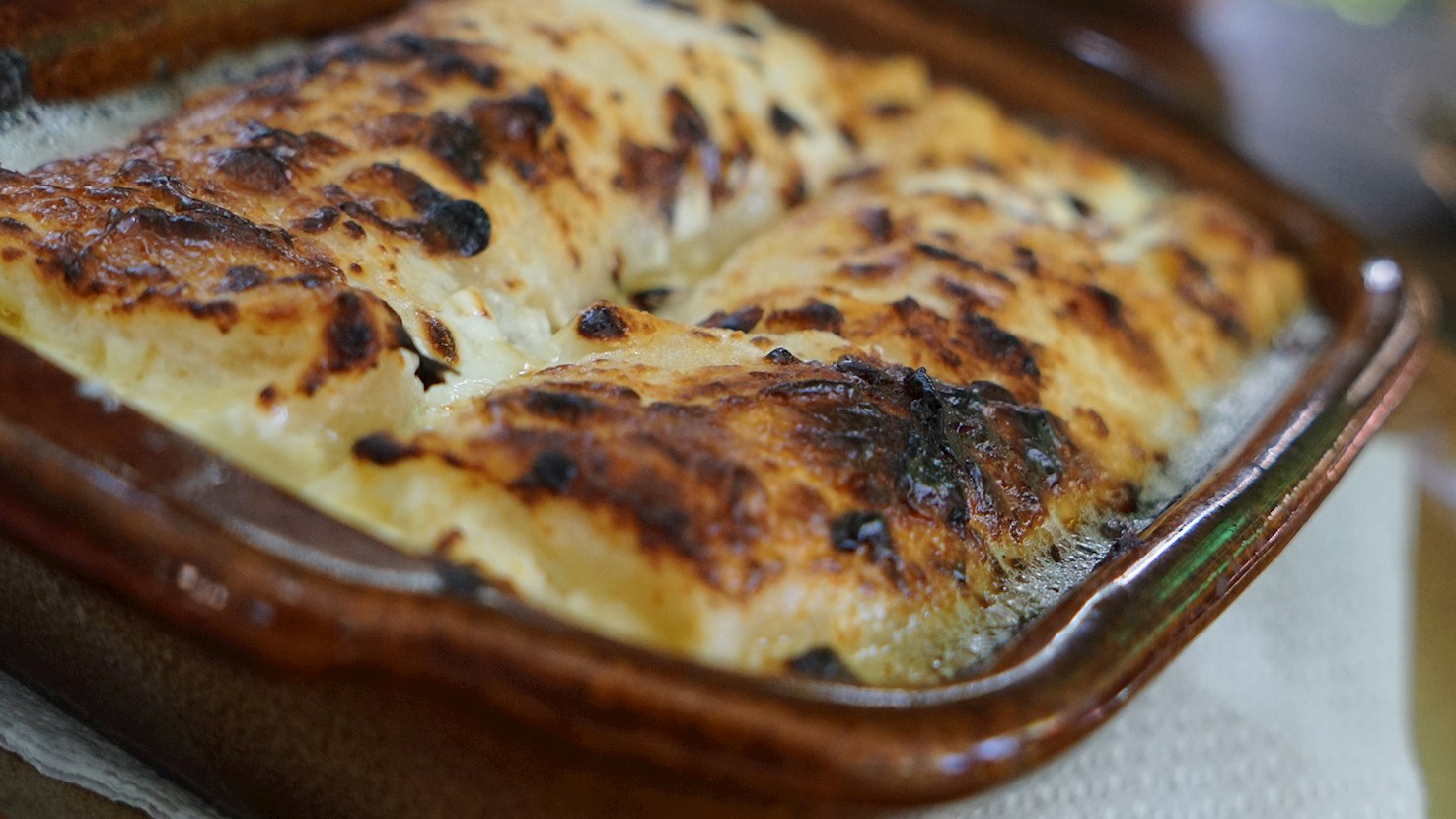
Gračanska tenka gibanica is the city of Zagreb's version of gibanica—a traditional dish that typically combines phyllo pastry, cheese, and eggs. The dish is associated with a part of the city called Gračani, hence the name. It consists of thin dough that is filled with fresh cow's cheese, eggs, wheat grits, heavy cream, and salt. The dough is made with flour, eggs, salt, and oil. When assembled, the whole thing is traditionally brushed with eggwash and butter before baking. What makes this pastry special is the fact that it is open-faced, and only a small layer of dough can be seen on its edges. It is recommended to let tenka gibanica cool down for a few minutes before serving it sliced and still slightly warm.
Also known as vankuši or jastuci (lit. pillows), vanjkuši are traditional thin pastry rolls that are especially popular in the region of Moslavina. They are called pillows because of their unique shape. These rolls are usually filled with a combination of eggs, corn grits, and cottage cheese. Once they are baked, vanjkuši can be consumed straight away, although they are sometimes drenched in boiling water in order to puff up (the excess water content is later removed), or they can be topped with a combination of cream, butter, and salt. Alternatively, vanjkuši are served wrapped in bacon, especially during festivities and celebrations.
TasteAtlas food rankings are based on the ratings of the TasteAtlas audience, with a series of mechanisms that recognize real users and that ignore bot,
nationalist or local patriotic ratings, and give additional value to the ratings of users that the system recognizes as knowledgeable.
TasteAtlas Rankings should not be seen as the final global conclusion about food. Their purpose is to promote excellent local foods,
instill pride in traditional dishes, and arouse curiosity about dishes you haven’t tried.






What People Say