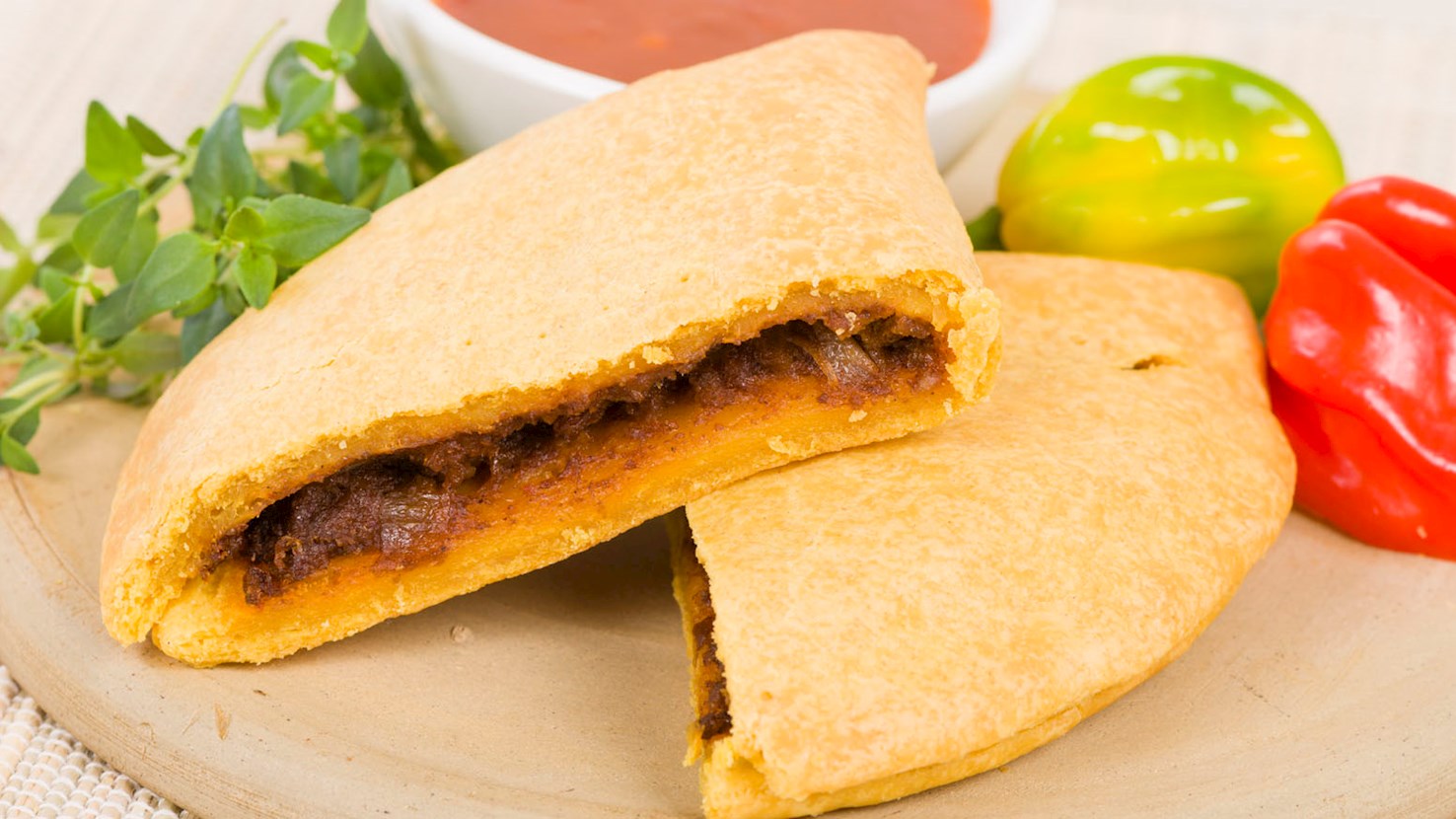
A Jamaican patty is a baked, handheld pastry filled with seasoned meat, vegetables, or seafood and enclosed in a flaky, yellow-tinted crust. It is one of the most recognizable foods of Jamaica and is widely eaten across the Caribbean and in Jamaican communities abroad. The distinct yellow color of the crust comes from turmeric or curry powder, and the filling is defined by a blend of Jamaican spices, including allspice, thyme, Scotch bonnet pepper, and scallion. Patties are commonly sold by bakeries, street vendors, and small shops, where they serve as an everyday meal or snack. The development of the Jamaican patty reflects several culinary influences that converged on the island. British settlers introduced meat pies, which inspired the concept of a seasoned filling wrapped in pastry. African cooking practices contributed techniques for seasoning and slow-cooking meat with spices and herbs. Indian indentured laborers brought curry powder and turmeric, which influenced both the color and flavor profile of the crust and fillings. Ingredients such as Scotch bonnet pepper, thyme, and allspice reflect local Jamaican agriculture and spice preferences. These elements gradually blended over the nineteenth and early twentieth centuries, and the patty emerged as a standardized street food item in urban areas such as Kingston, where bakeries refined the crust and expanded the variety of fillings. Preparation begins with making the dough, which combines flour, cold fat such as butter or shortening, turmeric or curry powder for color, salt, and water. The fat is cut into the flour to create a flaky texture similar to puff or shortcrust pastry. The dough is chilled, rolled out, and cut into circles or half-moon shapes. The filling typically consists of ground beef cooked with onion, garlic, thyme, Scotch bonnet, allspice, and breadcrumbs or flour to bind the mixture. Other fillings may include chicken, saltfish, shrimp, callaloo, vegetable mixes, or cheese. The filling is placed onto a piece of rolled dough, folded over, and sealed by crimping or pressing the edges. The patties are then baked until the exterior becomes crisp and golden. Jamaican patties are eaten throughout Jamaica in homes, schools, bakeries, and street stalls. They are widely consumed as a quick lunch or snack and are often served inside coco bread to make a more filling sandwich. Outside Jamaica, they are popular in Trinidad, Barbados, Guyana, Canada, the United Kingdom, and the United States, where Jamaican bakeries and restaurants prepare them with both traditional and expanded fillings. Common beverage pairings include ting, ginger beer, kola champagne soda, sorrel drink, fruit punches, and cold beer. The patty remains one of Jamaica’s most accessible and widely exported foods, valued for its portability, distinct flavor, and consistent preparation style.
These Haitian delicacies consist of puff pastry that is shaped into small squares and filled with various types of meat such as beef, chicken, pork, or even fish. They are regularly served at numerous special events and celebrations, but Haitian patties can also be paired with rice and beans as a filling meal. Although they can be made at home, these pastries can also be bought on Haitian streets where food stall vendors sell them freshly prepared.
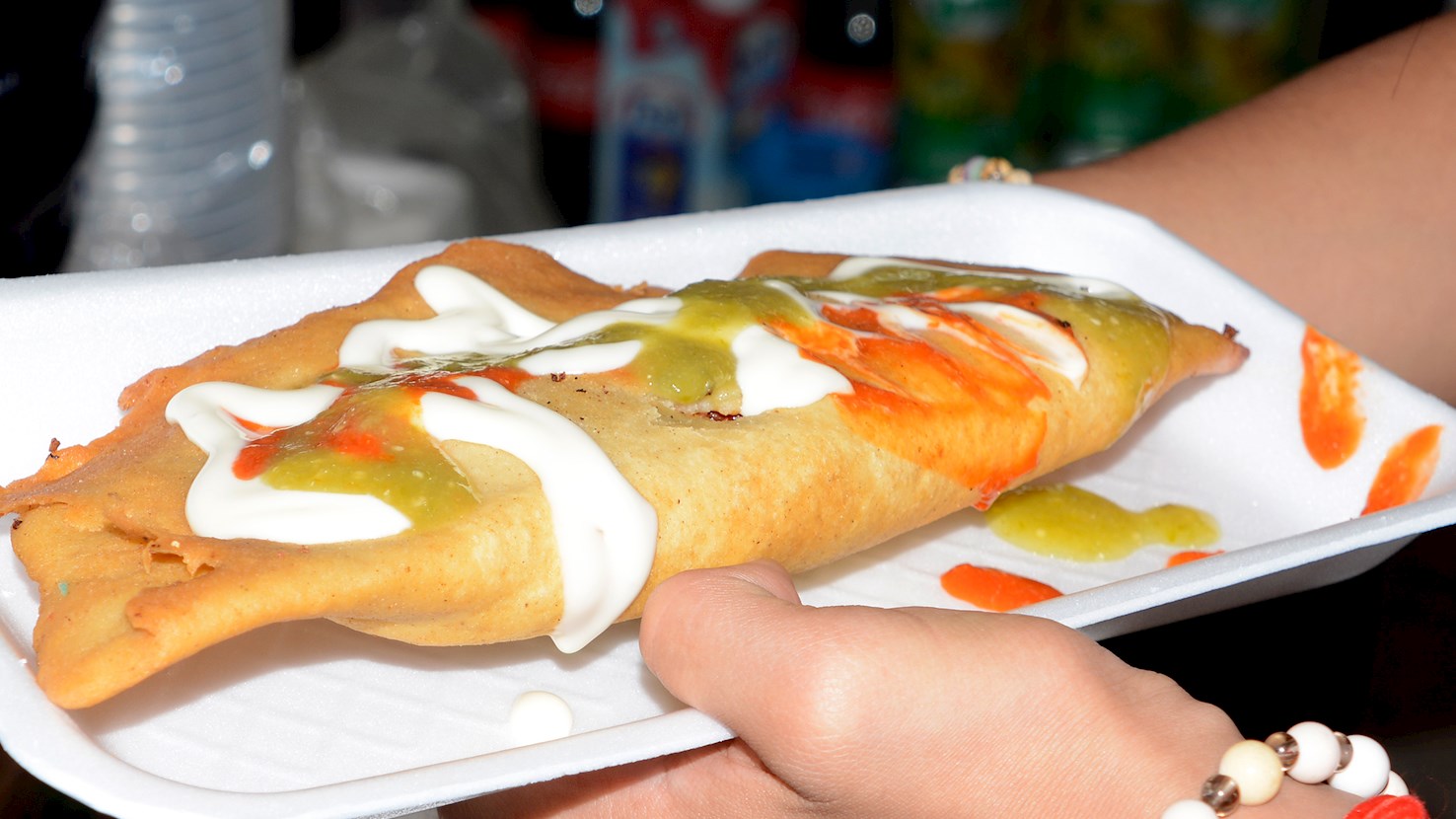
Molotes are deep-fried, oval-shaped corn tortillas filled with various ingredients such as quesillo, mushrooms, and different types of meat. The dish is often topped with green or red salsa and sour cream. Molotes are mostly sold as street food in the late hours of the evening, satiating the appetites of numerous hungry customers.
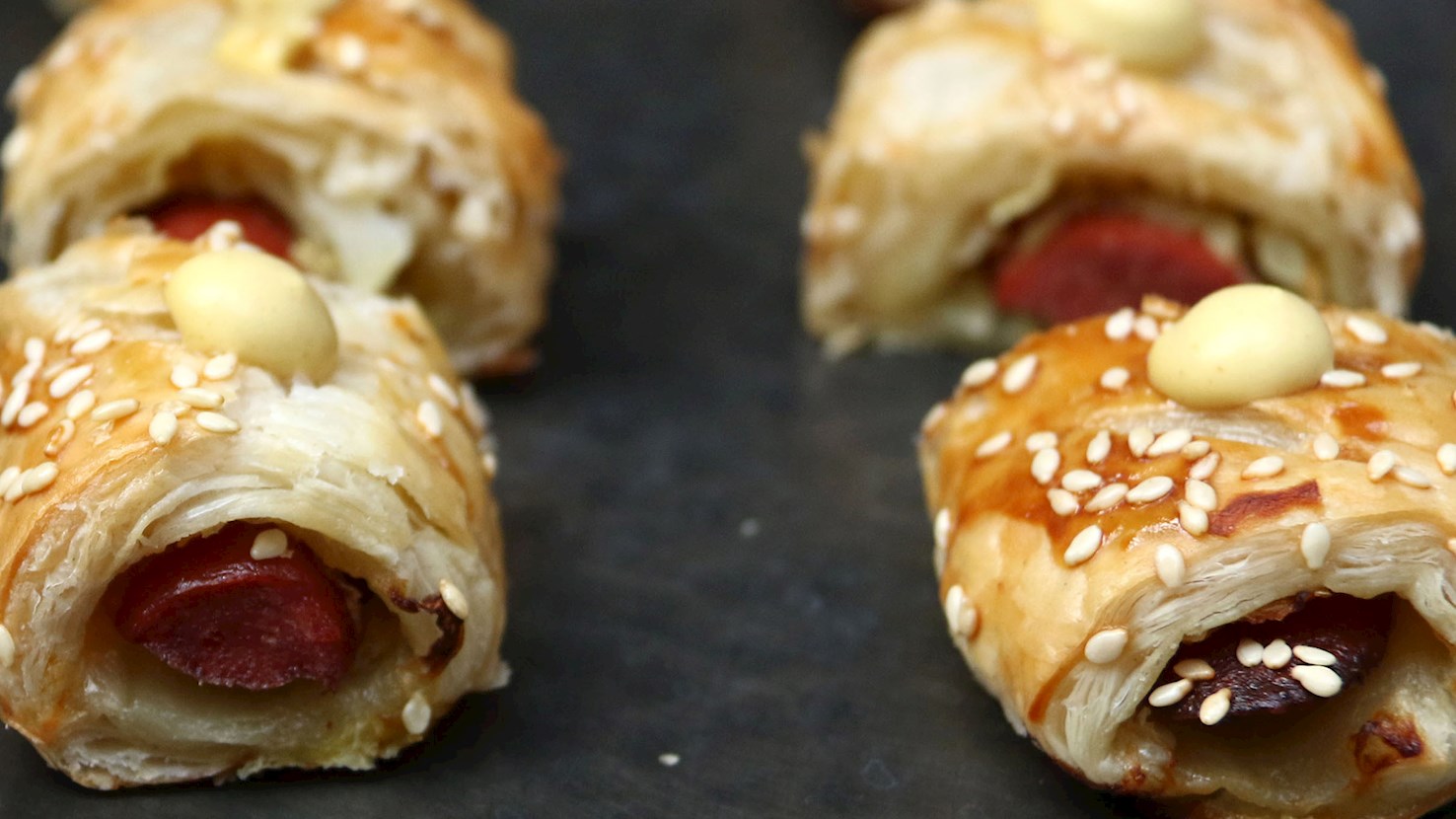
American pigs in blankets consist of sausages that are wrapped in dough and baked until the dough develops a golden-brown color. The earliest written mention of pigs in blankets can be found in Betty Crocker's 1957 book called Cooking for Kids. Popular in the United States and Canada, pigs in blankets are typically small and served as an appetizer or finger food at parties, when they are traditionally accompanied by mustard or aioli.
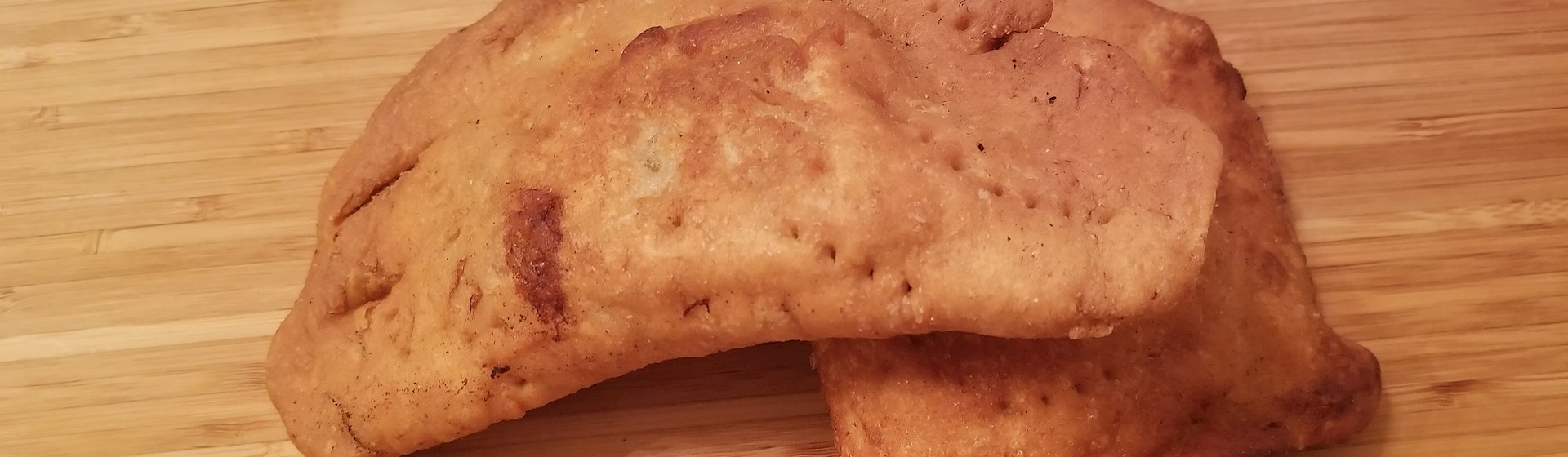
Pastechi is a traditional breakfast that can also be served as a snack, consisting of deep-fried, crescent-shaped dough filled with a variety of ingredients such as chicken, beef, tuna, vegetables, or cheese. The key ingredient is usually combined with finely chopped onions, green peppers, celery stalks, raisins, cumin, nutmeg, and hot peppers. Fried until golden brown, pastechis can be found throughout the island, especially in roadside snack-bars.
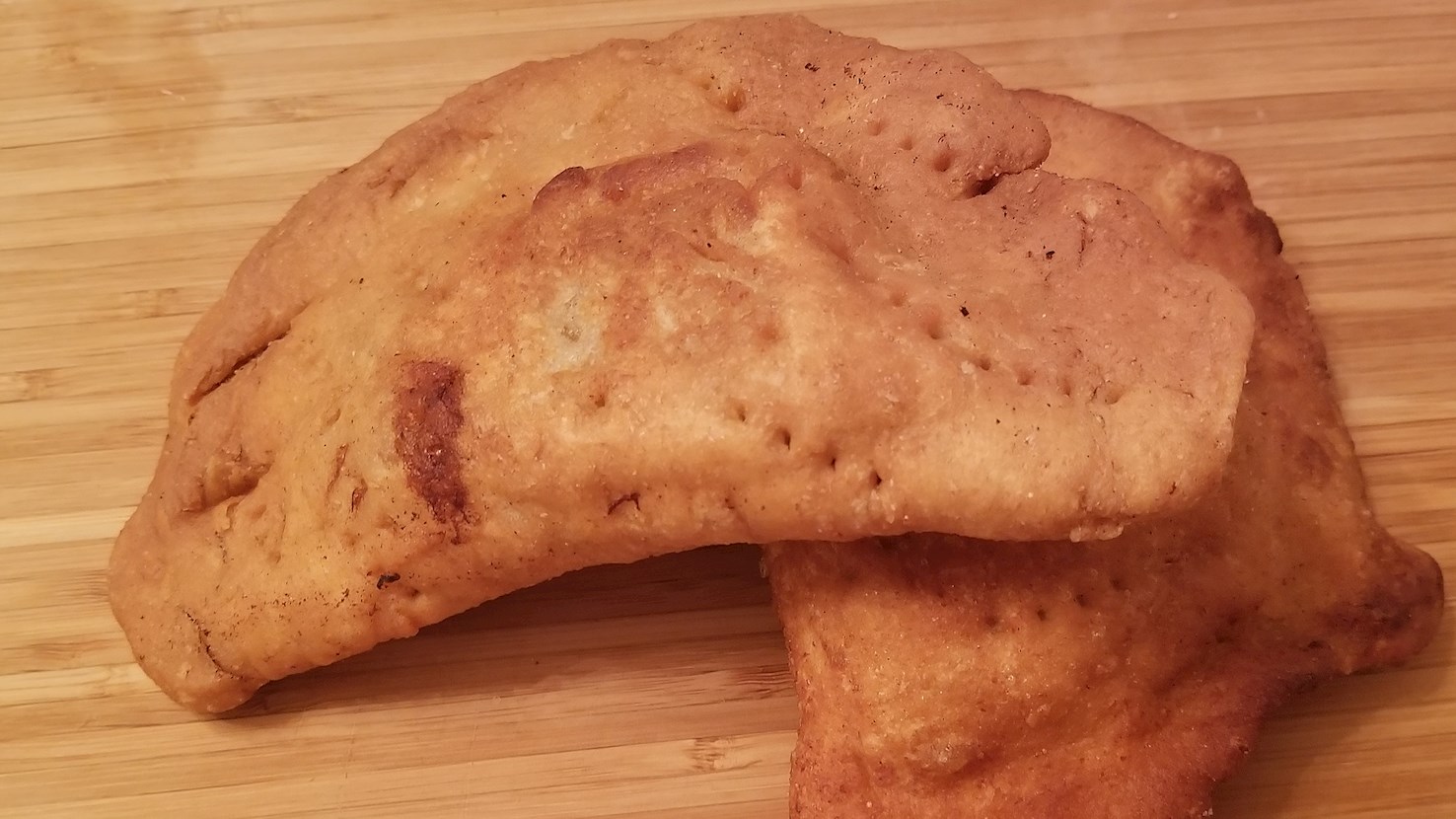
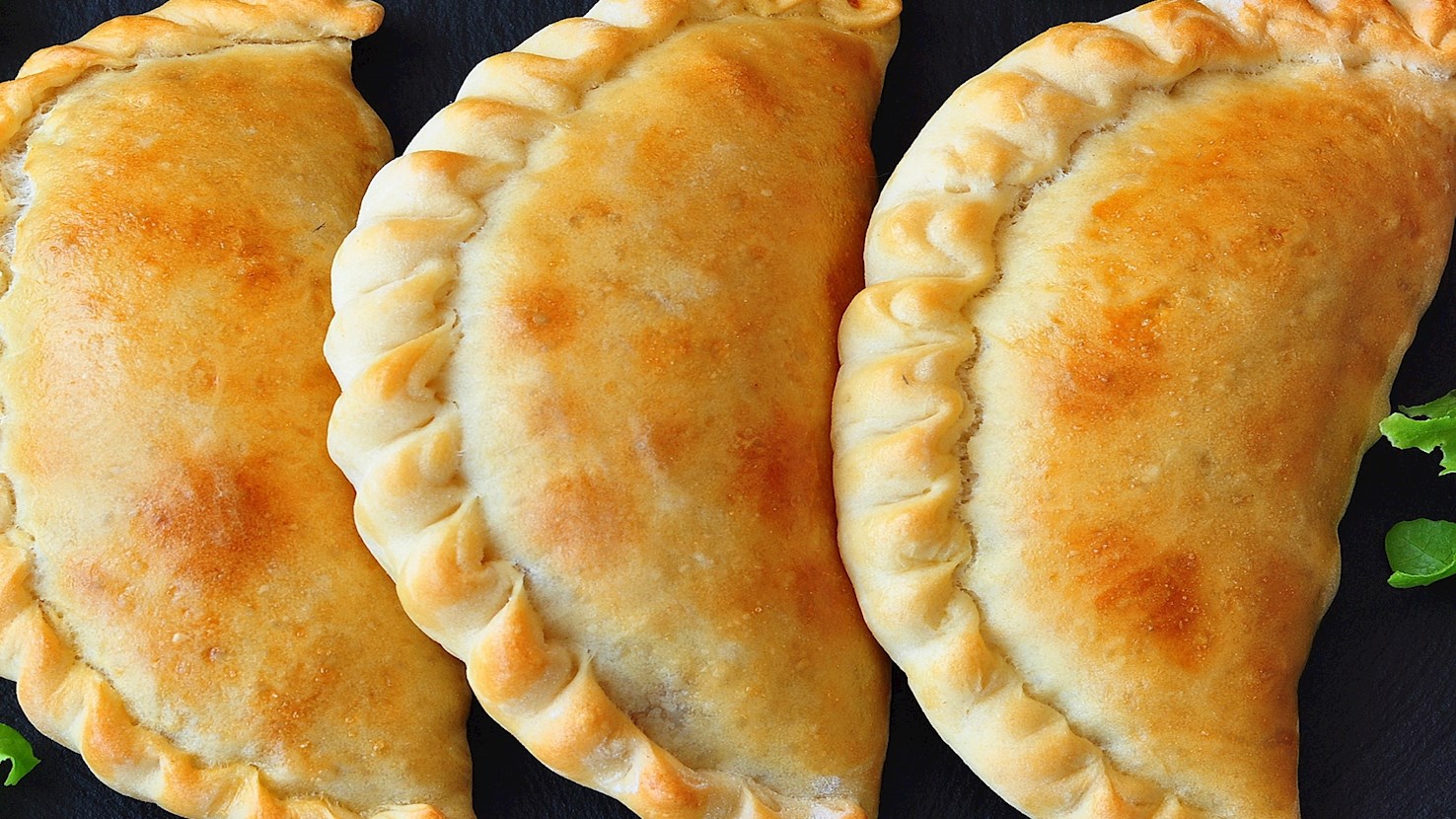
Empanadas de Santa Rita are Mexican empanadas originating from Chihuahua. In the city, these empanadas are prepared in honor of St. Rita, whose feast is celebrated annually on May 22nd. That is the only day in the year that you can taste these empanadas, that is if you don't have your own recipe. The dough for these empanadas is made with flour, butter, and milk, and they are filled with a combination of ground beef, onions, garlic, raisins, potatoes, peas, pecans, and sherry. The empanadas are usually seasoned with salt, pepper, cinnamon, and cloves. Once assembled, they are fried in hot oil until golden brown, then sprinkled with sugar and cinnamon before being served.
TasteAtlas food rankings are based on the ratings of the TasteAtlas audience, with a series of mechanisms that recognize real users and that ignore bot,
nationalist or local patriotic ratings, and give additional value to the ratings of users that the system recognizes as knowledgeable.
For the “Top 6 North American Savory Pastries” list until June 15, 2026, 405 ratings were recorded, of which 288 were recognized by the system as legitimate.
TasteAtlas Rankings should not be seen as the final global conclusion about food. Their purpose is to promote excellent local foods,
instill pride in traditional dishes, and arouse curiosity about dishes you haven’t tried.