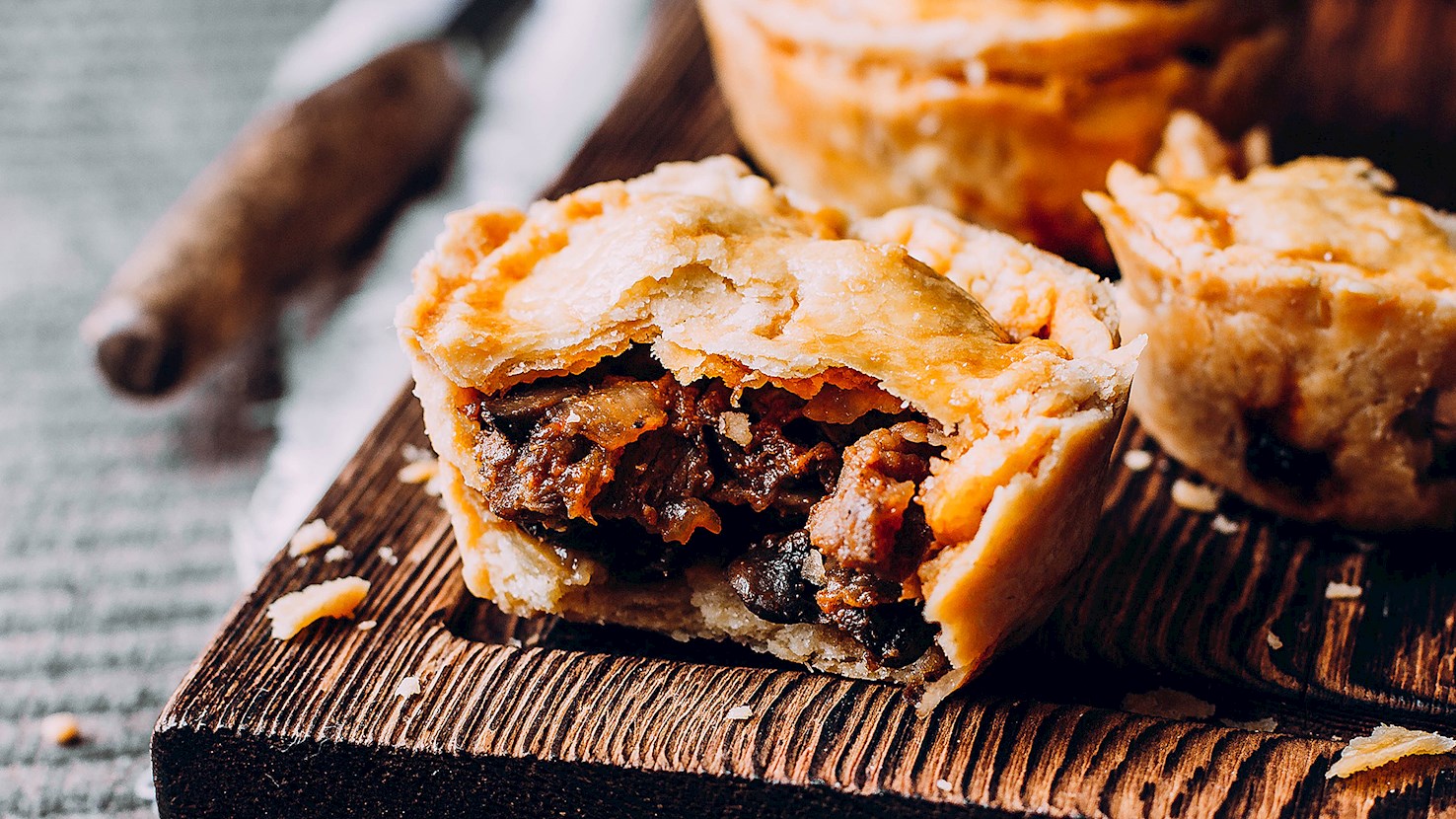
Australian and New Zealander meat pie is made with flaky pastry that is filled with gravy and minced meat. Of course, numerous variations exist, so the filling can also be made with onions, chicken and asparagus, mushrooms, cheese, crocodile meat, vegetables, or seafood. There are also variations of meat pies such as party pies (tiny pies served to party guests) and the pie floater (a green pea soup with a pie floating on top of it). The concept of the pie traces way back to the Neolithic period, when barley, semolina, and grains were made into a paste, filled with honey and baked over hot coals. The Greeks then developed the pie filled with meat. It is believed that the meat pie was brought to Australia and New Zealand during the colonization period, as it was hugely popular in Europe at the time and provided good nutritional value for settlers, with basic and largely available ingredients. Nowadays, the meat pies are typically smothered in tomato sauce that is similar to ketchup, sparking passionate debates about whether the tomato sauce should be squeezed over the pie at once or bit by bit, and whether the sauce should be cold or served at room temperature. As proof of the meat pie's popularity, the Great Aussie Pie Competition, founded in 1990, is held annually in hopes of discovering the best pies in the country.
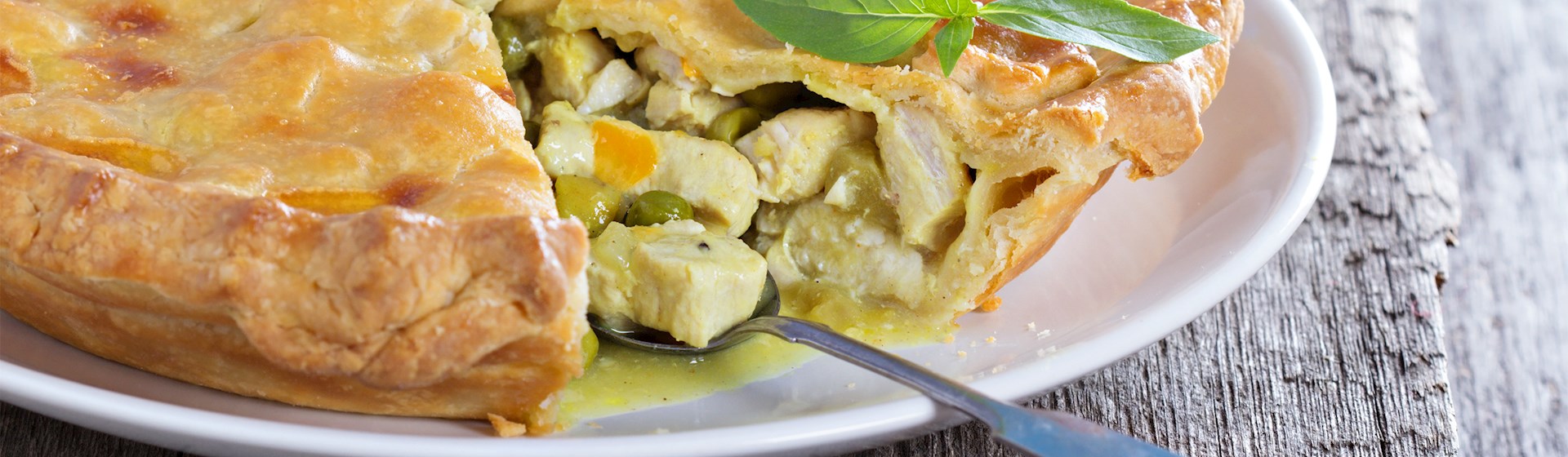
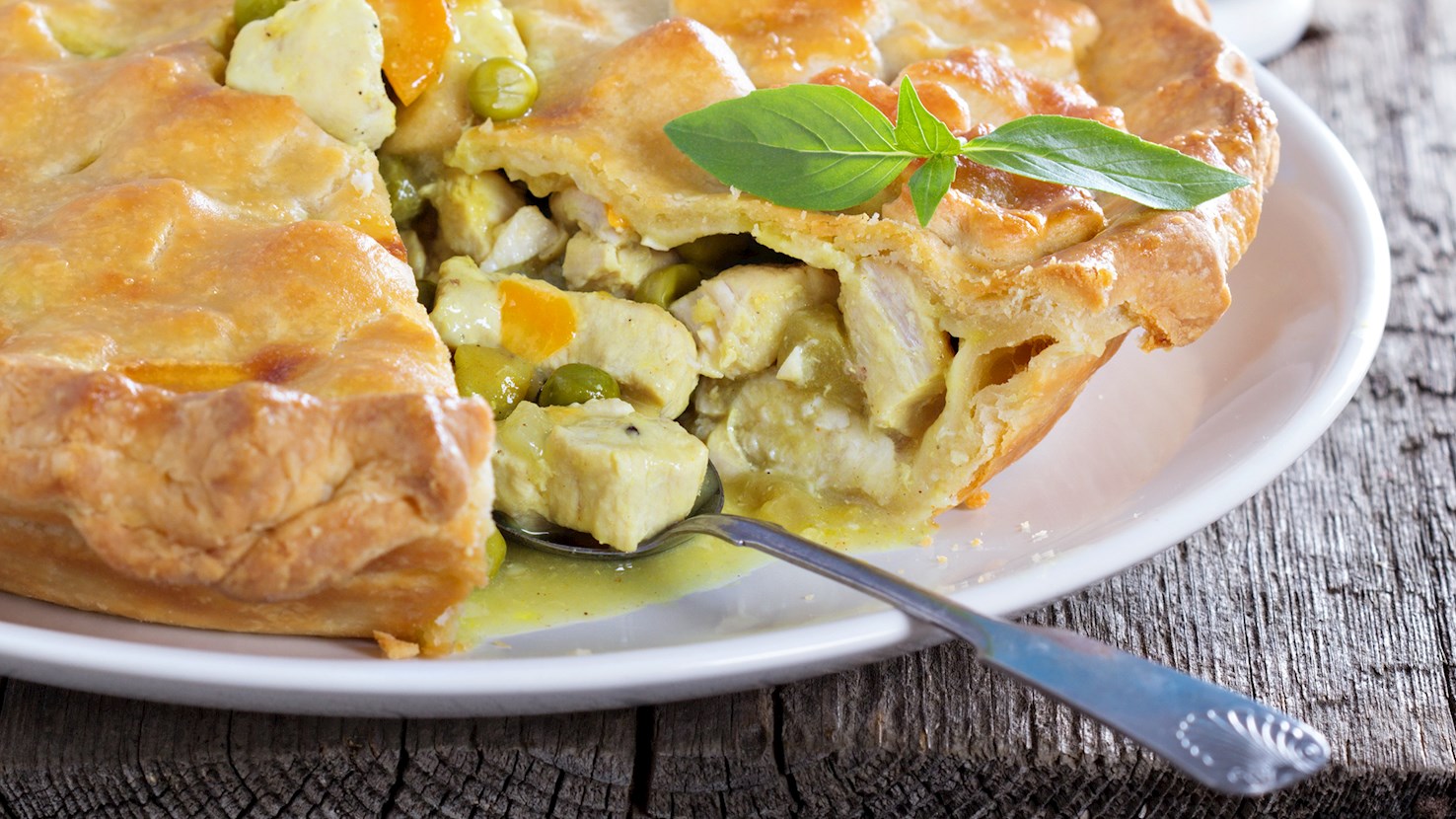
This comforting pie is filled with vegetables such as pumpkin, spinach, and green beans, chicken pieces, green curry paste, coconut milk, and finely chopped coriander. All of those ingredients are placed inside an egg-brushed puff pastry shell, then baked until golden. When ready to serve, it is recommended to pair green chicken curry pie with a rocket salad on the side.
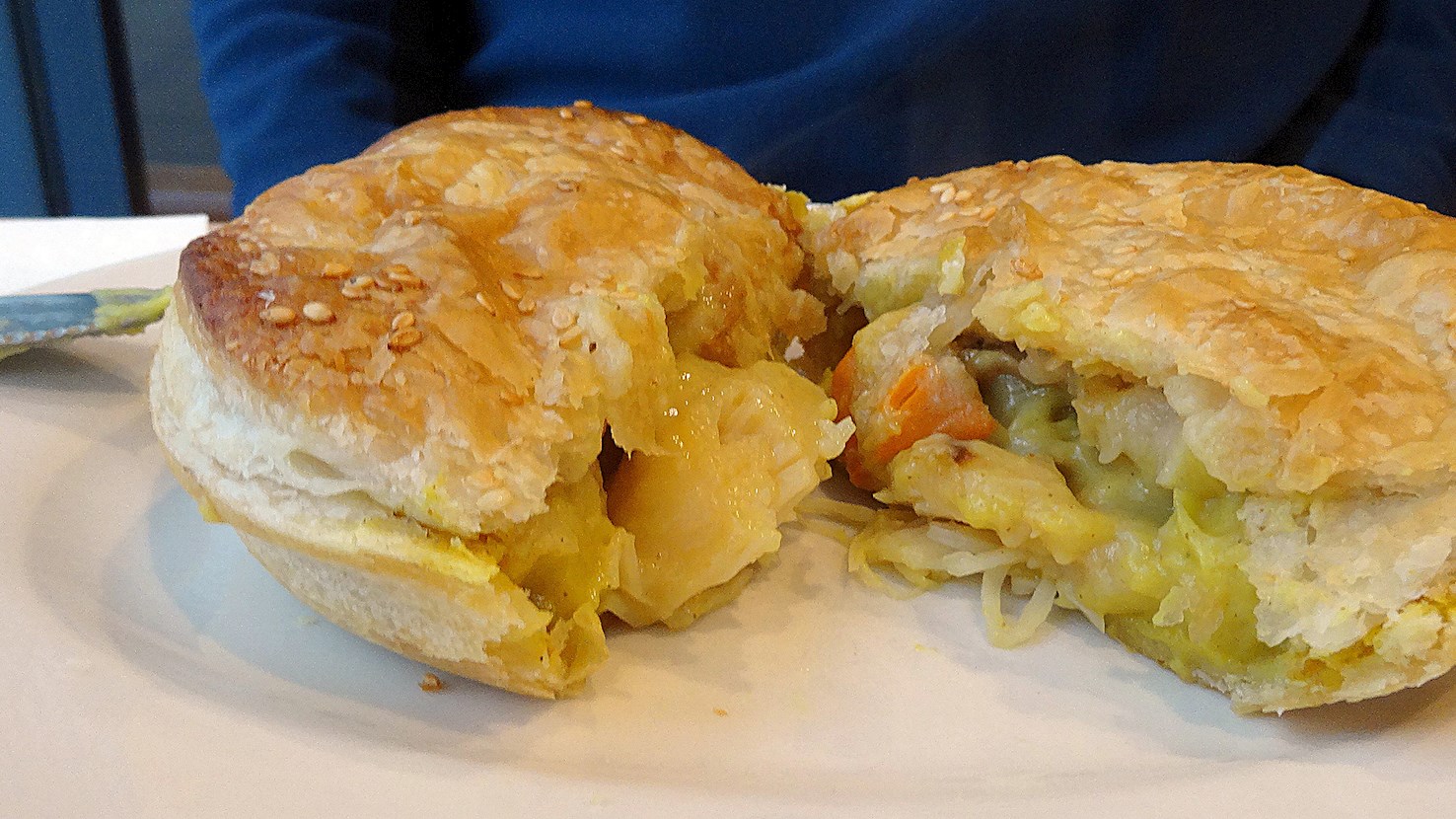
Dating back to the 19th century in Hobart, Tasmanian scallop pie is a savory treat consisting of fresh Tasmanian scallops that are smothered in curry sauce and tucked into puff pastry, which is then baked to perfection. This classic pie has been traditionally prepared in seaside bakeries throughout the state, and it uses freshly plucked Tasmanian scallops hailing from the East Coast of the state. The curry sauce contains ingredients such as finely diced carrots, onions, potatoes, celery, and corn kernels, and it is seasoned with a variety of spices such as cumin, coriander, and fenugreek. Piping hot scallop pie is usually enjoyed with a side of chips, a salad, and a glass of fine Tasmanian lager beer. This seafood specialty can only be savored in cafes and restaurants in the state when it’s scallop season, but it is usually available in bakeries throughout the whole year.
Steak and oyster pie is a British meat pie that combines slow-cooked beef with oysters, topped with flaky puff pastry. While today it is often associated with hearty pub fare or comfort food, its origins go back to Victorian England, when the dish emerged out of necessity rather than indulgence. Beef was expensive in the 19th century, and home cooks and pie-makers sought ways to extend its quantity and flavor. Oysters, once plentiful and cheap around London’s docks, provided an ideal solution, adding bulk, depth, and a distinctive briny character to the stew. The pie is also present and typical in Australia, New Zealand, Ireland, and Norfolk, Virgina. The preparation starts with stewing beef cubes, lightly coated with flour, and browned in oil and butter to develop a rich base. Onions are sautéed in the same pan to absorb the beef juices, and a roux is formed before deglazing with beef stock and sometimes stout. Herbs like bay leaves and thyme build an intensely flavored sauce. Oysters are stirred in at the end of cooking the filling, or just before the filling is topped with puff pastry and baked until golden. Usually, the filling mixture will be thickened with flour or cornflour. Variations include adding additional seasonings, such as mushroom ketchup, carrots, mushrooms, different herbs and seasonings, all depending on the recipe.
TasteAtlas food rankings are based on the ratings of the TasteAtlas audience, with a series of mechanisms that recognize real users and that ignore bot,
nationalist or local patriotic ratings, and give additional value to the ratings of users that the system recognizes as knowledgeable.
For the “Top 4 Australian Savory Pies” list until May 15, 2026, 184 ratings were recorded, of which 146 were recognized by the system as legitimate.
TasteAtlas Rankings should not be seen as the final global conclusion about food. Their purpose is to promote excellent local foods,
instill pride in traditional dishes, and arouse curiosity about dishes you haven’t tried.