


shutterstock

Top 4 Scallions
in the World

Last updated on June 17, 2026
01

Calçot de Valls

3.8 ·

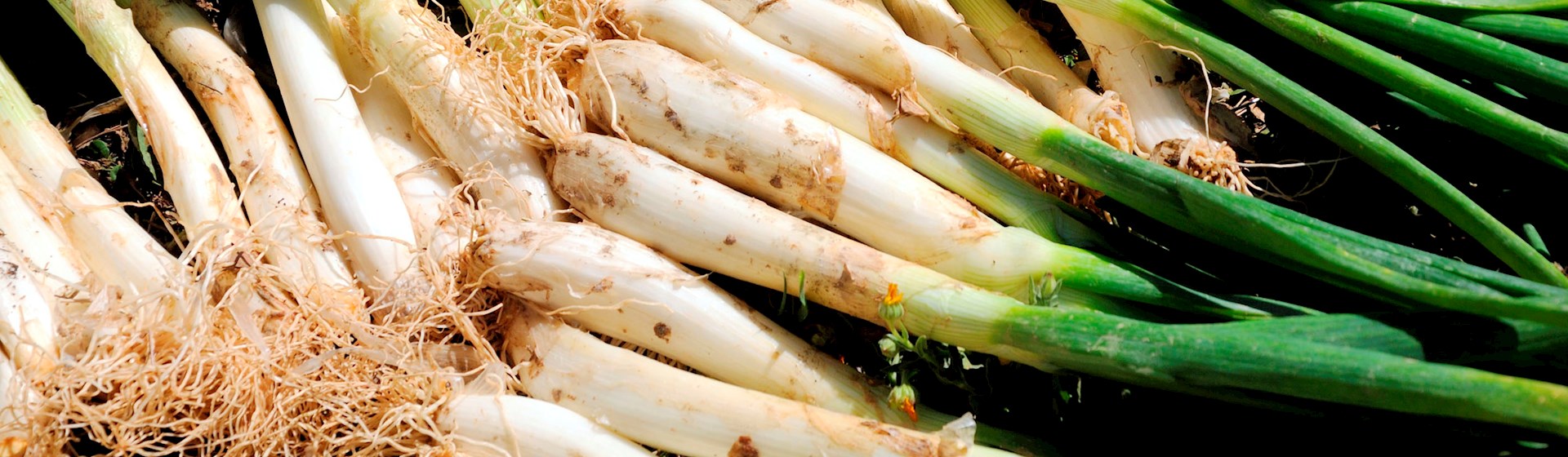
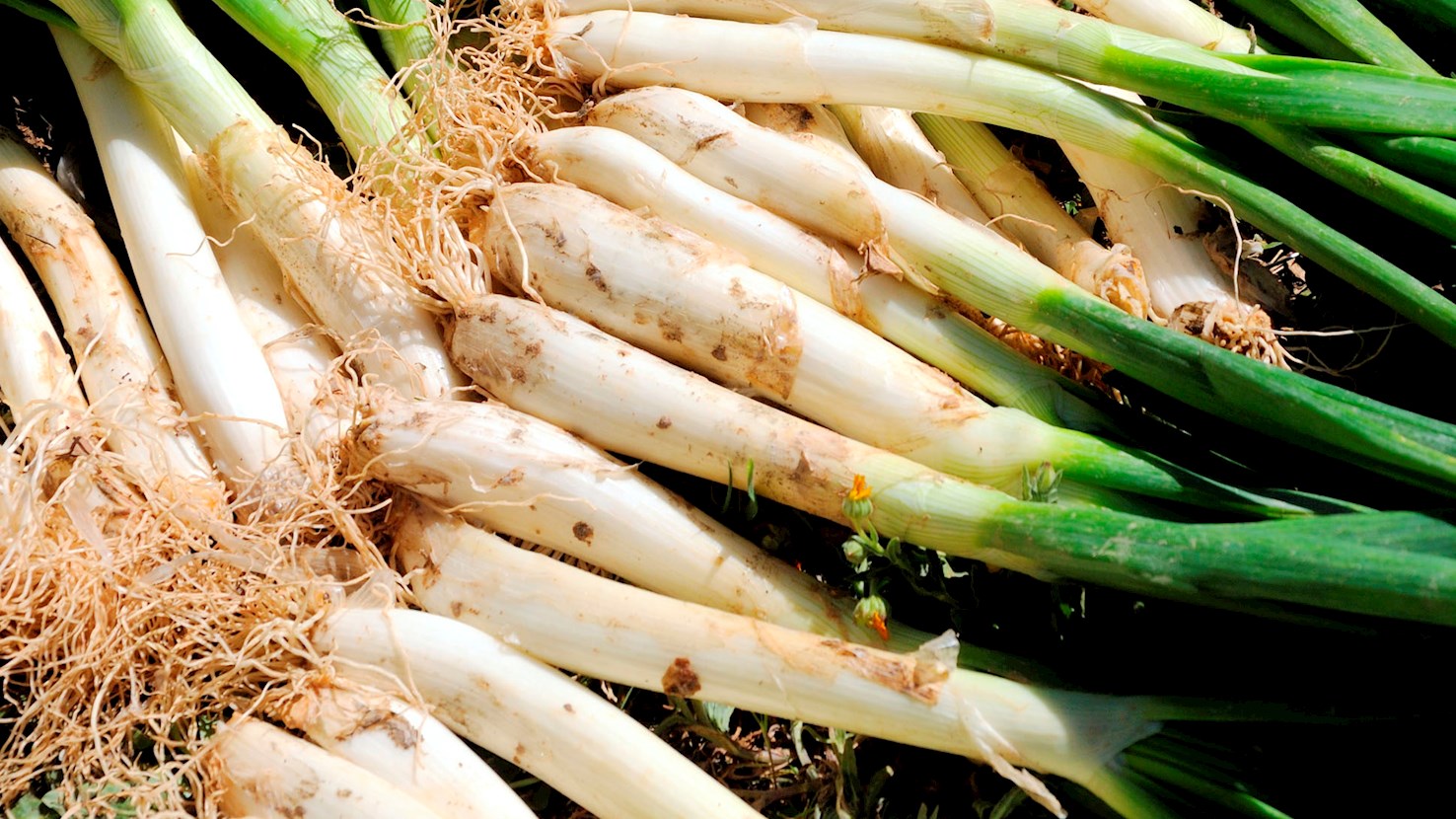
Calçot de Valls are shoots of white onion replanted in the ground, grown in the municipalities of the Catalan districts of Baix PenedŁs, el TarragonŁs, el Baix Camp and l’Alt Camp. The production of this vegetable is strictly regulated, and that combined with the water, soil and climate found in the area of production contributes to its distinctive characteristics. Calçot de Valls are never washed and can be recognized because they still contain some traces of dirt on them. These shoots are 15 to 25 cm long and can be found tied with blue ribbon with all the relevant production details.

02

Cipollotto Nocerino

3.8 ·

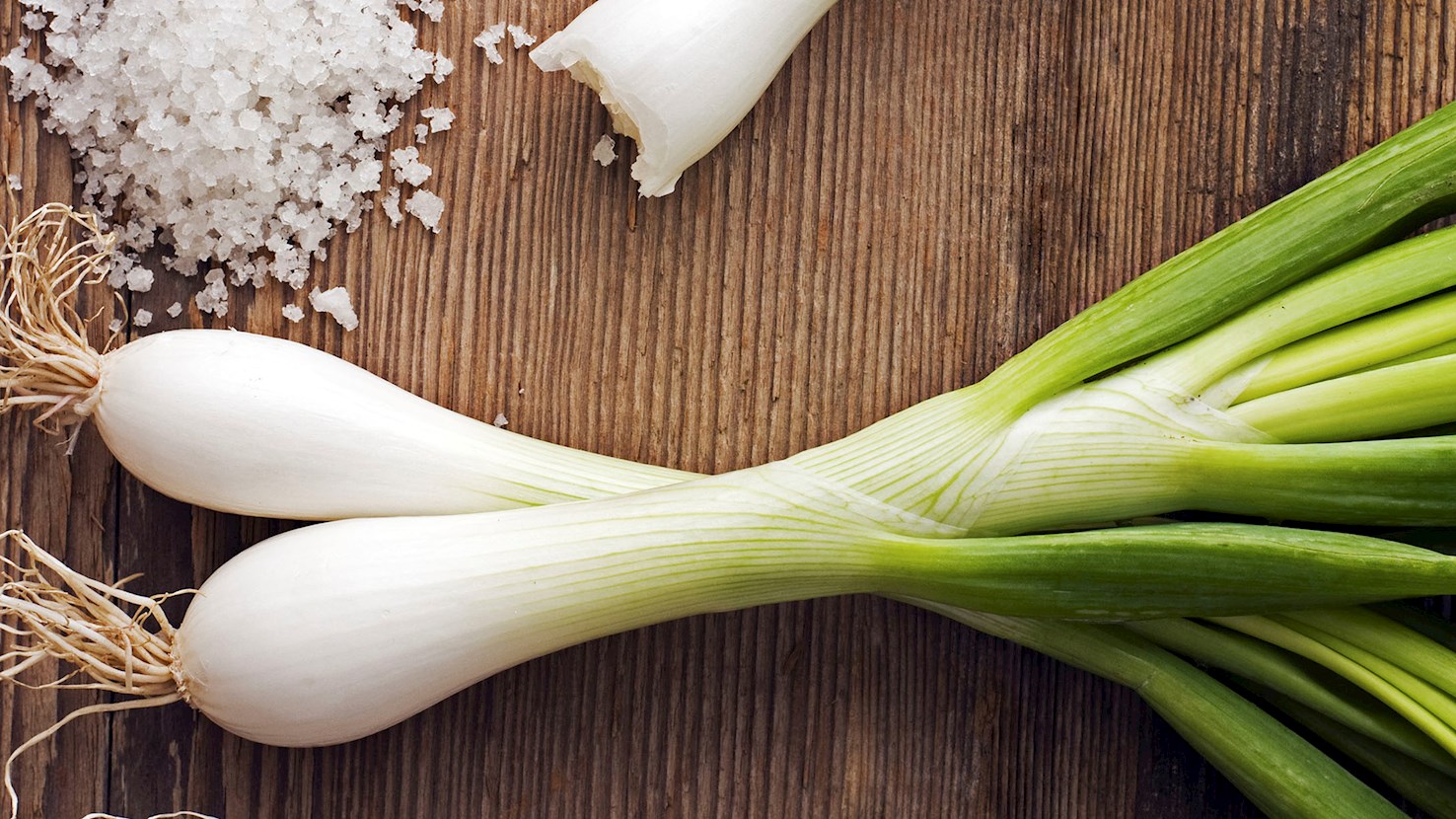
Historically, Cipollotto Nocerino is an ancient cultivar grown in the Sarno River valley for more than 2000 years. Today, the scallions of Nocerino can be found throughout the provinces of Salerno and Naples where they thrive in the fertile floodlands of the designated area of production. The fresh flavored Nocerino scallions are picked at the end of spring when they reach the desired organoleptic characteristics. They are distinguished by the softness of the bulb and particular sweetness of their flesh, which is only slightly sour and piquant. Cipollotto Nocerino is almost always used fresh, chopped and added to various salads.

03

Scalogno di Romagna

3.7 ·

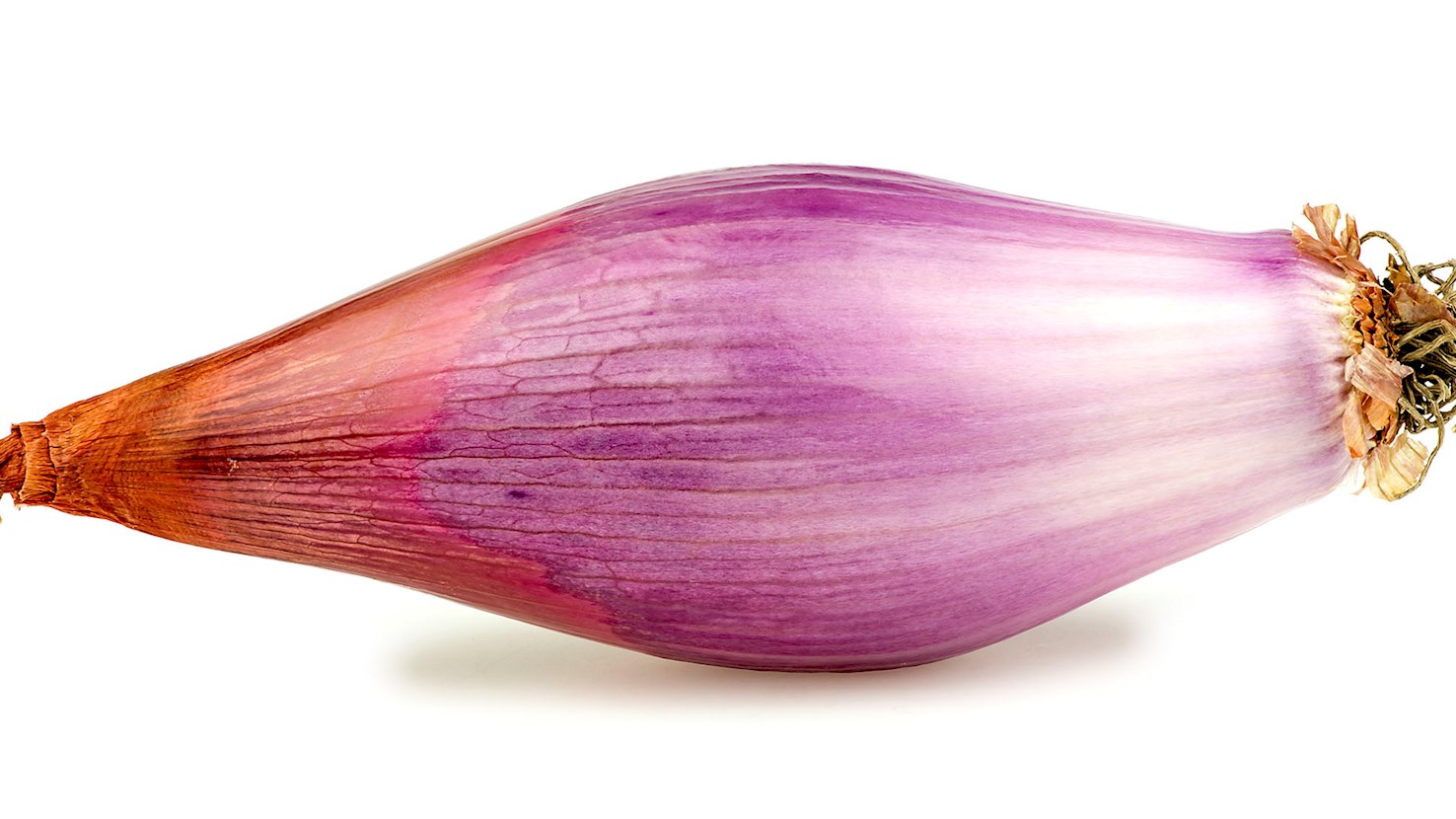
Scalogno di Romagna refers to the fresh or dry bulb vegetable produced within several municipalities in the provinces of Ravenna, Forlì-Cesena and Bologna, in Emilia-Romagna. It differs from all other varieties of scallion due to its distinctive organoleptic characteristics - color, fragrance, flavor, aroma and refined taste which give this product its unique gastronomic properties. As Scalogno di Romagna has no seed and, therefore, has neither inflorescences nor pollination, for the reproduction of the vegetable it is necessary to plant the bulbils which are conserved during the harvesting period of the previous year. Scalogno di Romagna has a piriform bulb with a coriaceous peel. The flavor is much stronger and more fragrant than that of an onion, and sweeter than garlic. Extremely versatile, the scallion boasts many uses. Generally, it is used as an ingredient in the preparation of sauces, ragù, stuffed foods and fillings, as well as for flavoring boiled meats, beef stews, braised beefs and roasted meats. Scallion leaves that are picked while still green can be finely chopped and used to add flavor to mixed salads.

04

Yatabe negi

n/a ·

Yatabe negi is a green onion variety originating from Japan's Yatabe village in Fukui Prefecture. They are characterized by a unique shape – the soft white part of the green onion is bent to look like a fishhook as a result of being replanted twice. The flesh is soft, and the light-colored leaves are edible, with each green onion dividing into two or three stems during growth. The seeds used for the production of these green onions can only come from Yatabe village. They're sowed in September and harvested after October the following year, which makes Yatabe negi's growing period longer than that of other varieties, about 13 months or sometimes even more. The first replantation is carried out in April, and the second one in mid-August or early September. The unique fishhook shape gives these green onions their sweetness and stickiness because the part that's buried in the ground is softened by the method of planting them at an angle. It is believed that Yatabe negi dates back to the early Meiji Era.

About this ranking

TasteAtlas food rankings are based on the ratings of the TasteAtlas audience, with a series of mechanisms that recognize real users and that ignore bot, nationalist or local patriotic ratings, and give additional value to the ratings of users that the system recognizes as knowledgeable. For the “Top 4 Scallions in the World” list until June 17, 2026, 69 ratings were recorded, of which 53 were recognized by the system as legitimate. TasteAtlas Rankings should not be seen as the final global conclusion about food. Their purpose is to promote excellent local foods, instill pride in traditional dishes, and arouse curiosity about dishes you haven’t tried.

Similar lists