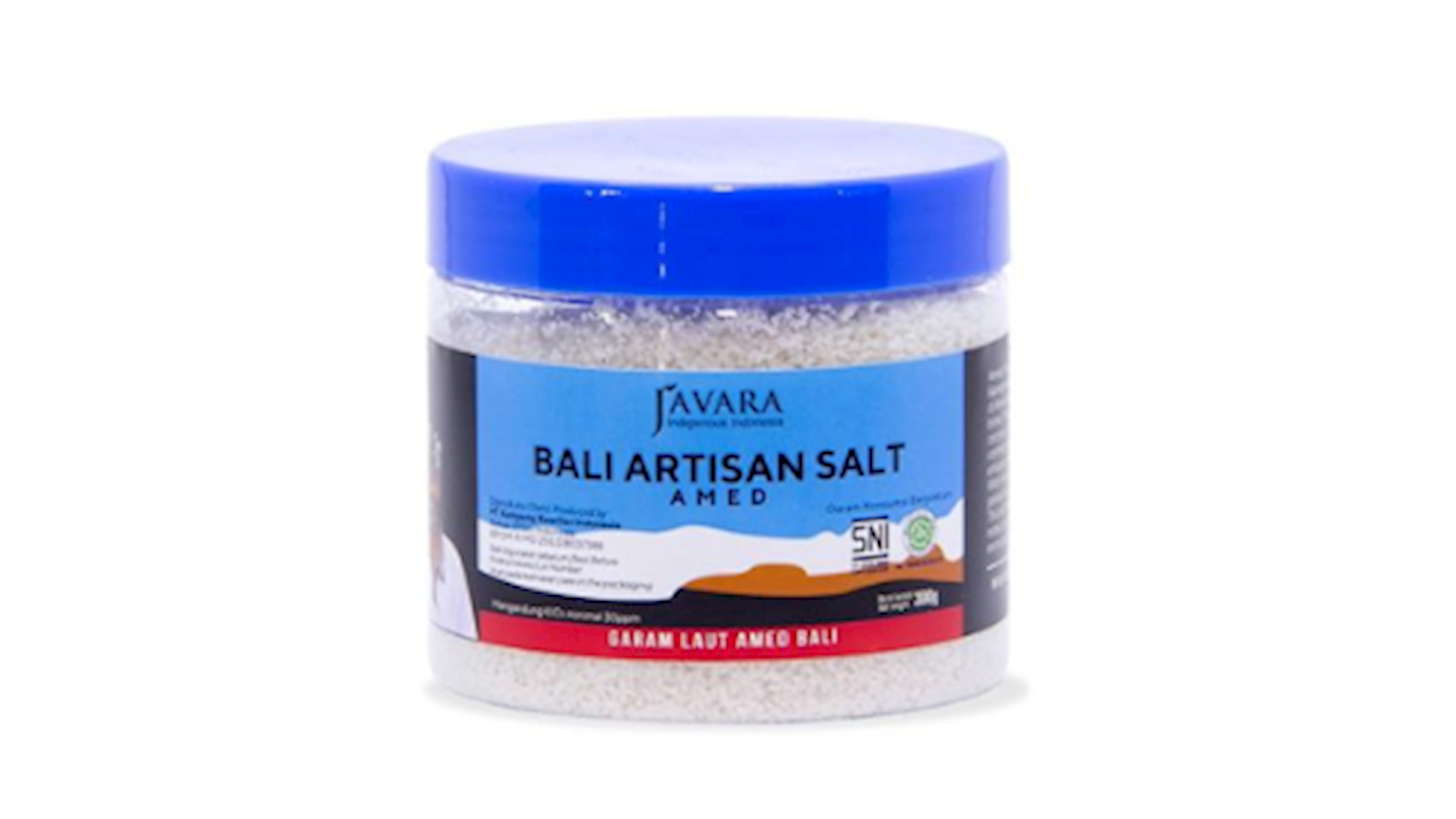
Javara is an Indonesian brand and social enterprise dedicated to preserving the country’s vast culinary biodiversity by bringing traditional, locally sourced foods to contemporary markets. The company works directly with thousands of small farmers, foragers, and artisans across the archipelago, offering products such as heirloom rice varieties, native grains, spices, coconut-based ingredients, natural sweeteners, herbal powders, and artisanal salts. Their approach emphasizes the protection of rare and indigenous food traditions while ensuring full traceability and sustainable production practices. Founded in 2008 by Helianti Hilman, Javara was created to empower rural communities and improve market access for small-scale producers. Today, the brand integrates training programs, entrepreneurship support, and ethical supply chains, positioning itself as a leading advocate of Indonesia’s food heritage and a bridge between traditional wisdom and modern culinary culture.
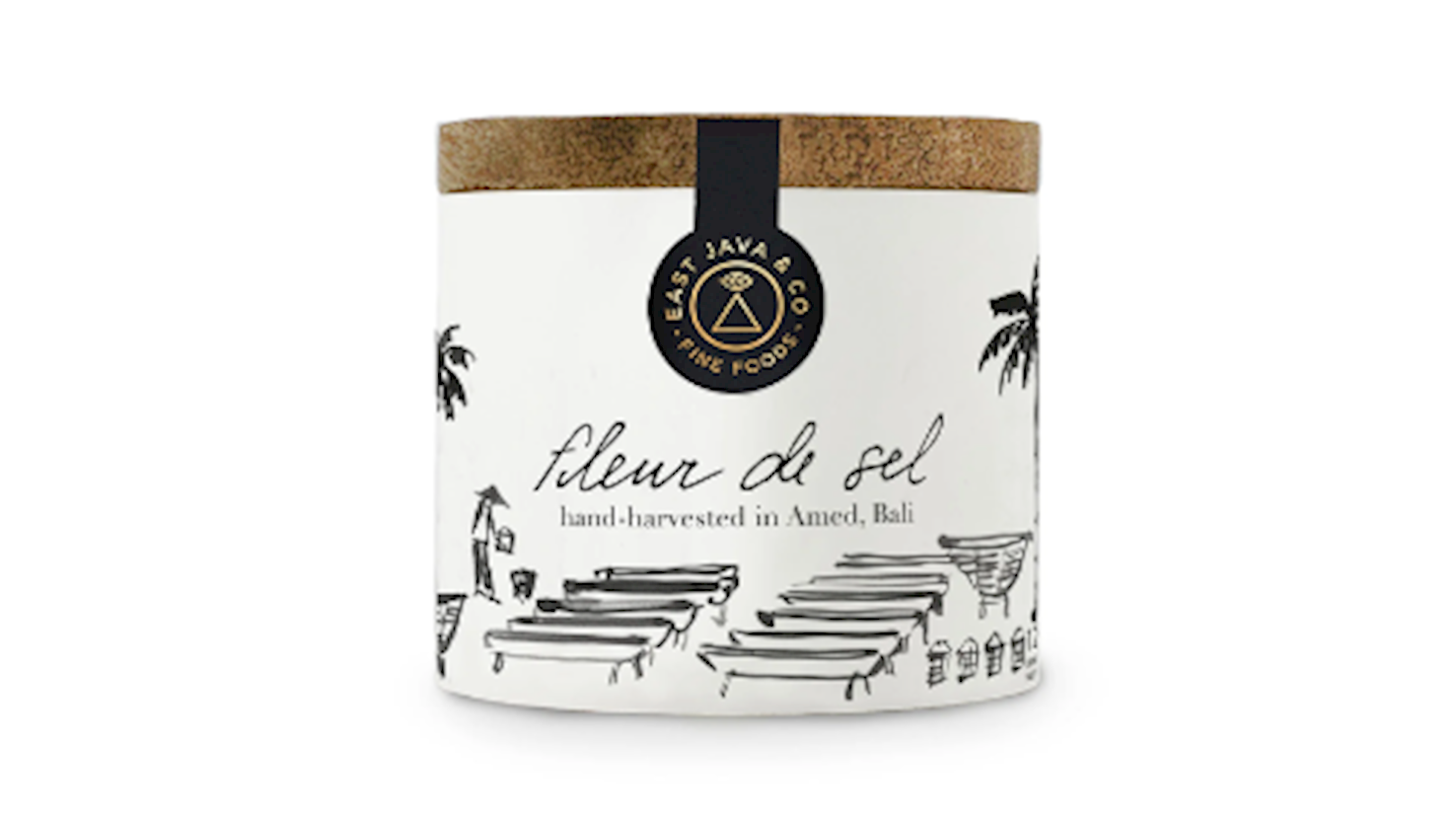
East Java is an Indonesian brand dedicated to producing natural, organically grown foods with a clear focus on origin, ingredient purity, and artisanal processing methods. Their range includes spices, honey, teas, grains, salts, jams, and other products sourced from specific regions across the archipelago, following a strict “single origin” philosophy. The brand works closely with small producers who rely on sustainable agricultural practices and manual techniques, preserving authentic flavors while avoiding unnecessary industrial processing. East Java aims for every product to reflect its terroir - whether it’s aromatic spices from East Java, honey from tropical plantations, or fine sea salt from Indonesia’s coastal areas. Their commitment to quality, transparency, and ethical collaboration with local farmers makes these products a representative example of modern Indonesian gastronomy that seamlessly blends tradition, sustainability, and traceable provenance.
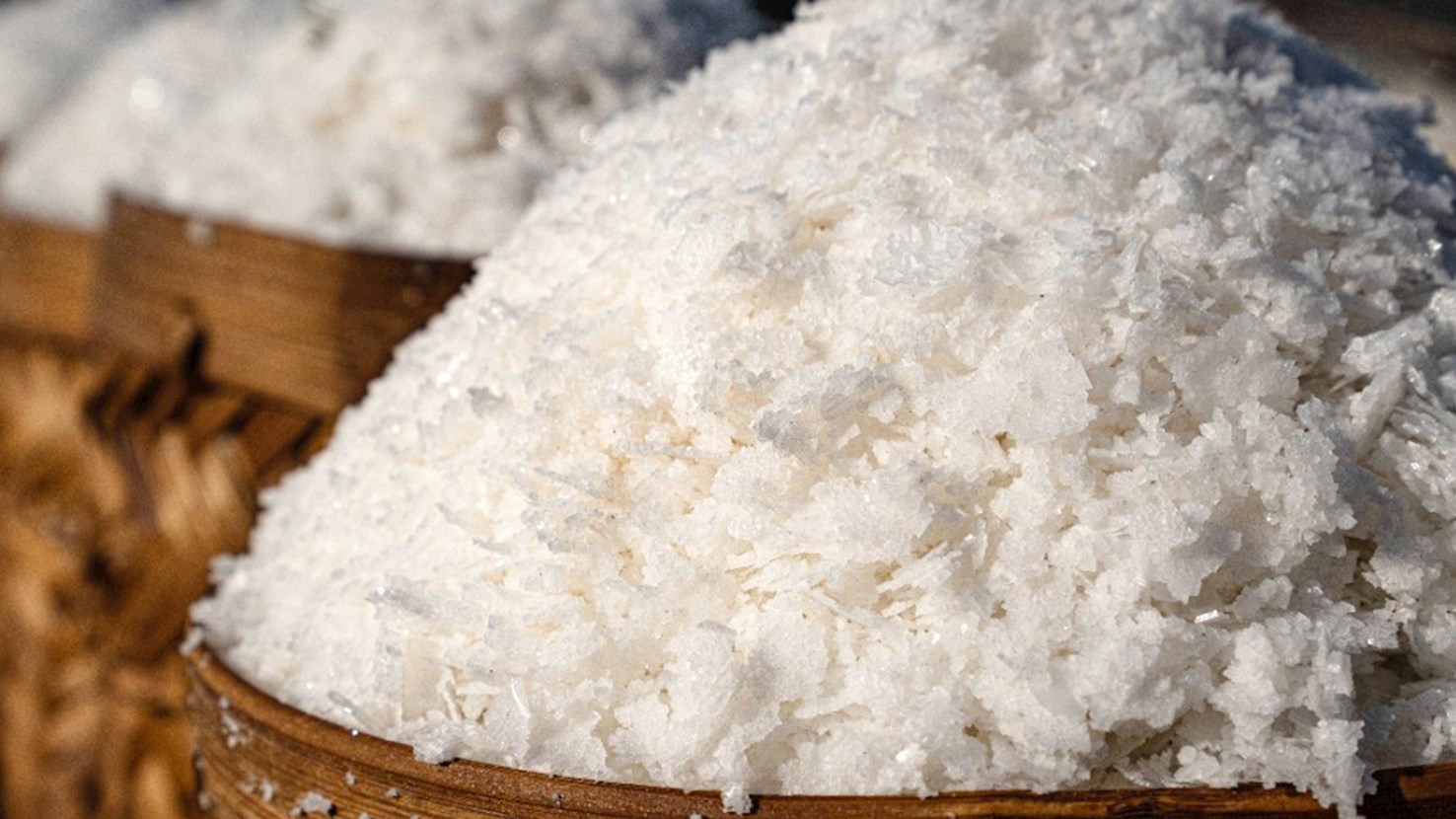
Garam Amed Bali is hand-harvested, unrefined, and free from additives sea salt from Amed on the Indonesian island of Bali. Garam Amed Bali consists of cube and tetragonal-shaped crystals and is white, shiny, and savory with a unique old wood fragrance. It is unrefined, unwashed, and additive-free, characterized by a crunchy and crispy texture. Bunga Garam Amed Bali features light and fine salt flakes that dissolve easily, ideal for use as table salt. Both salts have a strong saltiness without bitterness and share a similar mineral composition, including high sodium chloride content and trace minerals like copper and magnesium.
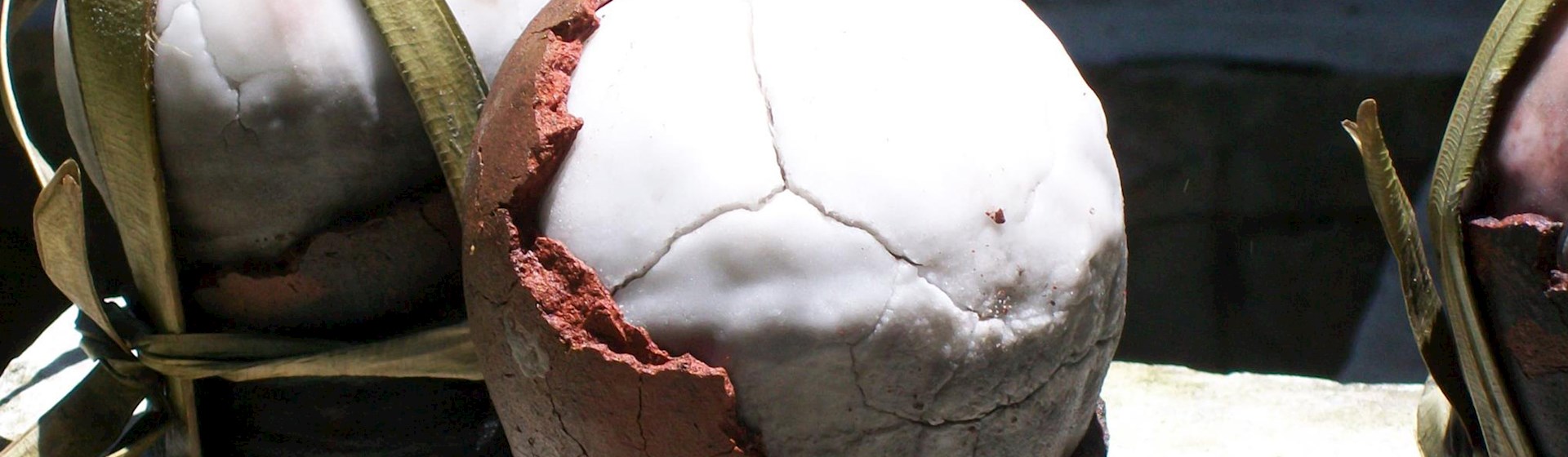
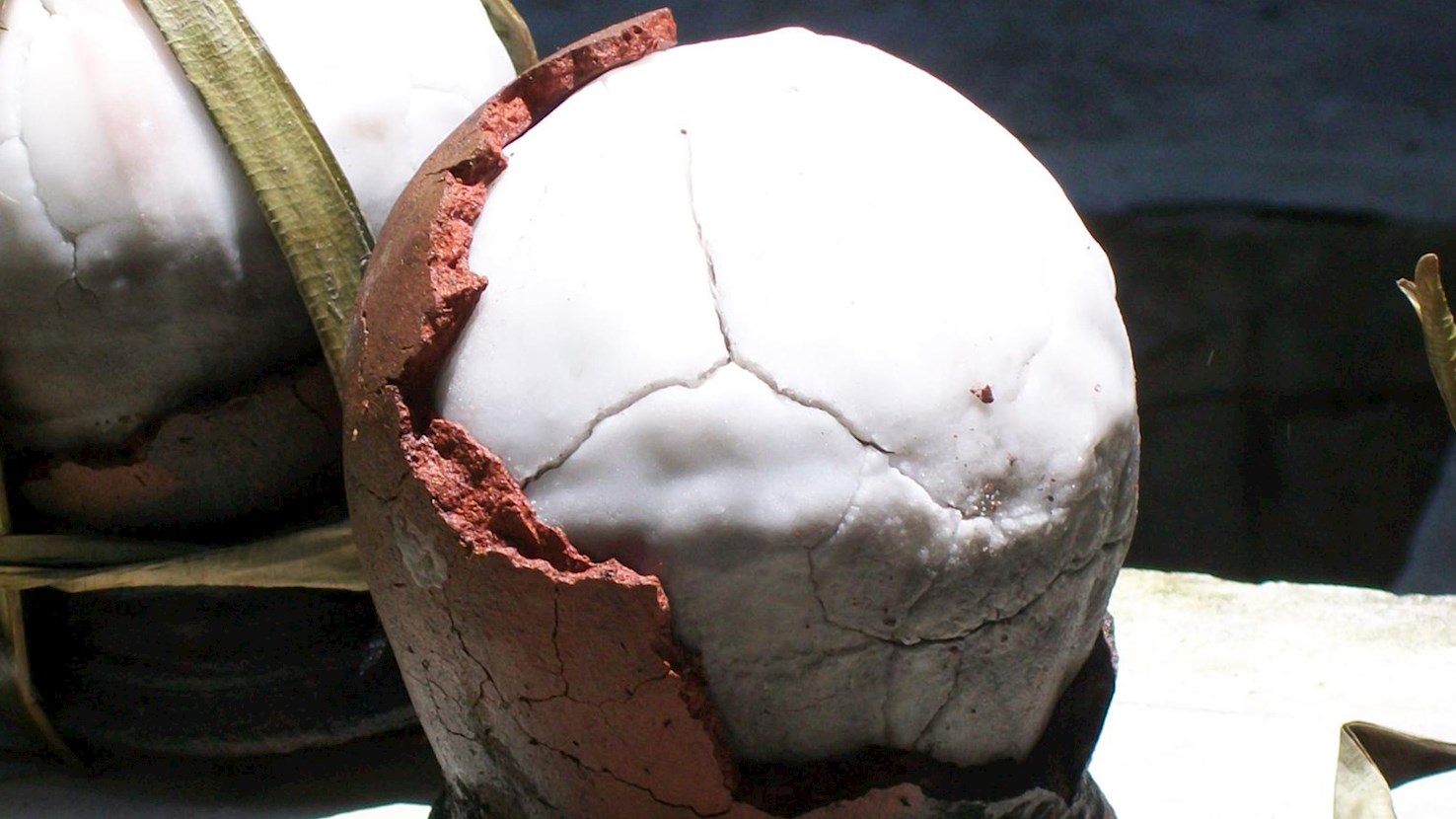
Asín tibuok is a rare and traditional Filipino artisanal sea salt produced by the Boholano people. The appearance of asín tibuok is quite unique, often compared to a dinosaur egg due to its shape and texture. The method used for its preservation and creation dates back to before the Spanish Colonization of the Philippines over 500 years ago. The seawater is filtered through ashes, which gives it a distinctive flavor profile that is sharp, earthy, and has mild smoky undertones. Asinderos, or the group of salt makers, recognize that the asín tibuok is ready when the clay pot used in the production cracks to reveal the round bottom of the salt, which at this point, has solidified and filled the pot. It can then be broken into chunks and grated over food. The salt is known to turn pinkish in color due to the intense heat during its production process, but it turns white when washed with water. Its texture is described as smooth, with small granules.
Bali Pemuteran salt is a sea salt produced in the coastal village of Pemuteran in northwest Bali, where salt farmers use shallow evaporation beds and sunlight to extract salt crystals from seawater drawn from the local coastline. The area lies near the Bali Sea, and its dry season climate, steady winds, and relative isolation from industrial activity have made it suitable for small-scale salt production carried out in family-run operations. Pemuteran salt is recognized as distinct from Amed salt on the eastern coast because its production techniques, soil composition, and crystal structure differ according to local environmental conditions. Salt-making in Pemuteran developed as part of the coastal economy supported by fishing and small-plot agriculture. With limited arable land and long dry seasons, families in the village adopted salt extraction as a supplementary activity, using methods based on controlled evaporation rather than large-scale mechanized production. Over time, these methods became consistent across households: seawater is collected, strained, and poured into evaporation pans set into compacted earth or lined with plastic sheeting, depending on the farm. As tourism grew in northwest Bali in the late twentieth and early twenty-first centuries, Pemuteran’s salt became more widely marketed in small quantities to local shops and regional producers interested in artisanal products. Production begins by channeling seawater into holding containers where sediment settles. The clarified water is then transferred into shallow pans exposed to sunlight. As the water evaporates, salt forms on the bottom and along the edges of the pans. Farmers rake and collect the crystals once they reach the desired dryness, then spread them on mats or raised platforms for final drying. The crystals from Pemuteran tend to be irregular and slightly larger than refined table salt, with a mineral profile shaped by the local coastline. The salt is usually packaged without additives, leaving the natural texture intact. Bali Pemuteran salt is eaten in household cooking, sold in local markets, and used by restaurants in Bali that focus on regional ingredients. It is applied as a finishing salt due to its irregular crystals, which dissolve more slowly than finely milled salt. It is commonly paired with grilled fish, vegetables, rice dishes, and sambal, where its coarse texture complements the moisture and heat of Indonesian condiments. In resort kitchens near Pemuteran, the salt is sometimes used on seafood, salads, or simple preparations that benefit from its mineral character. It also appears in packaged form for visitors seeking regional food products, maintaining a connection between the salt and its specific coastal origin.
Kampot sea salt is a type of sea salt that is extracted from seawater through evaporation ponds in the coastal regions of Kampot and Kep provinces in Cambodia. These salt farms span approximately 4,748 hectares of land and are managed by around 200 families who are part of the Kampot-Kep Salt Association. The salt pans are located along the river at the town's outskirts, where large warehouses store the equipment and protect the harvested salt from the elements. The salt is produced using an evaporation technique where, each year in December, seawater is allowed to flow into salt fields. The water then evaporates under the sun, leaving behind salt crystals. These crystals are collected by workers who rake the salt into small mounts. The production of Kampot sea salt is artisanal and organic, relying on handcrafting by local farmers using simple, mostly wooden tools like hoes, spades, rakes, and baskets. This process typically occurs only in the dry season when channels and dikes are prepared, and the clay surface of the evaporation pools is compacted. Kampot sea salt is available in various forms, including the chef's favorite fleur de sel, used for final seasoning, rare salt flakes or "salt pyramids," and coarse-grained salt that fits various types of grinders for everyday use.
Ilocano asin is a type of sea salt that originates from the pure seawaters of Pangasinan in the Philippines. It is a moist, naturally white sea salt that offers bright, clean, and crisp flavors and is enhanced by the presence of underlying minerals, which contribute to a complex and well-balanced taste. The salt's texture is a unique combination of granular (sal gris) and flake (fleur de sel) crystals, providing a distinct texture that melts quickly on the palate, giving an instantaneous taste. The salt crystals from Pangasinan are hand-harvested and are known for their lush, almost billowy quality, which is likened to an exaggerated version of fleur de sel. Ilocano asin is versatile in its culinary uses and can be used for grilling, roasting, and finishing, helping to enhance the flavor of both sweet and savory foods.
TasteAtlas food rankings are based on the ratings of the TasteAtlas audience, with a series of mechanisms that recognize real users and that ignore bot,
nationalist or local patriotic ratings, and give additional value to the ratings of users that the system recognizes as knowledgeable.
For the “Top 5 Southeast Asian Sea Salts” list until May 30, 2026, 11 ratings were recorded, of which 7 were recognized by the system as legitimate.
TasteAtlas Rankings should not be seen as the final global conclusion about food. Their purpose is to promote excellent local foods,
instill pride in traditional dishes, and arouse curiosity about dishes you haven’t tried.
The initial list of top producers was compiled based on available reviews, awards, local recommendations, media and blog coverage, and consumer reviews.
The list will be updated with ratings from TasteAtlas local ambassadors and TasteAtlas users.