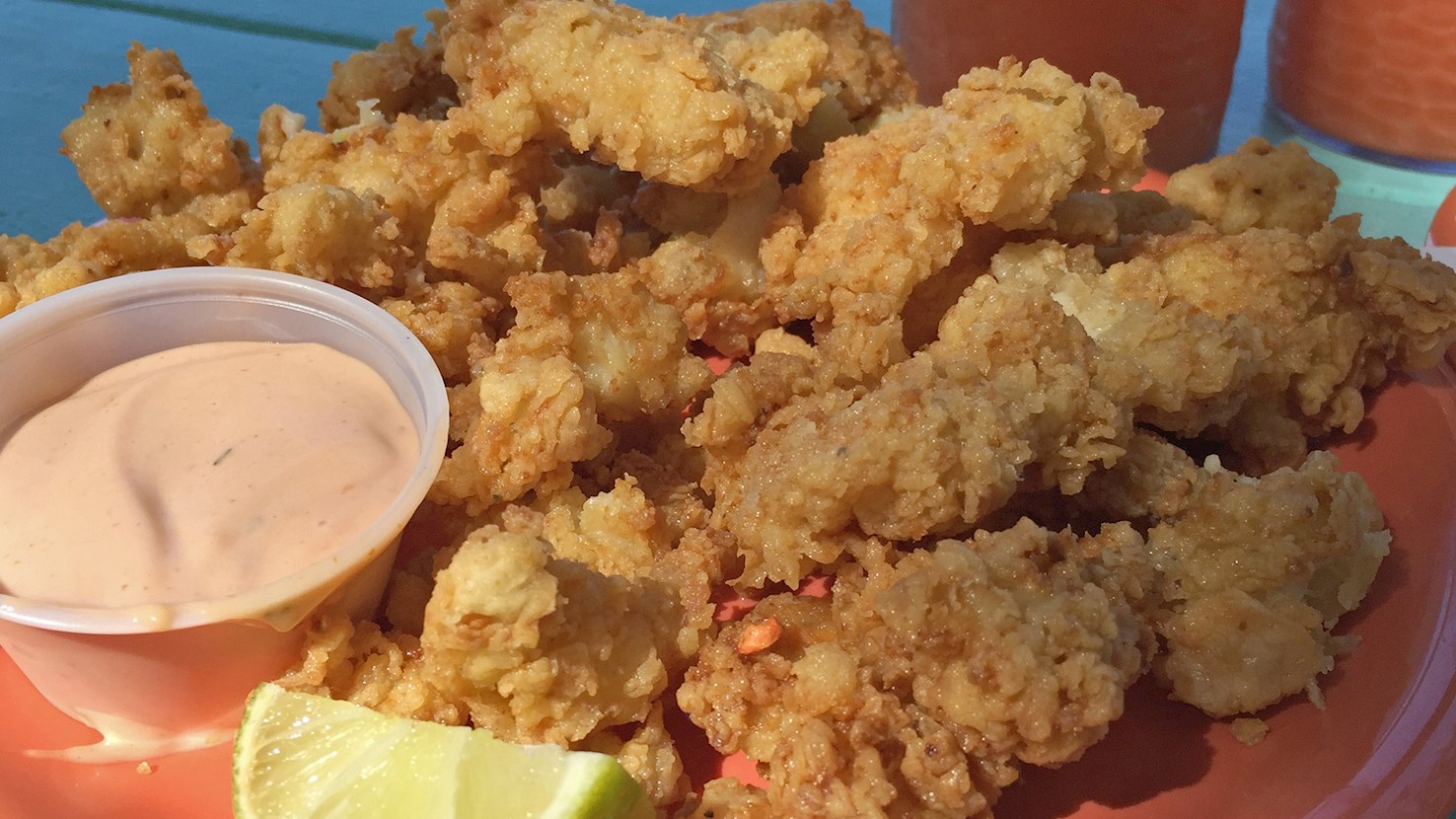
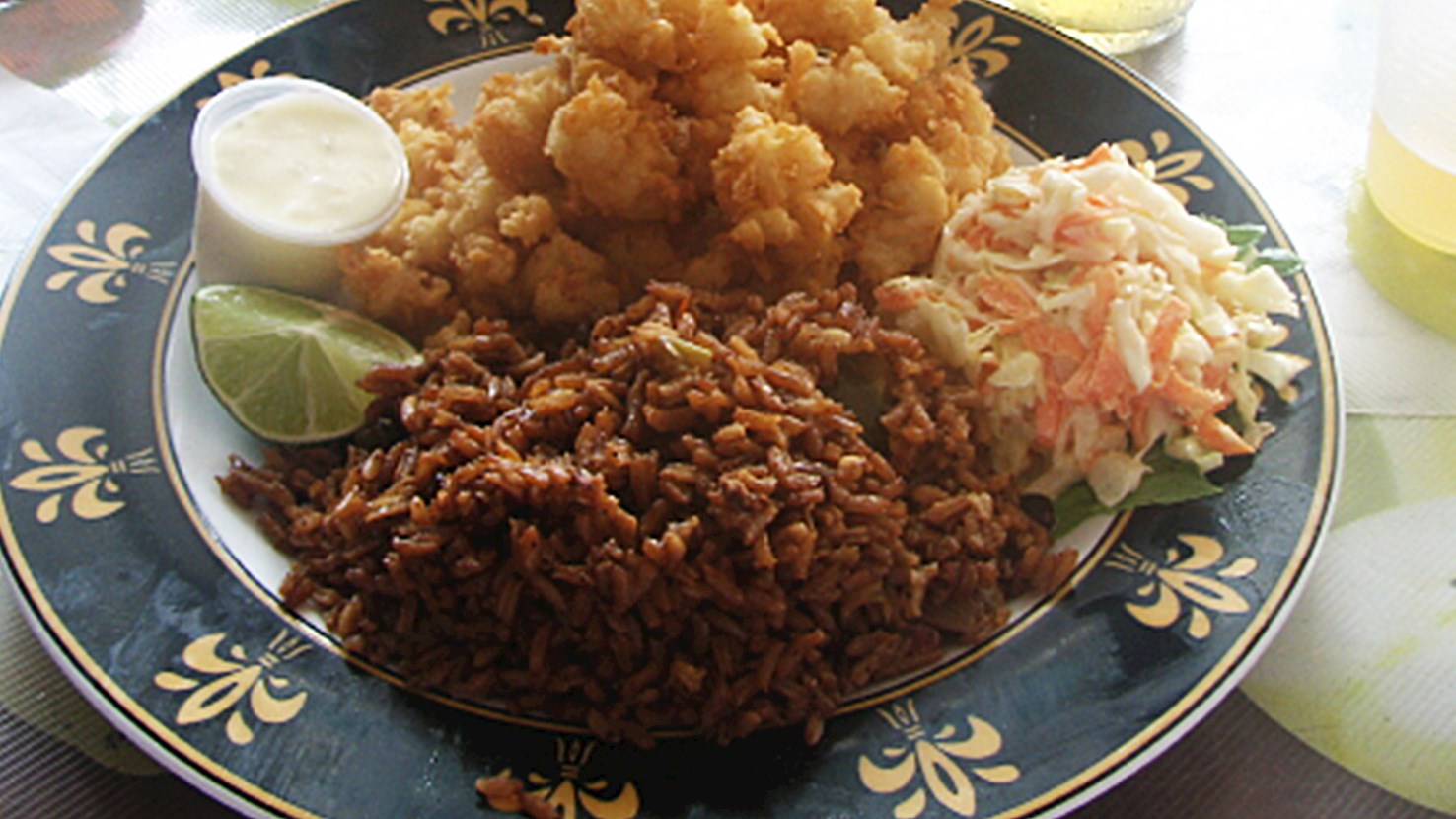
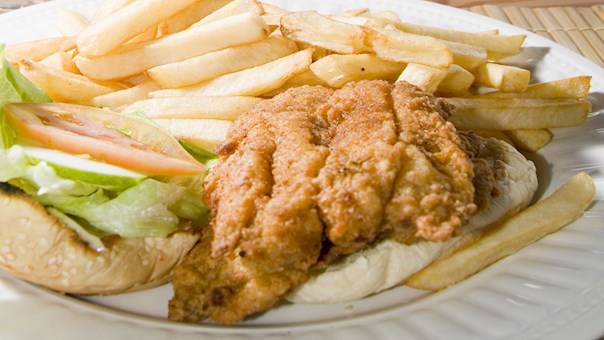
Cracked conch is one of the most popular Bahamian dishes – conch meat is breaded in a batter made with flour, then deep-fried until golden and crispy. The name of this dish refers to a method of tenderizing the tough, chewy meat with a meat mallet or a frying pan. These golden conch nuggets are typically paired with french fries or peas and rice. When paired with french fries, the dish is usually served on a sweet bread roll with ketchup or hot sauce on the side. It can also be consumed as an appetizer, when it is served with fresh lime juice and goat pepper sauce.
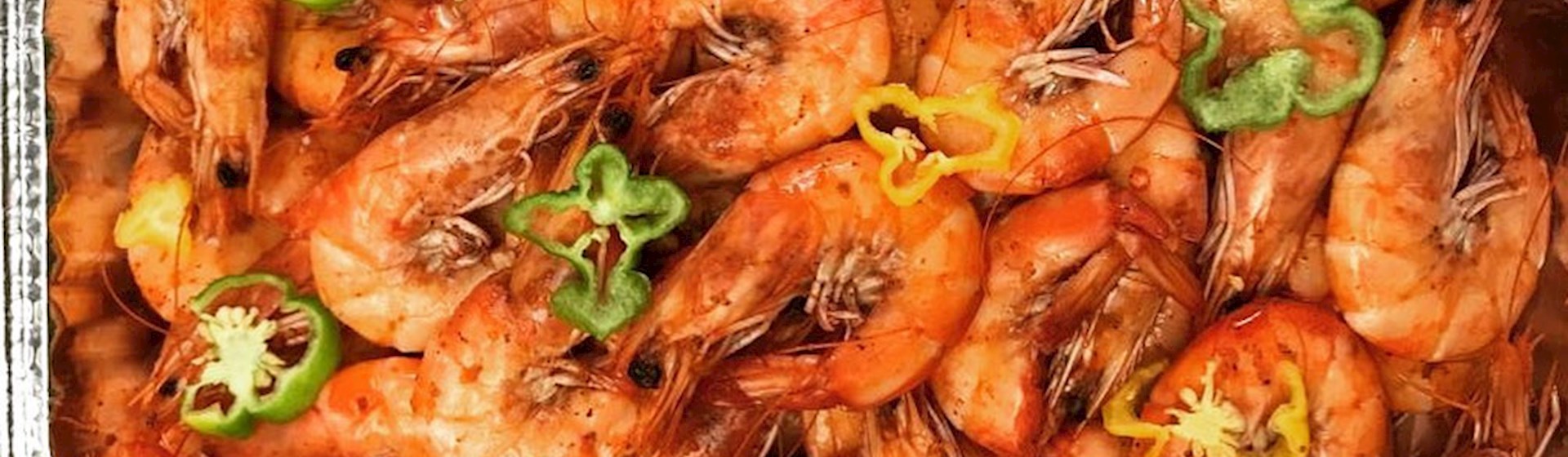
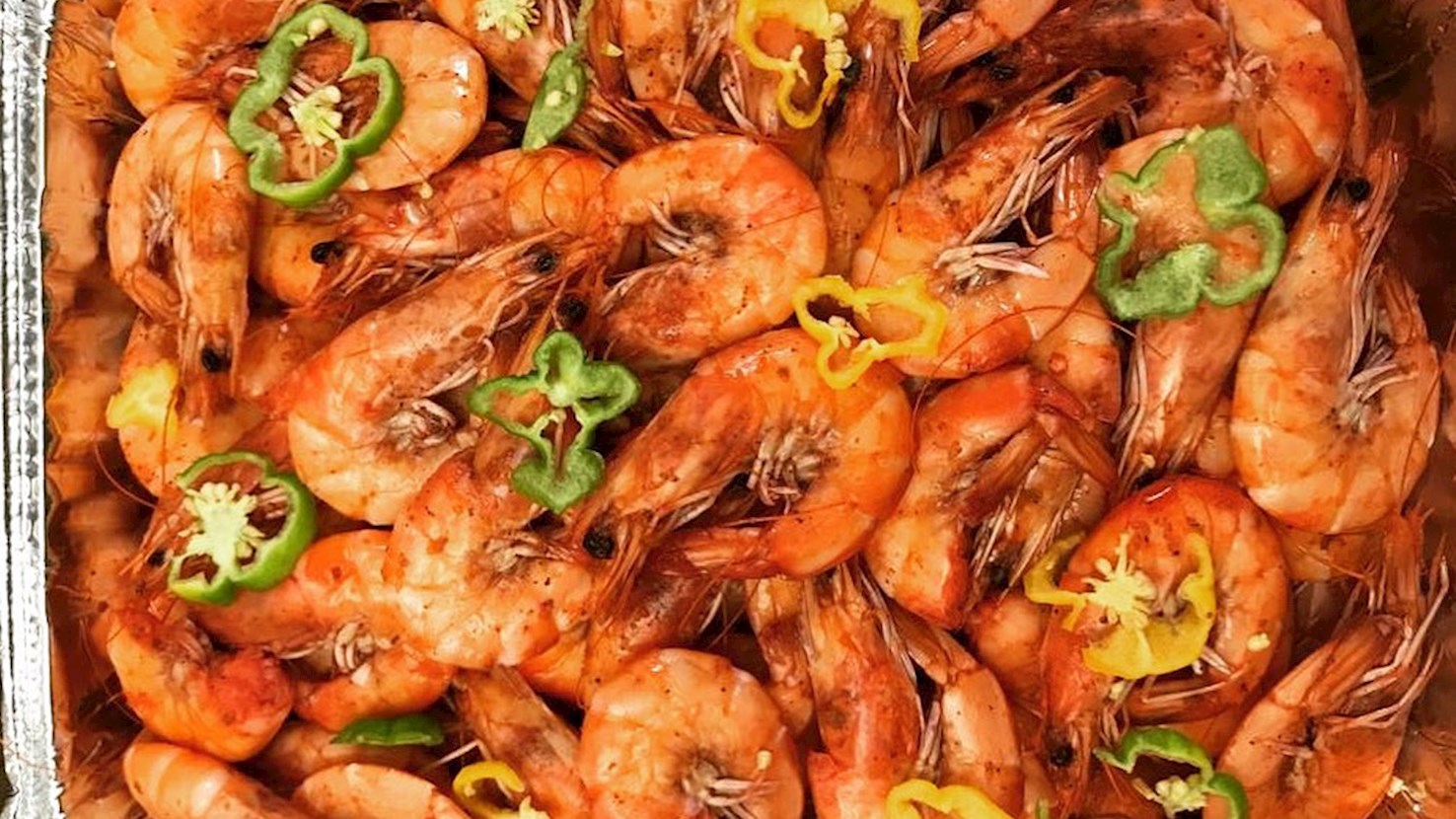
Peppered shrimps is a Jamaican dish made by cooking whole freshwater or seawater shrimp with Scotch bonnet pepper, garlic, thyme, salt, and a small amount of liquid until the shrimp are coated in a concentrated, spicy mixture. The dish is sold throughout Jamaica, especially in rural parishes where freshwater shrimp are harvested from rivers, and in coastal towns where vendors prepare it as a portable snack. It is strongly connected to areas such as Middle Quarters in St. Elizabeth, where roadside stands package peppered shrimps in small bags for travelers. The preparation grew naturally from the availability of shrimp in rivers and the widespread use of Scotch bonnet pepper and thyme in Jamaican cooking. As roadside commerce increased during the twentieth century, cooks developed a method that allowed shrimp to be seasoned heavily, cooked quickly, and stored for short periods without losing their structure or flavor, making the dish suitable for selling in small quantities. Preparation begins with rinsing the shrimp, which are usually cooked with the shell and head intact. They are placed in a pot with Scotch bonnet pepper, garlic, thyme, salt, and sometimes pimento berries. A small amount of water is added to help disperse the seasoning, and the shrimp are cooked over medium heat until the liquid reduces to a thick, spicy coating. Some cooks add butter or oil to help cling the seasonings to the shells, while others keep the method entirely water-based. The shrimp turn bright red as they cook, and the seasoning mixture becomes concentrated. Because the dish relies heavily on pepper heat rather than lengthy stewing, the cooking time is short, and the shrimp remain firm. Peppered shrimps are eaten across Jamaica as a snack, roadside purchase, or informal appetizer. They are often sold in small plastic bags or paper containers, allowing people to eat them while traveling or walking. At home, the dish may be served with fried dumplings, bammy, or festival, though it is most commonly eaten on its own due to its strong flavor. Beverage pairings include cold lager, ginger beer, limeade, sorrel, or sweetened iced tea, all of which help balance the spice level. In Jamaican restaurants abroad, peppered shrimps sometimes appear as a starter or bar snack, maintaining the emphasis on heat, minimal sauce, and the distinctive combination of thyme and Scotch bonnet pepper.
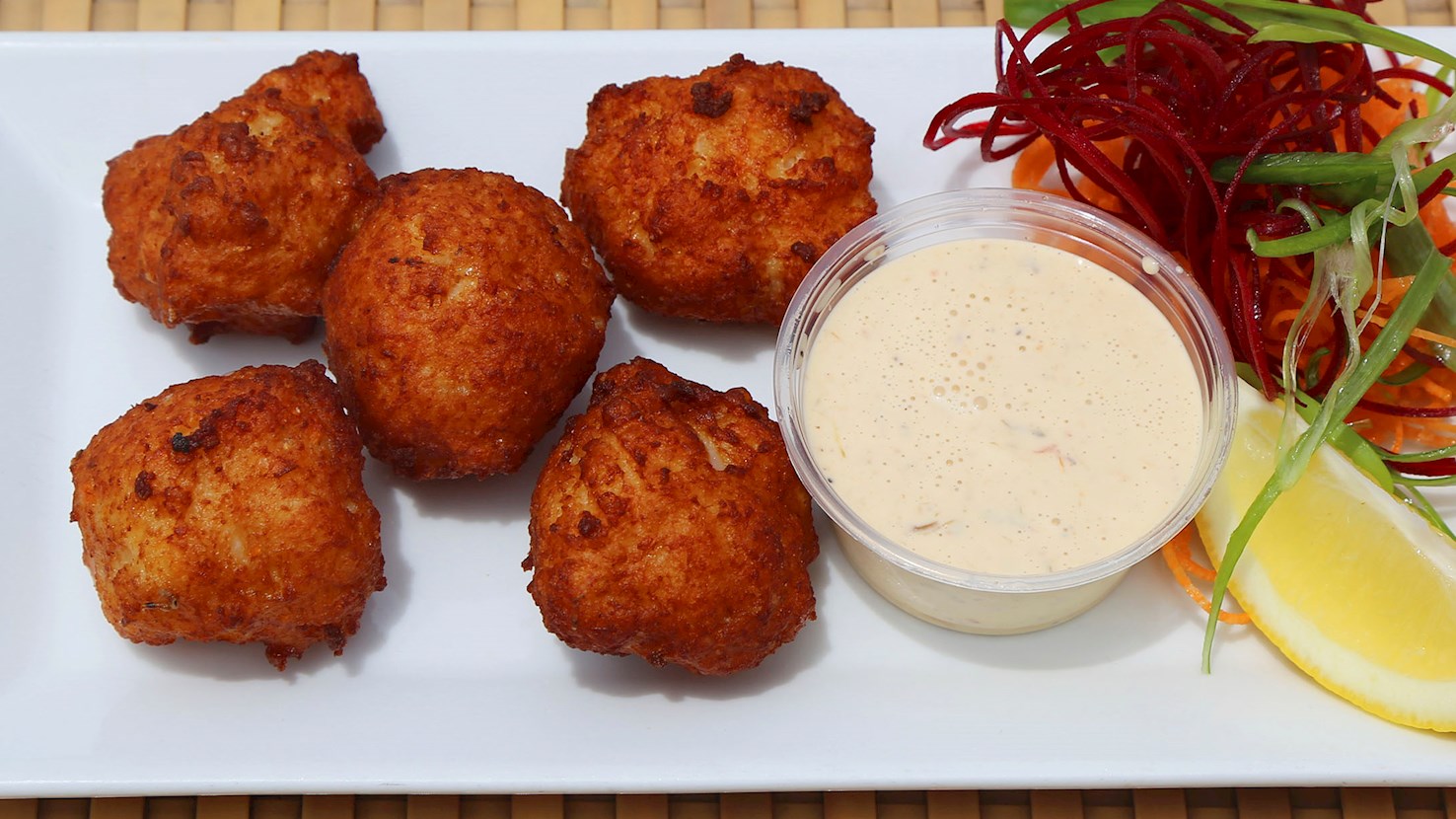
A delicacy of Caribbean and Creole cuisine, conch fritters are the national dish of sunny Bahamas. It consists of pounded, tenderized conch meat that is fried in batter with tomatoes, onions, celery, bell peppers, and various, often peppery seasonings. Conch meat is combined with vegetables because it takes a lot of effort to obtain a small amount of meat, and it's a way of making every bit of meat count. Usually tough and sturdy, conch meat greatly benefits from being cooked in tiny, diced pieces. Due to the popularity of conch in the Caribbean, one can easily find the dish throughout the islands, with many of the cooks adding their own spices to the mix in order to keep their menu unique. Therefore, it's best to try it at a few restaurants to compare different textures and flavors of the fritters. Fried until golden brown and crispy, this appetizer is best accompanied by a Bahamian-style dipping sauce consisting of lime juice, mayonnaise, ketchup, hot sauce, salt, and pepper.
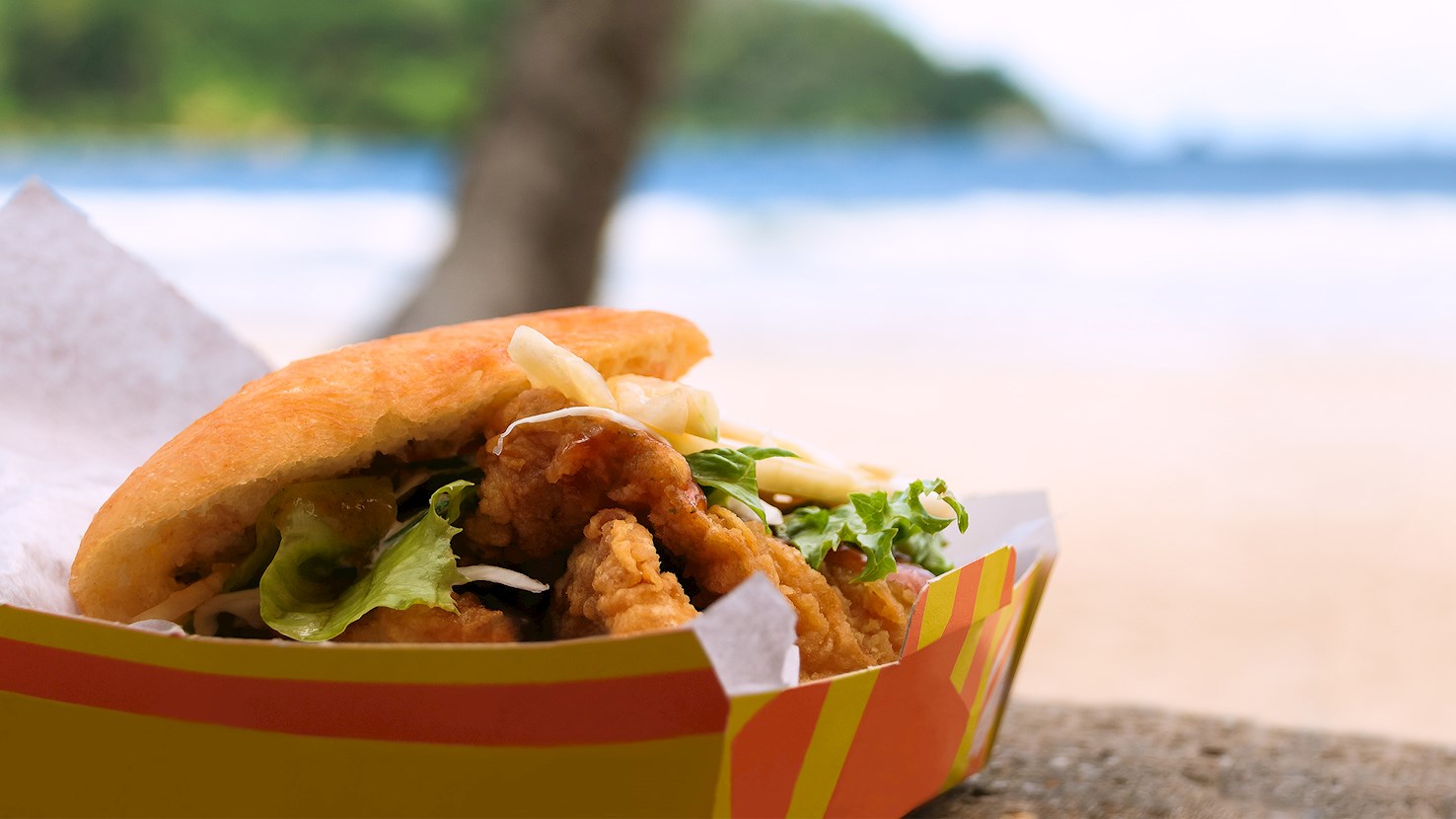
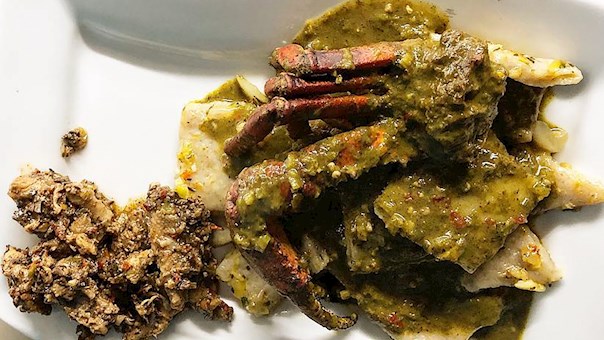
Bake and shark is a unique Trini street food item that is especially popular at concerts, festivals, and celebrations. It consists of marinated or seasoned pieces of shark meat, sauces, chutneys, and vegetables in a flatbread known as bake. The dish is often associated with Maracas beach which is filled with numerous bake and shark street stalls.
Crack Conch with peas and rice is the national dish of the Bahamas. Conch is a large sea snail that has been traditionally eaten in the region since before the arrival of Christopher Columbus. The natives did not only eat the mollusc, but used them to make tools, musical instruments, and ceremonial artifacts. The conch lies on the bottom of the seabed in big, fluted shells with pink interiors. It may be eaten raw or cooked, but in this particular dish, it is deep-fried. The finished meal looks similar to fried calamari, but it is much tastier, as the locals say. Sea snails are regarded as endangered species, which has led to an increase in their price, but it remains a very popular and loved dish in the Bahamas. It is the only type of seafood that makes use of the special Bajan seasonings - a rub of garlic, pepper, thyme, onion, and marjoram. The rub is then mixed with a batter consisting of flour, beaten eggs, and water. Conch needs to be washed in water and lime juice, beaten with a mallet in order to tenderize the meat, then cut into small pieces and coated in the batter mix. Deep-fried until it develops a deep golden brown color, the dish is accompanied by Bahamian peas and rice, made by frying bacon and mixing it with peas, onions, tomatoes, thyme, salt, pepper, and tender rice. One can try this unique dish anywhere in the Bahamas, from the luxurious hotels to the seaside street food vendors.
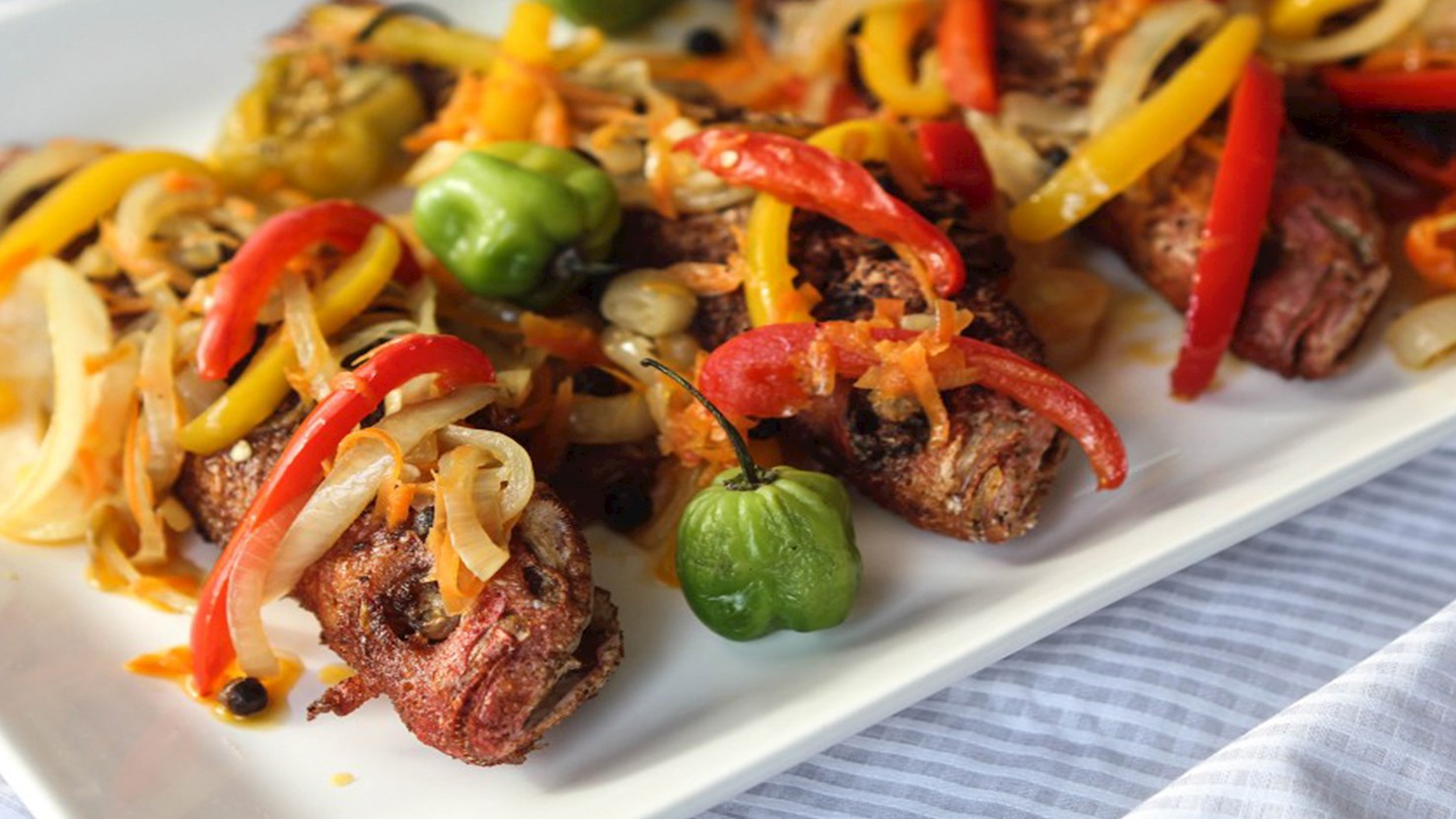
Escovitch fish is a Jamaican dish consisting of whole fried fish covered with a sharp, lightly cooked sauce made from vinegar, onions, carrots, Scotch bonnet peppers, pimento berries, and bell peppers. It is eaten throughout Jamaica in homes, street stands, community gatherings, and seaside cookshops, where fish such as snapper, parrotfish, or doctor fish are commonly used. The preparation is associated with coastal regions where fresh fish is abundant and frying is a standard cooking method. The term “escovitch” comes from the Spanish escabeche, a pickled or vinegar-based preparation introduced to the Caribbean during the period of Spanish presence in the region. Over time, Jamaican cooks adapted the method by using local peppers and aromatics and by pouring the vinegar sauce over freshly fried fish instead of storing the fish for preservation. Escovitch fish is prepared by cleaning and scoring a whole fish, seasoning it with salt, pepper, and sometimes garlic or all-purpose seasoning, then frying it in oil until crisp. Separately, a sauce is made by heating vinegar with sliced onions, carrots, Scotch bonnet peppers, bell peppers, pimento berries, and a small amount of sugar, salt, and occasionally thyme. The vegetables are cooked only briefly to maintain texture and brightness. The hot or warm sauce is poured over the fried fish, allowing the acid and aromatics to penetrate the surface. The dish can be served immediately, but it is also commonly allowed to sit so the flavors deepen as the fish absorbs the vinegar mixture. A distinguishing feature is the balance of acidity and heat, shaped by the use of Scotch bonnet peppers and pimento berries, which anchor the flavor within Jamaican seasoning practices. Escovitch fish is eaten across Jamaica at breakfast, lunch, and dinner, often paired with fried dumplings, bammy, festival, breadfruit, or rice. It is especially common during holidays such as Easter, when fish is served more frequently in many households. Beverage pairings include ginger beer, sorrel, limeade, and cold lager, all of which complement the acidity of the sauce and the heat of the peppers. In Jamaican restaurants abroad, escovitch fish appears as a regular menu item and is paired similarly, often presented as one of the central expressions of Jamaican fried fish cookery.
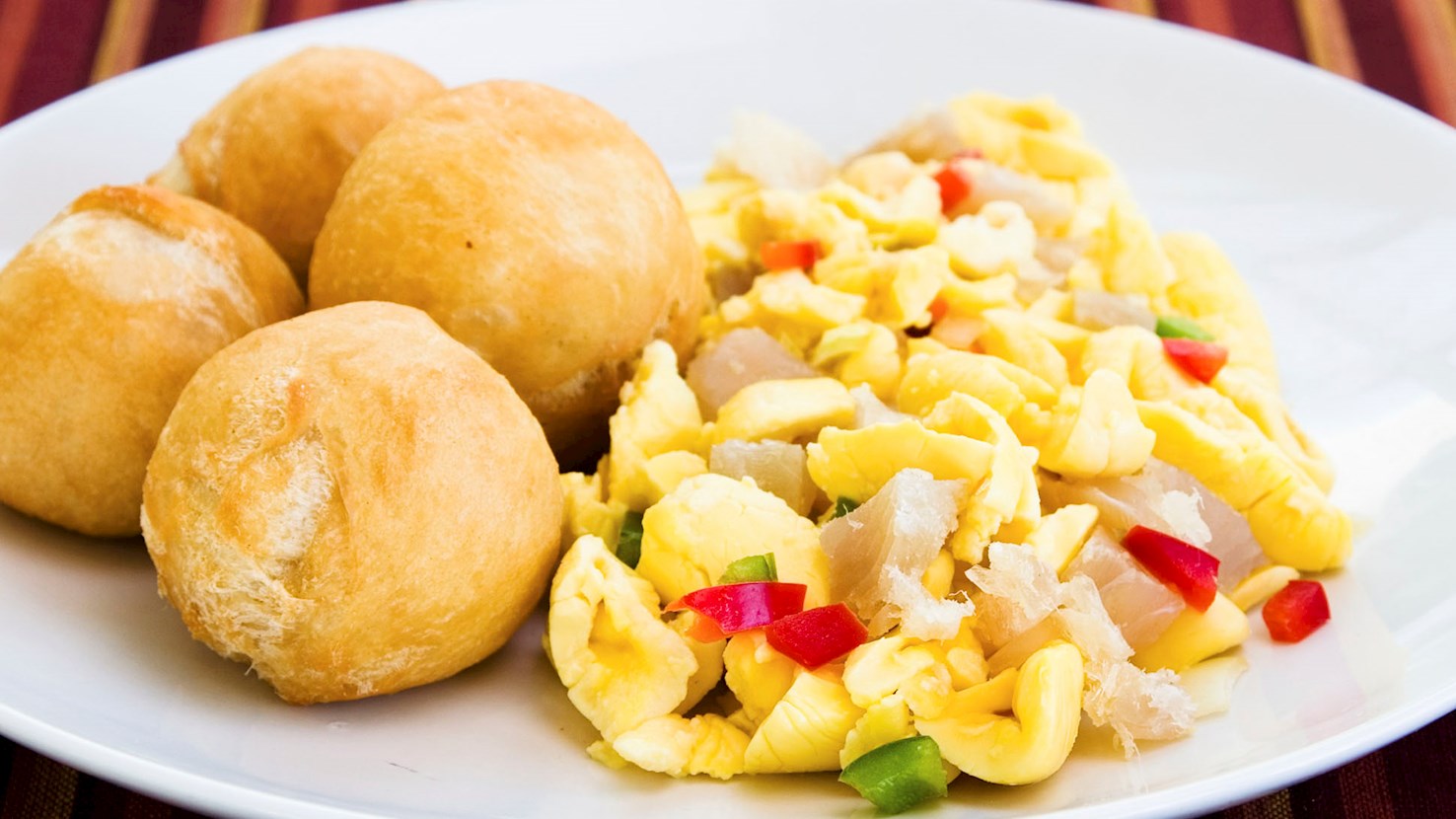
Ackee and saltfish is a dish made by combining the cooked flesh of the ackee fruit with flaked salted cod, sautéed aromatics, and seasonings such as Scotch bonnet pepper, thyme, scallion, onion, and tomato. It is widely regarded as Jamaica’s national dish and is eaten across the island for breakfast, lunch, and dinner. Ackee (Blighia sapida) originated in West Africa and was brought to Jamaica in the eighteenth century, where the tree adapted easily to the climate and became part of local diets. Salt cod arrived from the North Atlantic through colonial trade routes and became a dependable protein source because it was inexpensive and stored well in a tropical environment. Jamaican cooks combined these two ingredients, along with local herbs and peppers, over generations. By the nineteenth century, the pairing was established in domestic cooking and appeared in regional cookbooks and household records. Its growth in popularity coincided with the incorporation of Scotch bonnet pepper and fresh seasonings, which shaped the version recognized across Jamaica today. Preparation begins by cleaning and boiling ackee until the yellow arils soften and open naturally, ensuring they are fully ripe and safe to eat. The boiled ackee is drained carefully so the pieces remain intact. Saltfish is soaked or boiled to reduce salinity, then flaked and checked for bones. In a pan, onion, scallion, thyme, garlic, tomato, and Scotch bonnet pepper are sautéed until fragrant. The flaked saltfish is added and cooked briefly before the ackee is folded in gently to avoid breaking it apart. The mixture is simmered until the flavors meld without turning the ackee into a mash. Some versions include sweet pepper or black pepper, while others keep the seasoning minimal. Ackee and saltfish is eaten throughout Jamaica in homes, cookshops, hotels, and roadside eateries. It is commonly served with boiled green bananas, fried dumplings, roasted breadfruit, yam, or festival. At lunch it may appear with rice and peas or plain rice. Beverage pairings include ginger tea, cocoa tea, lime water, sorrel drink, or cold beverages such as ginger beer or ting. The dish’s versatility and presence across meal types make it one of the most recognizable representations of Jamaican cuisine.
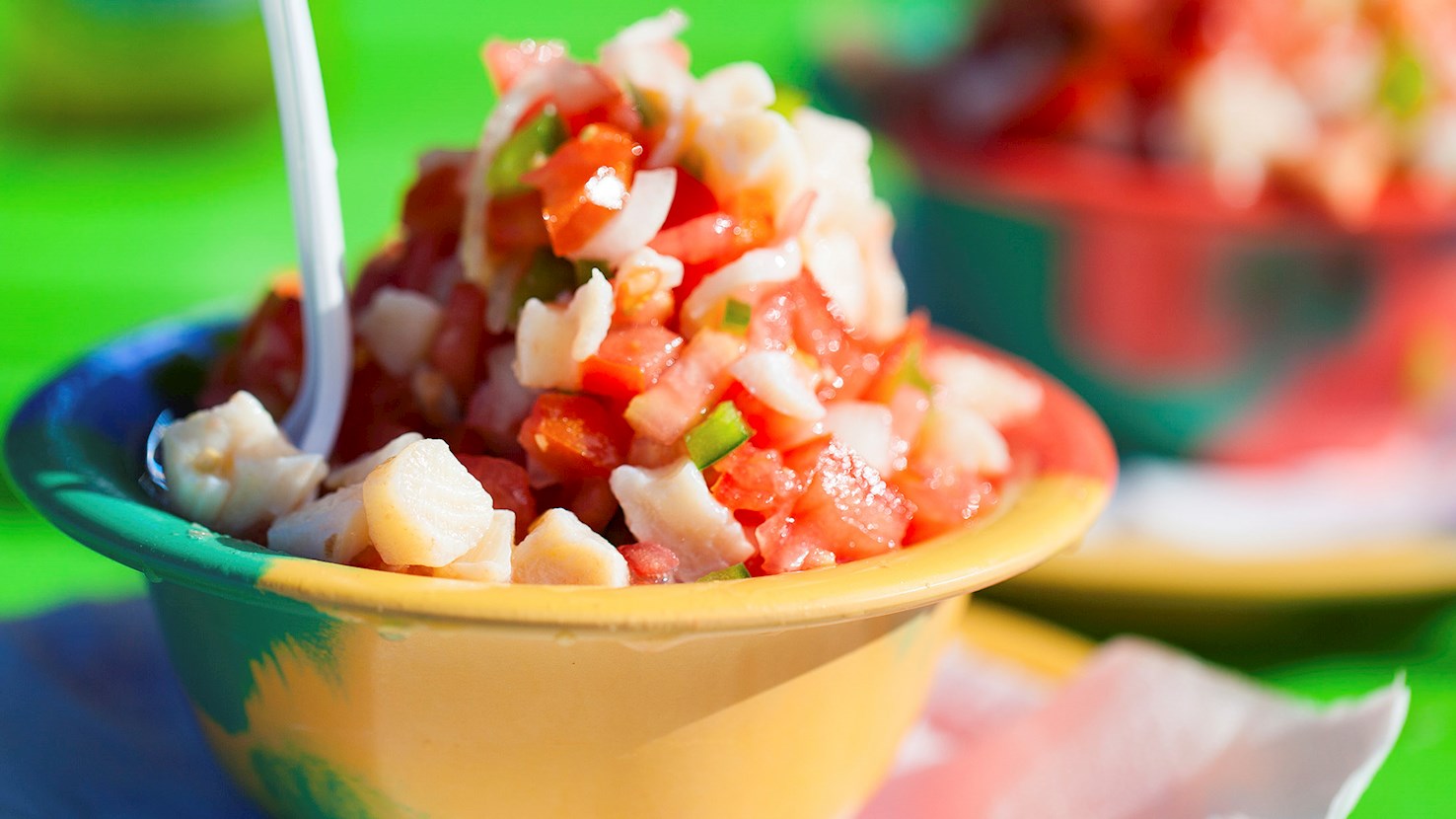
Conch salad is one of the most popular Bahamian dishes that is both a flavorful comfort food and a colorful, edible work of art. The key ingredient in the dish is conch, a shellfish that is unfortunately slowly dying out due to its rapid depletion in the Caribbean seas. Other ingredients include finely chopped tomatoes, bell peppers, onions, and a marinade of goat pepper, lime, and orange juice, a mixture that also partly cooks the raw white conch meat. However, there is also a tropical version of the salad with apples, pineapple, and mango added to the regular salad, with a less spicy flavor. It is recommended to pair the salad with a glass of local Bahamian beer such as Kalik or Sands, although a combination of coconut water, sweet milk, gin, and ice, known as sky juice is also commonly paired with the dish.
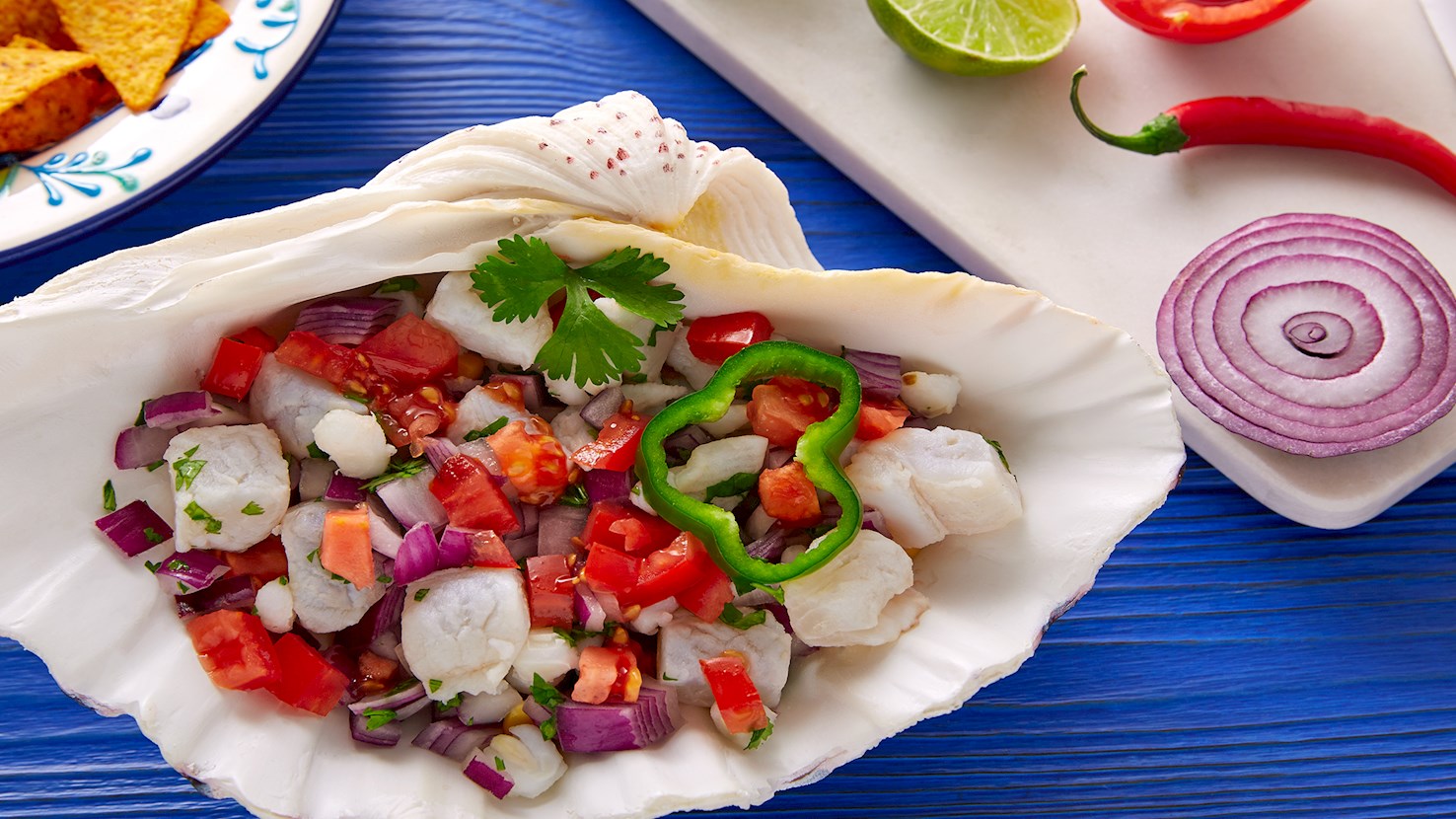
Conch ceviche is a Bahamian twist on the classic ceviche, made with conch meat as the key ingredient. It typically consists of conch meat, tomatoes, red onion, scotch bonnet peppers for heat, and diced mango for a small touch of sweetness. This ceviche variety is typically dressed with freshly squeezed sour orange and key lime juice. After the dish has been seasoned with salt and pepper and tossed, it should be served immediately.
Brown stew fish is a Jamaican dish made by frying seasoned fish until browned and then simmering it in a sauce of onions, tomatoes, bell peppers, thyme, garlic, Scotch bonnet pepper, and browning or caramelized sugar. It is prepared across Jamaica using fish such as snapper, grunt, parrotfish, and kingfish, and appears in home kitchens, cookshops, and restaurants. The dish developed within Jamaican stewing practices, which combine pan-frying with a secondary braising step to build depth and color. As cooks adapted methods used for brown stew chicken and brown stew beef, they applied the same approach to fresh coastal fish, which were readily available in seaside communities and urban markets. The use of browning sauce or caramelized sugar reflects local cooking patterns where color and flavor are developed early in the cooking process before vegetables and liquids are added. Preparation begins by cleaning and scoring the fish, then seasoning it with salt, pepper, thyme, all-purpose seasoning, garlic, and sometimes lime or vinegar for rinsing. The fish is fried in oil until the exterior is firm and browned. In a separate step, onions, bell peppers, tomatoes, Scotch bonnet pepper, and garlic are sautéed in the same pan to absorb the flavor from the fish. Browning sauce or caramelized sugar is added to create the base color. Water or broth is poured in to form the stew, and the fish is returned to the pan to simmer gently until the sauce thickens and the vegetables soften. Some cooks add pimento berries or butter for additional flavor. Brown stew fish is eaten throughout Jamaica for lunch or dinner and is served with rice and peas, white rice, ground provisions, fried dumplings, or bammy. It is also sold in Jamaican restaurants abroad, often as part of daily menu rotations. Beverage pairings include ginger beer, sorrel, lime juice, or cold lager, which complement the heat and acidity present in the stew. Some diners prefer coconut water or lightly sweetened iced tea, which softens the spice and balances the savory sauce.
TasteAtlas food rankings are based on the ratings of the TasteAtlas audience, with a series of mechanisms that recognize real users and that ignore bot,
nationalist or local patriotic ratings, and give additional value to the ratings of users that the system recognizes as knowledgeable.
TasteAtlas Rankings should not be seen as the final global conclusion about food. Their purpose is to promote excellent local foods,
instill pride in traditional dishes, and arouse curiosity about dishes you haven’t tried.




What People Say