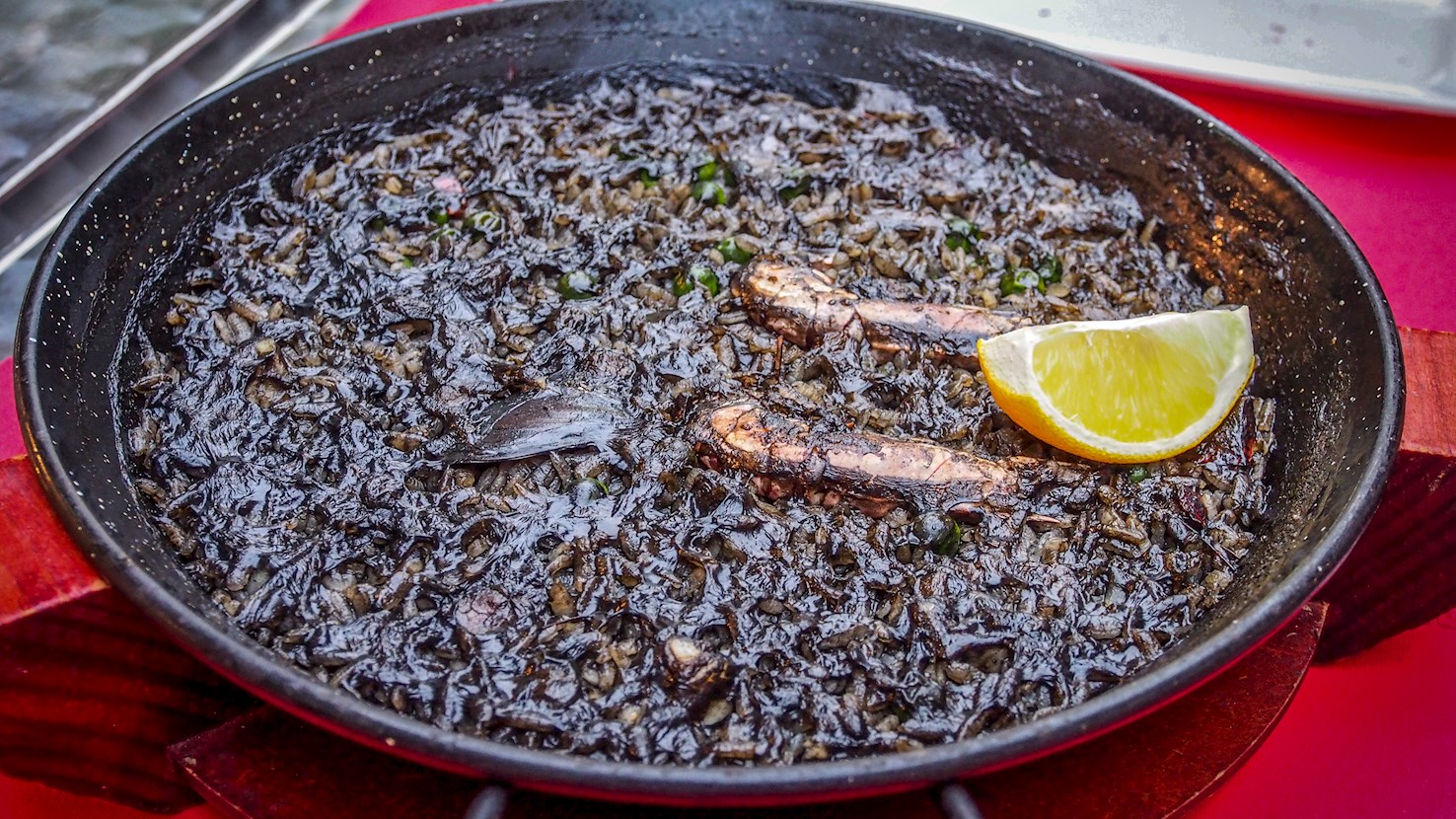
Arròs negre is a savory seafood and rice dish colored and flavored with the natural black ink of cuttlefish or squid. The name literally means “black rice” in Catalan, although the rice itself is not naturally black; its color comes entirely from the ink. It is especially associated with the Mediterranean rice cultures of Catalonia and Valencia. The base starts with good olive oil heated in a wide, shallow steel pan. Finely chopped yellow onions, garlic, and grated fresh tomatoes are cooked slowly until they form a thick, sweet mixture. This concentrated base is known as sofregit and is used in many Catalan rice and seafood recipes. Cooking the tomato until much of its water has evaporated concentrates its sweetness and helps keep the finished rice from becoming watery. Small pieces of raw cuttlefish or whole baby squid are added to the hot oil and cooked until they release their natural moisture. Letting this liquid evaporate before adding the rice gives the seafood a deeper flavor and prevents excess water from diluting the stock. Short-grain rice, especially Bomba or Senia, is then scattered into the pan so the grains can absorb the tomato base and oil. These short, plump varieties work well because they absorb strongly flavored liquid while still keeping their shape instead of becoming soft and creamy. Hot, intensely flavored fish stock is added together with cuttlefish or squid ink. The dark liquid immediately turns every grain black and gives the rice its distinctive, slightly metallic seafood flavor. The ink adds more than color, contributing concentrated marine salinity and a subtle savory depth. The rice is left to simmer without stirring until the liquid has been absorbed. The grains should remain firm in the center, while the bottom of the pan develops a caramelized crust known as socarrat. Avoiding constant stirring helps keep the grains separate and allows the bottom layer to remain in direct contact with the hot pan long enough to become crisp. Once the liquid has disappeared, the rice can rest briefly before serving so the grains settle and the crust remains intact. Historical records connect the dish specifically with the L'Empordà region of northern Catalonia. During the seventeenth century, fishermen along the coast used abundant, less valuable cuttlefish and its ink to make limited amounts of rice more filling. Today, black seafood rice is found much more widely along the Catalan and Valencian Mediterranean coast, with local versions differing in seafood, vegetables, stock, and the amount of ink used. Replacing the short-grain rice with short, hollow pasta creates a different dish known as fideuà negra. The noodle version follows a similar idea, combining sofregit, seafood, concentrated fish stock, and allioli, but the toasted pasta gives it a drier, firmer texture than rice. The seafood can also vary. Whole red prawns, clams, or thick slices of artichoke hearts may be added directly to the black rice during the final ten minutes of cooking. Other coastal versions can include langoustines, mussels, crab, or additional cuttlefish, while artichokes add a slightly bitter vegetal note that contrasts with the sweet shellfish and dark ink. The large steel pan is usually brought to the table while still hot and placed on a wooden board. The rice is then spooned directly onto individual plates. Serving it from the same pan also helps preserve the contrast between the softer rice on top and the crisp layer attached to the bottom. A generous spoonful of allioli is usually served on top of the hot rice and mixed into the grains, adding a sharp, creamy contrast to the intense, briny flavor of the ink. Classic allioli can be made simply by emulsifying garlic, olive oil, and salt without egg, although mayonnaise-style versions containing egg are also common. It can also be served in a separate bowl so that as much or as little as desired can be added.
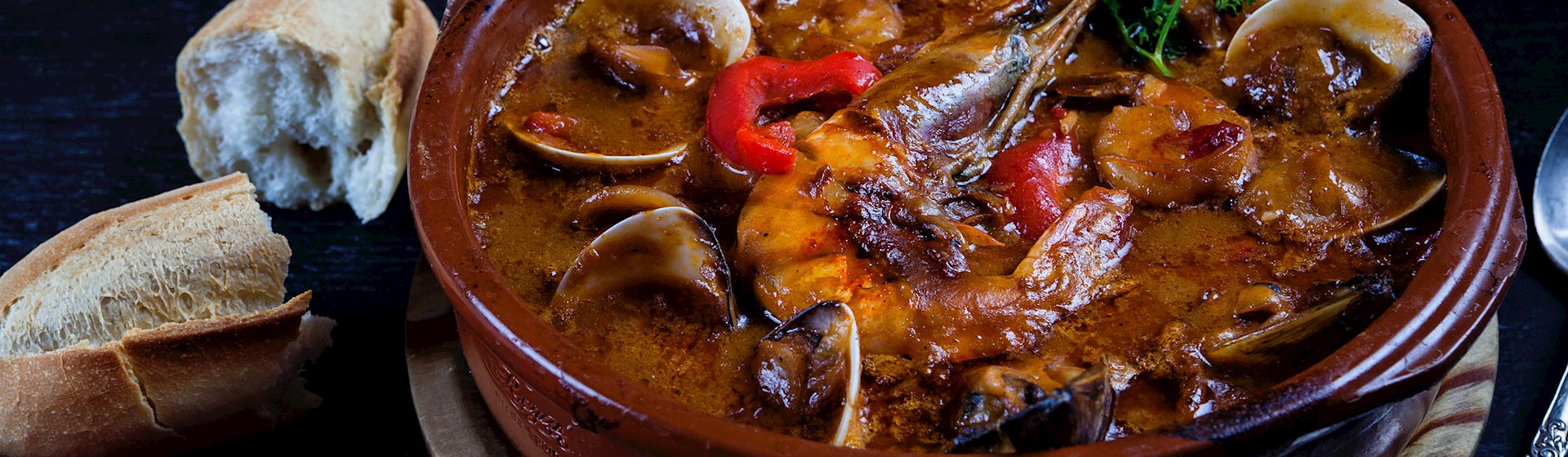
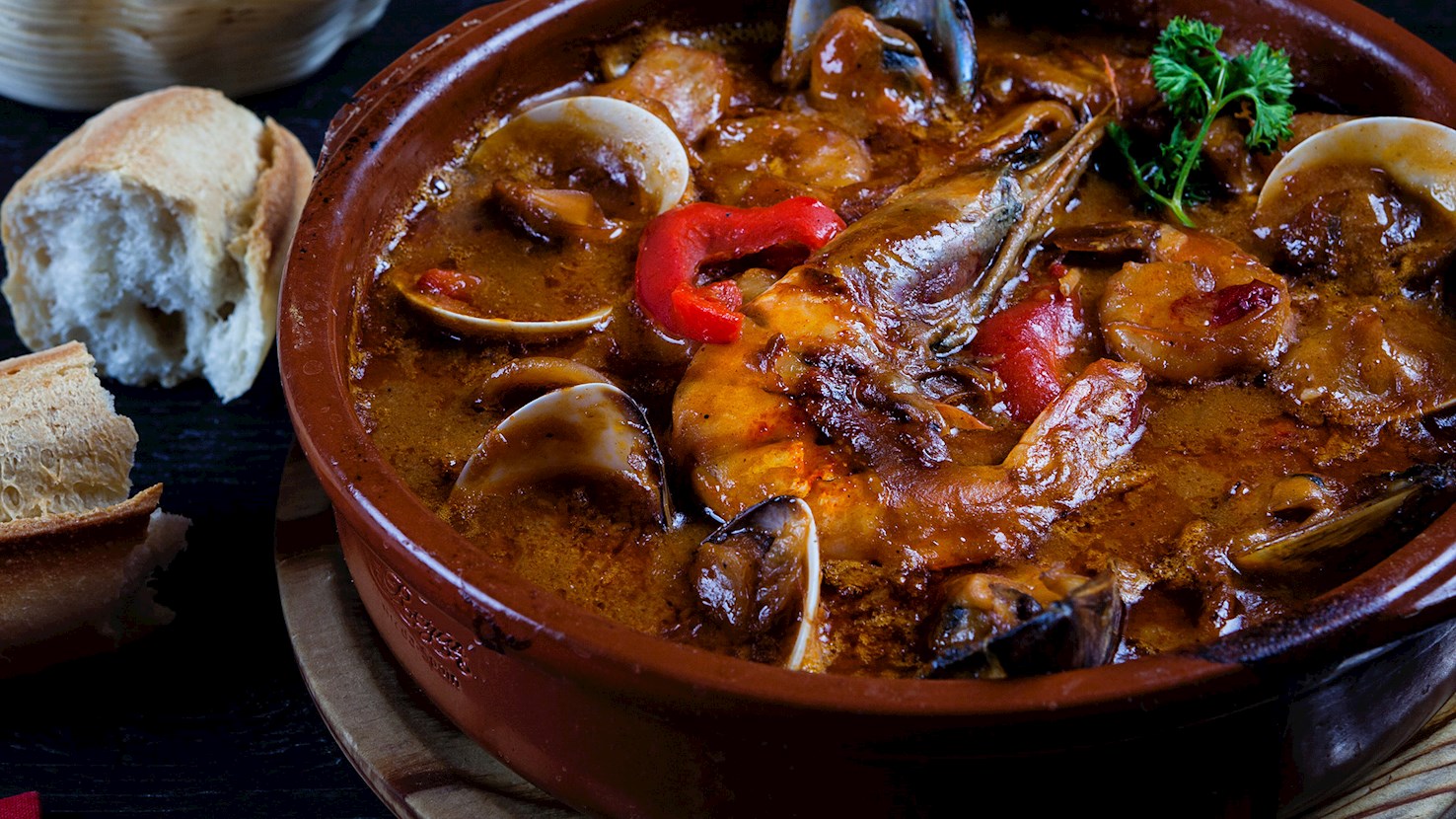
Zarzuela de mariscos is a traditional Catalan seafood stew. Although the dish is similar to Marseille's bouillabaise, it's more rustic because it contains ground almonds, and the flavors are bolder due to ingredients such as cured pork, peppers, and tomatoes. The foundation of zarzuela de mariscos, however, are mussels, clams, and shrimp, but some people like to add scallops and calamari as well. Other ingredients include saffron, white wine, olive oil, bay leaves, onions, garlic, rosemary, and thyme, with smoked paprika and parsley used as garnishes. In Spain, zarzuela de mariscos is also commonly served as a tapa. The name zarzuela means operetta or variety show, referring to the versatility of the dish – the more seafood you add to the pot, the better its flavor will be.
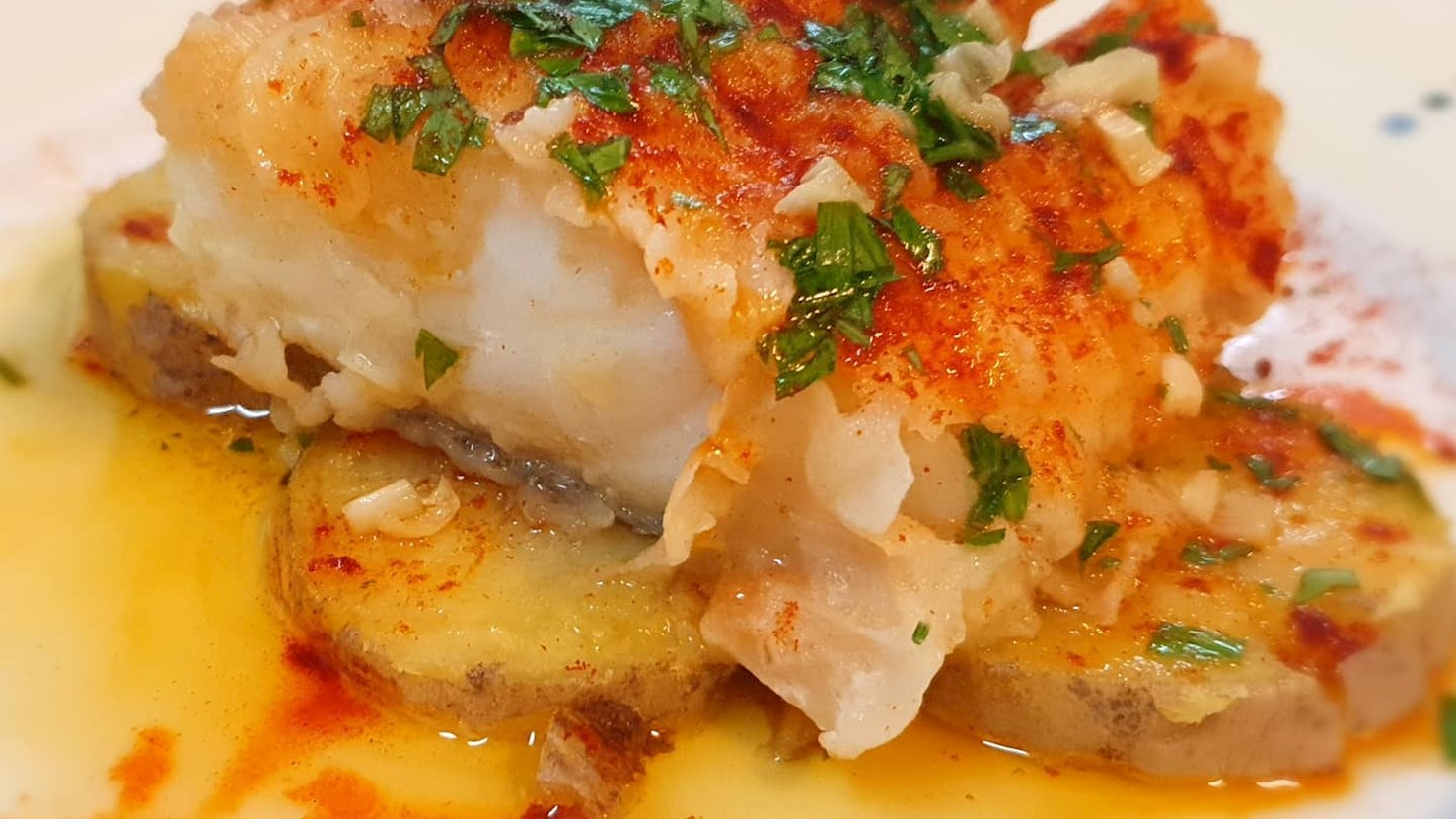
Bacallà a la llauna is a traditional fish dish originating from Barcelona and dating back to the 19th century. The dish is made with a combination of salt cod, flour, garlic, paprika or pimentón, parsley, and olive oil. The salt cod is desalted, drained, dried, and the fillets are then dredged in flour and fried in olive oil until golden and not falling apart. The garlic is sautéed in oil, and the paprika or pimentón is then fried in the same oil. Both are spooned over the fish and the dish is placed in a llauna – a rectangular pan with low and straight sides (alternatively, use a roasting pan or a rimmed baking sheet). The dish is baked for a few minutes and then served immediately with chopped parsley and the garlicky sauce spooned over it.
Cloïsses amb vi blanc is a traditional clam dish originating from Catalonia. The dish is usually made with a combination of clams, garlic, white wine, olive oil, parsley, salt, and pepper. The garlic is finely chopped and fried in olive oil until golden brown. The clams and wine are added to the pot, and the mixture is brought to a boil. The dish is covered and cooked over medium-low heat until the clams open. They're seasoned with salt and pepper, sprinkled with parsley, and then served in bowls with crusty bread on the side.
Calamars a la sitgetana is a traditional Catalan dish originating from Sitges. The dish is usually made with a combination of squid, olive oil, vegetable oil, onions, garlic, white wine, thyme, bay leaves, fennel seeds, fish stock, and parsley. The squid is sliced into rings and tentacles, and then cooked in olive oil and vegetable oil until opaque. It is then removed from the pan, and the onions and garlic are sautéed in the same oil. Thyme, bay leaves, fennel seeds, and wine are added to the pan and brought to a boil. The dish is simmered until the squid is tender and the sauce has been reduced. The bay leaves and thyme are removed, and the dish is served in a deep bowl, garnished with chopped parsley.
Bacalao con alioli de miel is a cod dish from Catalonia that combines salted or fresh cod with a honey-infused garlic emulsion. It originated in coastal kitchens where salted cod was a preserved staple, and cooks sought to balance its salinity with smoother, sweeter flavors. Over time, the pairing of fish, garlic, olive oil, and honey became established both in restaurants and home cooking, particularly in Catalonia, where alioli is a defining sauce. Preparation begins with desalting the cod in cold water for several hours or overnight with periodic changes of water. The fish is then dried, lightly floured, and gently fried or confited in olive oil with garlic until it develops a delicate golden crust. Separately, the alioli is prepared by crushing garlic and blending it with egg yolk, olive oil, and a touch of lemon juice or vinegar to create a thick emulsion. Honey is then folded in to add a subtle sweetness and smooth texture. The cooked cod is placed in a shallow dish, covered with a layer of the honey alioli, and baked or broiled for a few minutes until the surface becomes lightly gratinated and glossy. The resulting dish presents a contrast between the savory fish and the sweet, aromatic sauce. Common variations include replacing salted cod with fresh fillets, incorporating pine nuts or raisins into the alioli for texture, or layering the fish over roasted vegetables, tomatoes, or spinach before topping it with the sauce. Some chefs serve the alioli separately as a dipping accompaniment rather than baking it on the fish. What distinguishes this preparation is the use of honey within the alioli, which softens the sharpness of the garlic and creates a balanced glaze rarely found in other cod recipes. Bacalao con alioli de miel is served hot as a main course, often shared at lunch or dinner. It pairs well with a dry, aromatic white wine such as a Penedès or Empordà variety, or a fresh rosé that offsets the richness of the sauce. Steamed vegetables or roasted potatoes are common accompaniments, as they absorb the remaining honey-garlic emulsion and complete the dish’s smooth, savory balance.
Rossejat de fideos is a seafood dish consisting of thin noodles toasted in olive oil, cooked in fish broth with cuttlefish, prawns, or shrimp, and typically served straight from the pan with allioli. It belongs to the same family of seafood-and-pasta preparations as fideuà but has its own character and place at the table. The recipe was born in the seafaring kitchens, where fishermen relied on what was readily available: the catch of the day, a base of stock made from smaller rockfish, and simple pantry staples like pasta and garlic. Over time, it became established in coastal homes and restaurants, valued for both its economy and its depth of flavor. The dish is prepared in a wide, shallow pan similar to that used for paella. Short, thin noodles are first lightly toasted in olive oil until they take on a golden color, which gives the dish its name—rossejat refers to the act of browning. A sofrito of tomato, garlic, and onion may be added, and then hot fish broth is poured in, allowing the pasta to absorb the liquid and swell. Seafood such as cuttlefish, prawn, or shrimp is often included, but the exact combination depends on the market. Once cooked, the noodles should be tender but slightly dry at the base, with the pan imparting a concentrated flavor. Rossejat de fideos is usually served directly in the pan, with the noodles forming a compact layer rather than the looser arrangement found in fideuà. A common accompaniment is allioli, a pungent garlic sauce that diners mix into their portion at the table. The way the pasta is toasted before adding the stock sets this dish apart, imparting a nutty depth and altering the final texture compared to other noodle-based seafood dishes in the region. Today, it is eaten along the Catalan coast in both humble taverns and refined restaurants, particularly in seaside towns where fishing continues to shape the local cuisine. It frequently appears at family gatherings, weekend meals, and festivals, always enjoyed communally and often accompanied by lighter local desserts. Rossejat de fideos continues to represent a link between the fishing heritage of Catalonia and the everyday cooking of its people.
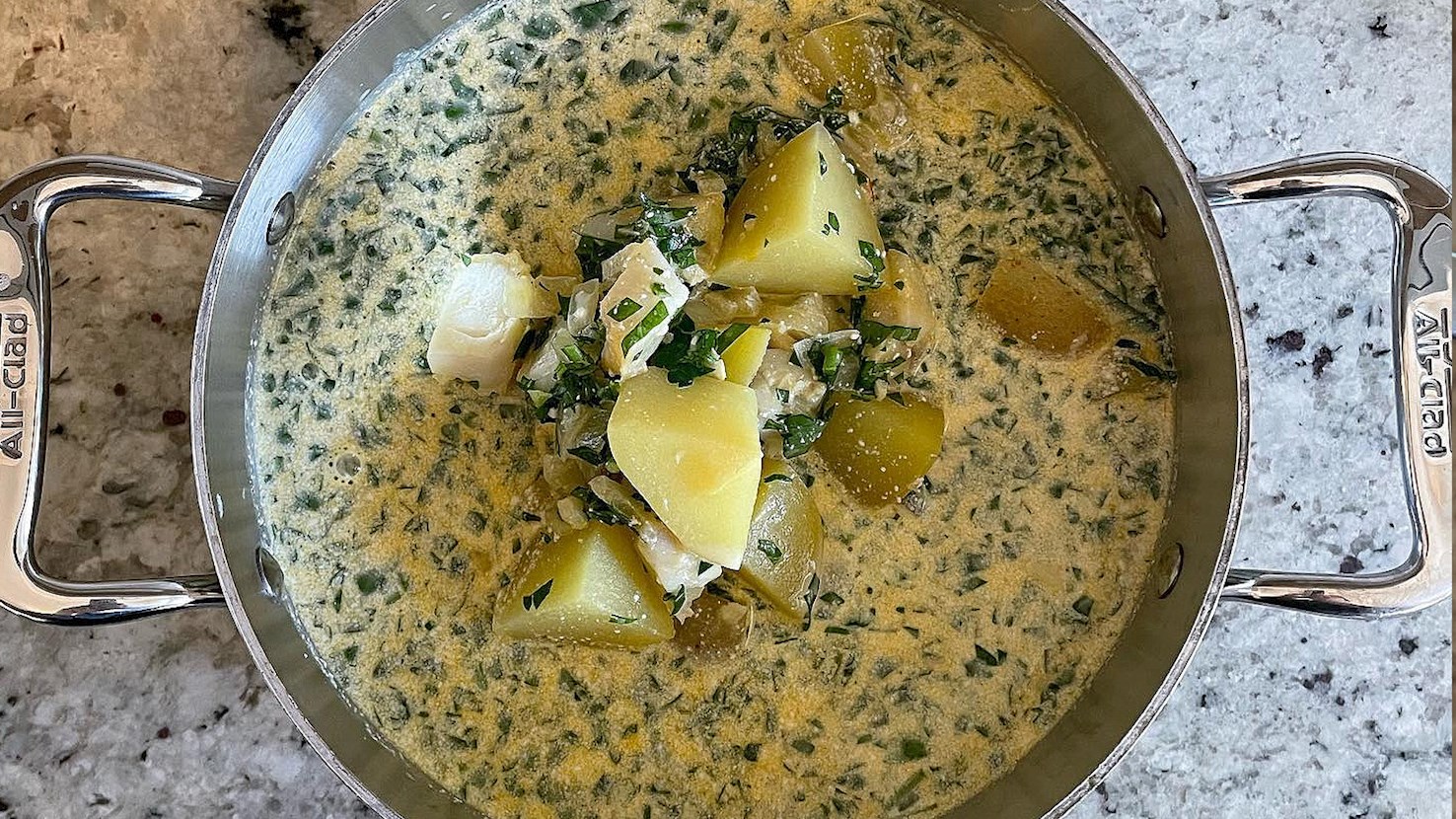
Bullinada is a traditional seafood and potato stew, associated with the Catalan cultural and historical domain, which means both the Spanish Catalonia and French Catalonia (the region of Pyrénées-Orientales). Bullinada is a warm, creamy, and nourishing dish mostly prepared during winter. When talking about seafood, bullinada can be prepared several ways: with only white fish, with only shellfish and prawns, or with a combination of all. This stew is served with fresh, crusty bread and paired with a light, white wine.
TasteAtlas food rankings are based on the ratings of the TasteAtlas audience, with a series of mechanisms that recognize real users and that ignore bot,
nationalist or local patriotic ratings, and give additional value to the ratings of users that the system recognizes as knowledgeable.
TasteAtlas Rankings should not be seen as the final global conclusion about food. Their purpose is to promote excellent local foods,
instill pride in traditional dishes, and arouse curiosity about dishes you haven’t tried.






What People Say