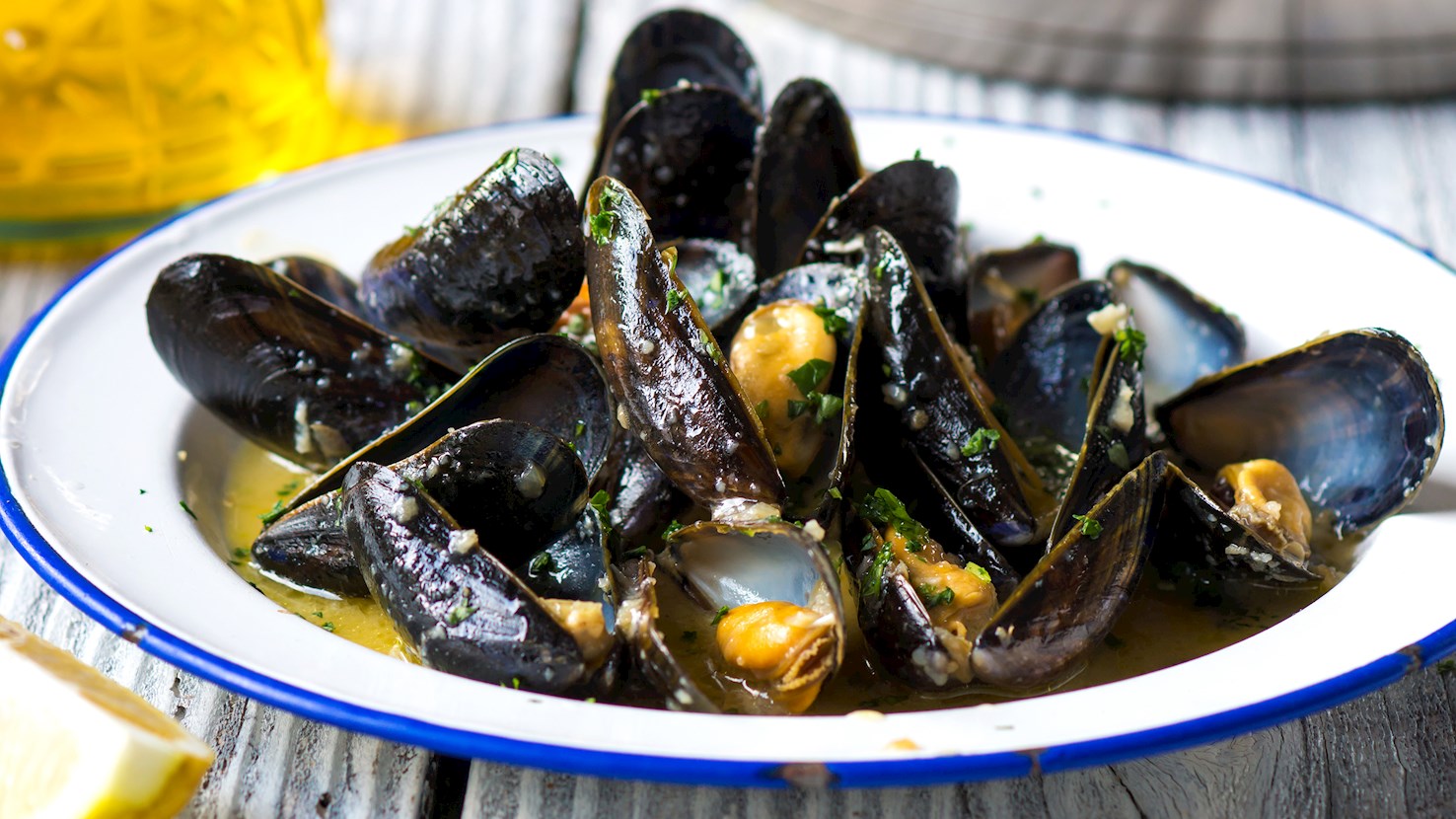
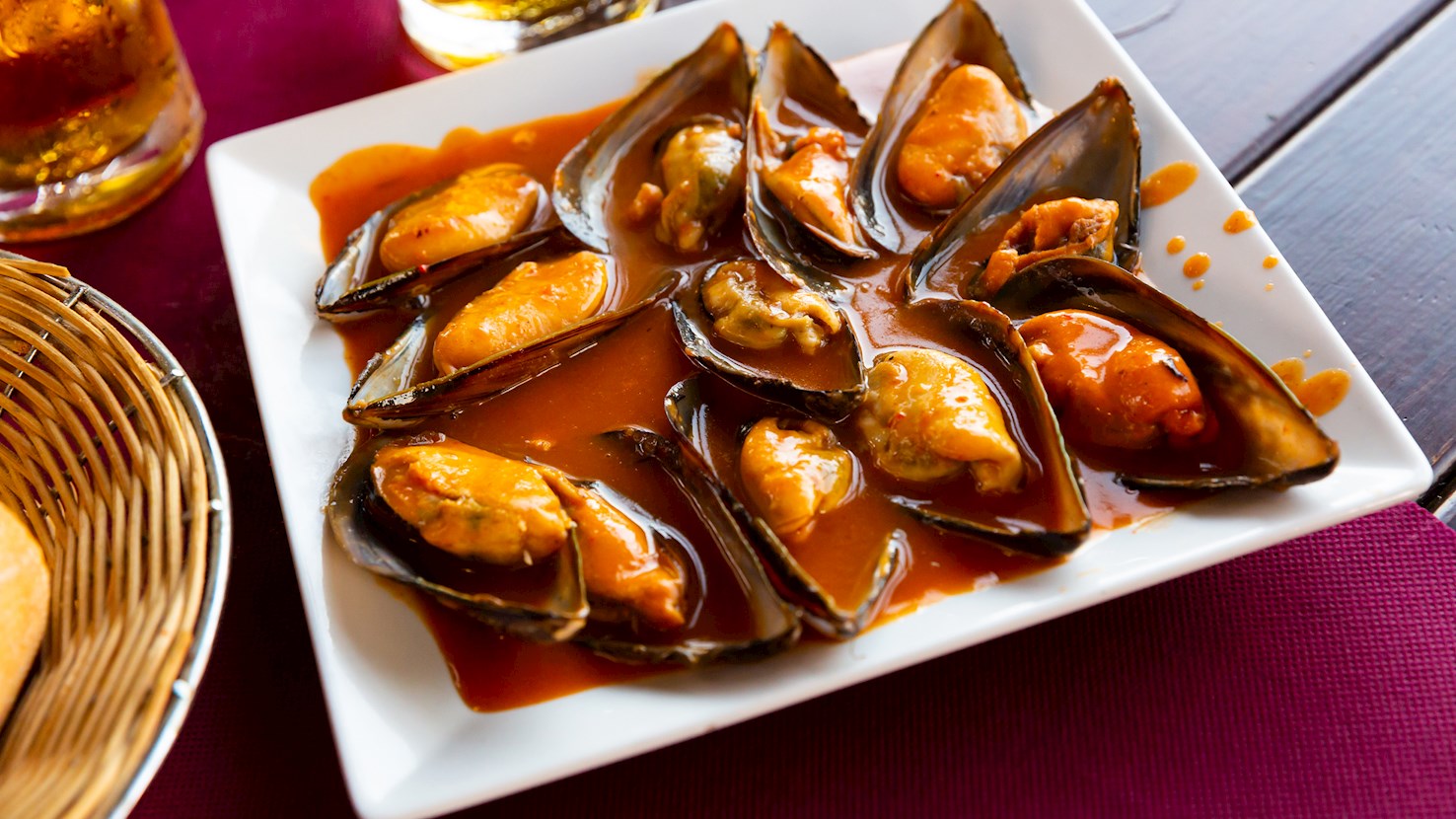
Dagnje na buzaru is a traditional dish of the Croatian coast prepared with mussels as the main ingredient. The shells are scrubbed, placed into a pot with lukewarm water, covered, and lightly heated until all of them crack open. Olive oil, garlic, parsley, and a bit of pepper are sautéed, then mixed with the mussels and maybe a few slices of lemon. White wine is added for the final touch, and the dish is then shortly simmered. Before serving, dagnje na buzaru are often sprinkled with breadcrumbs for thickening, and the dish is then served with lots of bread on the side for mopping up the leftover juices. Dagnje na buzaru is a 'white' version of the dish, but there is also a 'red' version called dagnje na crvenu buzaru or dagnje na crveno, prepared mostly in the same way, but with the addition of tomato sauce and without breadcrumbs.
Buzara is a Croatian technique of preparing seafood by cooking it in a mixture of olive oil, wine, garlic, fresh herbs (usually parsley), and (sometimes) breadcrumbs. This method of preparation creates a flavorful sauce that gives the dish distinctive, fresh, and clean flavor and aroma reminiscent of the sea. The dish is simply seasoned with salt and pepper, while the most common choice of seafood is scampi (škampi na buzaru) or mussels (dagnje na buzaru), but clams, prawns, lobsters, limpets, or even small fish are also often cooked using this method. Buzara can be prepared na bijelo (white) or na crveno (red), referring to the color of the sauce. White buzara is made with white wine and all the other ingredients mentioned above, while the red version calls for the addition of fresh tomatoes or tomato sauce, and in some cases, a splash of red wine instead of white. This technique of cooking is typical of coastal Croatia, especially of the Dalmatia and Istria regions, and seafood-based dishes similar to this one are commonly served with crusty bread for soaking up the delicious sauce.
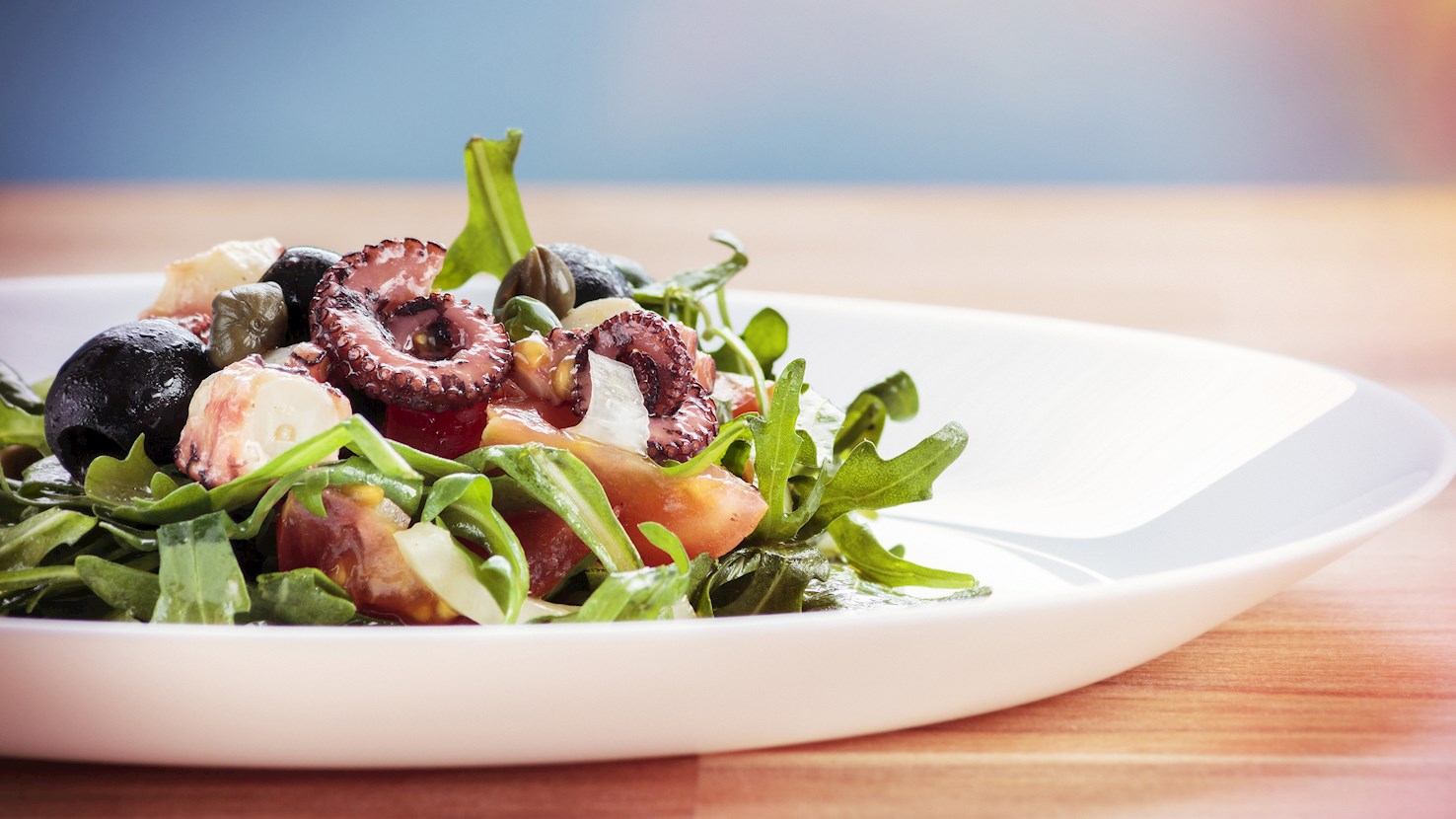
Salata od hobotnice is a traditional octopus salad originating from Dalmatia, but it's very popular throughout the country, especially on Christmas Eve and during the summer. Although there are many versions, it's usually made with a combination of octopus, onions, garlic, bay leaves, olive oil, parsley, potatoes, salt, vinegar, and tomatoes. The cleaned octopus is cooked, then cut into smaller pieces and mixed with the other ingredients. It's recommended to cook it with a few wine corks as they will soak up the bitter flavors during cooking. The salad is sometimes enriched with capers, olives, or lemon juice, and it's recommended to serve it well chilled, ideally with fresh bread on the side for mopping up the juices.
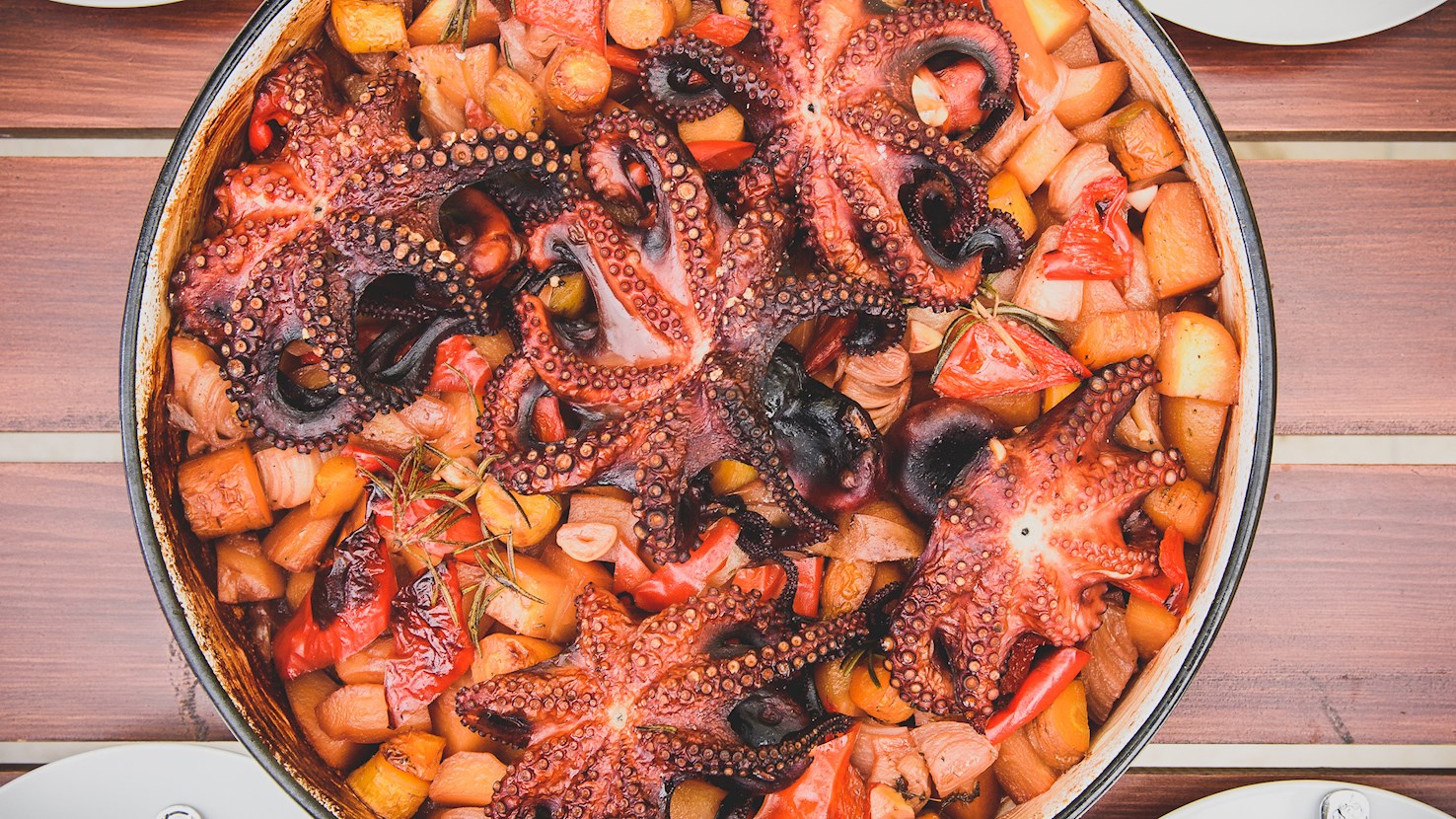
Hobotnica ispod peke is a popular Dalmatian dish made by slowly cooking a fresh, whole octopus in its juices under a big, traditional, bell-like lid called peka. The octopus is often flavored with aromatic herbs and spices such as garlic, bay leaves, pasrley and black pepper. Olive oil is sometimes added in order to moisten the octopus, while red or white wine can be added to speed up the cooking process. Potatoes, onions, carrots, tomatoes, and bell peppers are usually cooked together with the octopus, making this a practical one-pot meal. The whole concoction is then traditionally placed in a fireplace, and the lid is covered with hot embers. It is recommended to serve hobotnica ispod peke with kruh ispod peke (bread under the lid), used for mopping up some of the flavorful cooking juices.
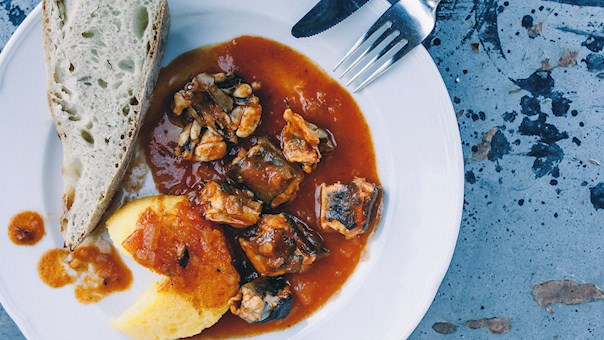
Mydia or dagnje na crvenu buzaru is a popular Greek and Croatian appetizer consisting of fresh mussels that are steamed in red wine along with fresh herbs, garlic, and a variety of garden vegetables. The dish is usually doused in a Mediterranean red sauce. It is served in most fish taverns (called psarotaverna) in Greece and in most coastal restaurants in Croatia, accompanied by lots of bread used for mopping up the flavorful sauce. In Croatia, the dish is also known as dagnje na crveno.
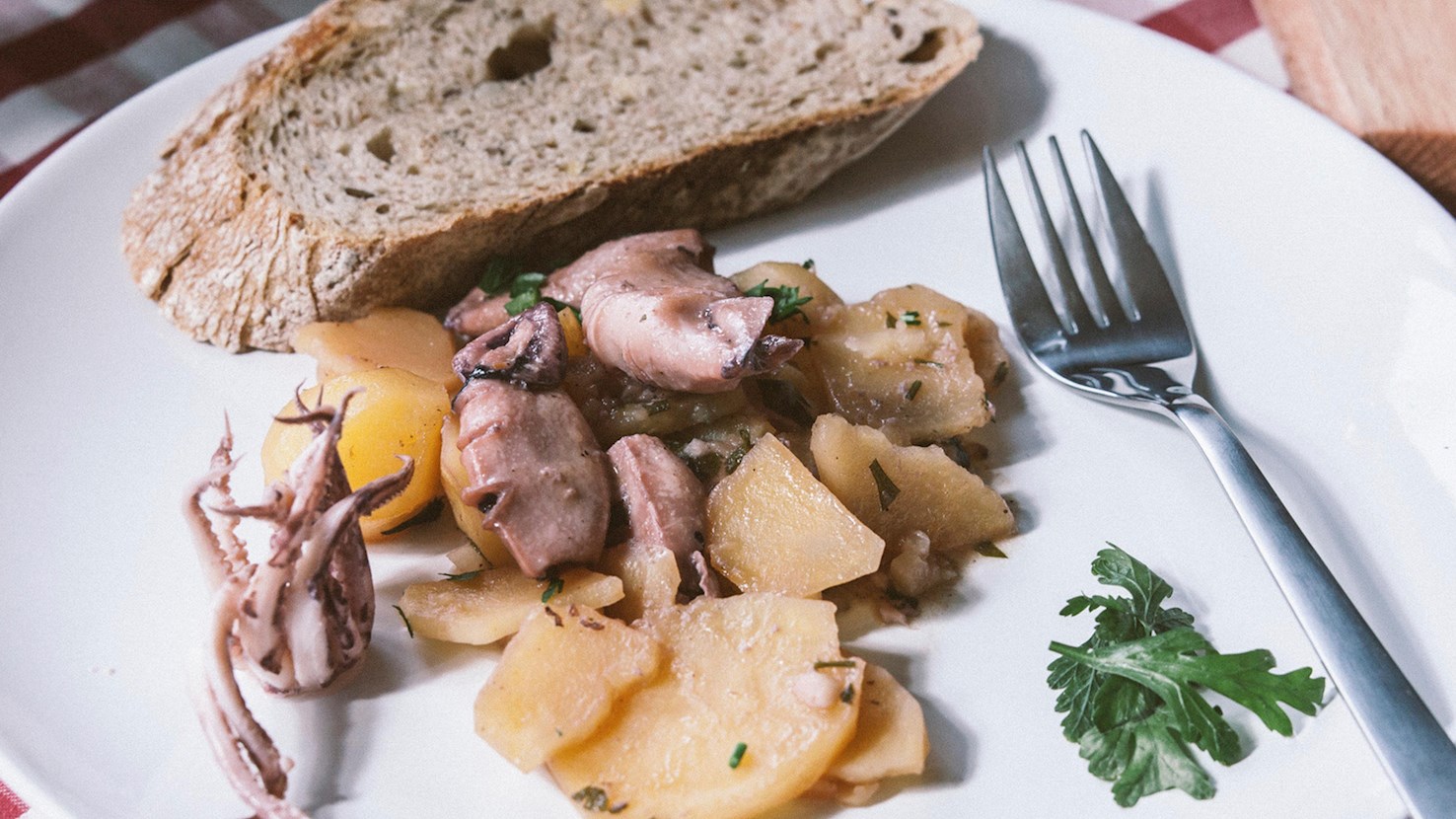
Jadranske lignje na padelu (lit. Adriatic squid in a pan) is a traditional Dalmatian dish made with fresh squid, olive oil, white wine, fish stock, garlic, parsley, pepper, and potatoes. The squids are first cleaned and seasoned, then fried in olive oil with garlic and parsley. The combination is further enriched with the addition of wine, fish stock, and potatoes. The dish is a staple during summer in Dalmatia, and it is recommended to pair it with a glass of white wine on the side.
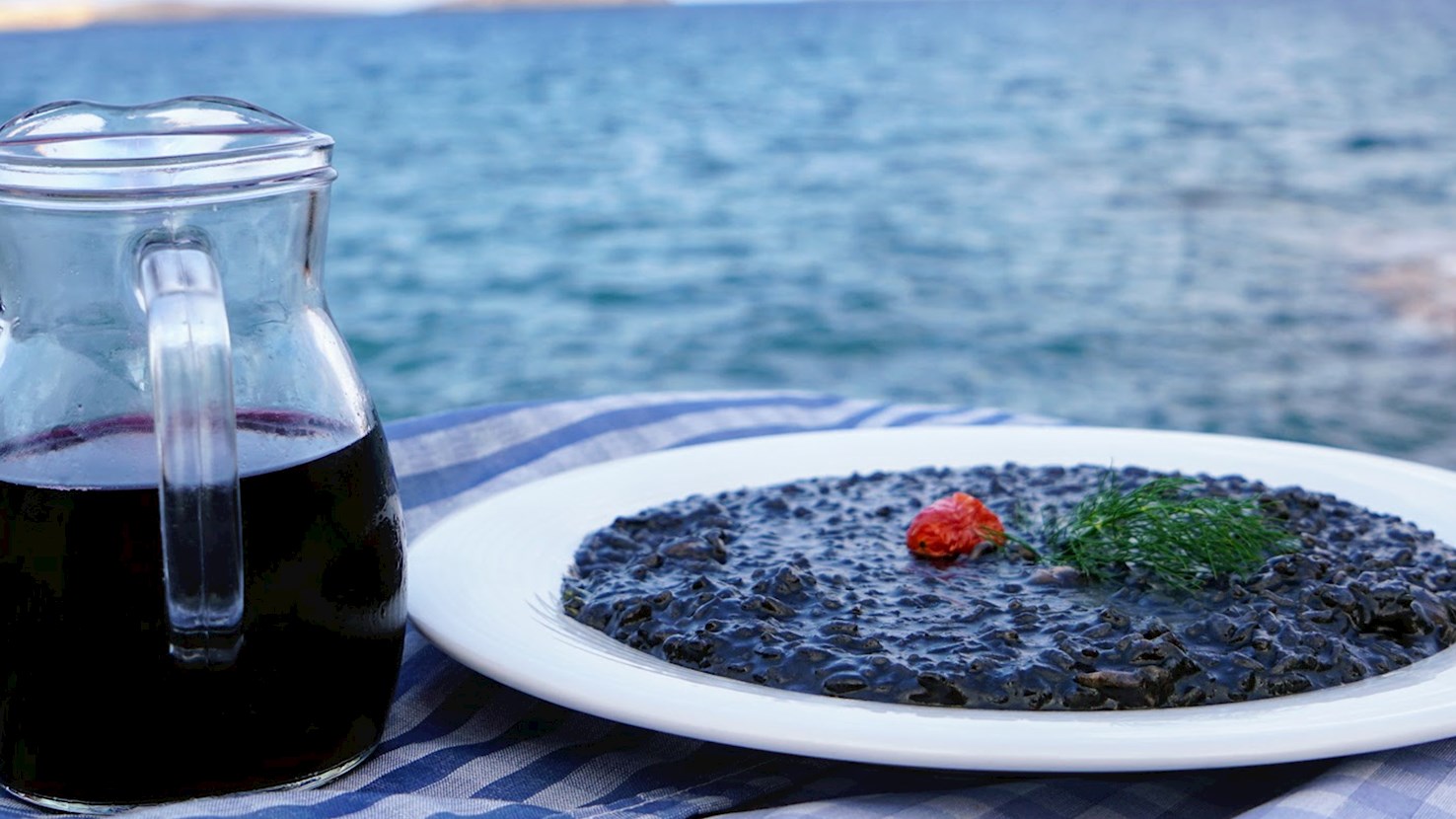
Typically served as a light lunch and a staple of many Dalmatian taverns (called konoba) and restaurants, crni rižot is a unique black risotto made with fresh squid or cuttlefish. Squid or cuttlefish ink gives the risotto its intimidating black color, while other seafood such as mussels, clams, and other shellfish are also commonly added to the dish. Just watch your smile as your teeth and lips will most probably turn black while eating it. Although the origins are still somewhat murky, it is believed that the dish was invented while Croatia was under Venetian rule, and that's the reason why it spread first in Veneto (where it's known as risotto nero di seppia) and then throughout the Mediterranean.
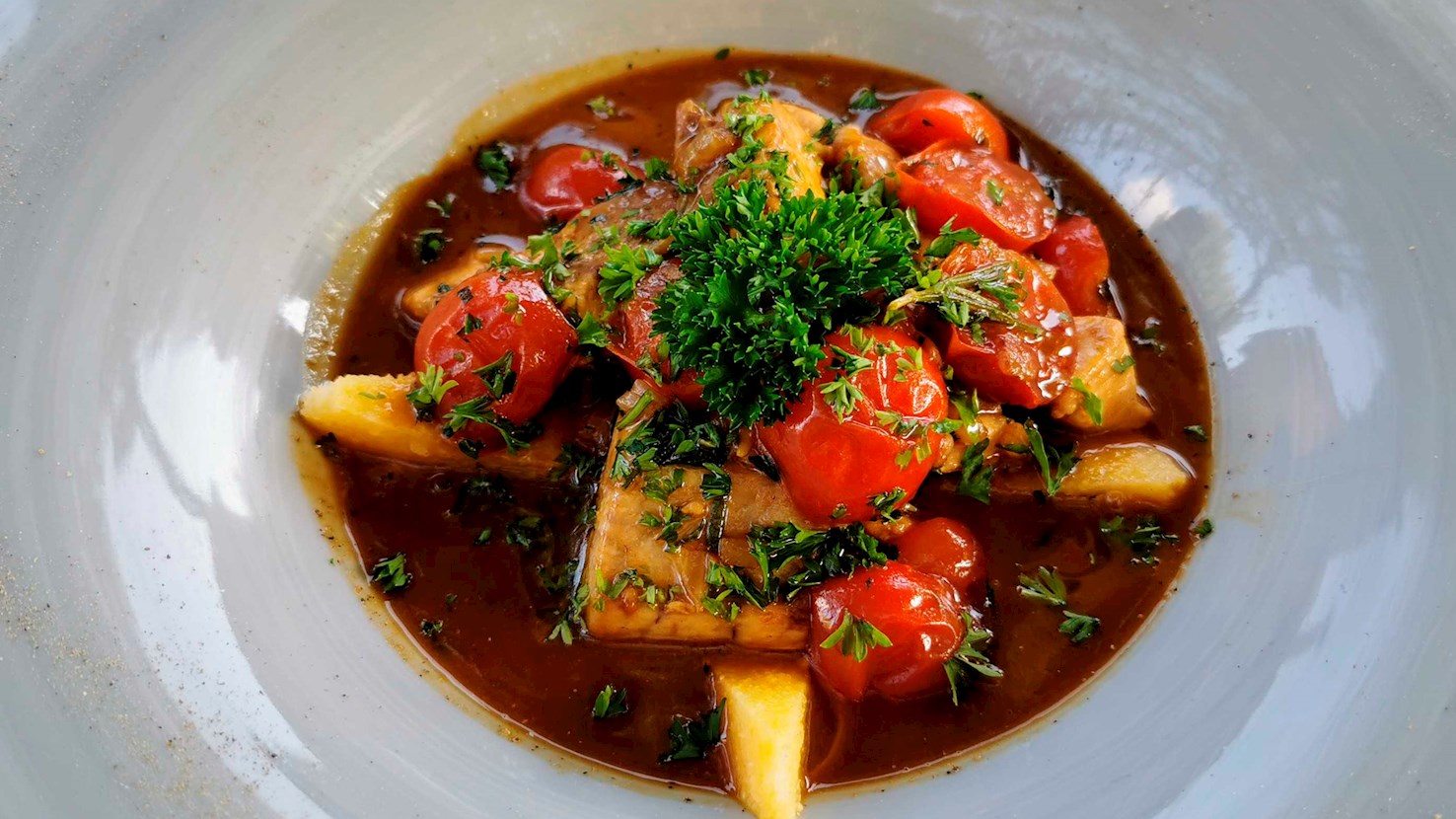
Brudet is one of the true classics of traditional Croatian cuisine. Prepared with a variety of seafood, this rustic stew is consumed along the entire Croatian coast. It is nearly impossible to find a unique brudet recipe, since every region, town, and household have their favorite version of the dish. General guidelines suggest that at least three different types of fish should be used – always cut into larger chunks and left on the bone. Scorpionfish, monkfish, sea bass, or any other white-fleshed fish is suitable for brudet. The addition of shellfish such as mussels and scampi is a desirable complement since they considerably contribute to the flavor. Brudet is usually cooked in large amounts in traditional pans with a heavy bottom. The fish is primarily fried with olive oil, onions, and garlic, and later braised in a flavorful broth which usually employs a combination of seafood stock, tomato sauce, and white or red wine, with the occasional addition of fresh tomatoes, chili peppers, and a touch of vinegar. The dish is seasoned with traditional Mediterranean spices such as bay leaves, rosemary, and fresh parsley. All recipes and traditions follow one rule: the dish is not to be stirred, but swirled by turning the pot. Although all brudet varieties are very much alike, the one prepared in the Neretva region is considered unique since it employs eels and frogs, two traditional ingredients used in the area. The most common side dish served with brudet is creamy polenta, but boiled potatoes or freshly baked bread are also perfect complements to the flavorful sauce and tender fish. Numerous Croatian restaurants prepare and serve brudet as their signature dish, while brudet competitions are a common tradition in many coastal towns – annual festivities during which different groups of people or restaurants test their skills and creativity in the preparation of this Croatian classic. Whether it is served in luxurious high-end restaurants or at laid-back rustic eateries, brudet is a true representative of authentic Croatian soul food.
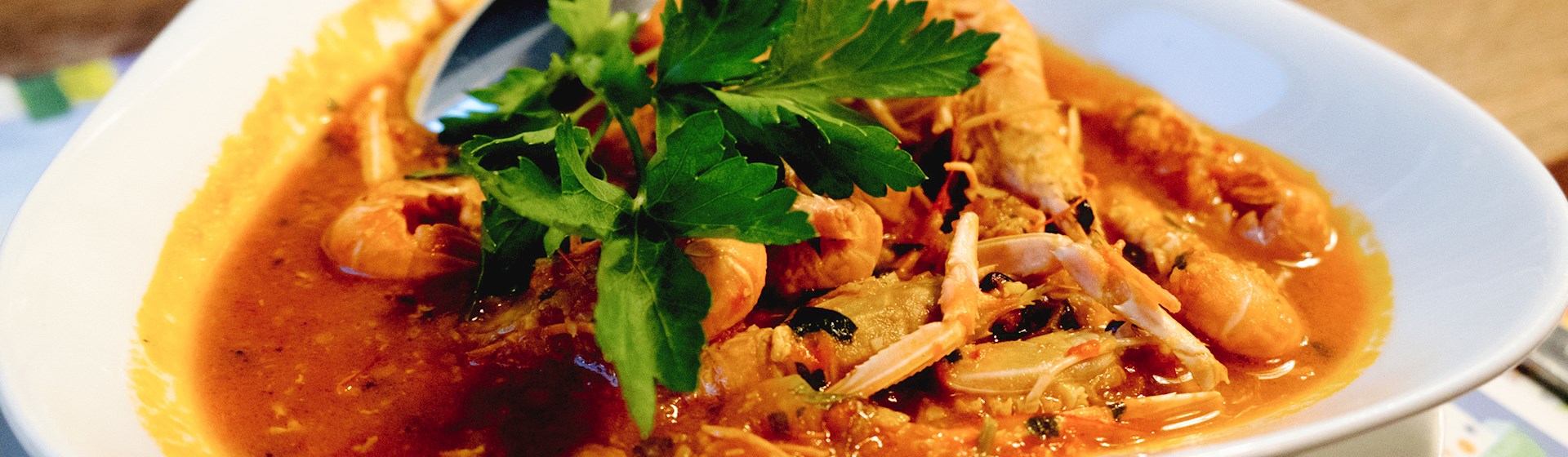
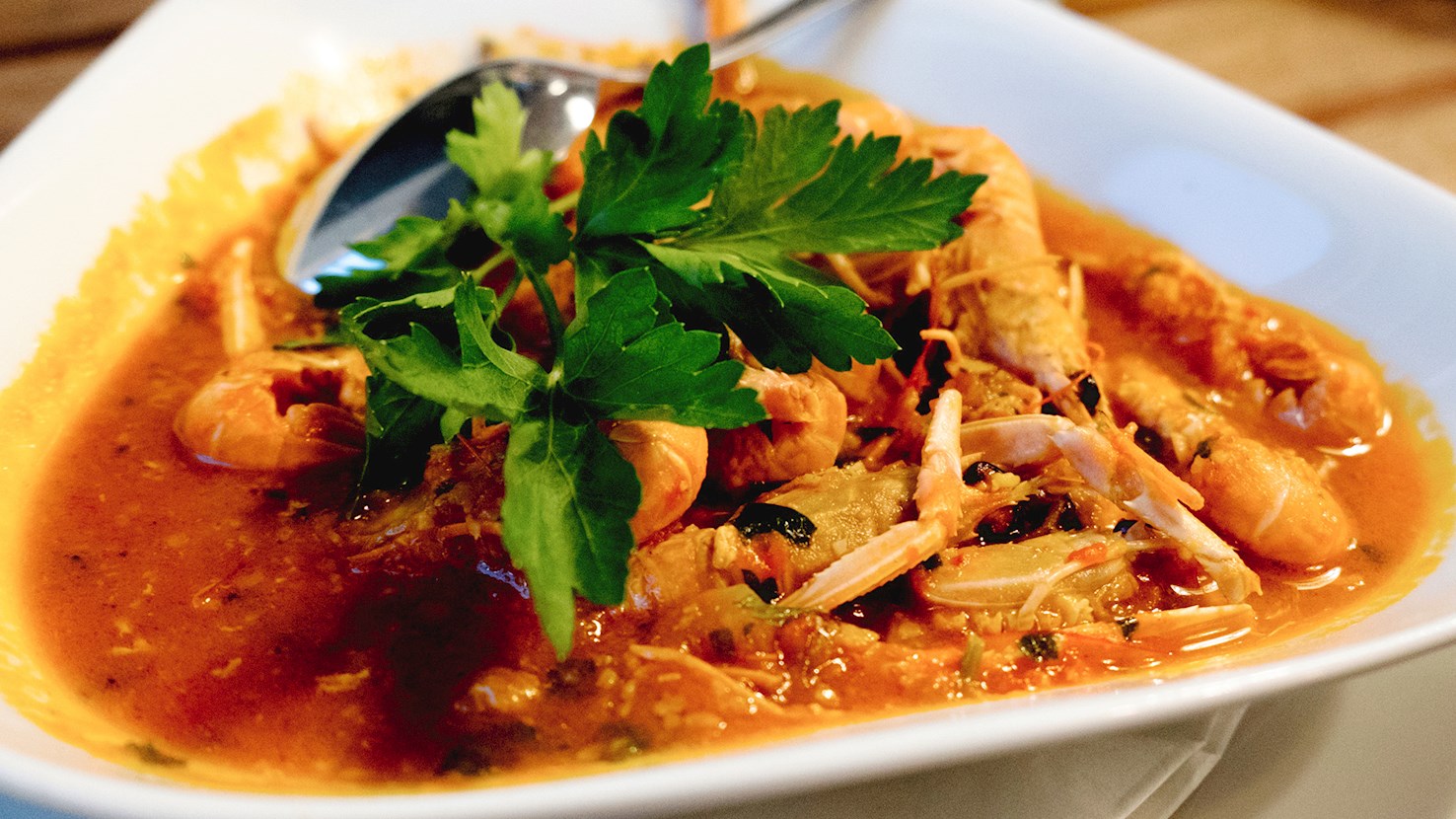
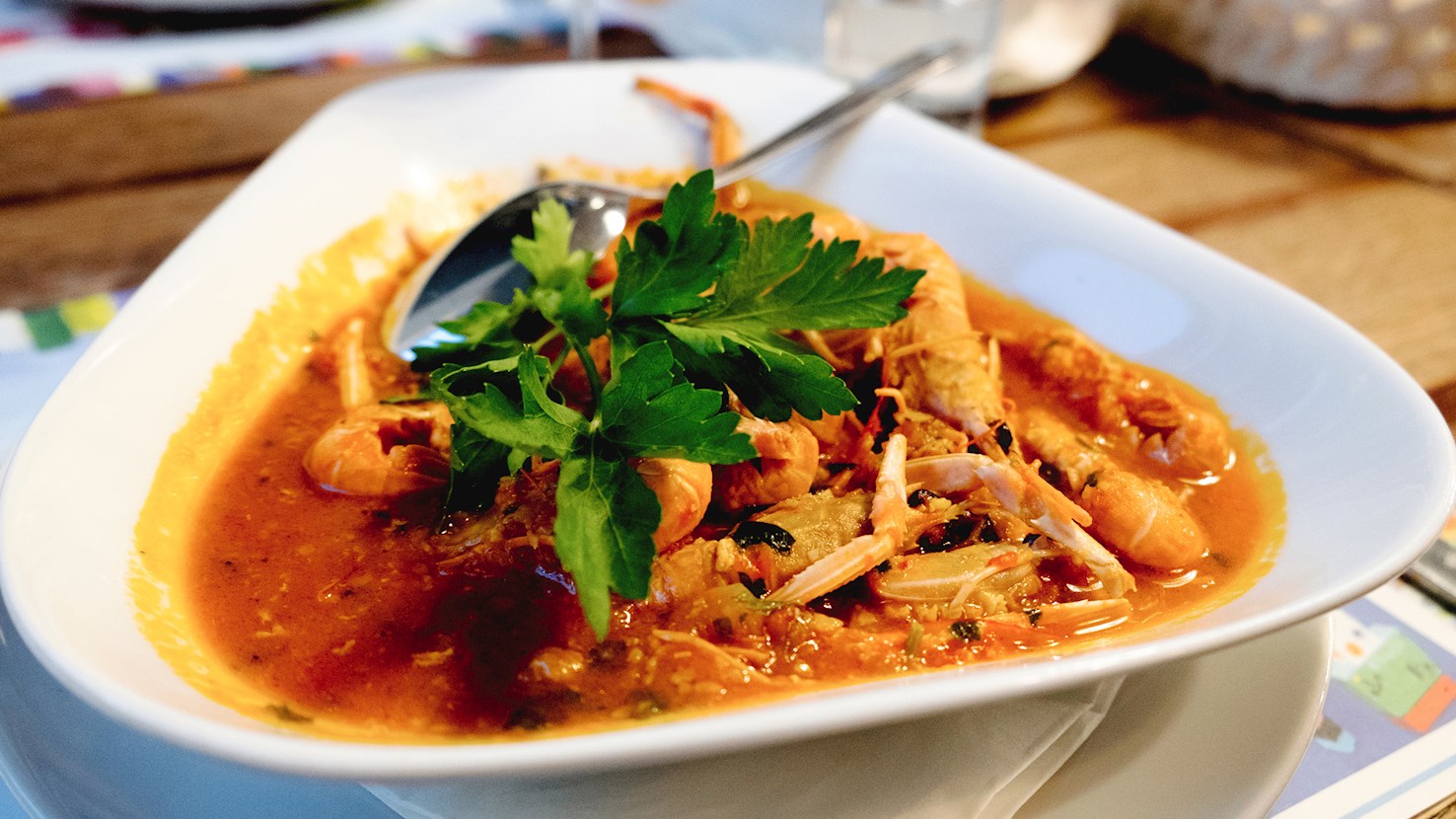
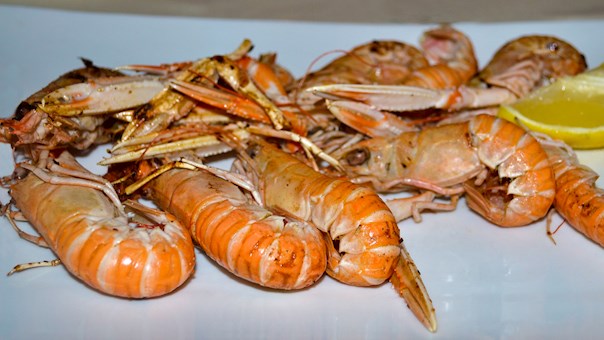
Škampi na buzaru or Scampi alla busara is a traditional dish that is prepared with scampi as the main ingredient. The scampi are cleaned, but the shells are not removed, then stir-fried a bit and cooked in a sauce of olive oil, white wine, garlic, and breadcrumbs, seasoned with salt, pepper, and parsley. The dish is served with bread for mopping up the juices. However, if tomatoes, most commonly in the form of canned tomatoes or tomato puree, are included, we’re talking about the ‘red’ version of škampi na buzaru. Also, the dish can include onions, a splash of sweet dessert wine prošek and lemon.
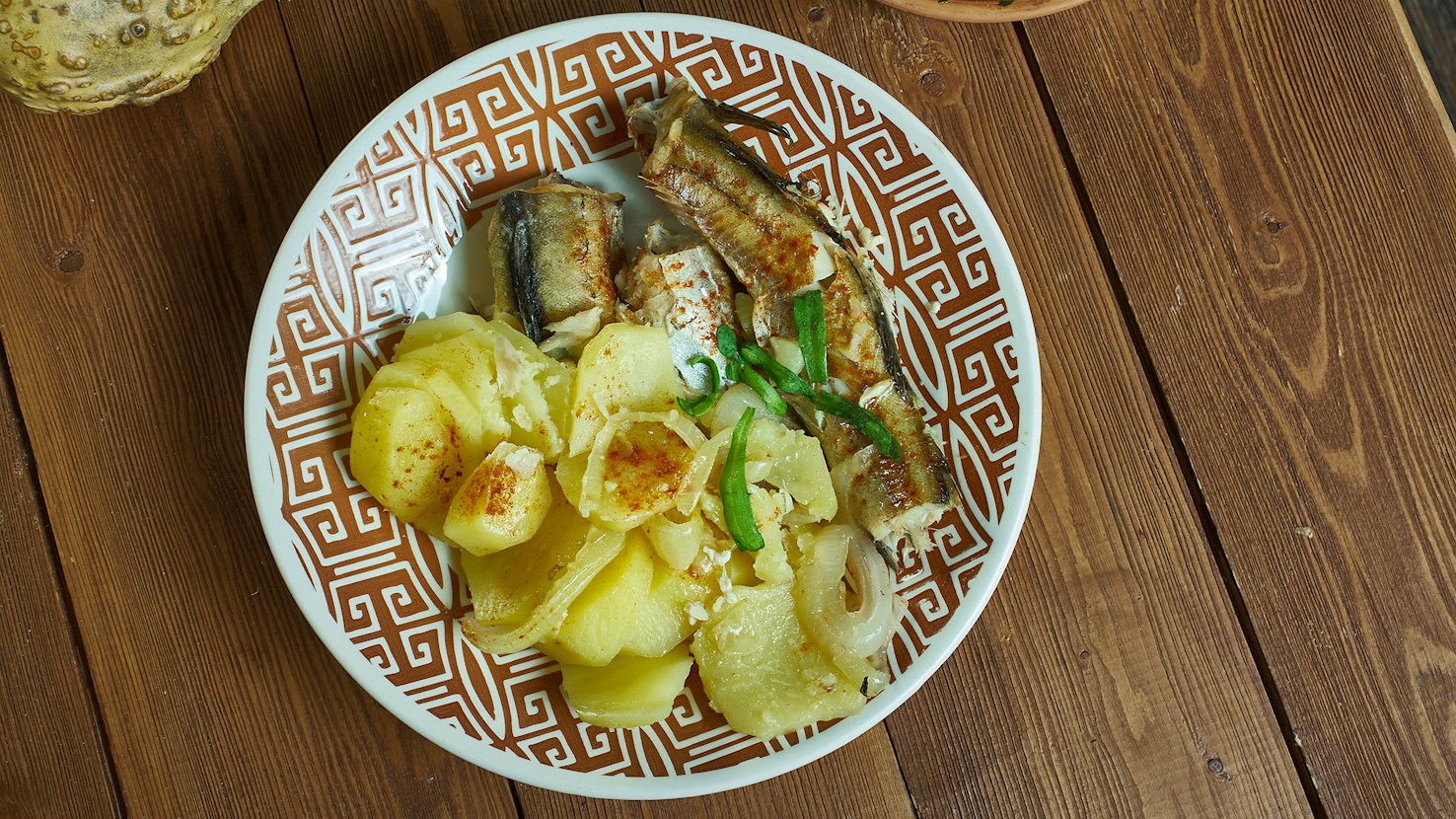
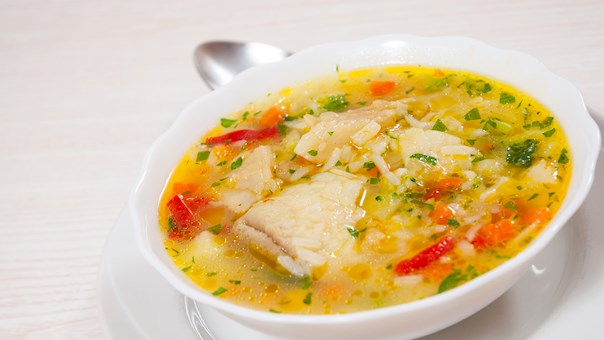
This simple fish stew with potatoes is said to be the oldest way of preparing fish in Dalmatia and was probably brought to the area by Greek settlers more than 2000 years ago, although potatoes are a local modification because they were introduced considerably later. Traditionally, the dish is made by layering together thinly sliced potatoes and onions which are then drizzled with olive oil, topped with smaller white saltwater fish, and cooked in just enough water and white wine to cover the fish—usually with the addition of parsley and garlic, whereas modern recipes often include ingredients such as capers and salted anchovies. A staple among local fishermen, gregada is prepared throughout the region, but it is mostly associated with central Dalmatian islands, especially the island of Hvar.
TasteAtlas food rankings are based on the ratings of the TasteAtlas audience, with a series of mechanisms that recognize real users and that ignore bot,
nationalist or local patriotic ratings, and give additional value to the ratings of users that the system recognizes as knowledgeable.
For the “Top 28 Dalmatian Seafood Dishes” list until May 15, 2026, 937 ratings were recorded, of which 591 were recognized by the system as legitimate.
TasteAtlas Rankings should not be seen as the final global conclusion about food. Their purpose is to promote excellent local foods,
instill pride in traditional dishes, and arouse curiosity about dishes you haven’t tried.