

shutterstock

Top 62 French Seafood Dishes

Last updated on May 15, 2026
01

Moules marinière à la crème

4.2 ·

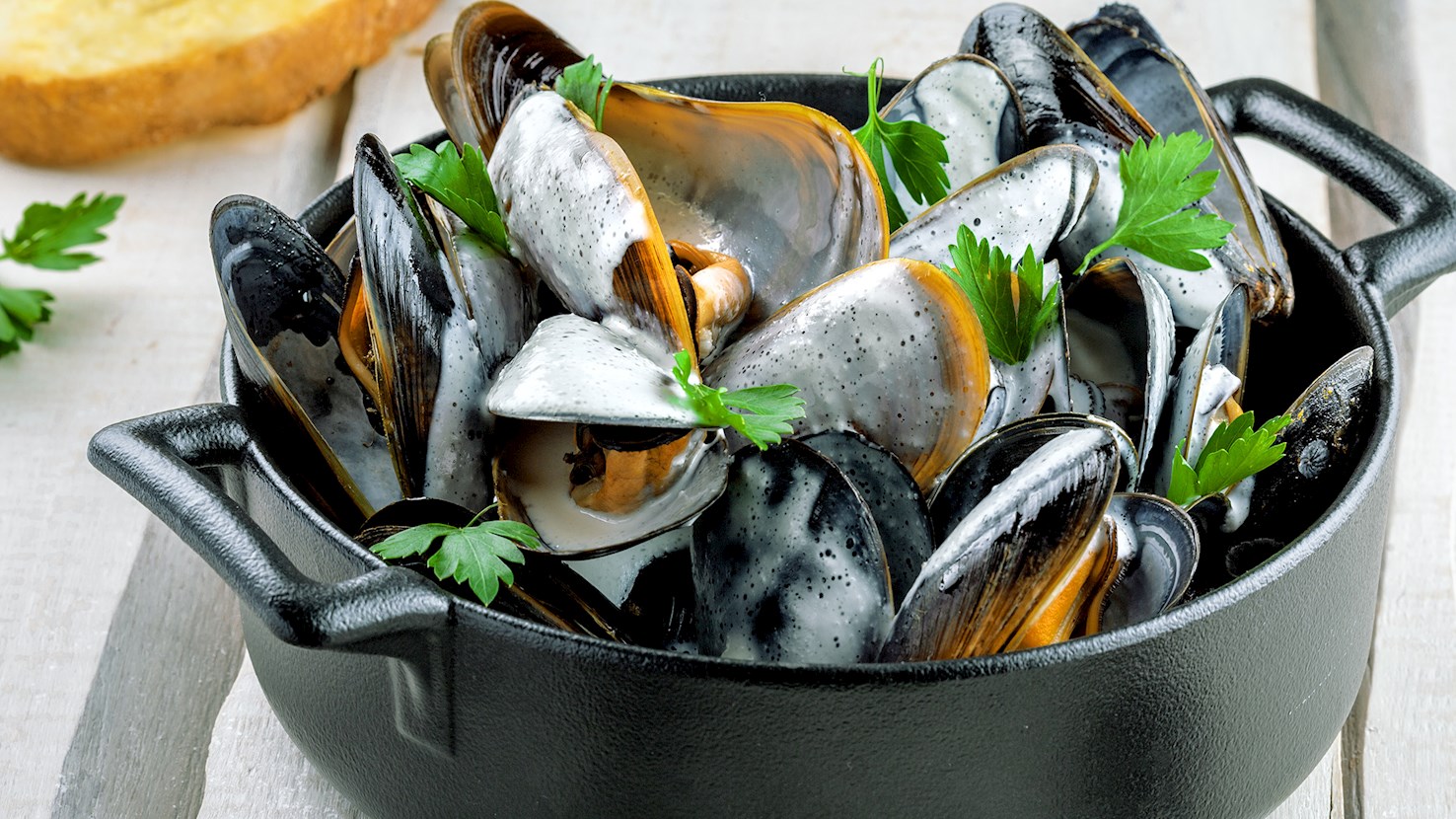
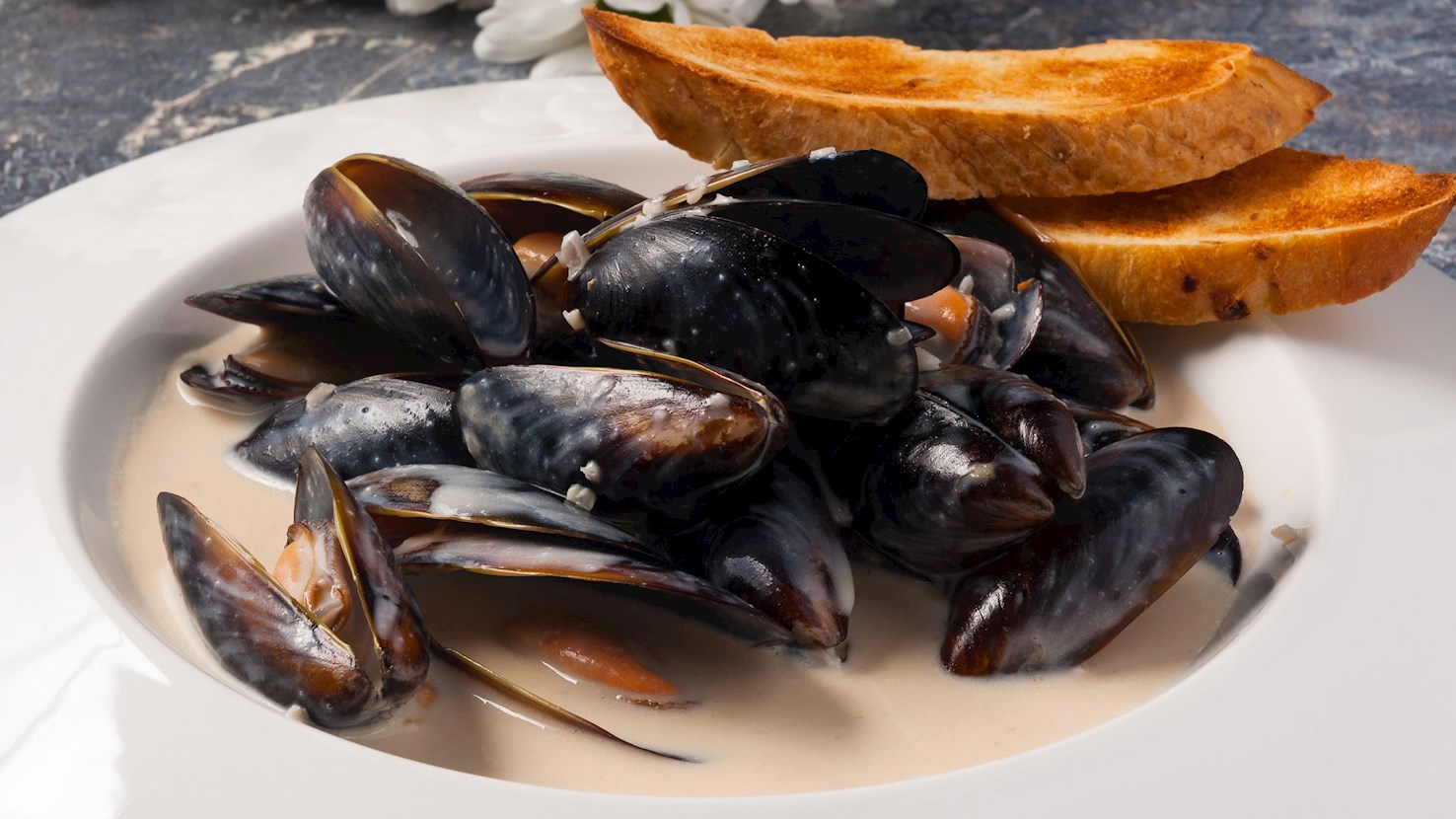
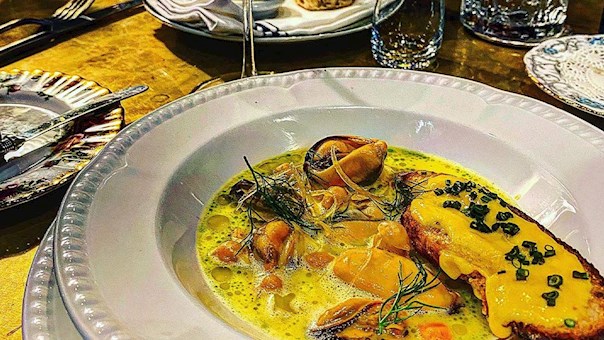
Moules marinière à la crème is a variation on the famous dish called moules marinière. This variation, popular in northern France, is made with mussels, garlic, crème fraîche, parsley, white wine, butter, shallots, and aromatic herbs such as thyme and bay leaves. The mussels are steamed in a covered pot on a combination of butter-sautéed garlic and shallots, with wine and a bit of water. Once the mussels open, the cream and chopped parsley are added to the pot, which is removed from the heat, and the dish is then served, ideally with crusty bread on the side for mopping up all the flavorful juices.

02

Plateau de fruits de mer

4.2 ·

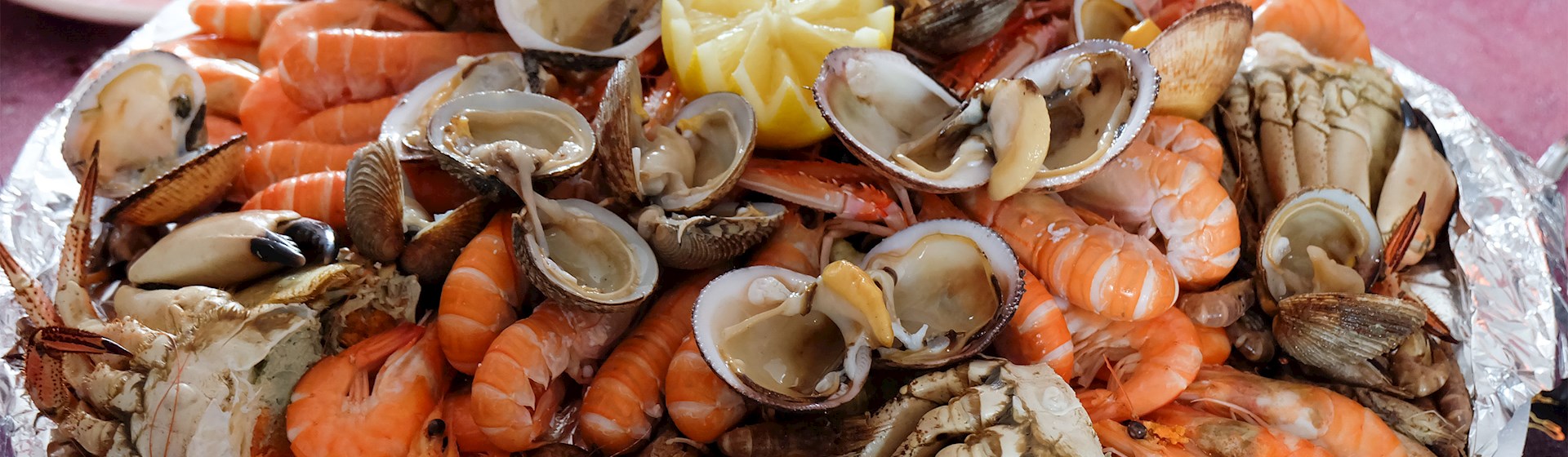
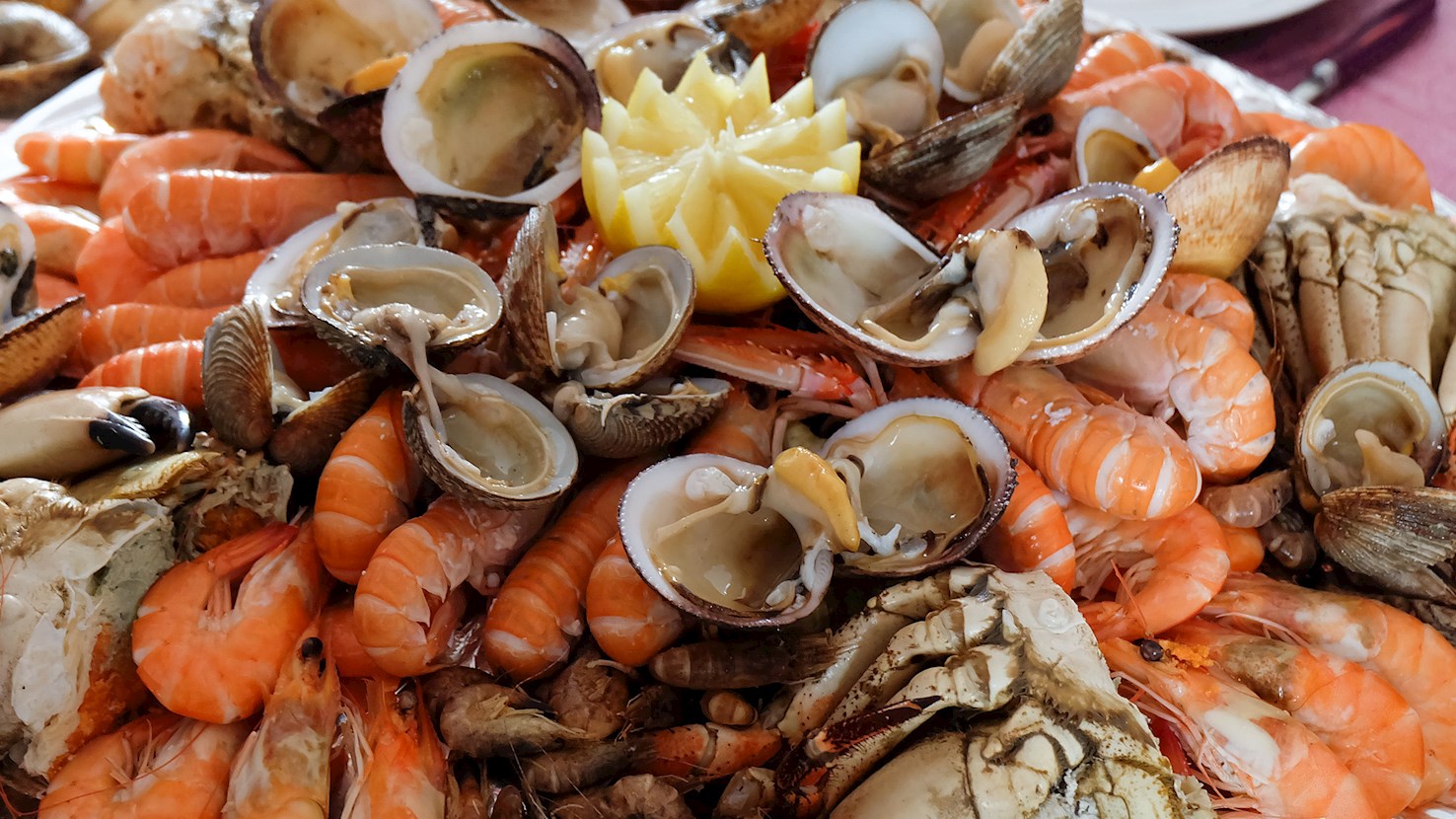
Plateau de fruits de mer, which translates to a plate of fruits of the sea, is a traditional dish that consists of various kinds of seafood served on a platter, usually over crushed ice. Typical seafood used in this dish includes a variety of shellfish such as shrimps, mussels, lobsters, crabs, clams, and oysters that can either be cooked or raw. Traditionally, the seafood is consumed chilled, and it is typically placed on a large serving platter that is covered with crushed ice and (optionally) seaweed to keep the food’s temperature low. Lemon wedges and various sauces, such as mignonette sauce, mustard sauce, and cocktail sauce usually accompany this seafood platter.

03

Moules à la marinière

4.2 ·

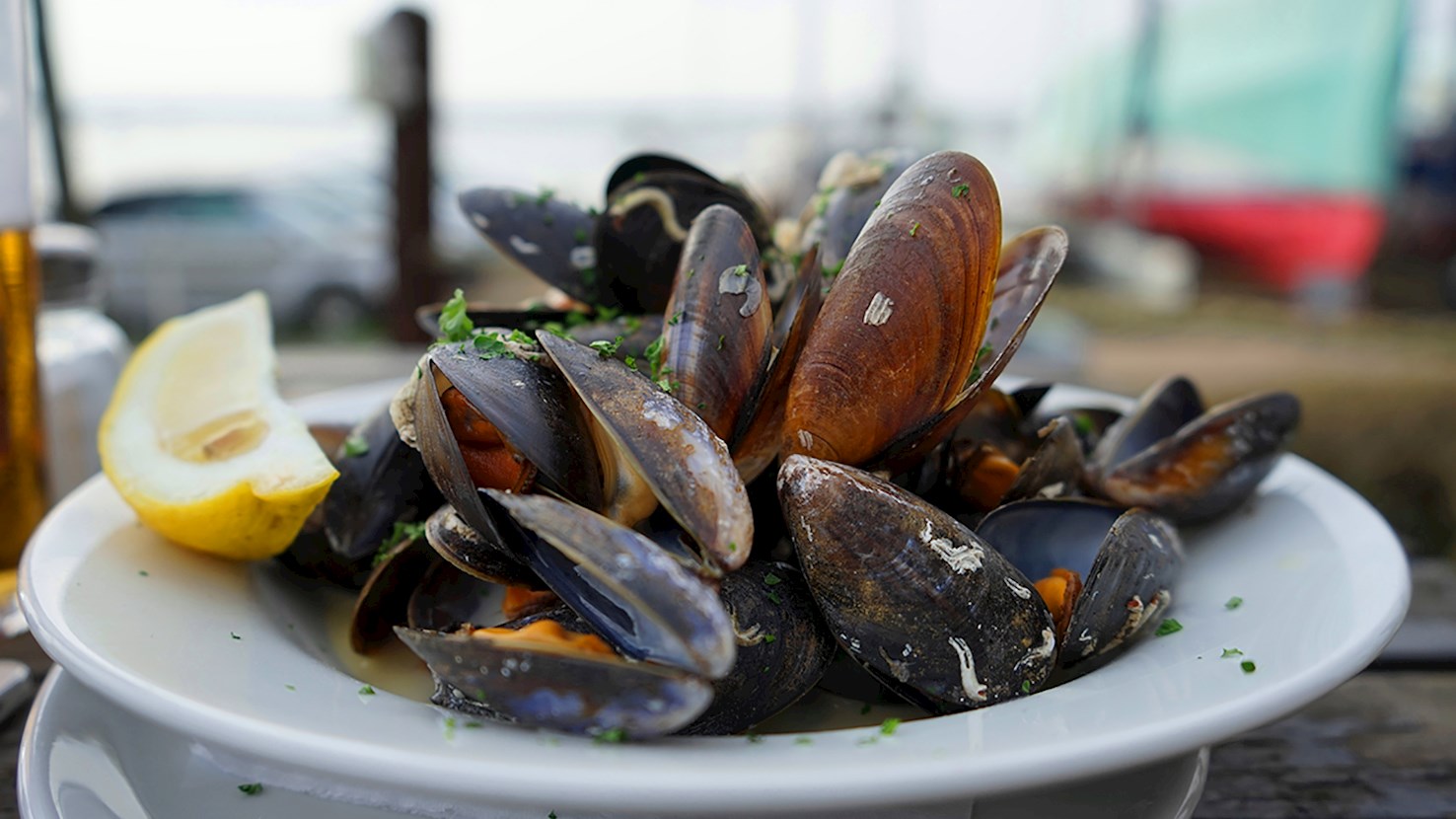
Moules à la marinière is a classic French dish that consists of mussels cooked in cider or wine-based sauces. The dish is typically made with shallots, garlic, and herbs such as parsley, thyme, and bay leaves, which are sweated in some butter before being combined with white wine or cider. Fresh mussels are then added to the mixture and cooked until they open up. The dish is usually enhanced with freshly minced parsley, lemon juice and (optionally) mayonnaise or crème fraiche. Simple and flavorful, this mussel dish is typically enjoyed warm with slices of crusty bread and a glass of French wine on the side.

04

Sole meunière

4.1 ·

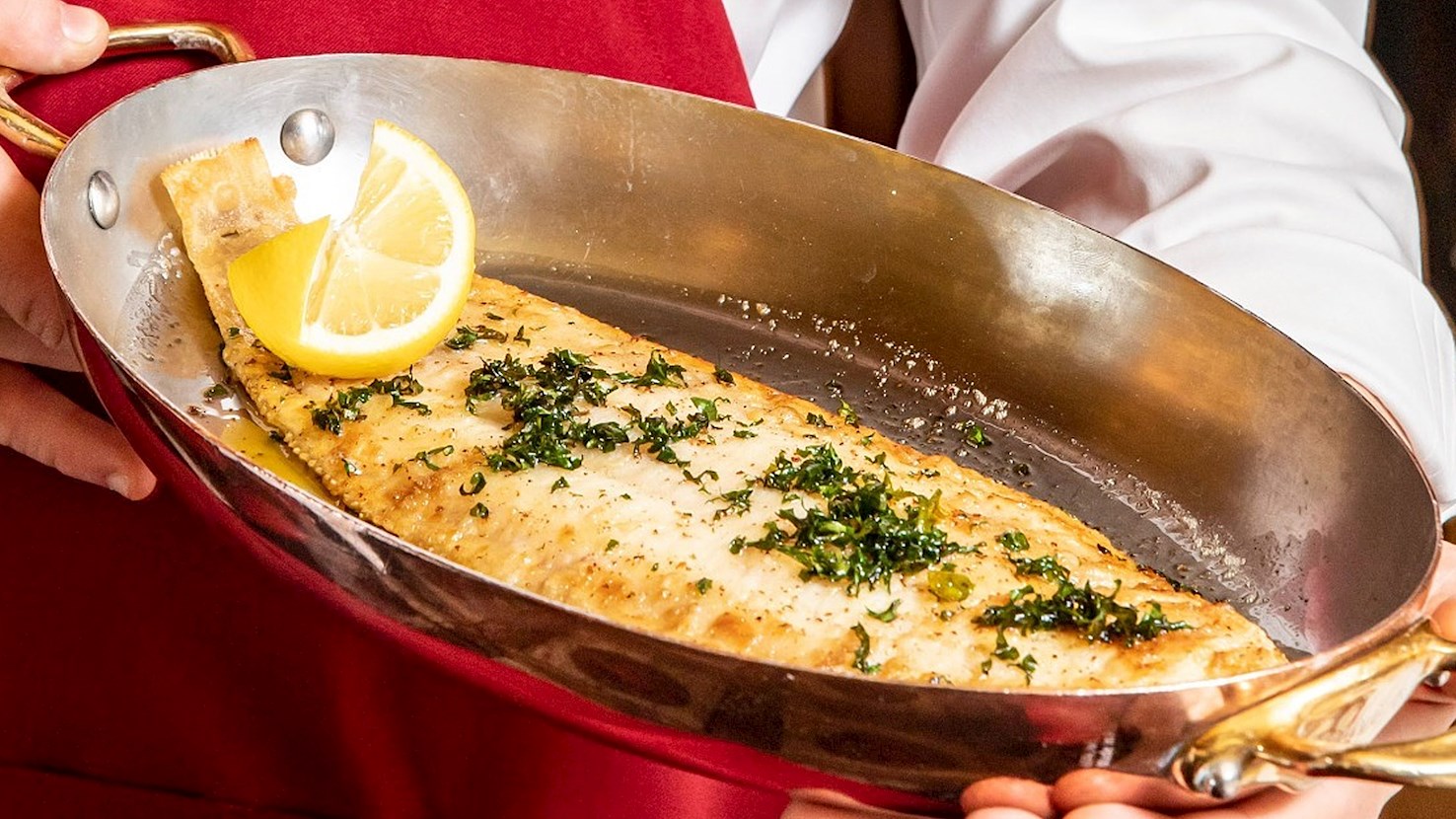
This classic French seafood dish is prepared with sole fillets that are lightly breaded in plain flour and pan-fried in butter. When the fish is ready, lemon juice is added to the pan and cooked shortly until all of the flavors are combined. The fish is typically seasoned with salt, pepper, and chopped parsley. Even though fillets are usually employed in the dish, some like to use the whole fish, which is then traditionally filleted tableside in front of the guests. In traditional cuisine, the name meunière refers to the technique of cooking ingredients in brown butter and lemon juice or lightly coating the ingredients in flour before frying. In French, meunière refers to the miller’s wife, referring to the fact that flour is used to dust the fish. This traditional French dish rose to worldwide fame when the renowned cookbook author Julia Child first mentioned it in her bestselling book. Sole meunière is usually served with mashed or boiled potatoes on the side.

05

Bisque

4.1 ·

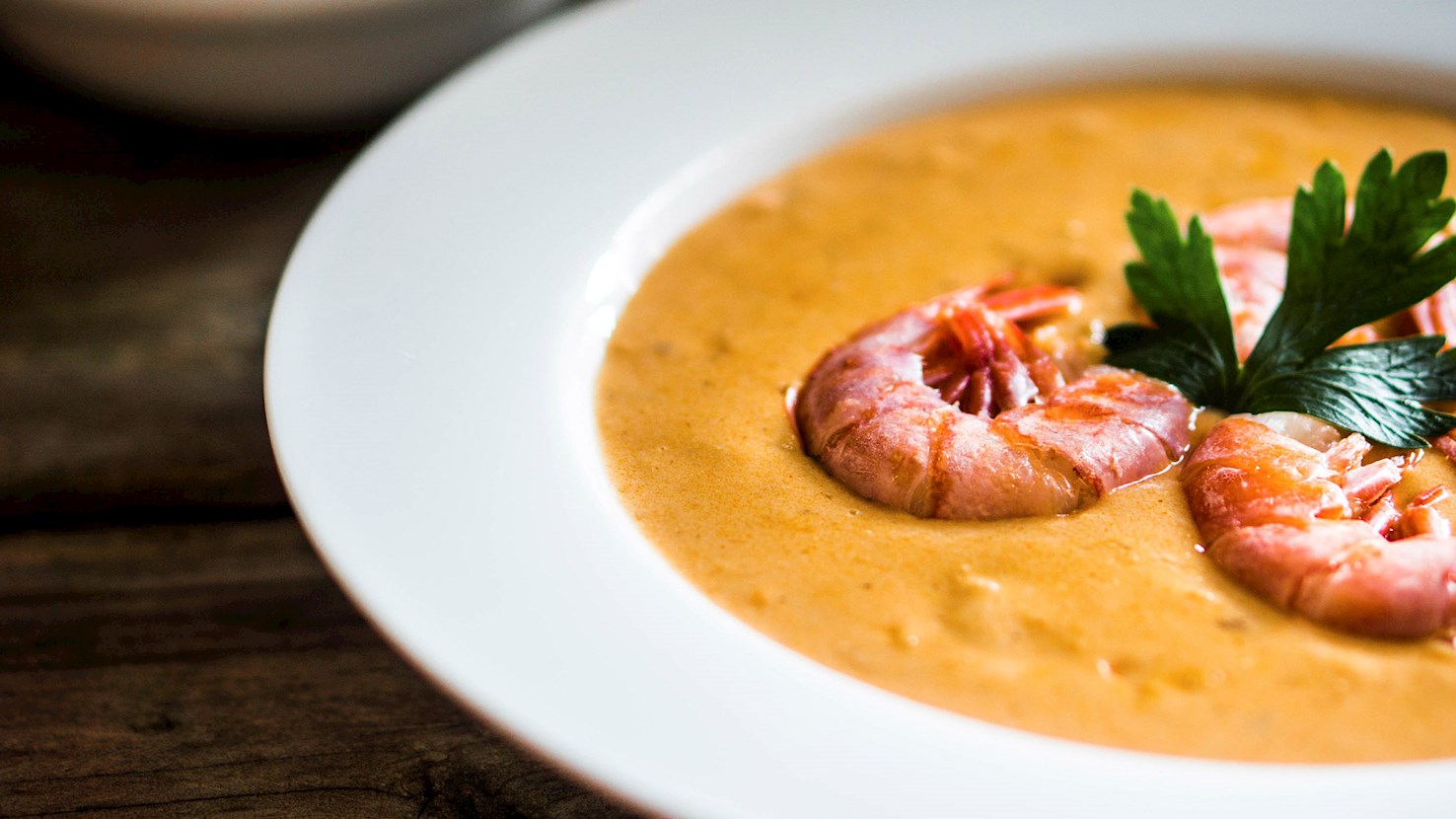
This thick, creamy, and rich puréed soup traditionally includes ingredients such as cream, seafood, cognac or wine, and a combination of spices. The origin of its name is still debated – some claim that the word refers to a soup that is cooked twice (bis cuits), since the traditional way of making the soup involves first roasting the shellfish and then simmering them again in the flavorful broth. Another theory suggests it is related to the Bay of Biscay, whose cuisine typically uses spicy ingredients similar to those used in bisque. Bisque was first mentioned as a shellfish soup in the 17th century, leading food historians to suggest that it was originally a fisherman’s dish that was designed to get the most flavor out of whatever ingredients were available. Today, the most popular version of the dish is lobster bisque, which is made using a long cooking process designed to make the dish as flavorful as possible.

06

Meunière

3.9 ·

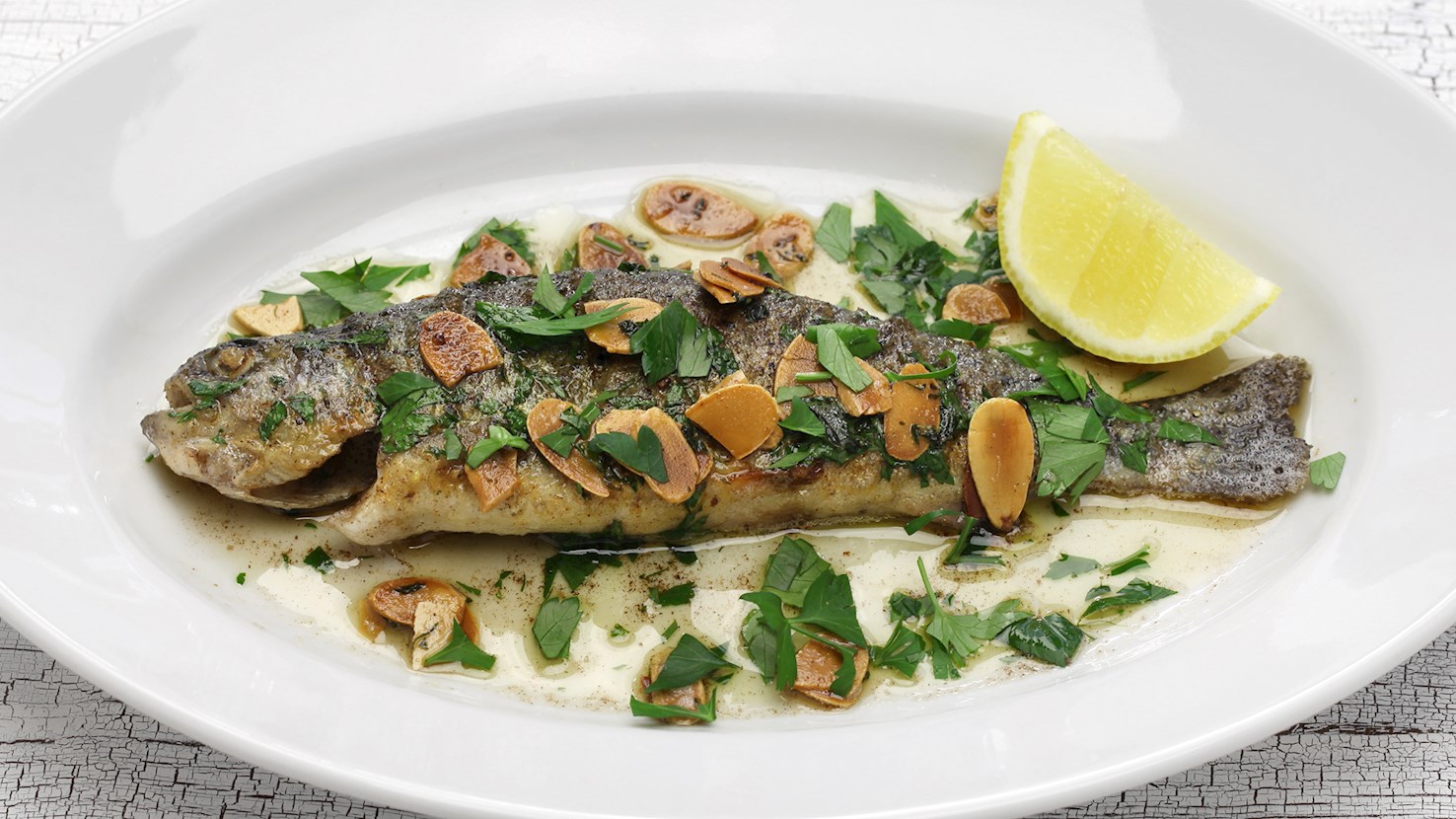
Roughly translated as in the manner of miller’s wife, the term à la meunière refers to a French cooking technique in which a whole fish or fish fillets are lightly dusted in flour and then sautéed in butter. Traditionally, meunière dishes are made with white flesh fish and are commonly finished off with the addition of lemon juice and parsley, but the technique is easily adapted by replacing the main ingredients or incorporating additional elements such as capers or almonds. The most common dish prepared with this technique is called sole meunière.

07

Moules à la crème Normande

3.9 ·

Moules à la crème Normande is a traditional mussel dish originating from Normandy. It's made with mussels in a creamy sauce consisting of butter, cream, onions, garlic, shallots, cider, parsley, salt, and pepper. The onions, shallots, and parsley are sautéed in butter, then mixed with the washed mussels. The combination is covered with cider and seasoned with pepper, then cooked until the mussels open. They're then removed, and the sauce is reduced and mixed with the cream. Finally, the mussels are mixed with the sauce, and the dish is then usually served with accompaniments such as fries or bread for mopping up the juices.

08

Poisson à la bordelaise (Bordeaux-style fish)

3.9 ·

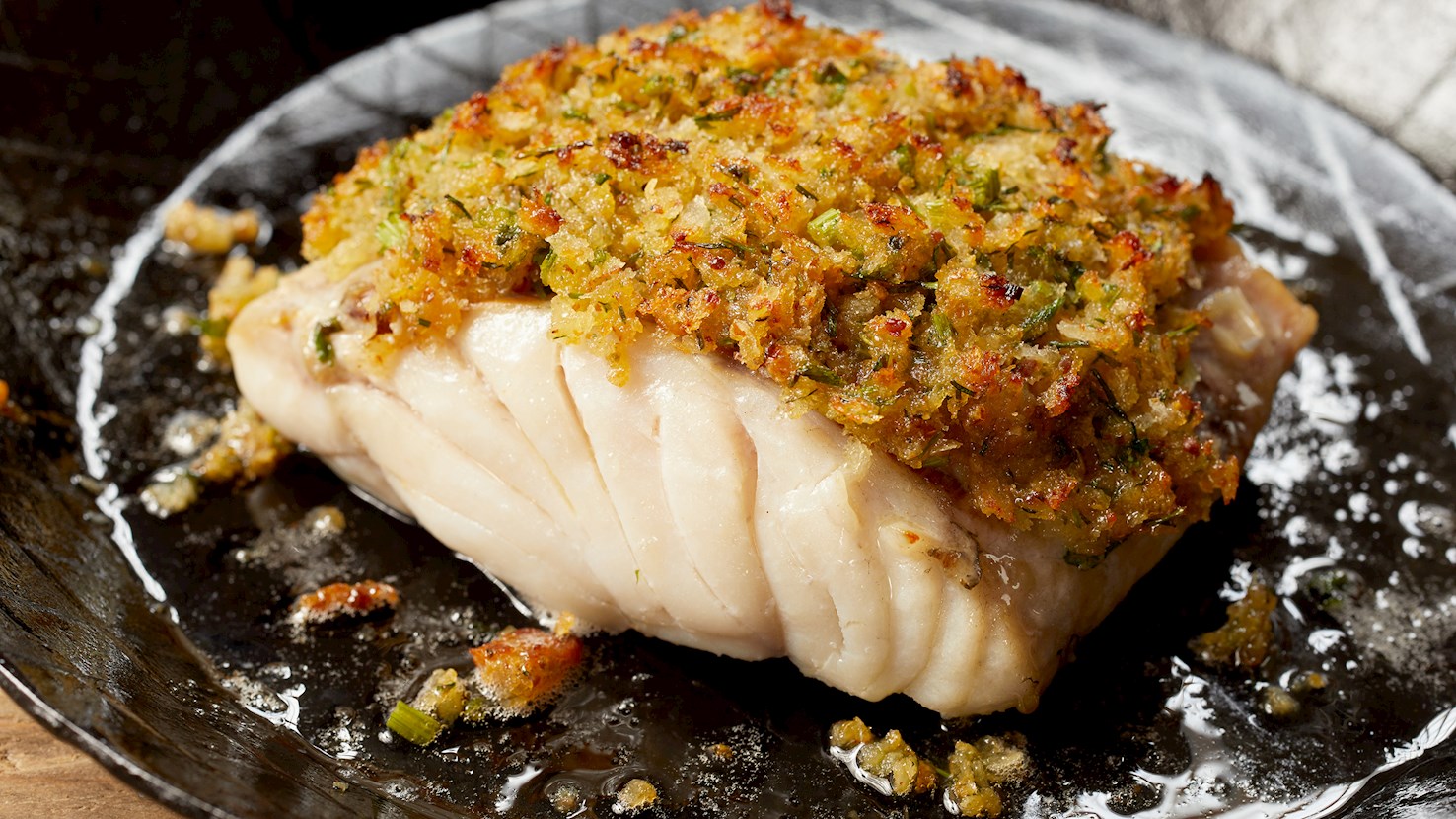
Poisson à la bordelaise is a traditional fish dish originating from Bordeaux. The dish is usually made with a combination of hake, cod or halibut, breadcrumbs, butter, white wine, lemon juice, garlic, shallots, olive oil, salt, and black pepper. The garlic and shallots are chopped and sautéed in butter. White wine, breadcrumbs, lemon juice, salt, and pepper are added to the pan and simmered over low heat. The fish is placed into an ovenproof pan, and the fillets are covered with the mixture from the other pan and drizzled with olive oil. The dish is baked in the oven until everything is fully cooked, and it's then ready to be enjoyed.

09

Bouillabaisse

3.9 ·

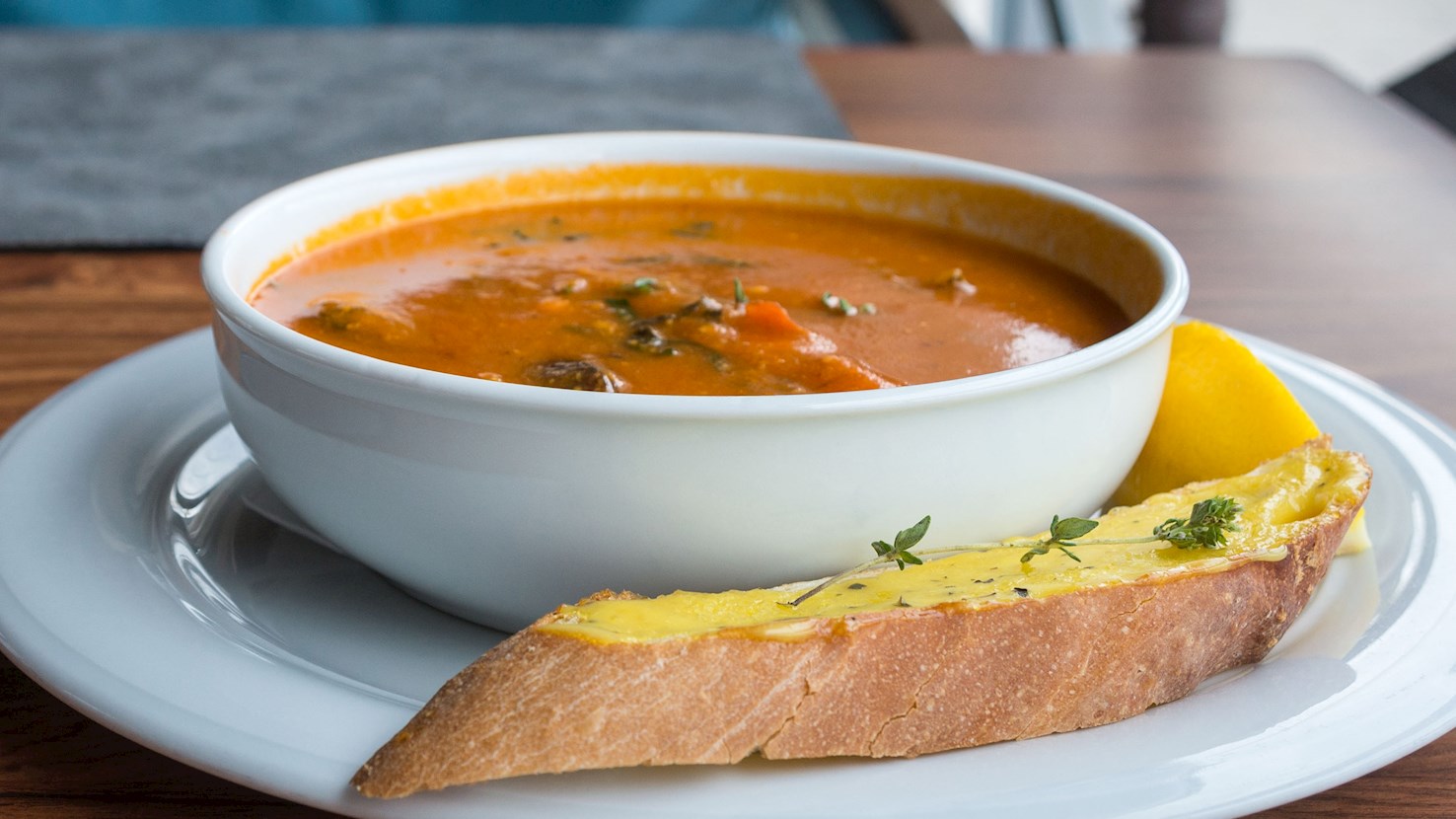
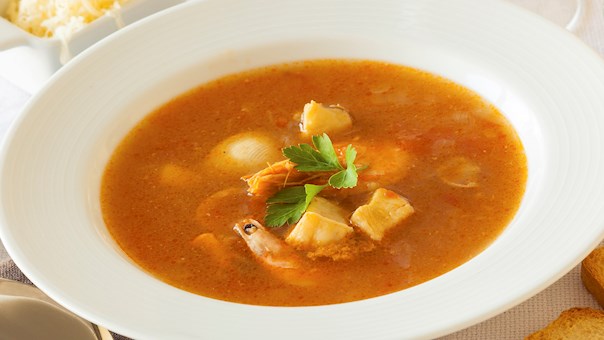
This traditional Provençal fish soup (and stew) originated in the 18th century when it was first concocted by Marseillaise fishermen, who would prepare it using the leftovers from their daily catch, making the best of what they had in their nets. Over time, bouillabaisse evolved into one of the most luxurious seafood dishes in the world: it is found in every upscale restaurant in the lively seaport city of Marseille where it can cost up to €200 for a meal for two. Anything below €50 is considered an ordinary fish soup—a good rule of thumb for those who want to taste the real thing. What gives bouillabaisse both its unique flavor and its high price is the red scorpionfish—known in French as rascasse or scorpion de mer—a type of venomous rockfish found only in the Mediterranean. Other ingredients may include several varieties of whitefish, mussels, crabs, squid, and sometimes even lobster or eel. Another thing that makes Marseille's signature dish so distinctive is its vibrant orange color, as well as the flavors and aromas arising from a selection of Provençal herbs and spices, especially saffron, fennel, and orange zest. Delicately infused with white wine and anise liqueur, bouillabaisse is traditionally served in two courses: the thick, rich soup is enjoyed with rouille sauce and garlic-rubbed croutons or toasted bread, while the fish and shellfish are served separately.

10

Sardines grillées (Grilled sardines)

3.9 ·

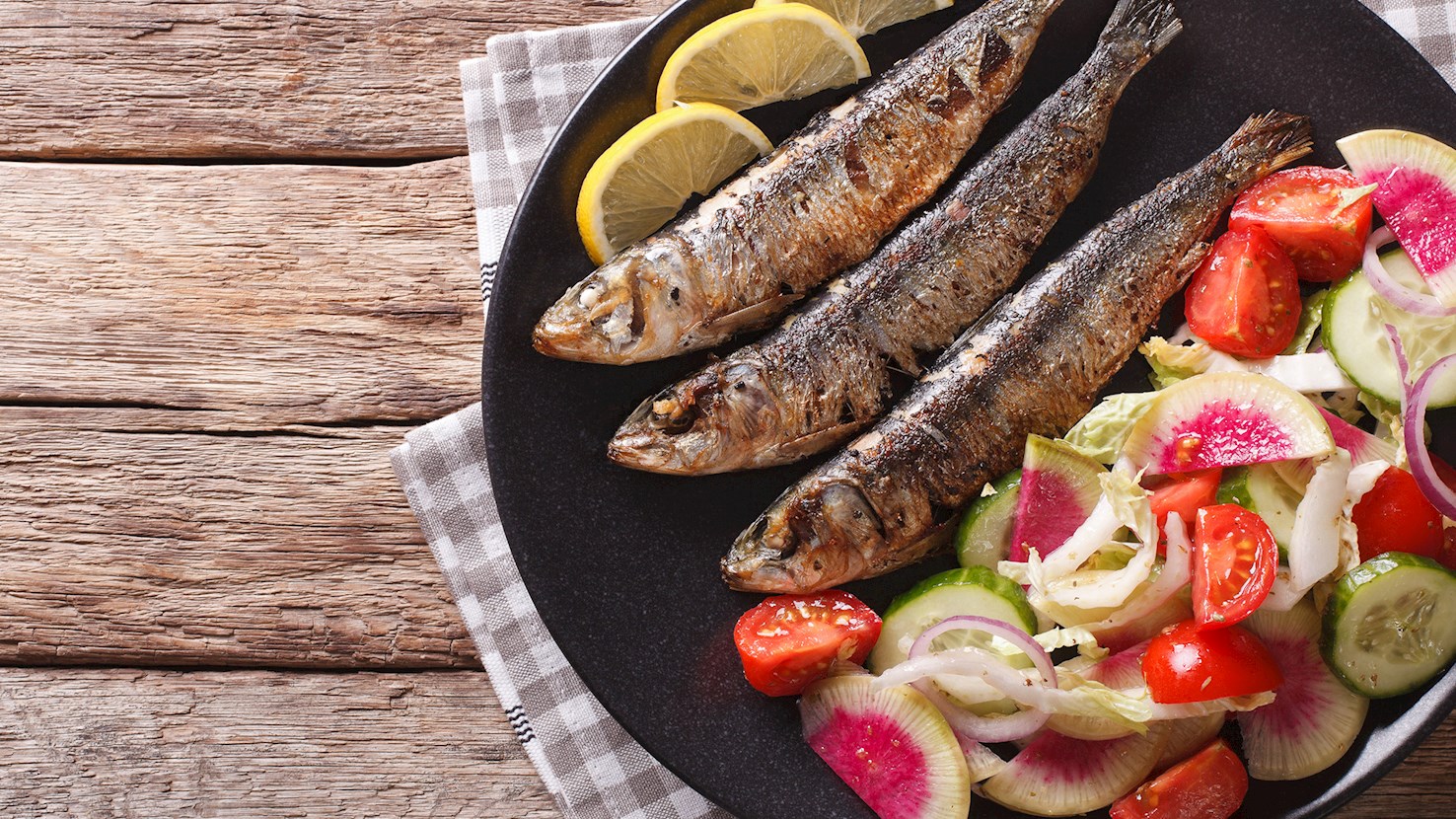
Grilled sardines are a simple, traditional seafood dish especially common in coastal Mediterranean areas and during summer months, when fresh sardines are plentiful. The dish is straightforward and emphasizes the natural flavors of the sardines: they are typically marinated in a mixture of olive oil, lemon juice, black pepper, and salt (although a variety of spices and herbs can also be added, depending on the region) before being grilled over a charcoal fire. The dish is usually served as an appetizer or a part of a meze, along with bread, boiled potatoes, sautéed vegetables, or salads, and is best paired with lighter, sweeter local white wines.

Read more
View all
View map
About this ranking

TasteAtlas food rankings are based on the ratings of the TasteAtlas audience, with a series of mechanisms that recognize real users and that ignore bot, nationalist or local patriotic ratings, and give additional value to the ratings of users that the system recognizes as knowledgeable. For the “Top 62 French Seafood Dishes” list until May 15, 2026, 1,466 ratings were recorded, of which 1,174 were recognized by the system as legitimate. TasteAtlas Rankings should not be seen as the final global conclusion about food. Their purpose is to promote excellent local foods, instill pride in traditional dishes, and arouse curiosity about dishes you haven’t tried.

Similar lists