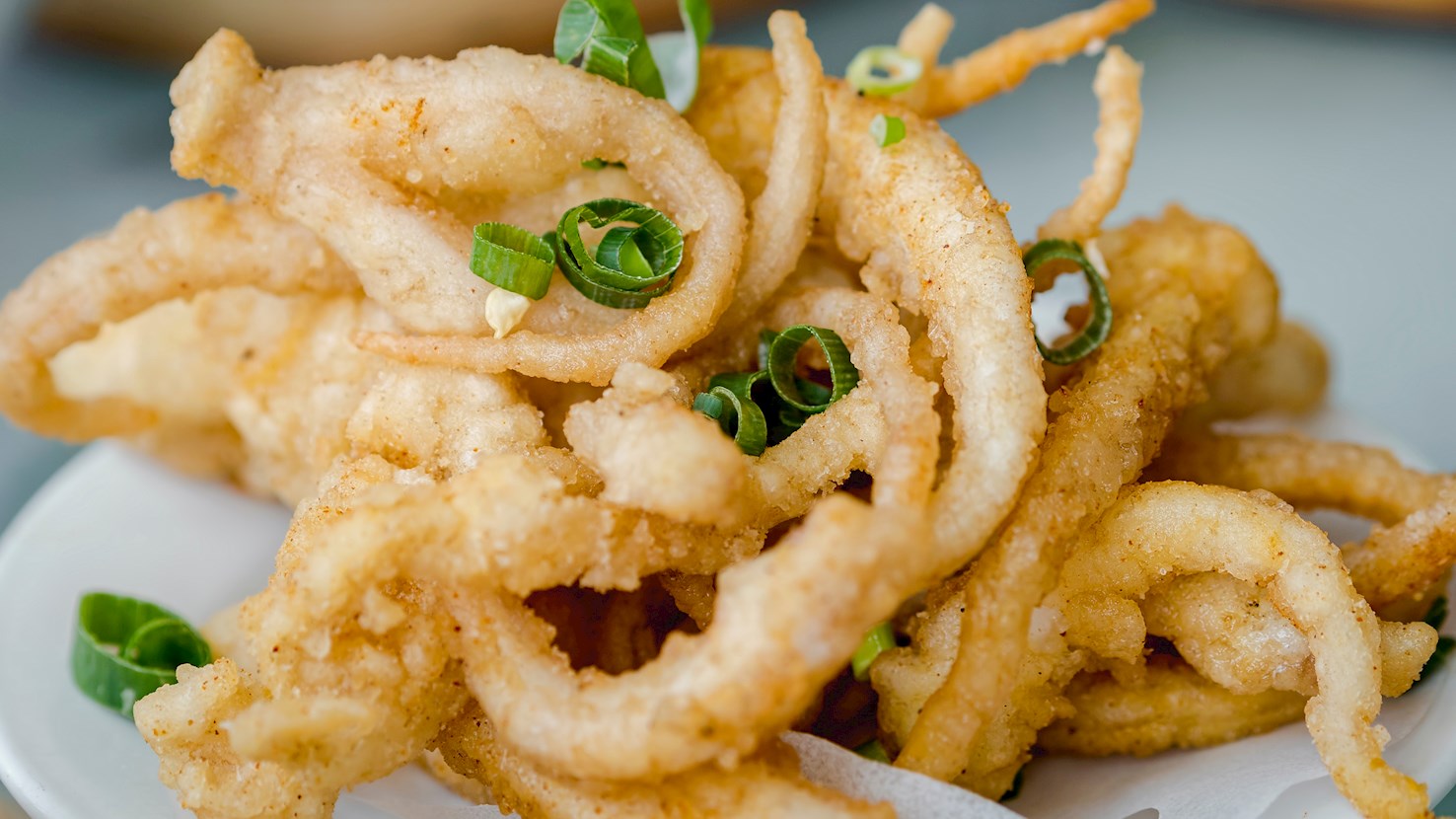
Jiao yan you yu or salt-and-pepper squid is a traditional dish originating from Guangzhou. This Cantonese dish is usually made with a combination of squid, potato flour, scallions, Shaoxing wine, garlic, oil, hot peppers, Sichuan pepper or white pepper, and salt. The surface of the squid is cross-hatched and the body is cut into bite-sized pieces. It's mixed with Shaoxing wine, drained, dredged in flour, and deep-fried in hot oil until lightly golden. The squid is removed from the pan. The garlic, scallions, and hot peppers are stir-fried in the same oil, and the squid is placed back into the pan with a mixture of Sichuan pepper and salt. The dish is stir-fried a bit more, tossed, and served hot as an appetizer or a main course.
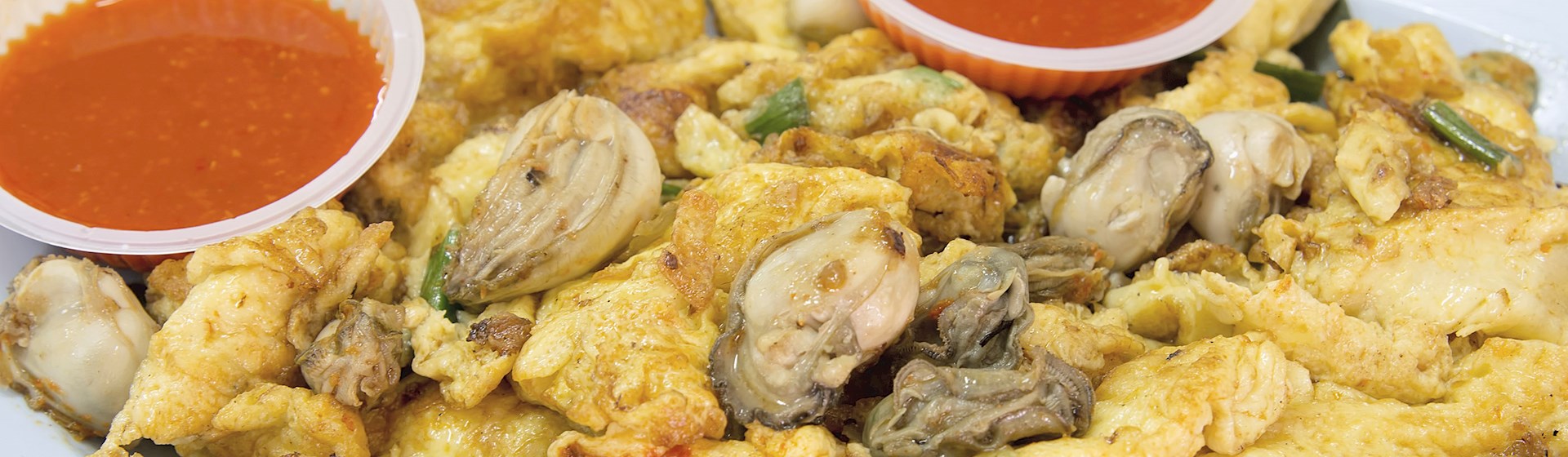
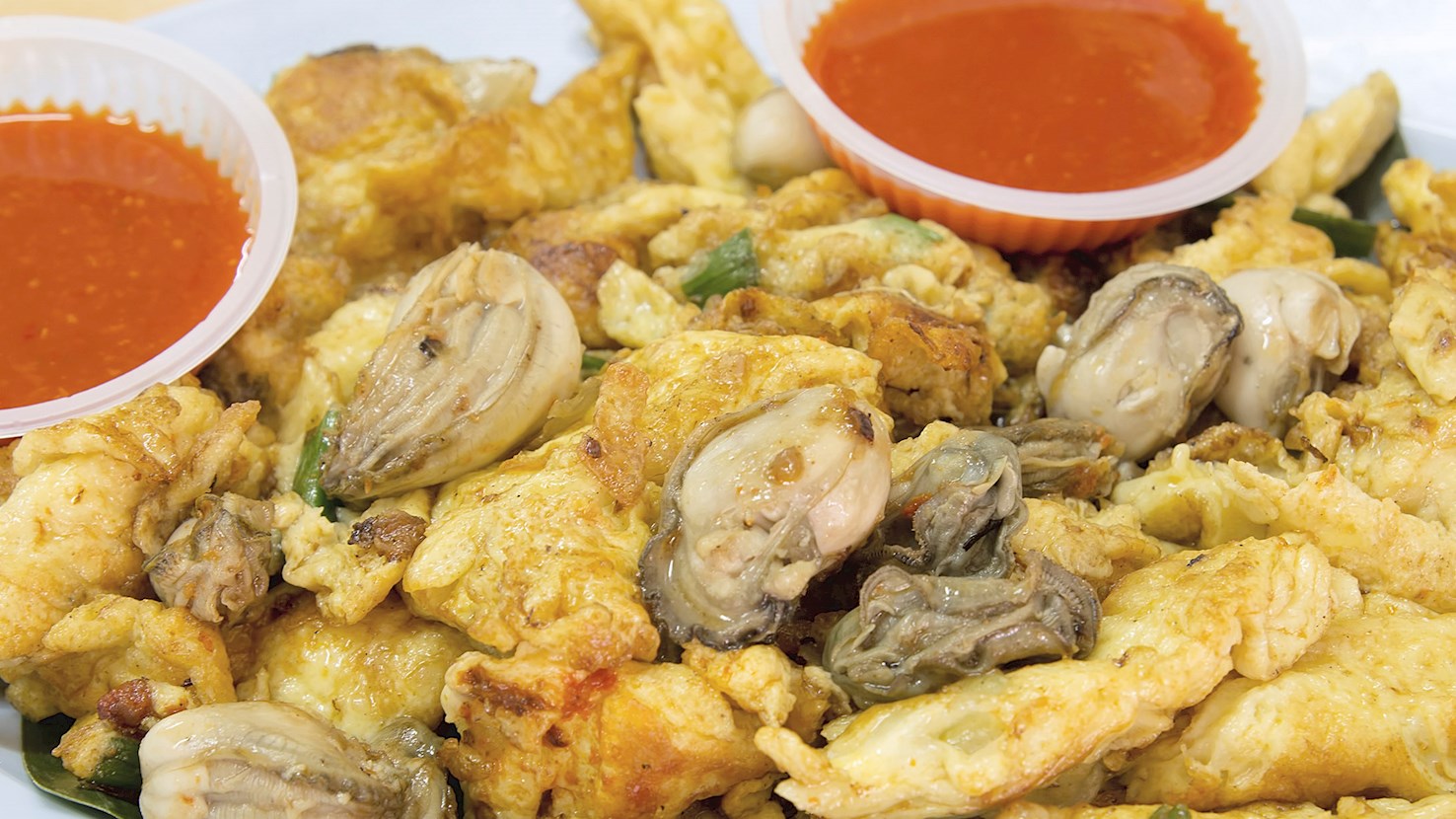
Oyster omelette is a savory egg-based dish originating in the coastal regions of southern China, particularly in Fujian and Guangdong, and it later spread across Southeast Asia, where it became a beloved staple of street food culture in places like Taiwan, Thailand, Malaysia, Singapore, and the Philippines. It combines small, fresh oysters with eggs and a starch batter, resulting in a dish that is crisp on the outside and soft within, often finished with herbs, sauces, or spicy condiments. Its roots lie in the coastal abundance of oysters and the ingenuity of cooks who sought to make use of seasonal shellfish in a satisfying and economical way. In port cities and fishing towns, oysters were plentiful but perishable, and incorporating them into quick, hot dishes allowed them to be eaten fresh while also providing nourishment and flavor to working families and laborers. The dish evolved over time, with each region adapting it to local tastes. In Fujian and Chaoshan areas, the emphasis is often on the delicate interplay of soft oysters and lightly set eggs, while in Taiwan the starch component became more prominent, forming a chewy, slightly gooey texture that contrasts with the crisp edges from the hot griddle. Thai and Malaysian versions tend to be spicier and sometimes include additional aromatics or bean sprouts for freshness and crunch. Preparation begins with a batter made of sweet potato, tapioca, or potato starch mixed with water, poured onto a hot, greased griddle or wok, and spread into a thin layer. Oysters are added on top, followed by beaten eggs, which cook quickly and bind the ingredients together. The omelette is flipped and browned until parts become crisp while the interior remains tender and moist. It is usually served hot, garnished with cilantro or scallions, and accompanied by a sweet, sour, or spicy dipping sauce, depending on the region. Today, oyster omelette is eaten both as a street snack and a restaurant dish, often associated with night markets, coastal seafood stalls, and festive occasions. It pairs well with light soups or rice porridge and is sometimes enjoyed alongside beer or tea, especially in settings where it is served as part of a shared meal.
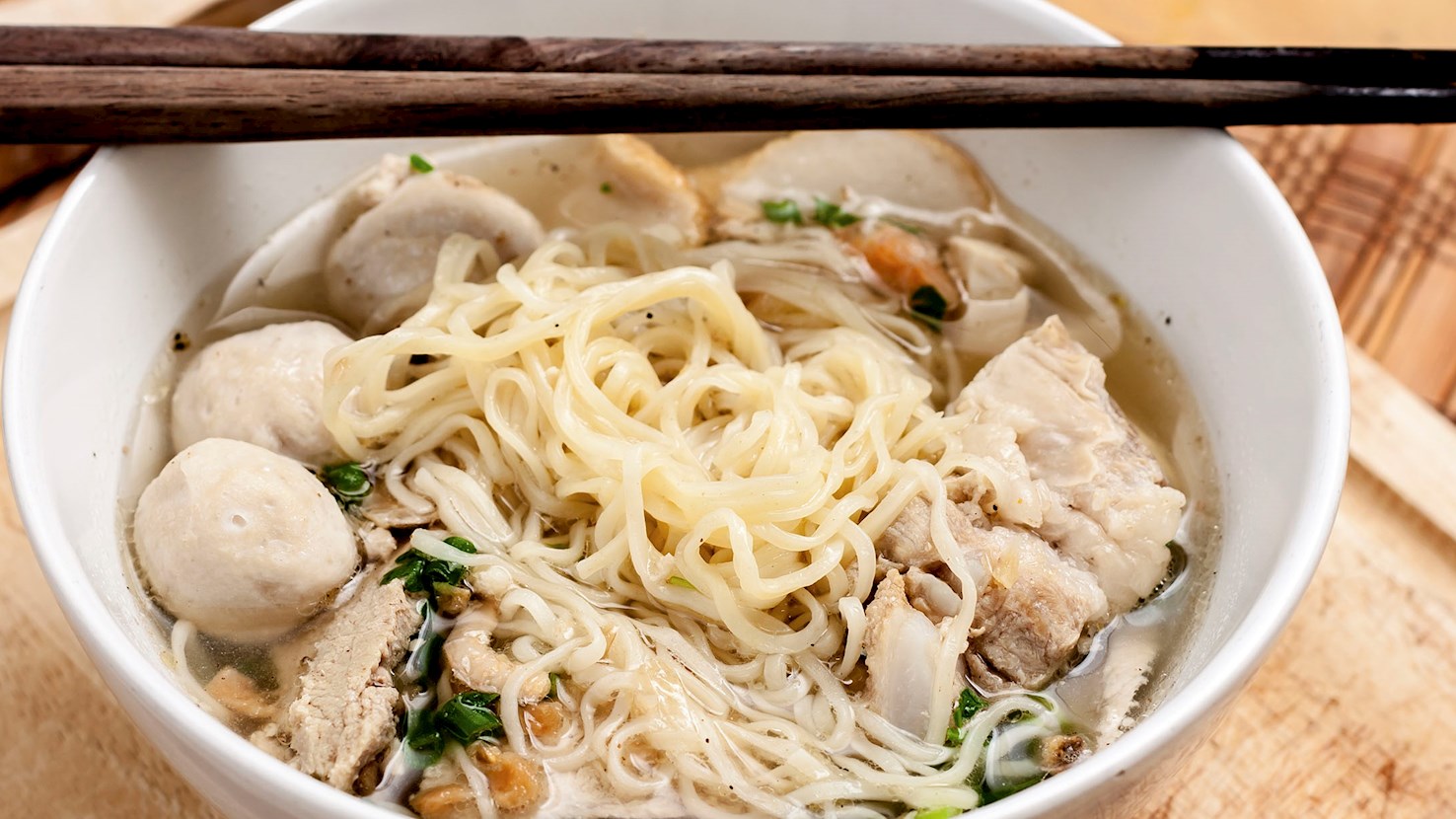
Fish ball is one of the most popular meals that is commonly eaten throughout Southern China, Hong Kong, and Macau. The dish originates from the eastern regions of Guangdong province, and consists of ball-shaped patties made with finely pulverized fish meat, also known as surimi. Fish balls are typically consumed either as an appetizer or the main meal. It was popularized in Hong Kong, where there are two versions of the dish - one is smaller, yellow, made with shark meat, and sold on skewers, while the other one is bigger, white, and made with more expensive fish meat. The second version is usually consumed with noodles. In Singapore and Malaysia, fish balls are often filled with pork, and can be found in soups, noodles, or accompanied by rice.
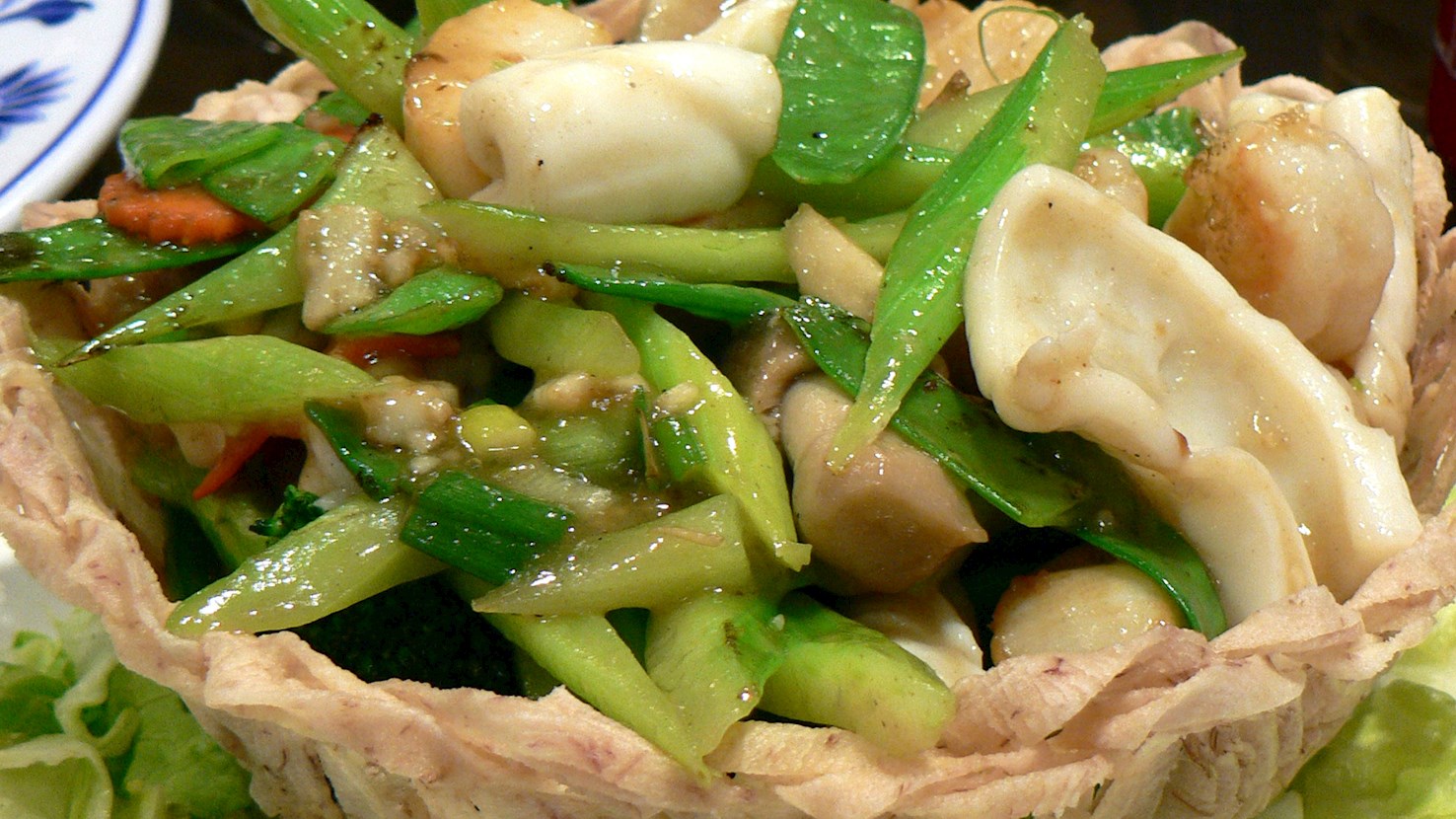
This seafood lover’s delight is typically served at upscale Chinese restaurants specialized in Cantonese cuisine. The contents of the bird’s nest usually include jumbo shrimp, squid, and scallops that are stir-fried with fresh vegetables, scallions, ginger, and garlic. All of the stir-fried ingredients are placed into an edible nest with a tough and crunchy texture, which is entirely made out of fried taro root or noodles. This luxurious dish is often reserved for special occasions such as weddings, New Year, or birthdays.
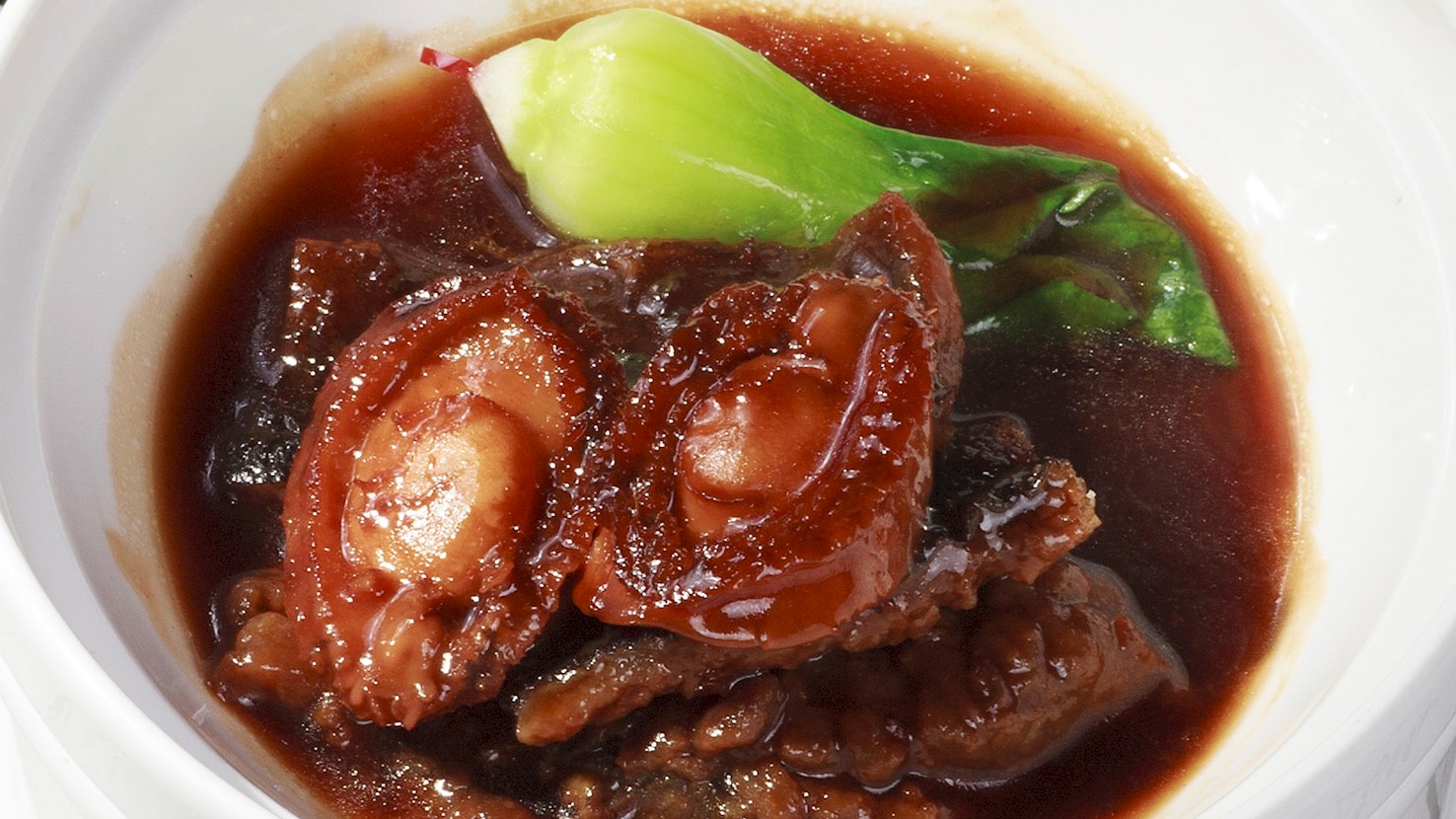
Braised abalone is a Chinese dish originating from the Guangdong region. The dish is made by simply braising the mollusk in a soy sauce-based liquid. It is recommended to use fresh abalones because their texture is tender, and they produce a delicate, fresh flavor. Abalones are often covered with scallions, ginger, and coriander before braising, while pork and chicken can also be added in order to impart their flavor during the slow and long process of braising. The dish is served hot with the sauce over it. It is especially popular at Chinese New Year celebrations.
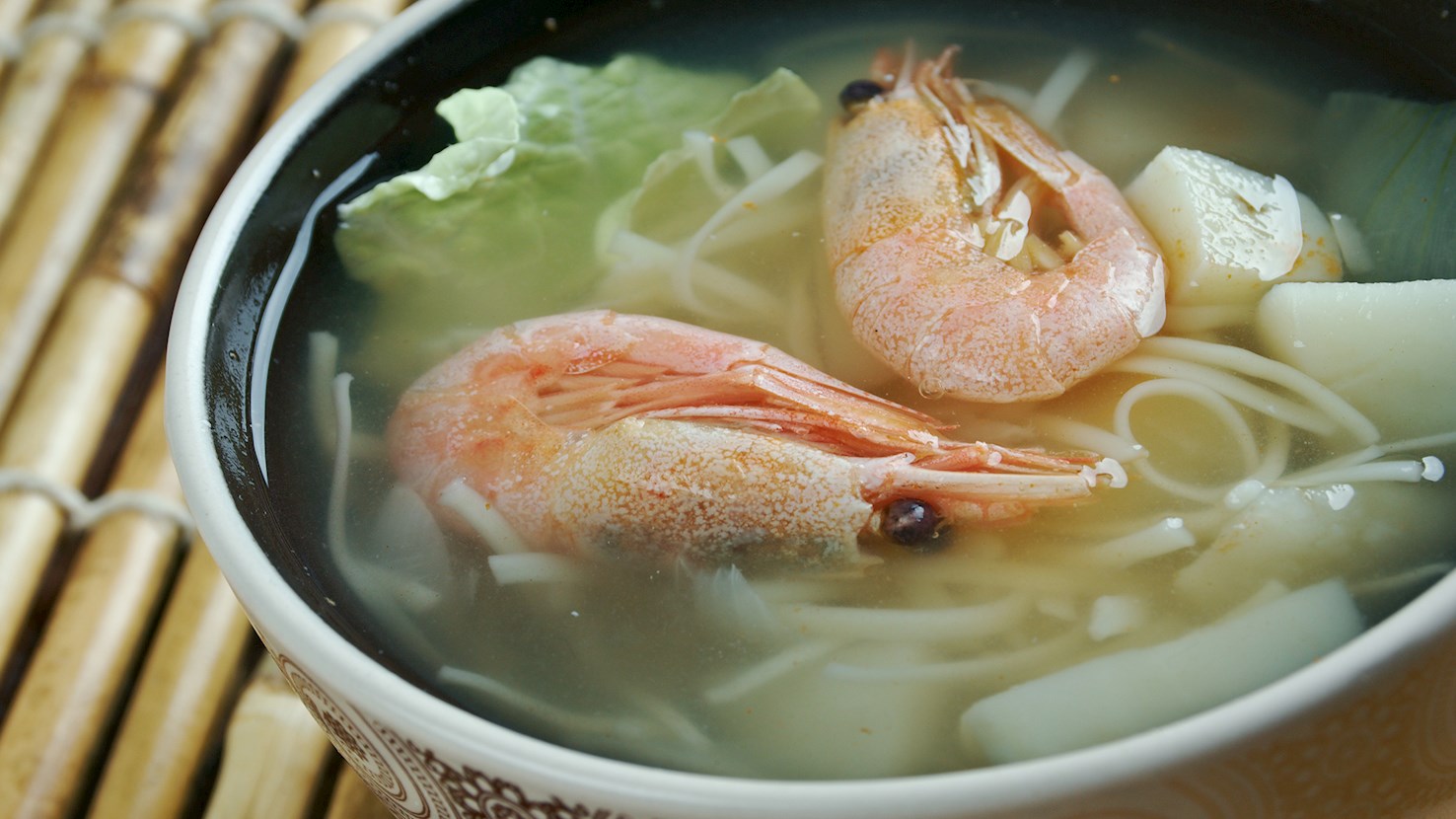
Cantonese seafood soup is a popular Chinese dish that is commonly served in upscale restaurants in China and Hong Kong. Although there are numerous variations of the soup, depending on the ingredients used in it, it typically has a smooth and thick texture and a white, slightly transparent visual appearance. The soup is often prepared with clams, shrimp, mussels, chopped fish, and seasonings such as ginger, garlic, lemongrass, oyster sauce, and rice wine.
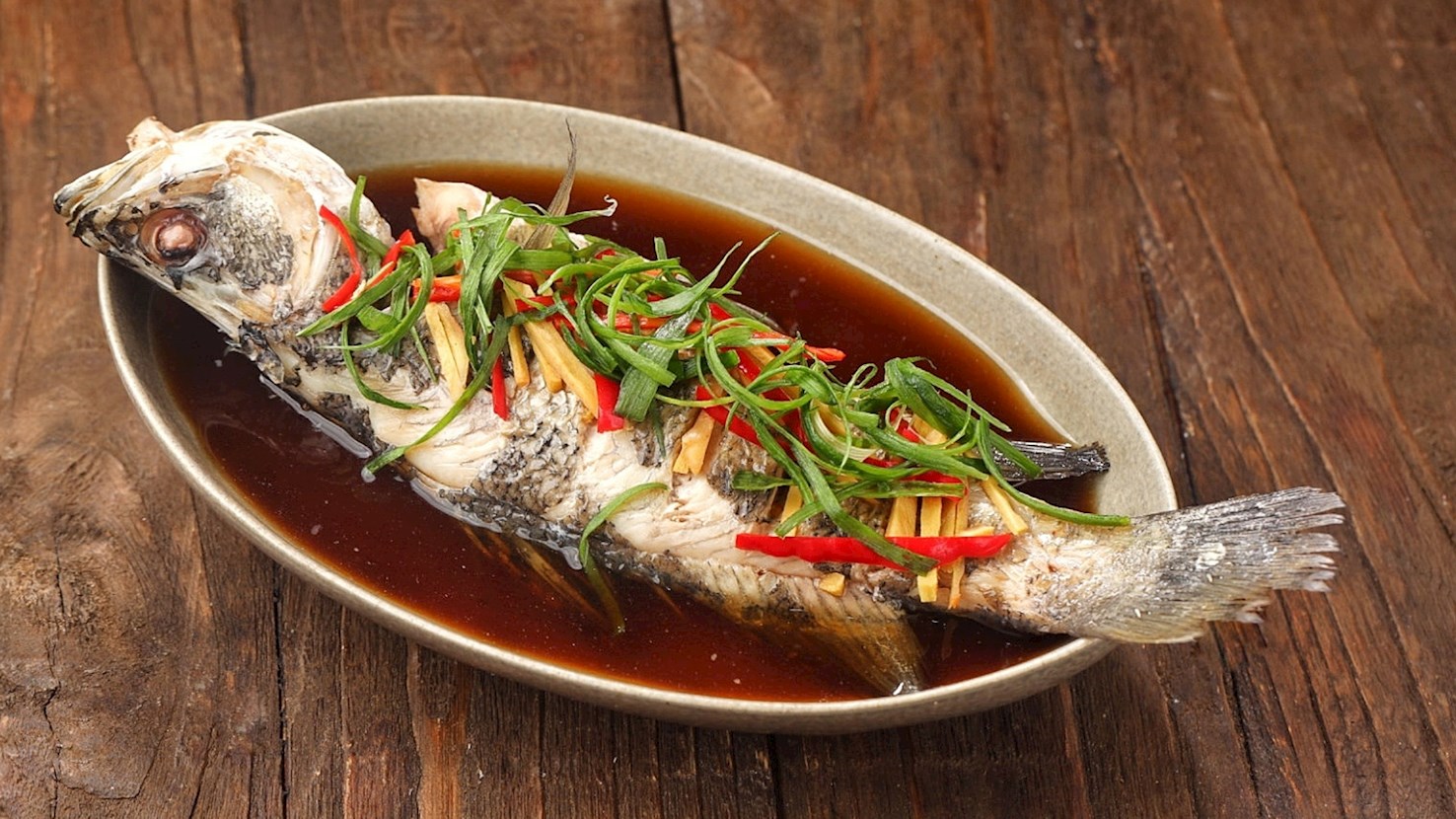
Qīngzhēng yú is a classic Chinese steamed fish dish originating from southern China, especially associated with Cantonese cuisine, where emphasis on freshness and natural flavors defines much of the region’s cooking. It is built around the principle of highlighting the fish itself, often using freshwater species such as mandarin fish, carp, or sea bass, prepared with minimal seasoning to preserve its delicate texture and subtle sweetness. Steaming fish in this way has been a favored technique in Chinese kitchens for centuries, reflecting both culinary values and cultural beliefs: fish is a symbol of abundance and prosperity, and presenting it whole at the table signifies completeness and unity, making the dish a staple of family banquets and festive gatherings. Over time, it became a hallmark of Cantonese fine dining and a showcase of a chef’s skill, as achieving the right balance of timing, temperature, and seasoning requires precision and restraint. Preparation of qīngzhēng yú begins with selecting a very fresh fish, often kept alive until the moment of cooking. The fish is cleaned and scored, then placed on a plate with aromatics such as ginger and scallions, sometimes with a splash of Shaoxing wine to reduce any fishiness. It is steamed gently until just cooked through, ensuring the flesh stays tender and moist. After steaming, the fish is topped with thinly sliced scallions, cilantro, and sometimes chili, followed by a drizzle of hot oil to release the aromatics and a final pour of light soy sauce. The cooking method is straightforward but demands careful timing, as overcooking can easily ruin the texture. Qīngzhēng yú is often served whole, head and tail intact, symbolizing good fortune and continuity, particularly during Lunar New Year celebrations or significant family meals. Its clean and subtle taste makes it a centerpiece dish rather than an overpowering one, and it pairs well with plain steamed rice, stir-fried greens, or mild tofu dishes. In Cantonese cuisine, it is frequently served as one of the main courses in a multi-dish banquet, where its lightness balances richer, heavier flavors.
Cháozhōu dòngxiè is a seasonal crab dish from the Chaoshan region of eastern Guangdong, prepared using live swimming crabs, usually caught from coastal waters during their peak freshness period. Its origins are rooted in the fishing communities of the Chaoshan coast, where crab has long been an important seasonal ingredient. Over time, cooks in local households and small teahouses began developing ways to preserve the freshness of the catch while intensifying its taste, leading to the development of this chilled preparation method. Today, it remains a defining feature of Chaoshan culinary identity, often linked to the region’s preference for serving seafood with minimal interference. Preparation begins with selecting live, female crabs full of roe, which are cleaned and then marinated without cooking. The crabs are soaked in a carefully balanced brine made from soy sauce, Shaoxing wine, sugar, and aromatics such as ginger, garlic, and citrus peel, then stored under refrigeration to allow the flavors to infuse while the meat gently firms up. The result is a dish that retains the natural sweetness of raw crab but gains depth and umami from the marinade. It is typically served cold, often garnished simply or accompanied by vinegar-based dipping sauces to enhance the sweet and briny notes of the meat. It is most commonly eaten during the late summer and autumn crab season and is often part of a larger banquet rather than a standalone dish. Diners frequently pair it with lighter rice dishes, mild teas, or crisp white wines that complement its natural salinity and umami richness.
Guǎngshì guìyú, often referred to as Cantonese-style steamed mandarin fish, is a celebrated dish from Guangdong province. It highlights the Cantonese preference for light seasoning and precise cooking methods that bring out the natural taste of fresh ingredients. The mandarin fish, known for its tender flesh and mild flavor, is a favored choice in this preparation because it steams quickly and retains its delicate texture. The dish became established in the culinary repertoire of Guangdong as steaming was widely practiced in the region, owing to the abundance of fresh seafood and the cultural value placed on maintaining purity of flavor. Cantonese cooks refined this method over time, making steamed fish one of the signature offerings at banquets, family gatherings, and restaurants. Its place in Cantonese dining reflects a focus on freshness, as live fish are often chosen directly from tanks to ensure quality before cooking. Preparation of Guǎngshì guìyú involves cleaning the fish thoroughly, scoring it lightly for even cooking, and placing it on a heatproof dish. It is typically steamed over high heat for several minutes, just long enough to cook through without toughening the flesh. Once steamed, the fish is topped with slivers of fresh ginger and scallions. A sauce made from soy, Shaoxing wine, and a touch of sugar is heated separately, often with a quick infusion of aromatics in hot oil, then poured over the fish to bring fragrance and sheen. The finished dish appears simple, yet it demands precision in timing, seasoning, and presentation.Today, Guǎngshì guìyú is eaten widely in Guangdong and in Cantonese restaurants around the world. It is served whole, placed in the center of the table to be shared among diners, often paired with white rice and other seafood or vegetable dishes.
TasteAtlas food rankings are based on the ratings of the TasteAtlas audience, with a series of mechanisms that recognize real users and that ignore bot,
nationalist or local patriotic ratings, and give additional value to the ratings of users that the system recognizes as knowledgeable.
For the “Top 9 Guangdong Seafood Dishes” list until May 15, 2026, 277 ratings were recorded, of which 241 were recognized by the system as legitimate.
TasteAtlas Rankings should not be seen as the final global conclusion about food. Their purpose is to promote excellent local foods,
instill pride in traditional dishes, and arouse curiosity about dishes you haven’t tried.