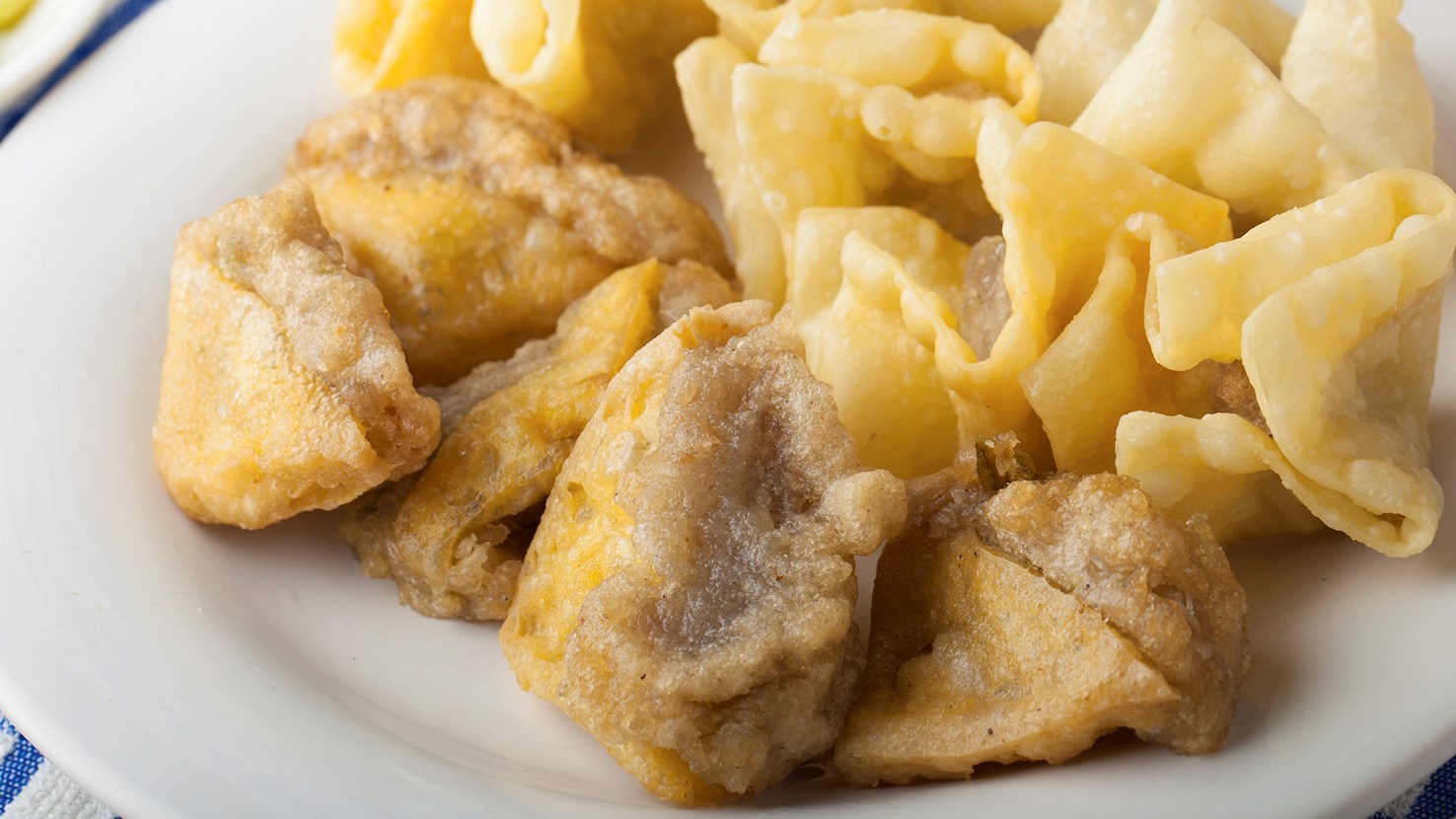
One of the most famous snacks in Indonesia is batagor, a fried fish dumpling served in a traditional spicy sauce. It has roots in the Chinese culinary tradition, which has left a trace on many Indonesian dishes. Although this famous snack is reminiscent of the more famous Chinese dumpling, its distinguishable characteristic is that it is fried, not steamed. The most common fish used to make the dish is wahoo, but tuna, mackerel, and even prawns can also be used. Potatoes, tofu, or cabbage are also occasionally added to the dish. Batagor is the perfect snack because of the way it is served. When fried, the dumplings are cut into small bite-sized pieces and covered in peanut, soy, and chili sauce with a splash of lime juice. It was invented in the 1980s in Bandung, but today it can be found throughout Indonesia. Since it is quickly prepared, it is commonly sold by street vendors, but it can also be found in many Indonesian restaurants.
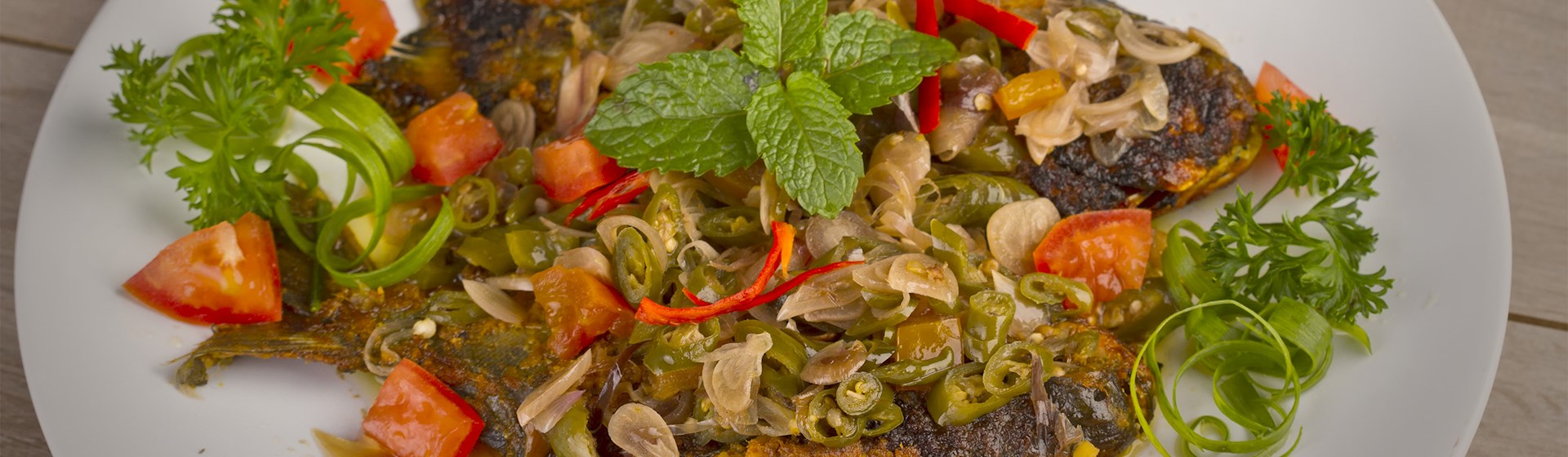
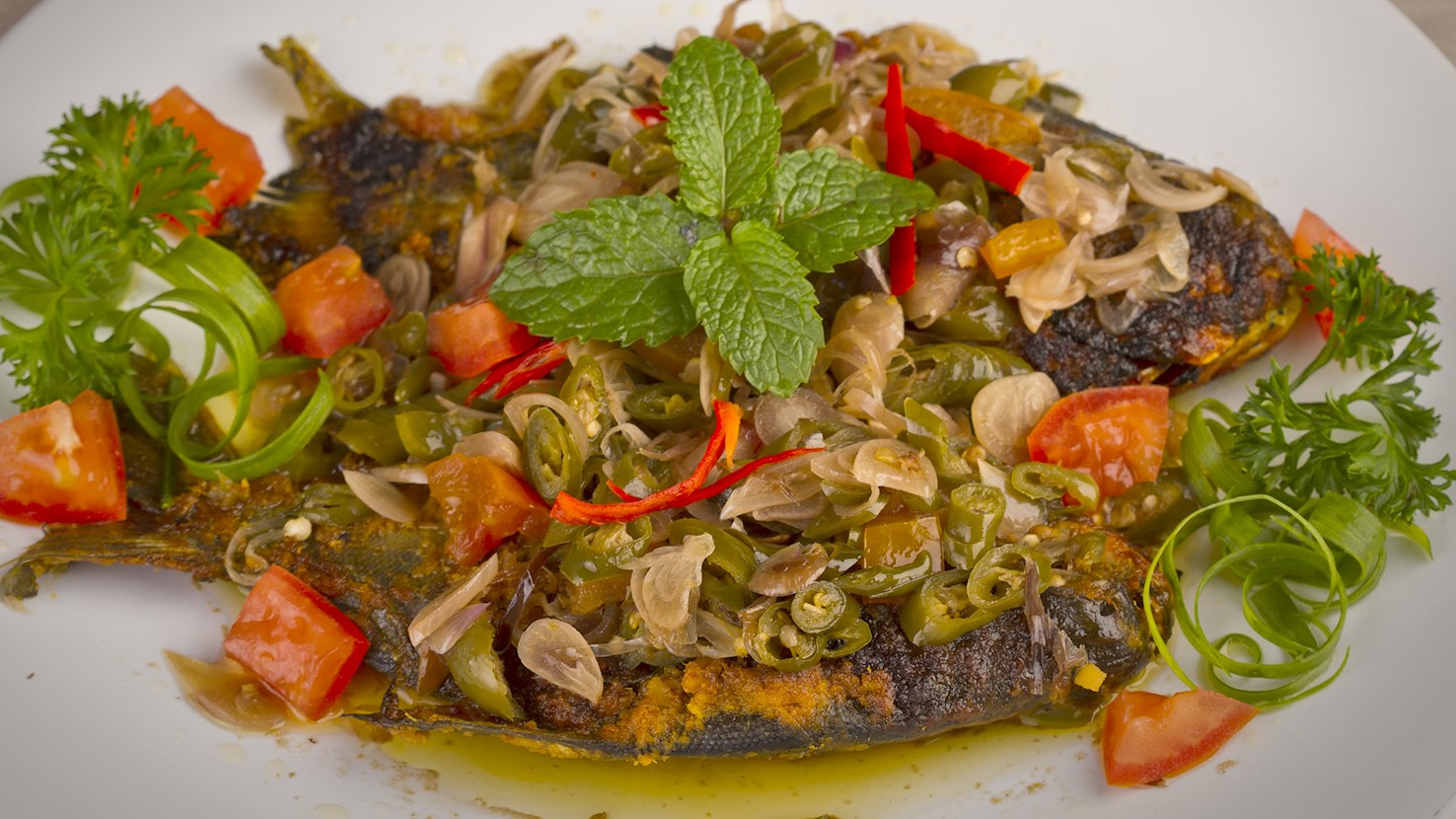
Ikan bakar is a beloved Indonesian grilled fish dish, known for its smoky aroma, bold spices, and savory-sweet glaze. The name ikan bakar literally means “grilled fish” in Indonesian and Malay (ikan = fish, bakar = grilled or roasted), and it refers more to the cooking technique than to a specific recipe. Found across Indonesia, Malaysia, and coastal Southeast Asia, ikan bakar varies by region, but always features fresh, whole fish marinated with spices and aromatics, then grilled over charcoal for deep, rich flavor. The fish—often snapper, mackerel, gourami, or catfish—is typically marinated in a mixture of shallots, garlic, turmeric, coriander, tamarind, chilies, and kecap manis (sweet soy sauce). In some regions, especially Java, the use of kecap manis creates a sweet, caramelized glaze, while in others, such as Minangkabau (West Sumatra) or Bali, the marinade is more spicy, tangy, and aromatic, often without any soy sauce. During grilling, the fish is frequently basted with the remaining marinade or a mixture of oil and spices, keeping the flesh moist and enhancing the smokiness. It’s traditionally served with steamed rice, sambal (spicy chili sauce), and lalapan (fresh vegetables) like cucumber, basil, and cabbage. Some versions are wrapped in banana leaves before grilling to infuse the fish with an earthy aroma and protect it from direct heat.
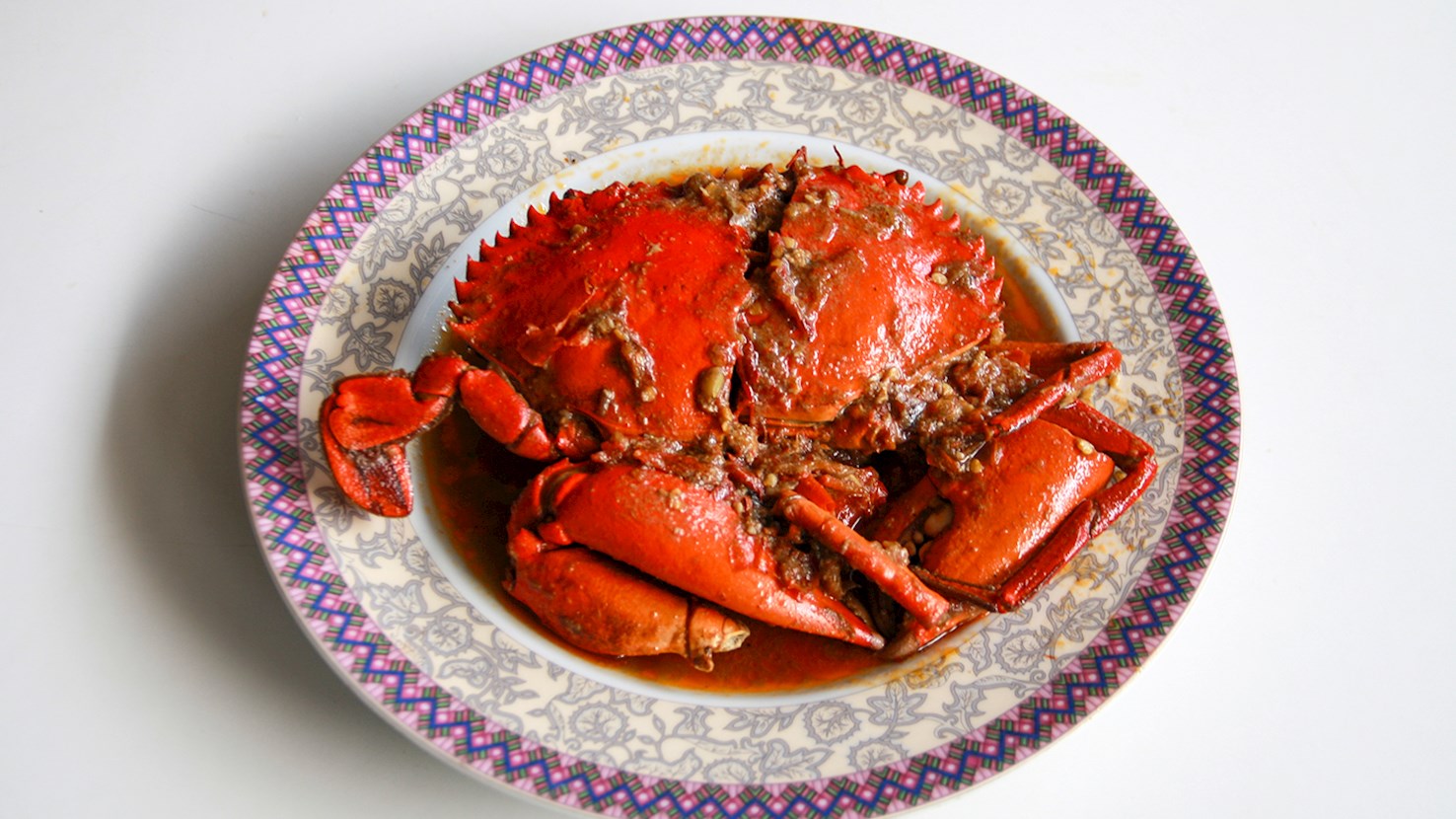
Kepiting saus Padang is a spicy Indonesian crab dish known for its bold, chili-laden sauce and rich, savory flavor, originating from the Padang culinary style of West Sumatra. The name translates to “crab in Padang sauce,” and it features whole crabs cooked in a thick, fiery red sauce made from a blend of chilies, garlic, shallots, tomato, ginger, lemongrass, and sometimes egg to create a textured, slightly creamy finish. The dish is popular in seafood restaurants across Indonesia, especially in coastal cities and regions where fresh crab is readily available. Kepiting saus Padang stands out for the balance it strikes between spiciness, tanginess, and umami, often enhanced with the addition of oyster sauce or sweet soy sauce depending on local preferences. The crabs are usually cleaned and cracked before being simmered in the sauce so the flavors fully penetrate the meat. Some versions include chopped bird’s eye chilies for an extra punch, while others are slightly sweetened to temper the heat, making it adaptable to different regional tastes. Served hot and messy, usually with steamed rice and eaten by hand, the dish delivers an intense and satisfying seafood experience that captures the essence of Indonesian coastal cooking.
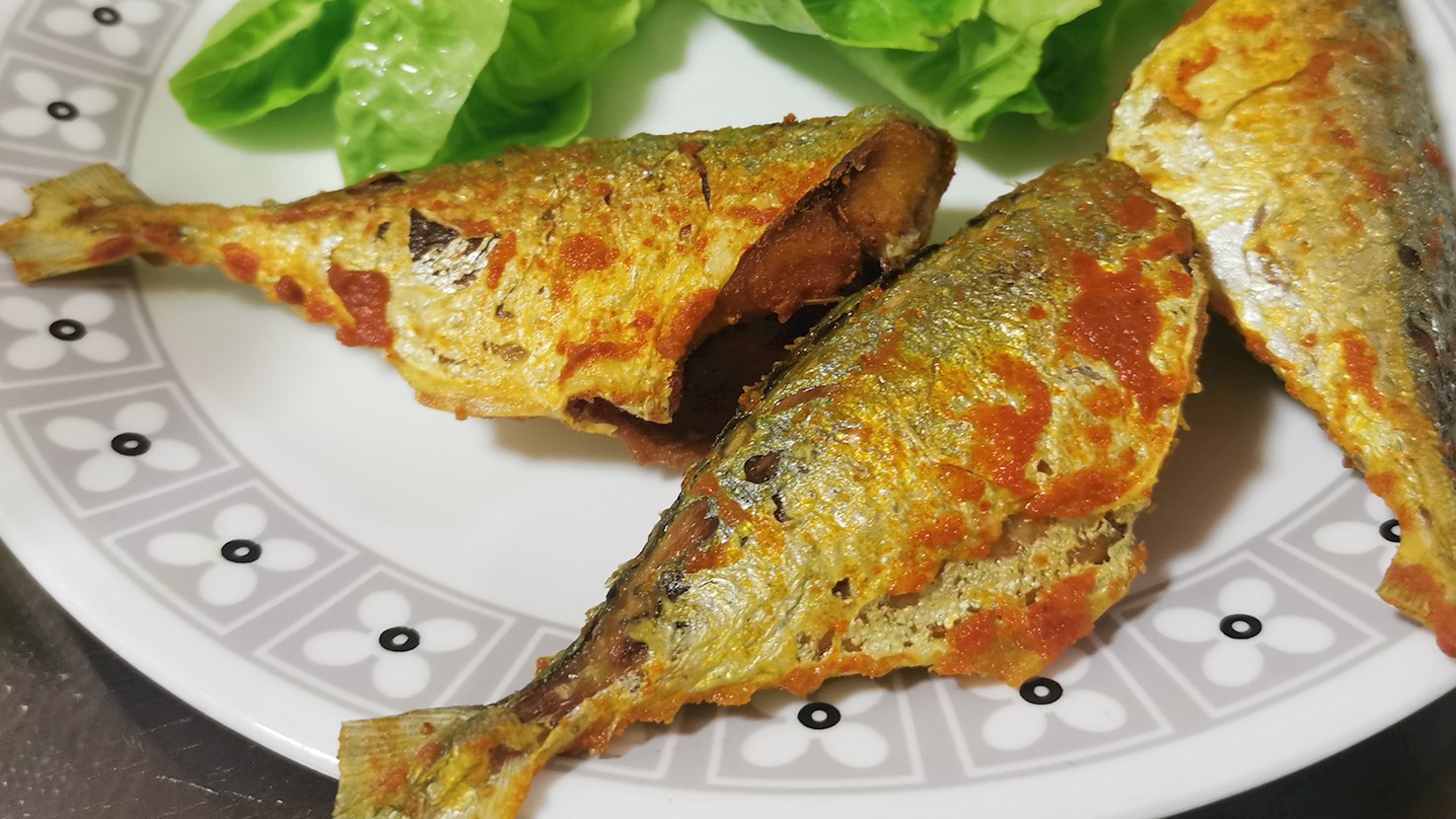
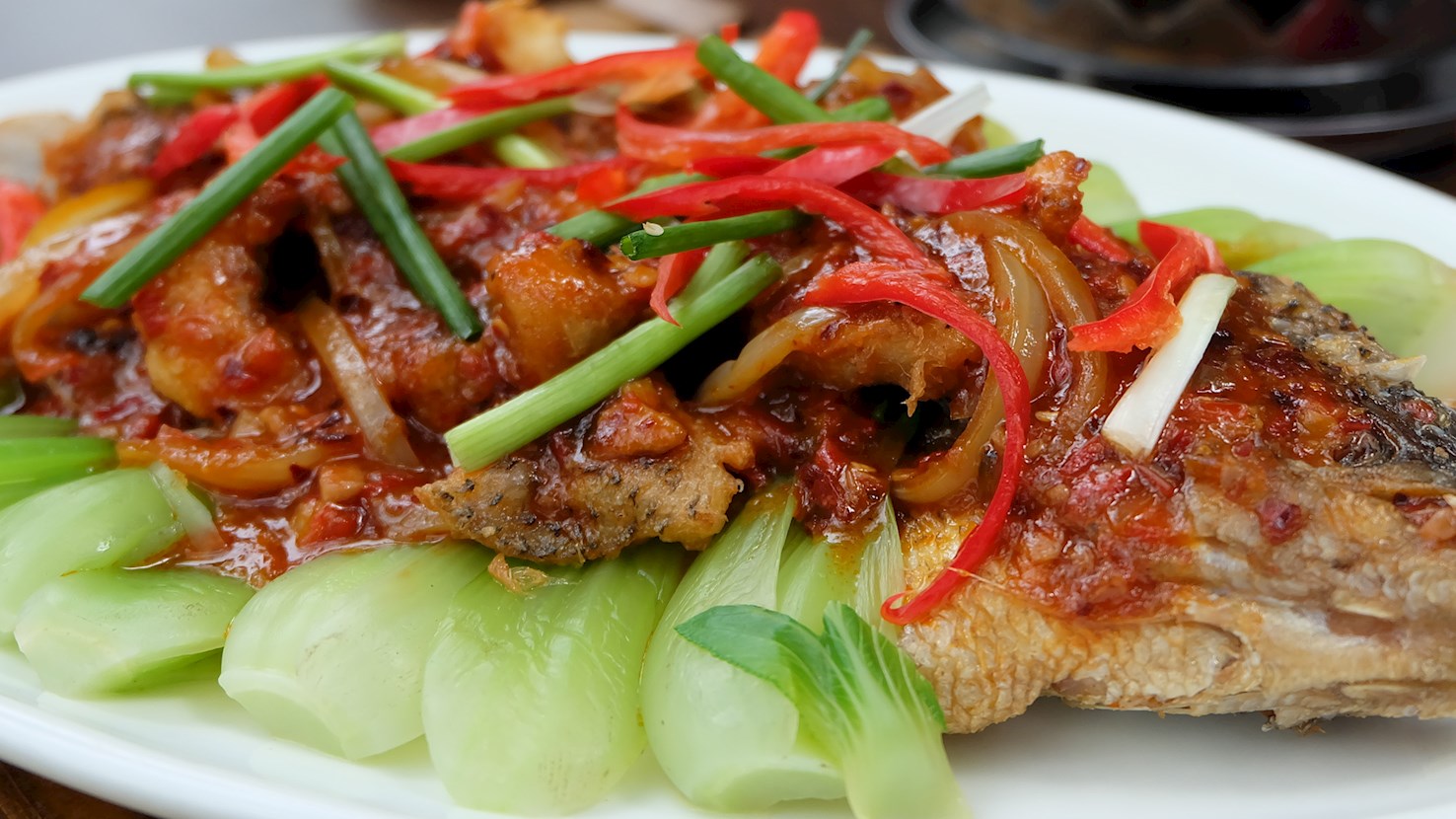
Ikan goreng, translated to "fried fish" in English, is a dish originating from Indonesia. The preparation starts with marinating the fish in a mixture of spices and herbs, typically turmeric, garlic, shallots, tamarind, and sometimes even kacep manis, then deep-frying it until golden brown and crispy. There are different versions of ikan goreng in different regions of Indonesia, and the type of fish used can vary widely, ranging from smaller fish like anchovies to larger fish like mackerel, snapper, and tuna. It's often served with rice and various side dishes such as sambal, fresh vegetables, tempeh, and tofu.
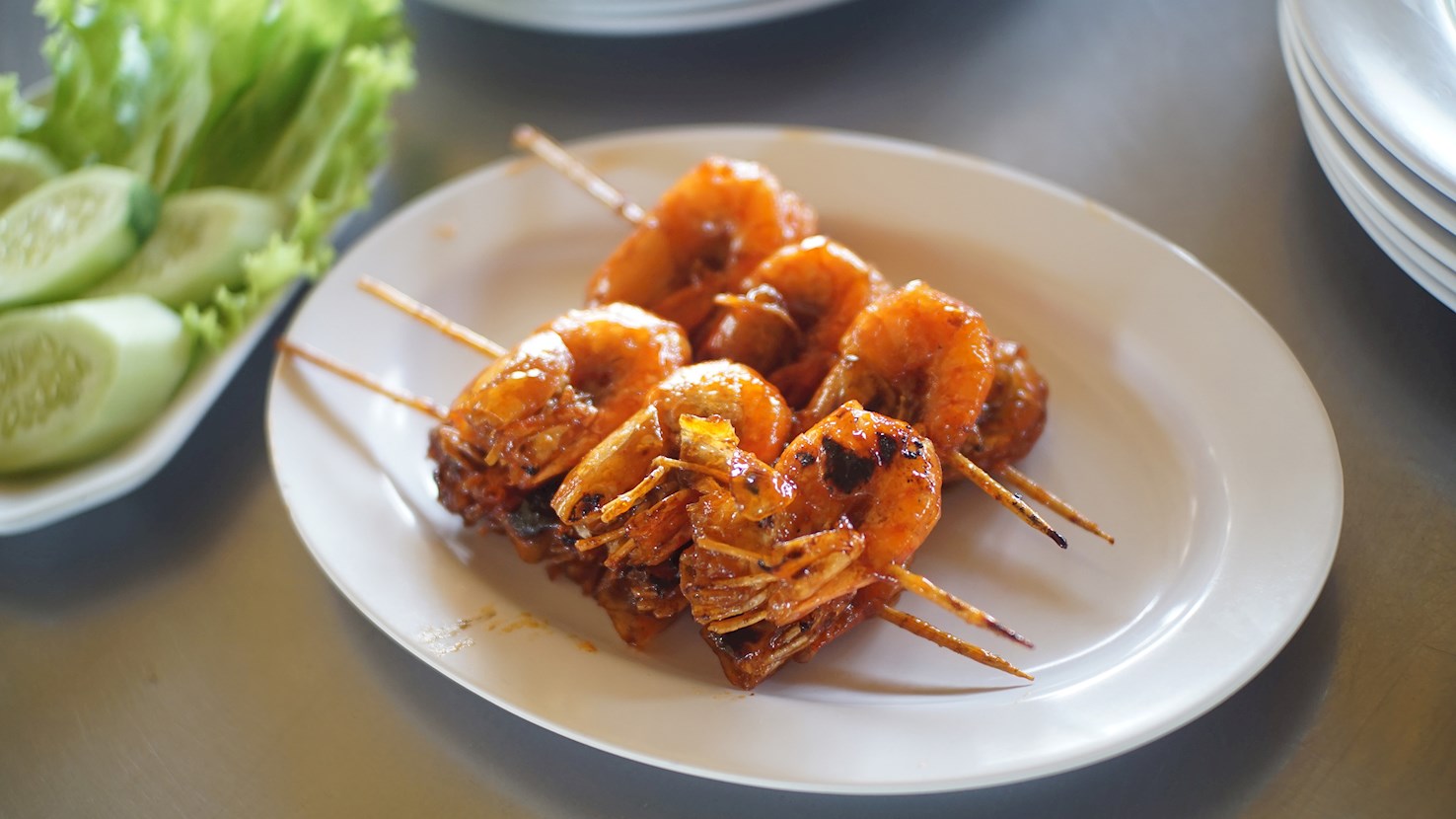
Sate udang is an Indonesian dish consisting of skewered and grilled shrimp, commonly marinated in a mixture of spices and served with various dipping sauces or condiments, depending on regional preference. It is part of the broader sate (or satay) family, a category of grilled meat skewers widely found across Indonesia and Southeast Asia. While most sate variants use chicken, beef, or goat, sate udang highlights the country's abundant seafood resources, particularly in coastal areas such as Bali, Java, and Sulawesi, where shrimp are readily available and feature prominently in local cuisine. The preparation of sate udang typically begins with raw shrimp, peeled and deveined but often left with the tail intact for presentation. The shrimp are marinated in a blend that may include garlic, shallots, turmeric, coriander, chili, lime juice, coconut milk, and palm sugar. This seasoning mixture varies by region, with some versions leaning more toward savory and spicy, while others favor a slightly sweet and aromatic profile. Once marinated, the shrimp are threaded onto bamboo skewers and grilled quickly over hot coals, allowing them to develop a slight char while remaining juicy and tender inside. Sate udang is often served with sambal, kecap manis (sweet soy sauce), or a peanut-based sauce, though simpler versions might be accompanied only by sliced shallots, lime, or rice cakes such as lontong. In seafood-focused warungs and restaurants, it may be one of several sate options offered, particularly in areas known for their grilling techniques and spice blends. The dish is popular as a street food item, appetizer, or part of a larger shared meal.
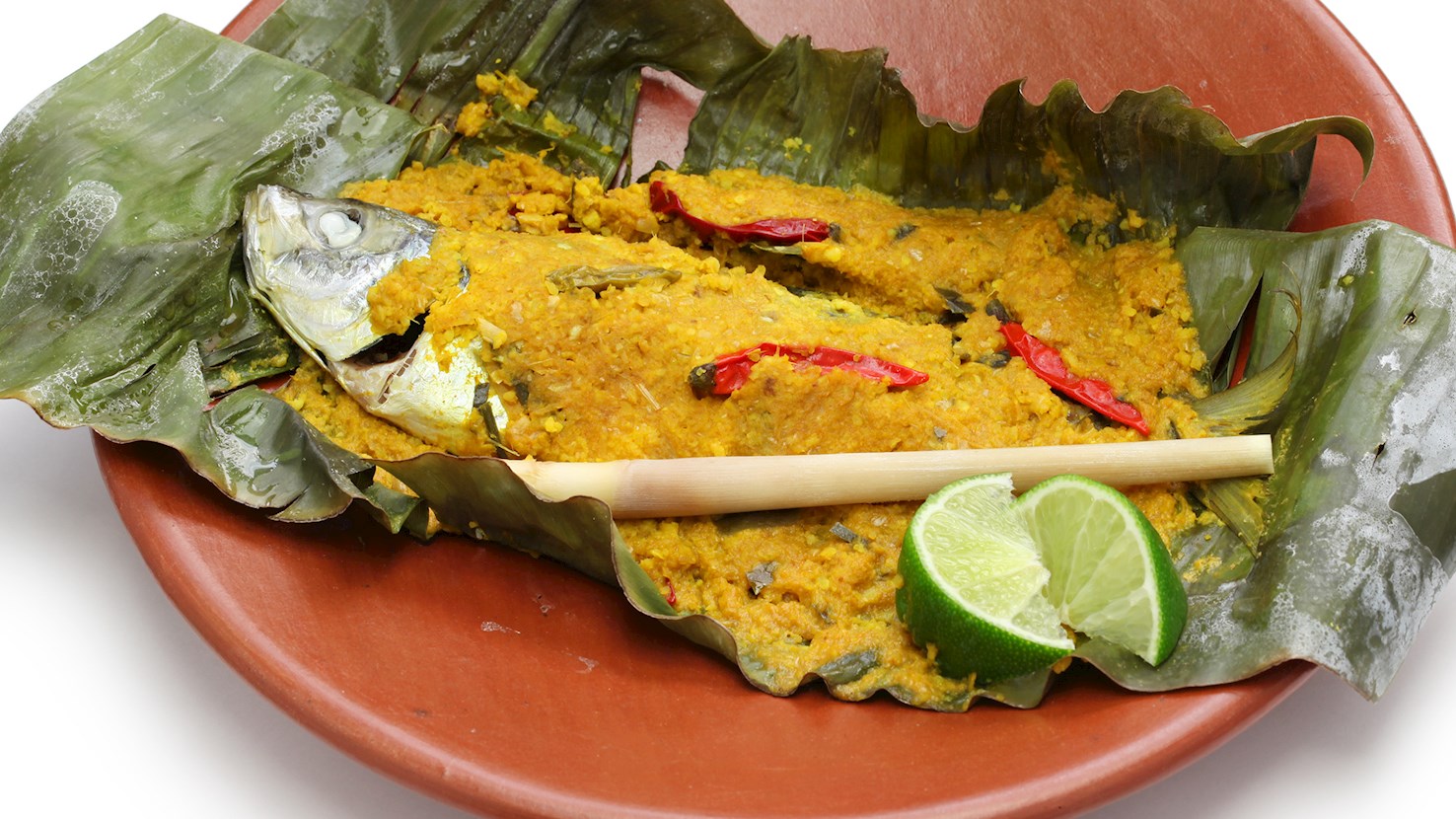
Pepes ikan is an Indonesian dish consisting of fish marinated in a rich, aromatic spice blend, wrapped in banana leaves, and then steamed or grilled. It originates from the Sundanese cuisine of West Java, though it is popular across many parts of Indonesia and often adapted according to regional preferences. The name “pepes” refers to the cooking technique of enclosing seasoned ingredients in banana leaves before applying gentle heat, allowing the flavors to infuse and the fish to cook in its own juices. “Ikan” simply means fish in Indonesian, and a variety of freshwater or saltwater fish can be used, such as mackerel, tilapia, carp, or snapper. The preparation begins with a spice paste, commonly made by grinding together shallots, garlic, turmeric, ginger, galangal, candlenuts, red chilies, lemongrass, and sometimes tomatoes or shrimp paste. The fish is cleaned and rubbed with salt and lime juice to reduce any fishy odor, then coated thoroughly with the spice paste. Fresh herbs like salam leaves (Indonesian bay leaves), and sliced tomatoes or chili peppers may be added for additional layers of aroma and flavor. The marinated fish is placed on a sheet of banana leaf, which is then folded tightly and secured with bamboo skewers or toothpicks. Once wrapped, the packages are typically steamed until fully cooked, allowing the banana leaf to soften and the fish to absorb the spices. After steaming, the pepes can be served directly or lightly grilled to enhance aroma and create a subtle char on the leaf’s surface. The banana leaf not only holds the moisture but also imparts a gentle, earthy fragrance to the dish, resulting in a tender texture and balanced, savory flavor. Pepes ikan is commonly served with steamed rice and fresh vegetables or sambal. It is a familiar dish in Sundanese households and often appears in daily meals, roadside eateries, or during family gatherings. In some variations, the dish may use coconut milk in the spice blend or substitute fish with tofu, tempeh, or chicken.
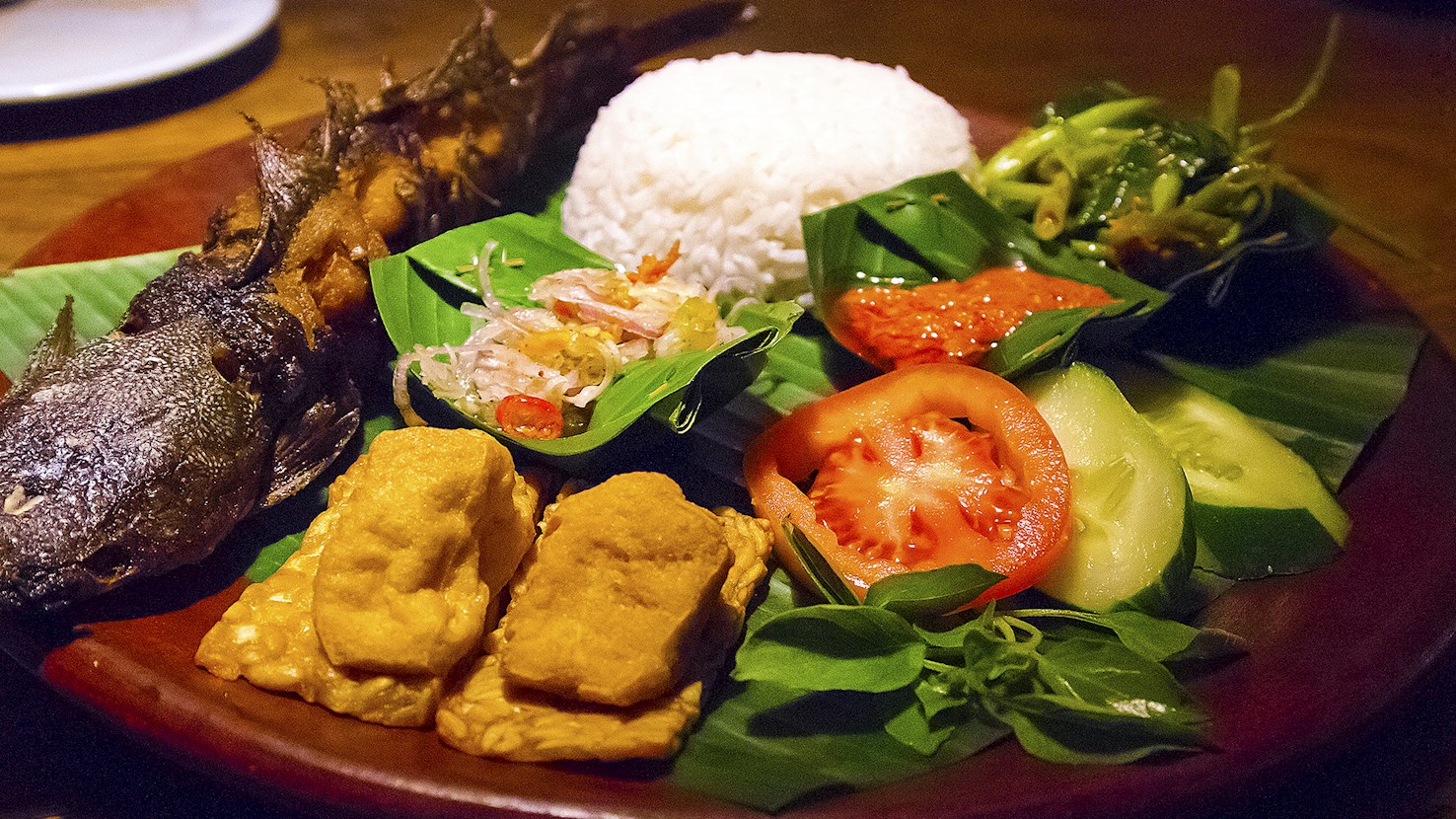
Pecel lele is a beloved Indonesian street food dish featuring deep-fried catfish (lele) served with sambal (spicy chili sauce), steamed rice, and fresh vegetables (lalapan). Originally popularized in Java, especially among Javanese roadside food stalls (warung lesehan), pecel lele has become a nationwide favorite for its affordability, bold flavor, and satisfying crunch. Despite the word pecel traditionally referring to vegetables with peanut sauce (as in nasi pecel), in this dish, pecel simply denotes the serving style—fish with sambal and rice. The lele (catfish) is typically marinated with salt, garlic, and turmeric, then deep-fried whole until the skin becomes crispy and golden, while the flesh remains moist and flavorful. The dish’s defining element is the raw or freshly ground sambal, often made from red chilies, tomatoes, garlic, shallots, shrimp paste (terasi), lime juice, and salt, pounded coarsely in a traditional mortar (cobek). It’s spicy, smoky, and intensely aromatic—perfectly complementing the rich, oily texture of the fried catfish. Pecel lele is usually served with steamed rice, a side of lalapan such as cucumber, basil leaves, lettuce, or cabbage, and occasionally with tempeh or fried tofu. It is typically eaten with hands while sitting on floor mats, especially in late-night warungs that line busy streets and corners.
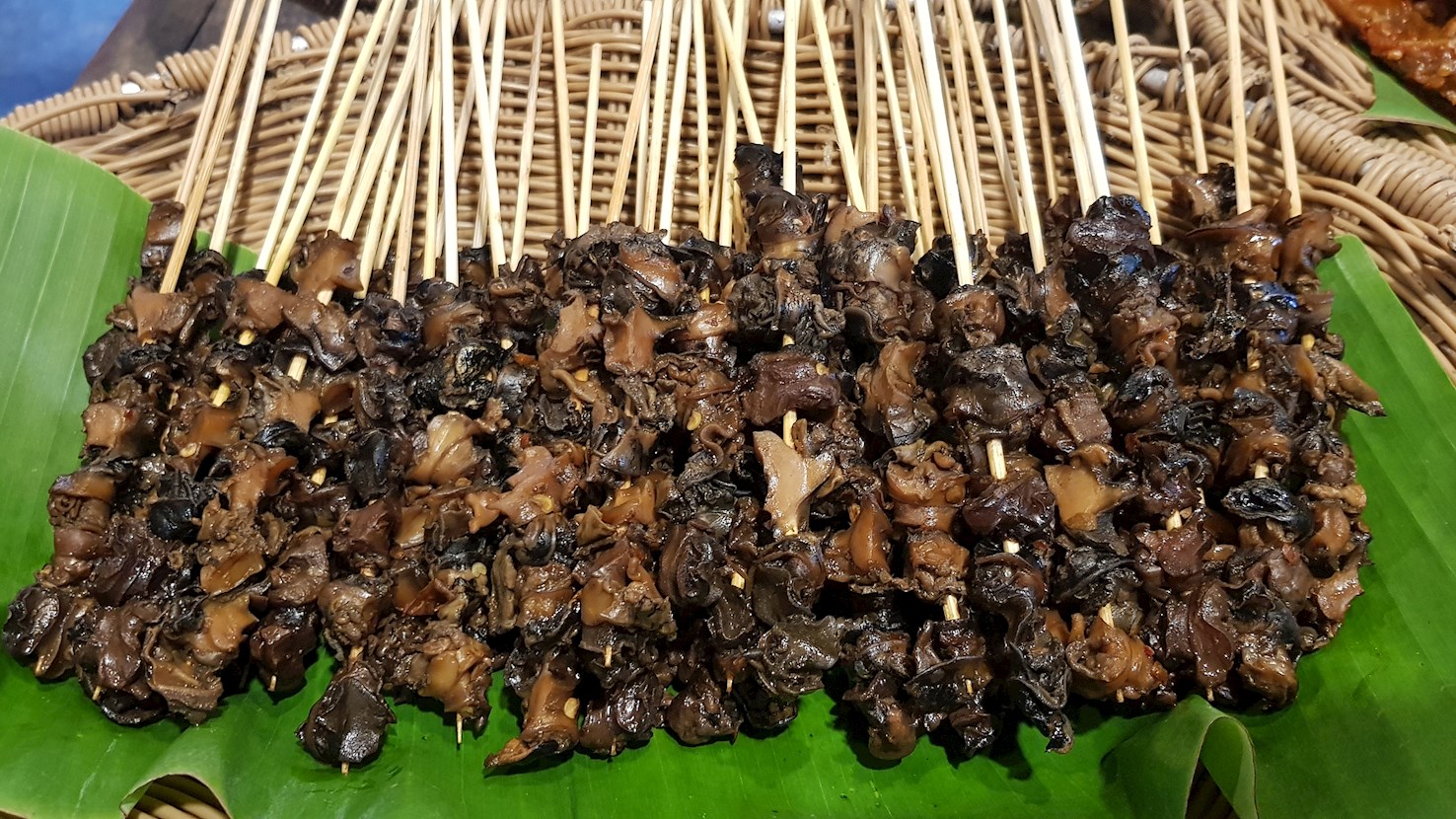
Sate kerang is an Indonesian skewered dish made with spiced and cooked mussels or clams, most famously associated with the city of Medan in North Sumatra. Unlike other types of sate that are grilled over charcoal, sate kerang is typically boiled or braised in a richly seasoned spice mixture before being skewered, resulting in a tender, flavorful bite with no need for additional grilling or sauces. Shellfish are first cleaned and then simmered in a blend of ground spices such as coriander, turmeric, galangal, lemongrass, chili, and shallots, often with the addition of coconut milk and sweet soy sauce to balance the heat with richness and a touch of sweetness. Sate kerang is commonly sold as a snack or side dish in warungs, roadside stalls, and markets, particularly in Medan, where it is often served alongside rice dishes like nasi gurih or as part of mixed platters during festive occasions. Its popularity has spread beyond North Sumatra, and it is now enjoyed in other parts of Indonesia, although it remains especially emblematic of Medan’s diverse culinary identity.
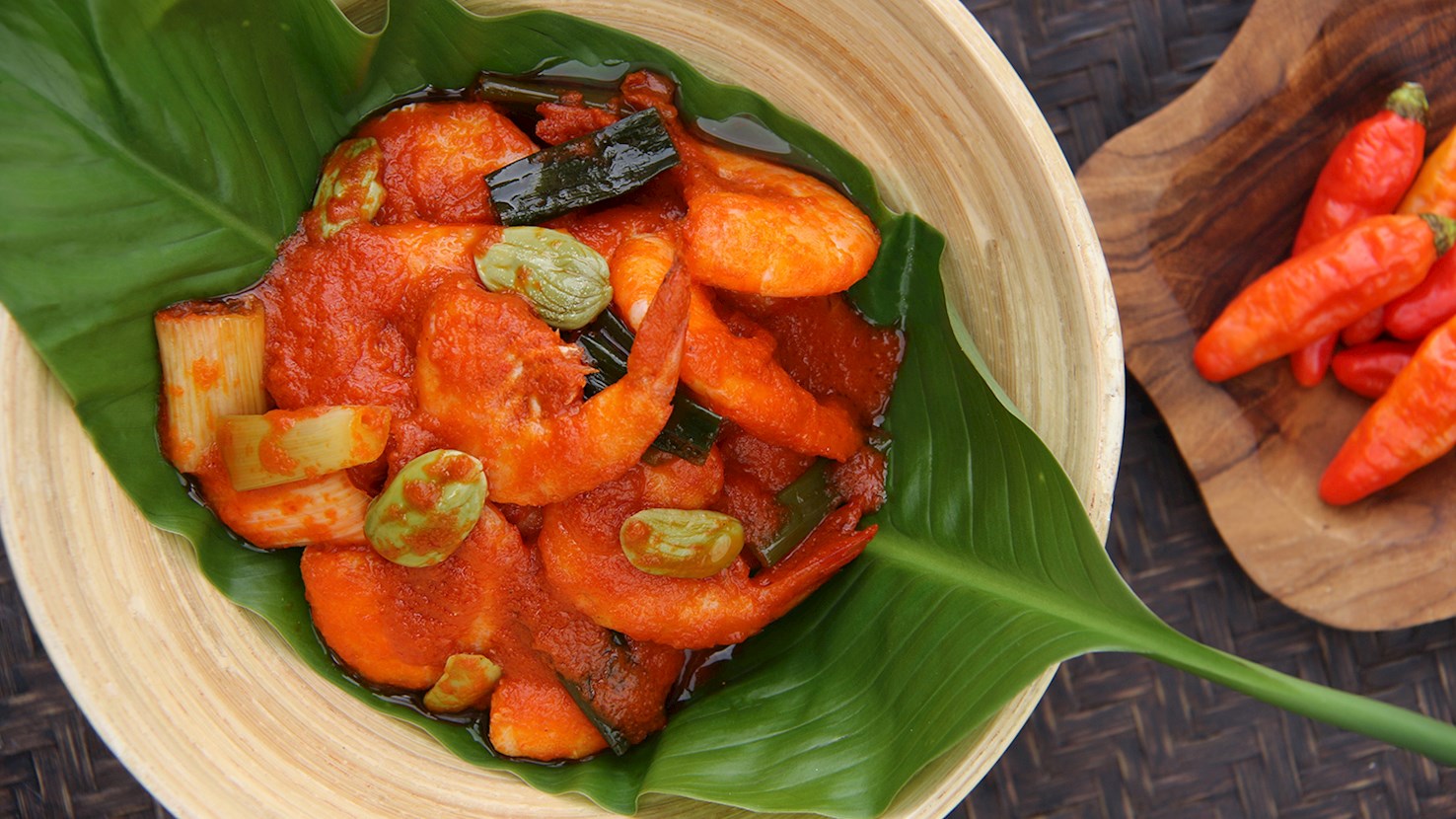
Udang balado is a chili-based shrimp dish from West Sumatra, where it is a common part of Minangkabau cuisine. It features shrimp cooked in a vibrant red chili paste known as sambal balado, which is one of the core flavor bases in West Sumatran cooking. This sambal is made by grinding or blending red chilies with shallots, garlic, tomatoes, and sometimes lime juice, then sautéing the mixture in oil until the rawness is cooked off and the sauce becomes thick and aromatic. The dish is known for its sharp, savory, and spicy character, with the chilies providing heat while the shrimp contribute a natural sweetness and briny depth. The preparation of udang balado begins by cleaning and deveining the shrimp, which are often cooked with their shells on to retain flavor. The chilies used in the sambal are typically fresh red ones, either large or small depending on the desired heat level, sometimes mixed with bird’s eye chilies for a sharper kick. The blended mixture is slowly sautéed until fragrant, at which point the shrimp are added and cooked just until tender. The cooking process is relatively fast, preserving the firm texture of the shrimp and allowing the sauce to cling tightly to each piece. Udang balado is commonly served as part of a rice-based meal, alongside other Minangkabau dishes such as rendang, gulai, or boiled cassava leaves. Like many West Sumatran foods, it emphasizes bold, straightforward flavors with minimal sweetness and no use of coconut milk, unlike some other regional Indonesian shrimp dishes. Its intensity makes it particularly appealing to those who favor spicy food, and its preparation requires no elaborate technique, making it a staple in both home kitchens and local food stalls. In Padang-style restaurants, which are widespread across Indonesia, udang balado is one of the many dishes laid out behind glass displays and served alongside rice in the hidang system, where multiple small portions are brought to the table at once. Its visibility in these settings has helped popularize the dish beyond its regional origins, and it is now a recognized part of Indonesian culinary identity. The dish also adapts well to different proteins such as eggs, anchovies, or tofu, but shrimp remains one of the most favored versions due to its firm bite and natural compatibility with the chili paste.
Arsik is an Indonesian fish dish that originates from the Batak ethnic group of North Sumatra, particularly associated with the Toba Batak people who live around Lake Toba. At its core, arsik features whole freshwater fish, typically carp, cooked in a rich, vibrant yellow sauce made from a combination of andaliman (a native Batak spice related to Sichuan pepper), turmeric, ginger, garlic, shallots, candlenuts, and fresh torch ginger fruit. These spices are blended into a paste and simmered with the fish in minimal water, creating a thick, intensely aromatic sauce that coats the fish while keeping it moist and tender. The defining ingredient in arsik is andaliman, which imparts a slightly numbing, citrusy zing that is central to Batak cooking but rare in the rest of Indonesia. This unique spice, combined with the use of torch ginger and the absence of coconut milk, results in a flavor profile that is earthy, tangy, and fiery, distinct from the sweeter, coconut-based curries more common in Javanese or Minangkabau cuisine. The fish is often cooked whole, with head and tail intact, and served as the centerpiece of ceremonial meals, family gatherings, or traditional feasts such as weddings and funerals. It is typically enjoyed with steamed rice and a variety of Batak side dishes that complement its bold flavor.
TasteAtlas food rankings are based on the ratings of the TasteAtlas audience, with a series of mechanisms that recognize real users and that ignore bot,
nationalist or local patriotic ratings, and give additional value to the ratings of users that the system recognizes as knowledgeable.
TasteAtlas Rankings should not be seen as the final global conclusion about food. Their purpose is to promote excellent local foods,
instill pride in traditional dishes, and arouse curiosity about dishes you haven’t tried.




What People Say