



shutterstock

Top 7 Neapolitan Seafood Dishes

Last updated on May 15, 2026
01

Spaghetti alle vongole

4.2 ·

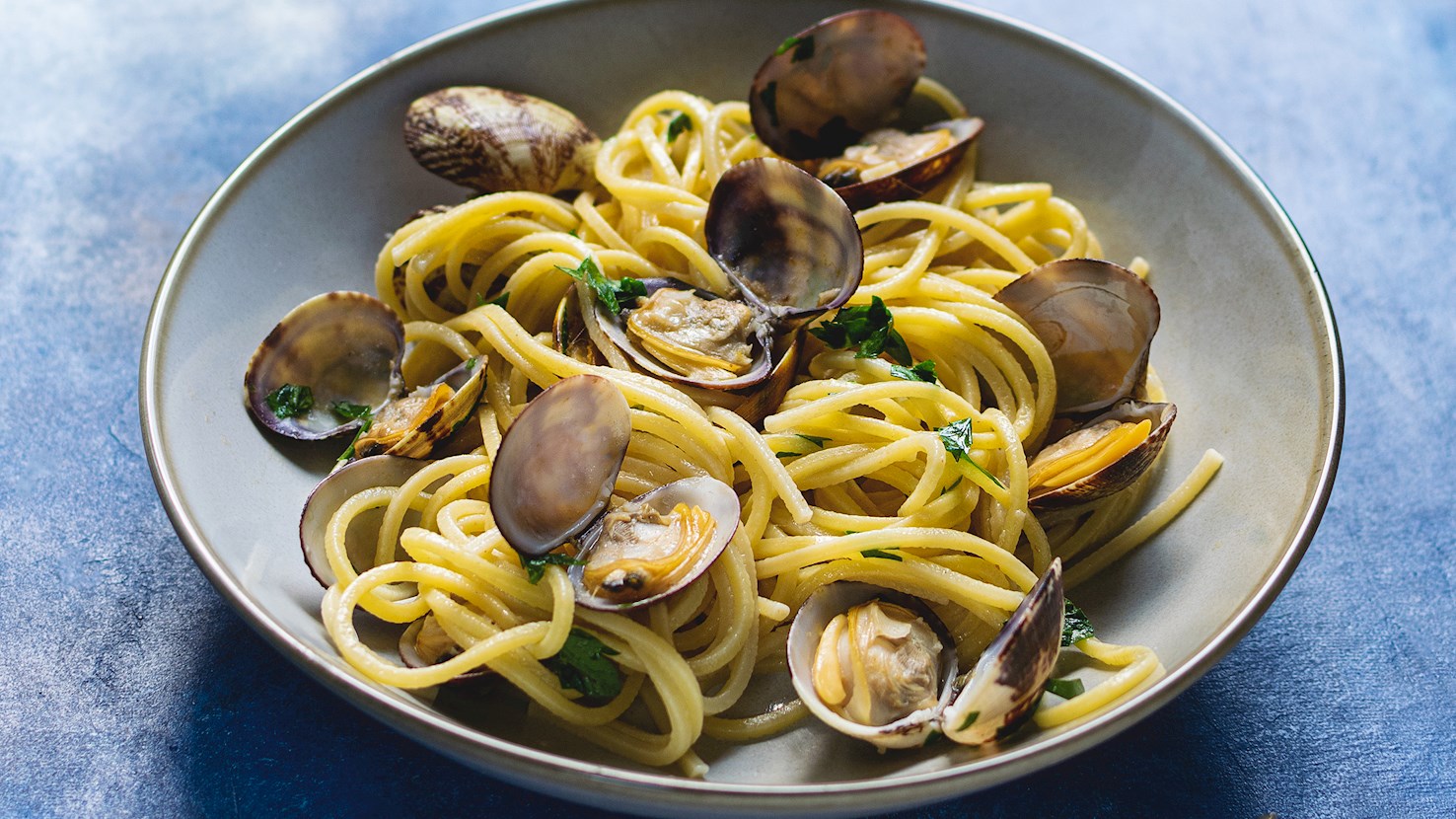
Quick and easy to prepare, yet packing some serious flavor, spaghetti alle vongole is a traditional Neapolitan dish consisting of only two key ingredients: vongole clams and pasta. However, there is a heated debate considering secondary ingredients, primarily the tomatoes. Purists adore the original dish, made without tomatoes, known as bianco version, while the others prefer a version with crushed tomatoes, or a version with a tomato sauce, known as spaghetti alle vongole con la salsa di pomodoro. Similar issues arise regarding the addition or omission of peperoncino and pepper in the dish. Regardless of these issues, everyone agrees that the pasta should be cooked al dente. Although the dish is best in the summer, when all of the ingredients are as fresh as they might be, it is also one of the most important meals of the traditional Neapolitan Christmas Eve dinner, known as Cena della vigilia di Natale.

02

Impepata di cozze

3.7 ·

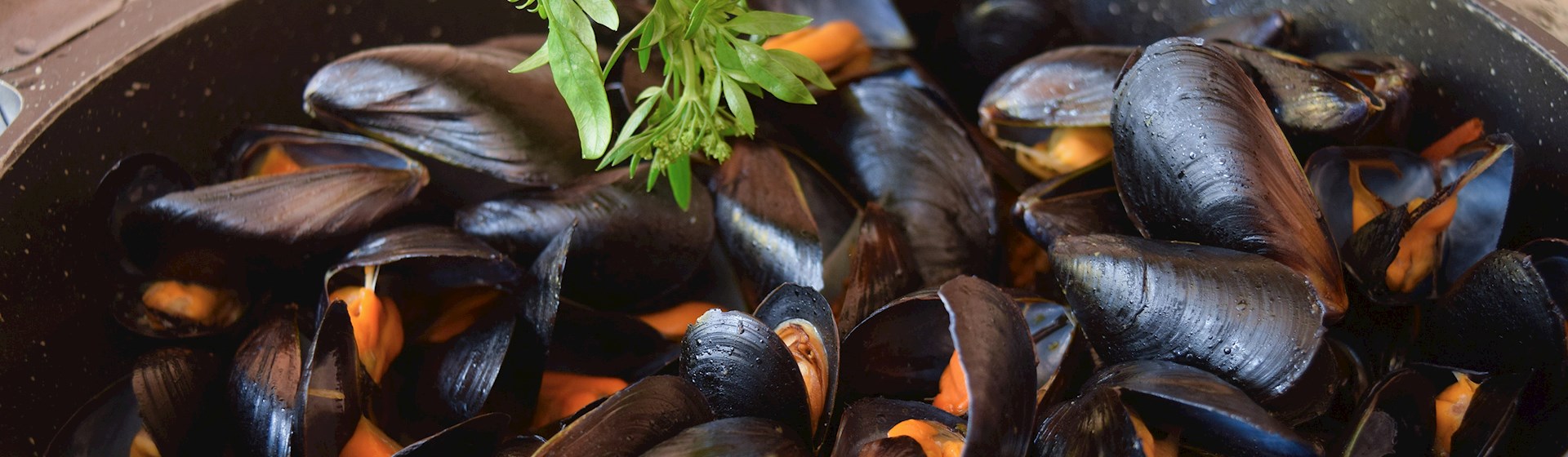
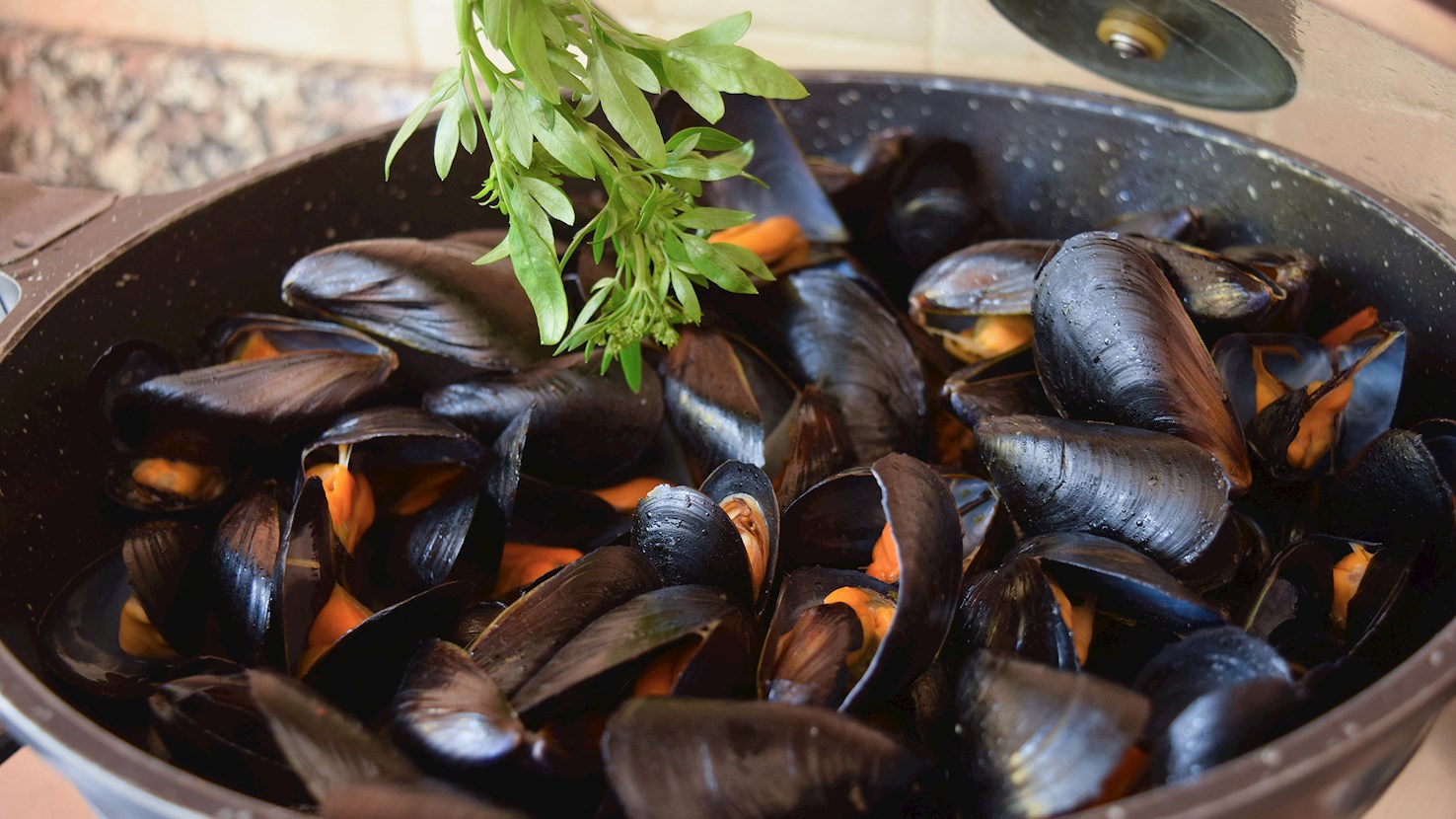
Impepata di cozze is a traditional dish originating from Naples. These Neapolitan-style mussels are usually made with a combination of mussels, garlic, hot peppers, parsley, olive oil, and lots of freshly ground black pepper. The garlic and chili peppers are sautéed in olive oil, and the mussels are then cooked in the same pan until they open up. Once done, the dish is sprinkled with parsley and black pepper, then served with lemon wedges and toasted bread slices that should be used to mop up the tasty juices. Impepata di cozze is often served as an appetizer for Sunday lunch in seaside restaurants of Campania. Interestingly, the original recipe only calls for mussels and black pepper, and everything else is just a welcome addition.

03

Acqua pazza

3.7 ·

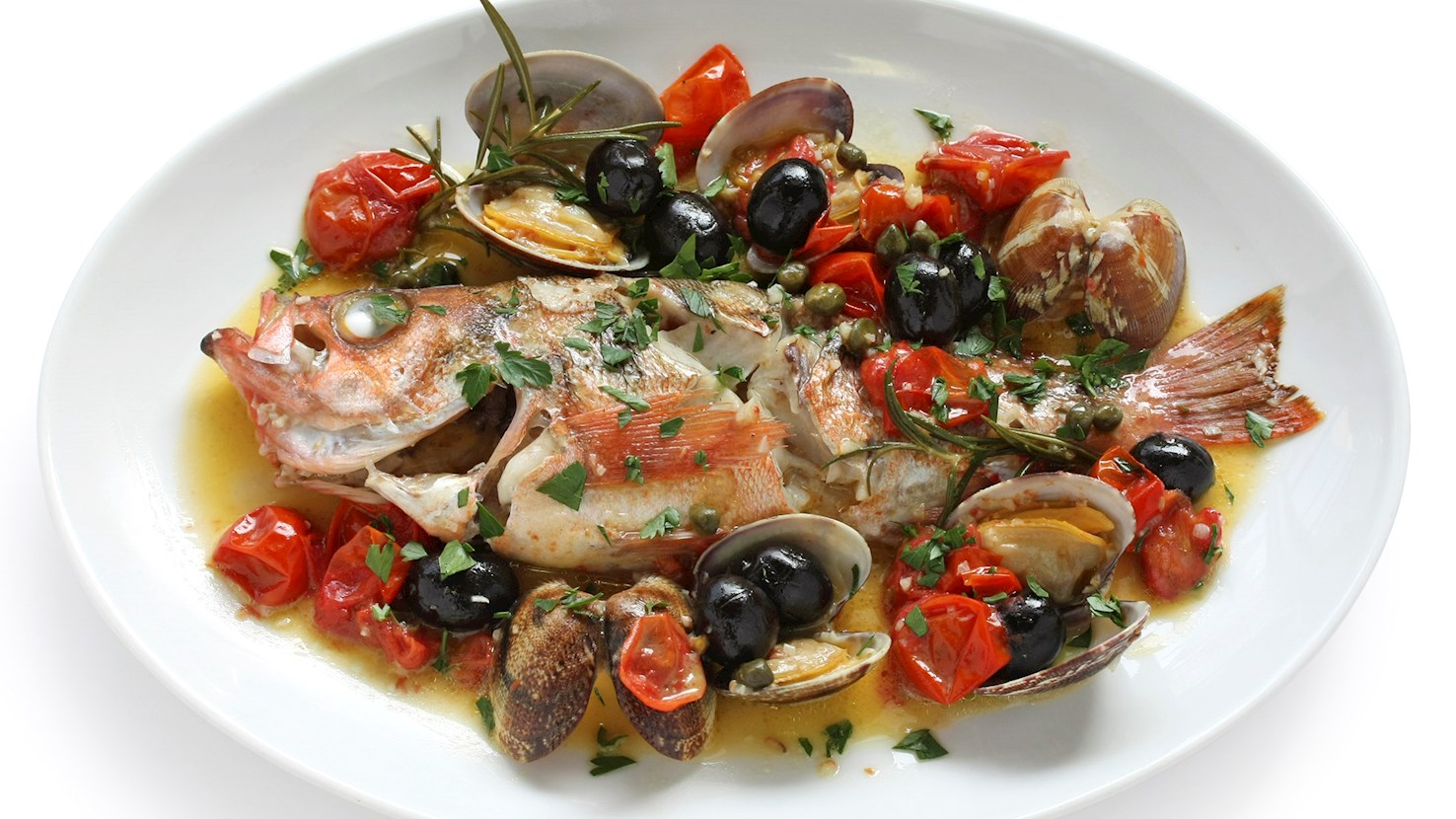
One of Italian classics, acqua pazza (lit. crazy water) is a traditional Neapolitan way of poaching fish whose origins date back to the Middle Ages. Originally, because of the high duty on salt which was back then an unavailable commodity, the local fishermen used to prepare acqua pazza by poaching the day's catch in seawater. This simple broth was flavored merely with some olive oil and tomatoes if they were at hand. Over time, the recipe has evolved, and acqua pazza became a much sought after dish all along the Italian coast, especially popular with tourists on the island of Capri during the 1960s. Today, aside from various white fish such as bass, cod, perch, and halibut, the ingredients used to make this light, yet filling soup typically include pomodorini or cherry tomatoes, fennel, olives, peppers, celery, carrots, and sometimes even capers. Flavored with olive oil, white wine, garlic, and parsley, the delicious broth is spooned over the fish. Acqua pazza was once a poor man's staple but nowadays goes a long way when dipped with bread and paired with some light Italian white wines.

04

Pasta e fagioli con cozze

3.4 ·

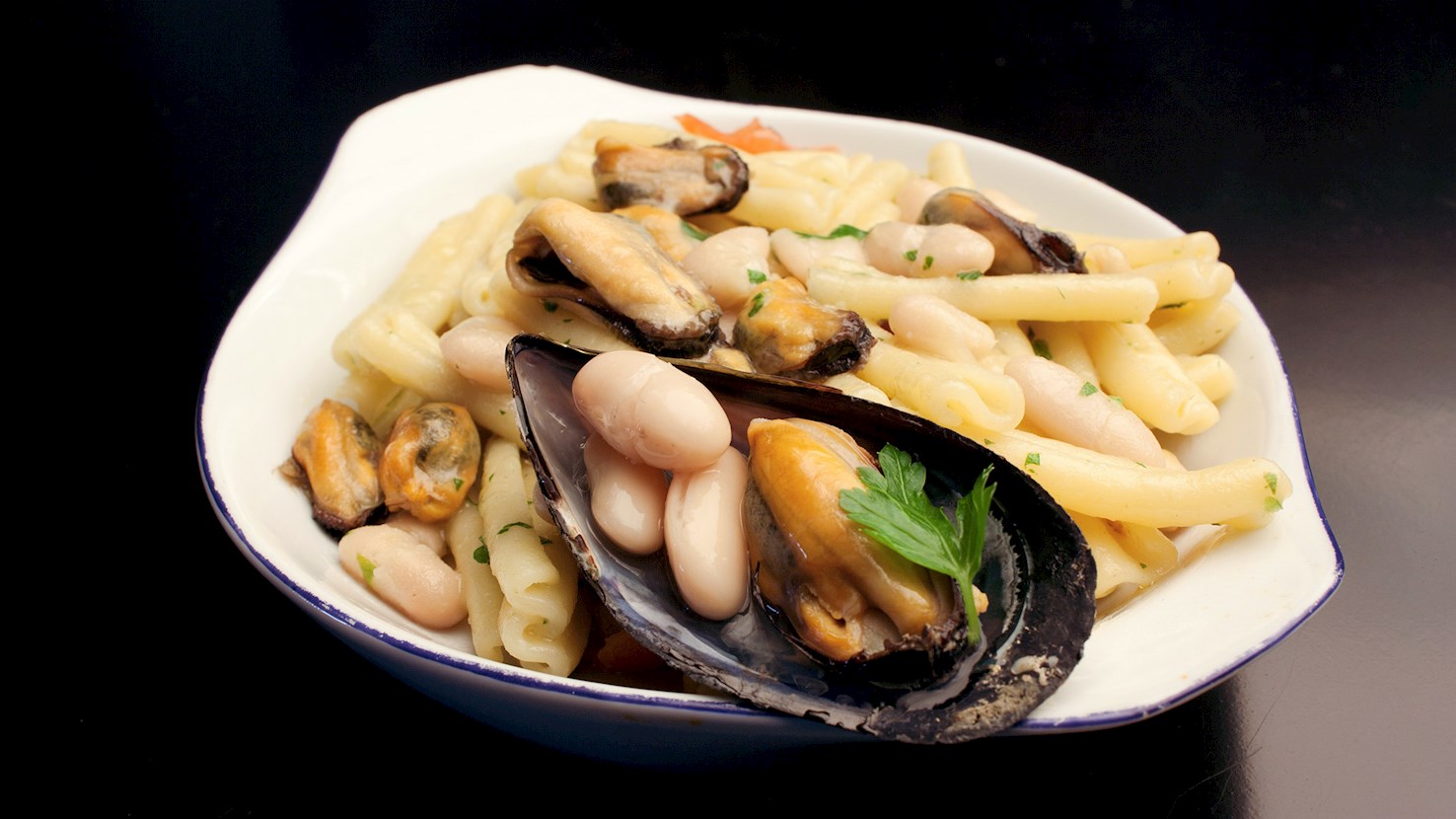
This Italian specialty is the Neapolitan version of the classic peasant dish called pasta e fagioli or pasta with beans. It is the addition of mussels (cozze in Italian), the liquid in which they’ve been cooking, and the simple combination of pasta and beans that sets this variation apart from a plethora of regional variations on the dish. Pasta e fagioli con cozze typically consists of mixed pasta or ditalini pasta, white cannellini beans (also borlotti or cranberry beans), mussels and their cooking liquid, garlic, white wine, olive oil, peperoncino or chili flakes, tomatoes, herbs, and seasonings. Traditionally, the dish is characterized by a thick and creamy consistency, although it may sometimes be a bit more on the soupy side. Often flavored with diced pancetta, this specialty is typically associated with the cuisine of the villages of the Sorrento peninsula. The pasta is usually enjoyed as a primo piatto (first course) and it's typically garnished with freshly chopped parsley, mussel shells, and a drizzle of extra virgin olive oil.

05

Polpo alla luciana

n/a ·

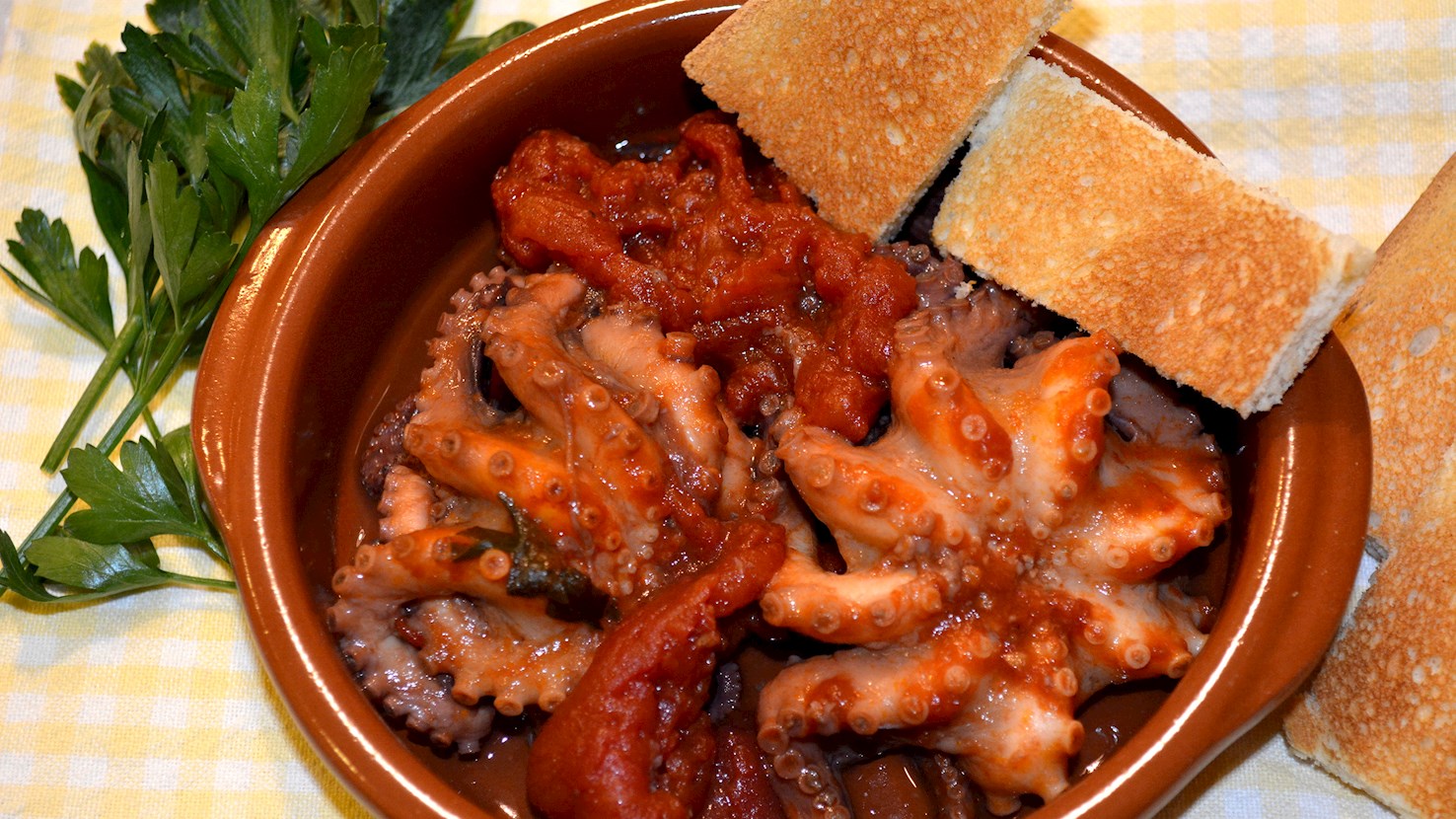
Polpo alla luciana is a traditional dish originating from the district of Santa Lucia in Naples. The dish is made with a combination of octopus, tomatoes, garlic, parsley, lemon juice, hot peppers, red chili flakes, olive oil, salt, and pepper. The octopus is washed, cleaned, and placed into a deep earthenware pot with tomatoes, olive oil, chili peppers, garlic, parsley, salt, and pepper. The pot is covered and the dish is simmered for about two hours over low heat. Once done, the octopus is left in the covered pot to cool down, and it's then served straight out of the pot – each person gets a piece, and the dish is seasoned with some chili flakes and a few drops of lemon juice.

06

Impepata di cozze con pomodoro

n/a ·

Impepata di cozze con pomodoro is a traditional dish that combines mussels (cozze) with tomatoes (pomodoro) in a flavorful and aromatic preparation. Originating from the southern regions of Italy, particularly Naples, this dish is a variation of the classic "impepata di cozze", which typically features mussels cooked in a simple broth of garlic, olive oil, white wine, and plenty of black pepper (pepe). The version with tomatoes introduces an additional layer of richness and acidity from the tomatoes, giving the dish a heartier and more robust flavor. The broth created from the mussels, tomatoes, and seasonings becomes a delicious sauce that is often enjoyed with crusty bread to soak up the flavorful liquid.

07

Spaghetti con polipetti alla napoletana

n/a ·

Spaghetti con i polipetti alla napoletana is a deeply traditional seafood pasta dish rooted in the seafaring culture of Naples, where simplicity meets bold, marine flavor. This preparation is a pasta-based evolution of the revered "polpo alla Luciana", a centuries-old recipe named after the fishermen (luciani) of the Santa Lucia district. In this variation, baby octopus (polipetti) are gently cooked in extra virgin olive oil, garlic, and peeled tomatoes, rather than cherry tomatoes used in the classic. The sauce simmers just long enough to render the octopus tender, infusing the tomato base with its characteristic ocean brininess. The result is a rich, velvety condiment that clings beautifully to al dente spaghetti. Finished with freshly chopped parsley and a sprinkle of black pepper or chili flakes, this dish embodies the essence of Neapolitan cucina povera—humble ingredients elevated through patience, technique, and tradition.

Read more
View all
View map
About this ranking

TasteAtlas food rankings are based on the ratings of the TasteAtlas audience, with a series of mechanisms that recognize real users and that ignore bot, nationalist or local patriotic ratings, and give additional value to the ratings of users that the system recognizes as knowledgeable. For the “Top 7 Neapolitan Seafood Dishes” list until May 15, 2026, 584 ratings were recorded, of which 444 were recognized by the system as legitimate. TasteAtlas Rankings should not be seen as the final global conclusion about food. Their purpose is to promote excellent local foods, instill pride in traditional dishes, and arouse curiosity about dishes you haven’t tried.

Similar lists