


shutterstock

Top 14 Norwegian Seafood Dishes

Last updated on June 15, 2026
01

Salmon sushi

4.4 ·

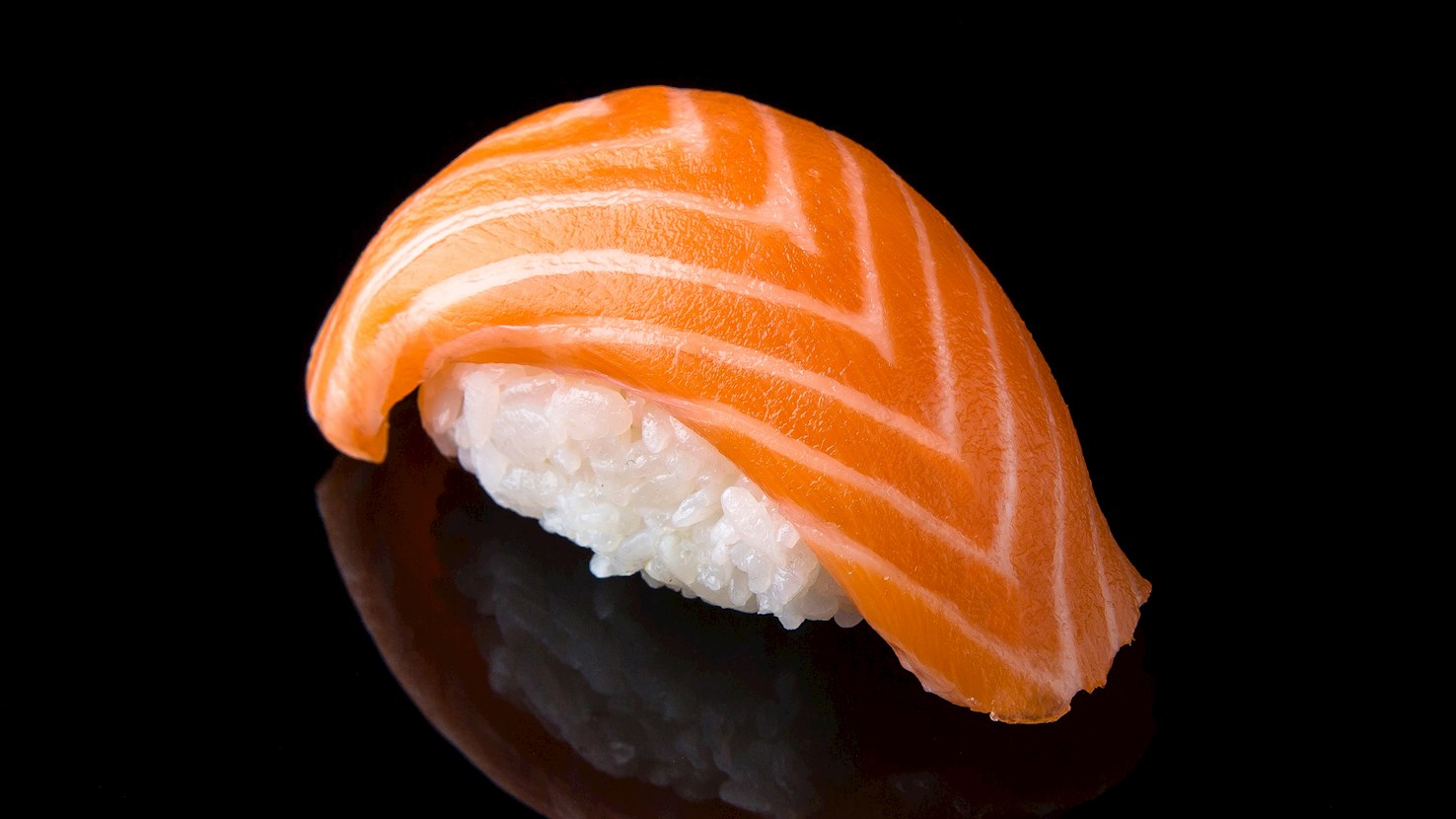
Sake nigiri sushi is a Japanese type of nigiri sushi, with origins in Norway. It consists of hand-pressed sushi rice that's topped with slices of salmon. The dish has a soft texture and a clean finish that makes it good for sushi newcomers, although the flavor can be a bit fishier than maguro (tuna) nigiri sushi. Traditionally, this type of sushi is eaten by hand in a single bite. It's usually accompanied by soy sauce, wasabi, or pickled ginger (gari) on the side.

02

Gravlaks

4.4 ·

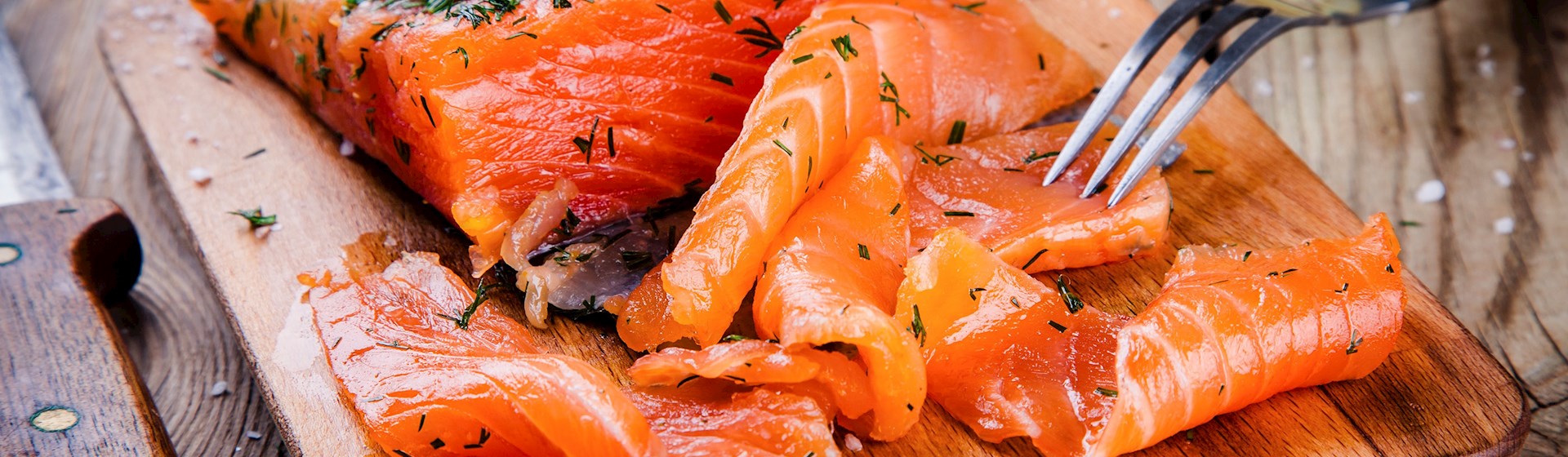
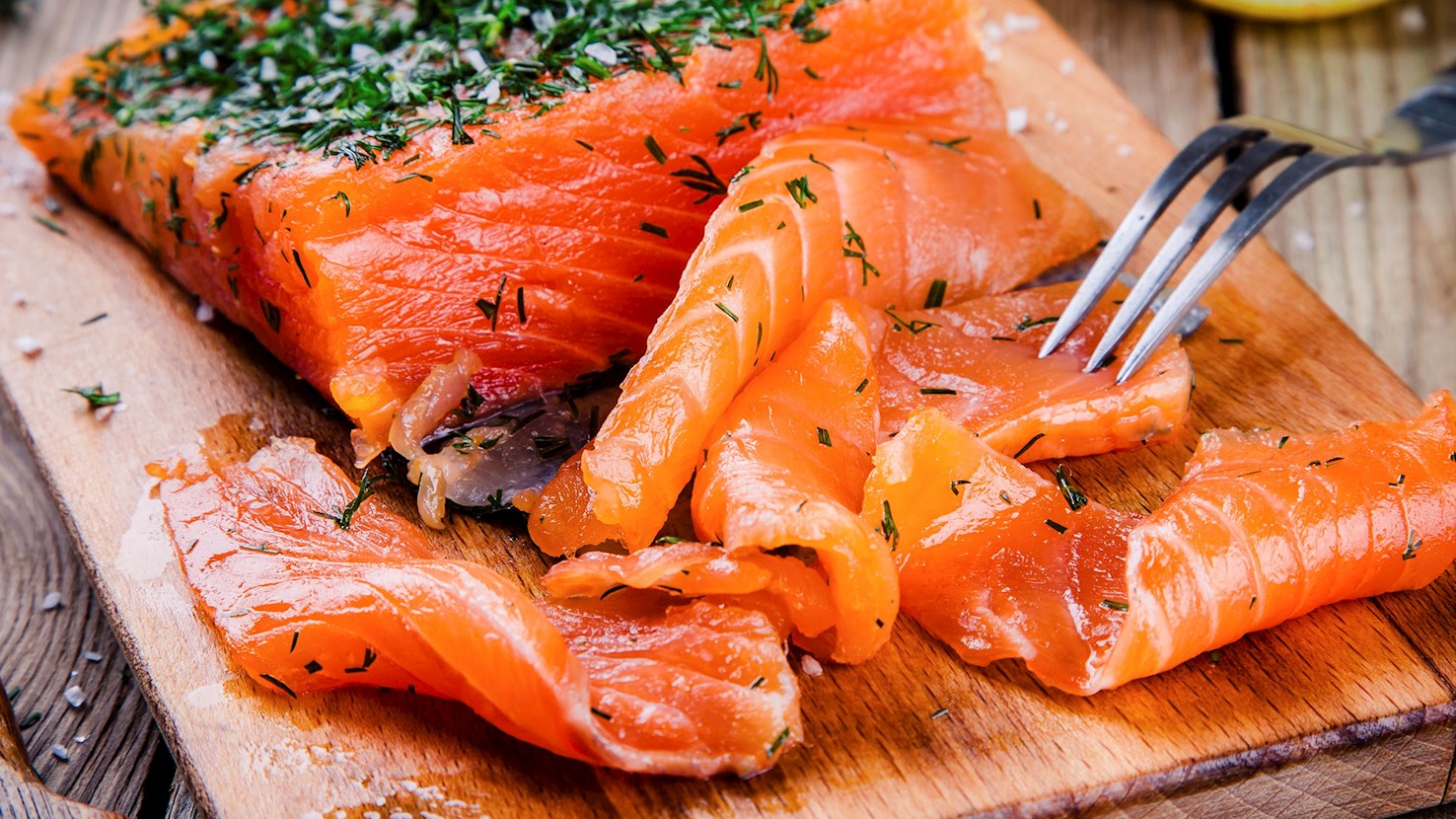
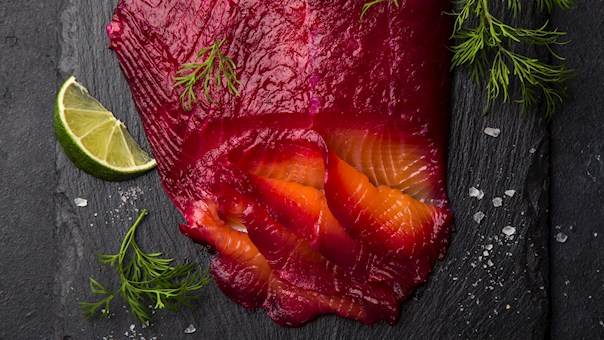
Gravlax is a Scandinavian dish consisting of raw, salt-cured salmon that is traditionally seasoned with dill. Originally, the dish was made by fishermen who used to bury the salt, sugar, and dill-rubbed salmon above the line of high tide and leave it to ferment. At the time, it was characterized by its pungent flavor and odor, but today, gravlax is cured under refrigeration. The name gravlax comes from a combination of two words, grav, meaning buried, and lax, meaning salmon, referring to the original method of production. This delicacy is usually thinly sliced and served as an appetizer. It pairs well with crackers and pickled vegetables, but it can also be used as a stuffing for bagel sandwiches.

03

Fiskesuppe

3.8 ·

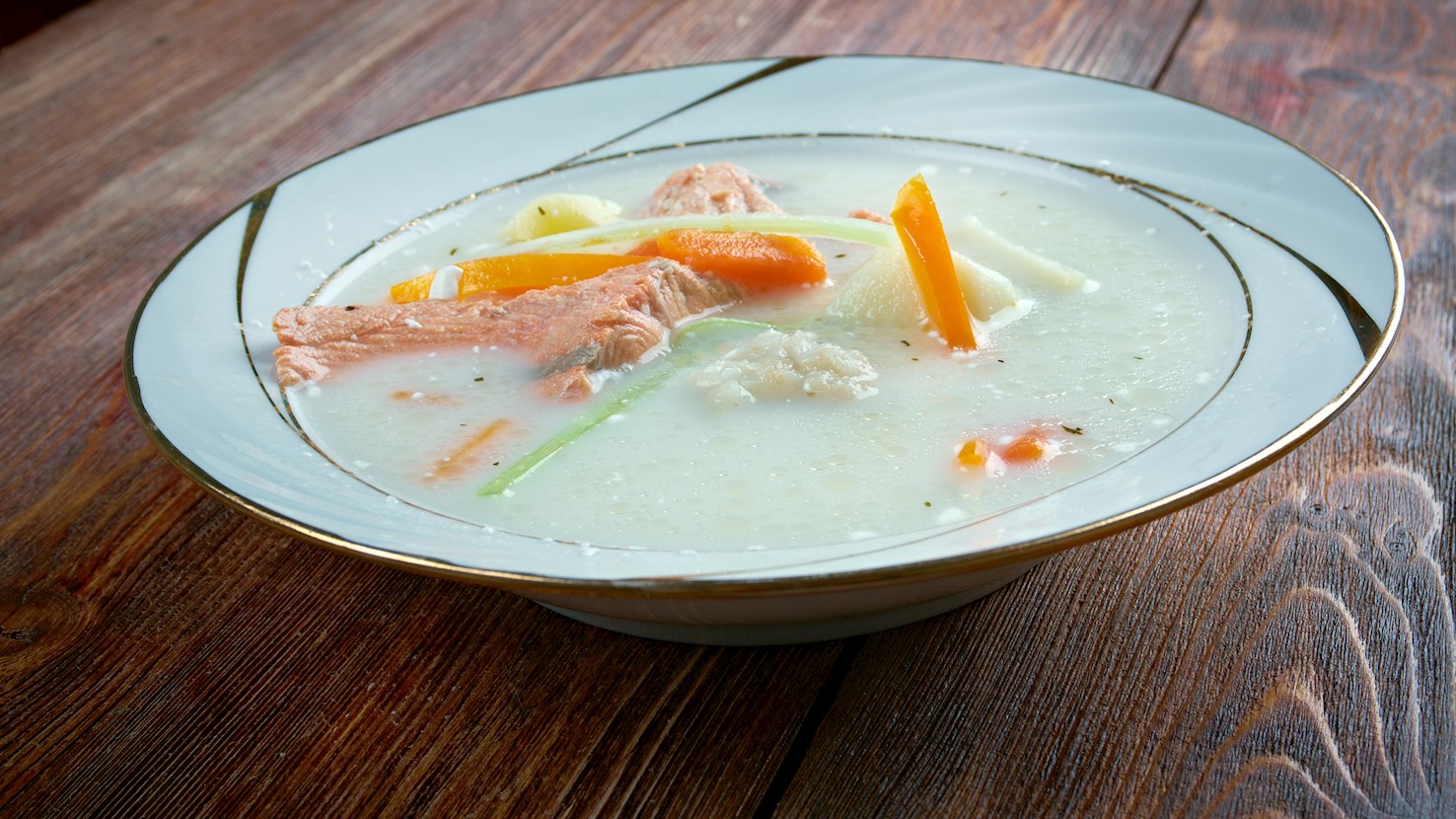
Fiskesuppe is a popular Norwegian fish soup characterized by its creamy texture and buttery flavor. This comforting dish appears in many regional and seasonal versions, but it usually consists of various types of fish, shellfish, and root vegetables, cooked in a rich broth with butter, milk, and cream. Even though it is native to Norwegian coastal areas, this hearty, chowder-like soup is considered to be a national specialty which is prepared and consumed throughout the country. Before serving, it is seasoned with a variety of fresh herbs and a drizzle of tangy lemon juice. Fiskesuppe is enjoyed as an appetizer and is usually accompanied with crispy slices of buttered bread.

04

Sild og poteter (Herring and Potatoes)

3.8 ·

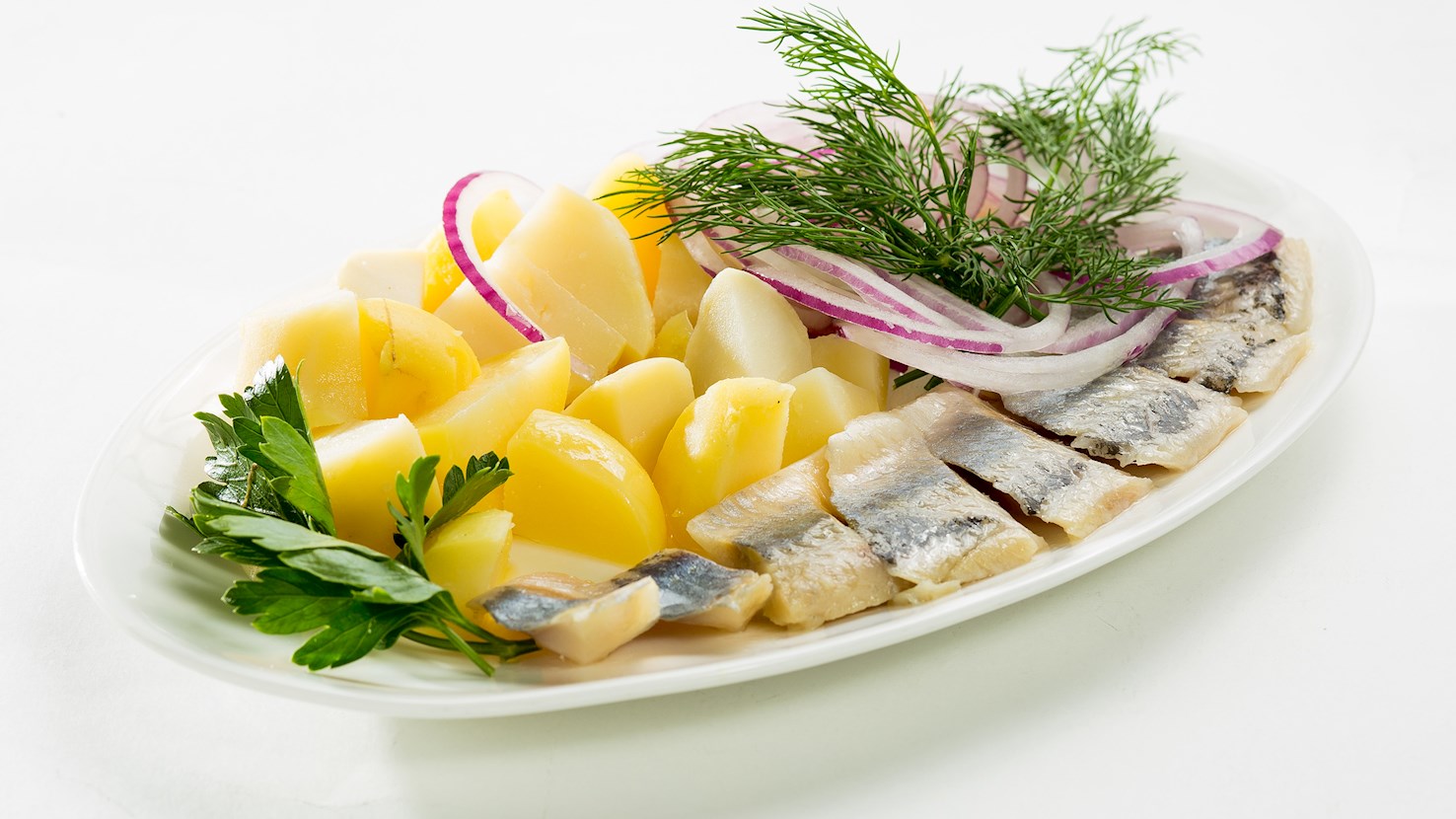
Sild og poteter is a traditional dish originating from Norway. The dish is usually made with a combination of herring fillets, potatoes, pickled and sliced beets, onions, butter, dill, and sour cream. The herring fillets are placed on a platter and garnished with sliced beets and sliced onions. The combination is topped with sour cream and dill sprigs, and it's then served accompanied by boiled buttered potatoes sprinkled with dill. The dish is especially popular during summer.

05

Stekt fisk

3.7 ·

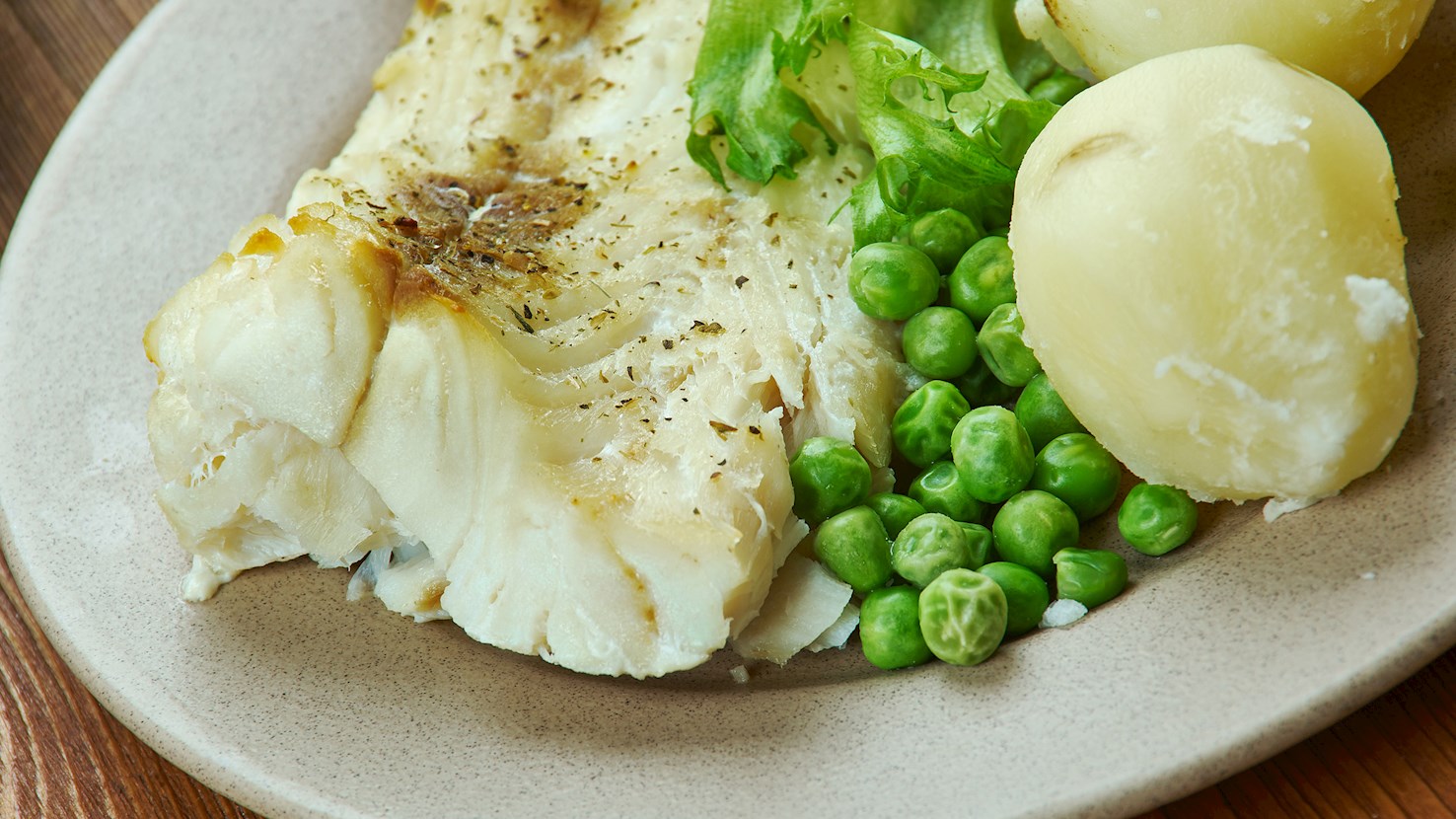
Stekt fisk is a traditional fish specialty that is made by braising seasoned and floured fish fillets in melted butter. Although it usually features smaller fish varieties, this dish can be prepared with various types of fish. With a slightly crispy crust on the outside, the tender pieces of fish are typically drizzled with the braising sauce before serving, and they are usually paired with some creamed peas or creamed carrots and boiled potatoes on the side.

06

Sursild (Pickled Herring)

3.5 ·

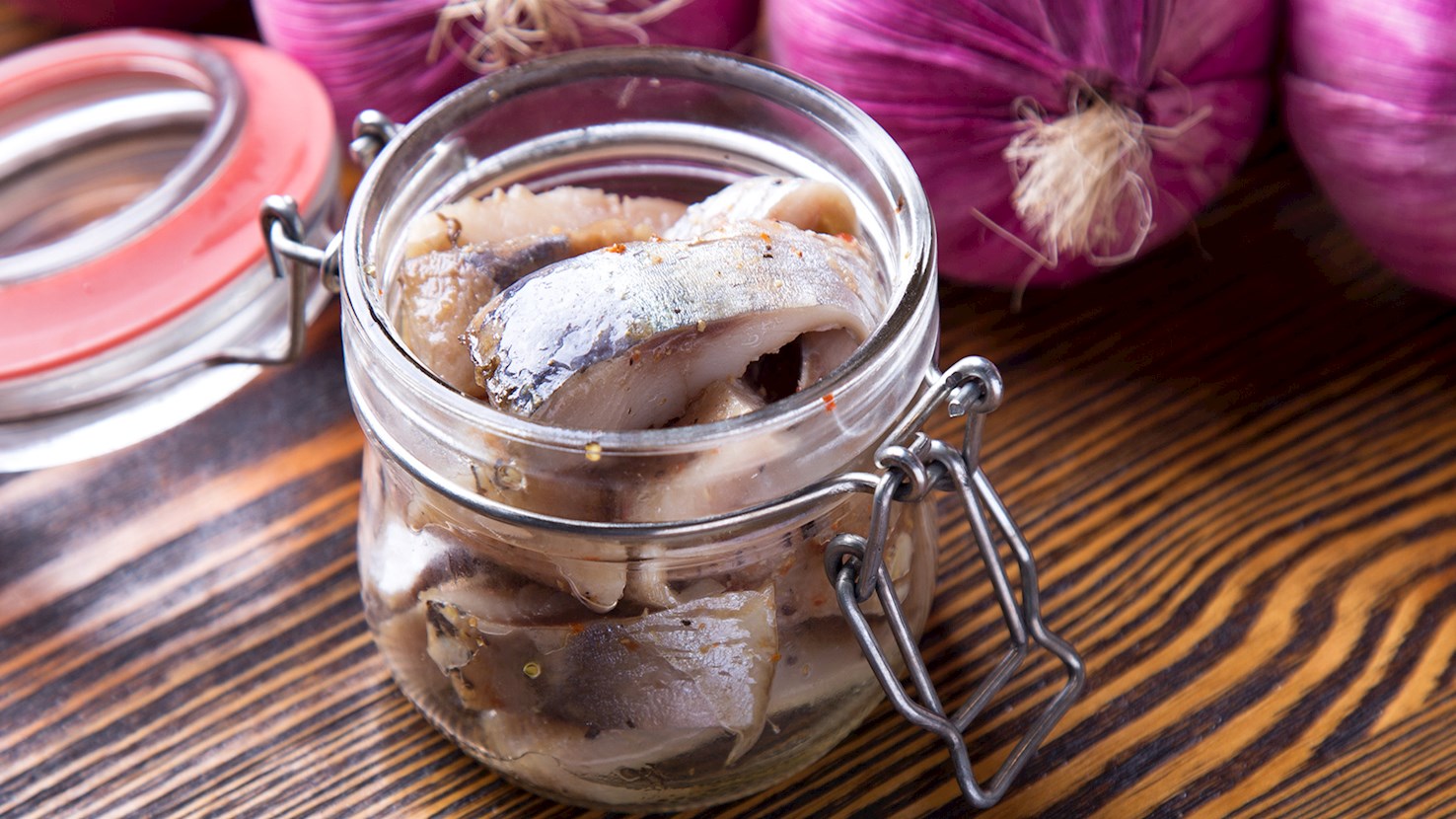
Sursild is a Norwegian pickled fish delicacy that is traditionally consumed during the winter holiday season, particularly on Christmas. The dish is usually made by combining slices of salted herring, onion slices, and a variety of spices such as allspice, black peppercorns, and mustard seeds in a jar, which is then filled with a boiled vinegar-based mixture. A common breakfast meal, the pickled fish is usually consumed with slices of fresh bread, smeared with butter, and topped with onion slices, or with a side of boiled potatoes as a part of a large dinner. In Norway, jars of pre-made pickled herrings are also sold in numerous supermarkets in the country.

07

Bergensk fiskesuppe

3.4 ·

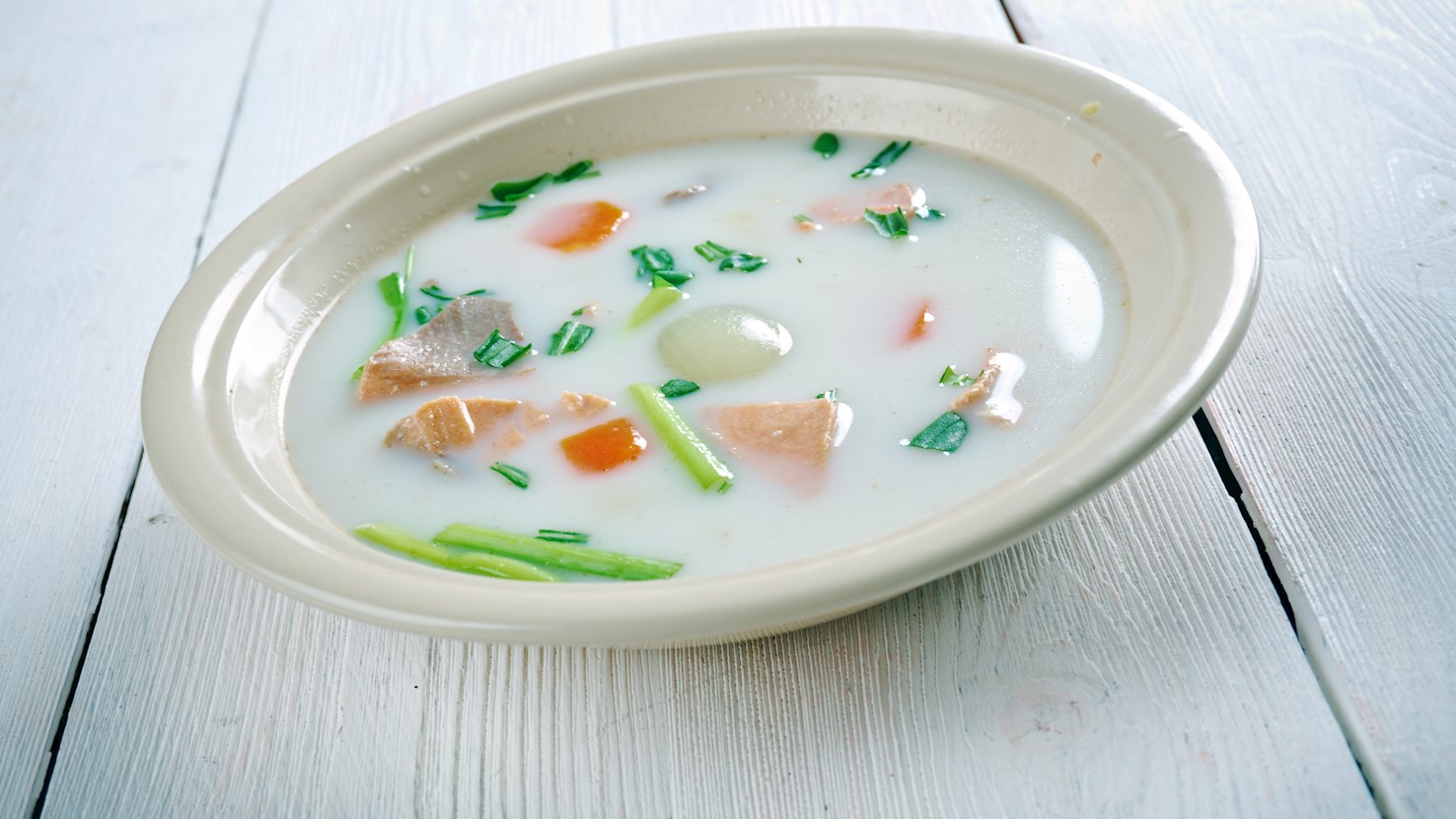
Bergensk fiskesuppe is a traditional fish soup originating from Bergen. Although there's an ongoing debate about what should be in the soup, it often contains pollock or salmon, pickled purslane, vegetables such as onions, carrots, leeks, and celery, sour cream, vinegar, salt, pepper, sugar, and traditionally, but rarely in practice - the bones of young saithe. Alternatively, the bones of haddock or cod are also acceptable for making the fish stock. Fish balls are sometimes also added to the soup. Before serving, Bergen fish soup is topped with a dollop of sour cream. If desired, garnish the soup with chives and serve it with crusty bread on the side.

08

Persetorsk

3.1 ·

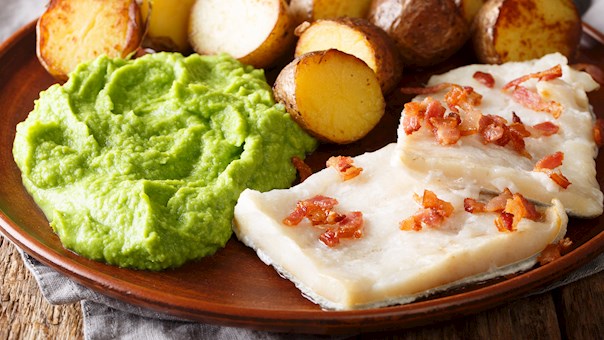
Persetorsk is a traditional fish dish originating from Bergen. The dish is usually made with a combination of cod, sugar, salt, dill, bacon, and a sauce consisting of shallots, green peas, crème fraîche, vinegar, and dill. The cod is pressed for a long time in a solution of sugar and salt, and the fish is then cut into pieces and fried in bacon fat until the skin becomes crispy. The fried pieces of cod are served on a plate and the sauce is poured over it. The dish is traditionally served with munavoi, a mixture of hard-boiled eggs and butter.

Best restaurants
09

Plukkfisk

2.9 ·

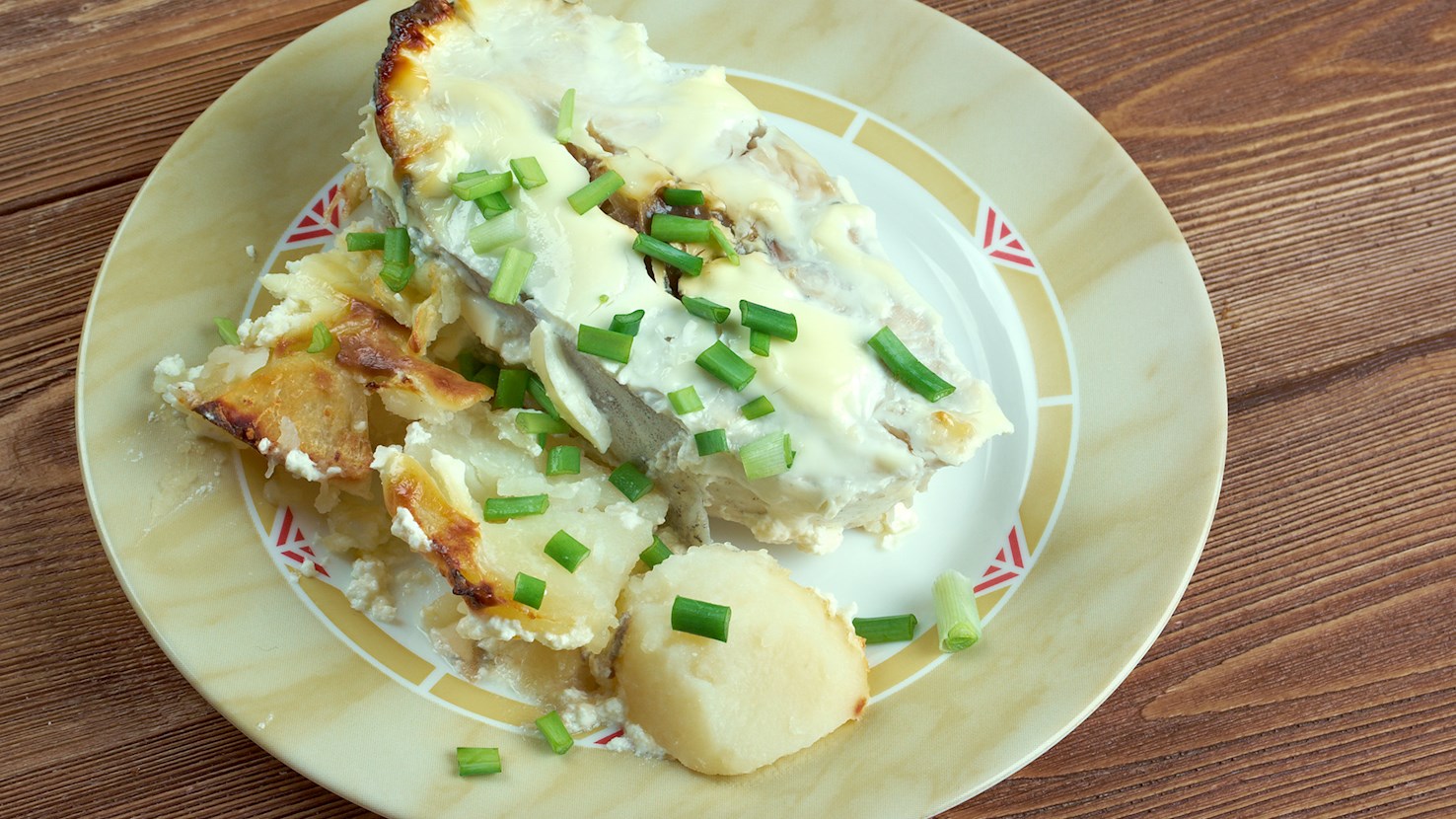
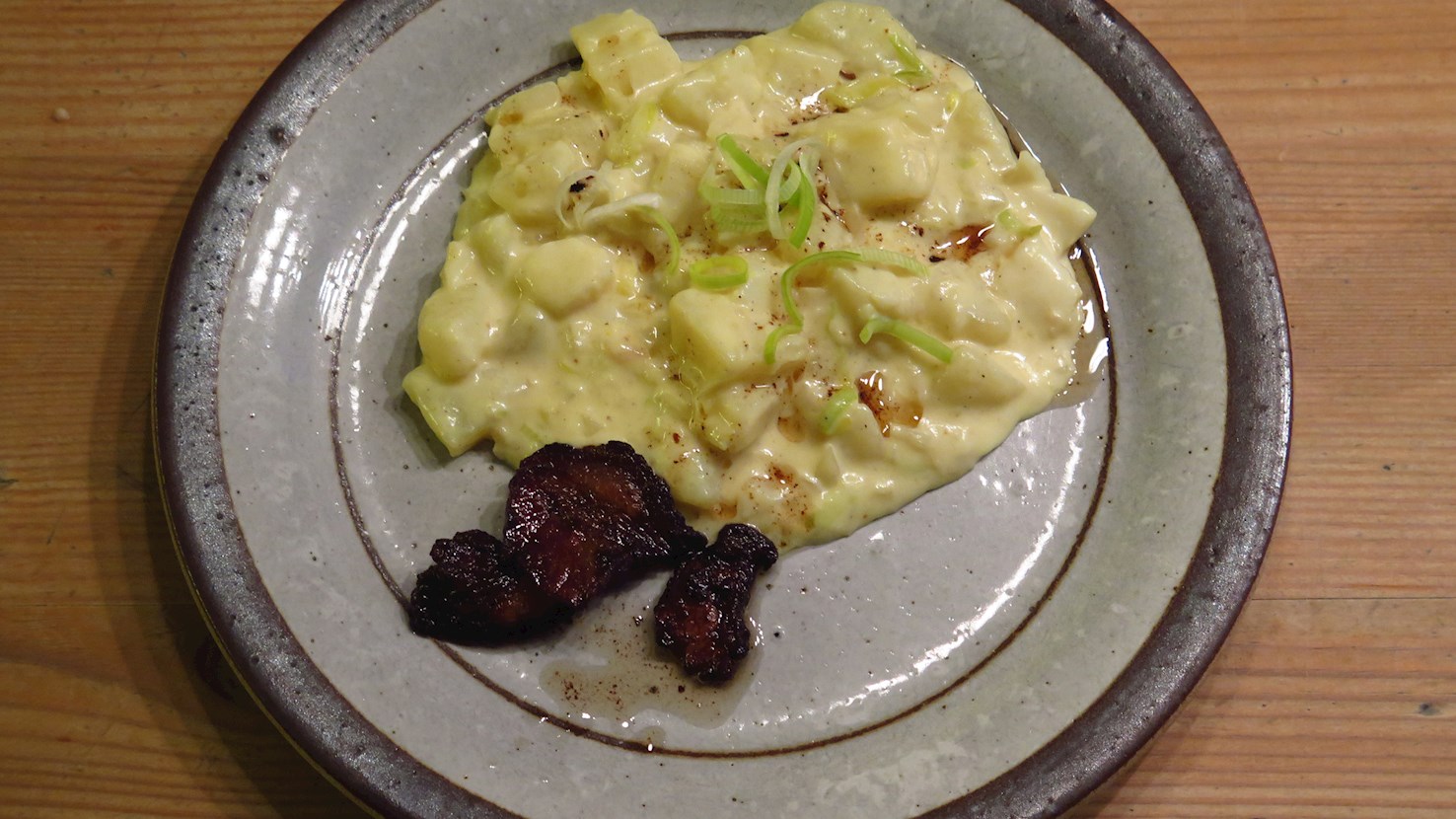
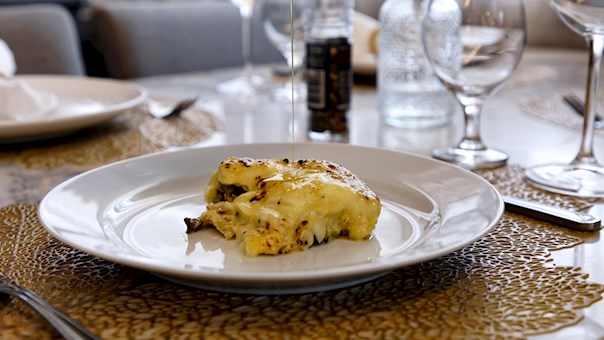
Plukkfisk is a traditional fish dish originating from Norway and it's especially popular in coastal settlements of Western Norway. The dish consists of potatoes, pieces of fish, and onions cooked in a bechamel sauce. Cod is traditionally used, but some people like to use pollock instead. There are many variations on the dish, but it's usually made with a combination of cod, potatoes, onions, leeks, chives, butter, salt, white pepper, bacon slices, and bechamel sauce (butter, flour, milk, nutmeg, salt, and pepper). Once done, plukkfisk is often topped with crispy bacon, and the dish is served with a flatbread on the side. Before serving, plukkfisk is typically garnished with chopped chives and pickled leeks.

10

Fiskeboller

2.8 ·

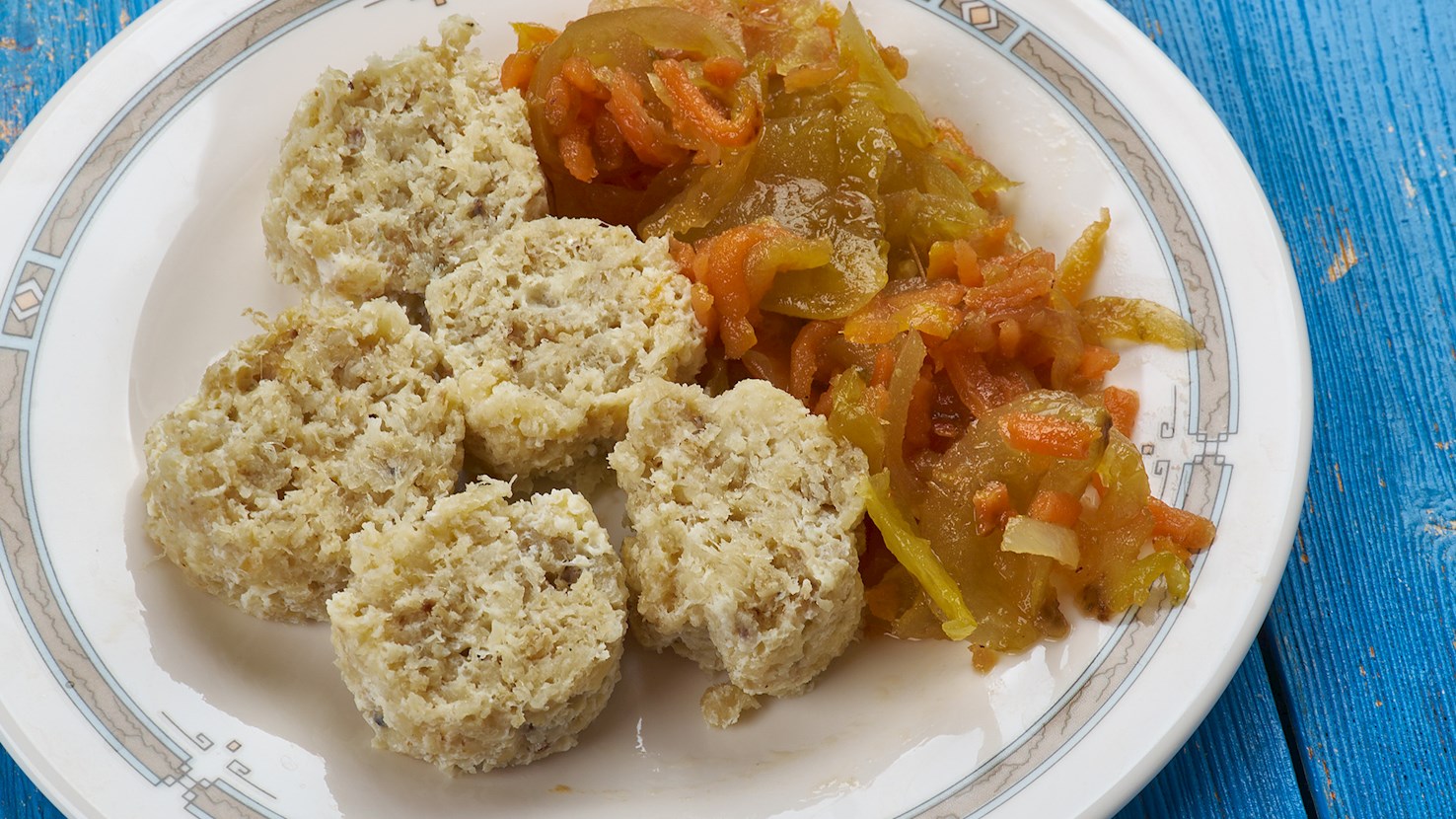
Fiskeboller, literally meaning fish balls, is a classic Norwegian dish made from minced white fish, flour, eggs, and milk. A hearty dinner staple for most Norwegians, fiskeboller are typically served in thick white sauce along with steamed vegetables, usually carrots, and boiled potatoes. Since they resemble dumplings, they are also commonly referred to as fish dumplings and are typically made from cod, haddock, or pollock. Eaten on their own, the fish balls have a very mild, almost bland taste, which is why a favored version calls for the addition of curry powder and shrimp to the plain béchamel sauce for an exotic twist to the dish and a more pleasing flavor. Fiskeboller can also be added to fish soups and stews. They can either be made from scratch or bought fresh or ready to eat in canned and tinned versions available in supermarkets throughout Norway. In fact, the Norwegian fiskeboller brand Vesteraalens has been producing more than a million cans of this national culinary delight annually, for over 100 years now.

Read more
View all
View map
About this ranking

TasteAtlas food rankings are based on the ratings of the TasteAtlas audience, with a series of mechanisms that recognize real users and that ignore bot, nationalist or local patriotic ratings, and give additional value to the ratings of users that the system recognizes as knowledgeable. For the “Top 14 Norwegian Seafood Dishes” list until June 15, 2026, 883 ratings were recorded, of which 769 were recognized by the system as legitimate. TasteAtlas Rankings should not be seen as the final global conclusion about food. Their purpose is to promote excellent local foods, instill pride in traditional dishes, and arouse curiosity about dishes you haven’t tried.

Similar lists