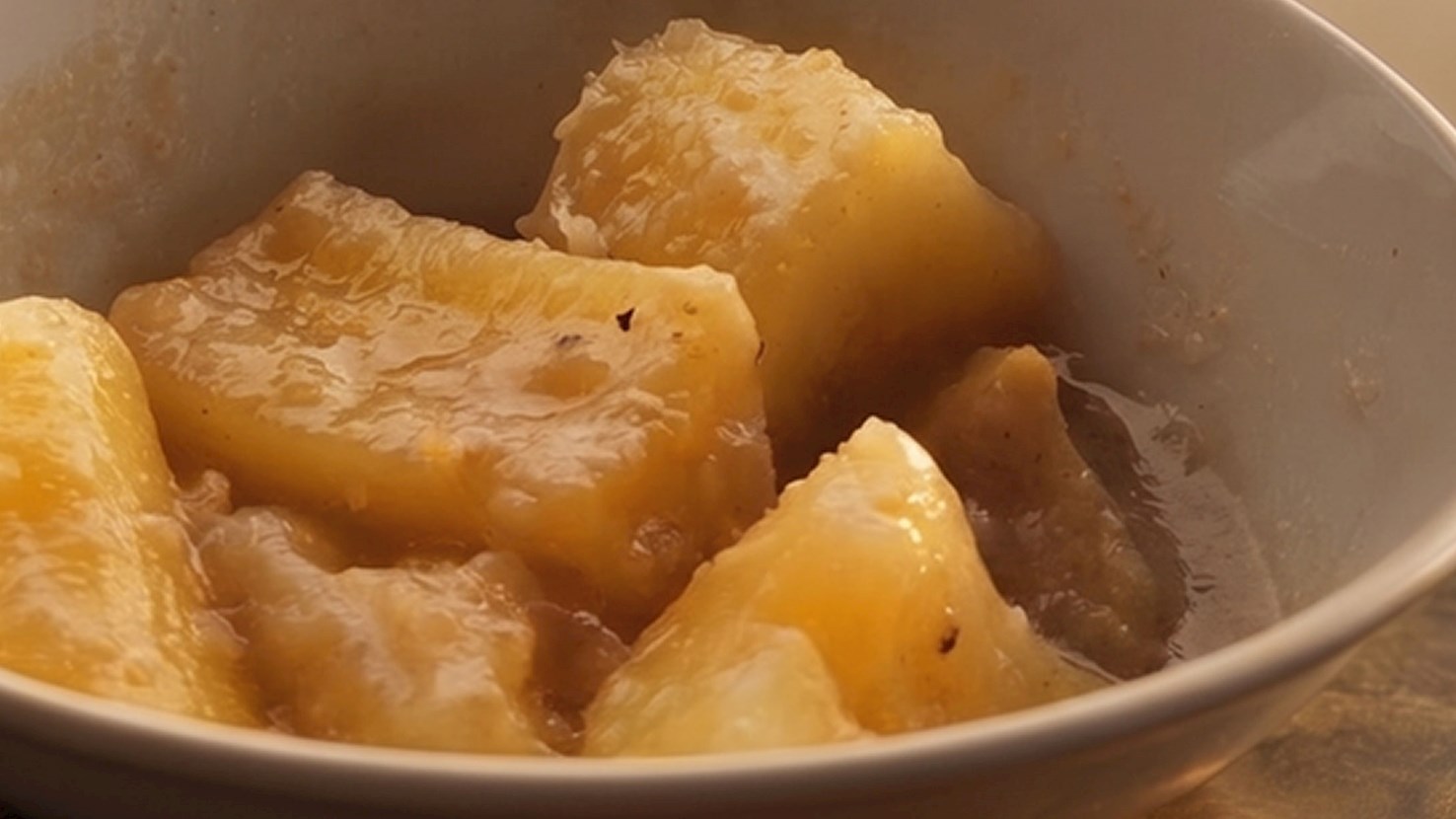
Ladob is a versatile stew from the Seychelles that serves as either a sweet, creamy dessert or a savory main course, made by simmering starchy root vegetables and fruits in rich coconut milk. The origins of this meal trace directly back to the late 18th century, when French planters and enslaved African and Malagasy laborers first settled the previously uninhabited islands. Facing a complete lack of imported European goods, these early communities relied exclusively on the volcanic soil's abundant tropical crops and the massive surrounding coconut groves for daily sustenance. The cooking method itself stems from the French daube, a slow-simmering stewing technique, adapted specifically to soften tough, locally foraged staples. Assembling ladob begins with peeling and slicing dense bases such as ripe plantains, cassava, sweet potatoes, or breadfruit into large, uniform chunks. These heavy pieces go directly into a wide, cast-iron pot. Freshly pressed coconut milk is poured over the top to completely submerge the roots. For the highly popular sweet version, handfuls of brown sugar, whole cinnamon sticks, freshly grated nutmeg, and split vanilla pods are added to the liquid. The pot sits over a moderate flame, coming to an initial boil before dropping to a steady, uncovered simmer. As it simmers, the starches slowly absorb the rich fats from the milk and soften considerably, while the remaining liquid reduces to a glossy, pudding-like sauce. The savory iteration alters the flavor profile completely by omitting all sugar and vanilla. Instead, chunks of heavily salted dried fish, crushed garlic cloves, and chopped white onions join the starches and coconut milk in the pot, using only a tiny pinch of nutmeg to bridge the flavors. The intense salt from the cured fish leeches into the boiling coconut broth, creating a sharp umami base. Specific sweet adaptations also exist, such as ladob koudpwen mayok, which replaces the standard sliced roots with freshly grated cassava rolled into tight balls before poaching them in the sweetened milk. The thick mixture moves straight from the iron pot into deep serving bowls. It regularly arrives at the table steaming hot right off the stove, acting as a dense conclusion to a large meal or a standalone savory lunch. Alternatively, chilling the sweet version in the refrigerator overnight solidifies the coconut fats, turning the soft fruit and thick syrup into a cold, dense custard. A sturdy spoon is strictly necessary to cut through the heavy, sauce-soaked starches.
Kari koko zourit is a variety of Seychellois curry featuring octopus cooked in coconut milk. It typically comprises of octopus cut into small pieces, which are first boiled, and then cooked with coconut milk. The concoction is flavored with various herbs and spices. Even though in Seychelles the dish varies from one family to another, with each household having their own unique way of preparing it, other ingredients apart from octopus and coconut milk usually include cubed eggplants, garlic, fresh ginger, curry leaves, cinnamon leaves, curry powder, saffron, masala, chili powder, turmeric, and green hot chili peppers. A favorite of locals and tourists alike, octopus curry is usually accompanied by basmati rice, papaya chutney, and chili relish on the side, as well as palm heart salad, another Seychellois specialty. This traditional Creole dish is a staple at celebrations and festivities on the island.
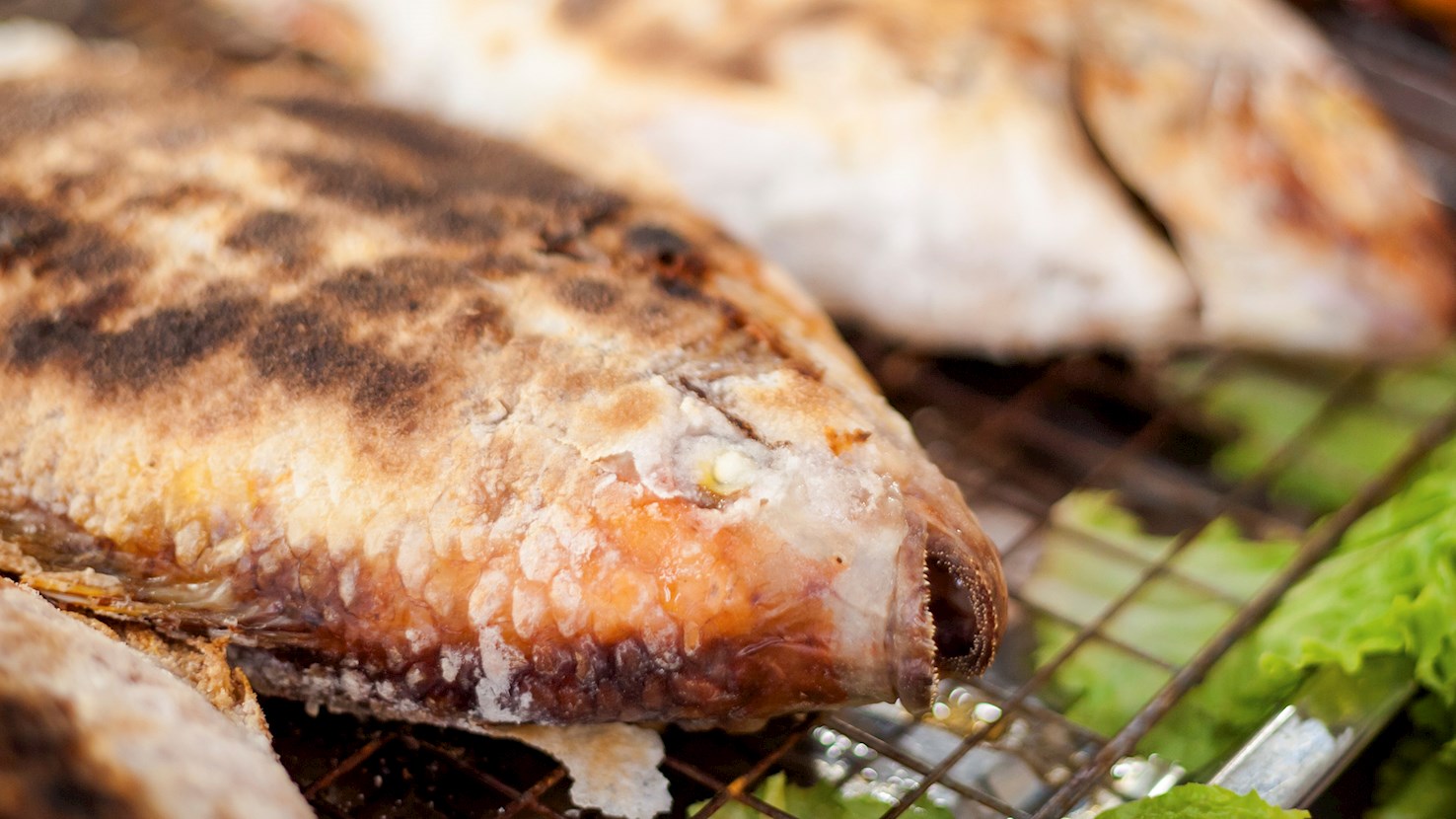
Pwason griye or grilled fish is among the most popular fish dishes on the Seychelles Islands. It is prepared with fresh fish, often a red snapper or rabbit fish, flavored with crushed chili, garlic, and ginger. The fish is grilled in its entirety and typically served over rice, with sweet potatoes and an exotic tamarind-tomato chutney on the side. Piquant grilled fish is a staple at festivities and gatherings of family and friends during weekends.
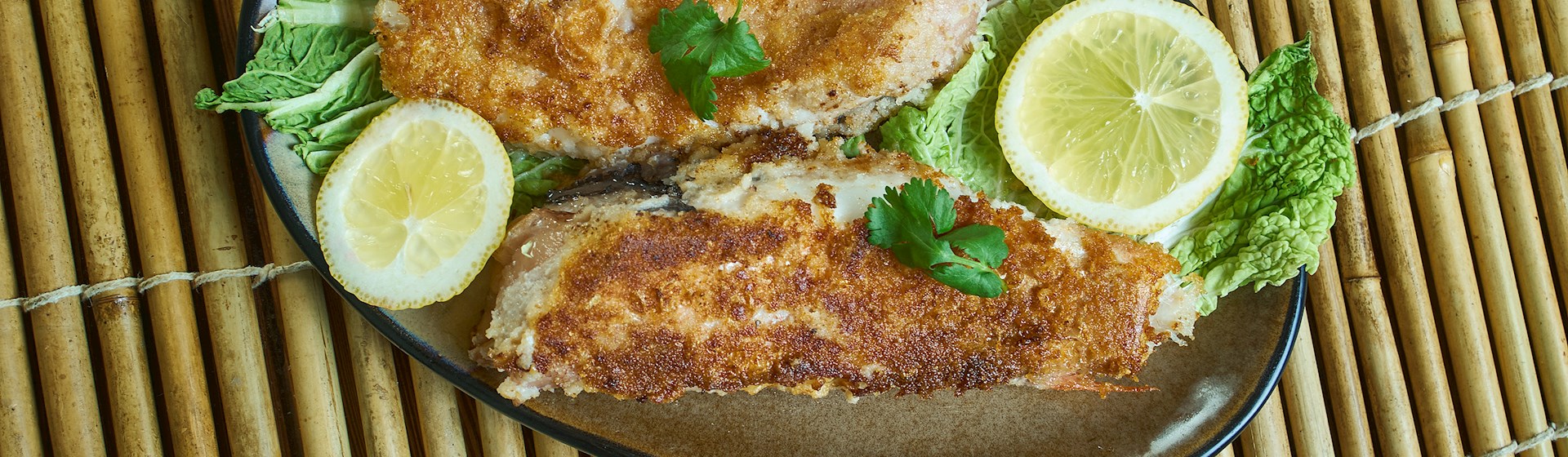
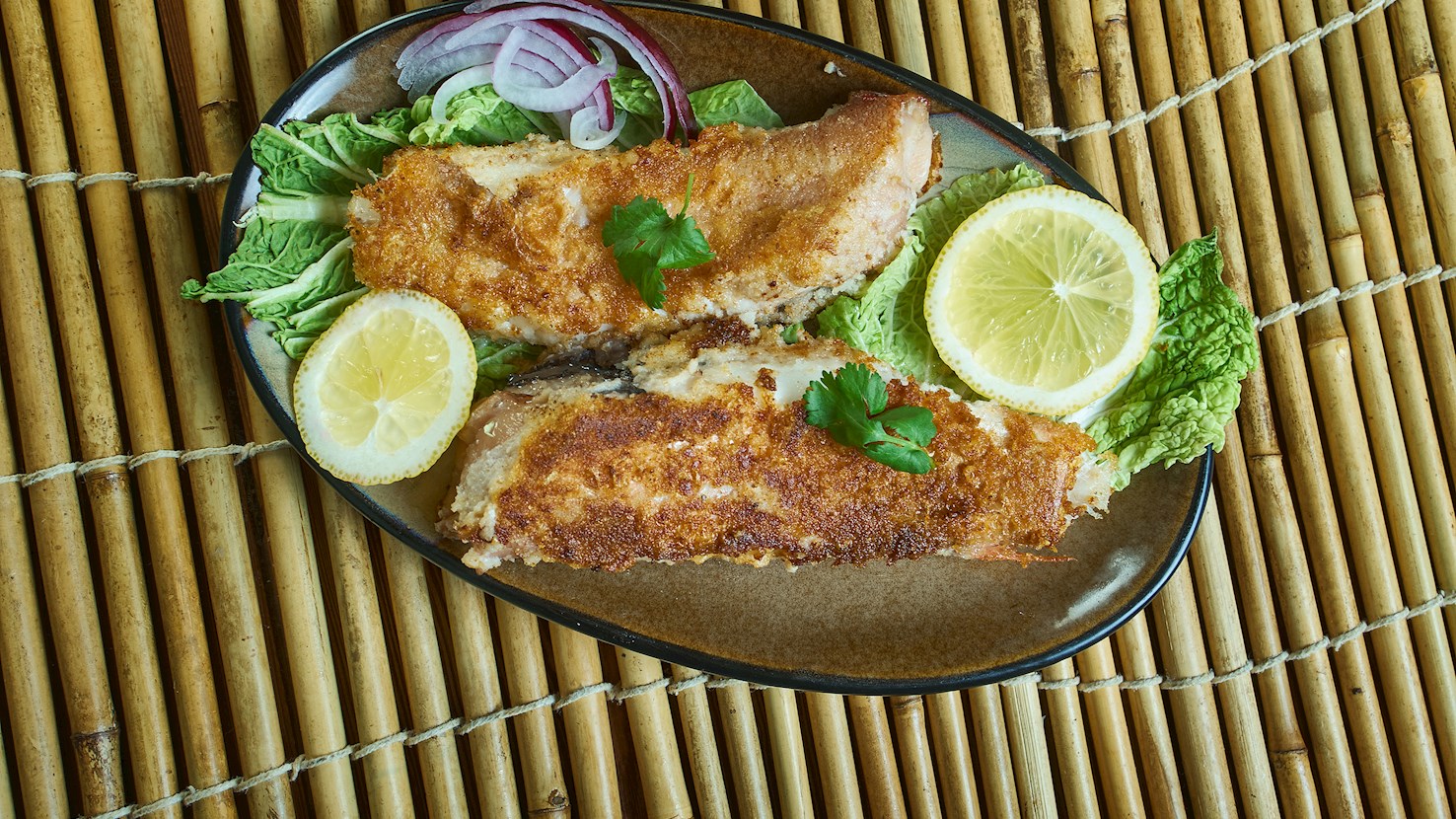
Pwason sale or salted fish is a traditional dish on the Seychelles Islands dating back to the times when food preservation involved basic means such as pickling and salting. Freshly caught fish is preserved through salting and sun-drying, a process which lends the fish a strong, distinctive flavor. Salted fish is often used in a variety of Seychellois dishes, including chatinis (chutneys) and fish curries, as well as in a local delicacy known as rougail, which is a type of piquant tomato-onion sauce. The salted fish is sometimes fried and it is typically accompanied by rice and a side of papaya chutney. It is usually available at roadside fishermen’s stalls, fish markets, but it can also be bought in some supermarkets.
Soupe de tectec is a type of soup made with shellfish - an essential part of traditional Seychellois cuisine. Tectec shellfish and pumpkin are the key ingredients in this dish. Small in size and with a distinctive white color, tectec shellfish are plentiful on the Seychellois sandy shores from where they are gathered for the preparation of this local soup. Creamy and packed with flavors, tectec soup is beloved by locals and tourists alike, and it is commonly served as an appetizer.
Grilled red snapper, locally known as bourgeoisie grille or bourzwa grillé, is a fish specialty on the Seychelles Islands. The whole fish is seasoned well and covered with a mixture of lemon juice, garlic, chilis, ginger, parsley, and thyme before it is grilled over low heat. Red snapper’s white, firm, and succulent flesh is delicate and should, therefore, not be overcooked or exposed to very high temperatures. This exotic fish is plentiful on the island and readily available at local markets, but it is also sold at fishermen’s stalls along the roads. White rice, fresh salads with mangos, avocados, or tomatoes, a variety of chutneys, and Creole sauce are just some of the typical accompaniments to this dish. A star among local barbecues and beloved by locals and tourists alike, grilled red snapper is a must on celebratory occasions on the island.
TasteAtlas food rankings are based on the ratings of the TasteAtlas audience, with a series of mechanisms that recognize real users and that ignore bot,
nationalist or local patriotic ratings, and give additional value to the ratings of users that the system recognizes as knowledgeable.
TasteAtlas Rankings should not be seen as the final global conclusion about food. Their purpose is to promote excellent local foods,
instill pride in traditional dishes, and arouse curiosity about dishes you haven’t tried.



What People Say