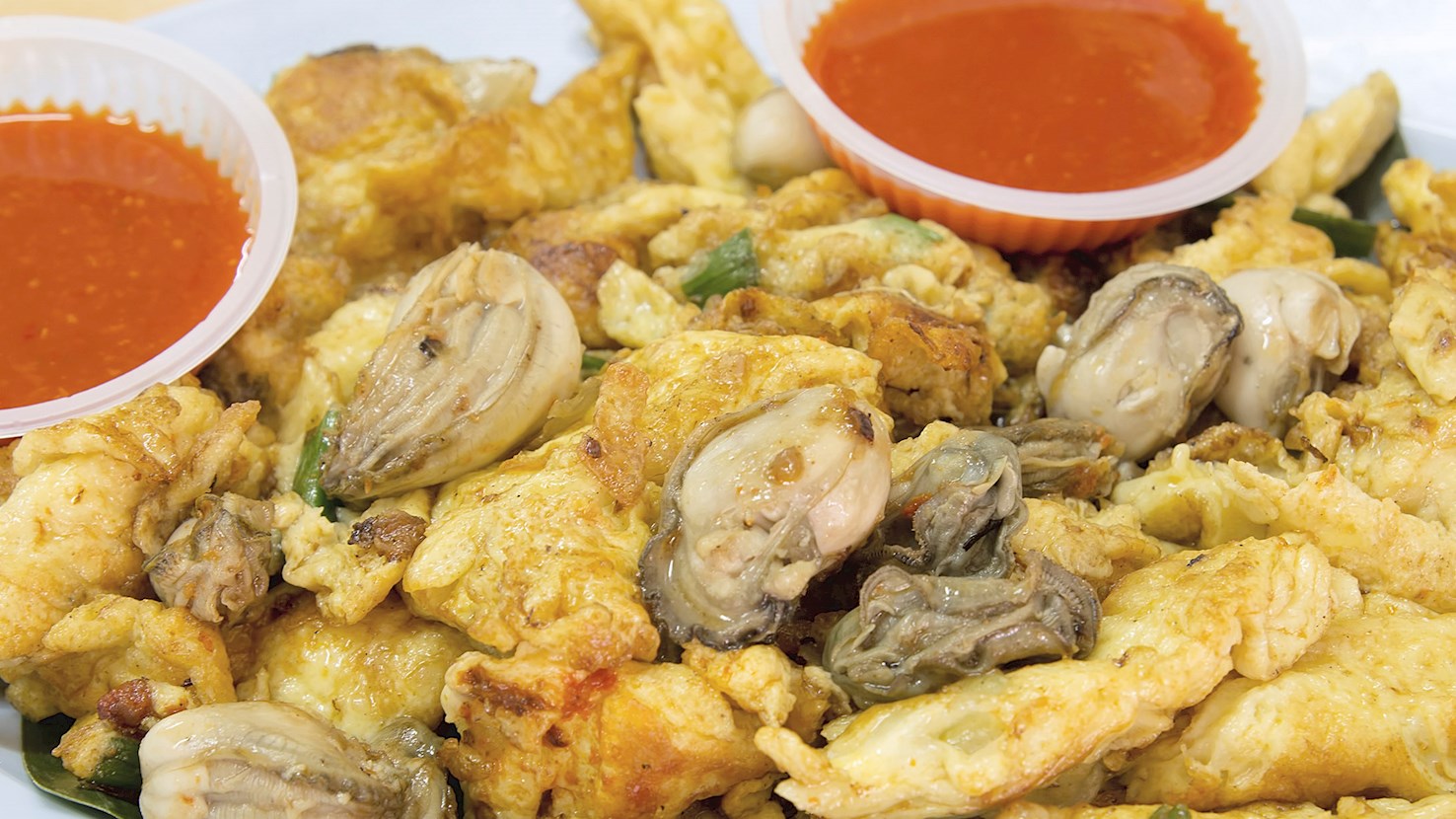
Oyster omelette is a savory egg-based dish originating in the coastal regions of southern China, particularly in Fujian and Guangdong, and it later spread across Southeast Asia, where it became a beloved staple of street food culture in places like Taiwan, Thailand, Malaysia, Singapore, and the Philippines. It combines small, fresh oysters with eggs and a starch batter, resulting in a dish that is crisp on the outside and soft within, often finished with herbs, sauces, or spicy condiments. Its roots lie in the coastal abundance of oysters and the ingenuity of cooks who sought to make use of seasonal shellfish in a satisfying and economical way. In port cities and fishing towns, oysters were plentiful but perishable, and incorporating them into quick, hot dishes allowed them to be eaten fresh while also providing nourishment and flavor to working families and laborers. The dish evolved over time, with each region adapting it to local tastes. In Fujian and Chaoshan areas, the emphasis is often on the delicate interplay of soft oysters and lightly set eggs, while in Taiwan the starch component became more prominent, forming a chewy, slightly gooey texture that contrasts with the crisp edges from the hot griddle. Thai and Malaysian versions tend to be spicier and sometimes include additional aromatics or bean sprouts for freshness and crunch. Preparation begins with a batter made of sweet potato, tapioca, or potato starch mixed with water, poured onto a hot, greased griddle or wok, and spread into a thin layer. Oysters are added on top, followed by beaten eggs, which cook quickly and bind the ingredients together. The omelette is flipped and browned until parts become crisp while the interior remains tender and moist. It is usually served hot, garnished with cilantro or scallions, and accompanied by a sweet, sour, or spicy dipping sauce, depending on the region. Today, oyster omelette is eaten both as a street snack and a restaurant dish, often associated with night markets, coastal seafood stalls, and festive occasions. It pairs well with light soups or rice porridge and is sometimes enjoyed alongside beer or tea, especially in settings where it is served as part of a shared meal.
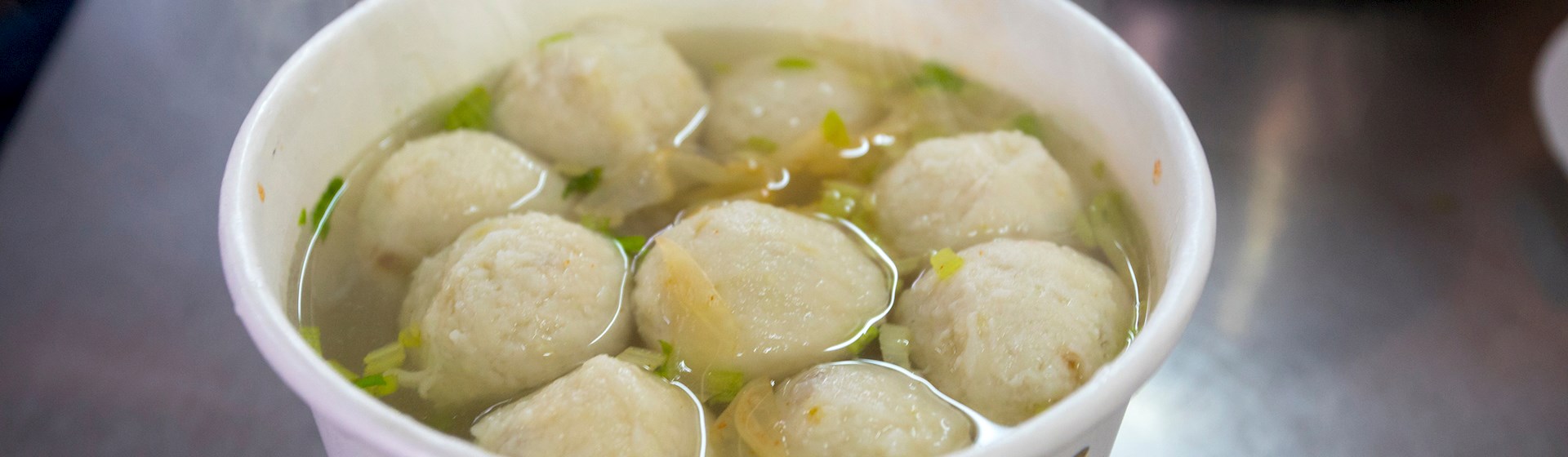
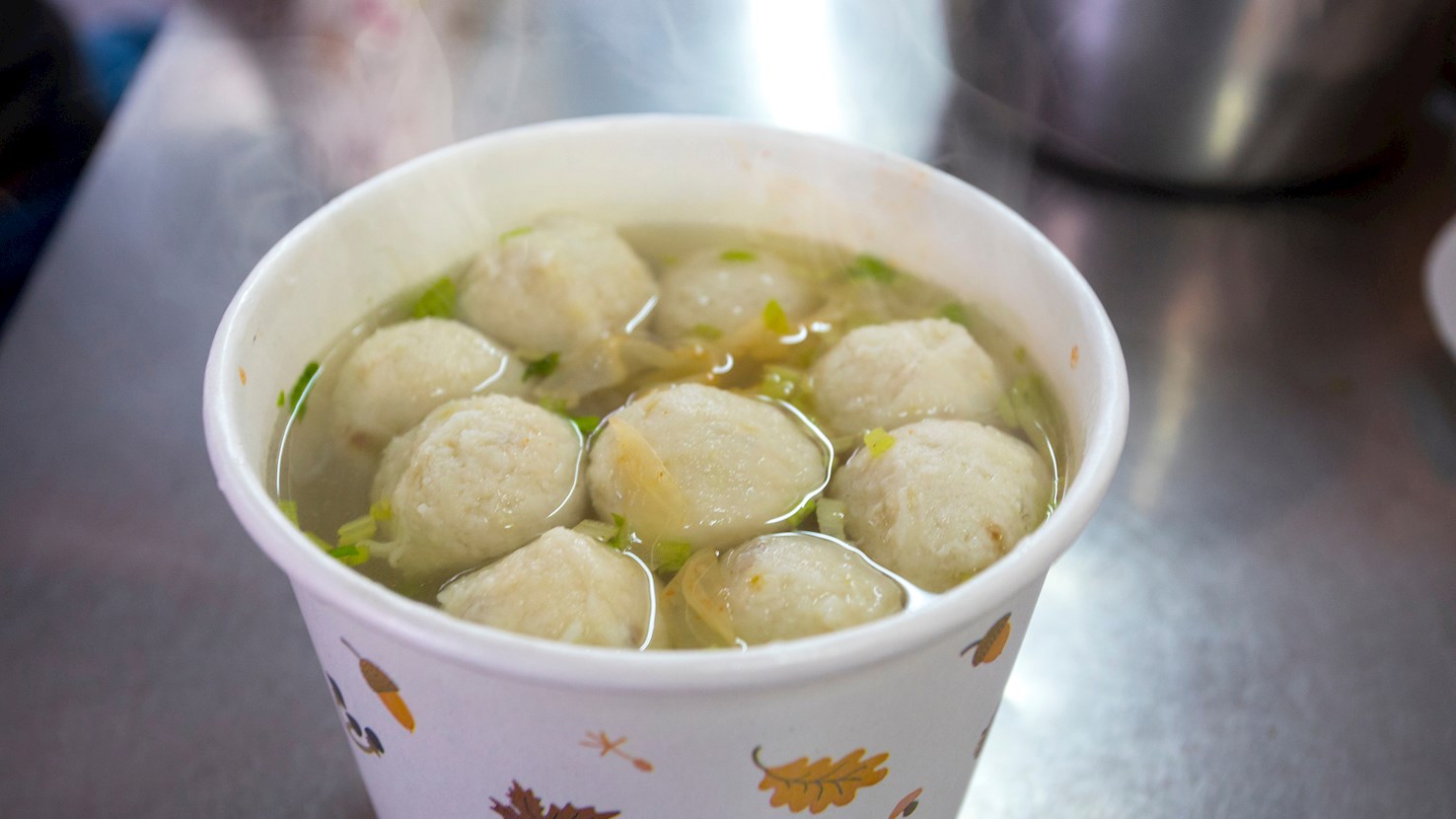
Tamsui fish balls are Taiwanese delicacies consisting of fish paste filled with marinated pork and garlic. Some versions also contain shark meat paste, which imparts an exquisite flavor to the product. With a typical oval-cylindrical shape and a chewy texture, these stuffed fish balls are usually added to a bowl of hot fish-paste broth that is seasoned with pepper, a bit of oil, and some freshly chopped celery. Other typical accompaniments to this local treat include rice vermicelli or dumplings. Packed with flavor, the fish balls are a common street food item that is usually eaten for breakfast, lunch, or as a savory snack. Both tourists and locals can learn everything they need to know about these fish balls and the history behind their creation by visiting the Teng Feng Fish Ball Museum, which was opened in 2004 and is the first Taiwanese fish ball museum. For an authentic Tamsui fish balls experience, a visit to Tamsui Ke Ko Fish Balls eatery, which has been making these well-known stuffed fish balls for well over 50 years, is a must.
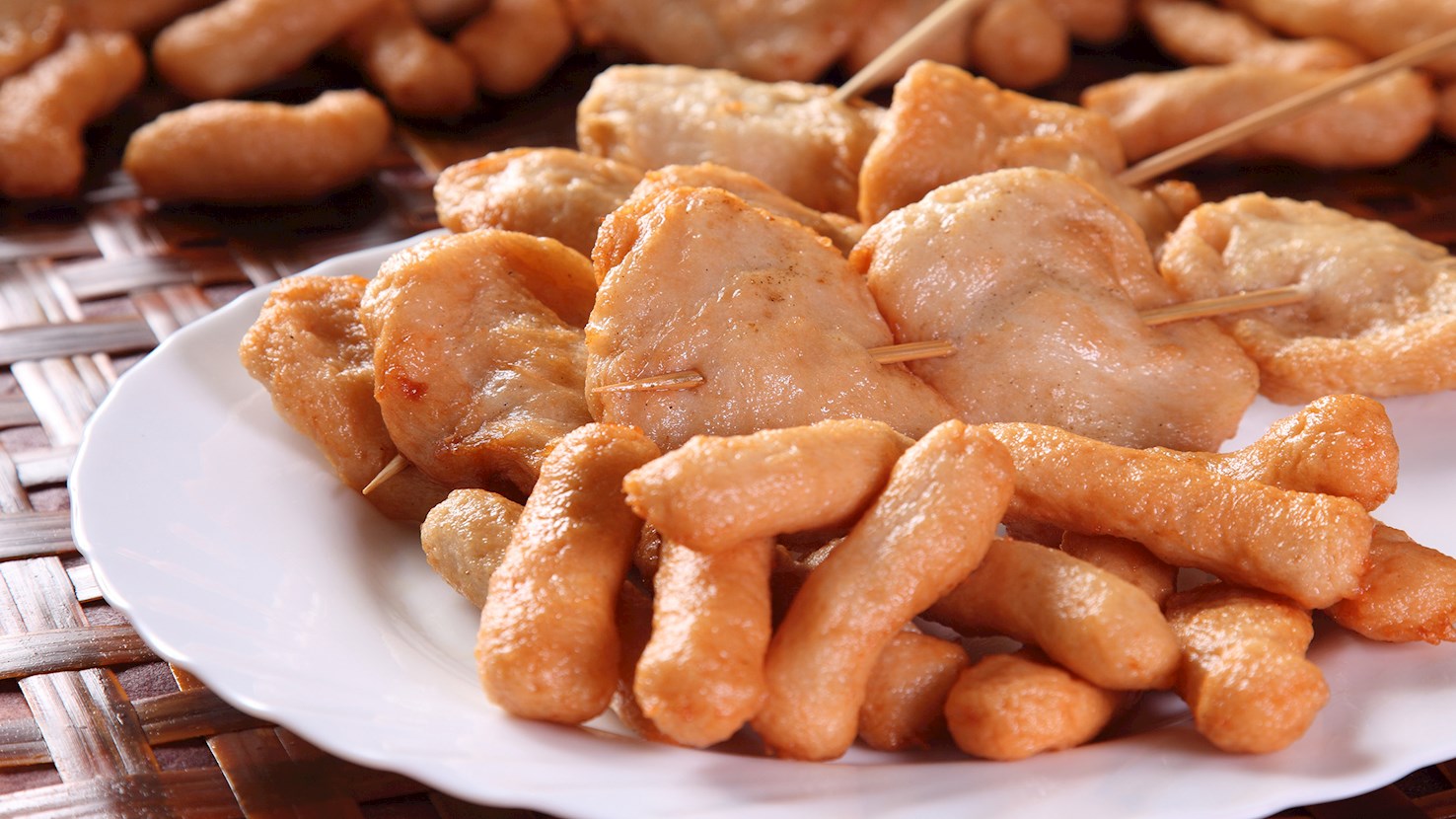
Tian bu la are Taiwanese fish cakes made with a thick paste which incorporates mild white fish fillets, eggs, and potato or tapioca flour. The generously seasoned mixture is piped directly in the sizzling oil, then deep-fried until golden brown. The fish cakes are usually shaped in long and thin cylindrical forms, but they are sometimes flattened into thick, round discs. Even though they can be eaten immediately after frying, the Taiwanese traditionally boil them on low heat in a soy-sauce-based broth, which allows the crispy skin to soften, and the cake to infuse with all the pungent broth flavors. If it is served as a crispy treat, it is usually skewered and enjoyed as a snack on the go. Fried and boiled versions are usually offered in traditional Taiwanese eateries alongside other deep-fried treats such as fish balls or tofu. They are served in bowls and smothered with a sticky brown sauce made with chili paste, soy sauce, miso, and sugar. Traditionally, the sauce leftovers are later mixed with the broth in which the cakes were boiled in order to create a flavorful soup eaten at the end of a meal. Both tian bu la varieties are staples of Taiwanese night markets and one of the favorite Taiwanese street food items.
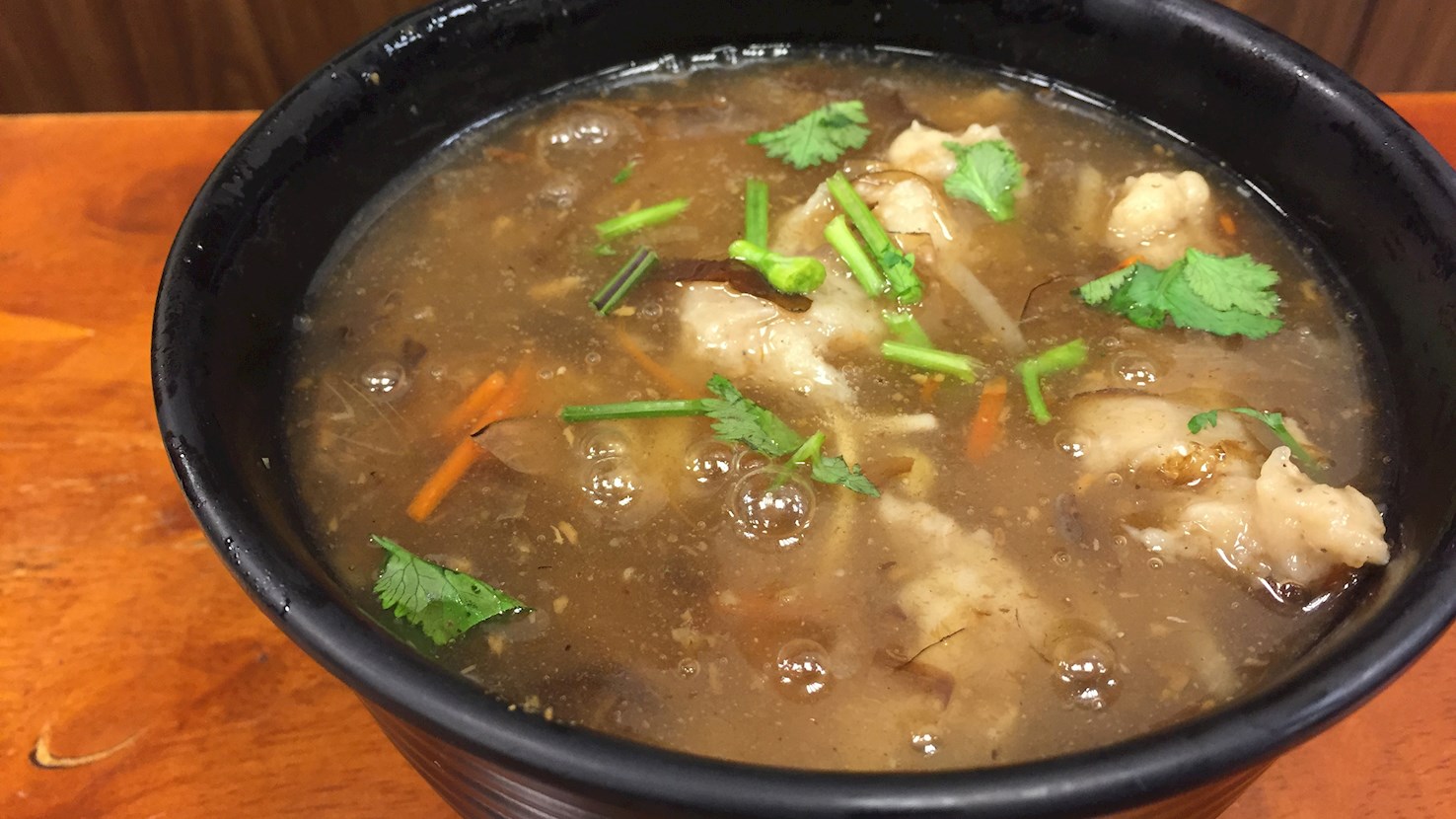
Jiû-hî ke is a traditional soup based on cuttlefish. This dish is prepared with cuttlefish cooked with geng, which is a type of Hakka soup thickened with starch, in this case usually cornstarch or potato starch. The cuttlefish is cut into thin strips or formed into balls coated with fish paste, and then cooked with the thick broth. Tangy and mildly sweet, the soup is typically flavored with rice wine and bonito flakes, and contains bamboo shoots, carrots, wood ear mushrooms, and chopped daikon. Once the cold weather season begins in Taiwan, bowls of this warming and thick soup become a common sight at night markets. The soup is usually served piping hot, laced with a dollop of black rice vinegar, and seasoned with white pepper and freshly chopped basil or coriander.
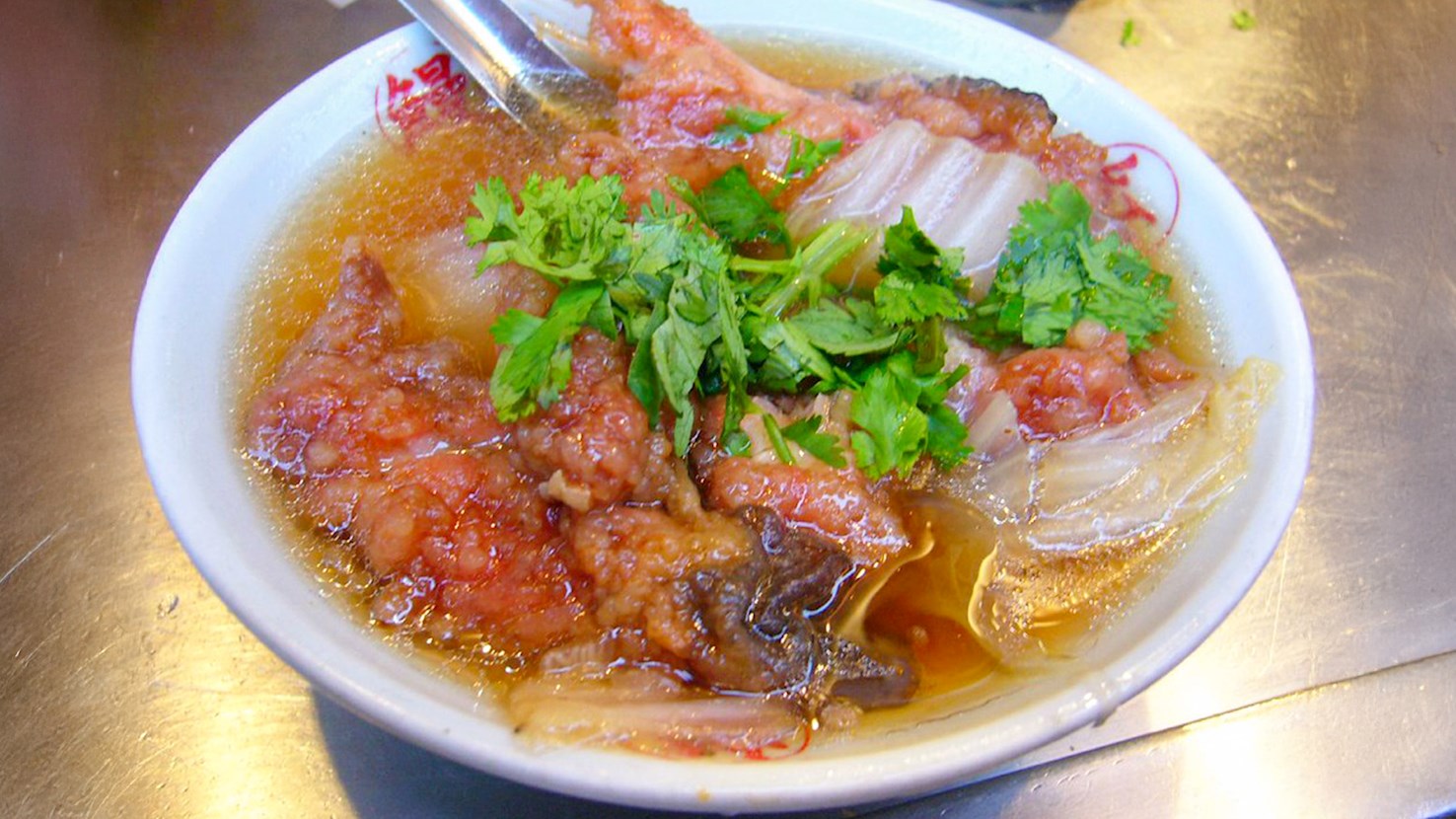
Braised congo eel is a Taiwanese specialty that features pieces of congo eel, also spelled conger eel. The dish is typically made by frying the fish before braising it, then serving it hot in the braising liquid. This fish delicacy is usually accompanied by noodles and some freshly chopped coriander on top. It is a common street food item at numerous night markets in the country.
A combination of boiled taro and crabmeat is needed to prepare this traditional aboriginal Taiwanese dish. It is a classic specialty of the Yami people, who inhabit Lanyu or Orchid Island. These indigenous peoples' diet is based on taro, especially wetland taro, millet, and yams, as well as different types of fish and seafood such as flying fish, octopus, and crabs.
TasteAtlas food rankings are based on the ratings of the TasteAtlas audience, with a series of mechanisms that recognize real users and that ignore bot,
nationalist or local patriotic ratings, and give additional value to the ratings of users that the system recognizes as knowledgeable.
TasteAtlas Rankings should not be seen as the final global conclusion about food. Their purpose is to promote excellent local foods,
instill pride in traditional dishes, and arouse curiosity about dishes you haven’t tried.




What People Say