




shutterstock

Top 9 Tuscan Seafood Dishes

Last updated on May 15, 2026
01

Cacciucco

3.4 ·

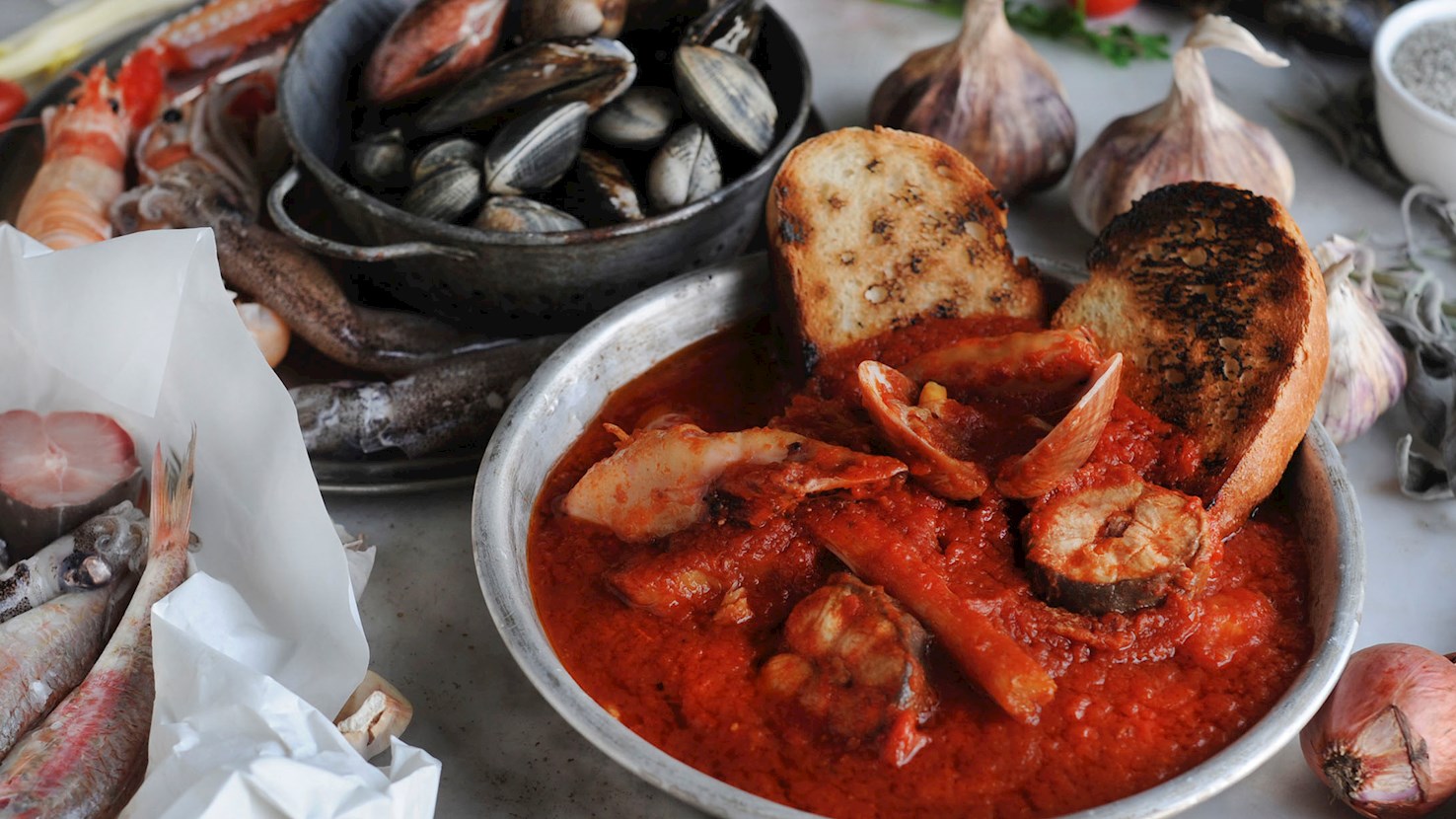
Tuscan fish stew has a history that stretches back to at least 500 years ago, and was most likely invented by the frugal fishermen of Livorno who would prepare it with whatever was left in the bottom of their boats after selling more valuable fish at the market. Traditionally, cacciucco is said to have five different types of fish and seafood in it — one for each "C" in its name — octopus and squid or cattlefish go in first, while the tender-fleshed fish, mussels, and prawns are added toward the end of cooking. The stew is flavored with tomatoes, white wine, olive oil, lots of garlic, fresh sage, and dried red chili peppers. For a more substantial meal, cacciucco is most often served over toasted, garlic-rubbed bread like pane campagnolo, a Tuscan favorite.

02

Polpo ubriaco

n/a ·

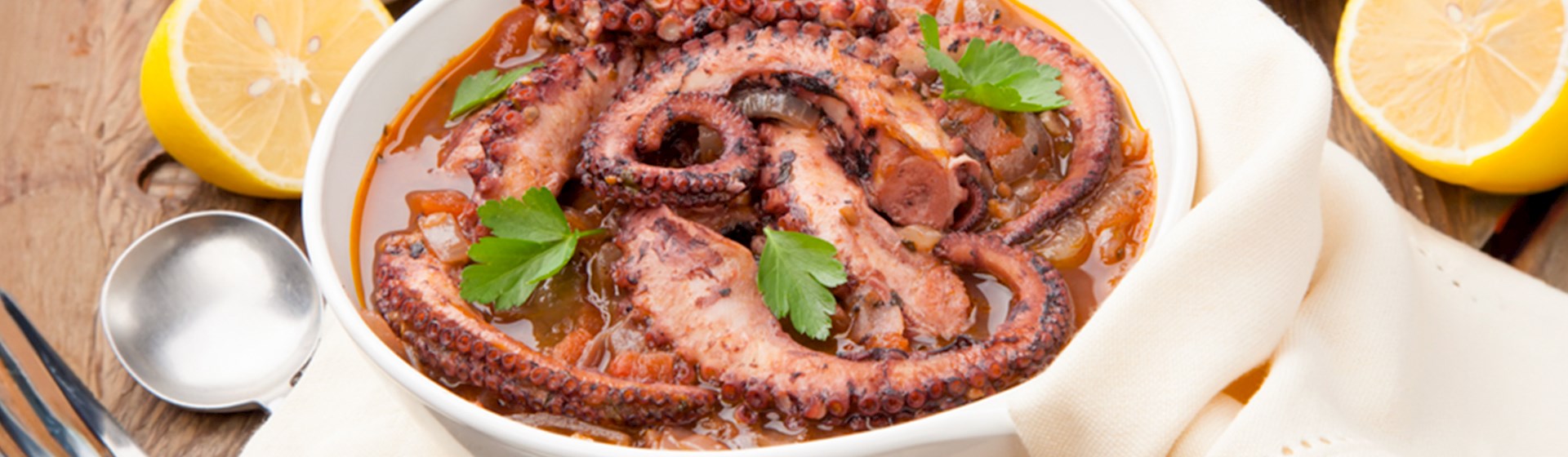
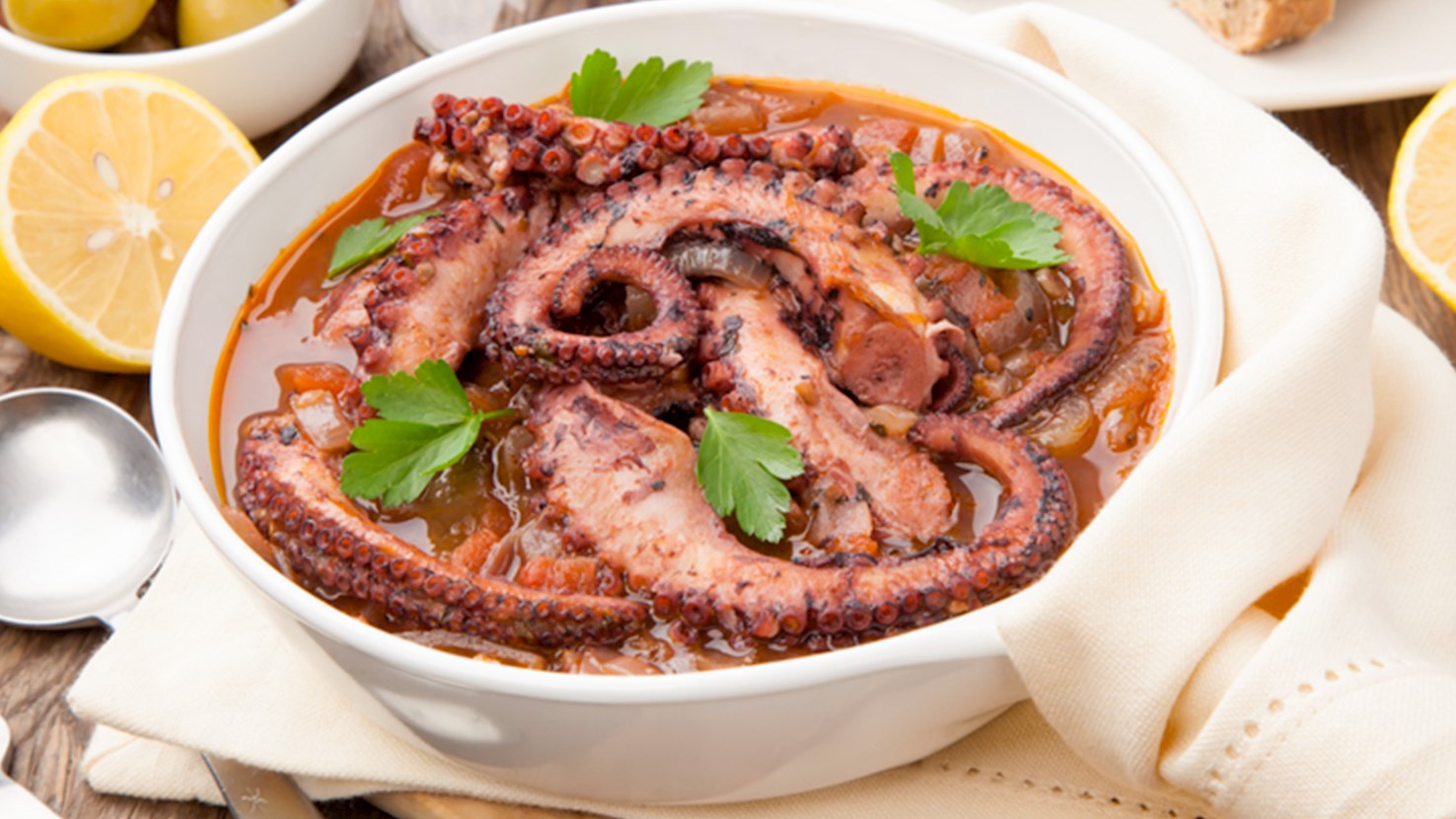
Polpo ubriaco, which translates to "drunken octopus" in Italian, is a traditional dish that involves cooking octopus in red wine. This dish is a popular part of Italian coastal cuisine, particularly in Tuscany, where fresh seafood is abundant. The preparation of polpo ubriaco typically involves first cleaning and tenderizing the octopus. The octopus is then simmered in a mixture of red wine, garlic, and various herbs and spices. The red wine not only imparts a rich, deep flavor to the octopus but also helps to tenderize the meat, making it succulent and flavorful. As the octopus cooks, it absorbs the flavors of the wine and other ingredients, resulting in a dish that is both savory and aromatic. The cooking process usually takes about an hour or until the octopus becomes tender. Polpo ubriaco can be served as a main course or as part of a larger seafood feast. It is often accompanied by crusty bread, which can be used to soak up the delicious sauce, and sometimes with a side of potatoes or a simple green salad. The dish pairs well with a glass of the same red wine used in its preparation, enhancing the overall dining experience.

03

Triglie alla Livornese

n/a ·

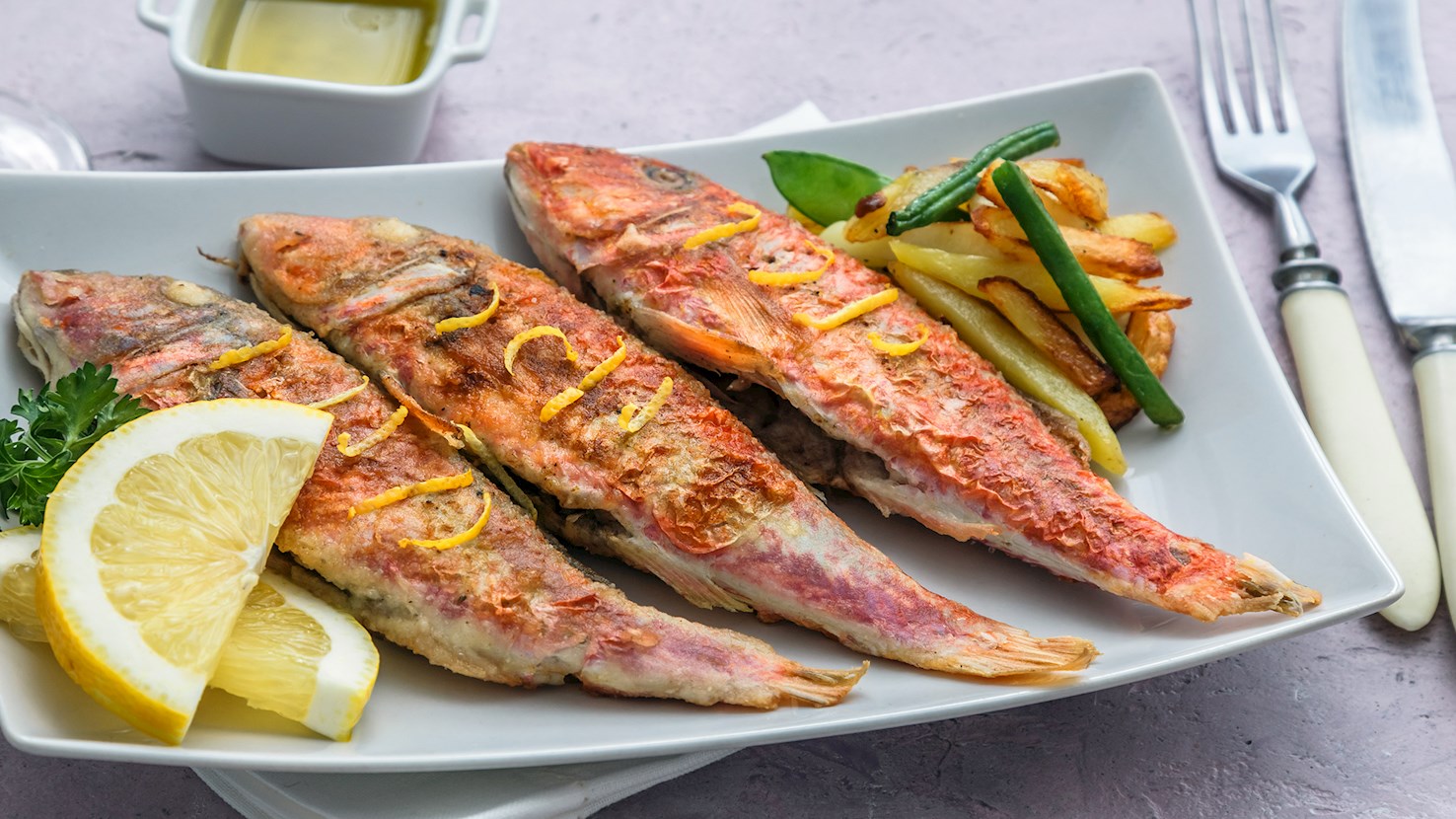
Red mullets—or triglie in Italian—have been a prized delicacy since Roman times, but it wasn’t until the 16th century that this preparation with tomato sauce became common in coastal Tuscany. In fact, the dish has its roots in an old Sephardic recipe called triglie alla mosaica, as it was Iberian Jews who introduced tomatoes to Livorno’s cuisine. Also, thanks to a hefty amount of garlic in the recipe, this simple dish can be quite spicy and vigorous. Triglie alla Livornese are served drizzled with olive oil, scattered with chopped parsley, and traditionally sided with some crusty Tuscan bread.

04

Baccalà alla Maremmana

n/a ·

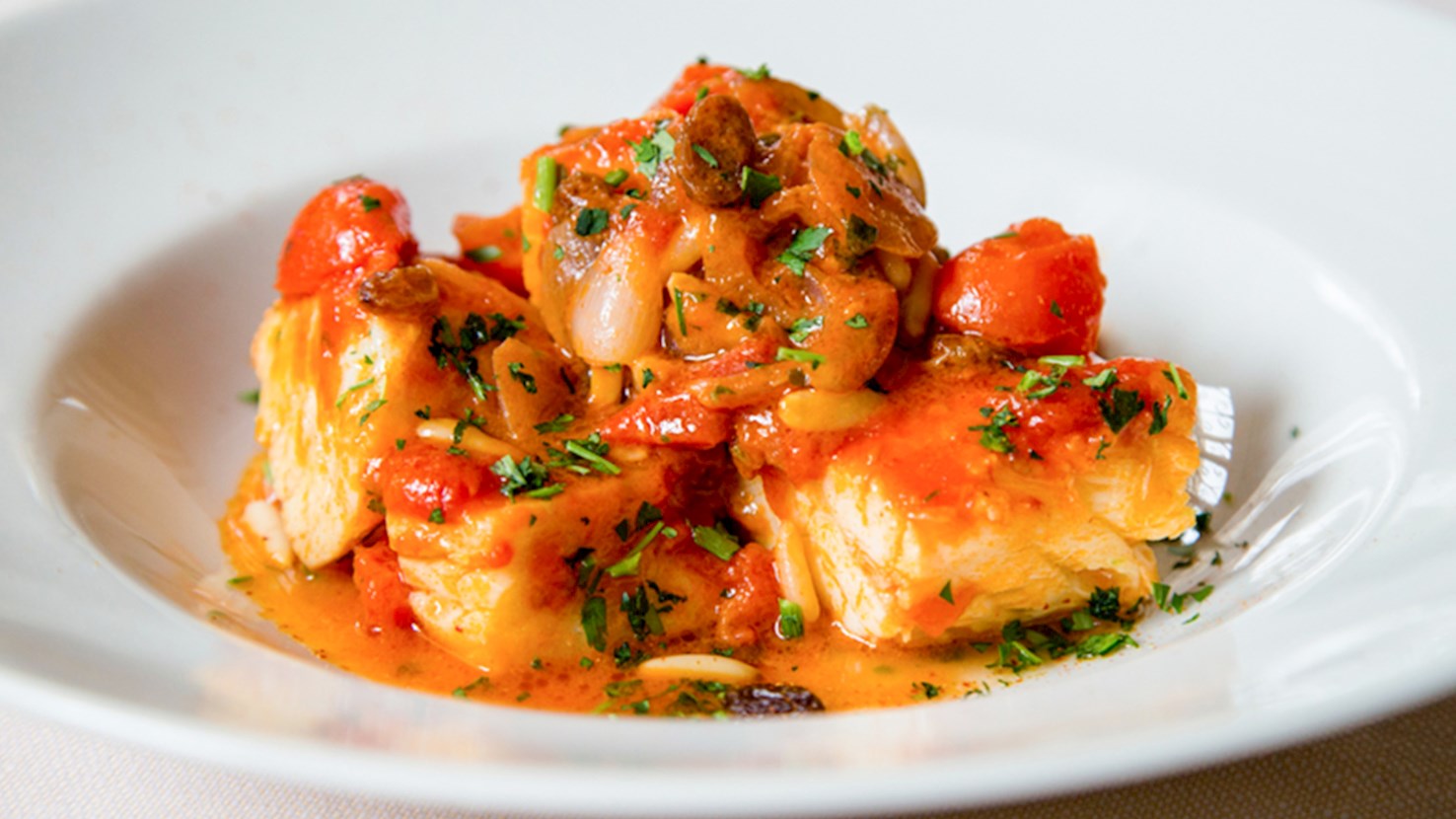
Baccalà alla Maremmana is a traditional dish from the Maremma region in Tuscany. It features salted cod (baccalà) prepared in a rich tomato-based sauce with various vegetables and aromatic herbs. The preparation of baccalà alla Maremmana typically involves soaking the salted cod in water for at least 24 hours, changing the water several times to remove excess salt and rehydrate the fish. Once the cod is ready, it is usually cut into pieces and lightly fried or simply cooked in the sauce. The sauce is made by sautéing onions and garlic in olive oil, then adding chopped tomatoes, herbs, and sometimes tomato paste. The cod is then simmered in this rich, savory sauce until it is tender and fully infused with the flavors of the tomatoes and herbs. Baccalà alla Maremmana is typically served hot, often with crusty bread or polenta to soak up the delicious sauce. It is a comforting and satisfying dish that exemplifies the use of simple, high-quality ingredients to create a meal that is both nutritious and full of flavor.

05

Anguilla alla giovese

n/a ·

Anguilla alla giovese is a traditional Tuscan dish originating from Giovi, hence the name. The dish is made with a combination of eels, onions, celery, carrots, tomatoes, garlic, sage, flour, parsley, olive oil, salt, and pepper. The onions, carrots, parsley, and celery are sautéed in olive oil and then mixed with the tomatoes and seasonings. The mixture is cooked until thick. Garlic and sage are sautéed in olive oil in another pan. The cleaned eels are seasoned with salt, dusted with flour, and browned in a pan with garlic until fully cooked on all sides. Once cooked, the eels are mixed with the tomato sauce and the dish is ready to be enjoyed after a few minutes, when the eels have soaked up the flavors. It's recommended to serve anguilla alla giovese with bread on the side and pair it with a glass of robust wine.

06

Caldaro

n/a ·

Caldaro is a traditional Tuscan fish soup originating from Monte Argentario. Although there are many versions of this fish soup, the base is always fish and seafood such as squid, prawns, and monkfish, along with ingredients such as olive oil, garlic, onions, parsley, hot peppers, white wine, fish stock, and tomatoes. The onions, garlic, parsley, and hot peppers are sautéed in olive oil. White wine is added to the pot along with the fish and seafood, and the mixture is lightly cooked. Fish stock and tomato sauce are then added to the pot and the fish soup is simmered for a few more minutes before serving. Caldaro is served in deep bowls, garnished with parsley and accompanied by sliced Tuscan bread. The fish soup is named after the pot that it's traditionally cooked in, called a caldaro.

07

Calamari in zimino

n/a ·

Calamari in zimino is a traditional dish originating from Tuscany and Liguria. Although there are many variations, the dish is usually made with a combination of squid, white wine, tomato paste, Swiss chard or spinach (or both), garlic, olive oil, parsley, celery, onions, salt, and black pepper. The term in zimino refers to dishes in which the key ingredient (usually seafood) is braised in spinach or Swiss chard. The squid is cut into pieces and sautéed in a soffritto consisting of onions, celery, parsley, and garlic in olive oil. The tomato paste is then added to the pan and simmered with the other ingredients. The chopped greens are added near the end of cooking, mixed with the squid pieces and gently braised together for a bit less than half an hour until everything is tender. It's recommended to serve calamari in zimino with a few toasted sliced of crusty bread on the side.

08

Acciughe sotto pesto

n/a ·

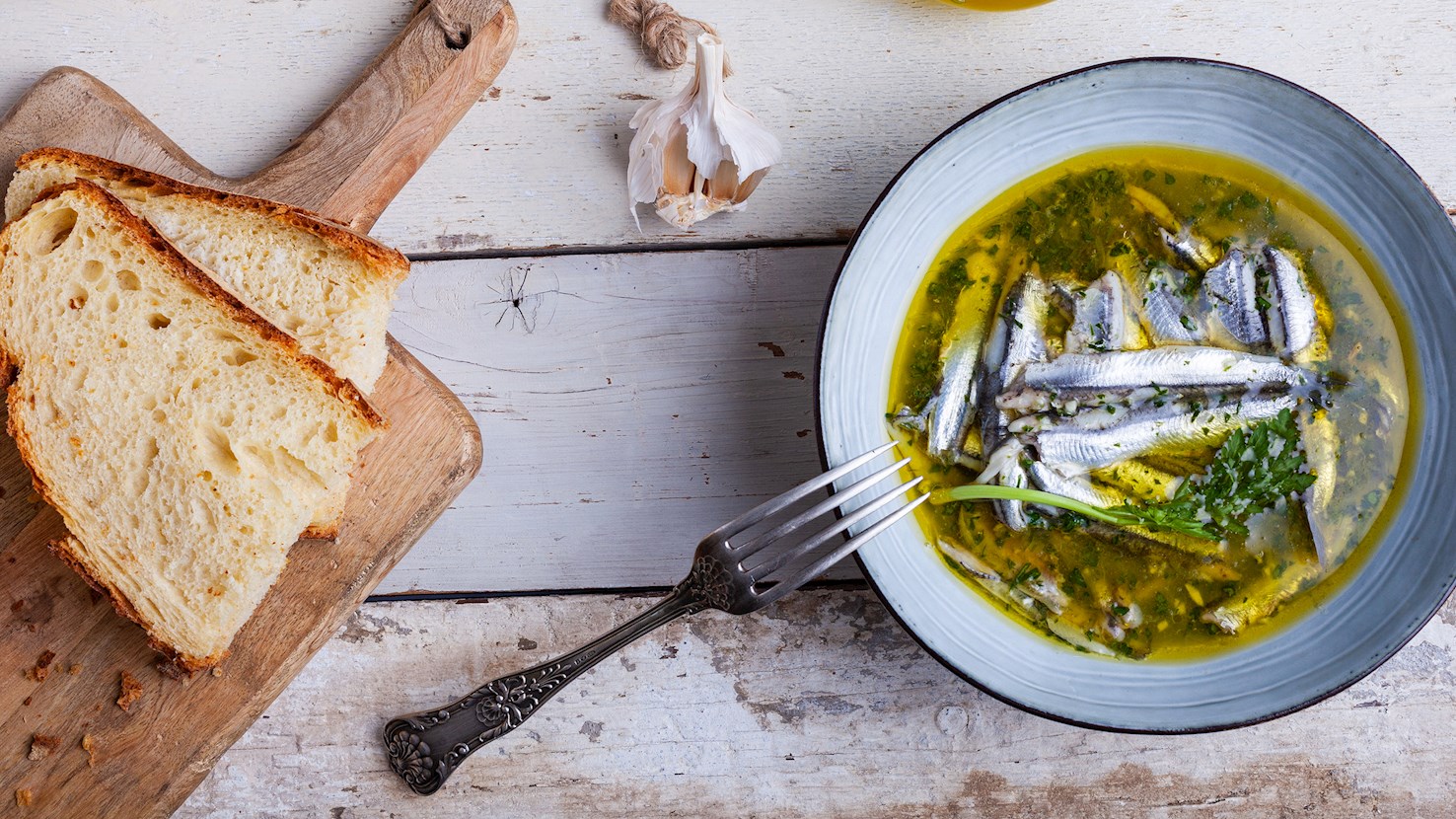
Acciughe sotto pesto is a traditional dish hailing from Siena. It's made with salted anchovies, parsley, garlic, chili peppers, and extra-virgin olive oil. The anchovies are rinsed in vinegar, then laid next to one another in a deep dish. They're topped with a mixture of garlic, parsley, and chili, with an additional generous drizzle of olive oil. When completely covered in olive oil, the dish is left to rest for about 12 hours. Later on, the anchovies can be served on their own as a simple snack or on toasted bread. In Siena, it can be found everywhere, not only in restaurants, but also in bars and grocery shops.

09

Cacciucco alla Viareggina

n/a ·

Cacciucco alla Viareggina is a traditional seafood soup originating from Viareggio. This cacciucco version is lighter than the one made in Livorno, and it has a red broth. It also doesn't contain sage and has a slightly sweet aftertaste due to generous amounts of seafood and shellfish in the soup. The stock is made with celery, carrots, bay leaves, and fish heads, while the fish stew is made with garlic, chili peppers, olive oil, cuttlefish, octopus, lots of low value fish, tomato paste, white wine, mussels, and mantis shrimp. The soup is served with the mussels on top and a slice of bread rubbed with garlic on the side. It's recommended to pair this hearty fish stew with a glass of Chianti.

Read more
View all
View map
About this ranking

TasteAtlas food rankings are based on the ratings of the TasteAtlas audience, with a series of mechanisms that recognize real users and that ignore bot, nationalist or local patriotic ratings, and give additional value to the ratings of users that the system recognizes as knowledgeable. For the “Top 9 Tuscan Seafood Dishes” list until May 15, 2026, 45 ratings were recorded, of which 28 were recognized by the system as legitimate. TasteAtlas Rankings should not be seen as the final global conclusion about food. Their purpose is to promote excellent local foods, instill pride in traditional dishes, and arouse curiosity about dishes you haven’t tried.

Similar lists