


shutterstock

Top 72 American Seafood Dishes

Last updated on June 15, 2026
01

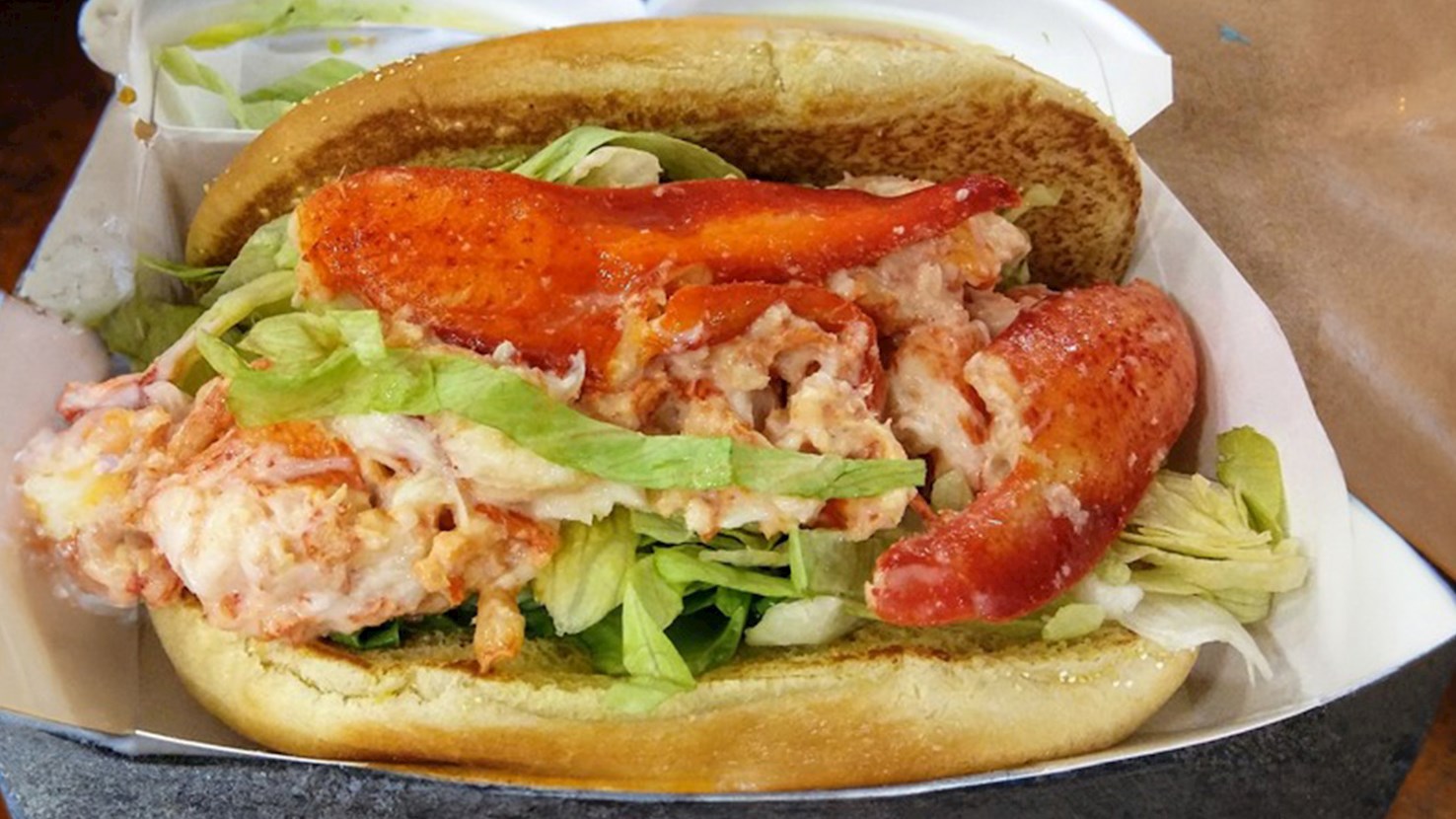
Maine-style Lobster Roll

4.4 ·

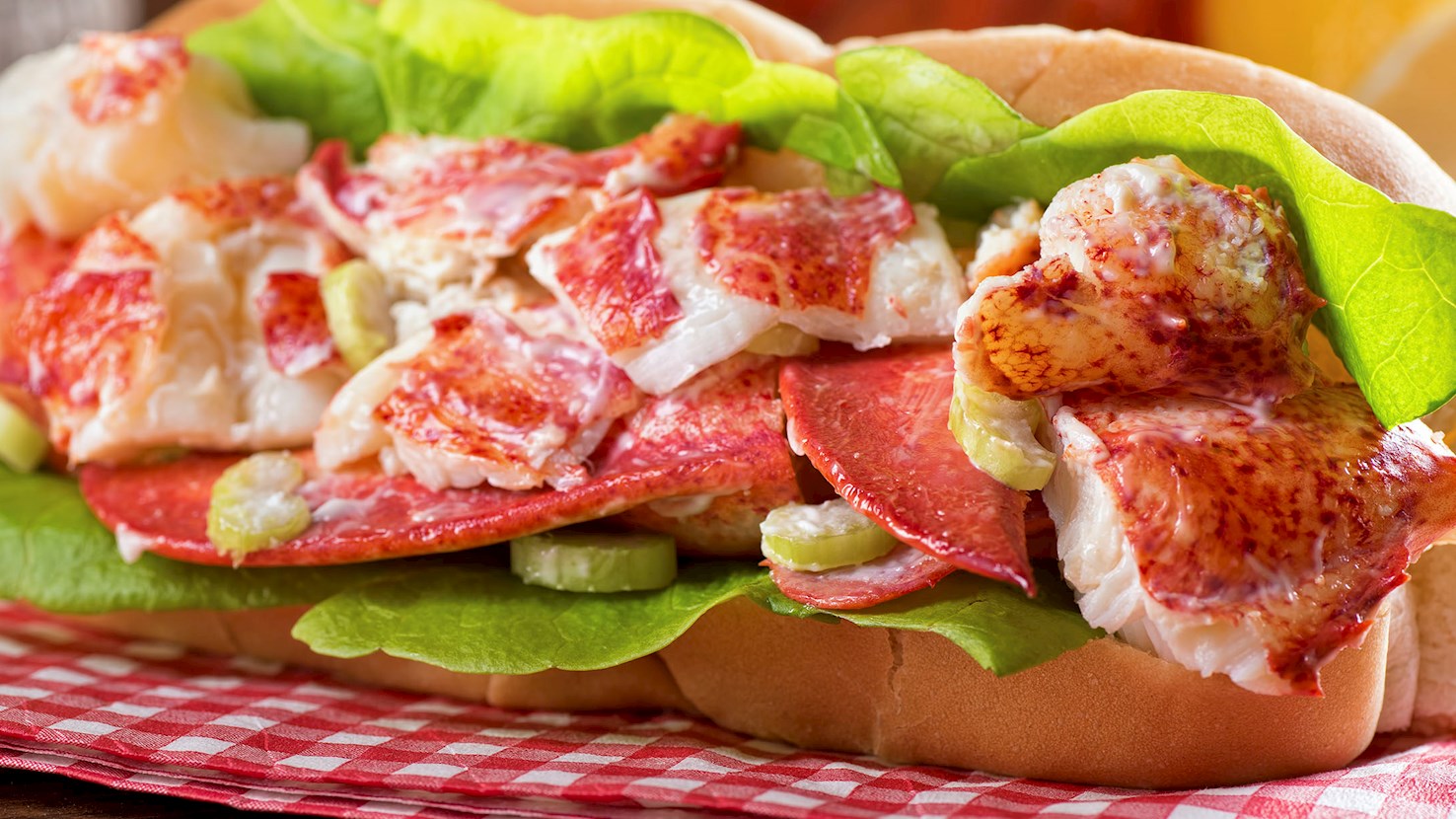
One of New England cuisine staples, the Maine-style lobster roll consists of a chilled lobster salad tucked into New England-style split-top buns. The lobster salad, at its basic, is made with knuckle and claw meat that is dressed in mayonnaise and mixed with finely chopped celery, seasoned only with salt and pepper. Variations typically include ingredients like lemon juice, mustard, and chives. Because the buns are buttered and toasted, the result is a lobster roll with contrasting texture and flavor: a warm, buttery, toasted bun vs. a cold, crunchy lobster salad. It is unknown when it was invented and by whom. What is known is that it started to first appear sometime in the 1950s due to the explosion of summer tourism, but it boomed in the 1970s thanks to the increase in the roadside lobster roll stands. Red Eat's, the most famous restaurant on Route 1 in Maine, had a big role in popularizing it. Also, even though the Connecticut-style lobster roll appeared earlier, the Maine-style one is the more popular of the two. When it comes to serving, the most typical pairing is a Maine lobster roll and either creamy clam chowder or seafood chowder. But at seafood shacks or food stands, it is typically served with salt and vinegar potato chips, coleslaw, pickles, and onion rings.

02

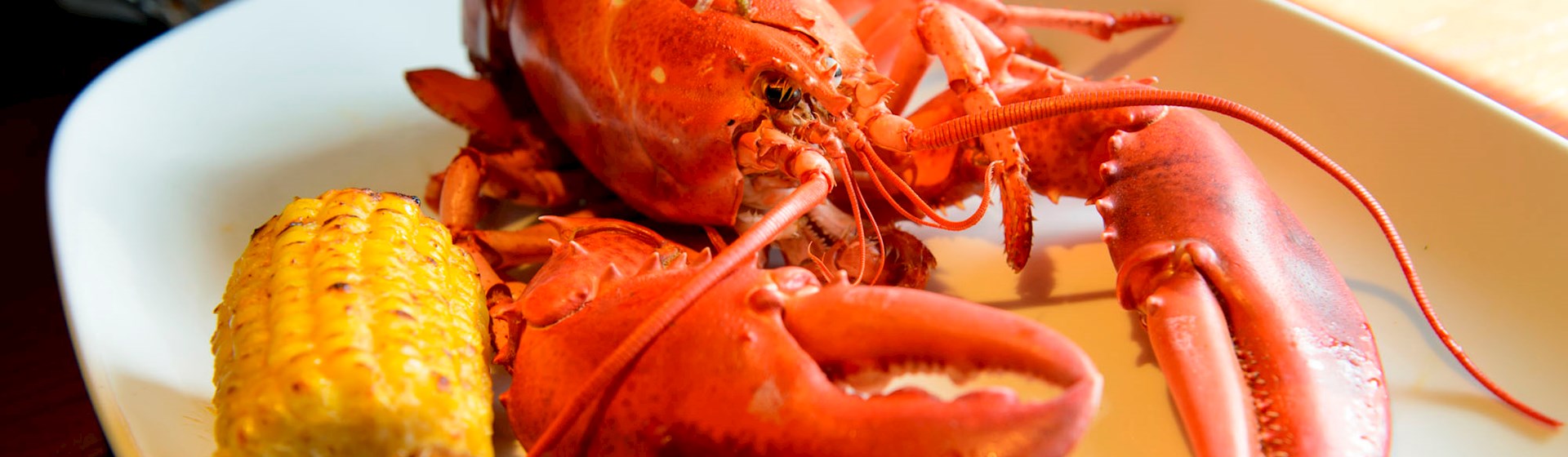
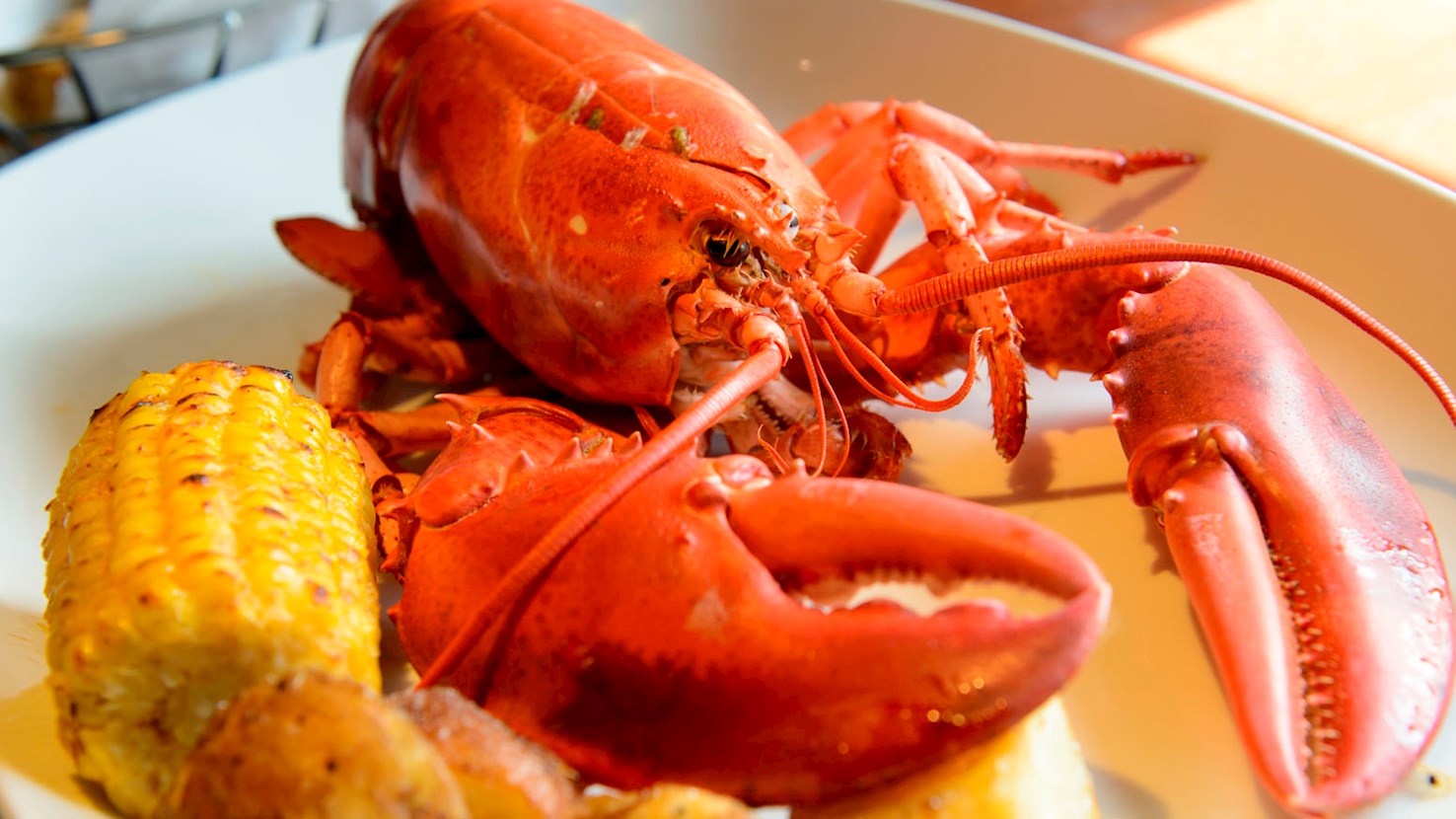
Boiled Maine Lobster

4.3 ·

Boiling is the most popular and simplest way of preparing a Maine lobster. Live lobsters are plopped into a large pot of boiling water seasoned with sea salt and cooked depending on the size of the lobster — the bigger the lobster, the longer the cooking time. Once the lobster is in the water, it’s important to time the cooking so it doesn’t overcook, as the meat will be tough and rubbery. Also, lobsters need to be treated humanely. Hence, placing the lobsters in the freezer for 30-60 minutes before cooking is recommended so they fall asleep. When sleeping lobsters are placed in boiling water, they will not feel any pain. Serve with melted butter, bibs, and a bucket for shells.

03

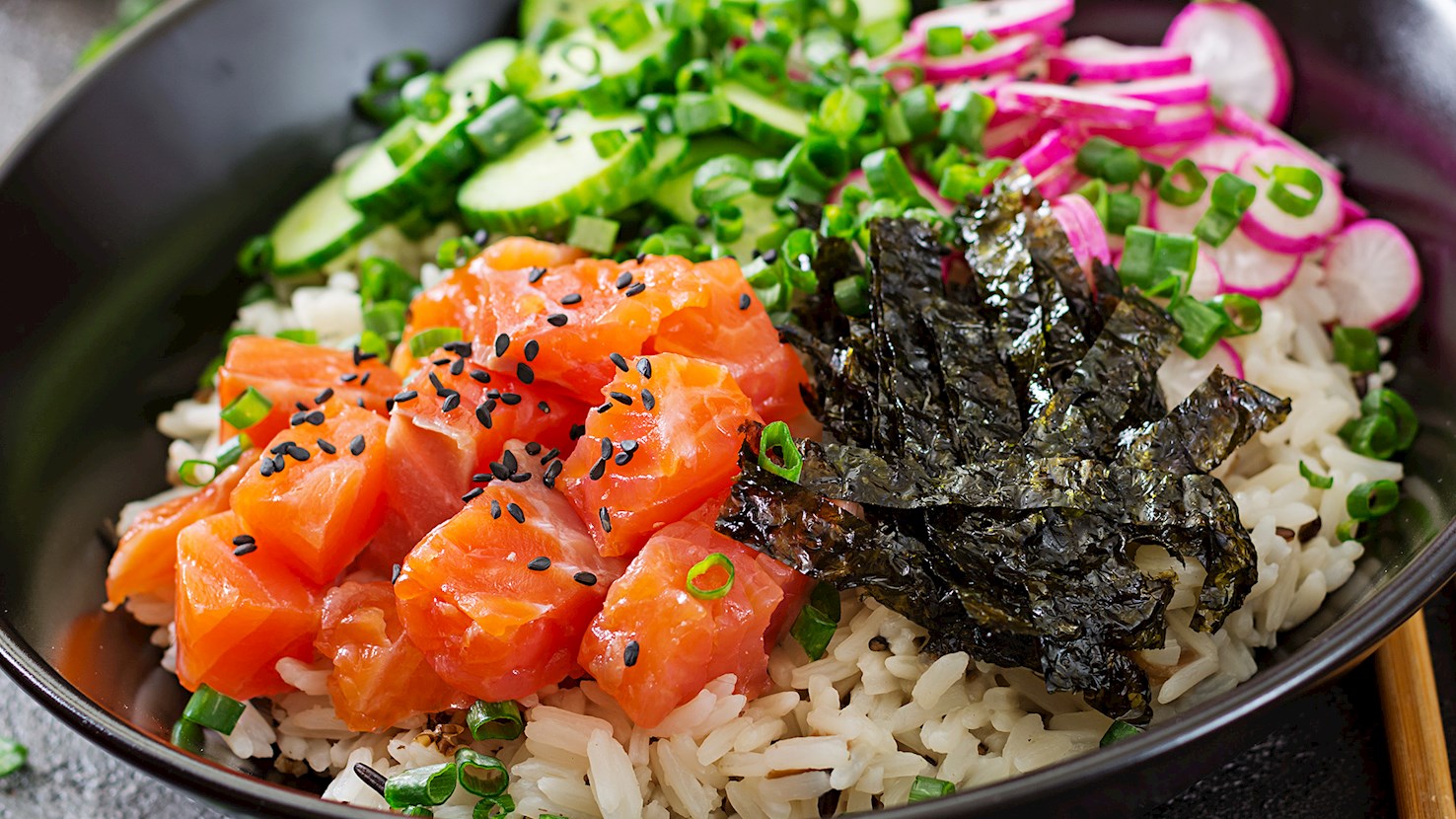
Poke

4.2 ·

Poke is a traditional Hawaiian dish that is made with small pieces of fresh and raw fish or seafood, which are combined with finely chopped vegetables, herbs, condiments, and seasonings. Although traditional poke uses either ahi tuna (yellowfin tuna) or octopus, the variations on this dish are endless these days, including poke with salmon, mussels, crabmeat, or oysters, as well as vegetarian versions with diced avocados. Typical ingredients apart from the raw fish or seafood include sweet onions, garlic, shallots, scallions, sesame seeds, seaweeds, candlenuts, limu (brown algae), soy sauce, honey, sesame oil, red pepper flakes, and Hawaiian sea salt. The creation of poke has been attributed to local fishermen who used to combine freshly-caught small reef fish with few seasonings such as sea salt, candlenuts, limu, and seaweed for a filling snack. Poke is typically consumed on its own as an appetizer or with steamed white rice for a full meal. In Hawaii, it is available in most supermarkets and is a common dish prepared for special occasions.

04

Lobster Roll

4.2 ·

Lobster roll is a Maine specialty consisting of cooked lobster meat that is, ideally, drizzled with melted butter and placed into long hot dog rolls. Additionally, the sandwich might include lettuce, lemon juice, salt, and black pepper. Traditional accompaniments include potato chips or french fries on the side. Some claim that lobster roll first appeared at Perry's in Milford, Connecticut, while others claim it was first prepared at Red's in Wiscasset, Maine. Regardless of the origins, the entire state of Maine continues to honor the tradition by offering more version of lobster rolls than the first inventor could have possibly imagined, starting an endless debate over how it should be made and who makes the best rolls. For example, most Mainers eat the roll filled with cold lobster salad made with mayonnaise, sometimes with the addition of diced celery and no melted butter whatsoever.

05

Étouffée

4.2 ·

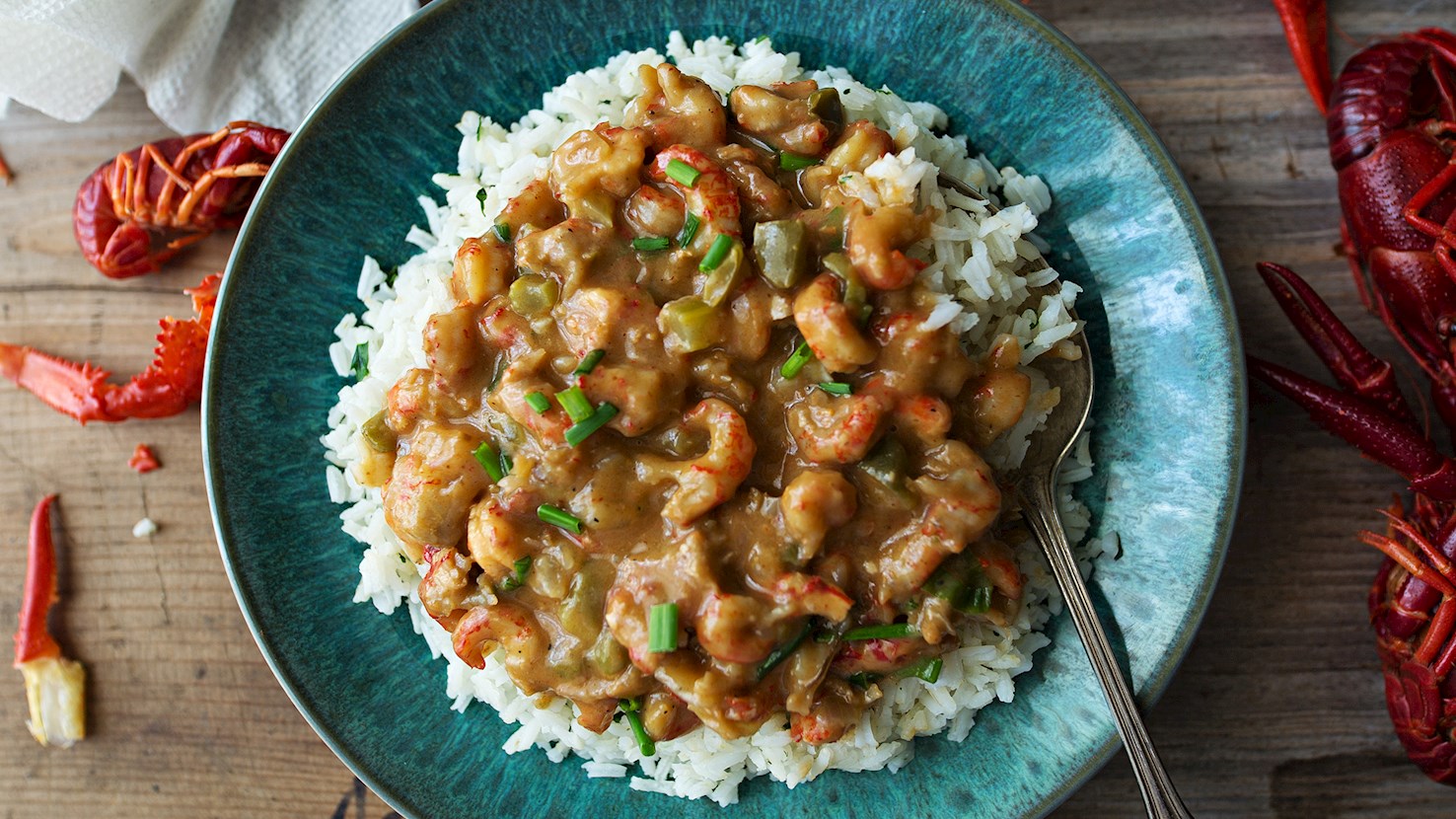
Étouffée refers to a group of dishes with Cajun origins which are typically served as a main course (unlike gumbo, which is considered a soup) and are made with one type of shellfish such as shrimp or crawfish that are smothered in a thick sauce. The sauce is made with either a blond or brown roux, and the dish is almost always served over rice. The name étouffée is derived from the French word étouffer, meaning smothered, referring to the method of cooking.

06

Connecticut-style Lobster Roll

4.2 ·

The first type of lobster roll to exist, the Connecticut-style lobster roll, is characterized by the fact that it's warm; both the lobster meat and the roll are. The lobster meat is steamed or boiled, tucked into a toasted and warm New England-style bun, and then drizzled over with drawn butter. Typically, knuckle and claw meat, but sometimes tail as well, are preferred, and there is very little seasoning, usually only salt, pepper, and lemon juice. Variations will typically include ingredients, herbs, and spices like chives, dill, and paprika. You will also find it often includes lettuce as well, since it prevents the sandwich from going too soggy by creating a barrier between the meat and the bun. This style of the lobster roll was invented in the 1920s by Harry Perry, the owner of a restaurant Perry's in Milford, Connecticut, for a regular, Ted Hales. Once it became a success, he also commissioned French's Bakery to make him a suitable bun, which was similar to a submarine sandwich roll, that he would cut a V-notch wedge at the top of it, remove the crumb inside and load it with lobster meat. Serving-wise, Connecticut-style lobster roll typically comes with a side of potato chips or fries and dill pickles. Also, a creamy potato salad works well with this lobster roll.

07

She-crab soup

4.2 ·

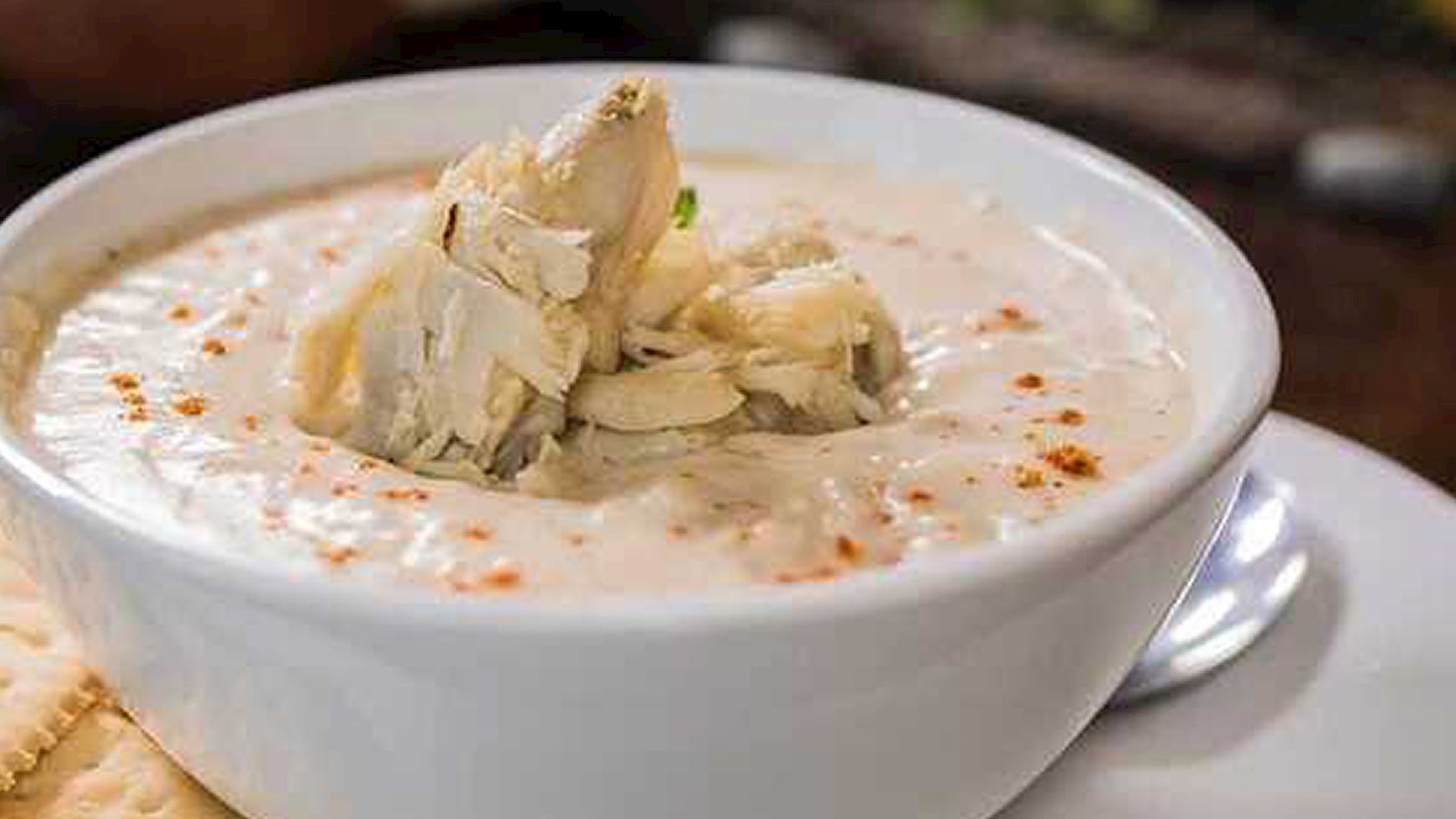
She-crab soup, somewhat of a cross between a bisque and a chowder, is a soup made with heavy cream or milk, crabmeat, sherry, fish or crab stock, and roe—a key ingredient in the dish that improves the flavor and is responsible for the color. The soup is thickened with a roux or puréed boiled rice, and it is usually seasoned with either mace, onions, or shallots. A regional specialty of Tidewater, Virginia, the South Carolina Lowcountry, and Georgia coast, it was first introduced to these parts by the Scottish settlers in the 1700s in the form of partan-bree, a famous seafood bisque, but it was not until the 1900s that the soup gained its present-day form.

08

Surf and Turf

4.1 ·

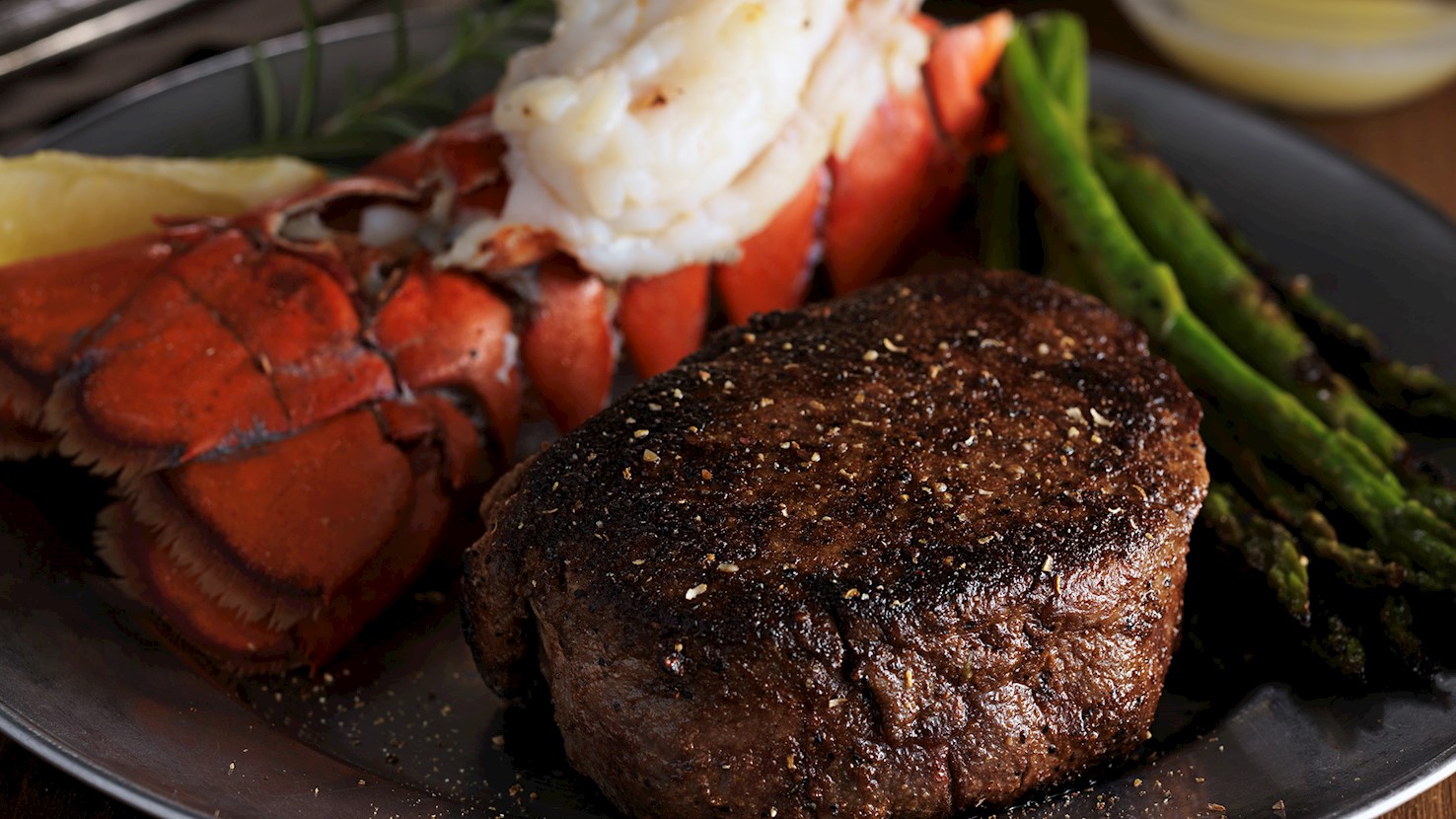
A variety of foods might be included in a surf and turf, but traditionally, it is an entrée that includes both a portion of meat and a portion of seafood. The meat is usually a steak, while the seafood might be anything from lobster to shrimps or prawns. The origins of surf and turf are hard to pinpoint, but steak and seafood meals became popular throughout the United States during the 1960s. The meat is typically grilled and served with an accompanying thick sauce, while the seafood is usually grilled, fried, baked, or boiled, depending on the choice of seafood. Although surf and turf is sometimes associated with low-quality food, it can often be the most expensive item on a menu, since it uses expensive ingredients. However, surf and turf dishes are still quite popular, and there is even a food holiday called National Surf and Turf Day, celebrated every leap year on February 29.

09

Tuna Tartare

4.1 ·

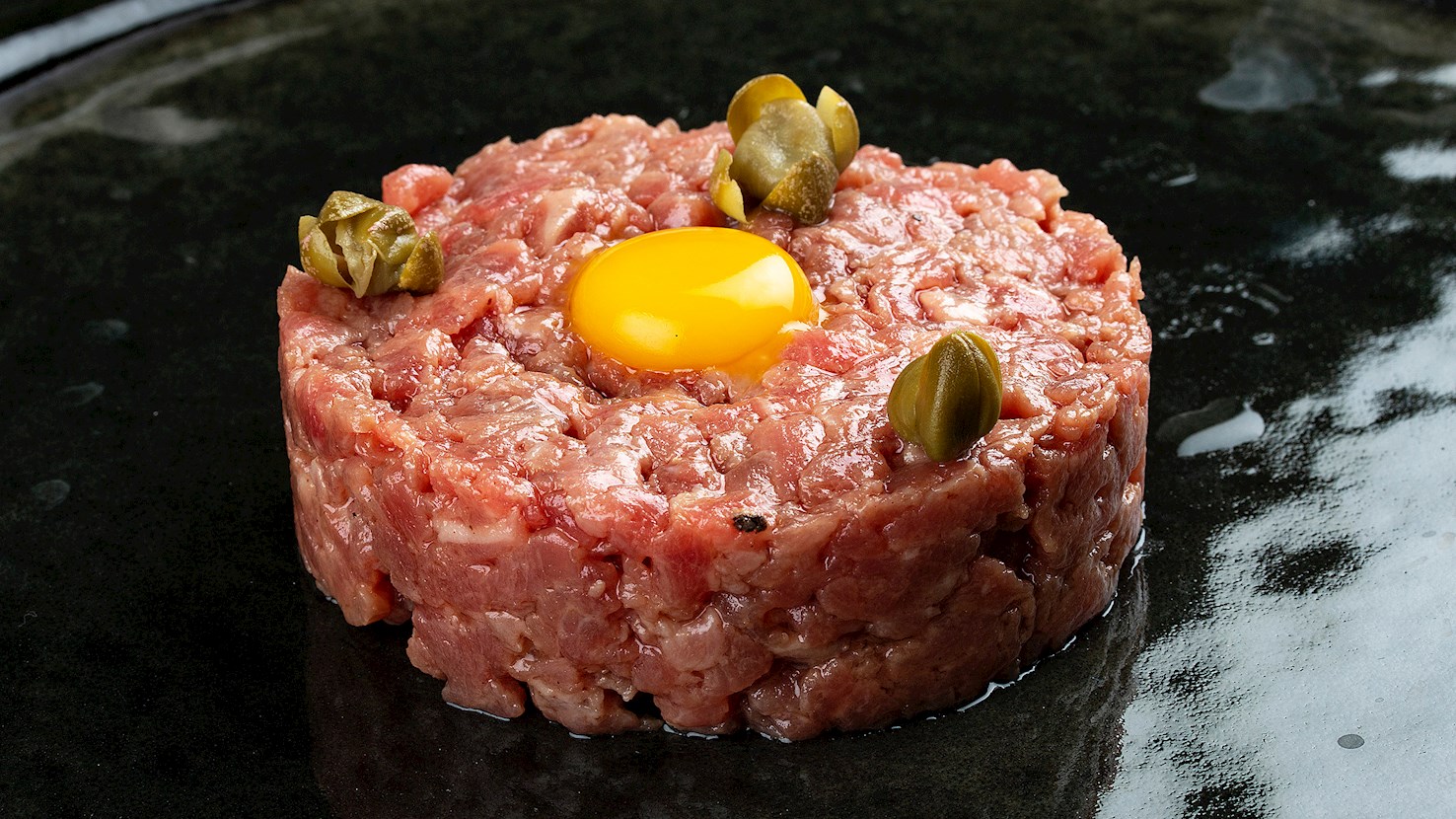
Tuna tartare is an elegant starter originating from Los Angeles. The dish is made with a combination of raw tuna, avocado, egg yolks, green peppercorns, capers, chives, tarragon, mustard, olive oil, lemon juice, salt, and pepper. It was invented in 1984 by chef Shigefumi Tachibe at the Chaya Brasserie when a few customers came in wanting beef tartare, but one of them didn't eat beef, so the chef tried tuna, and it was an instant success. Nowadays, it's usually served as a visually attractive appetizer with crackers or toast.

10

Maryland Crab Cakes

4.1 ·

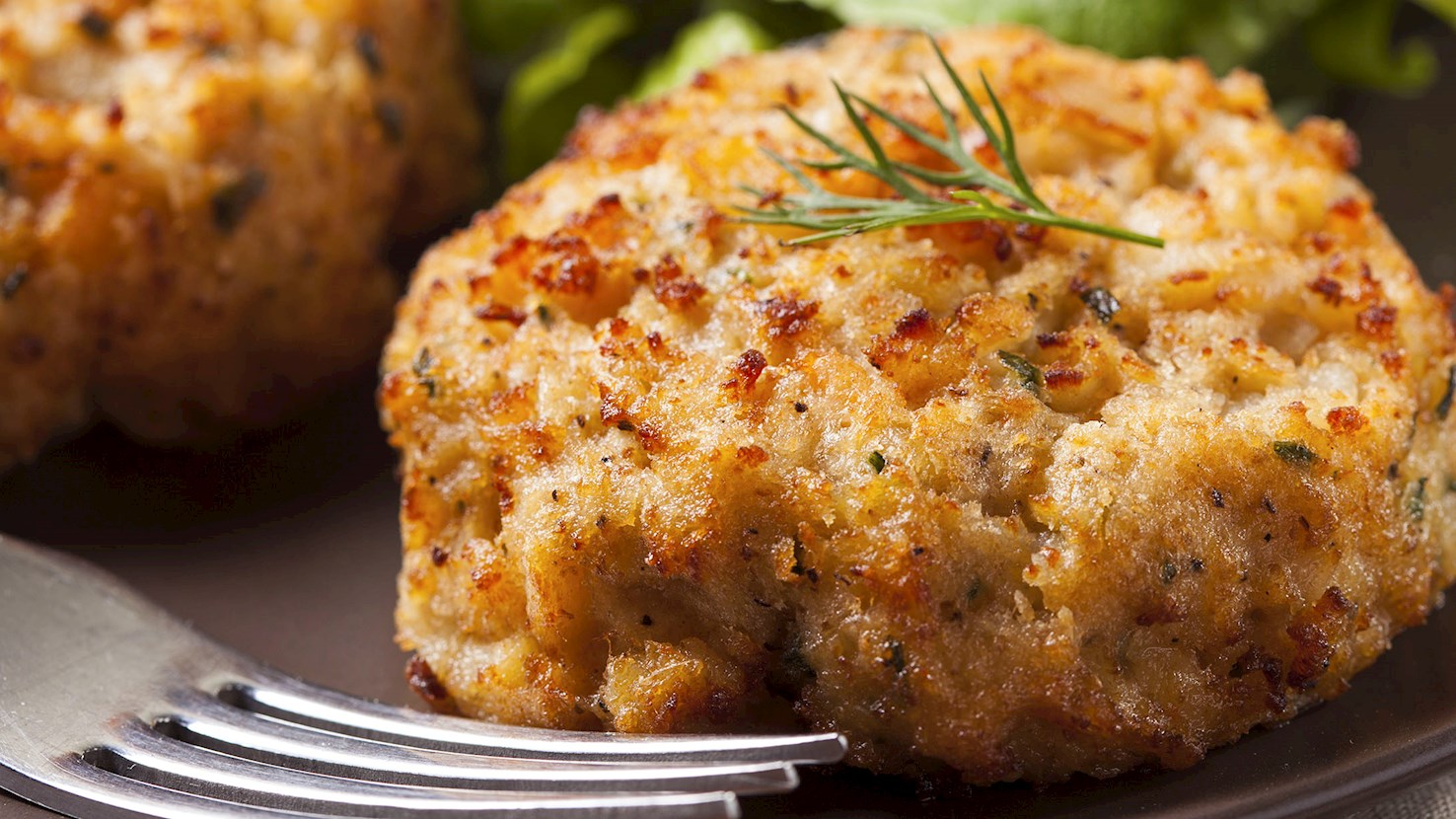
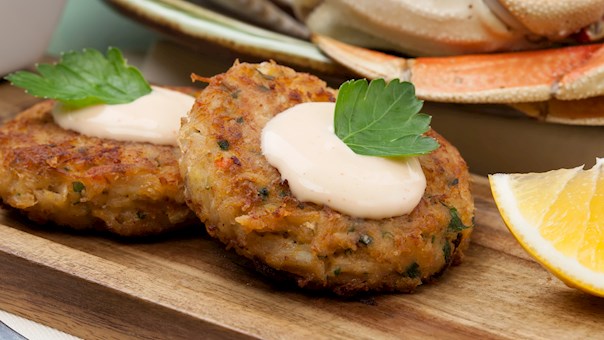
No other dish represents Maryland's cuisine better than the crab cake - a fishcake consisting of crab meat and ingredients such as mayonnaise, eggs, bread crumbs, milk, and seasonings. The blue crab is considered to be the ideal choice of crab for the cakes. They are usually served on a bun, accompanied by french fries, coleslaw, or macaroni salad. Originally, the dish was first prepared by the Natives, long before the arrival of the settlers. It was one of the first dishes that were adopted by the Chesapeake Bay region settlers. The first recipe, called Baltimore's Crab Cake, was published in 1930. In the 1940s, as the dish gained more popularity, Old Bay seasoning was added to the dish, and crab cakes have remained a staple of Maryland ever since, both for their exceptional taste and the benefit to the local economy.

Read more
View all
View map
About this ranking

TasteAtlas food rankings are based on the ratings of the TasteAtlas audience, with a series of mechanisms that recognize real users and that ignore bot, nationalist or local patriotic ratings, and give additional value to the ratings of users that the system recognizes as knowledgeable. For the “Top 72 American Seafood Dishes” list until June 15, 2026, 3,534 ratings were recorded, of which 3,235 were recognized by the system as legitimate. TasteAtlas Rankings should not be seen as the final global conclusion about food. Their purpose is to promote excellent local foods, instill pride in traditional dishes, and arouse curiosity about dishes you haven’t tried.

Similar lists