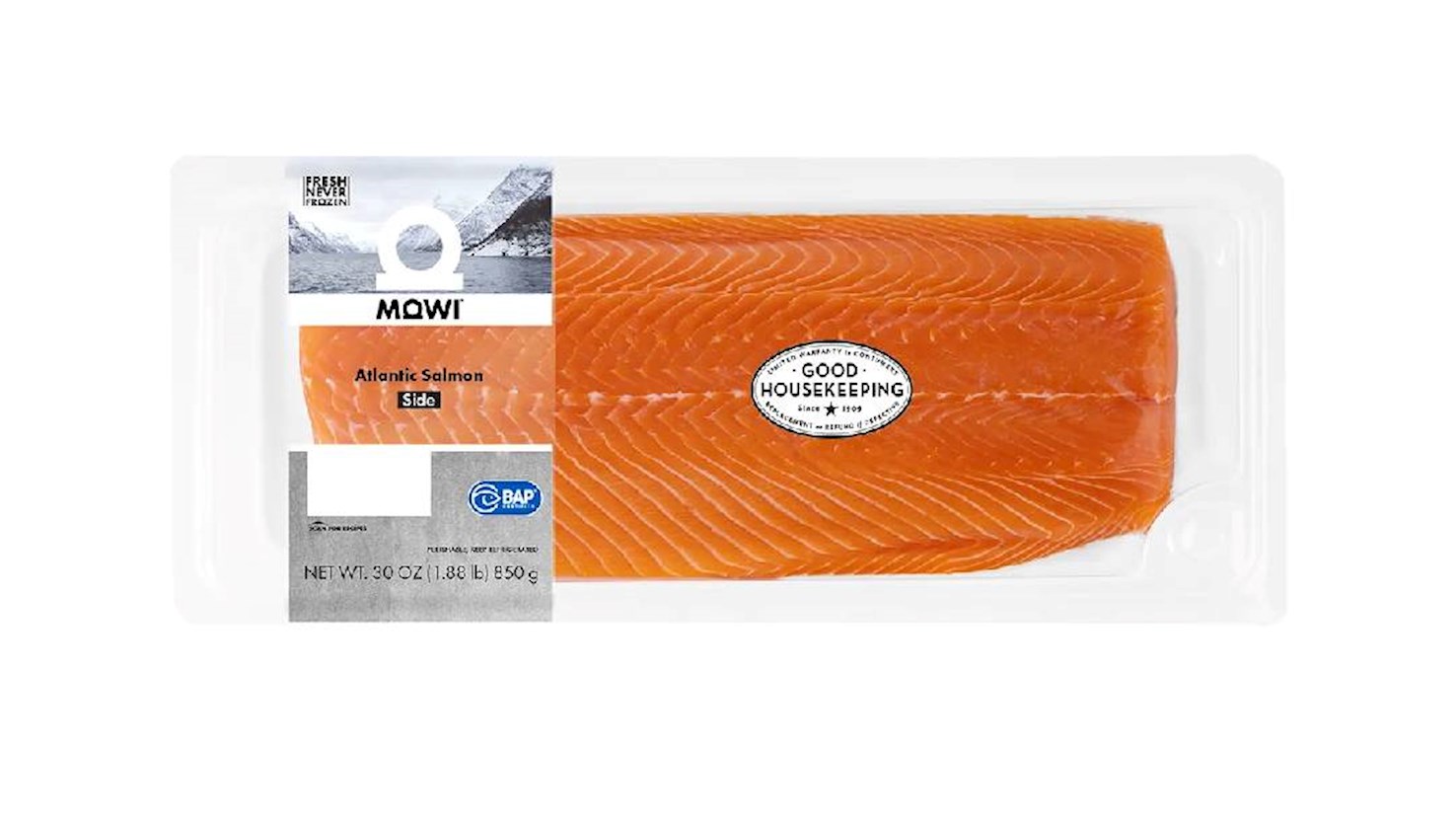
Mowi Canada West is a leading producer of Atlantic salmon in Western Canada, known for its strong commitment to sustainability and quality. Based in Campbell River, British Columbia, the company operates salmon farms along the coasts of British Columbia and Vancouver Island, producing approximately 23,000 tons of fresh and healthy Atlantic salmon annually.
The company is dedicated to environmental stewardship, as demonstrated by the fact that all of its farms are certified by the Aquaculture Stewardship Council (ASC) and Best Aquaculture Practices (BAP).
These certifications reflect Mowi’s commitment to transparency, innovation, and reducing its environmental footprint.
Mowi Canada West is part of Mowi ASA, the world’s largest producer of farm-raised Atlantic salmon, offering seafood products in more than 70 countries. Their mission is to lead the "blue revolution" by producing sustainable ocean-based food, providing consumers with high-quality products while protecting aquatic ecosystems.
Finest At Sea is a true symbol of premium quality, responsible fishing, and the authentic flavors of Canada’s West Coast. As a company driven by passionate fishers, experts, and ocean enthusiasts, Finest At Sea brings only 100% wild-caught seafood to the market—carefully selected and processed with the utmost respect for nature.
Their philosophy is rooted in sustainability, transparency, and excellence—from ocean to plate.
By controlling every step of the process, from their own fleet to in-house processing and distribution, Finest At Sea guarantees products of uncompromising quality.
Finest At Sea is more than just a producer—it is a vision that blends traditional fishing craftsmanship with a modern commitment to ocean conservation and culinary excellence. Their mission is simple: to deliver the finest seafood directly from the ocean, with deep respect for the environment and a true understanding of quality.
Grieg Seafood is one of the world’s leading producers of Atlantic salmon, committed to sustainable farming, innovation, and responsible stewardship of the environment. Their philosophy is centered on raising healthy, high-quality fish with minimal environmental impact, while actively supporting ocean conservation, local communities, and biodiversity.
By combining modern technology with carefully monitored practices, Grieg Seafood ensures the highest standards of quality at every stage of production—from sea to table.
Transparency, accountability, and continuous improvement are at the core of their operations.
More than just a producer, Grieg Seafood is a partner in building a sustainable future for ocean-based food, delivering delicious, nutritious products with care and respect for nature.
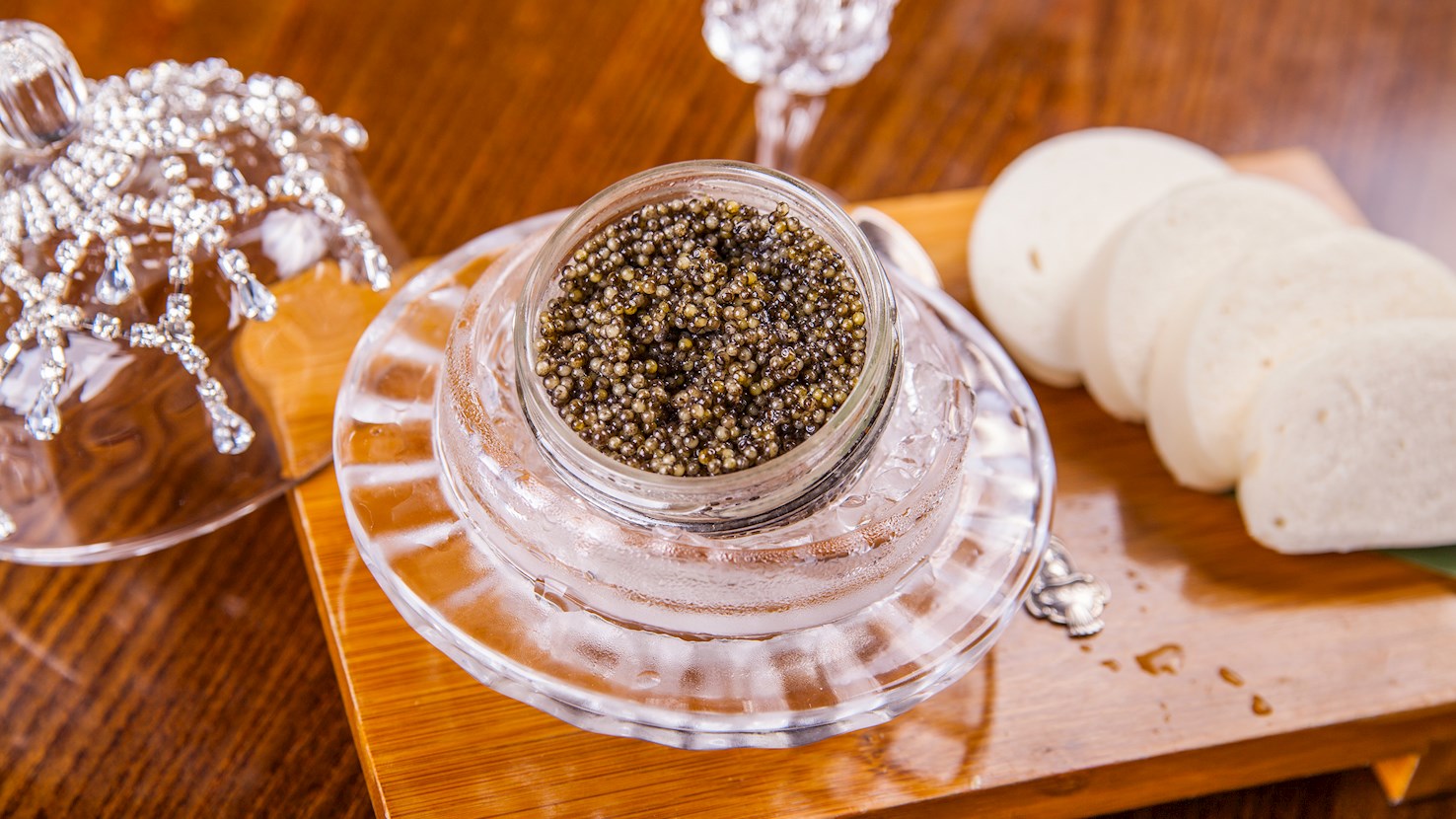
White sturgeon caviar is harvested from Acipenser transmontanus—a sturgeon that is native to the west coast of North America, from the Gulf of Alaska to Baja California. Often compared to osetra, this caviar has glistening dark pearls, ranging from dark brown to black. The beads are usually medium-sized and firm, while the flavor is clean, crisp, nutty, and buttery. White sturgeon is considered one of the most environmentally friendly caviar options, but the production and the sales are strictly regulated. This caviar is excellent served on its own, but it also pairs well with blinis, crème fraîche, seafood, and creamy sauces. It should always be served well-chilled. By the 1990s, the number of sturgeons significantly declined, mostly due to overfishing and pollution. Several countries now ban the sales of wild caviar for various environmental and political reasons. At the same time, aqua farms became the future of caviar trade. Sustainable and ethical farms are now the most reliable places to buy caviar. Their caviar is more consistent since the sturgeons are fed a controlled diet. This has also influenced the price, and caviar has become more accessible. Caviar trade now does not depend on the location, and the focus has been shifted to the type of sturgeon—which should always be clearly labeled—and ethical and sustainable harvesting methods.
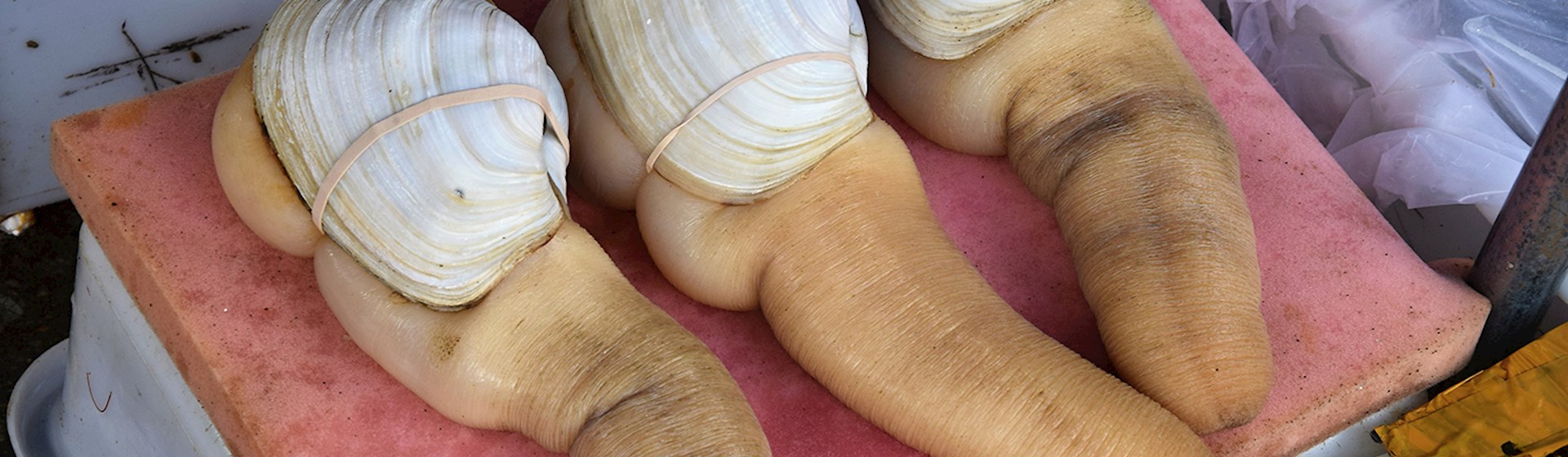
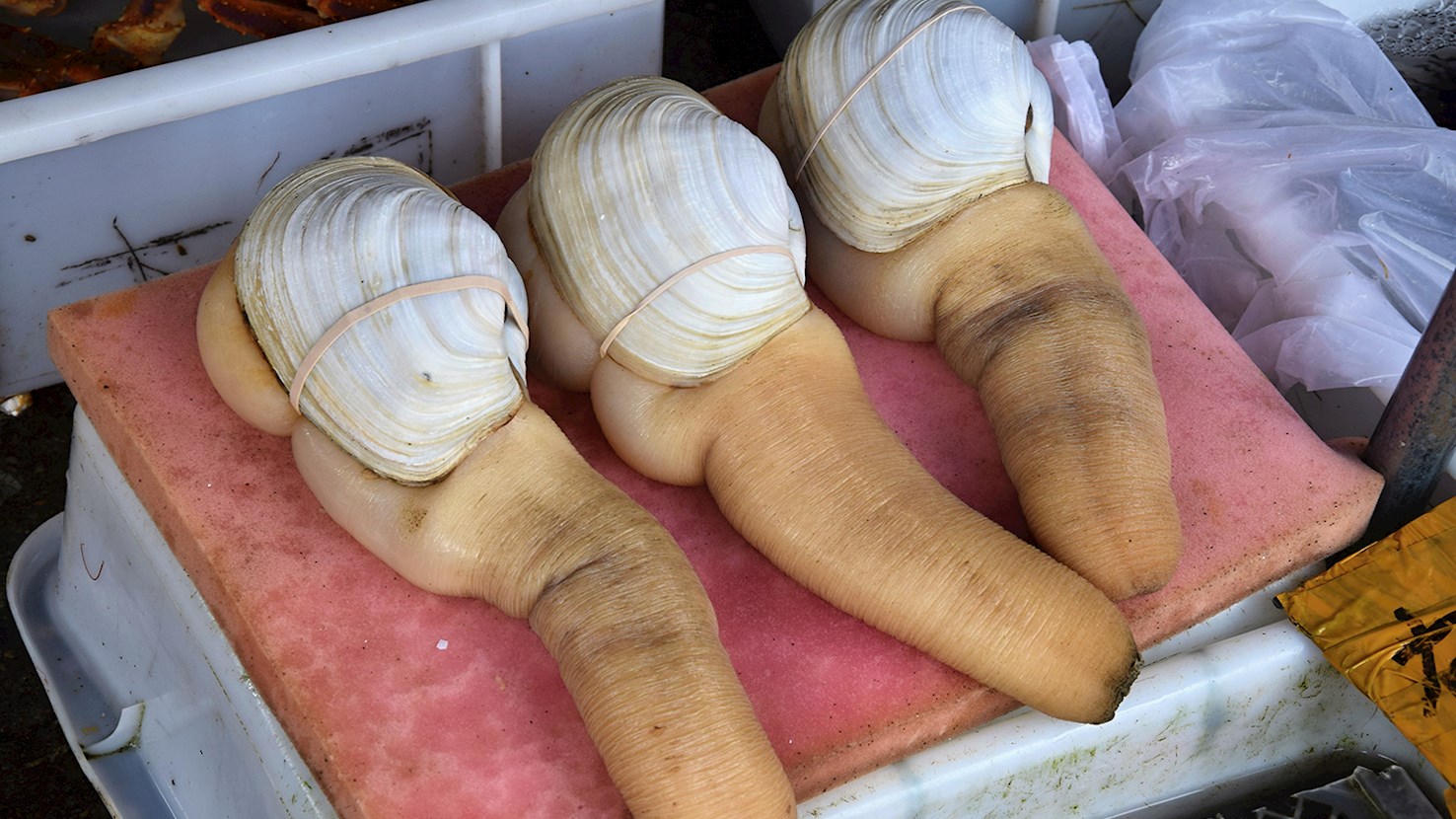
Geoduck is a large, unusually shaped clam that is native to the west coast of North America, namely Pacific Northwest and Western Canadian coast. It consists of a long soft body, often referred to as a neck or siphon, which hangs from the shell, and which may reach up to 3.3 feet (1 m). With a small foot, these clams bury themselves in the ground, and they remain at the same place for the rest of their lives. As a culinary ingredient, geoduck is an expensive delicacy. It is usually just shortly boiled before it is eaten. The shell is removed, and the skin that covers the trunk is peeled off. The trunk is then thoroughly cleaned, and thinly sliced. Typically, it is served sashimi or sushi-style, accompanied by soy or ponzu sauce. The meat inside the shell is softer, and it is mostly used in cooked dishes. Geoduck, which is pronounced as gooeyduck, appears under various names, and apart from its native location, it is also enjoyed in several Asian countries.
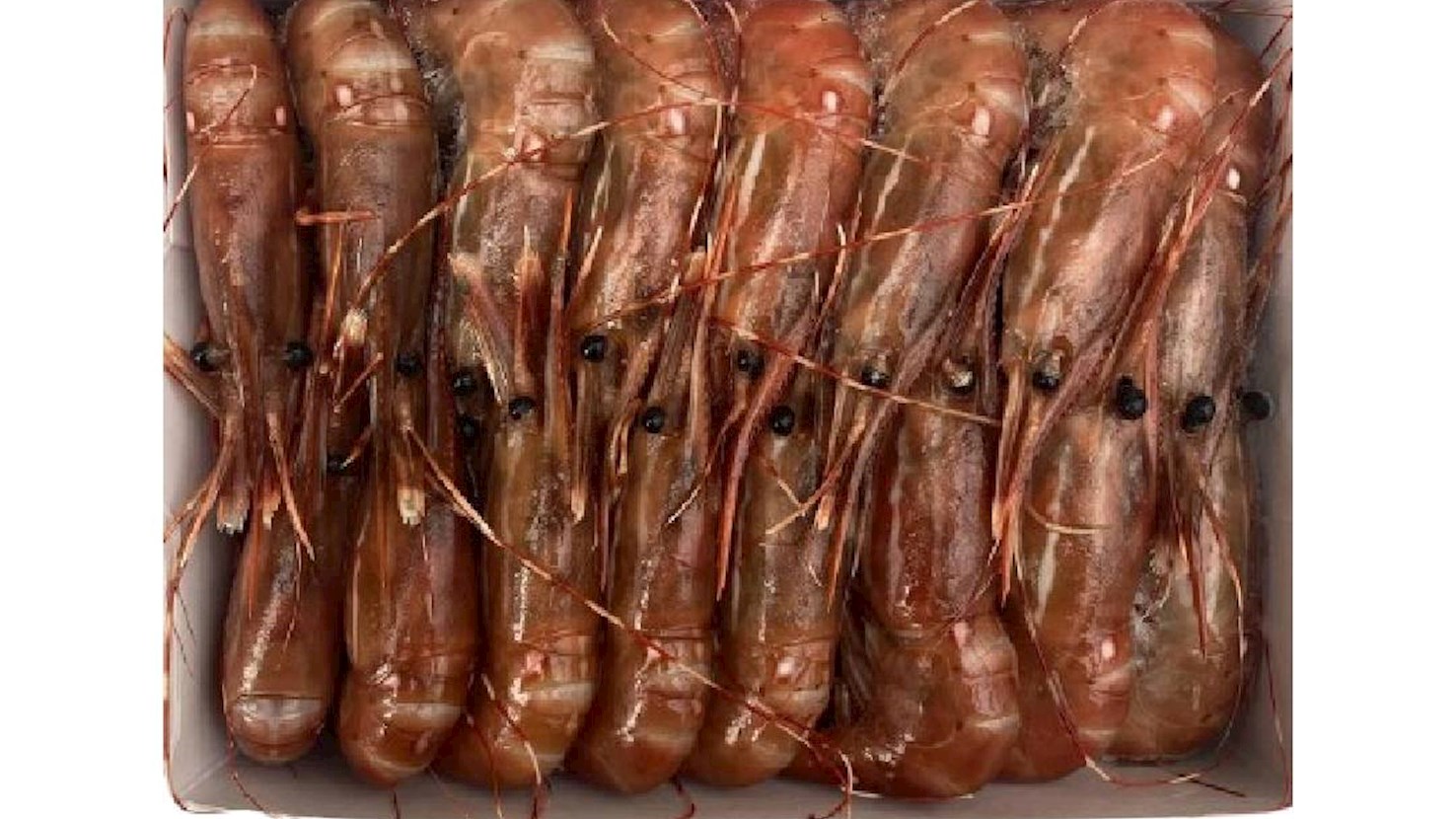
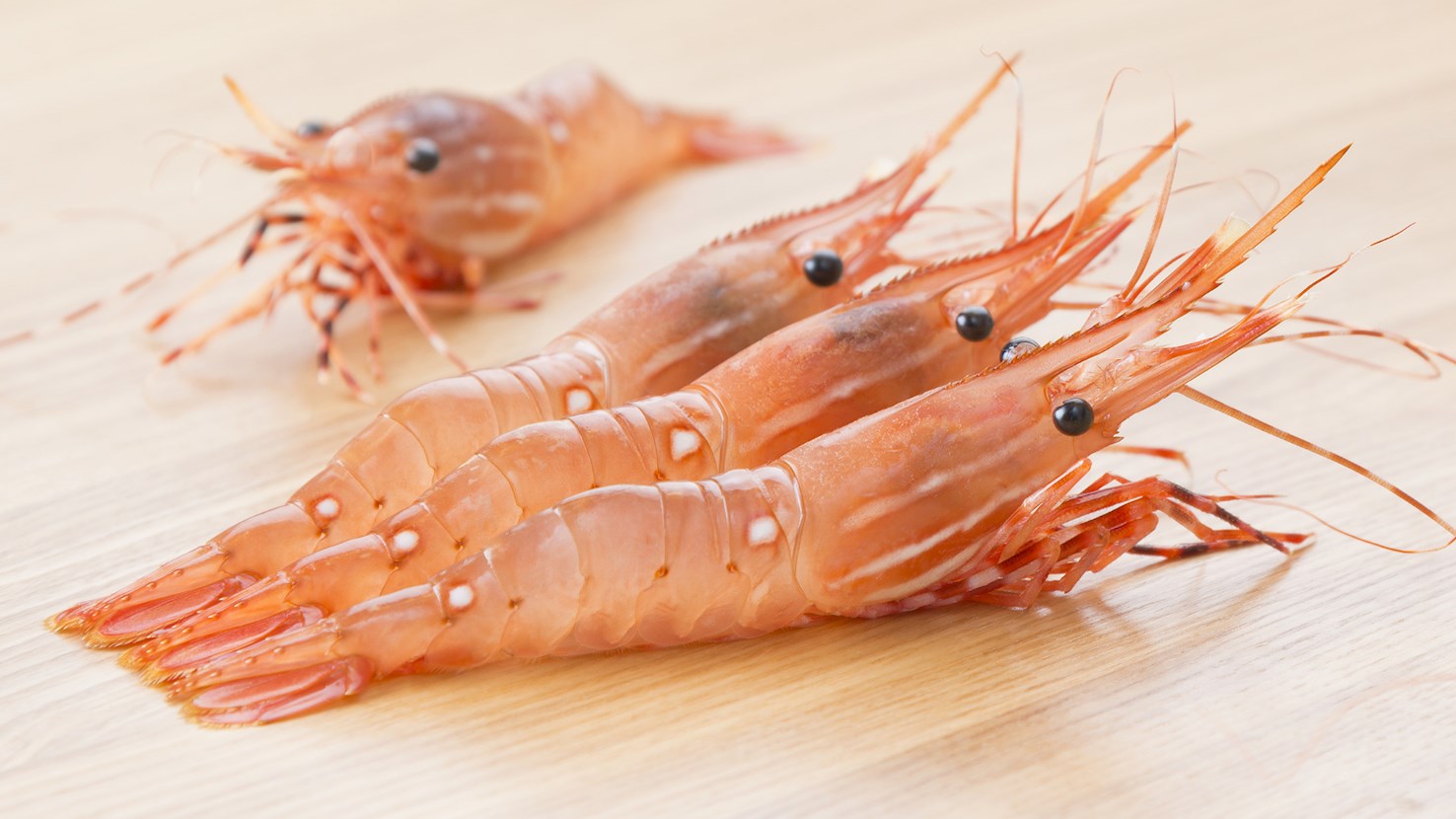
Spot prawns (lat. Pandalus platyceros) are a type of large, cold-water shrimp native to the North Pacific Ocean, especially abundant along the coastlines of British Columbia, Alaska, and the Pacific Northwest of the United States. Spot prawns are prized for their sweet, delicate flavor and tender, buttery texture, often considered superior to other shrimp species. They are easily recognized by their reddish-brown color, which turns bright pink when cooked, and the distinctive white spots located on their first and fifth abdominal segments, the feature that gives them their name. Unlike many shrimp, spot prawns have a short and highly seasonal fishery, usually from spring to early summer (like May to June), with the exact timing depending on local regulations designed to protect their populations. They're typically trap-caught, making the harvest more sustainable compared to methods like trawling. Because they are so delicate, spot prawns are often sold live when possible and need very careful handling. They spoil quickly after death, which is why fresh spot prawns are considered a real seasonal delicacy. In cooking, they are best prepared simply: quickly grilled, sautéed, or poached to highlight their natural sweetness.
The golden king crab (lat. Lithodes aequispinus) is a large marine crustacean found in the deep waters of the North Pacific Ocean, specifically inhabiting the continental slope and submarine canyons along the Aleutian Islands and the Gulf of Alaska. It is distinguished by its golden-orange shell and a smaller average size compared to the red king crab, typically weighing between 2 and 4 kilograms. The commercial harvest of this species began in the early 1980s as a means to diversify the Alaskan shellfish industry following fluctuations in red king crab populations. Unlike other king crab species that inhabit shallower shelves, the golden king crab is found at extreme depths, often between 200 and 800 meters, which necessitates the use of longline pot gear rather than individual pots to withstand the pressure and currents of the deep ocean floor. This deep-water habitat contributes to a physiological difference in the crab, as the consistent cold temperatures and diet resulting from this environment produce a meat that is less dense and contains a higher concentration of natural oils. The preparation of golden king crab involves boiling or steaming the legs and claws, often immediately after the catch is landed and processed at sea to maintain the integrity of the leg meat. The meat is located within the three pairs of walking legs and the two claws, which are encased in a shell that is thinner and easier to crack than that of the red or blue varieties. A specific characteristic of the golden king crab is its flavor profile, which is described as mildly sweet with a lighter, more delicate texture than its larger relatives. Because the shells are less robust, the meat is often extracted in whole, long cylinders, making it suitable for high-end culinary presentations where visual consistency is required. One unique anatomical feature of this species is the presence of five pairs of spines on the rostrum, a skeletal structure located between the eyes, which serves as a primary identifying mark for marine biologists and inspectors to differentiate it from other lithodid crabs. The crab is consumed globally, though it is primarily marketed in North America and East Asia, where it is served as a premium seafood item. It is typically eaten by cracking the legs and dipping the meat into melted butter or lemon juice, though it is also used as a primary protein in cold seafood towers and salads. In fine dining contexts, the sweet and oily nature of the meat is paired with beverages that offer high carbonation or acidity to cleanse the palate. Dry sparkling wines such as Champagne or Cava are standard pairings, as are crisp white wines like dry Riesling or Chenin Blanc. For non-alcoholic options, chilled sparkling mineral water with citrus is frequently utilized to balance the rich, oceanic fats found in the leg meat.
The sidestriped shrimp (lat. Pandalopsis dispar), is a species of cold-water decapod crustacean found in the North Pacific Ocean, ranging from the Bering Sea down to the coastal waters of Oregon. It is distinguishable by its large size relative to other shrimp in the Pandalidae family and by the prominent white longitudinal stripes that run along its reddish-orange abdomen. The species occupies soft, muddy sea floors at depths ranging from 50 to 500 meters, where it feeds on small invertebrates and detritus. The emergence of sidestriped shrimp as a distinct culinary item began with the development of the commercial beam trawl fishery in the waters of British Columbia and Southeast Alaska. Unlike the more common northern pink shrimp, the sidestriped variety was initially a secondary catch but gained recognition due to its larger physical proportions and a texture that is notably firmer and less fibrous than other deep-water species. Preparation of the sidestriped shrimp typically begins with immediate head removal upon harvesting, as the digestive enzymes in the head can rapidly degrade the quality of the tail meat if left intact. The meat is characterized by a high sugar content, specifically a concentration of glycine, which results in a pronounced sweetness that persists even after cooking. Because of its delicate protein structure, the shrimp is most frequently prepared using high-heat, short-duration methods such as searing, grilling, or flash-steaming to prevent the meat from becoming rubbery. A unique biological feature of this shrimp is its status as a protandric hermaphrodite, meaning it spends the first phase of its life as a male before transitioning into a female; this transition influences the size and meat yield of the individuals caught in specific seasons. The shrimp is predominantly consumed in coastal regions of the Pacific Northwest and Japan, where it is often served raw as sashimi or nigiri to highlight its natural sweetness and buttery consistency. When cooked, it is served simply, perhaps with a light coating of butter or citrus, to avoid masking the primary flavor of the crustacean. It is frequently paired with dry, high-acidity white wines such as Sauvignon Blanc or Pinot Grigio, which provide a clean finish to the palate. In many Japanese culinary settings, it is also served alongside cold, dry sake or a crisp lager, both of which complement the clean, oceanic profile of the meat without overwhelming its subtle sweet notes.
TasteAtlas food rankings are based on the ratings of the TasteAtlas audience, with a series of mechanisms that recognize real users and that ignore bot,
nationalist or local patriotic ratings, and give additional value to the ratings of users that the system recognizes as knowledgeable.
TasteAtlas Rankings should not be seen as the final global conclusion about food. Their purpose is to promote excellent local foods,
instill pride in traditional dishes, and arouse curiosity about dishes you haven’t tried.
The initial list of top producers was compiled based on available reviews, awards, local recommendations, media and blog coverage, and consumer reviews.
The list will be updated with ratings from TasteAtlas local ambassadors and TasteAtlas users.






What People Say