



Top 30 Asian Seafood Soups

Last updated on June 15, 2026
01

Tom yum

4.2 ·

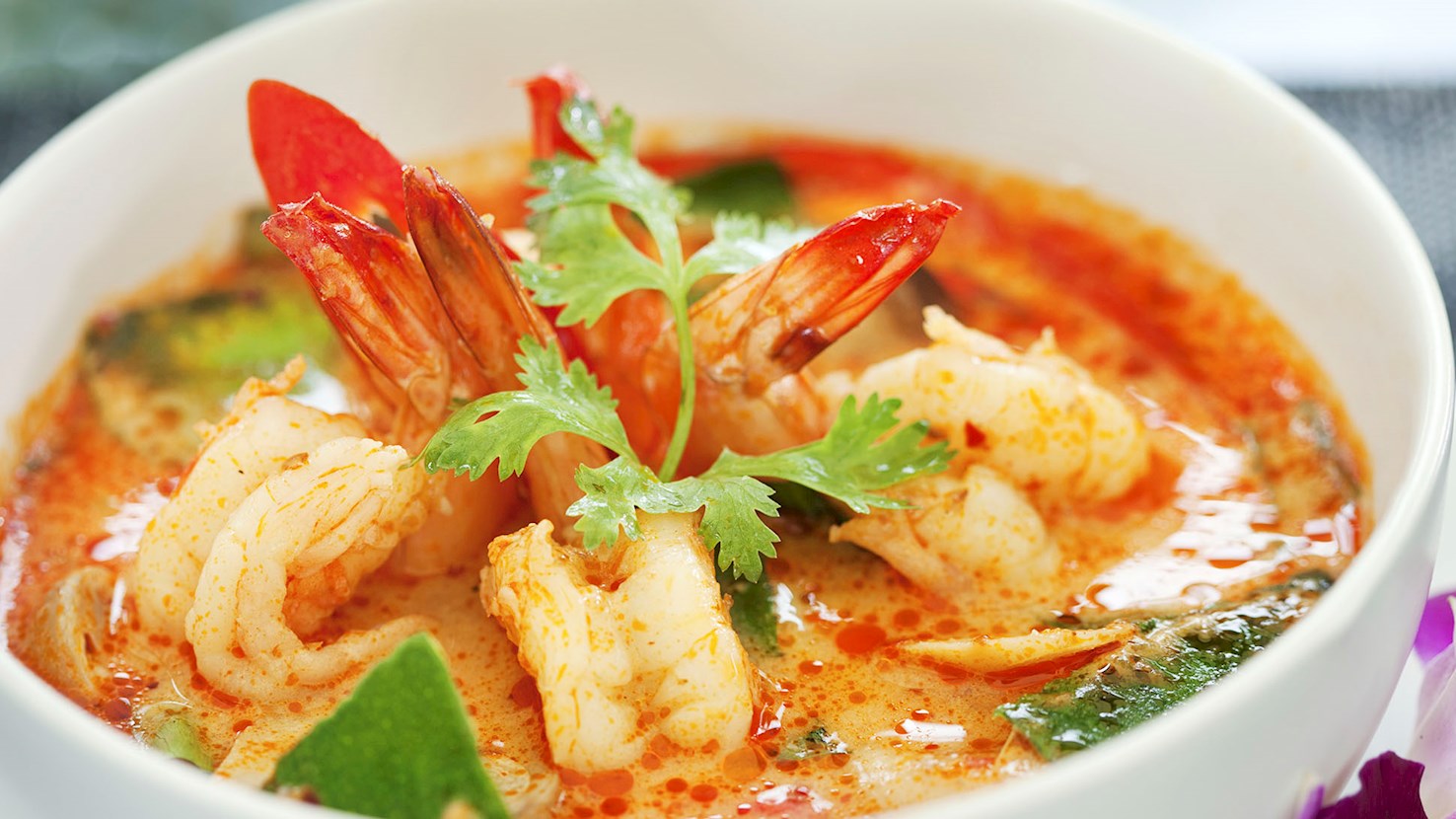
Tom Yum is one of the best known Thai dishes, a spicy, sour, and aromatic soup that is traditionally served with rice. It consists of shallots, lemongrass, fish sauce, minced fresh ginger or galangal, shrimps, mushrooms, kaffir lime leaves, lime juice, and minced Thai chili peppers. Usually served as an appetizer, tom yum is traditionally garnished with coriander leaves on top. Due to its popularity, different versions of the soup started to appear over the years, such as tom yum gai, with added chicken, and tom yum talay, with mixed seafood. There's also a version made with pork. Full of nutrients, flavorful, satiating, and healthy, tom yum is one of the most popular Thai dishes for a reason.

02

Katong laksa

4 ·

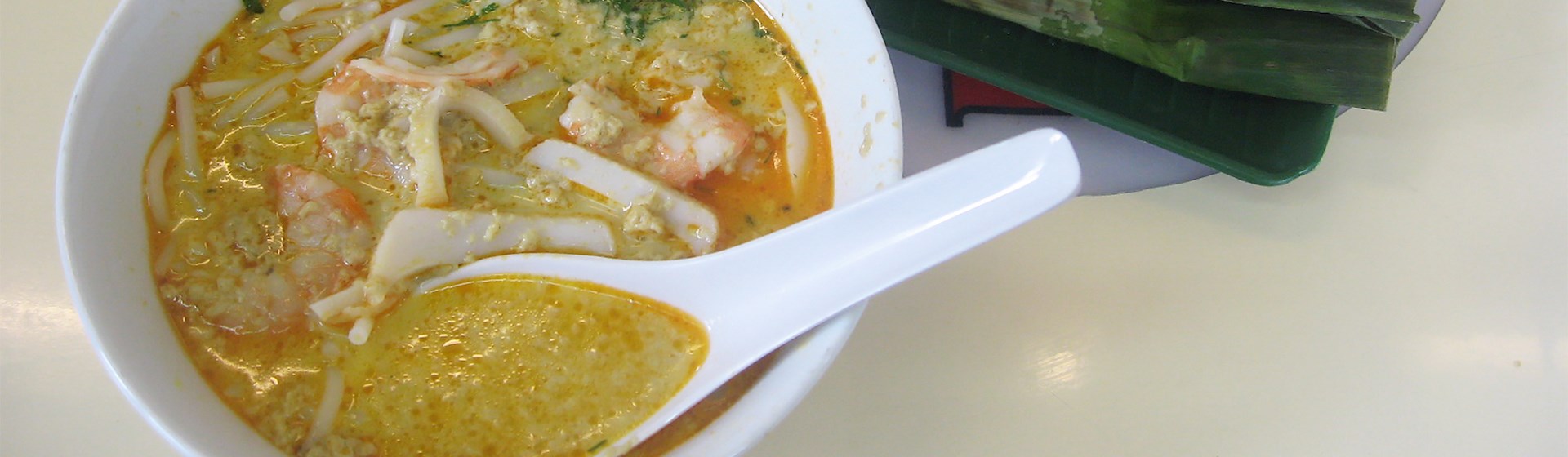
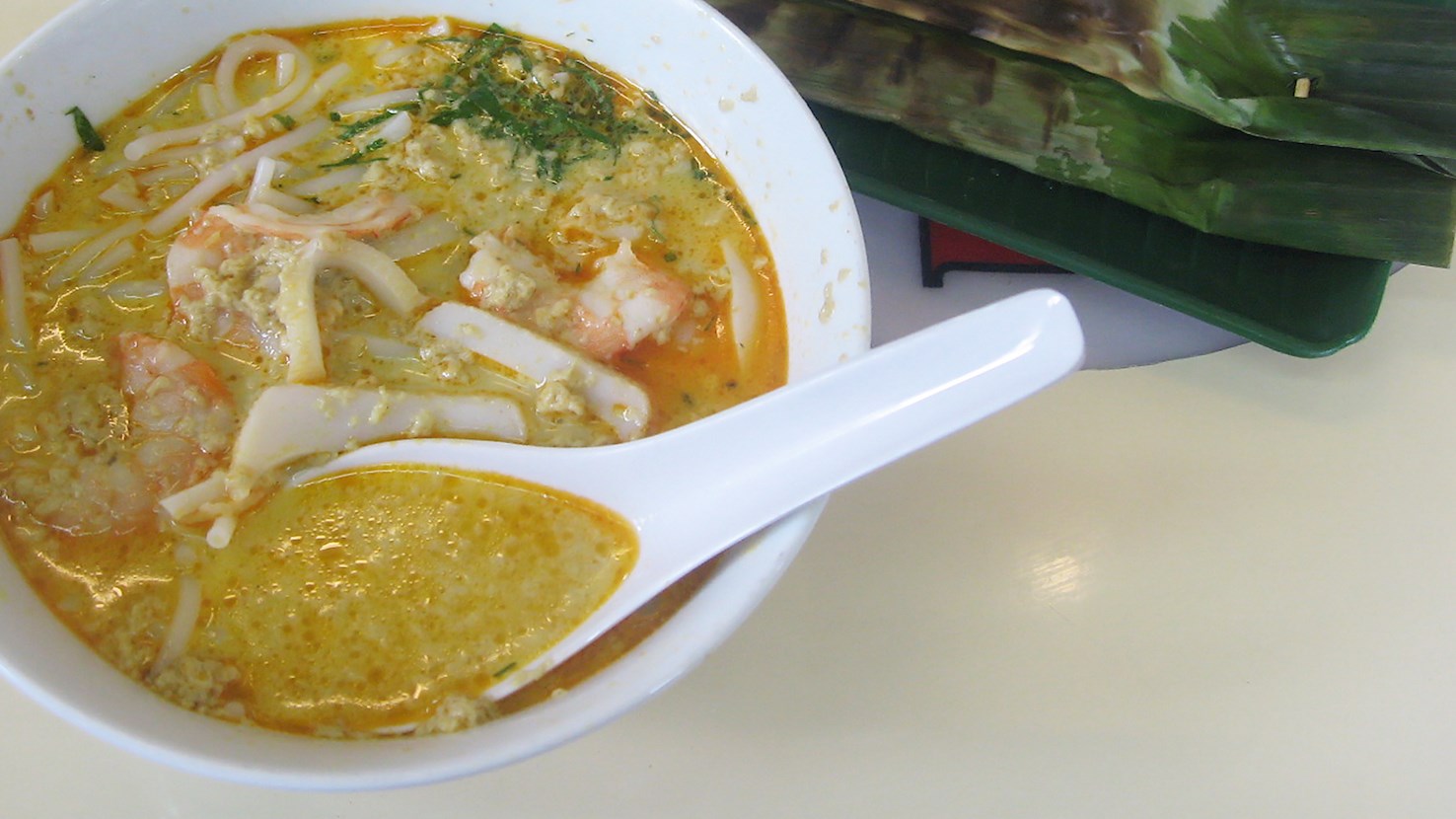
As the name implies, this laksa variety hails from the Katong neighborhood of Singapore's Central Region. It is based on a spicy, shrimp-infused broth that's flavored with coconut milk and a special laksa paste consisting of dried shrimps, herbs, and spices. Other elements include thick rice noodles and a variety of condiments and toppings such as shrimps, fishcakes, cockles, tofu puffs, fish balls, spicy sambal sauce, or coriander. The noodles in Katong laksa are always cut into smaller pieces, and when served, each bowl comes with a spoon. It is believed that the dish originated among the Peranakan (Strait Chinese), but it rose to fame during a dispute over which hawker stall serves the original version. The most popular theory claims that Ng brothers first started selling it in 1963 at a stall then named Marine Parade. When they had to move out, their place was taken over by Nancy Lim who later renamed it 328 Laksa. Eventually, numerous stalls appeared, Ms. Lim moved her business, and the sons of Ng brothers opened a new laksa shop.

03

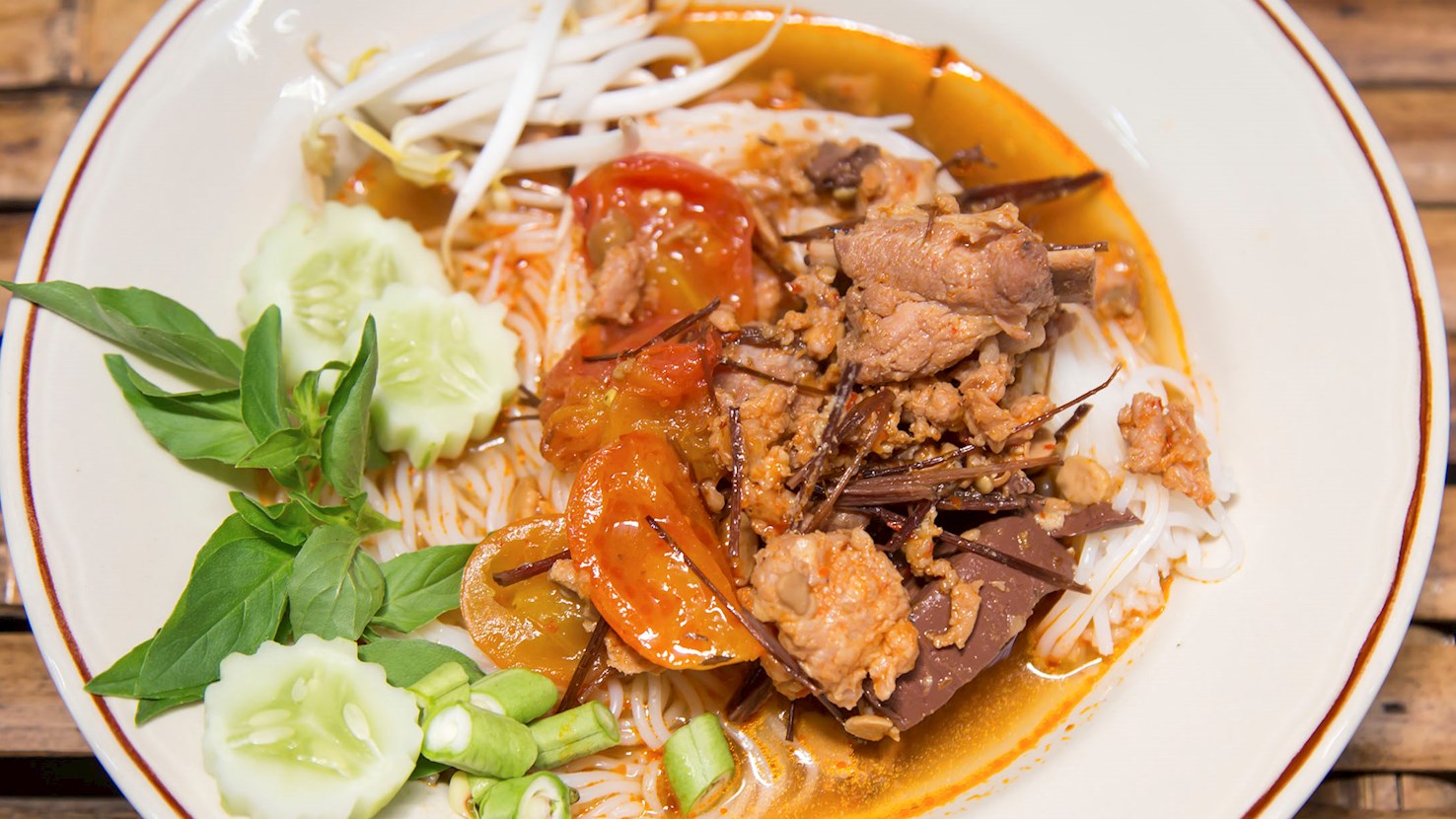
Laksam

4 ·

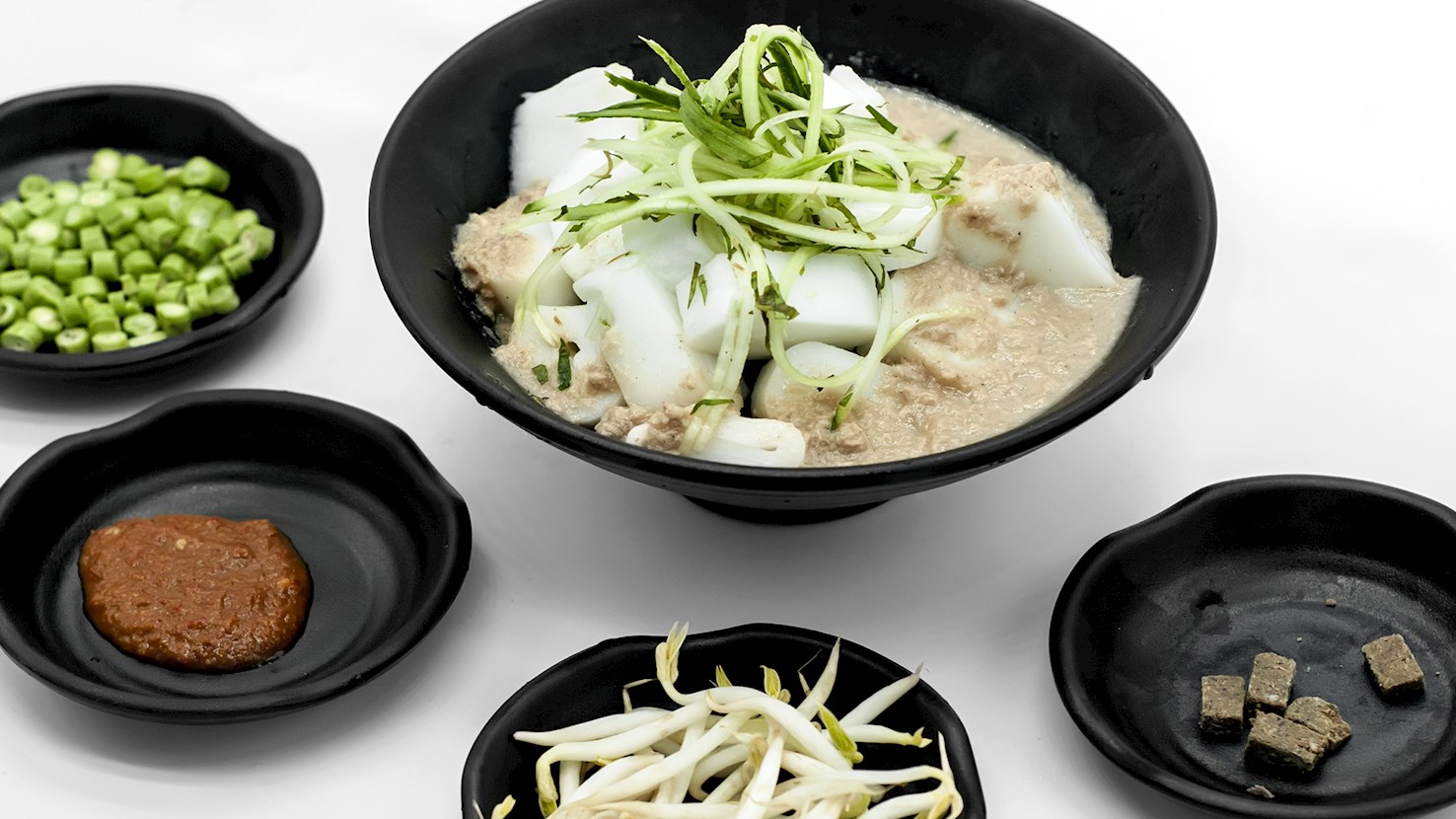
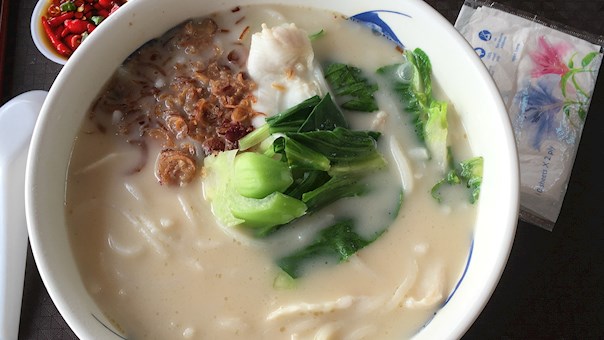
Traditionally associated with the regions of Kelantan and Terengganu, this flavorful Malaysian soup consists of rolled rice noodles served in a creamy fish broth. The noodles are prepared with a thin rice flour batter that is poured on a flat surface, steamed, and then rolled and sliced into bite-sized pieces. The broth served alongside the noodles is made with coconut milk and creamy fish paste, and is usually seasoned with ginger, shallots, and garlic. The whole dish is complemented by various vegetables such as sliced cucumbers or green beans and is usually accompanied by spicy sambal. Laksam is traditionally enjoyed as a warm, hearty breakfast.

04

Assam laksa

4 ·

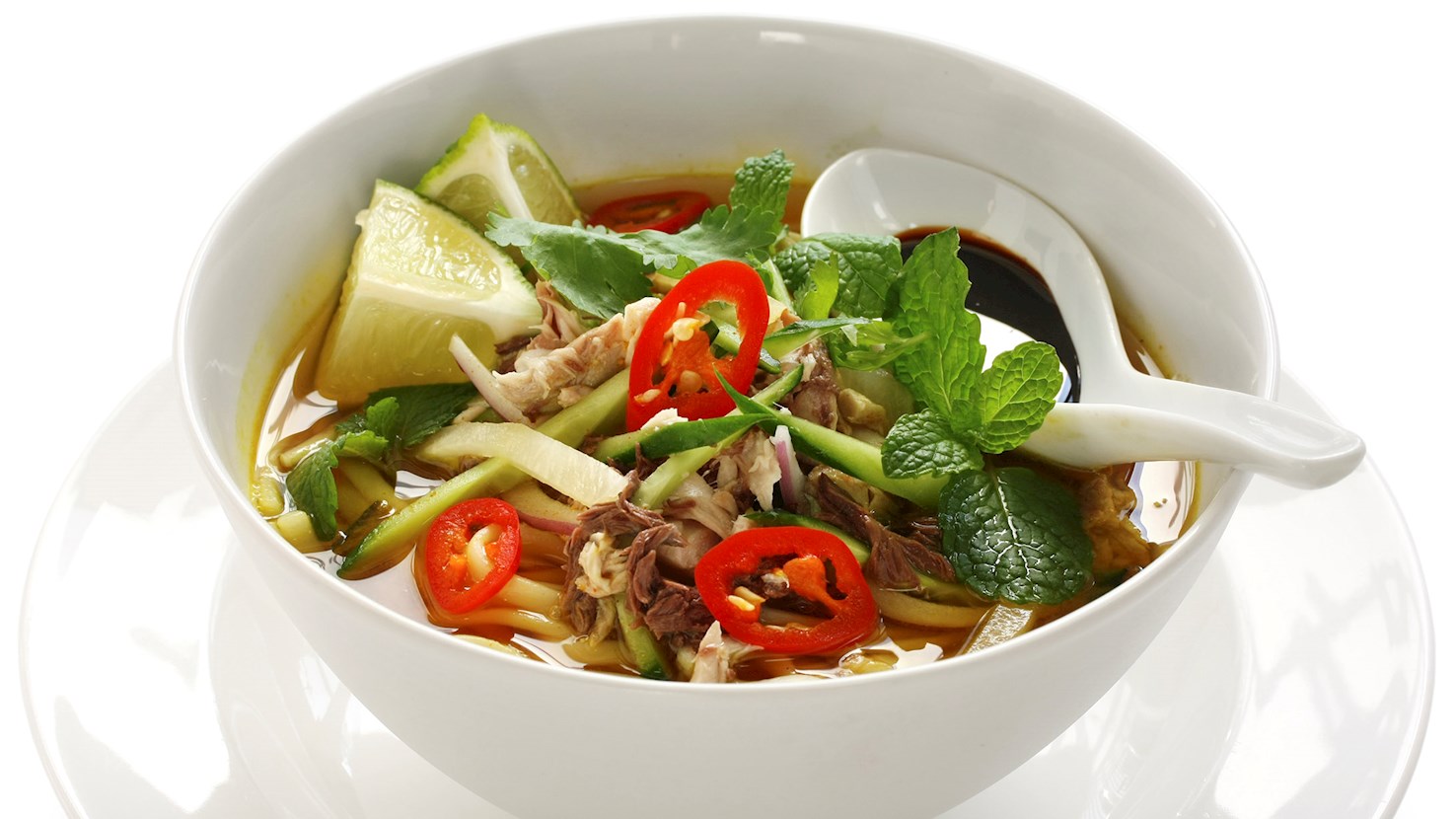
Assam laksa is a traditional fish-based sour noodle soup. It is the one of the numerous varieties of laksa, popular noodle soups widespread throughout Southeast Asia. The dish consists of rice noodles, shredded fish, and sliced vegetables, most commonly cucumber, onion, and lettuce. It has a distinctively tangy taste, which is attributed to tamarind, the sour ingredient generously used to spice the dish. The exact origin of the dish is unknown, but it is believed that it has originated in the coastal areas of Malaysia among the local fishermen who assembled the dish out of available ingredients. Through history, the dish evolved into assam laksa that we know today. Regardless of its origin, nowadays it is a signature dish of the Malaysian region of Penang. It is one of the most famous street dishes found in the area, and a favorite with both locals and tourists. In Penang, street vendors prepare assam laksa from the early morning until late in the evening. Traditionally, the dish should be served with hae ko, a dark and rich Malaysian-style shrimp paste.

05

Sinigang na hipon

3.9 ·

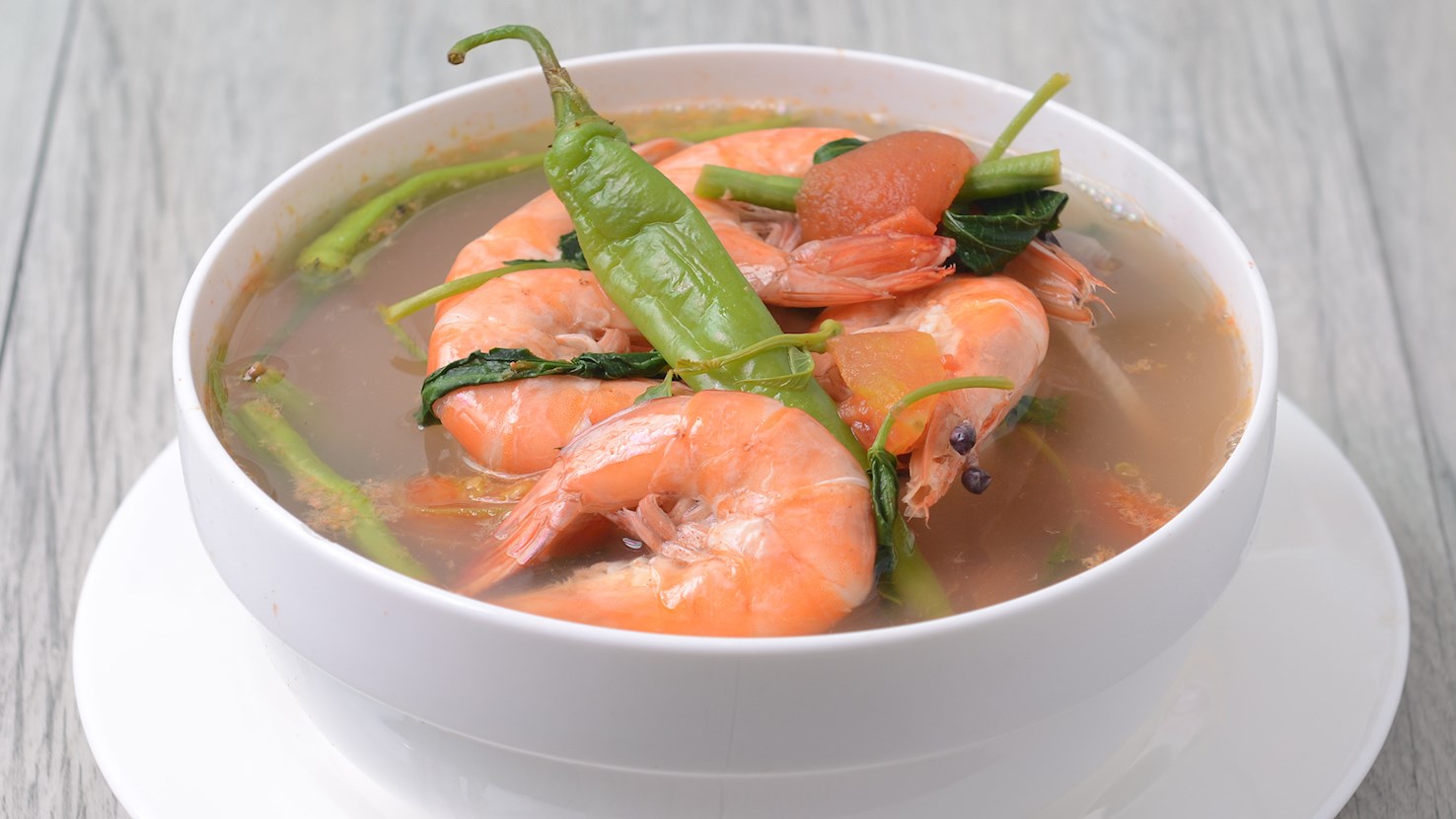
Sinigang na hipon is a Filipino shrimp soup characterized by its sour and strongly savory flavor. In addition to shrimp, this dish contains a great variety of vegetables, including onions, tomatoes, string beans, banana peppers, water spinach, taro, radishes, and ladies’ fingers, with ginger and fish sauce being added for extra flavor. Sinigang’s signature sour flavor comes from tamarind, but other natural souring agents, such as green mango, guava, santol, calamansi, bilimbi, or pineapple can also be used. Sinigang na hipon is very popular in the Philippines, where it is considered a homemade specialty. It is traditionally served hot with rice and fish sauce on the side.

Best restaurants
06

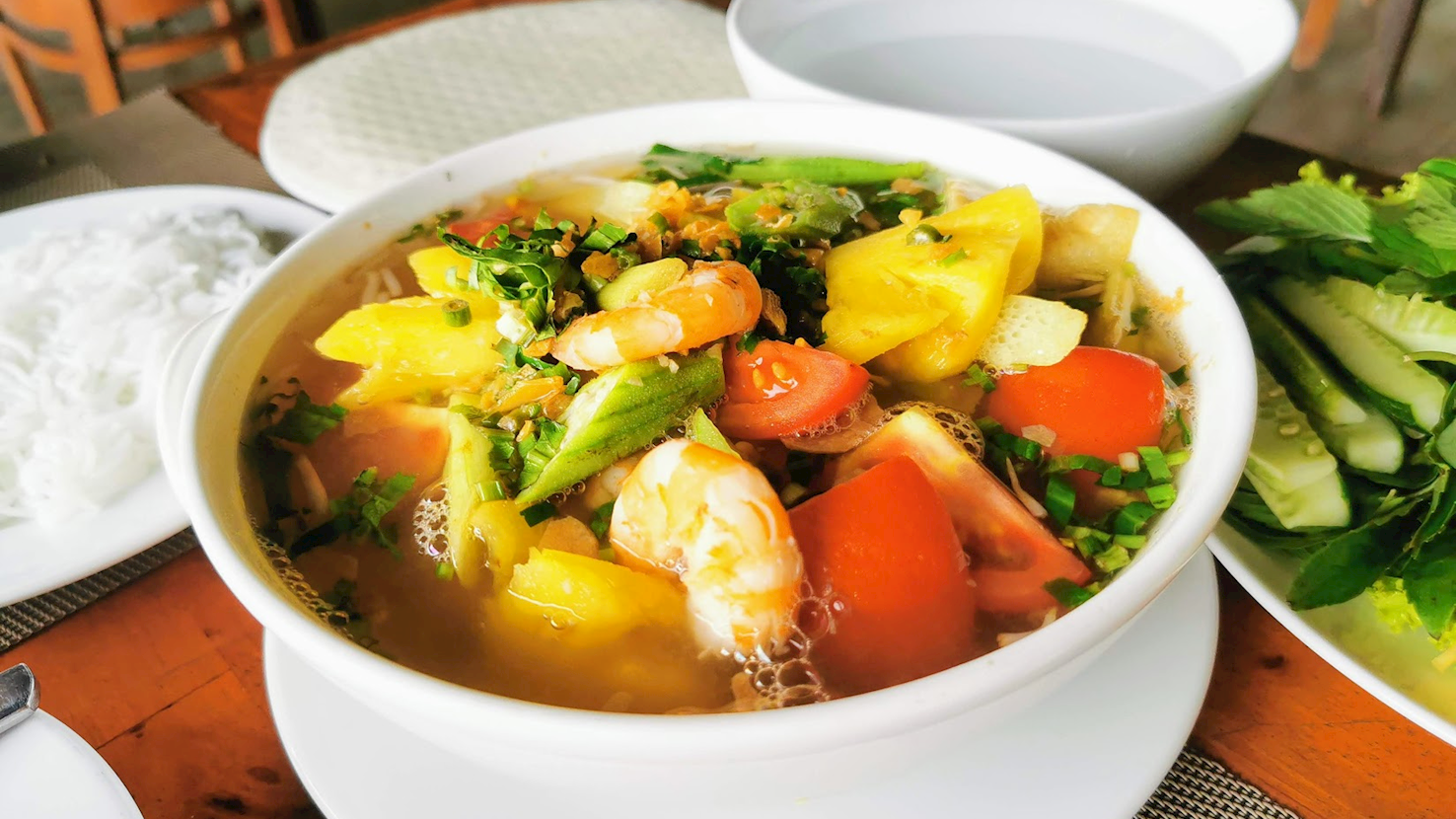
Canh chua cá (Vietnamese Sweet and Sour Soup)

3.8 ·

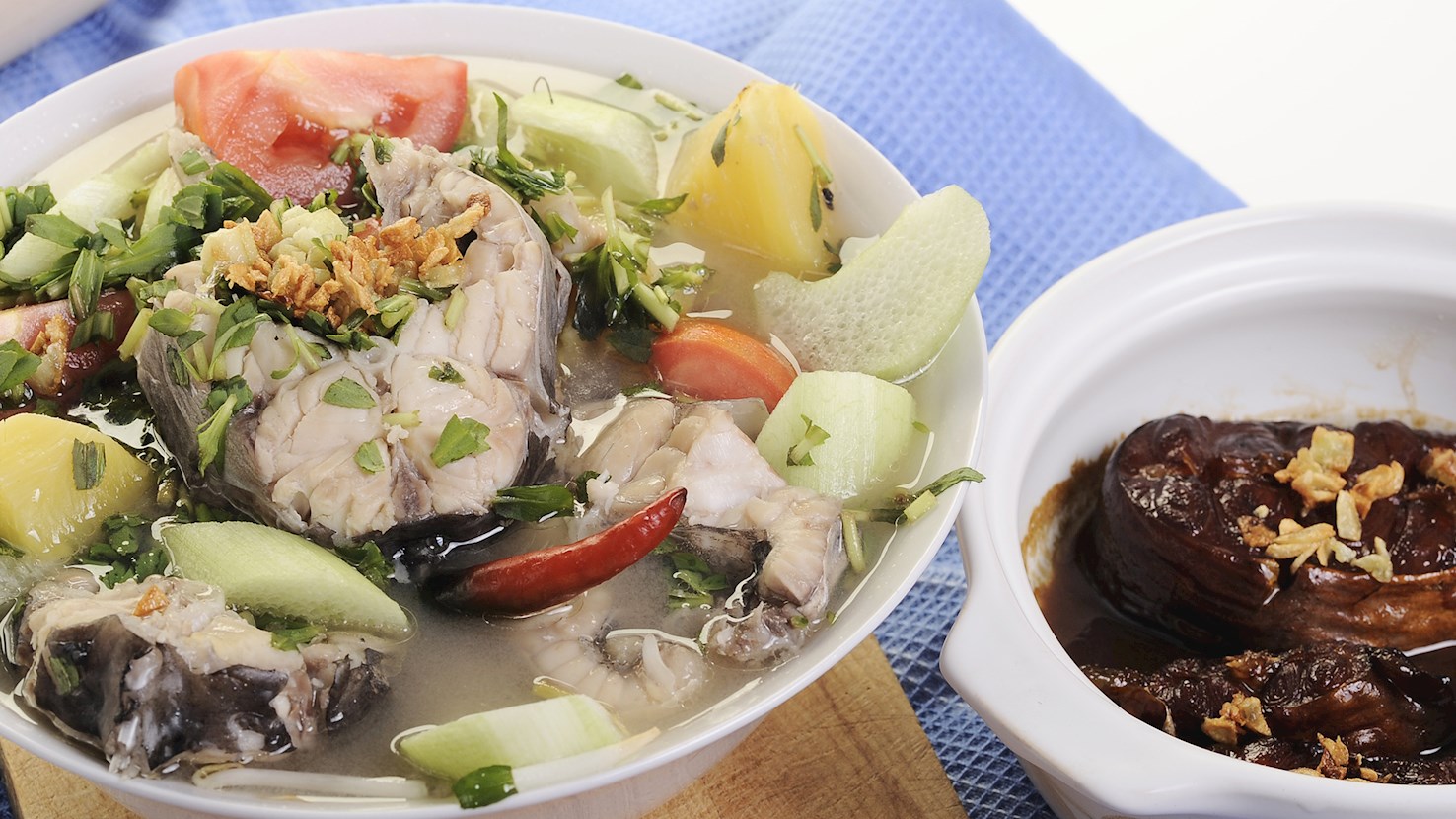
The term canh chua cá encompasses various fish-based Vietnamese soups that are characterized by their combination of sweet, spicy, and sour flavors. The soups are usually made with a tamarind-based broth, and they typically include chunks of pineapple, tomatoes, okra, bean sprouts, or other vegetables. Most varieties are prepared with catfish, but some versions include carp, snakehead fish, eels, or salmon. These soups are usually topped with cilantro and served with rice on the side.

07

Tekwan

3.7 ·

Tekwan is a traditional fish ball soup. The essential component of the dish are tekwan fish balls, from which the dish derives its name. Usually made with fish paste, tapioca, and flour, they are boiled or fried before being added to the soup. The broth is usually fish or shrimp-based, and mushrooms, dried lily flowers, slices of jicama, garlic, and scallions are subsequently added and served with tekwan. Some varieties of the dish also include vermicelli noodles and other vegetables. The origin of tekwan is believed to be the city of Palembang, located in South Sumatra, from where this delicious soup has spread across the country. It is usually found on the menus of Indonesian restaurants, and it is commonly served at warungs - traditional Indonesian street food stalls. Sambal, the traditional Indonesian chili sauce, is the usual accompaniment to tekwan. Served on the side, it allows the people to adjust the spiciness according to their taste and preference.

08

Canh chua (Sweet and Sour Tamarind Soup)

3.6 ·

Canh chua is a popular Vietnamese soup originating from the Mekong Delta region. It's characterized by its contrasting flavors - sour, sweet, and savory. The soup incorporates ingredients such as seafood (eel, shrimp, snakehead, catfish), tomatoes, okra, pineapple, tamarind, bean sprouts, and fresh herbs with a tangy flavor. Traditionally, canh chua is served either with rice vermicelli noodles or with a side of steamed jasmine rice. There are numerous versions of the soup depending on the ingredients used in it - besides fish, it can be made with water spinach, chicken, bamboo shoots, mustard greens, pork, or beef. Due to its nutritional value, health benefits, and short cooking time, canh chua has the status of a quintessential Vietnamese meal.

09

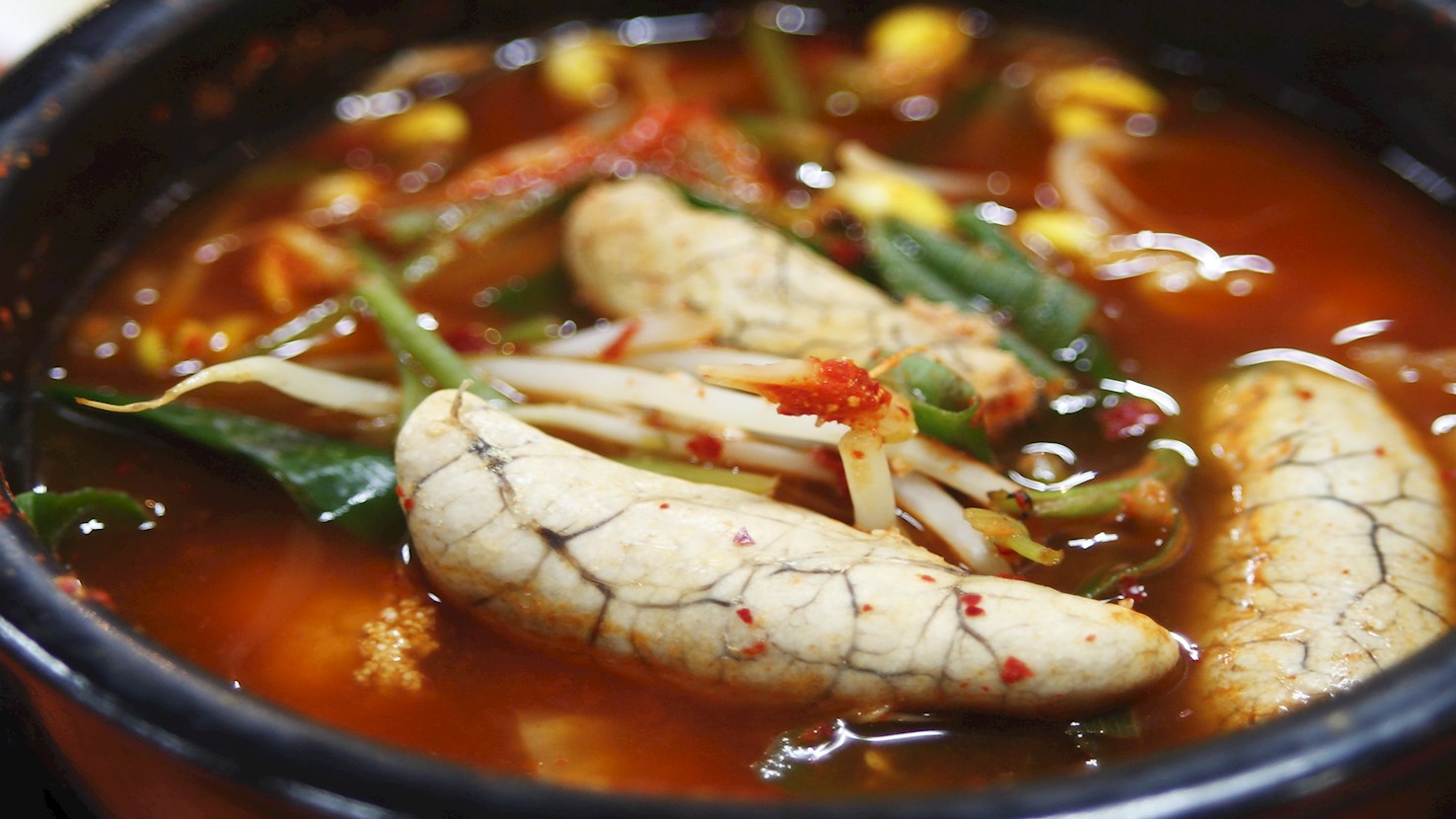
Altang

3.4 ·

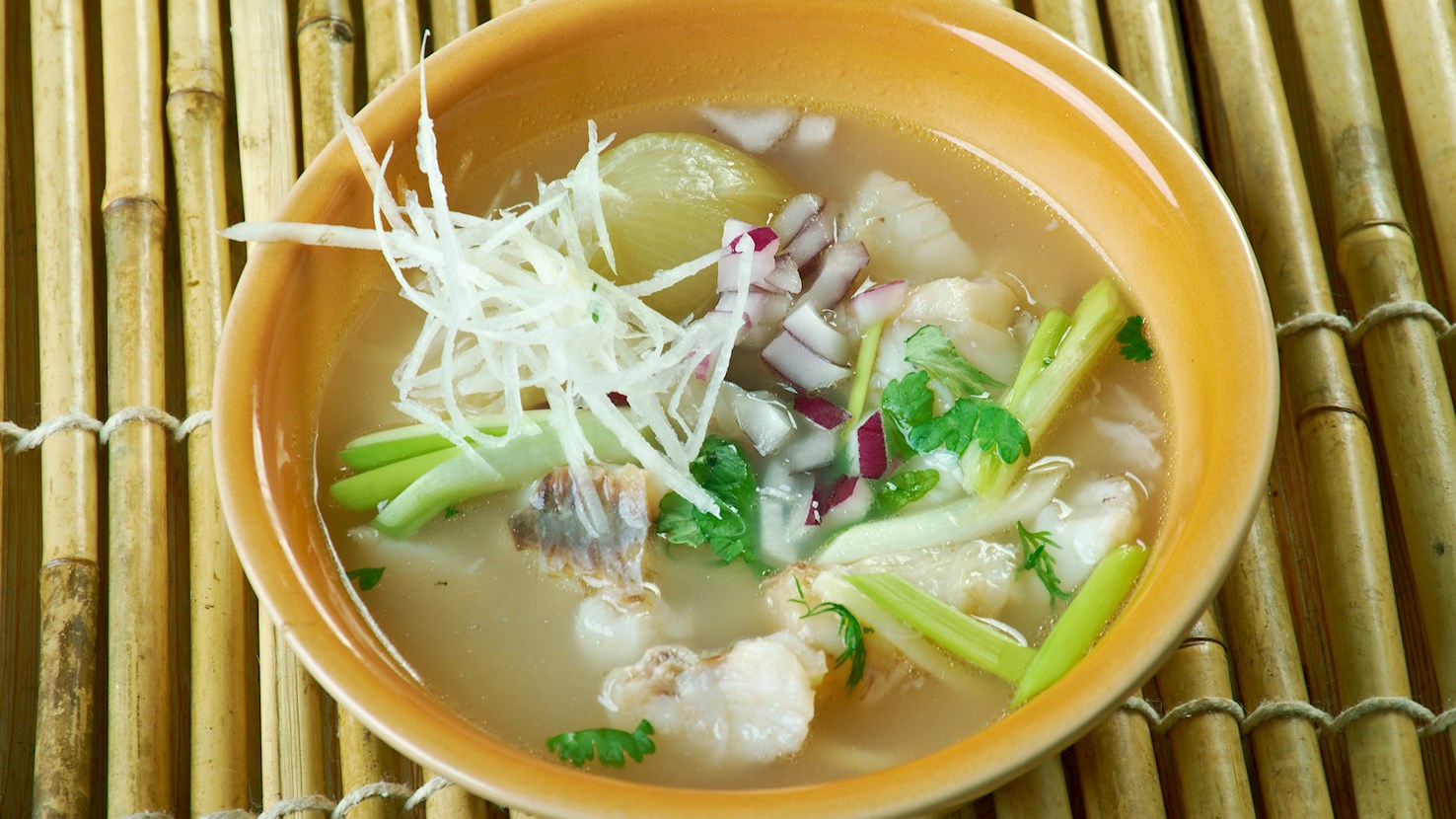
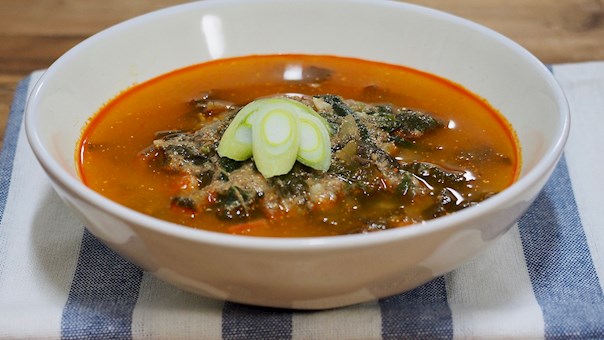
The star ingredient in this hearty Korean soup is fresh or marinated pollack roe (myeongnan). The soup consists of a spicy broth, typically dashi-based, which is seasoned with gochujang paste. Apart from the roe, the soup usually incorporates sliced daikon radish, scallions, bean sprouts, and occasionally tofu or other additions. It is traditionally served with rice on the side, and it pairs well with soju—traditional Korean spirit.

10

Mohinga

3.2 ·

Crowned as the unofficial national dish of Burma, mohinga is a fish and rice noodle soup that can, depending on the region, be enriched with an array of different ingredients by adding them to the soup or using them as a dressing or garnish. When it comes to the origin, various accounts exist, some of them dating as far back to the first century. By the 19th century, mohinga was regarded as a working-class meal due to its low cost, but over time, it has become so popular that today it can even be purchased as a ready-made soup. Although this fish soup is typically consumed for breakfast, it evolved into an all-day dish that is traditionally sold by street hawkers and roadside sellers.

Read more
View all
View map
About this ranking

TasteAtlas food rankings are based on the ratings of the TasteAtlas audience, with a series of mechanisms that recognize real users and that ignore bot, nationalist or local patriotic ratings, and give additional value to the ratings of users that the system recognizes as knowledgeable. For the “Top 30 Asian Seafood Soups” list until June 15, 2026, 1,105 ratings were recorded, of which 807 were recognized by the system as legitimate. TasteAtlas Rankings should not be seen as the final global conclusion about food. Their purpose is to promote excellent local foods, instill pride in traditional dishes, and arouse curiosity about dishes you haven’t tried.

Similar lists