shutterstock

Top 20 Oceanian Seafood

Last updated on June 01, 2026

Best Oceanian Seafood Types
01

Tasmanian Atlantic salmon

4.1 ·

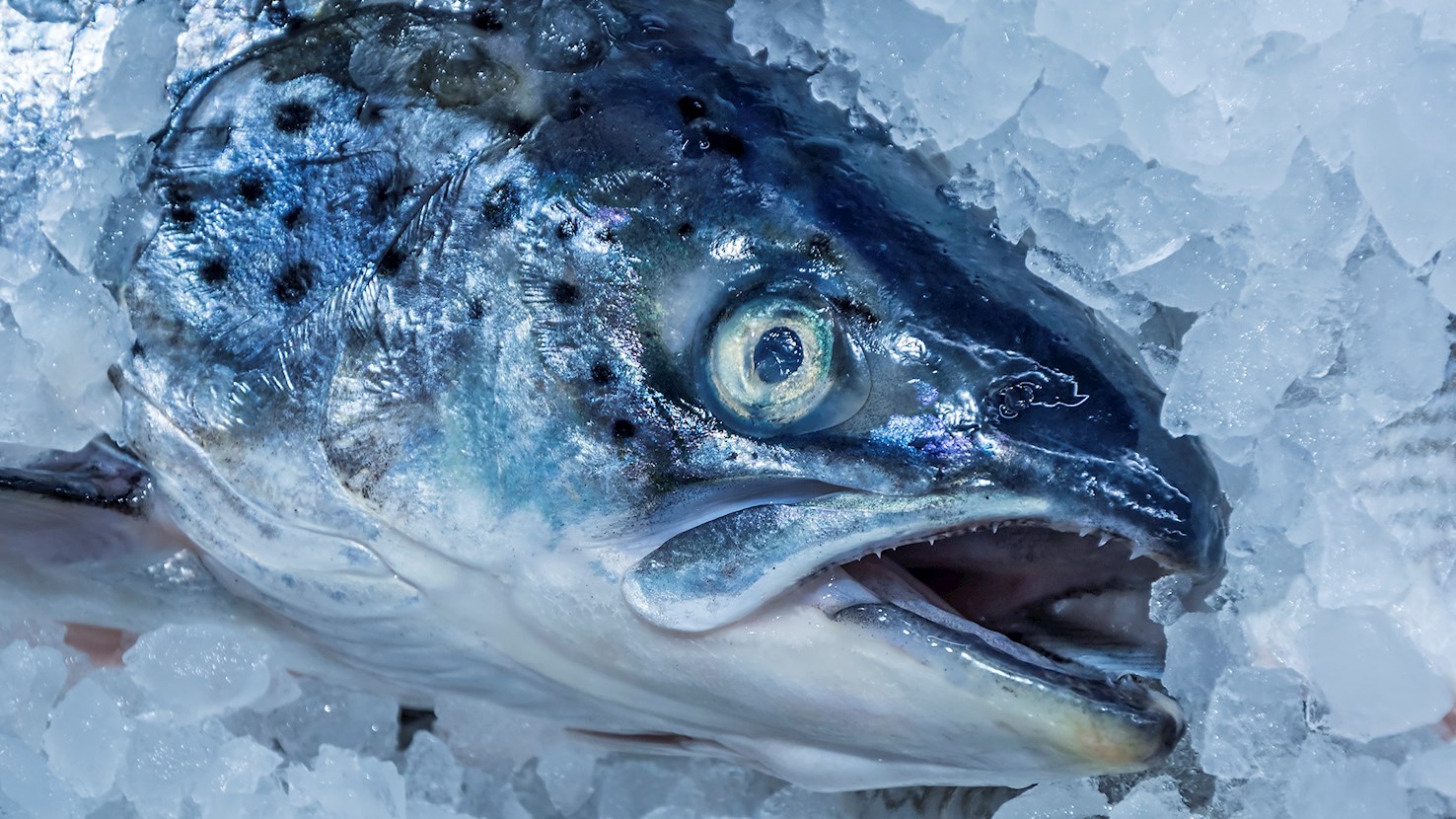
Tasmanian Atlantic salmon is a species of salmon that has been introduced in the pristine waters of Tasmania’s west coast and is locally grown in fish farms. The fish are raised within open-sea cages mainly in the Macquarie Harbor, and they are one of the most commercially important and highest-valued fishery products in Australia. The farmed salmon are internationally recognized for their superior quality, flavor, and texture, and they are also renowned for their high nutritional value as they represent a great source of high-quality omega-3 fatty acids, protein, minerals, and vitamins. The salmon’s extreme versatility paired with their silky, buttery texture and their rich flavor make these oily fish a favorite among gourmets and professional chefs around the world. Tasmanian Atlantic salmon are available in fish markets, local supermarkets, and deli stores, and various salmon specialties are served in numerous restaurants on the island and on the Australian mainland. Salmon farming in Tasmania has recently raised certain environmental concerns that have led to Tasmanian Atlantic salmon receiving a red "say-no" rating by the Australian Marine Conservation Society (AMCS).

02

Sydney Rock Oyster

4 ·

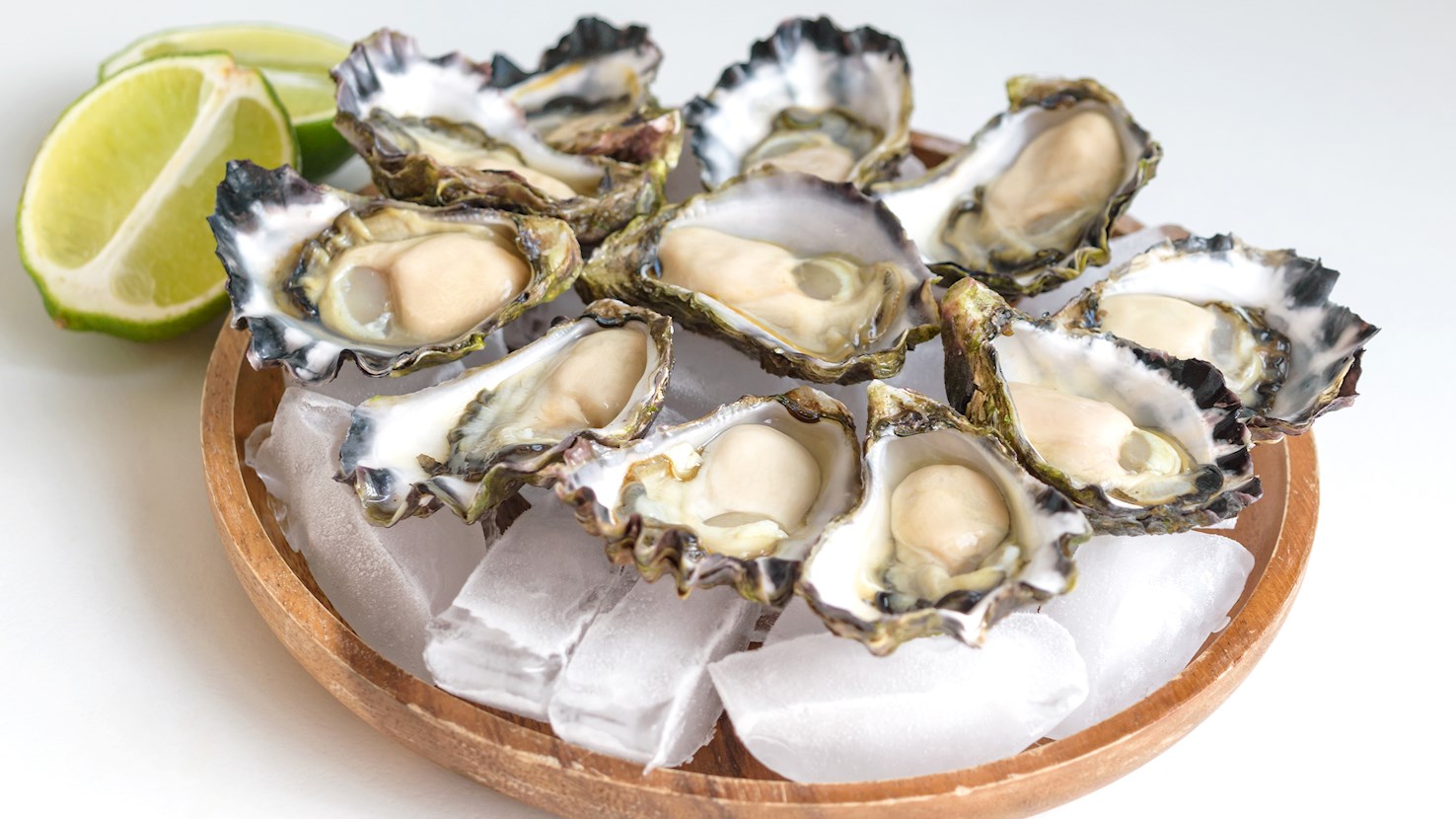
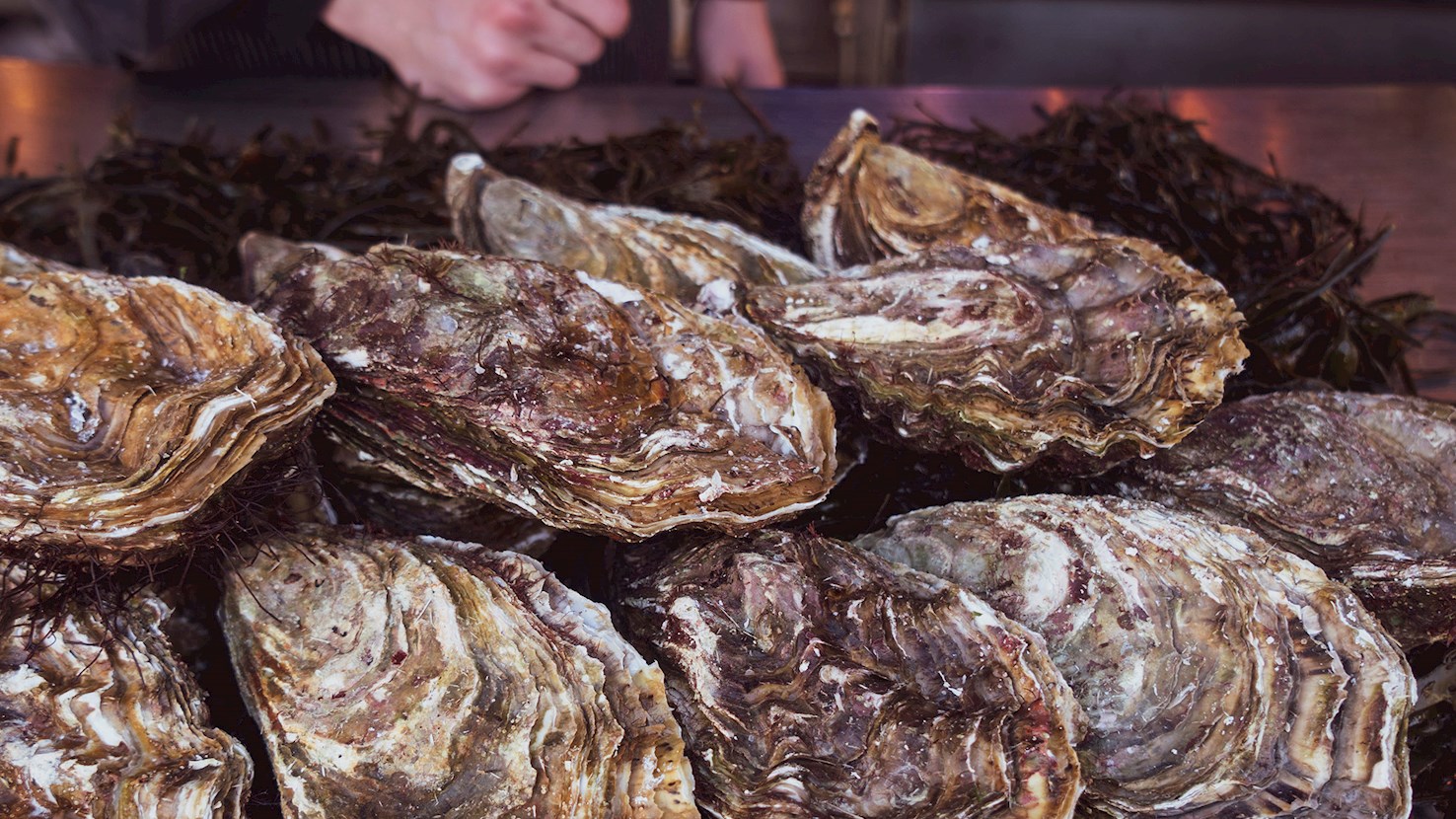
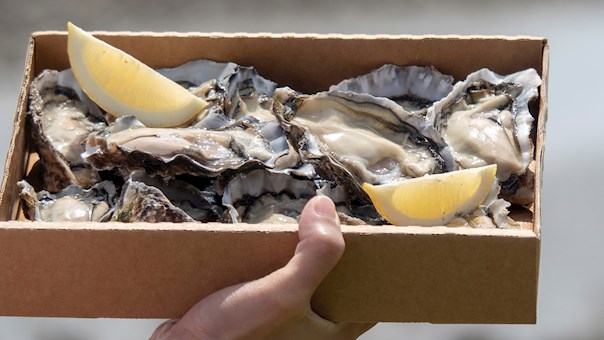
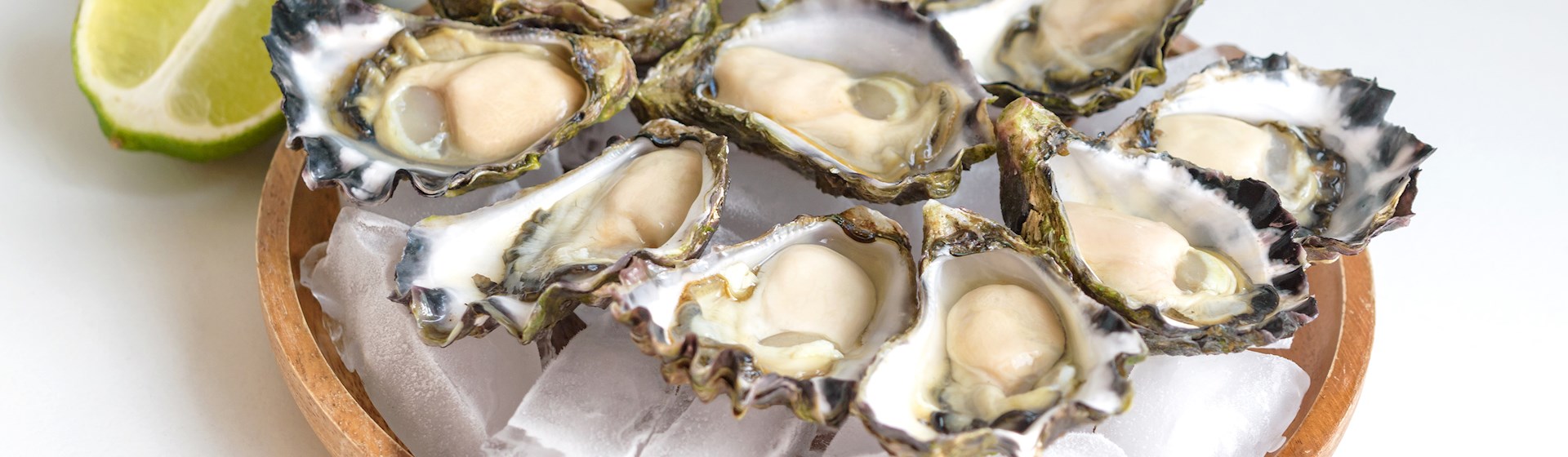
Traditionally farmed in bays, inlets, and sheltered estuaries, Sydney rock oyster was the first aquaculture species in Australia. The oyster has a thick, smooth shell, while the flesh is silky and tender with a distinctively strong flavor. Available all-year round, it is best enjoyed fresh, with a splash of lemon juice and a dash of pepper, but it can withstand various culinary techniques such as steaming, poaching, grilling, or frying.

03

Moreton Bay Bug

3.9 ·

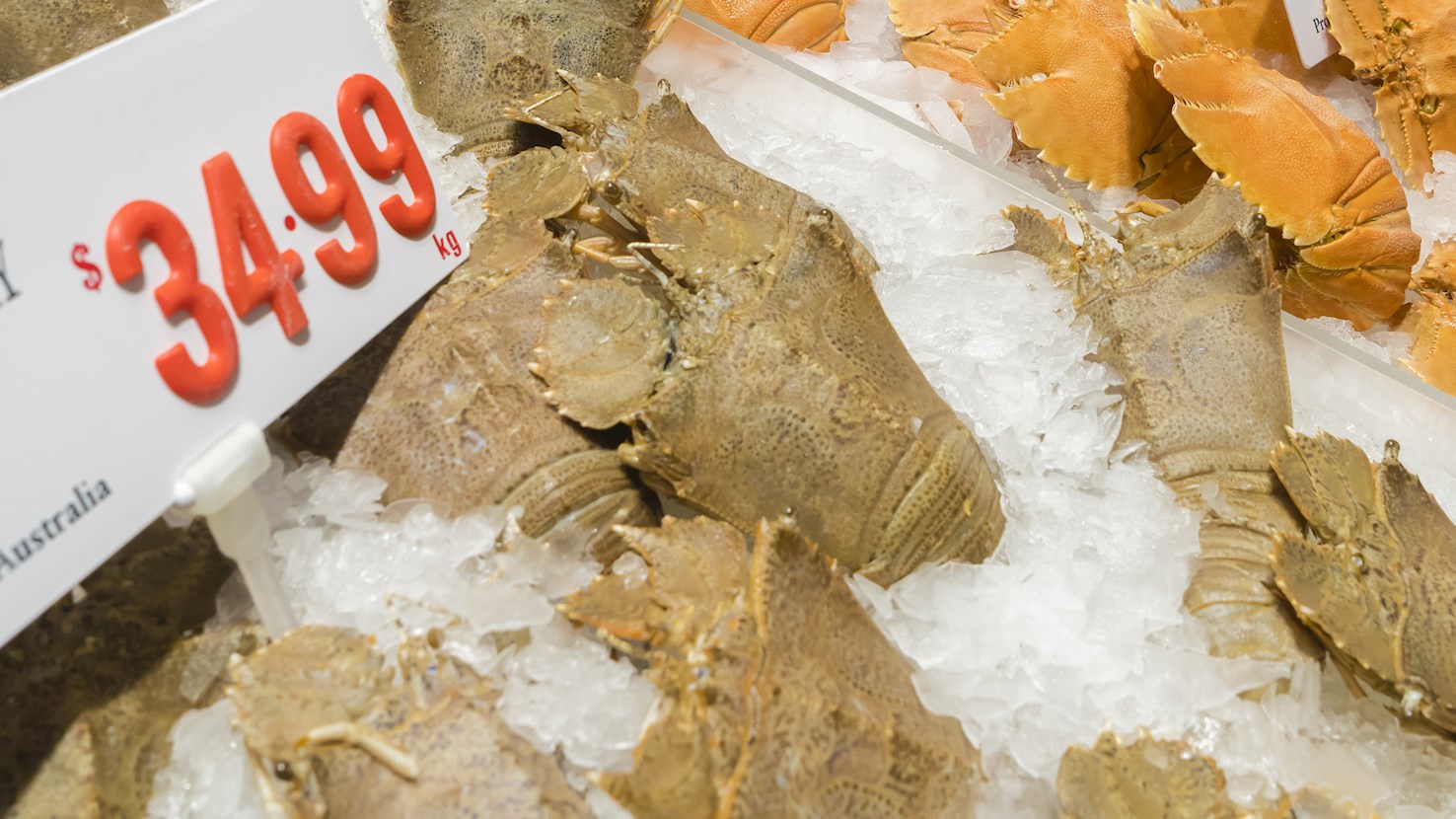
Found off the coast of northern Australia, Moreton Bay bug belongs to the Thenus species of slipper lobsters and encompasses reef bug, officially known as Thenus australiensis and mud bug, officially named Thenus parindicus. Meat that is found in the tail can withstand poaching, steaming, barbecuing, deep-frying, or grilling, and is characterized by its firm texture and medium to strong flavor. The slipper lobster can be prepared whole and enjoyed as the main course, but the meat is easily incorporated into other dishes. When served on its own, the meat is best paired with light dressings and citrus flavors. These slipper lobsters are available year-round but their peak season is in January and February. They are sold at supermarkets and fish markets and can be bought raw or already cooked.

04

Barramundi

3.9 ·

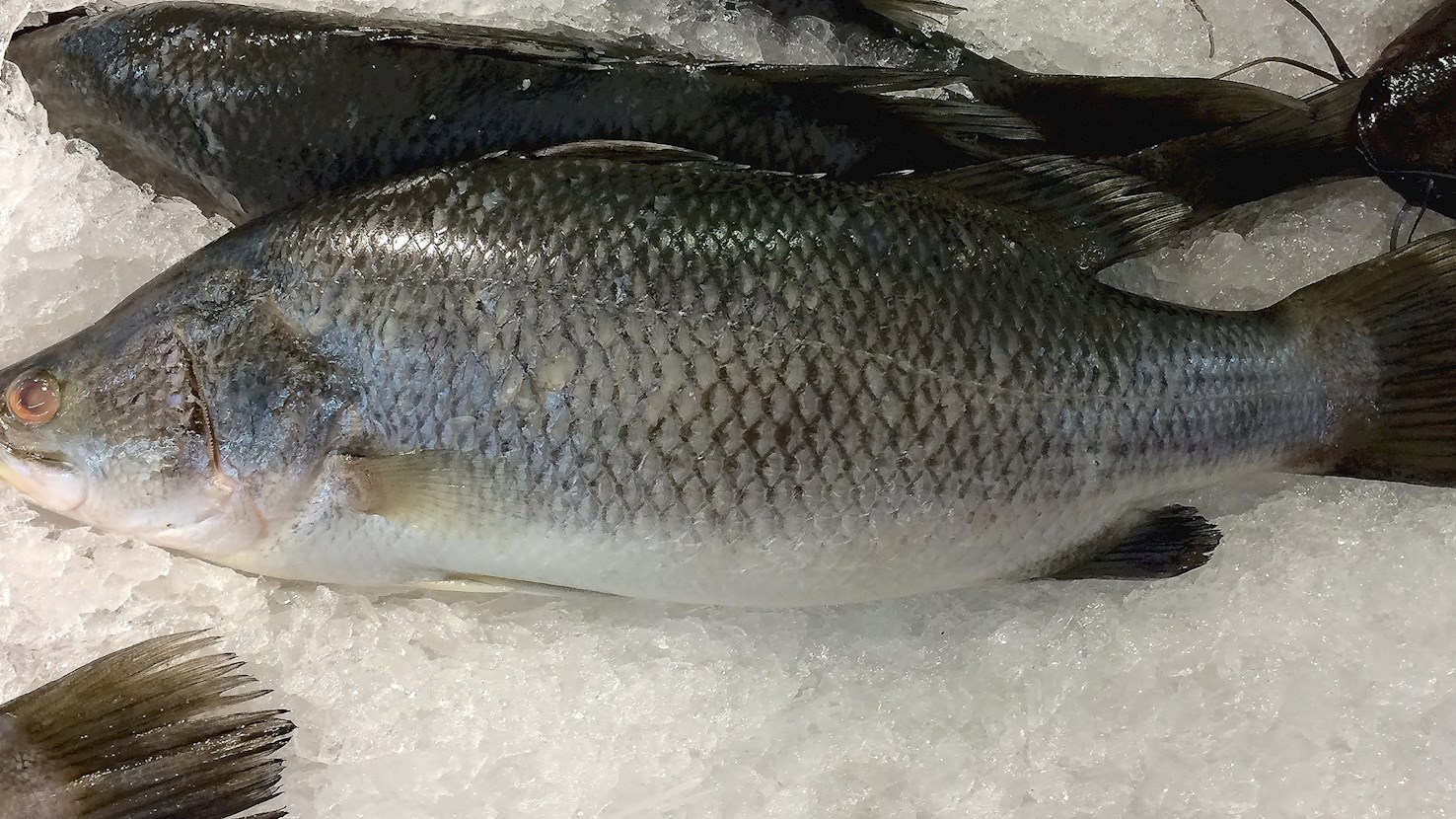
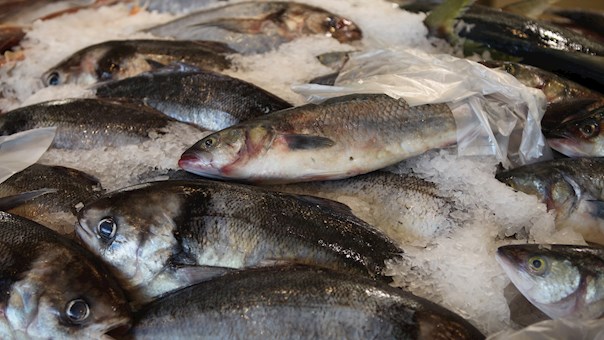
Barramundi is a catadromous fish that spends most of its life in rivers, and then migrates to estuaries in order to breed. After that, it returns back to the river. The fish is usually sold in cutlets and fillets, and it is characterized by a moist, firm flesh that is white to pink in color. Barramundi is quite versatile, so it can be steamed, baked, fried, or grilled. It's distributed from South Asia to Papua New Guinea and Northern Australia.

05

Balmain Bug

3.8 ·

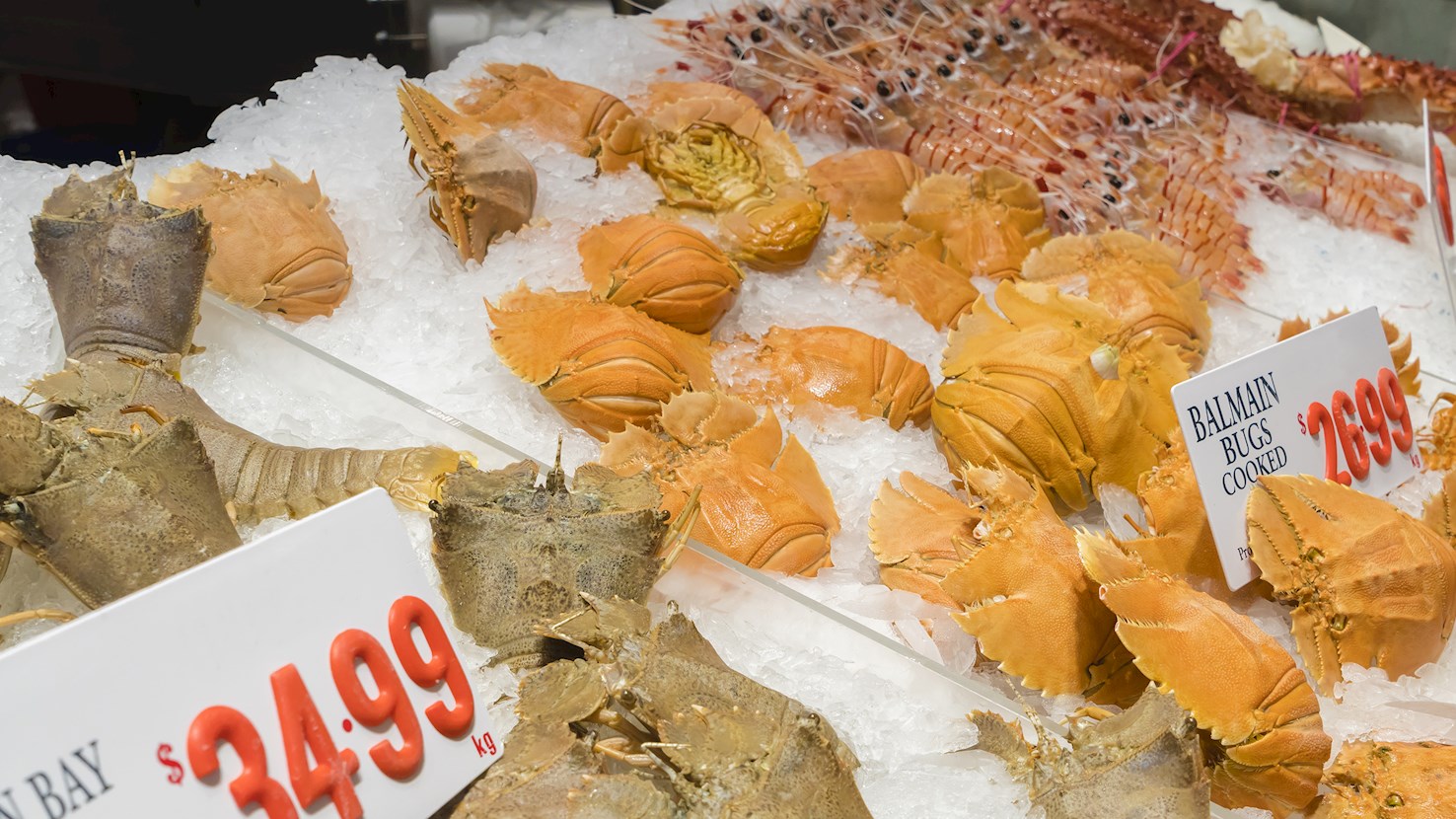
Inhabiting the shallow waters of Australia and New Zealand and only available wild-caught, Balmain bug is an oddly shaped slipper lobster that has a reddish brown shell, narrow tail (where most of the meat is), and no claws. Its meat ranges from medium to strong in flavor, with a pleasant fishy smell and a firm texture. It can be poached, grilled (the most popular preparation method), barbecued, or fried, and it also holds well in soups and stews.

06

Yabby

2.9 ·

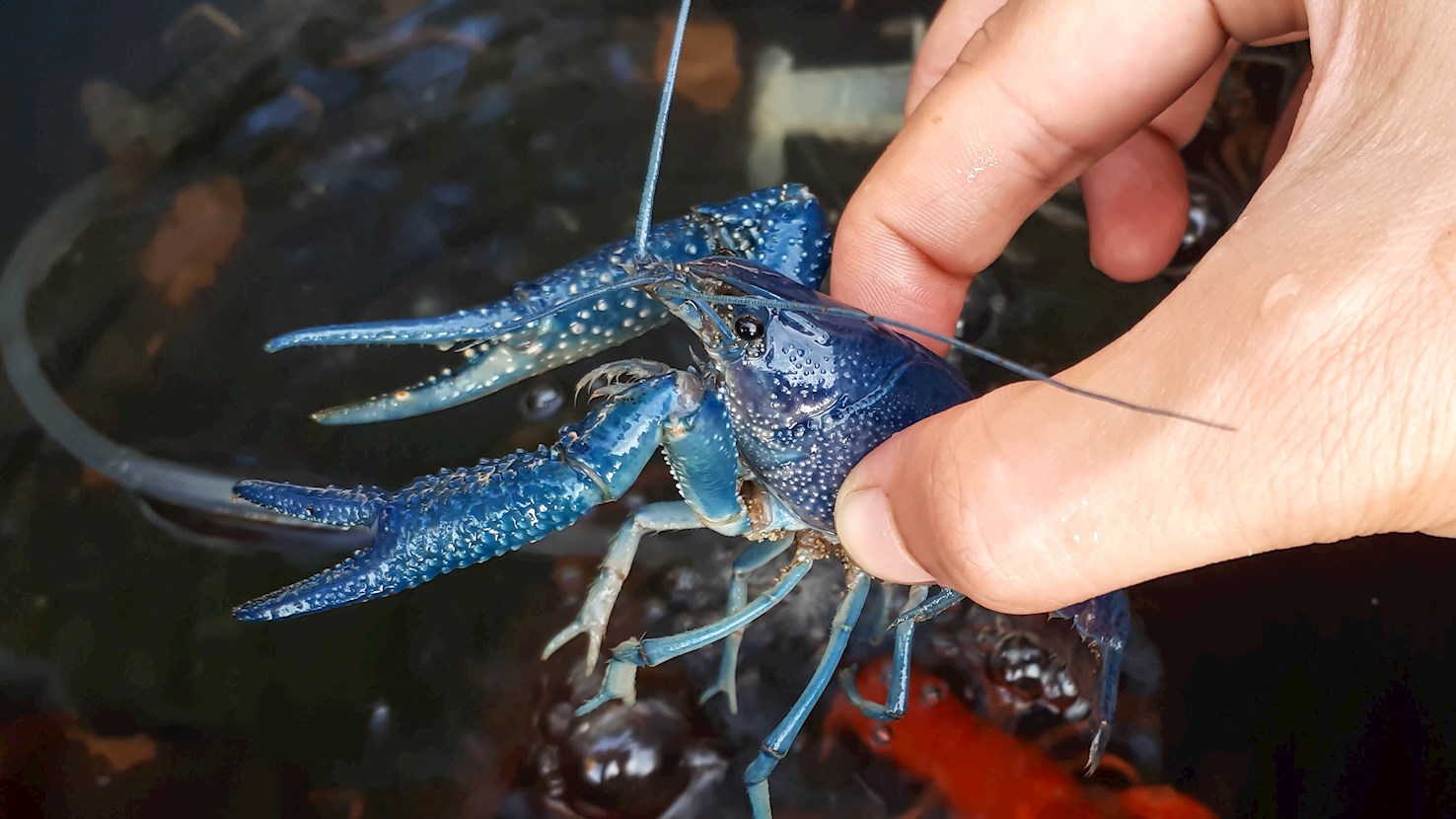
Australian freshwater crayfish are found in abundance in streams, billabongs, rivers, lakes, and ponds across Victoria and New South Wales. Yabbies, the name which is applied to various Cherax species of crustacean, have a particularly sweet-flavored meat and are often used for soups and bisques, but they can also be steamed, grilled and pan-fried, in and out of the shell. In Australia, yabby meat is a popular alternative to prawns, lobsters, and crabs, and is commonly combined with aioli and various dressings.

07

Coffin Bay King Oysters

n/a ·

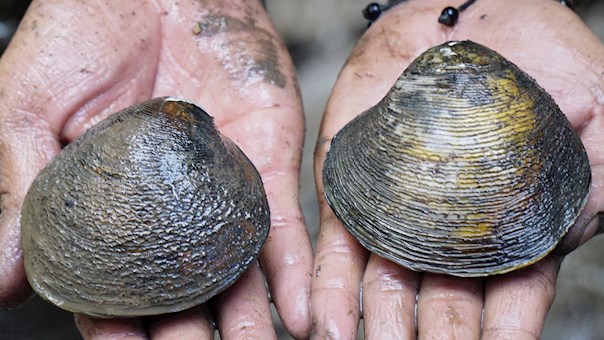
Coffin Bay king oyster is a Pacific oyster of an impressive size hailing from the pristine waters of South Australia’s Coffin Bay. Unlike most oysters which are typically grown for about 18 months, these oysters are allowed to grow for up to 6 or 7 years. The extended growth period contributes to the oysters’ distinctive size, texture, and flavor, yielding shellfish of premium quality. When shucked, the giant-sized oyster shell reveals a large piece of flesh on the inside that's often ten times meatier than that of a normal-sized oyster. The meat is firm, yet tender and juicy, while the flavor is sweet and complex with a crisp saltiness and an intense, oceanic, lingering finish. Often featured among the world’s most expensive food items, these oysters are best enjoyed as they are, with an optional squeeze of lemon or lime juice.

08

King George Whiting

n/a ·

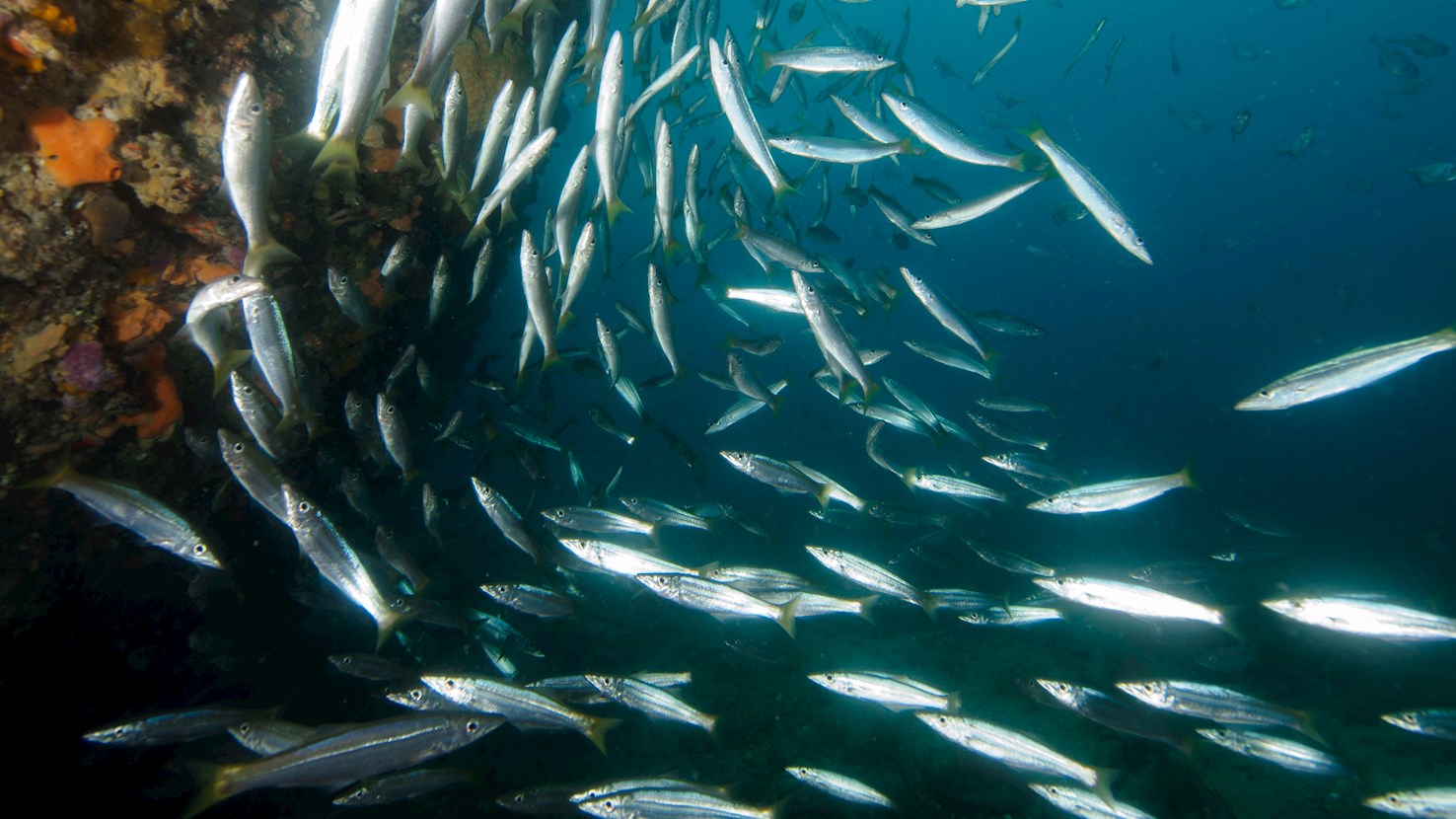
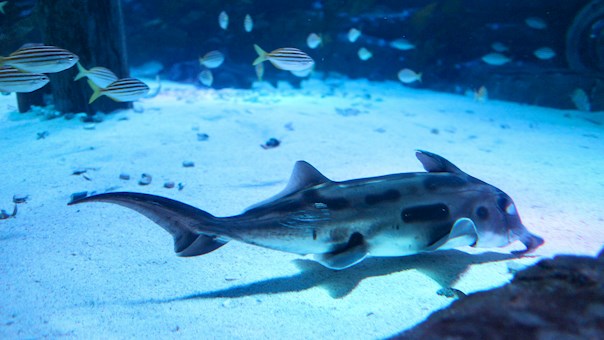
Endemic to the southern half of Australia, this prized fish is characterized by its elongated shape and a unique pattern of spots. King George is highly regarded for its sweet and delicate flesh that can withstand various cooking techniques such as grilling, steaming or frying, but it can also be used raw in various sashimi dishes. When fried, larger varieties are mainly used in the form of fillets, while smaller can be fried whole. Because of its tenderness, the fish is often complemented by fresh herbs, citrus salads, potatoes, and olive oil dressing. It is best paired with subtle wines, with added citrus notes.

09

Tasmanian Wild Abalone

n/a ·

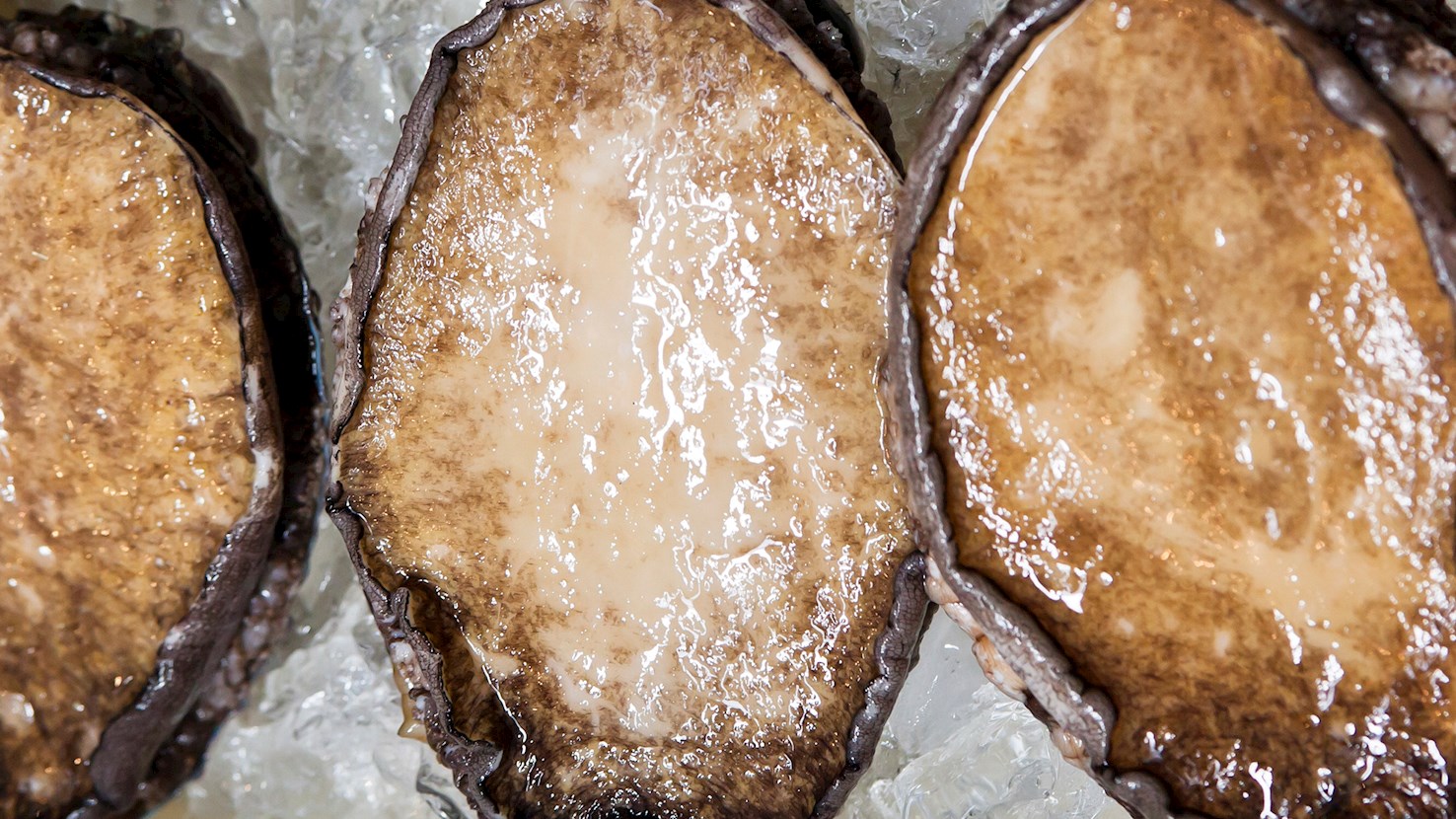
Tasmanian wild abalone is a large edible marine snail that is hand-harvested for commercial purposes directly from the rocky Tasmanian shorelines. There are two types of wild abalone found in Tasmanian waters, namely the black-lip (Haliotis Ruber) and the green-lip (Haliotis Laevigata) wild abalone, both of which are recognized for their superior quality, texture, and flavor. The extremely clean and clear Tasmanian waters which are abundant in nutrient-rich seaweed and algae contribute to the wild abalone characteristics and make this state one of the top suppliers of wild abalone globally. Tasmanian wild abalone is, therefore, an expensive food item that can be enjoyed exclusively in fine restaurants in the state.

10

Tasmanian Oysters

n/a ·

Tasmanian oysters are sustainably grown and harvested oysters coming from the oyster beds along the north, east, and south-east coasts of Tasmania. They include two different species of oysters, namely the Pacific oysters (Crassostrea gigas), and the angasi or Australian flat oysters (Ostrea angasi). The first ones are an introduced species of cupped oysters, recognized for their firm flesh, large size, and a unique sweet-and-savory flavor with herbal notes. Angasi oysters, on the other hand, are native to southern Australia’s waters. These oysters have flat shells with firm meat that is said to be reminiscent in flavor to belon oysters and to be the most flavorful shortly after the harvest. High-quality, fresh Tasmanian oysters are available year-round on the island and the Australian mainland, but they are also exported to Asian countries.

Best Oceanian Seafood
01

Austral Fisheries

4.3 ·
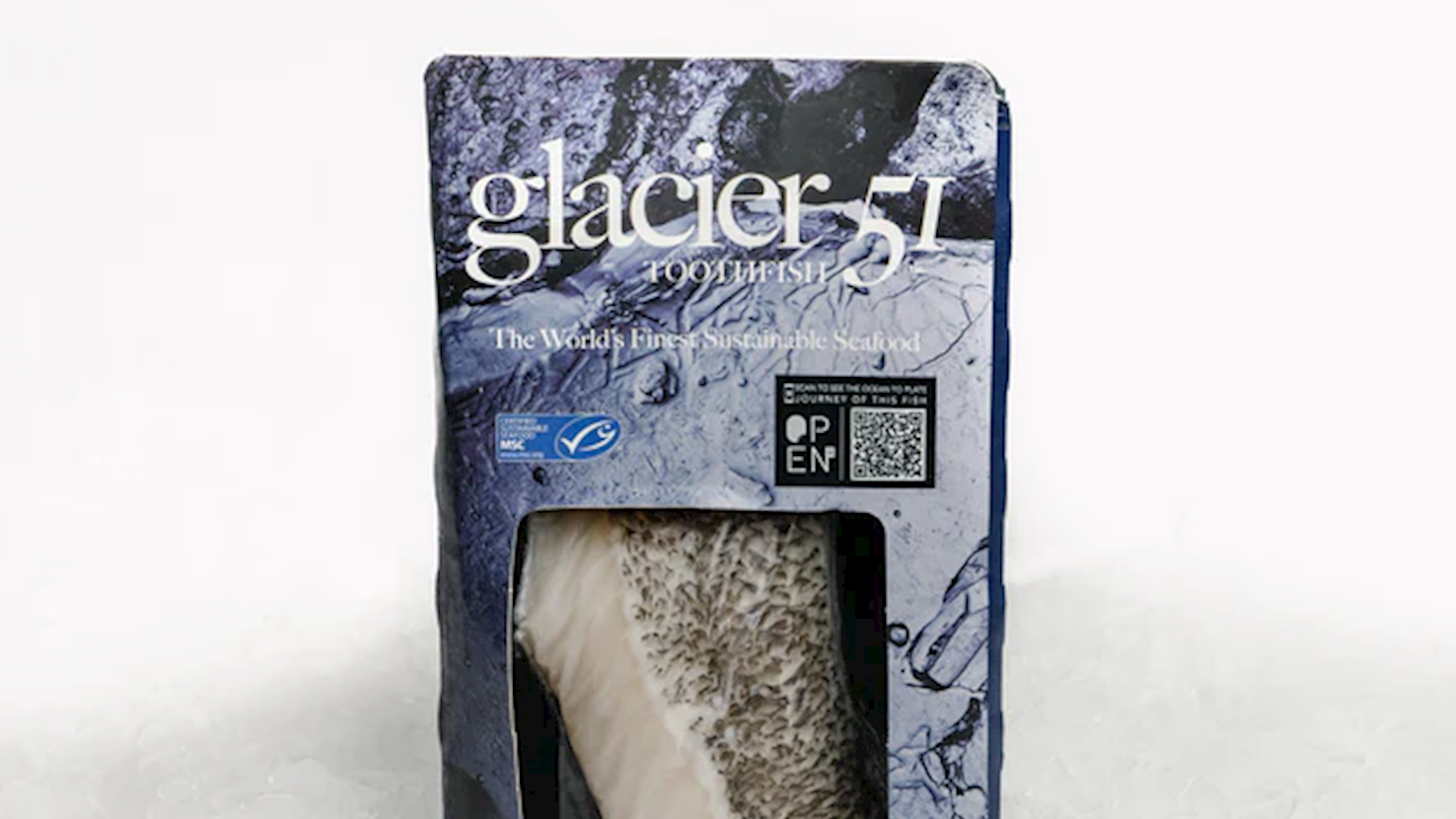
Austral Fisheries, based in West Leederville, Australia, is a leading commercial fishing company with over 50 years of experience. Operating a diverse fleet of 18 vessels, it specializes in sustainable deep-sea fishing across the Southern Ocean and Northern Prawn Fishery. Known for premium seafood brands like Glacier 51 Toothfish and Skull Island Tiger Prawns, Austral Fisheries is certified sustainable by the Marine Stewardship Council. In 2016, it became the world’s first carbon-neutral seafood company, offsetting emissions through extensive tree planting initiatives. The company emphasizes transparency, offering traceability from ocean to plate, fostering consumer trust in its responsibly sourced products.
Read more
View all
View map
About this ranking

TasteAtlas food rankings are based on the ratings of the TasteAtlas audience, with a series of mechanisms that recognize real users and that ignore bot, nationalist or local patriotic ratings, and give additional value to the ratings of users that the system recognizes as knowledgeable. For the “Top 20 Oceanian Seafood” list until June 01, 2026, 121 ratings were recorded, of which 103 were recognized by the system as legitimate. TasteAtlas Rankings should not be seen as the final global conclusion about food. Their purpose is to promote excellent local foods, instill pride in traditional dishes, and arouse curiosity about dishes you haven’t tried.

The initial list of top producers was compiled based on available reviews, awards, local recommendations, media and blog coverage, and consumer reviews. The list will be updated with ratings from TasteAtlas local ambassadors and TasteAtlas users.

Similar lists