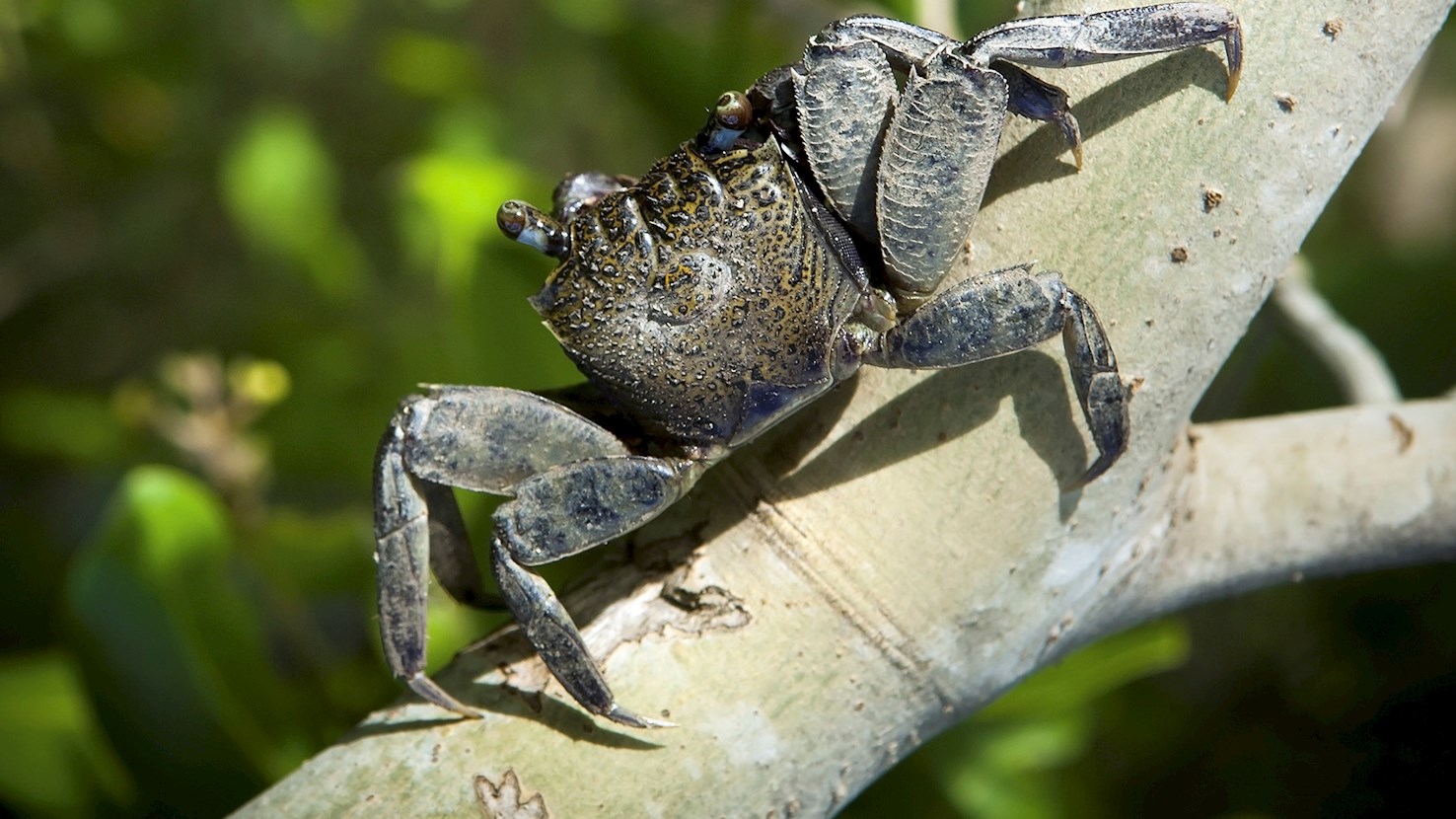
THIS SPECIES IS AT RISK OF EXTINCTION. In the mangrove-lined salt waters in the Brazilian region of Sergipe resides a small crab with flavorful, delicate flesh. It is known as aratù, a crustacean belonging to the Grapsidae family, living either in holes in the sand or inside branches of the dense vegetation. Traditionally, fishing for aratù is a women’s activity: they would draw the crabs into specially-designed wooden traps, then return to the village in the evening to share the catch with their families. However, these days, with the arrival of electricity, the situation has changed. The women clean the crabs as soon as it is caught, and the meat is kept in freezers for people who buy it at insanely low prices only to be resold to nearby restaurants, where it is sold for more than double the original price. The women also see a reduction of aratù crab in the waters due to nearby shrimp farms and the exploitation by some local gatherers who fish and eat undersize crabs of pregnant females. Due to a fungal disease, from 2000 to 2004, the daily catch of a more common type of crab, caranguejo, has fallen from 180 to 20, causing enormous problems for the aratù crabs which are now at risk of extinction.
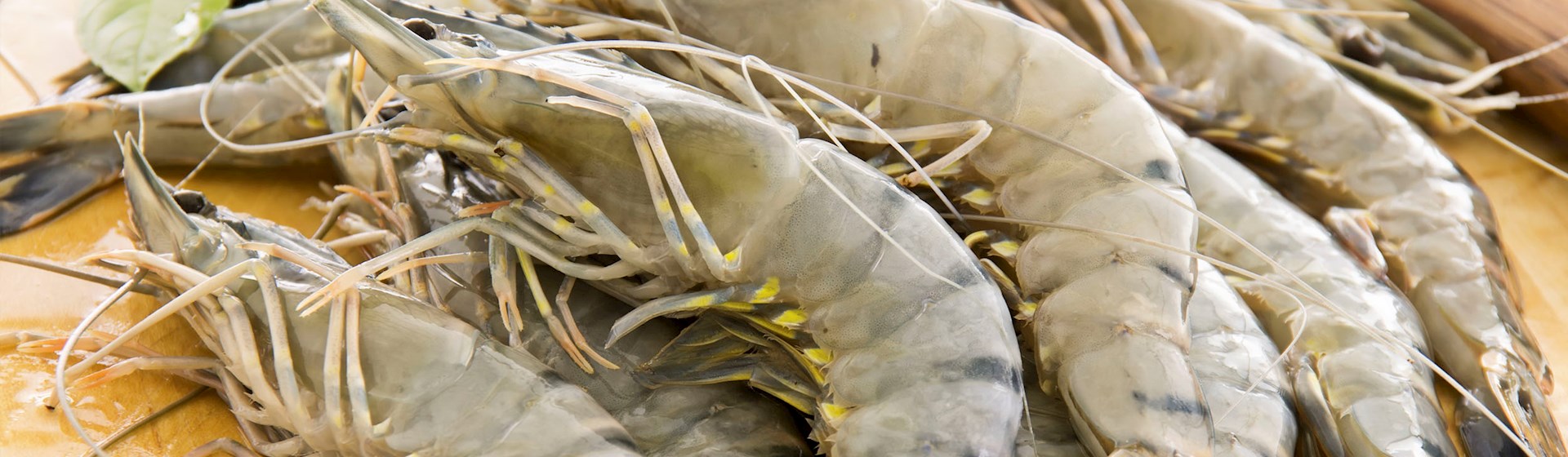
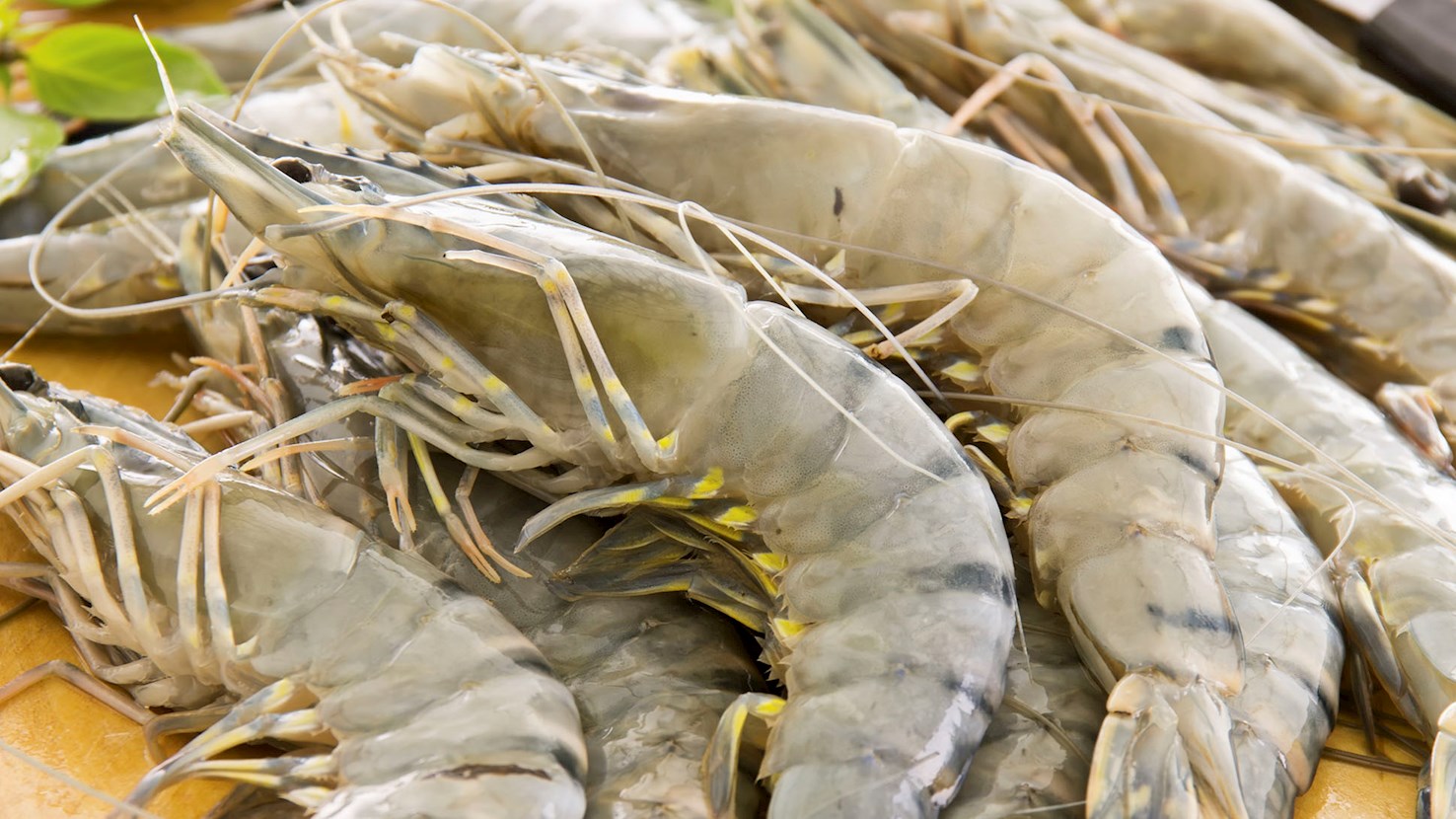
Camarão da Costa Negra (Black Coast shrimp) is a shrimp cultivated in captivity. It is produced in the municipalities of Itarema, Acaraú, Cruz, and Jijoca de Jericoacoara. Camarão da Costa Negra is high in protein content and has a sweet flavor due to the geographical environment of the region and human factors involved in the cultivation. The water used in the tanks comes from the River Acarau, which is rich in nutrients and, therefore, these shrimps have a similar flavor to that of crustaceans living in the sea. It is an all-natural product, free of antibiotics or any other chemicals. The shrimps are obtained every three months from 32 farms, and the annual production reaches 9,000 tons. Almost all of the production (99%) is sold on the domestic market, in São Paulo, Rio de Janeiro, and Brasilia, while only 1% is exported. These numbers are going to change because the Black Coast shrimp is getting more attention each year on the global level. There are also annual International Black Shrimp Festival and Grand Shrimp festival that promote this delicacy.
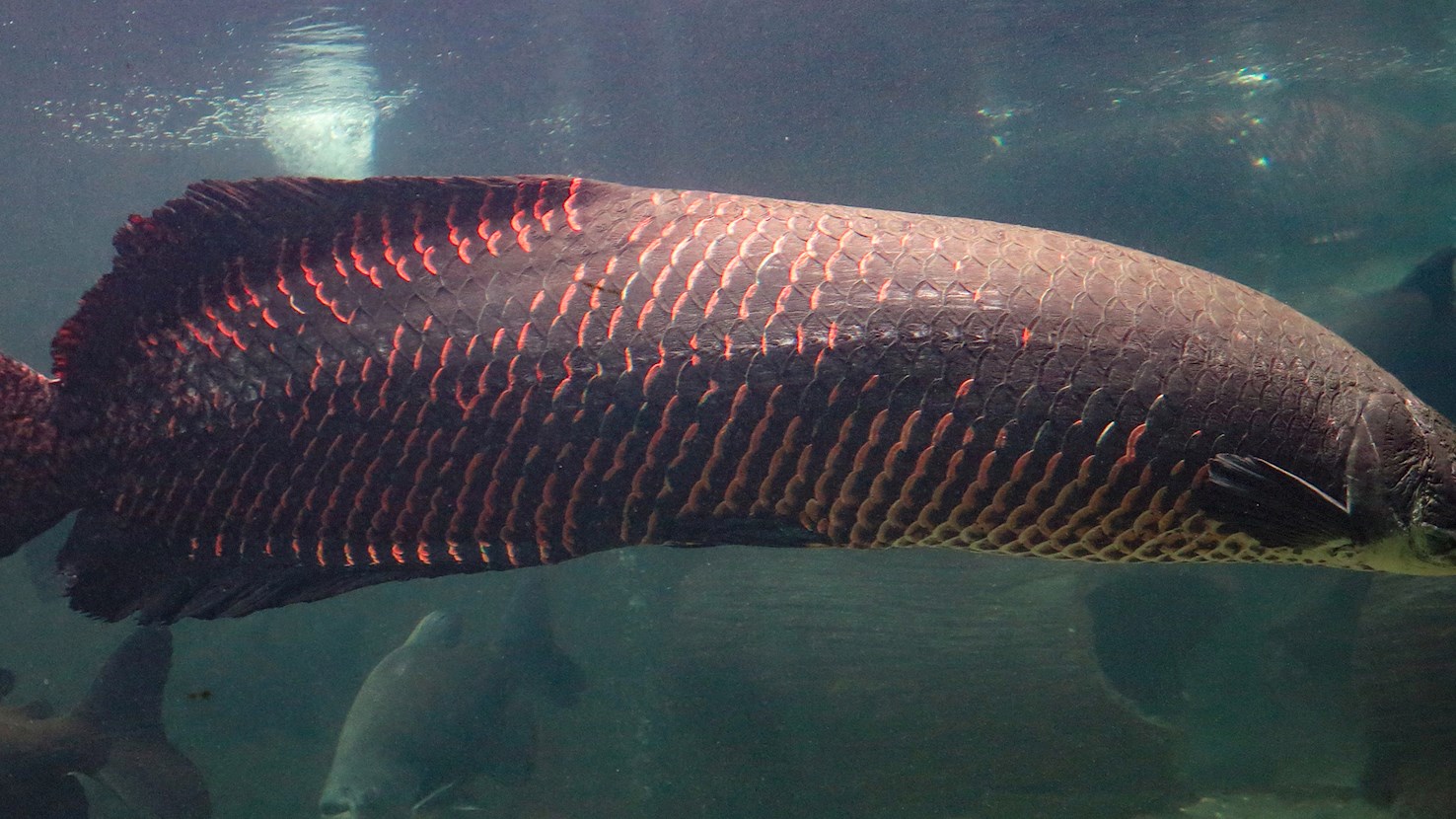
The pirarucu, also known as the arapaima or paiche is often dubbed "a living fossil", and is the second largest species of freshwater fish in the world, and it is believed to have been inhabiting the shallow waters of the Amazon River basin for millions of years. This air-breathing, torpedo-shaped fish is widely renowned for its firm, white, and succulent flesh, with a delicately mild and scrumptious flavor, making it a highly appreciated gourmet delicacy of Amazonian cuisine. Owing to its firm meat, the fish easily lends itself to a variety of cooking methods including grilling, roasting, baking, steaming, smoking, and pan-searing. Pirarucu is often used in the preparation of ceviches or cooked in a sauce of cocona (a tropical citrus fruit), and it is also said to taste delicious when breaded or battered before being pan-seared. Also referred to as pirarucu, this fish is available in markets and fine-dining restaurants throughout South America. Plummeting numbers of this fish (due to over-fishing) have led to various initiatives to preserve the species, and for now, these initiatives have successfully ensured paiche's safety
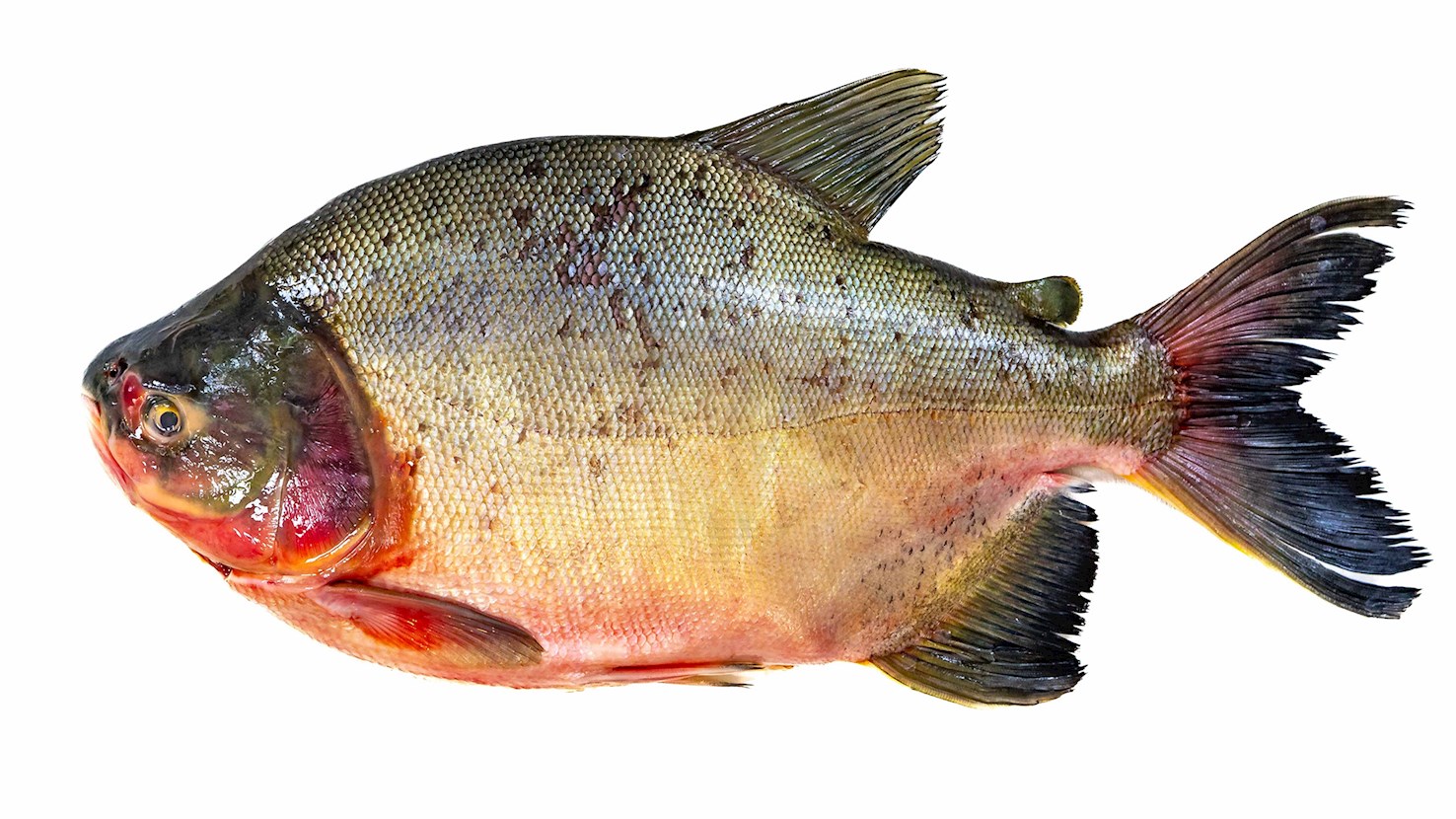
Tambaqui (lat. Colossoma macropomum) is a freshwater fish native to the Amazon and Orinoco river basins in South America. It is one of the largest scaled freshwater fish species in these regions. Tambaqui has a laterally compressed body with large scales and a deep red coloration on its fins and tail. It can grow to impressive sizes, reaching lengths of up to 1 meter (3.3 feet) and weighing over 30 kilograms (66 pounds). The species is known for its fast growth rate and the ability to adapt to different aquatic environments. Due to its large size and excellent taste, tambaqui is a highly valued food. It is a popular target for recreational fishing in the Amazon region and is also extensively cultivated in fish farms. Tambaqui is known for its tender and flavorful flesh, which can be prepared in various ways, such as grilling, baking, or frying.
Boga (lat. Megaleporinus obtusidens) is a species of freshwater fish that inhabits the basins of Argentinian, Uruguayan, Paraguayan and Brazilian (where it's known as piapara) rivers, particularly the Paraná River, the Uruguay River, the São Francisco River and Río de la Plata. It is gray fish with an emerald hue, with an elongated wide body and a small head. Boga can grow up to 70 centimeters (28 inches) and weigh up to 5 kilograms (11 pounds), but the size greatly depends on the habitat and its omnivorous feeding habits. It has white, flaky meat and is most commonly prepared on a grill (parrilla).
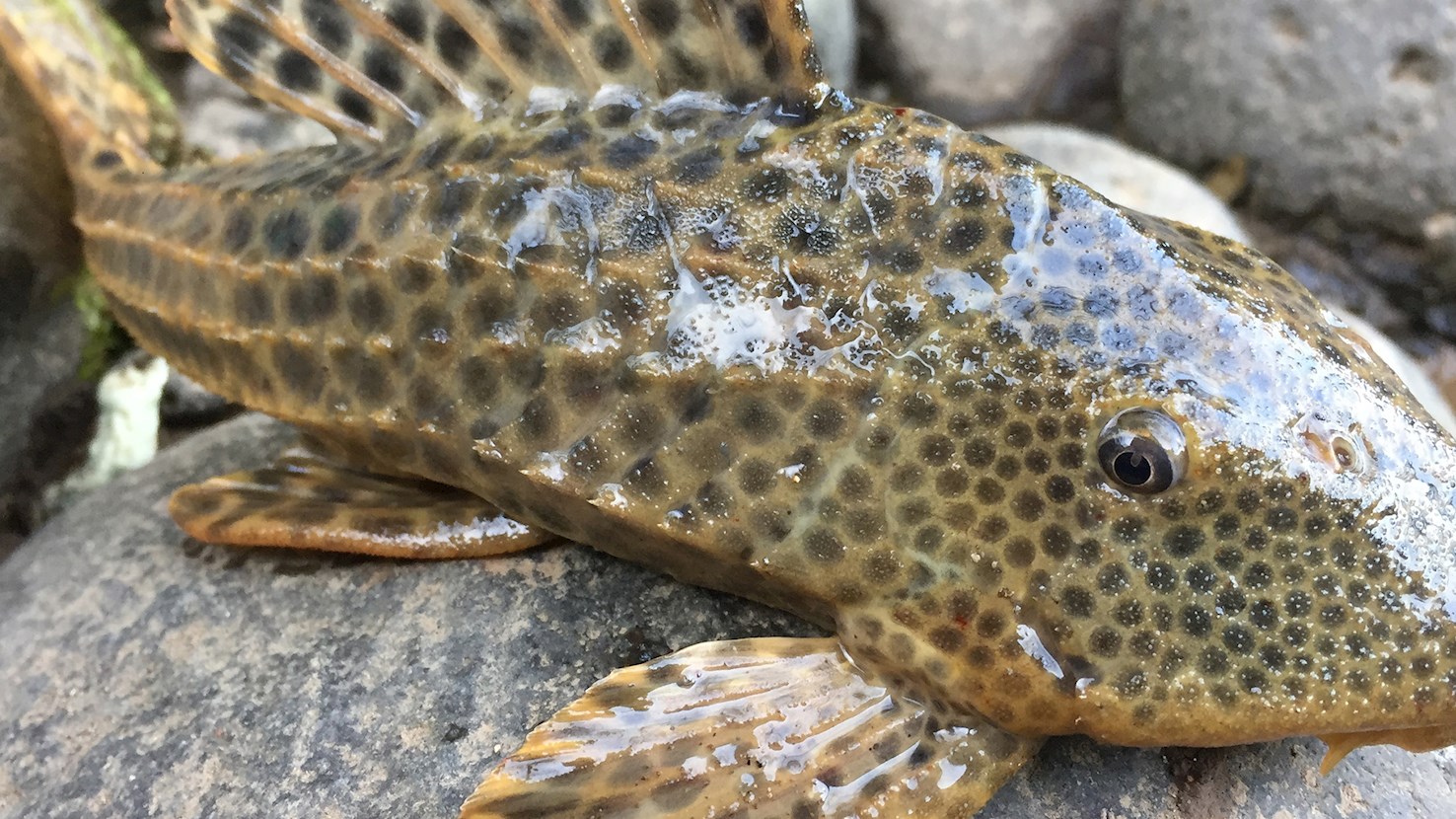
Carachama (lat. Pseudorinelepis genibarbis) is a type of armored catfish native to the freshwater rivers and streams of the Amazon basin in South America. These fish are characterized by their bony plates, which cover much of their body, and by their bottom-dwelling habits. In the culinary context, especially in the Amazonian regions of countries like Peru and Brazil, carachama is a staple. It's frequently used in traditional dishes, such as soups and stews. Beyond its culinary usage, the carachama also plays a role in the local ecosystems. As a bottom feeder, it helps control populations of certain microorganisms and contributes to the health and balance of its aquatic environment.
Charru mussel (lat. Mytella charruana) is a species of mussel native to the Atlantic coast of Central and South America. It is primarily found in brackish and freshwater environments such as estuaries, lagoons, and rivers. The charru mussel is characterized by its elongated shell, which can vary in color but is usually dark brown or black. They are generally not harvested or consumed on a large scale. However, in certain regions where they are found, they may be collected for personal or local consumption. They can be steamed, boiled, grilled, or incorporated into various seafood dishes and recipes.
TasteAtlas food rankings are based on the ratings of the TasteAtlas audience, with a series of mechanisms that recognize real users and that ignore bot,
nationalist or local patriotic ratings, and give additional value to the ratings of users that the system recognizes as knowledgeable.
TasteAtlas Rankings should not be seen as the final global conclusion about food. Their purpose is to promote excellent local foods,
instill pride in traditional dishes, and arouse curiosity about dishes you haven’t tried.






What People Say