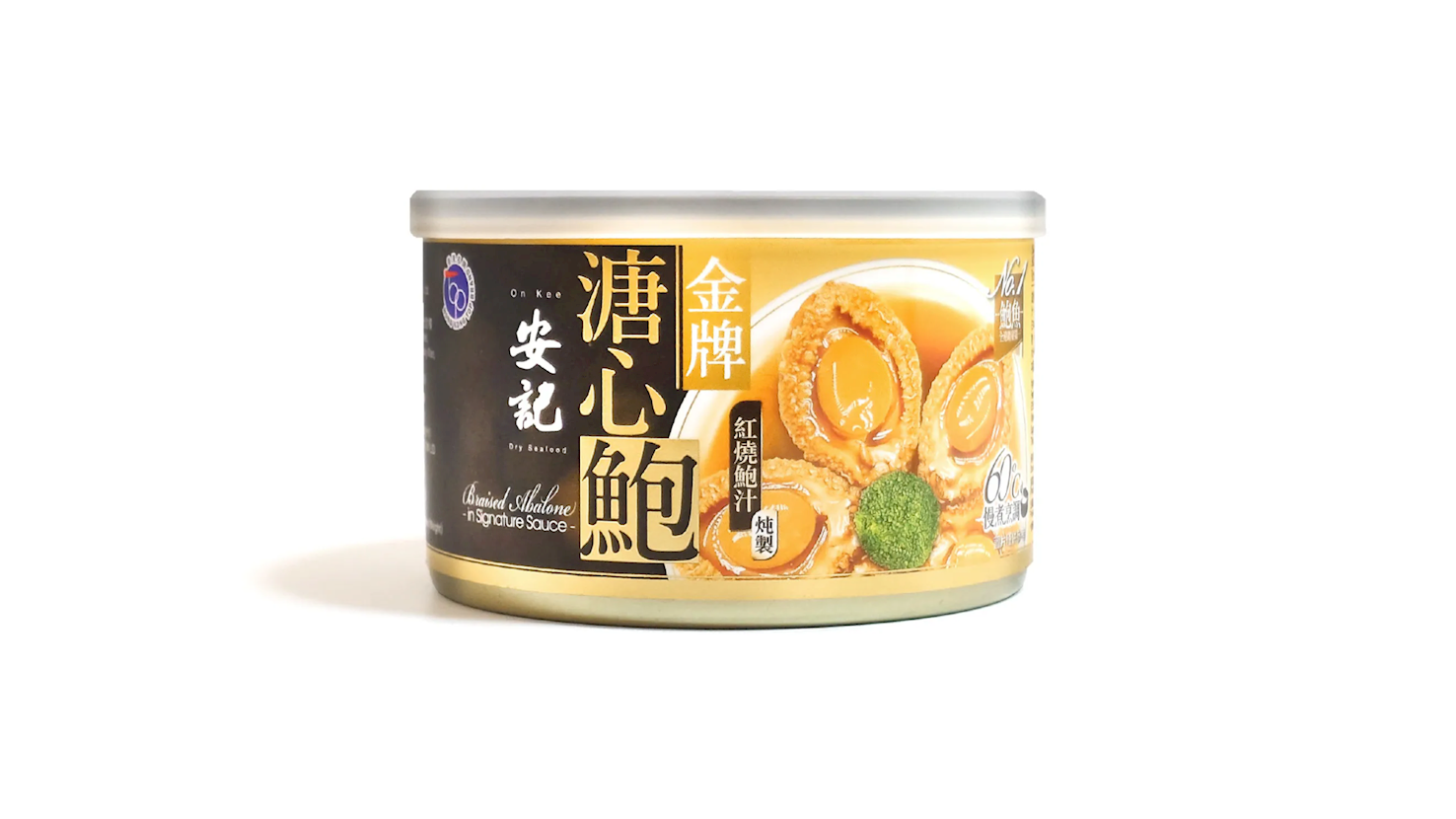
On Kee Dry Seafood is a Hong Kong-based producer and retailer specializing in premium dried seafood and traditional Chinese delicacies. Established in the early 1970s, the company began as a small neighborhood shop in Sheung Wan and has grown into one of Hong Kong's best-known brands in the dried seafood industry. Its product range includes premium abalone, fish maw, sea cucumber, bird's nest, dried scallops, mushrooms, preserved meats and other gourmet ingredients widely used in Cantonese cuisine. On Kee places a strong emphasis on food safety, strict quality control and careful sourcing from trusted suppliers around the world, ensuring consistent product quality and authenticity. In addition to serving retail customers, the company supplies hotels, restaurants and international markets, with exports extending to Mainland China, Macau, Singapore, Malaysia, Vietnam and Canada. Combining traditional culinary heritage with modern quality standards, On Kee has built a reputation as one of Hong Kong's leading dried seafood specialists and a trusted name for premium Chinese gourmet ingredients.
Grass carp (lat. Ctenopharyngodon idella) is a species of freshwater fish native to rivers and lakes in eastern Asia, from northern Vietnam to the Amur River on the Siberia-China border. Grass carp are large, with elongated, torpedo-shaped bodies. They usually have silvery to olive-green coloring on the back, fading to white on the belly. Adult fish can reach significant sizes, often measuring over a meter in length and weighing up to 40 kg (88 lbs) or more. True to its name, the grass carp primarily feeds on aquatic plants. It is a voracious feeder and can consume up to three times its own body weight in vegetation daily. This diet has made it a popular choice for aquatic weed control in some areas. The grass carp prefers slow-moving or stagnant water bodies with abundant vegetation. It is found in rivers, lakes, ponds, and canals. Grass carp are known for their unique spawning habits. They require long rivers for the development of their eggs, which are slightly buoyant and drift downstream until hatching. Grass carp is valued for its flesh in many culinary traditions. It's often cooked in various ways, including steaming, boiling, and stir-frying, and is known for its tender and flavorful meat.
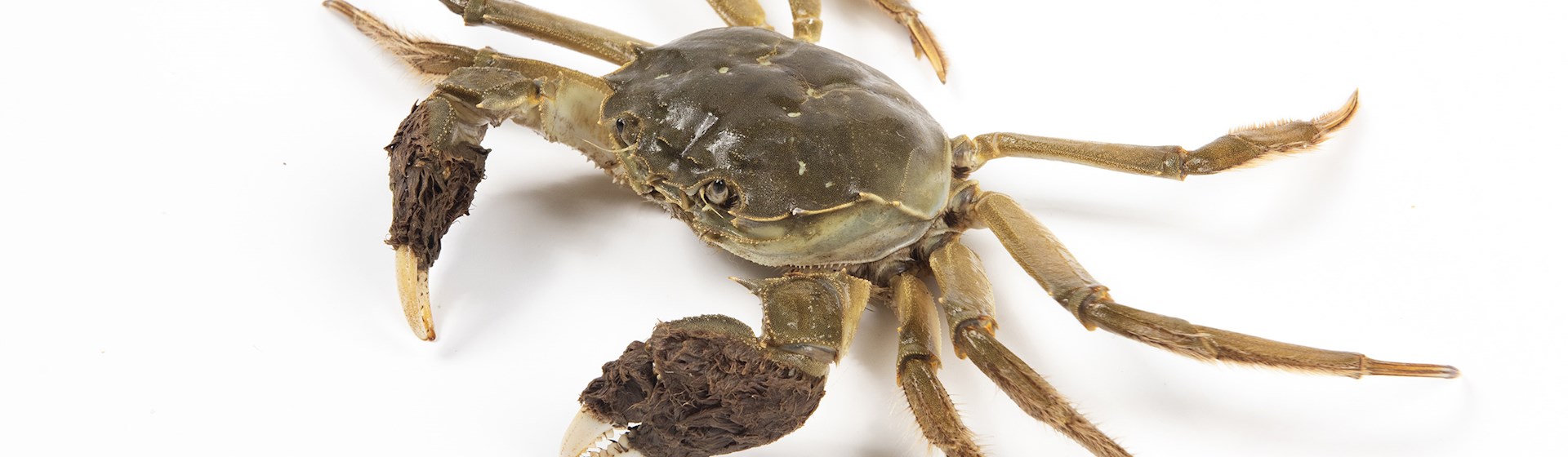
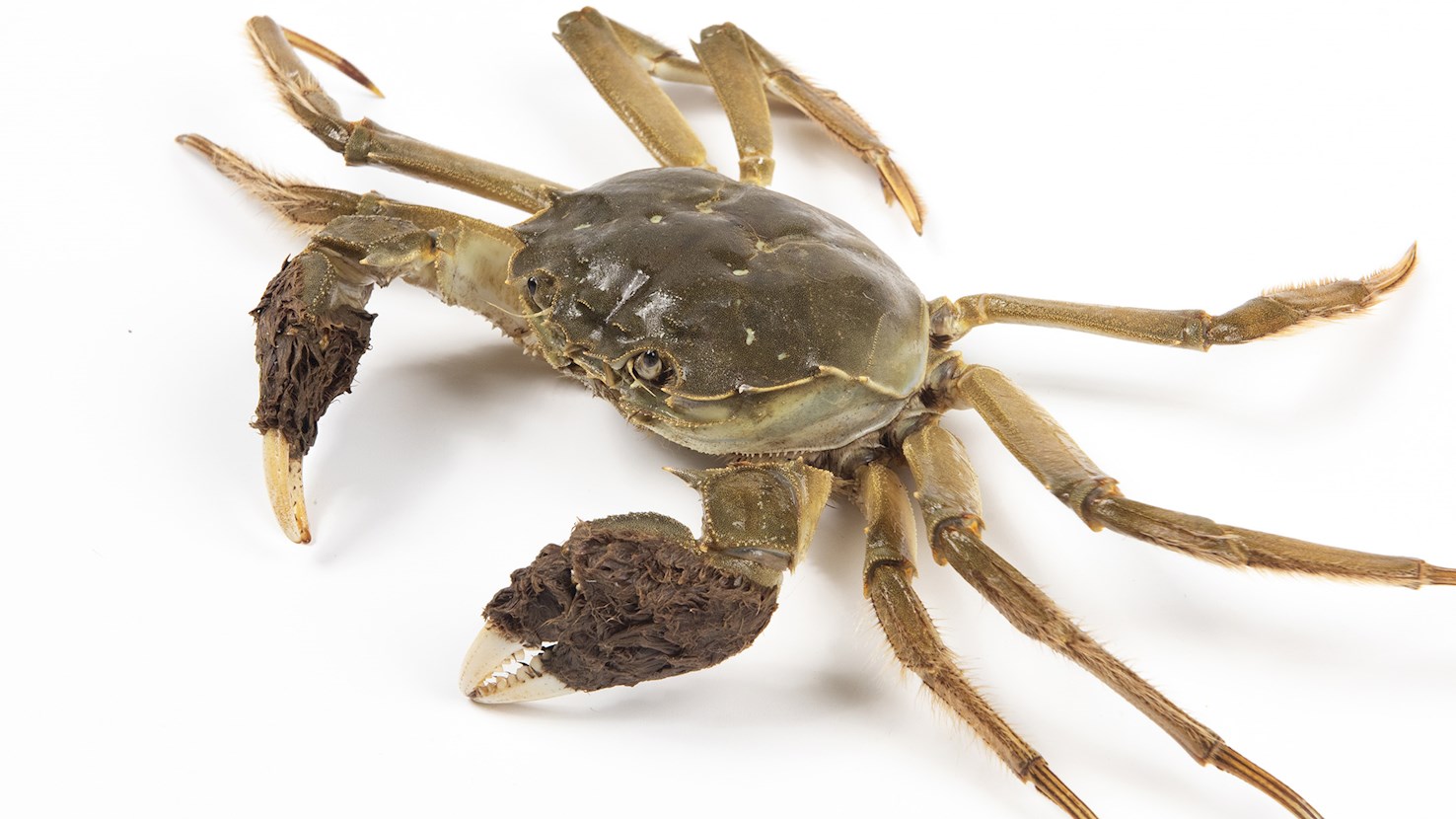
The Chinese mitten crab (lat. Eriocheir sinensis) is a unique species of crab notable for its furry claws that resemble mittens, hence its name. It is native to the coastal estuaries of eastern Asia, from Korea in the north to the Fujian province of China in the south. Aside from the distinctive furry claws on the males, these crabs have a light brown to olive green shell and can grow to a carapace width of up to 10 centimeters. Chinese mitten crabs are catadromous. They spend most of their life in fresh water but migrate to saltwater environments to breed. In Chinese cuisine, the Chinese mitten crab is considered a delicacy, especially during the autumn season when the crabs are full of roe. The roe and meat are highly prized for their flavor.
Mandarin fish, known in Chinese as guìyú, is a freshwater species native to rivers and lakes of central and southern China. It is valued in Chinese cuisine for its delicate flesh, mild flavor, and the fact that it is a fish that resists feeding on impurities, which has contributed to its reputation as particularly clean and high quality. The fish has long been cultivated in aquaculture and has found its way into regional cuisines where freshness and purity of taste are highly prized. Over time, mandarin fish became associated with refined dining in Jiangsu and Zhejiang provinces, where fish and seafood have held an important place on the table. In culinary writings from past dynasties, the fish was often noted for its tenderness and lack of small bones, making it favorable for elaborate banquet dishes and dishes served to high-ranking guests. The symbolism of fish in Chinese culture as a sign of abundance and prosperity also gave mandarin fish a role in festive banquets, especially during New Year and celebratory gatherings. Preparing mandarin fish typically requires care and precision. It can be steamed whole with ginger, scallion, and soy sauce to highlight its natural flavor, or deep-fried and combined with sauces such as sweet and sour in the famous dish sōngshǔ guìyú, also known as squirrel-shaped mandarin fish. The fish is usually served whole, as presenting the entire fish is considered auspicious and emphasizes freshness. Techniques vary depending on the region, but the central focus remains on maintaining the clean taste of the flesh. Today, mandarin fish is eaten widely in China, most often in regions where freshwater fish are abundant. It is featured at banquets, weddings, and holiday meals, but it is also found in restaurants that highlight regional specialties. Whether steamed simply with light seasoning or prepared in more elaborate presentations, it continues to be enjoyed both for its flavor and for the cultural associations that surround it, making it an enduring presence in Chinese dining.
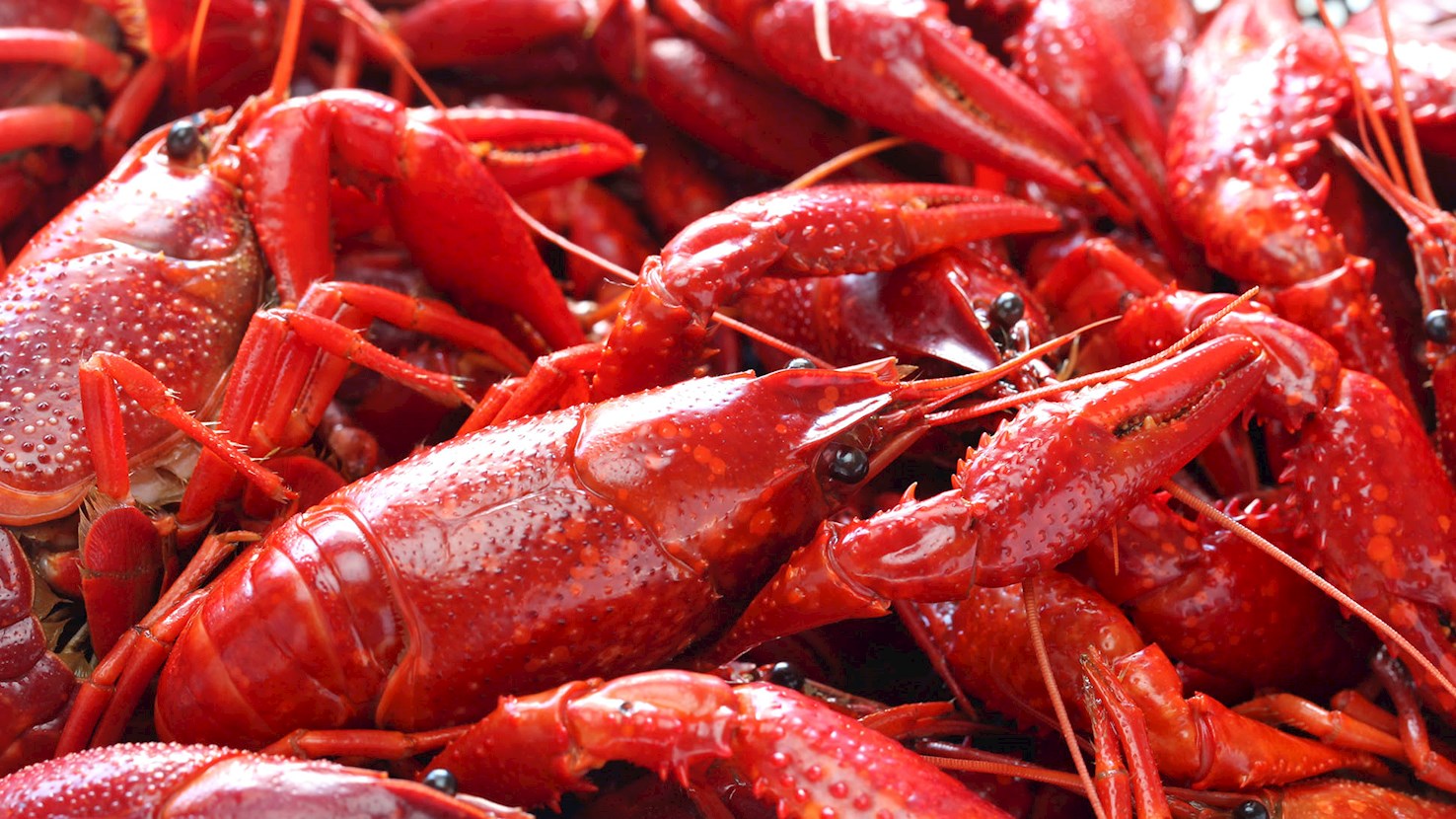
Yancheng Long Xia is a freshwater lobster of the Procambarus Clarkii species, produced in the Doulong River, Dafeng District, Yancheng City in China, where the fresh and salt water converge. These unique lobsters are never sold live, but exclusively frozen and packed in vacuum after they have been cooked and covered with a special sauce. The sauce is made from salt and fennel. The production process undergoes a series of strict procedures such as sorting, washing, soaking, cooking, cooling, selecting, grading, seasoning and freezing the product. Once it's ready, the lobster has a springy, full meat and unique nutritional contents and flavour that distinguish it from the other crayfish species.
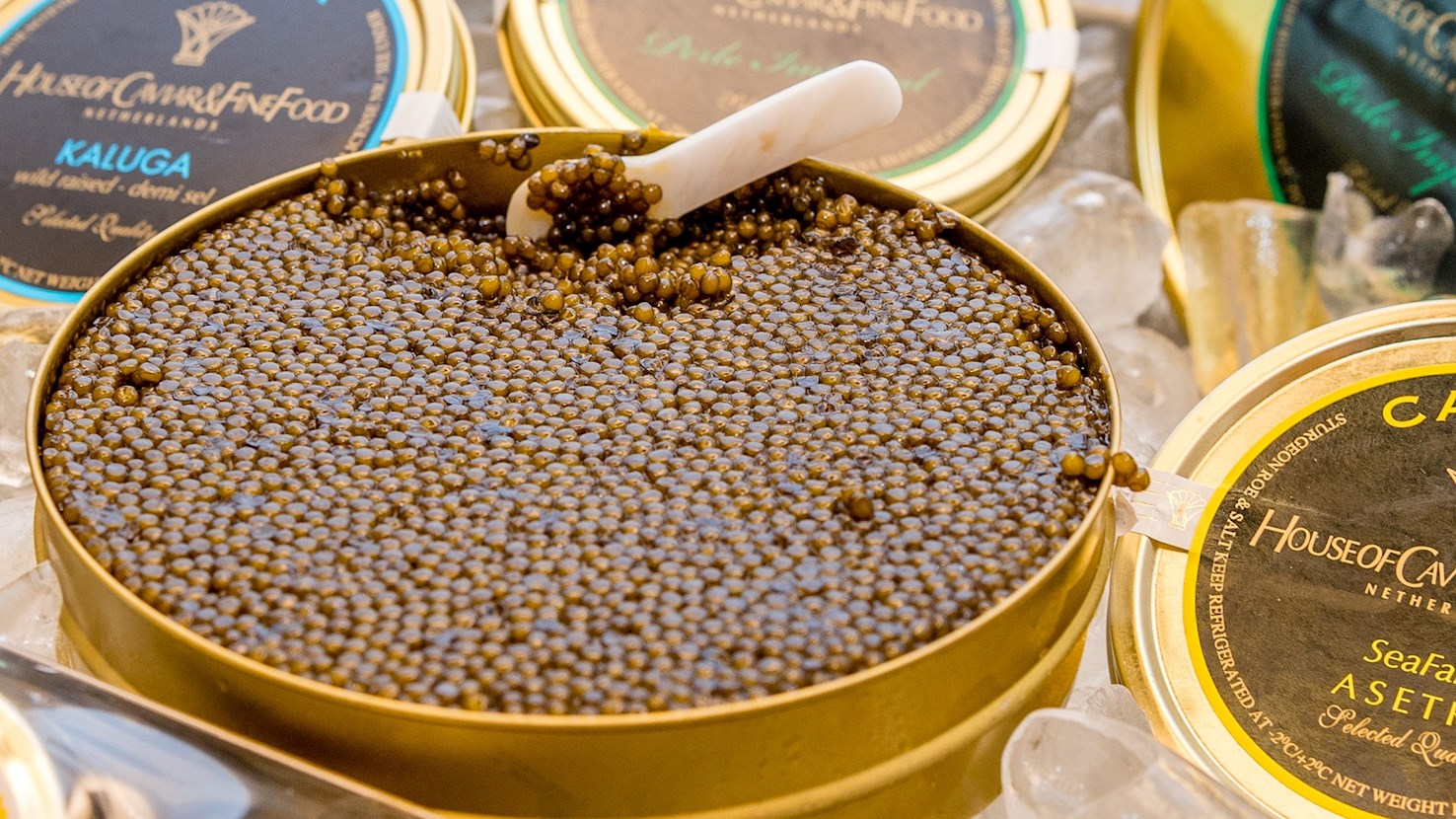
Kaluga is a caviar variety harvested from the eponymous river sturgeon, officially named Huso dauricus, which is native to the Amur River basin. Due to overfishing, kaluga is a critically endangered species, and the fish used for harvesting caviar is now mostly farm-raised. Kaluga beads are usually firm and large. Their color may range from gray to olive green or brown, while the flavor is distinctively buttery. Kaluga caviar is very similar to the famed beluga variety, and both the fish and the kaluga caviar are often wrongly labeled as river beluga. This caviar is often enjoyed on its own, and it should always be served well-chilled. It is also paired with blini, sour cream, or crème fraiche. It should be noted that China created a Kaluga hybrid (Huso dauricus X Acipenser schrenkii), which is also used to harvest caviar. By the 1990s, the number of sturgeons significantly declined, mostly due to overfishing and pollution. Several countries now ban the sales of wild caviar for various environmental and political reasons. At the same time, aqua farms became the future of caviar trade. Sustainable and ethical farms are now the most reliable places to buy caviar. Their caviar is more consistent since the sturgeons are fed a controlled diet. This has also influenced the price, and caviar has become more accessible. Caviar trade now does not depend on the location, and the focus has been shifted to the type of sturgeon—which should always be clearly labeled—and ethical and sustainable harvesting methods.
Chinese brill (lat. Tephrinectes sinensis) is a unique species of flatfish belonging to the family Scophthalmidae. This family includes some of the most esteemed flatfish in culinary arts, like the turbot and the European brill. However, as its name suggests, the Chinese brill is specifically native to the Asian Pacific region, predominantly around the waters of China and Korea. Similar to other flatfish, the Chinese brill has both eyes located on one side of its head. Their bottom side, the side without eyes, is generally paler, which helps in camouflaging against the sandy or muddy bottoms where they tend to reside. As for their size, they can vary, but they're generally not as large as some other commercial flatfish species. The natural habitat of the Chinese brill extends from the Yellow Sea to the East China Sea. These are temperate waters, and the seabed often consists of a mix of sand, mud, and sometimes gravel. The fish prefer these kinds of substrates as they provide a good environment for them to bury themselves and ambush their prey, which typically consists of smaller fish, crustaceans, and other benthic organisms. In regions where the Chinese brill is found, it is prized for its delicate, white flesh that's rich in flavor. The texture is slightly firm but flaky, making it a favorite in various Asian dishes. It can be steamed, fried, or grilled and is often paired with aromatic herbs and sauces that complement its natural taste.
TasteAtlas food rankings are based on the ratings of the TasteAtlas audience, with a series of mechanisms that recognize real users and that ignore bot,
nationalist or local patriotic ratings, and give additional value to the ratings of users that the system recognizes as knowledgeable.
TasteAtlas Rankings should not be seen as the final global conclusion about food. Their purpose is to promote excellent local foods,
instill pride in traditional dishes, and arouse curiosity about dishes you haven’t tried.
The initial list of top producers was compiled based on available reviews, awards, local recommendations, media and blog coverage, and consumer reviews.
The list will be updated with ratings from TasteAtlas local ambassadors and TasteAtlas users.





What People Say