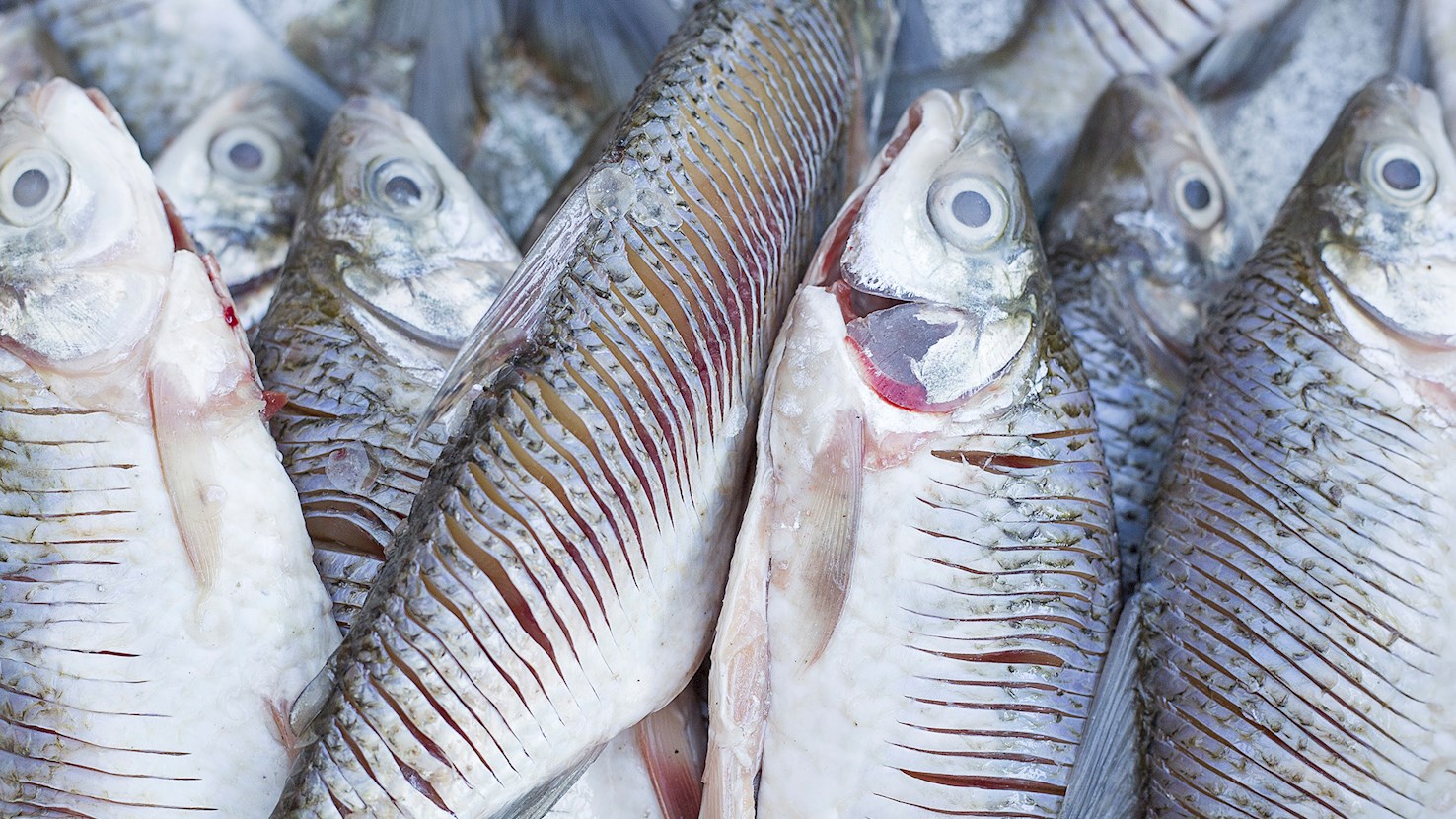
THIS SPECIES IS AT RISK OF EXTINCTION. Also known as Prochilodus magdalenae, bocachico is a medium-sized fish endemic to Colombia, living in the shallow water of the Atrato, Cauca, Sinú, Ranchería, Claro, and Magdalena rivers and nearby swamps. This fish can reach a length of 50 centimeters, and its name refers to its small mouth with small teeth which are located on the lips. It has silvery scales, while the fins vary in color from pink to red. In the past, bocachico was one of the main sources of income for fishermen in the Caribbean region of Colombia, while the local population used it in soups or fried it. The fish also ate decomposing organic material, thus helping to clean the water, but in the 1990s, catches started to decline, and nowadays bocachico is at risk of extinction due to two factors – overfishing in previous decades and hydroelectric works which have destroyed bocachico’s natural habitat in the process.
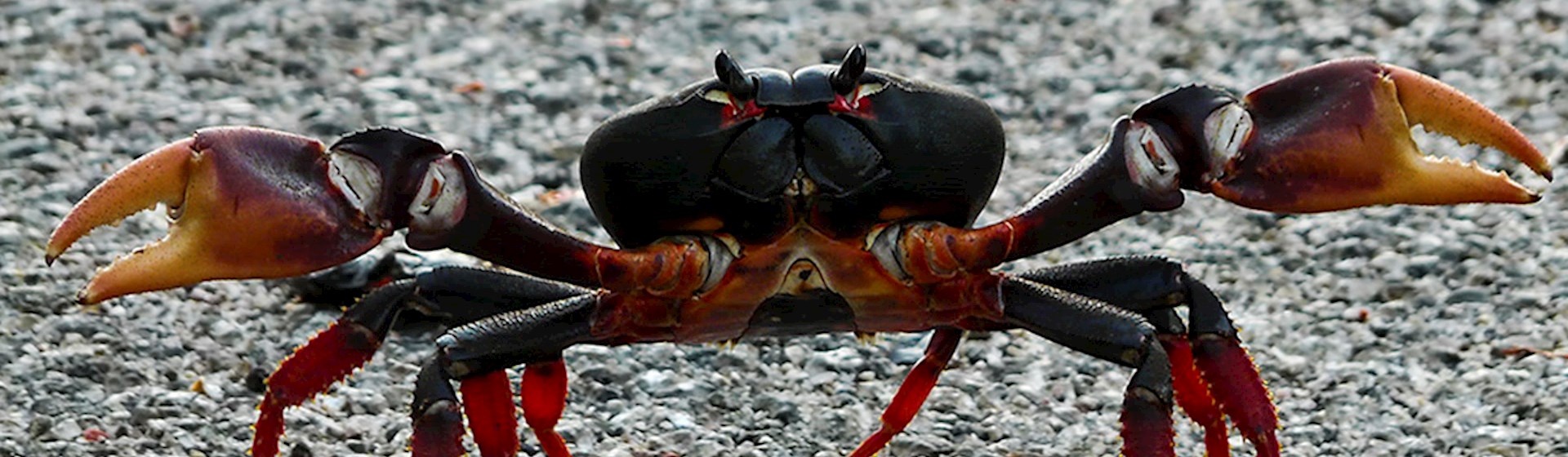
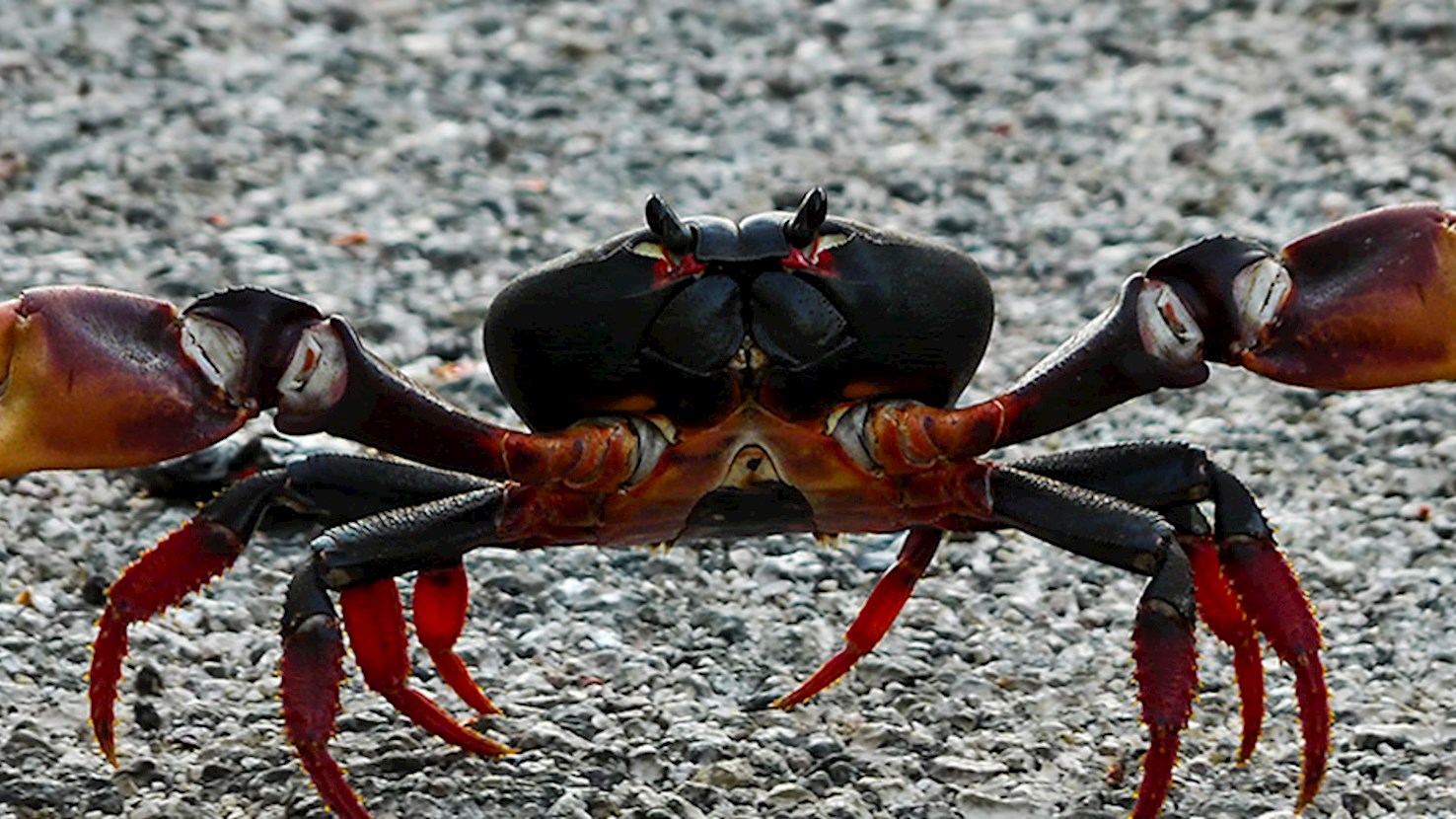
Endemic to the Colombian islands of Providencia and Santa Catalina, the black crab (lat. Gecarcinus ruricola) is easily recognizable by its black shell and red legs with yellow markings. Every year between April and June, thousands of these crabs descend from the forests and hatch their eggs in the water. The little hatchlings are born in the sea and find their own way home after 20 days, continuing to develop under rocks and logs or underground. The crabs are harvested manually by the local Raizal population – they are first kept alive in containers, then processed by women using handmade tools. They are boiled, the shells are removed in order to obtain the meat, while the claws are typically sold by piece. The meat is traditionally boiled or stewed and paired with rice, used in empanadas, or in rondón – a local dish that also contains fish and meat. However, the most popular dish is known as sopa de cangrejo (black crab soup), combining crab meat with ingredients such as sweet potatoes, flour and water dumplings, yams, garlic, coconut milk, pepper, and local aromatic herbs. During the migration period and the breeding season, the capture and consumption of black crabs is banned, and anyone caught disobeying it faces a fine that is equivalent to three months of the minimum wage. Although many islanders make their living from harvesting the crabs, during the breeding season they turn into modern-day superheroes because most of them are employed as enforcers of the ban, protecting the crabs and making sure that they continue to thrive on the island.
Concha negra or mangrove cockle (lat. Anadara tuberculosa) is a species of saltwater clam, an edible bivalve mollusk commonly found on the Pacific coast of the Americas, ranging from Baja California in Mexico to Peru. One of its distinctive features is the red-colored hemolymph (blood), which has led to its popular name in some regions as the "blood cockle". This coloration is due to a high concentration of hemoglobin, which is atypical for bivalves, as most have clear or slightly milky hemolymph. These clams have been used as a food source by indigenous peoples of the region for centuries.
TasteAtlas food rankings are based on the ratings of the TasteAtlas audience, with a series of mechanisms that recognize real users and that ignore bot,
nationalist or local patriotic ratings, and give additional value to the ratings of users that the system recognizes as knowledgeable.
For the “Top 3 Colombian Seafood” list until June 15, 2026, 62 ratings were recorded, of which 19 were recognized by the system as legitimate.
TasteAtlas Rankings should not be seen as the final global conclusion about food. Their purpose is to promote excellent local foods,
instill pride in traditional dishes, and arouse curiosity about dishes you haven’t tried.