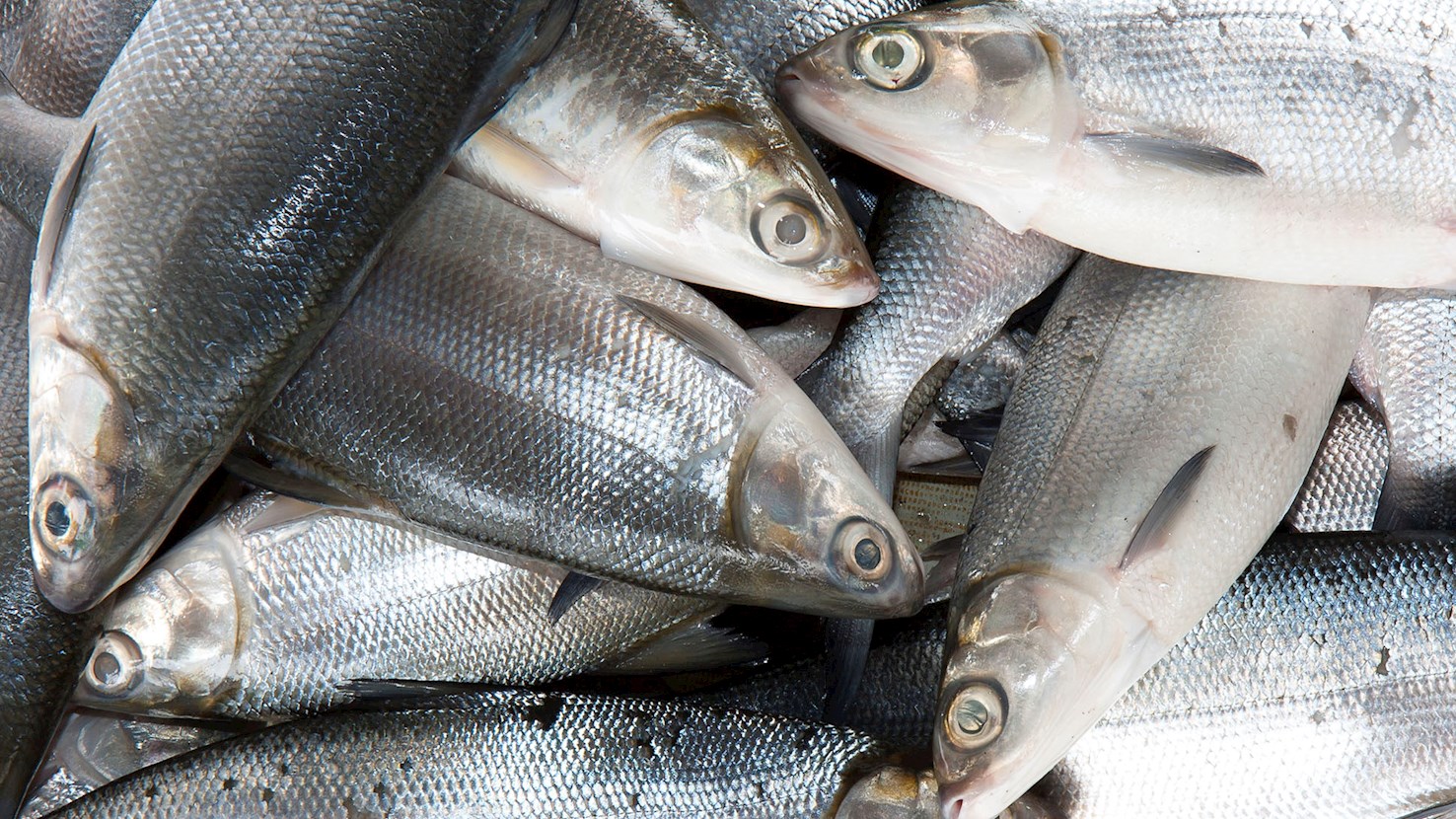
Bangus is the national fish of Philippines, called milkfish in English. It is an adaptable, tough, and sturdy fish that can survive in confined spaces, so it is regularly bred on fish farms, which is the reason why it is widely available all over the Philippines. The flavor of milkfish is distinctive and mild, best paired with complementary ingredients. Bangus is usually cooked in soups, fried, grilled, barbecued, stuffed or stewed in various spices, ginger and vinegar, but the varieties of bangus-based dishes are numerous. There is bangus nilagpang with broiled milkfish, tomatoes and onions, rellenong bangus with fried and stuffed milkfish, cooked bangus in coconut milk, marinated bangus strips in pasta... and the list goes on. Regardless of the preparation method and the additional ingredients used in dishes, bangus is a unique Filipino delicacy that shouldn't be missed.
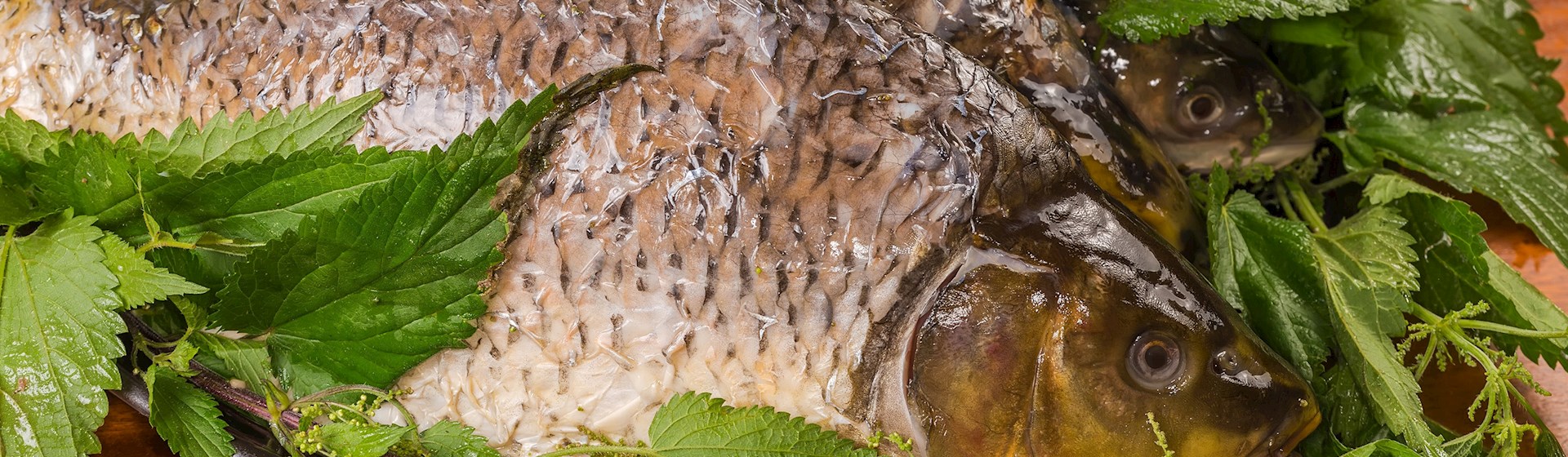
Grass carp (lat. Ctenopharyngodon idella) is a species of freshwater fish native to rivers and lakes in eastern Asia, from northern Vietnam to the Amur River on the Siberia-China border. Grass carp are large, with elongated, torpedo-shaped bodies. They usually have silvery to olive-green coloring on the back, fading to white on the belly. Adult fish can reach significant sizes, often measuring over a meter in length and weighing up to 40 kg (88 lbs) or more. True to its name, the grass carp primarily feeds on aquatic plants. It is a voracious feeder and can consume up to three times its own body weight in vegetation daily. This diet has made it a popular choice for aquatic weed control in some areas. The grass carp prefers slow-moving or stagnant water bodies with abundant vegetation. It is found in rivers, lakes, ponds, and canals. Grass carp are known for their unique spawning habits. They require long rivers for the development of their eggs, which are slightly buoyant and drift downstream until hatching. Grass carp is valued for its flesh in many culinary traditions. It's often cooked in various ways, including steaming, boiling, and stir-frying, and is known for its tender and flavorful meat.
Goong foi refers to tiny freshwater shrimp commonly found in Thailand. These small shrimp are popular in various Thai dishes and are appreciated for their delicate texture and mild flavor. They play an important role in Thai cuisine, especially in rural areas where they are readily available and harvested from freshwater sources. Goong foi are used in salads, deep-fried, or are added to soups and curries, providing a subtle seafood flavor and added protein. In some regions, these tiny shrimp are used to make fermented shrimp paste, a staple ingredient in many Thai dishes that adds depth and umami flavor.
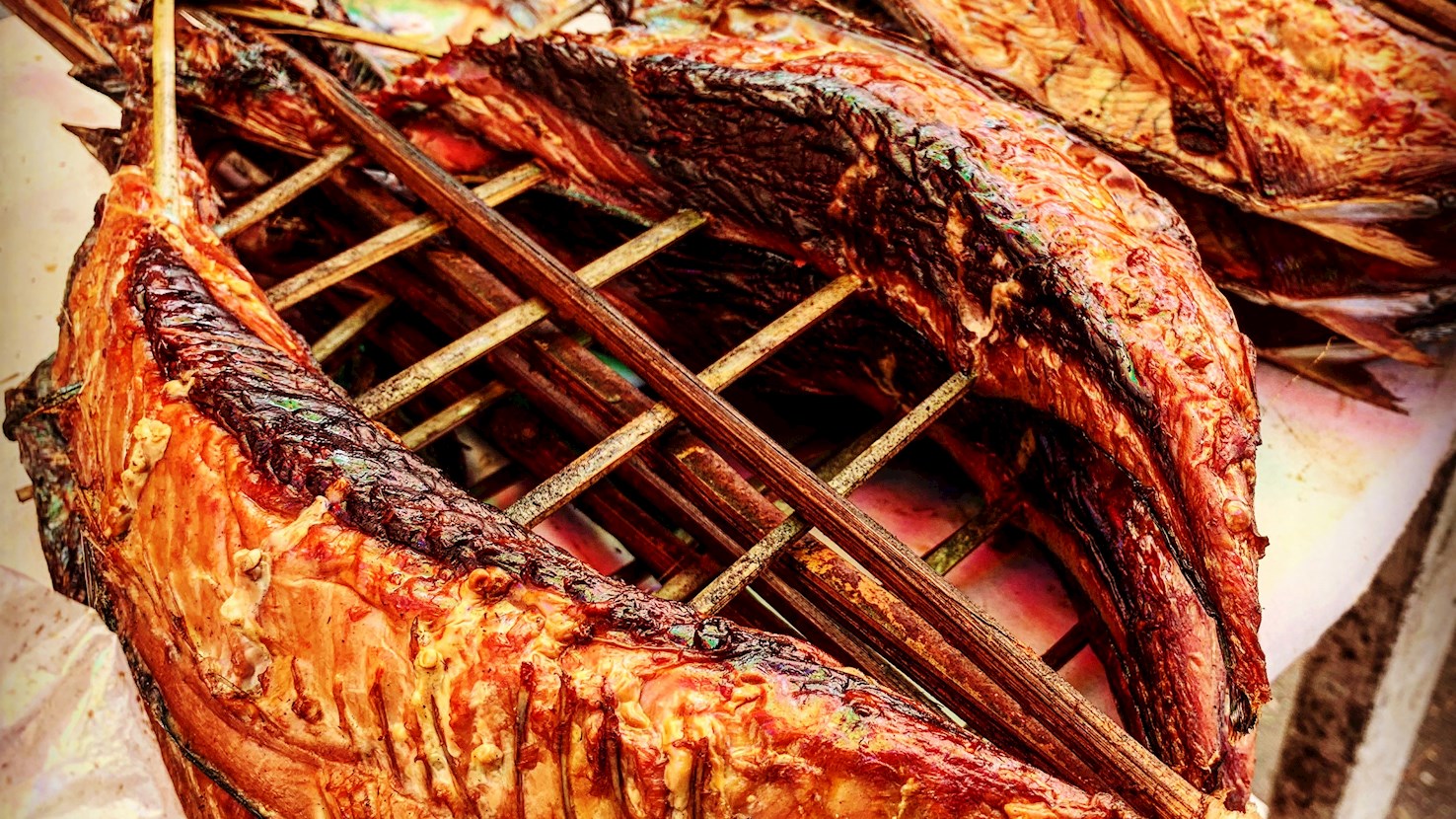
Cakalang fufu is smoked skipjack tuna originating from North Sulawesi, Indonesia, particularly associated with the Minahasa people and the city of Manado. It is a well-known product of the coastal communities in this region, where skipjack tuna, known locally as ikan cakalang, is abundant in the surrounding seas. The name "fufu" refers to the method of preserving and smoking the fish, which involves curing it with salt and spices before slowly smoking it over coconut husk or wood fire until firm, dry, and fragrant. This process not only enhances the flavor but also extends the shelf life of the fish, making it a valued item for both local consumption and trade. The preparation of cakalang fufu begins with fresh skipjack tuna that is cleaned, split open lengthwise, and deboned while still keeping the fish in one piece. It is then rubbed with a mixture of salt and sometimes turmeric or other mild spices, then clamped onto a bamboo frame to maintain its shape during the smoking process. The fish is smoked for several hours over low heat, typically from coconut husks or wood, until it develops a reddish-brown color and a firm, slightly dry texture. Once cooled, the smoked fish can be stored for several days without refrigeration, which has made it especially important for communities living in remote or coastal areas. Cakalang fufu is versatile in use. It is often reheated by briefly frying or steaming before being flaked and incorporated into a variety of dishes. It may be sautéed with shallots, garlic, chilies, and lemongrass to make a spicy stir-fry known locally as cakalang rica-rica, or served simply with rice and a side of sambal. Its smoky, savory profile also pairs well with cooked vegetables, noodle dishes, or even in rice porridge. The firm texture allows it to be shredded easily by hand or fork, making it a convenient protein source in everyday meals. In North Sulawesi, cakalang fufu is not only a household staple but also a culinary product with economic value. It is widely sold in markets, roadside stalls, and souvenir shops, often vacuum-packed for travelers. Manado and Bitung are known as key centers for its production, with some families and small enterprises specializing in its processing. Cakalang fufu has become a culinary icon of the region and is frequently showcased in local food promotions and tourism events as a representation of Minahasan seafood culture.
Nam Can crab, a trademark-recognized specialty from the Vietnamese province of Ca Mau, thrives in the unique ecological environment of Nam Can, a district surrounded by the sea and enriched with interlaced rivers, canals, and mangrove forests. The district's alluvial sediment from the Cua Lon River creates a stable salinity, offering an ideal habitat for these crabs. Nam Can crabs feed primarily on small fish, resulting in firm, sweet, and rich meat. Unlike industrially-raised crabs, Nam Can crabs possess dark, firm shells and a unique flavor that stands out in the seafood realm. Their resilience allows for long-distance transportation, catering to domestic markets like Hanoi and Ho Chi Minh City, as well as international markets in South Korea and China. The crabs' natural upbringing in shrimp ponds ensures high nutritional and economic value, with various types including Y crabs (males with big claws), Yem Vuong crabs (females with square shape), and others. They are usually steamed, added to a hotpot, or roasted with herbs and salt.
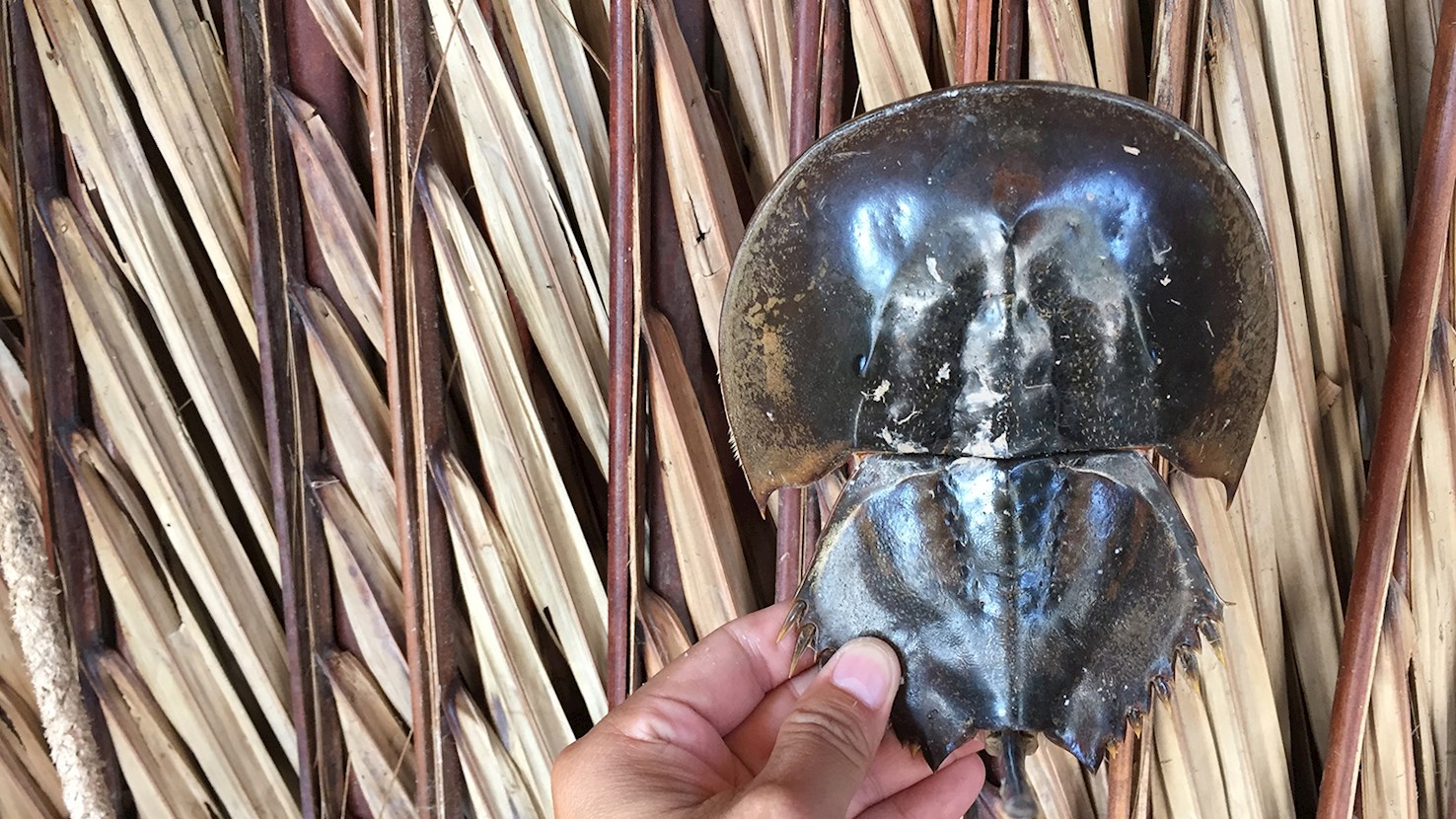
Sam biển Gò Công is a Vietnamese tri-spine horseshoe crab that’s popular in the Mekong Delta and around Go Cong beach. The crabs mate from November to March and the males stick to females, which is the reason why they’re caught in this season as it doubles the harvest. Once caught, the crabs are prepared in delicate ways and served as fresh as possible. The meat of these crabs has a silky and fibrous texture, while the flavors are rich, savory-sweet, with a slightly salty aftertaste, reminiscent of the ocean and its nutrients. The roe from grilled female crabs (sam trung) is golden, delicate, complex, aromatic, and buttery. It’s also packed with protein and nutrients. The crabs are also prized for their blood, which contains a substance called coagulogen and acts as a natural antibiotic. The prize goes up to $16,000 per liter. Both the meat and the roe of sam biển are used in various freshly prepared dishes in the Mekong Delta.
TasteAtlas food rankings are based on the ratings of the TasteAtlas audience, with a series of mechanisms that recognize real users and that ignore bot,
nationalist or local patriotic ratings, and give additional value to the ratings of users that the system recognizes as knowledgeable.
TasteAtlas Rankings should not be seen as the final global conclusion about food. Their purpose is to promote excellent local foods,
instill pride in traditional dishes, and arouse curiosity about dishes you haven’t tried.







What People Say