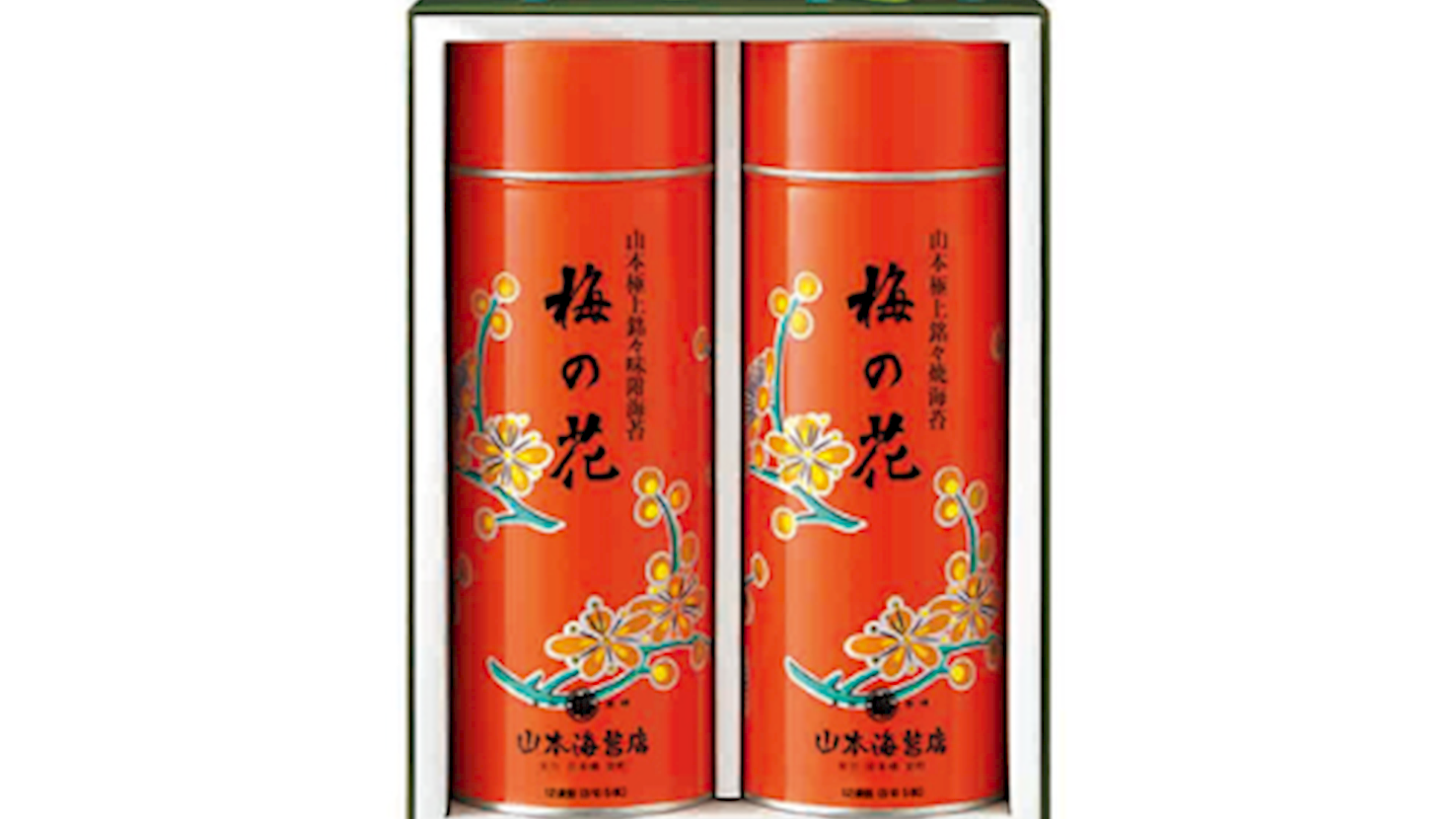
Yamamoto Noriten is a Japanese company founded in 1849 in Tokyo, specializing in the production and selection of high-quality nori seaweed. With more than 170 years of continuous operation, the company has built its reputation on rigorous raw material selection, particularly sourcing from the Ariake Sea, an area known for producing nori with deep color, fine texture, and balanced flavor.
Yamamoto Noriten applies detailed grading standards that evaluate thickness, aroma, gloss, and structural integrity when exposed to moisture. One of its key market contributions was the commercialization of ajitsuke nori, a seasoned seaweed variety brushed with soy sauce and mirin, designed for direct consumption or as an accompaniment to rice.
In addition to traditional yaki nori sheets used for sushi and onigiri, the portfolio includes tsukudani-style seaweed and snack-oriented formats. Premium lines such as “Umenohana” are often presented in refined gift packaging, reflecting the brand’s long-standing trading heritage.
Yamamoto Noriten represents a combination of Edo-period commercial tradition and modern quality control within the Japanese seaweed sector.
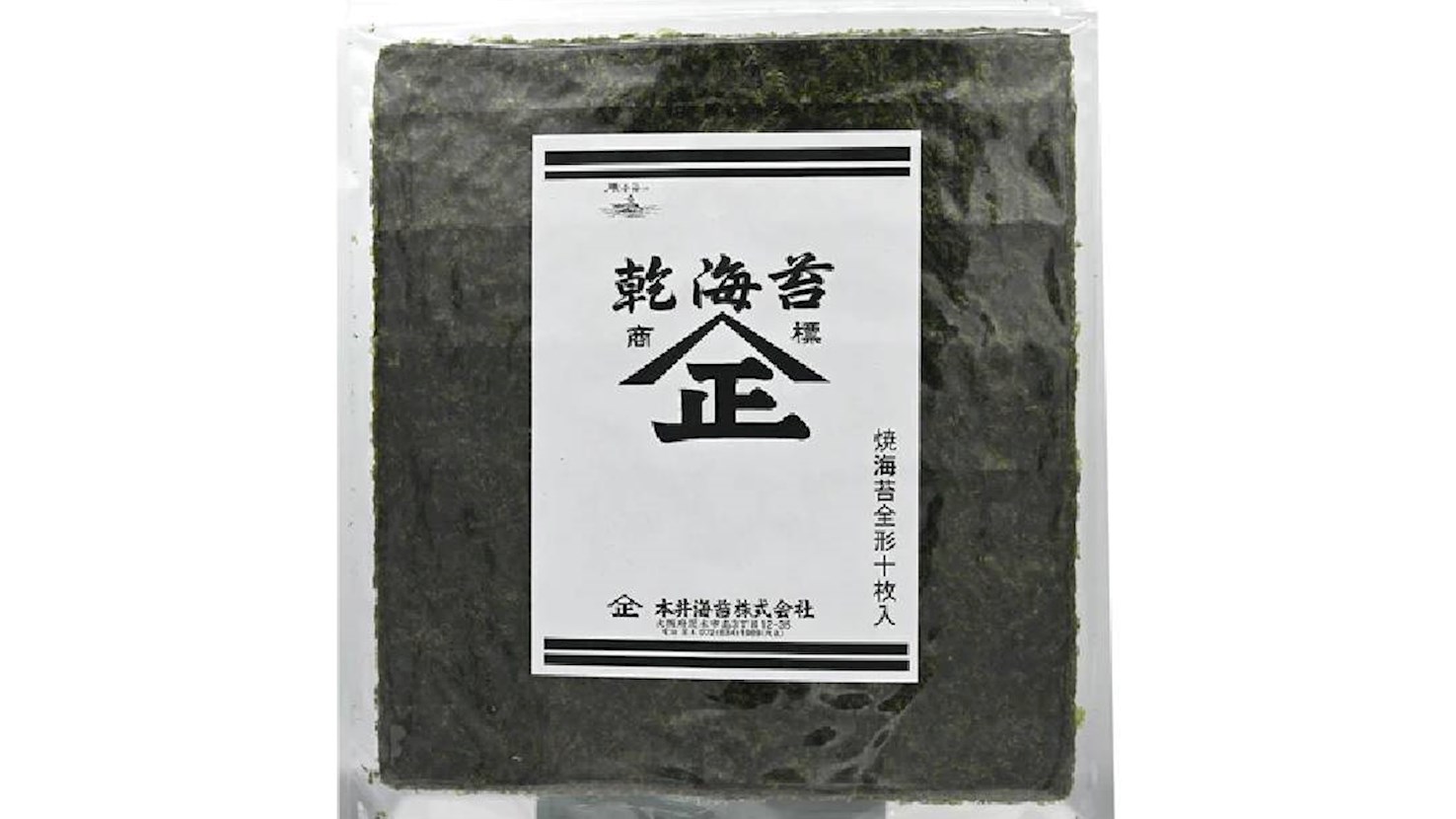
Motoi Nori is a Japanese company specializing in the processing and wholesale distribution of nori (seaweed) and other dried goods. Founded in 1931 by Masaichi Motoi in Ibaraki City, Osaka Prefecture, the company has expanded its reach across Japan, including Hokkaido, Karafuto, and Taiwan.
In 1972, the company was reorganized from "Motoi Masaichi Shoten" to "Motoi Nori Co., Ltd." Since then, it has continued to grow, establishing facilities such as a low-temperature warehouse in 1977 and a new head office building in 1993. The company sources nori from various regions across Japan, including the Seto Inland Sea and Ariake Sea, ensuring a stable supply of high-quality products.
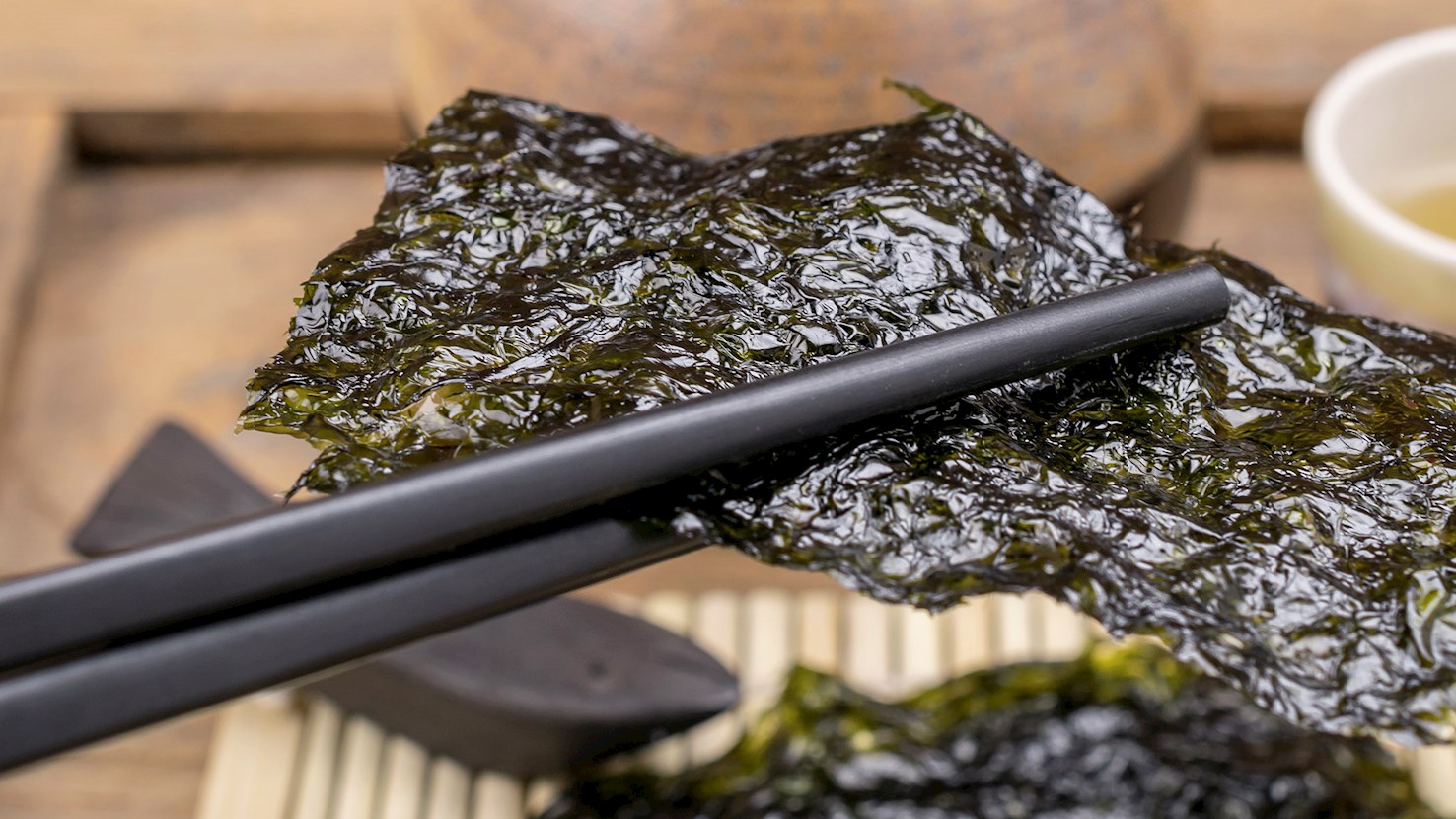
Nori is the traditional Japanese ingredient created out of processed seaweed, more specifically the red algae Porphyra. The production starts with rinsing, draining, and slicing seaweed, which is later pressed and dried to create the rectangular sheets that are thin, flat, and black in color. Through history, nori was mostly produced out of wild seaweed and was collected at its natural locations. The cultivation started in the 17th century, during the Edo period, when the growth in population increased the demand for nori. Today, it is commercially produced in a specially designed system of nets, where it is cultivated, then processed. The earliest mention of nori in the Japanese history goes back to 701 AD when it was listed as a means of paying tax. During that period and up until the 18th century, nori was produced differently than today and had the form of a thick paste. Around 1750, with the art of paper making, the traditional sheet-form nori was created. It remained a popular and easily produced ingredient up until the Second World War. In the aftermath of the war, pollution diminished traditional cultivation methods, creating huge difficulties for Japanese farmers who were not familiar with the scientific process of growing algae. The British scientist Kathleen Drew-Baker, who studied their Atlantic counterpart, offered the crucial answers which helped the nori industry to be reinvented, grow, and eventually prosper in the second half of the 20th century. Today, dried nori sheets are a staple ingredient in every Japanese household. They are usually used to wrap sushi or onigiri, or to flavor soups and noodle dishes. Before consumption, nori is typically roasted, allowing the nutty flavors and exceptional aromas to develop. With the growth of sushi popularity and the macrobiotic movement in the 1980s, the versatile nori sheets became recognizable around the world.
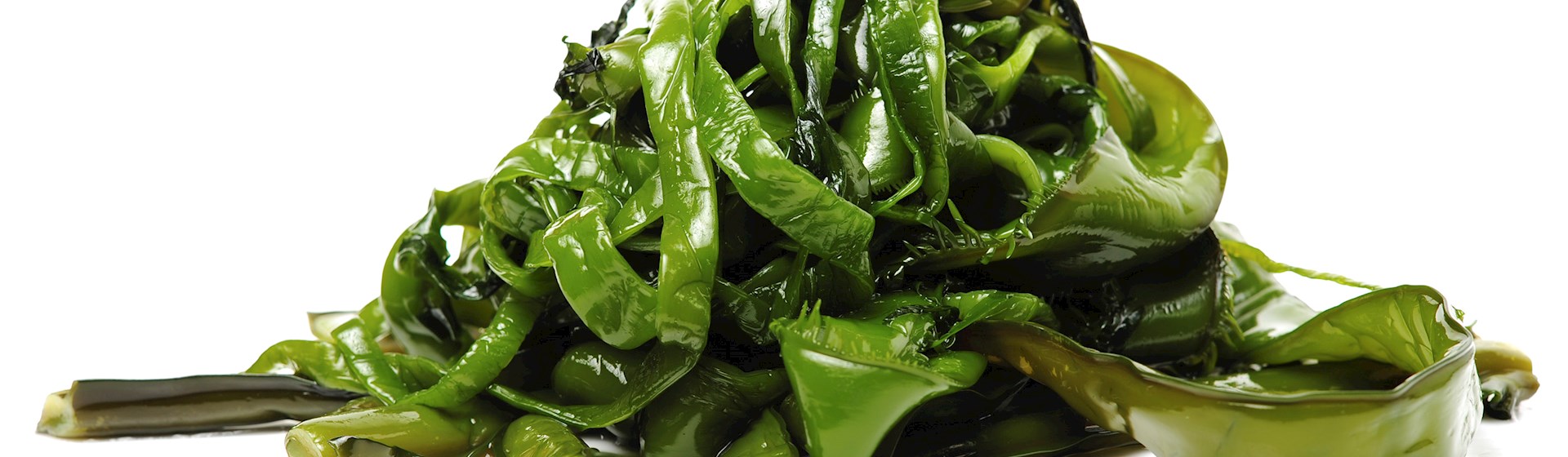
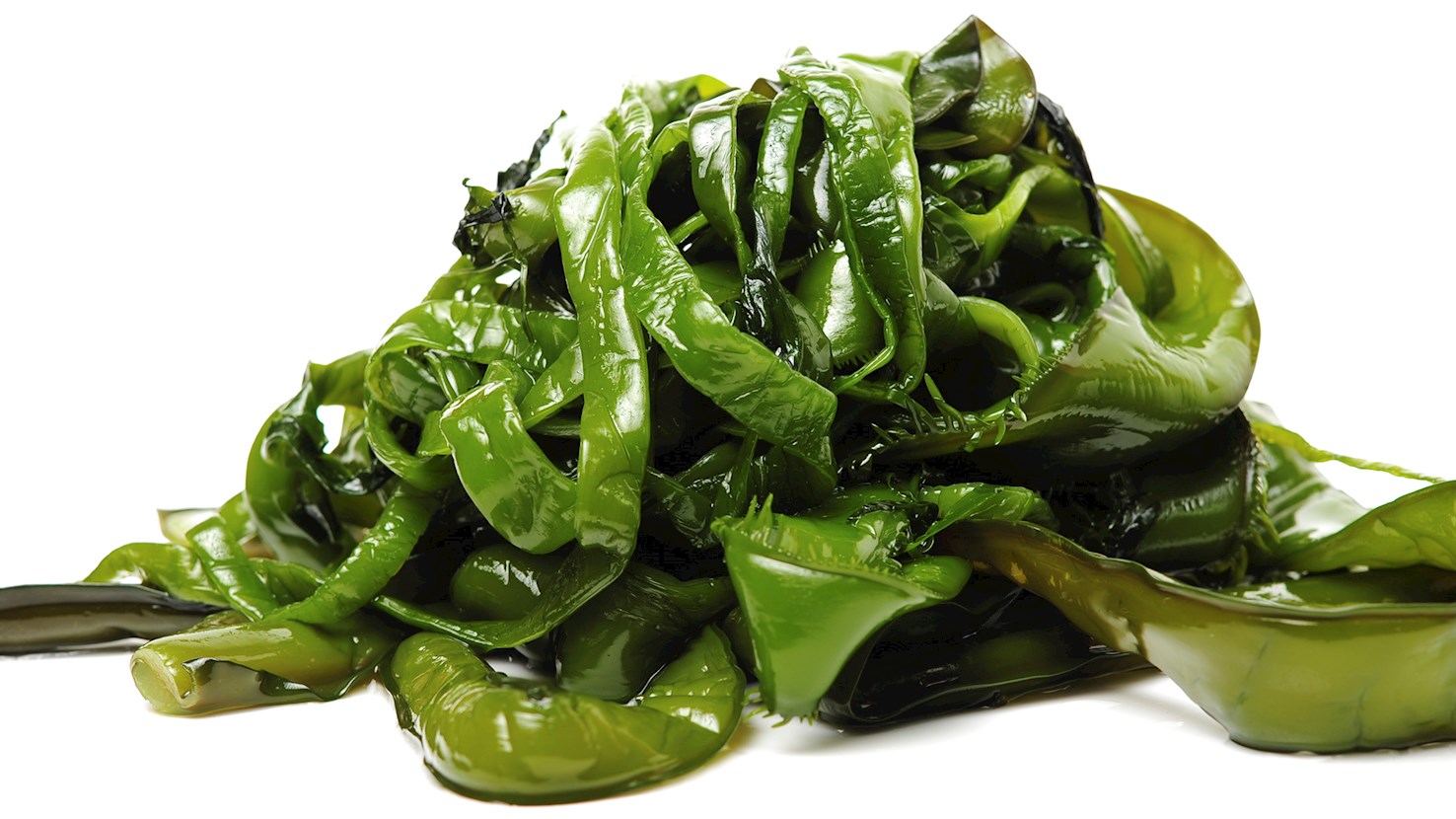
Wakame is a type of edible brown seaweed, reported to have numerous health benefits. Like other forms of seaweed, it usually comes in dry form and needs to be rehydrated before use. Its flavor is neutral, lightly briny, and slightly sweet. In its dry form, the color of wakame is dark green, but when rehydrated, it turns into a bright, glossy, and vibrant green color. In Japan, it has been consumed for thousands of years, and some archaeological evidence shows proof of its consummation dating back to 3000 BC. From the Nara period (710 AD) it has been cultivated by Japanese farmers, and at one point it was even used for taxation purposes. Nowadays, wakame is grown in Australia, New Zealand, and France, and since the 1980s and the big macrobiotic movement, it has been a widely popular ingredient in the United States of America. During cooking, wakame leaves tend to expand, so they should be cut into smaller pieces. They are incorporated in numerous dishes - typically in refreshing salads and comforting soups. Wakame also goes well with noodles, seafood, or rice dishes. As a species, wakame is highly invasive and its existence outside of the controlled environment is closely monitored and considered undesirable.
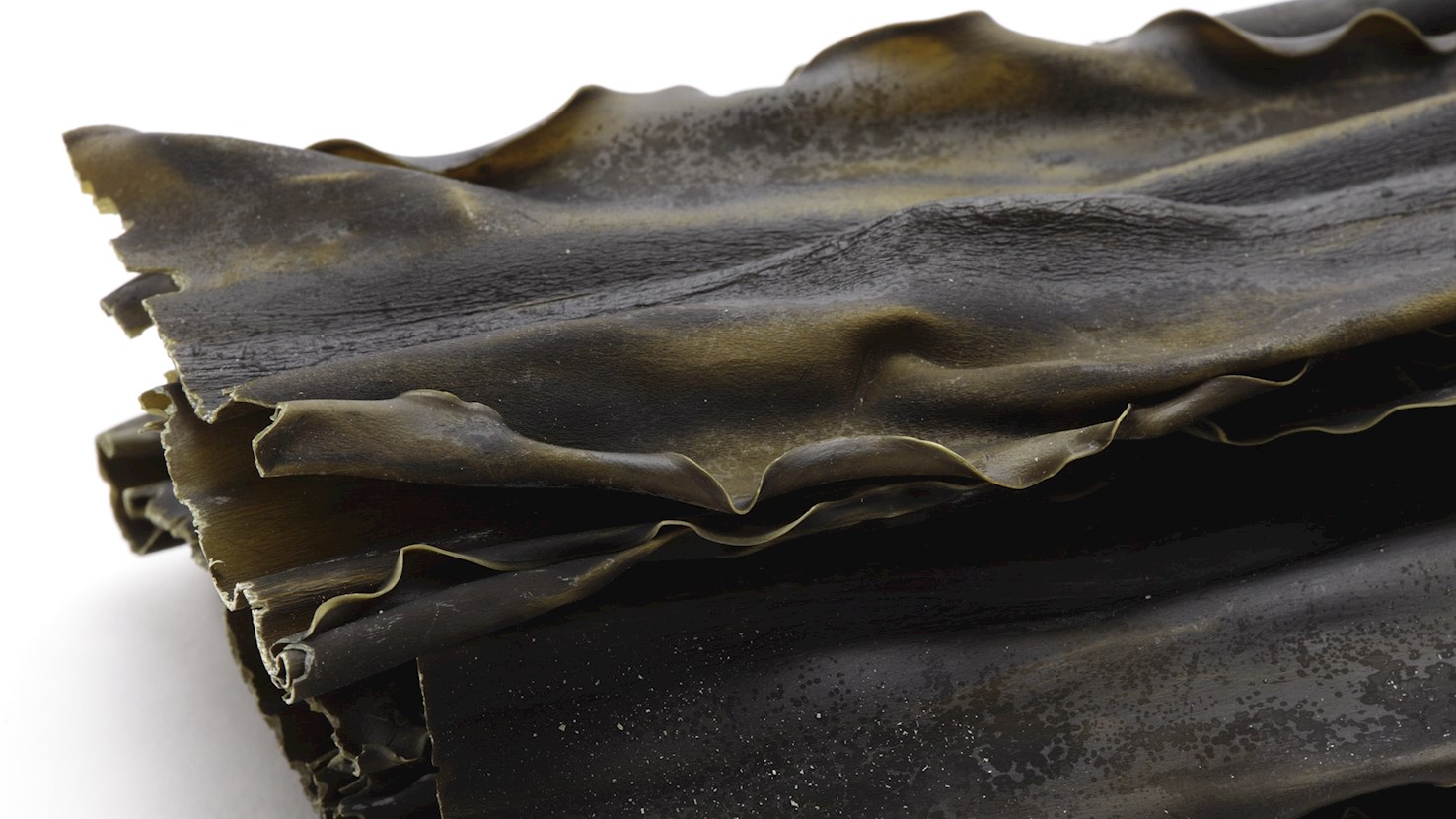
One of the most commonly utilized seaweeds in Oriental cuisine, kombu or konbu has long been a dietary staple in Japan, and refers to a type of brown seaweed, namely kelp of the Saccharina japonica species that is native to Japan but also extensively cultivated in China and Korea where it's known as haidai and dashima, respectively. Apart from the great nutritional and healing values, kombu is also used for its flavor-enhancing properties: it is an invaluable natural source of glutamic acid whose powdery crystals emerge to the surface of the dried seaweed and easily dissolve in water, giving any food cooked with kombu its rich, umami flavor. The ultimate renewable superfood, kombu is harvested at various ages, and while most of this kelp in the market is first-year kombu, what has a depth of flavor unlike any other is the second-year kombu known as ma-kombu in Japanese (lit. real or true kombu). Far more superior and more expensive, ma-kombu is the only choice in Japanese restaurants which aim for the highest quality. In Japan, people use kombu in everything, from daily meals to recipes for special occasions, and while many other types of edible seaweeds are mostly used as they are, kombu is processed and used in a wide variety of ways. The sun-dried and either whole or powdered dashi kombu is ideal for preparing the full-bodied dashi stock, but it is also perfect for miso and other soups. Powdered kombu can even be used for brewing kombu kelp tea called kombucha. Meat and vegetable kombu-wrapped rolls tied with dried shavings of kanpyō calabash gourd are called kombu-maki and it is one of the most popular ways to prepare kombu. Tsukudani-kombu refers to thin kombu strips or squares boiled in soy sauce and sugar. This kombu is usually eaten with rice or wrapped in onigiri rice balls, and it tastes even better with shiitake mushrooms, sesame seeds, Japanese peppers or shiso, Japanese basil. Often a prestigious gift during the formal gift-giving seasons in Japan, shio-kombu are strips or squares of kombu that have been boiled in a sugar-flavored mixture of soy sauce and mirin, dried and then shredded. Shio-kombu is typically eaten in ochazuke, a simple Japanese dish made by pouring green tea, dashi, or hot water over cooked rice. Tororo-kombu refers to pickled, softened kombu kelp that is used in soups such as miso, udon, and soba; topped over rice or wrapped in onigiri. More widely used than this variety are the dried, thinly shaved tororo-kombu flakes called furikake-tororo which are often sprinkled over rice dishes, miso soup, tofu or salads. Matsumae-zuke is a type of pickled dish typically enjoyed with rice and a cup of sake. It is made with kombu and soft dried squid called surume, both of which are cut into thin strips and mixed with boiled soy sauce, mirin, sake, sugar, and vinegar. Kizami-kombu refers to a type of dried kombu noodle-like strips that can be stir-fried with meat and vegetables or used for preparing nimono dishes. Kombu is also often enjoyed with green tea as a crunchy snack or finger food; these leathery strips of dried kelp are often flavored with sugar or vinegar and called nakano-kombu. Varying in flavor, texture, and appearance, the countless kombu varieties some of which are detailed above are not often readily encountered outside of Japan but using any kombu found at a well-stocked Asian grocer will elevate and take your Japanese washoku cooking to the next level.
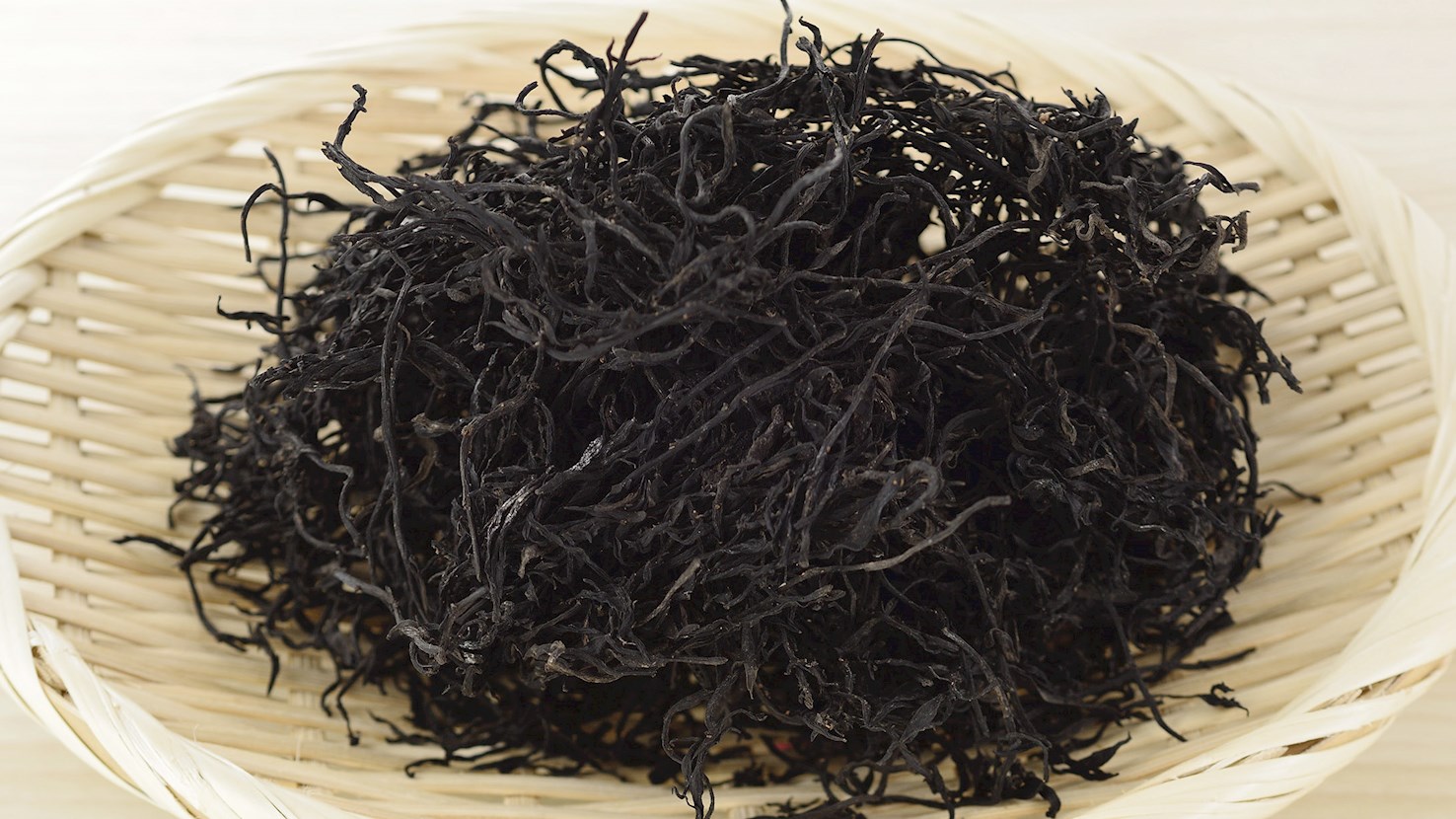
Hijiki is a type of brown or dull green seaweed growing on the coastlines of Japan, China, and Korea. Over time, it has become a staple seaweed used in numerous dishes due to its versatility. It dries quickly, yet maintains most of its nutrient content such as high amounts of dietary fiber, calcium, iron, magnesium, and vitamin K. Hijiki is often used in stir-fries, soups, and fish dishes. It is believed that hijiki has been consumed since the Yayoi era, and it first appeared in print during the early Heian period in a publication called Tales of Ise.
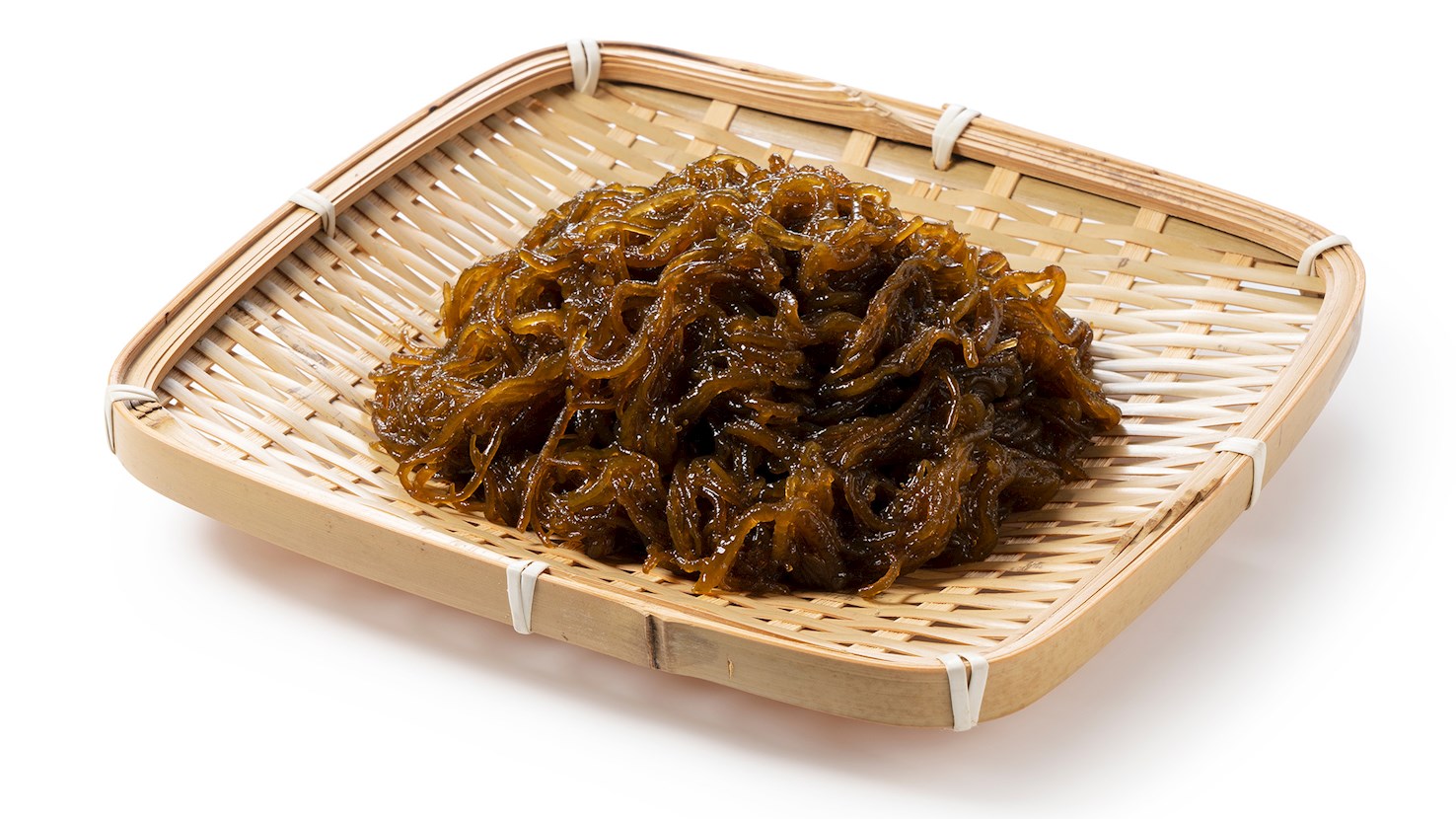
Mozuku is a term for the brown seaweed that is harvested in the Japanese waters, but predominatly around Okinawa. Most popular type is Okinawa mozuku (lat. Cladosiphon okamuranus), but there are also ito mozuku (lat. Nemacystus decipiens), ishi mozuku (lat. Sphaerotrichia divaricata) and futo mozuku (lat. Tinocladia crassa). This seaweed is characterized by its slimy texture and stringy appearance, making it quite distinct from other types of edible seaweed like nori or wakame. Mozuku is highly prized for its nutritional benefits, including a high content of fucoidan, a type of sulfated polysaccharide known for its potential health benefits such as anti-inflammatory properties, immune system support, and possibly anticancer activities. It's commonly consumed in Japanese cuisine, often served in vinegar as a side dish or appetizer. Mozuku can also be found in soups and salads, and is appreciated not only for its health benefits but also for its unique
Umibudō is an edible green seaweed from Okinawa, identified botanically as Caulerpa lentillifera and recognised for its small bead-like fronds that grow in warm, shallow coastal waters around the Ryukyu Islands where it has been harvested and later farmed as part of local aquaculture. Its development in Okinawa is tied to the expansion of seaweed cultivation in the late twentieth century, when controlled farming methods were introduced to ensure steady supply for domestic consumption and export, with documented growth in coastal tanks and lagoons that allowed consistent texture and salinity. Preparation involves rinsing the fresh fronds gently in cold water to remove excess salt and sand, after which the seaweed is served raw to preserve the firm pop of the beads, commonly accompanied by simple condiments such as ponzu or vinegar-based dips since heating causes the fronds to collapse. Its structure sets it apart from many other edible seaweeds because the beads burst lightly when eaten, a sensory quality reliant on serving it fresh and unheated, which is why storage is kept minimal and it is usually consumed on the day of purchase. It is eaten across Okinawa in home meals, izakaya menus and coastal markets, often as a small side dish or part of sashimi spreads, and pairs well with mild seafood, tofu dishes, light beers, awamori and crisp white wines whose acidity matches the clean salinity of the seaweed without overwhelming its delicate texture.
TasteAtlas food rankings are based on the ratings of the TasteAtlas audience, with a series of mechanisms that recognize real users and that ignore bot,
nationalist or local patriotic ratings, and give additional value to the ratings of users that the system recognizes as knowledgeable.
For the “Top 6 Japanese Seaweeds” list until August 19, 2026, 571 ratings were recorded, of which 526 were recognized by the system as legitimate.
TasteAtlas Rankings should not be seen as the final global conclusion about food. Their purpose is to promote excellent local foods,
instill pride in traditional dishes, and arouse curiosity about dishes you haven’t tried.
The initial list of top producers was compiled based on available reviews, awards, local recommendations, media and blog coverage, and consumer reviews.
The list will be updated with ratings from TasteAtlas local ambassadors and TasteAtlas users.




What People Say