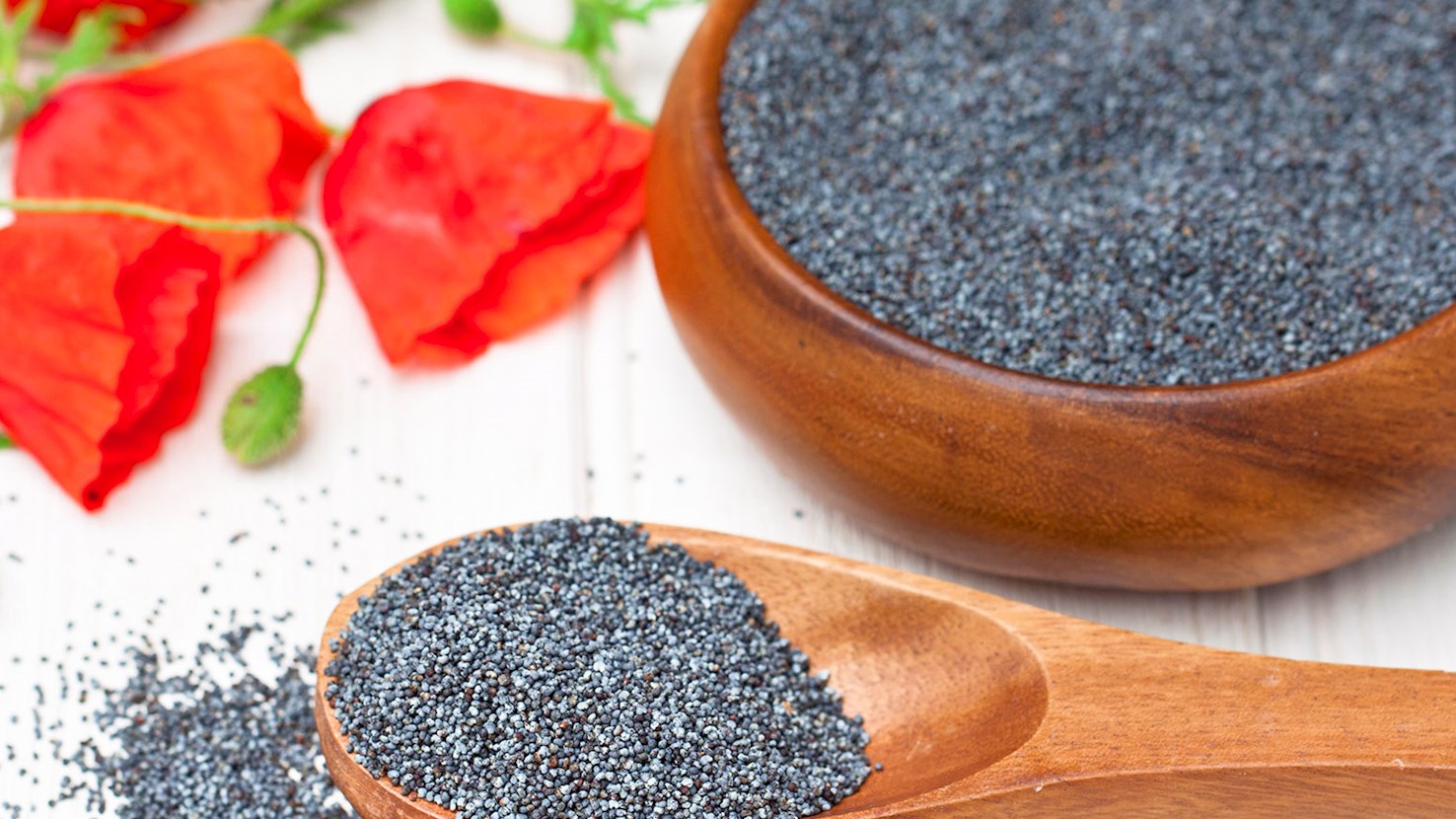
Since the climate of densely forested northwestern district of Lower Austria is ideal for cultivating poppies, each year there are between 200 and 700 hectares used for growing Waldviertler Graumohn, the so-called ''grey gold'' of the Waldviertel region. The composition of soil found in this region ensures a somewhat slower growth rate, which greatly enhances the quality and quantity of the poppy seeds, and thus provides them with a distinctive, nutty flavor. Apart from the versatile poppy seeds, another widely used product in traditional Austrian cuisine is the Waldviertel poppy seed oil, produced in Ottenschlag.
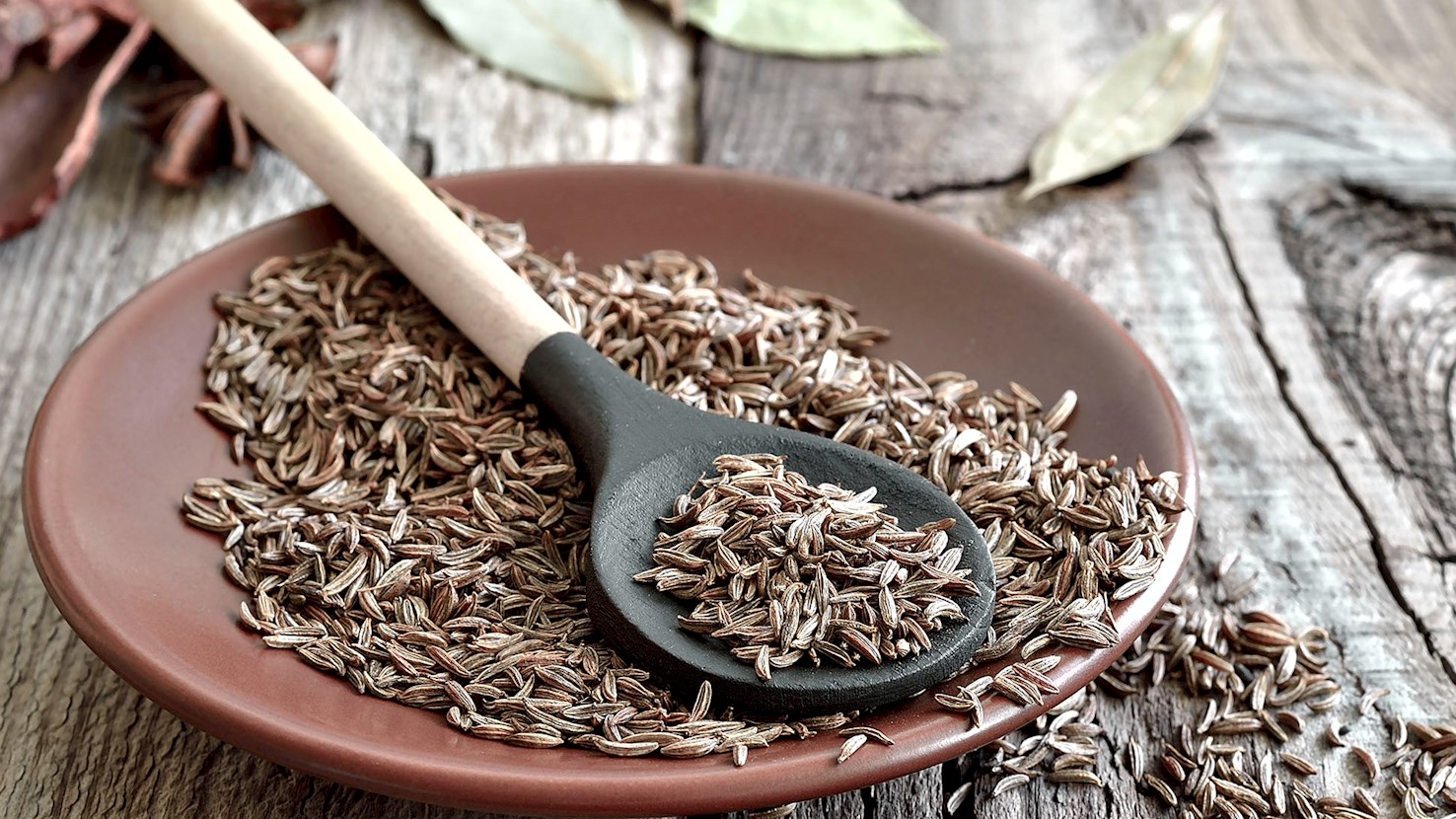
Český kmín are caraway seeds of the "Carum carvi L - fructus" species produced in the Czech Republic on loamy, sandy and clay soils since the first half of the 19th century. The seeds are well-formed and developed, healthy, elongated and slightly bent. They are bright to dark brown in colour and have a spicy flavour typical of caraway. Their uniqueness is due to the fact that they have a high content of aromatic oil (from 3 to 5 %) and are harvested when they are well matured. Carvone content in the seeds is higher than 50%, with healing and antiseptic properties. That is why Český kmín is highly praised and constantly in high demand, exported regularly to continental and seaside areas.
Ginnan are Japanese gingko seeds characterized by a pungent smell, soft and sticky texture, and a slightly bitter flavor. They also act as cough suppressants and are highly nutritious. Ginkgo trees can be found throughout Japan and China, and the seeds are usually collected in Autumn, when they fall to the ground. Although it is not that common to consume them, they are sometimes roasted or used in the preparation of a savory egg pudding known as chawanmushi. One should be careful when consuming ginnan, because it can cause poisoning by MPN if eaten in large quantities (more than five seeds per day).
Originating from the Americas, pumpkins have been traditionally grown in the Yucatán Peninsula for thousands of years, alongside beans and corn as part of a traditional Mayan intercropping system called milpa. Aside from the fruit, the seeds of pumpkins have also been focal to the Mesoamerican diet and represented an essential source of protein and fats for the local indigenous populations. Called sikil in Mayan, Yucatán Peninsula pumpkin seeds come from two varieties of pumpkins cultivated in the region: the small-seeded pumpkin (Cucurbita moschata) and the large-seeded pumpkin (Cucurbita argyrosperma). Also known as k’uum and x ka,’ respectively, both types of squash may be harvested twice a year, when ripe or unripe, and they are both commonly used as animal feed when ripe, but only the small-seeded one is suitable for human consumption. The seeds of both pumpkin varieties are highly prized for their flavor and high nutritional value, and they are typically toasted, shelled, and used as an ingredient in various traditional dishes and condiments, including sikil pak (a spicy sauce), pipián (a type of sauce served with chicken or pork), and papadzules (corn tortillas in pumpkin-seed sauce). Despite the extensive pumpkin cultivation in Yucatán, the lack of a market for placing and selling their produce has impeded the local Mayan population from making a profit from this traditional crop.
Egusi seeds are the seeds derived from the melon fruit of certain Cucurbitaceae plants, particularly the melon species called Citrullus lanatus and Lagenaria siceraria. These seeds are popular in African cuisine, especially in West African countries like Nigeria, Ghana, and Cameroon. They are commonly used to prepare a variety of dishes, most notably the famous egusi soup. Egusi seeds are often ground into a paste or flour and used as a thickening agent in soups and stews. The resulting texture is smooth and creamy, imparting a rich and nutty flavor to the dishes. They are a significant source of protein and healthy fats, making them a valuable ingredient in diets across the region. Additionally, egusi seeds can also be roasted, salted, and consumed as a snack.
Morro refers to seeds that come from the fruit of the morro tree (lat. Crescentia alata), which is native to Central America and parts of Mexico. The tree is part of the calabash family, and its fruit is commonly used in various regional cuisines and cultural practices. The seeds themselves are found inside the hard, spherical fruits of the morro tree, which are also referred to as morro gourds. These seeds are typically dried and then used as ingredients in various dishes or for making traditional drinks. One of the most famous uses of morro seeds is in the preparation of "horchata de morro," a popular beverage in El Salvador and other parts of Central America. This drink is similar to other types of horchata but is made specifically from ground morro seeds, giving it a distinctive flavor. Morro seeds are noted for their nutritional value, being rich in antioxidants and minerals such as iron and calcium. These nutrients contribute to the seeds' health benefits, which include boosting energy and supporting bone health. Traditionally, various parts of the morro tree, including the seeds, have been used in folk medicine to treat ailments such as respiratory issues and digestive problems. The antibacterial properties of the seeds are valued for treating and preventing infections.
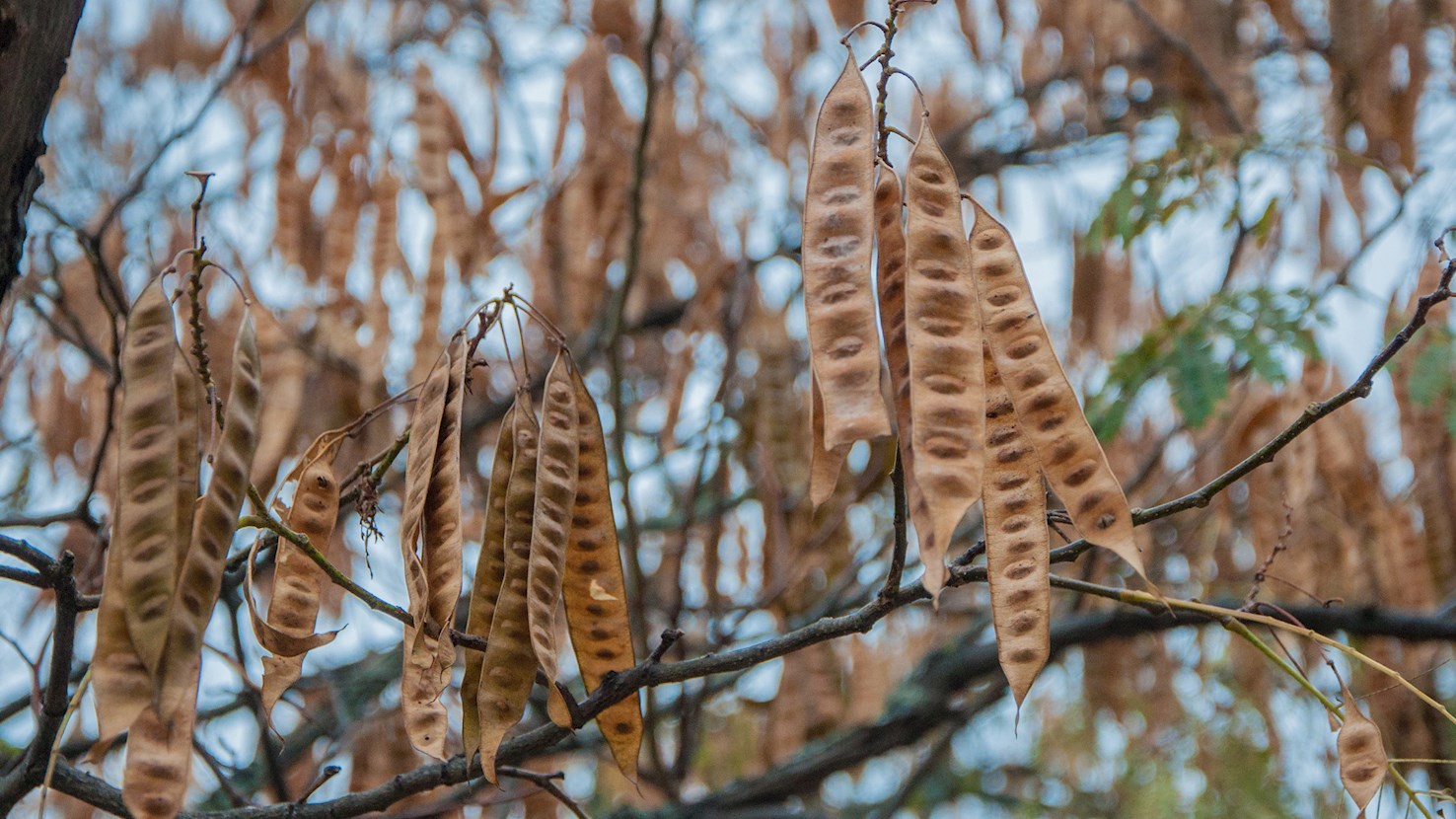
Wattleseed is a nutritious seed obtained from acacia trees. When roasted, this iconic central Australian bush food develops a flavor reminiscent of coffee, chocolate, and hazelnuts. It is often used in the preparation of sweet and savory dishes such as bread, ice creams, biscuits, and cakes. However, one must be careful as there are over 700 species of acacia, and a large number of those have poisonous seeds.
Tonburi, also known as "field caviar", is a rare Japanese delicacy made from the processed, dried seeds of Bassia scoparia, a species of summer cypress. While the plant grows in many parts of the world, the specific tradition of transforming its seeds into a culinary luxury is exclusive to Akita Prefecture, particularly the Hinai and Odate regions. This ingredient is not prized for a strong flavor—it is relatively neutral with a mild, nutty undertone—but for its extraordinary "puchipuchi" texture. This Japanese term describes a distinct popping sensation on the palate, remarkably similar to sturgeon caviar or fine mustard seeds, making it a highly sought-after textural element in high-end kaiseki (multi-course) cuisine. Making tonburi is a labor-intensive heritage craft that involves a meticulous multi-step process to make the seeds edible. Harvested in early autumn when the plants turn a deep reddish-purple, the tiny green seed husks are first dried and then boiled in large vats to soften their tough, indigestible outer shells. After the boil, the seeds are soaked in cold water for a full day to reduce friction between the hull and the core. The most technical stage involves manually rubbing the seeds against a fine mesh or between the palms to strip away the outer skins without crushing the fragile, bead-like interior. After several rounds of rinsing to remove the discarded husks, the resulting "pearls" emerge as glossy, dark-green spheres ready for consumption. In the Japanese kitchen, tonburi serves as a sophisticated garnish, adding a rhythmic crunch to softer, "slimy" foods. It is most traditionally served atop grated nagaimo (mountain yam), fermented natto (soybeans), or sliced agedashi tofu, where its popping texture creates a dynamic contrast to the creamy or sticky base. In recent years, it has gained international attention as a premium vegan substitute for fish roe, used by modern chefs to garnish blinis or seafood appetizers. Beyond its culinary appeal, tonburi from Odate is officially protected by Geographical Indication (GI) status in Japan, ensuring that the ancient techniques of Akita’s farmers are preserved as a unique contribution to the global gastronomic landscape.
Xiāngtán liánzǐ is a type of lotus seed originating from Xiangtan in Hunan province, a region in central China known for its fertile soils and abundant water resources that create ideal conditions for lotus cultivation. This ingredient, valued both as a food and for its cultural significance, has been grown in the region for centuries and is often associated with the local landscape, where lotus ponds have been part of daily life and agricultural practice. Its presence in Chinese cuisine dates back to ancient times, when lotus seeds were prized not only as a nourishing ingredient but also for their symbolic meaning, often linked to purity, longevity, and continuity, which made them a common feature in offerings and celebratory dishes. Harvesting Xiangtan lotus seeds follows a careful seasonal rhythm. The seeds are collected when the pods mature in late summer, then dried or processed for different culinary uses. In their raw form, they are small, round, and pale, with a delicate texture and a mild, slightly nutty flavor. Before cooking, they are usually soaked and peeled, and the bitter green germ inside is removed to enhance their sweetness and digestibility. Once prepared, they are used in both savory and sweet dishes, appearing in slow-cooked soups, braised dishes, and especially desserts such as sweet lotus seed soup or congee. They are also a key ingredient in lotus seed paste, widely used as a filling in pastries and mooncakes. One quality that distinguishes Xiangtan lotus seeds from others grown in China is their texture. They are known for staying intact during long cooking times, which makes them particularly valued in slow-simmered recipes where they maintain their shape while becoming tender. Their mild flavor also absorbs other ingredients well, allowing them to contribute both substance and subtlety to complex dishes. Today, Xiangtan lotus seeds are consumed throughout China, often associated with festive occasions, family meals, or restorative dishes served in colder months. They pair naturally with red dates, glutinous rice, and rock sugar in sweet preparations, while in savory contexts they complement poultry, pork, or herbal broths.
Korarima, often called Ethiopian cardamom or false cardamom, is an aromatic spice from the ginger family and one of Ethiopia’s most distinctive native seasonings. It is obtained from the seeds of reddish-brown capsules produced close to the ground by a perennial plant that thrives in humid, shaded environments. The species occurs naturally in parts of East Africa, but Ethiopia is its main center of cultivation and culinary use, especially in the forested south and southwest, including Kafa, Sheka, Jimma, Bench-Sheko, Gofa, and South Omo. Wild and cultivated populations occur side by side, and botanical research indicates that the crop was domesticated in Ethiopia, where it has long been gathered from forests as well as maintained in home gardens and agroforestry systems. The fruits are harvested when mature and then dried, after which the seeds are removed from the capsules and stored whole or ground as needed. Keeping the spice in its pod or as whole seeds helps preserve its volatile oils for longer periods, while freshly crushed korarima gives the strongest fragrance. Its flavor is warm, pungent, slightly resinous, and mildly citrus-like, with some samples showing a fresh eucalyptus-like note due to compounds such as 1,8-cineole. Despite the common comparison, it is not the same plant as green cardamom and has a noticeably different flavor profile. In Ethiopian cooking, korarima is usually used in small quantities and often forms part of more complex seasoning systems. It can be ground into berbere and mitmita, infused into niter kibbeh, or added directly to meat, lentils, sauces, and bread. It is especially closely associated with kitfo, where it complements mitmita and seasoned butter without overwhelming the flavor of the beef. The spice is also used to flavor coffee and tea, usually by crushing a small amount and adding it during brewing. Beyond the kitchen, korarima is an important market crop in southwestern Ethiopia, where forest-based production provides income for rural households and encourages the maintenance of shaded woodland environments. Whole dried capsules are commonly sold in local markets because they travel and store better than pre-ground spice. Korarima is used throughout Ethiopia and in Eritrea, although its strongest agricultural connection remains with Ethiopia’s wetter southwestern regions. It pairs particularly well with beef, lamb, lentils, clarified butter, and roasted coffee, and its role is generally supportive rather than dominant, adding depth and fragrance to foods built around stronger ingredients such as chili, onions, and meat.
TasteAtlas food rankings are based on the ratings of the TasteAtlas audience, with a series of mechanisms that recognize real users and that ignore bot,
nationalist or local patriotic ratings, and give additional value to the ratings of users that the system recognizes as knowledgeable.
TasteAtlas Rankings should not be seen as the final global conclusion about food. Their purpose is to promote excellent local foods,
instill pride in traditional dishes, and arouse curiosity about dishes you haven’t tried.













What People Say