Top 8 Piedmontese Semi-hard Cheeses

Last updated on June 06, 2026

Best Piedmontese Semi-hard Cheeses
01

Cooperativa La Poiana

5 ·
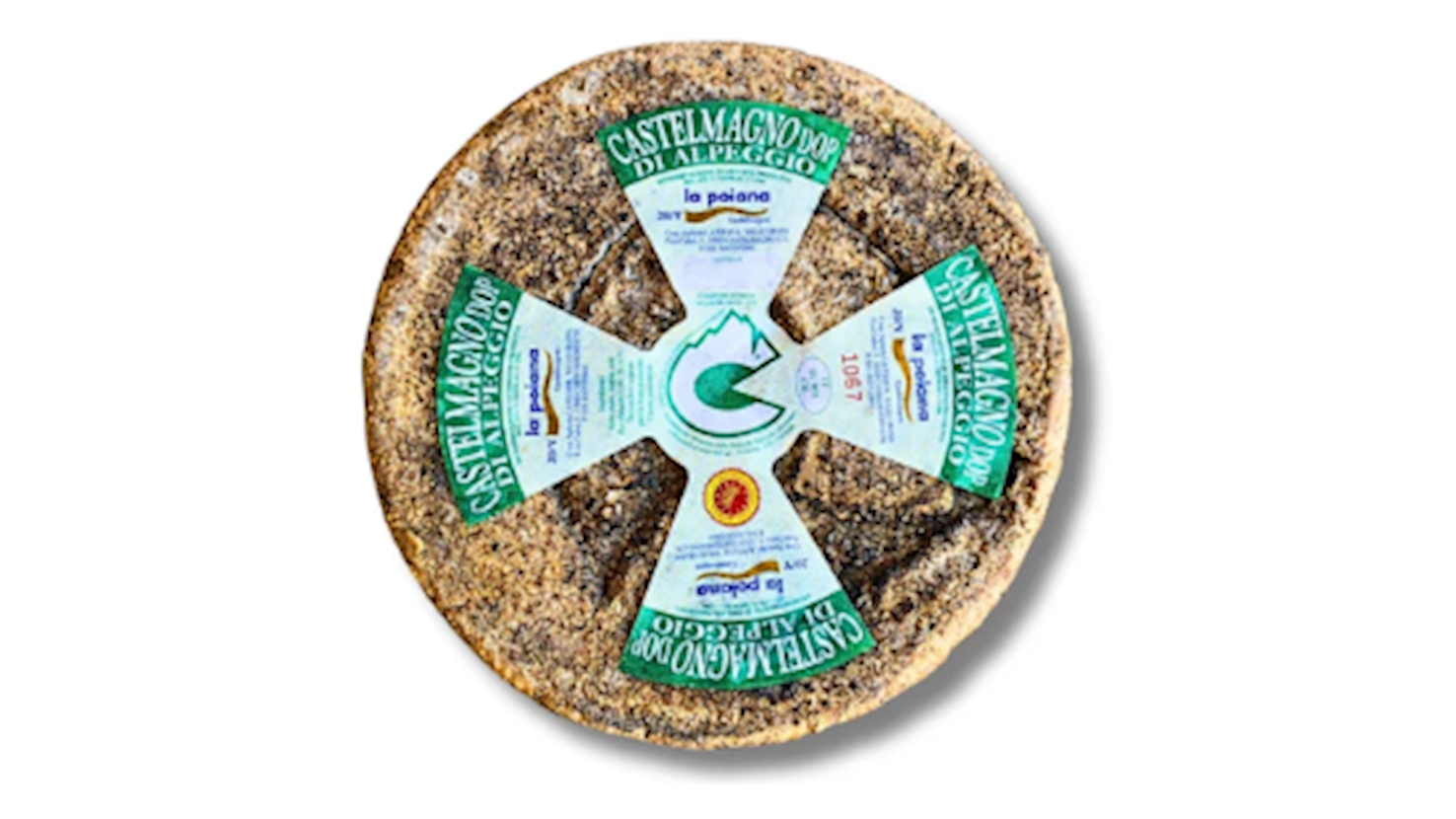
Cooperativa La Poiana is an agricultural cooperative founded in 1982 in the Valle Grana area, province of Cuneo, with the aim of preserving and promoting the traditional production of mountain cheeses, especially Castelmagno DOP. It was established at a time when organized protection was needed to safeguard local producers and the knowledge surrounding one of Italy’s most historic and prestigious cheeses. The cooperative brings together small farmers and cheesemakers from alpine villages, using milk sourced exclusively from local herds grazing on high-altitude pastures rich in native flora. Production is based on traditional methods, supported by carefully controlled modern hygiene and quality standards. A distinctive feature of La Poiana is the aging of cheeses in natural stone cellars and caves, which contributes to their complex aromas and marked mineral character. The core of its production is Castelmagno DOP, alongside other traditional Piedmont cheeses made from cow’s, sheep’s, or mixed milk. The cooperative plays an important role in preserving the rural identity and economic vitality of the Valle Grana communities. Beyond production, it is actively involved in education, gastronomic promotion, and creating direct links between producers and the market. Its philosophy is built on transparency of origin, traceability, and respect for seasonality. Today, La Poiana is regarded as one of the key guardians of Piedmontese cheesemaking heritage. Its products are available through selected specialty shops, gastronomy channels, and distributors in Italy and abroad.

Best Piedmontese Semi-hard Cheese Types
01

Castelmagno

3.7 ·

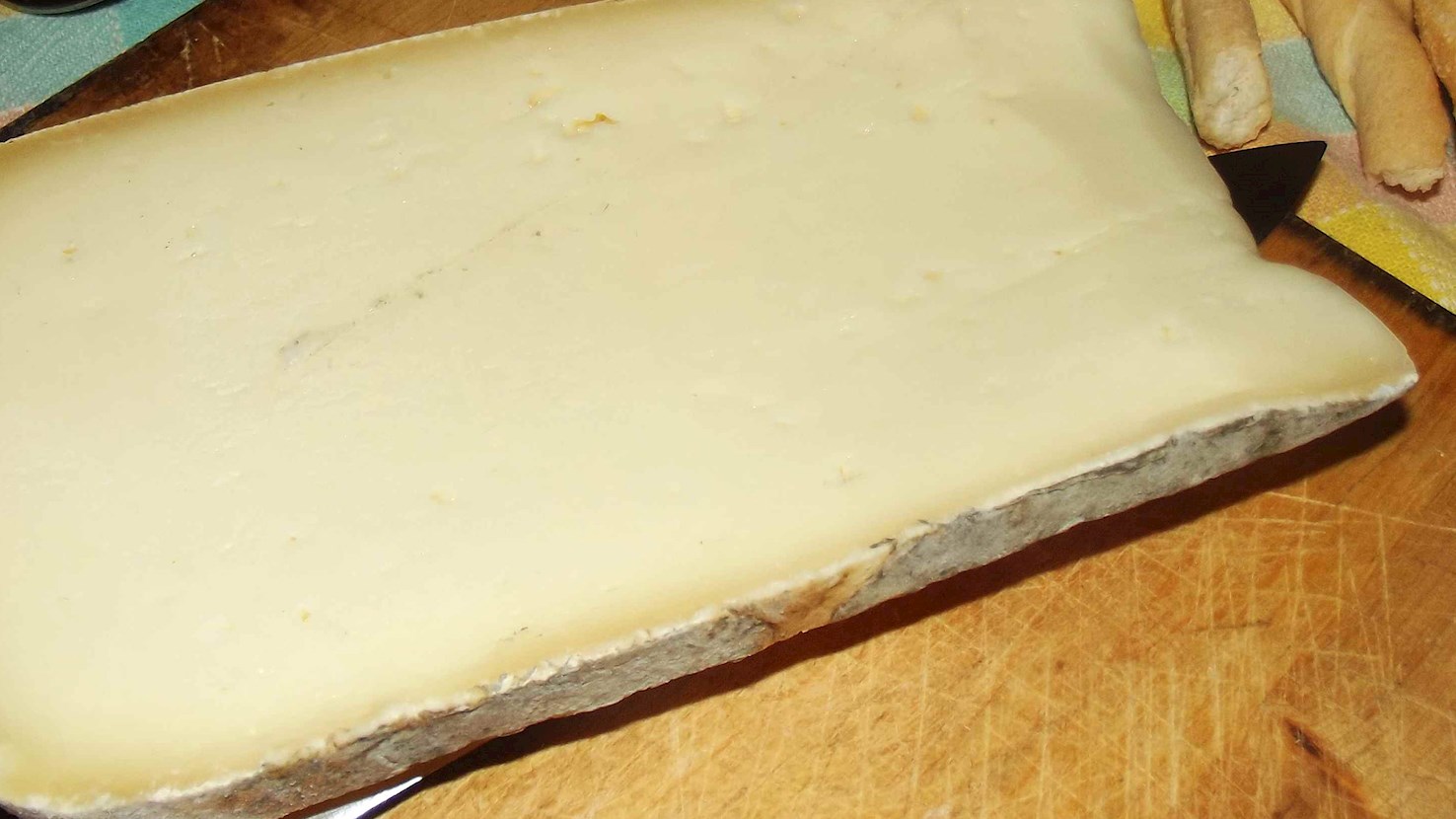
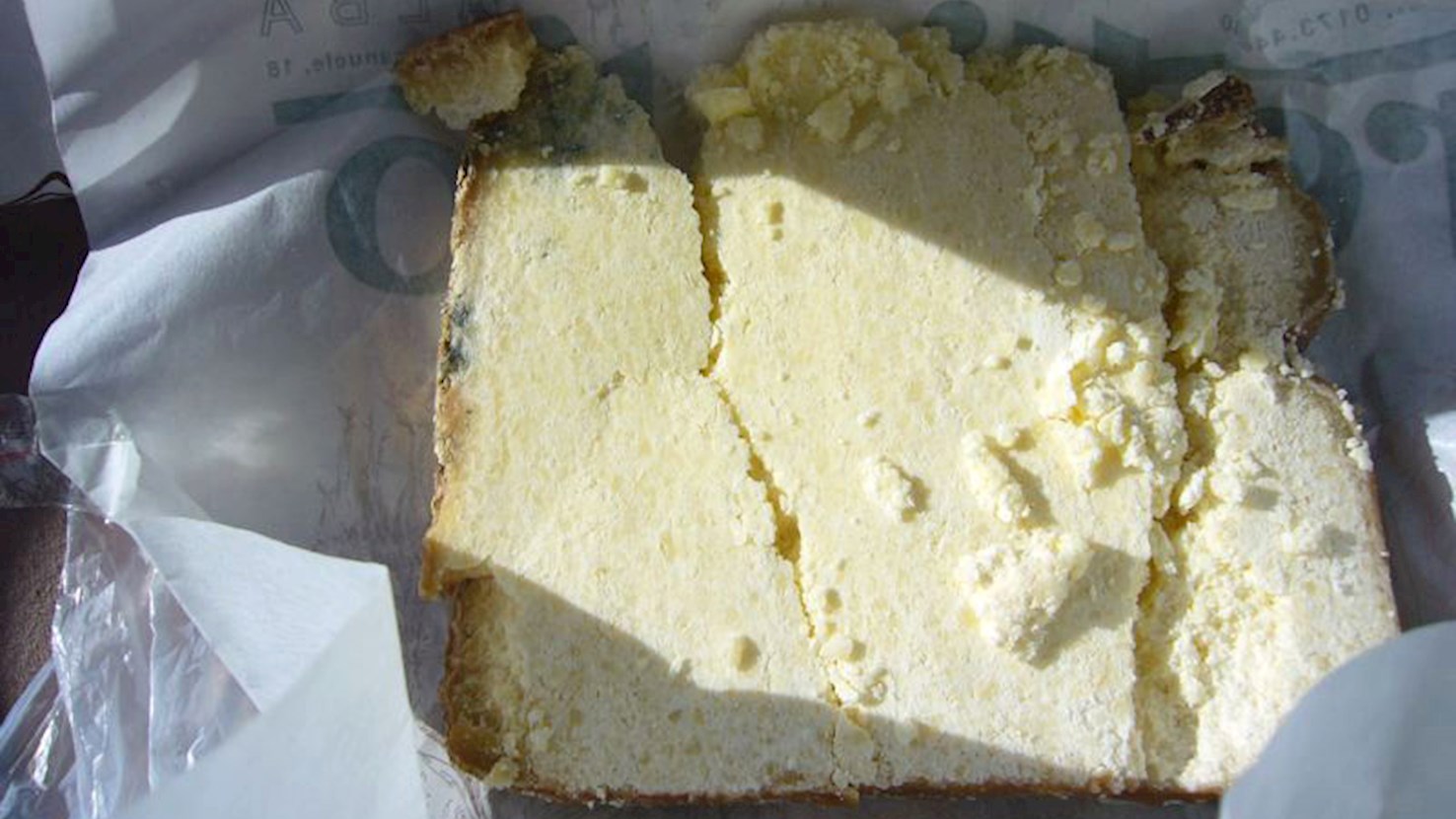
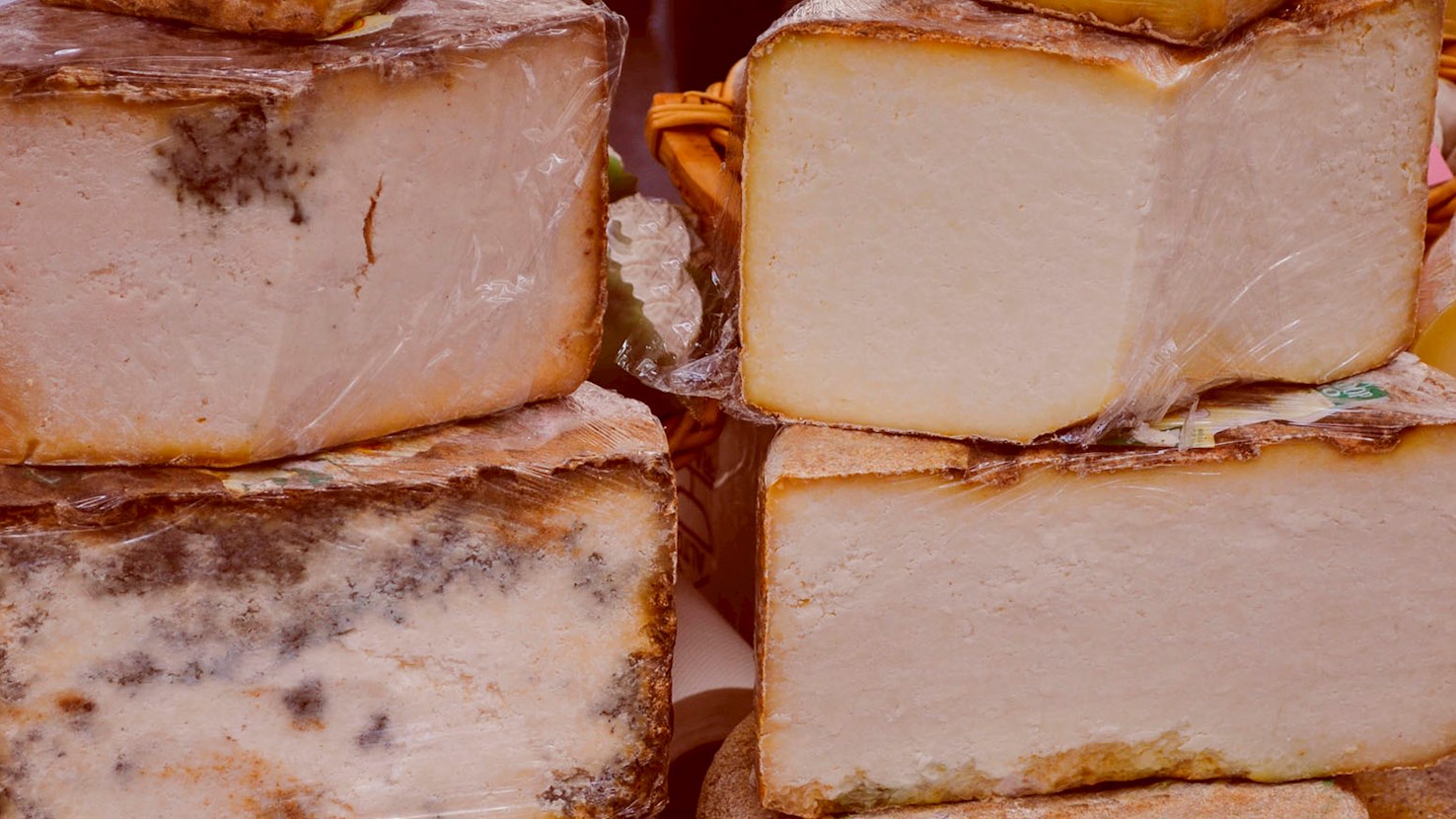
Produced in the Grana Valley since the early 1200s and found only in the Piedmont's province of Cuneo, Castelmagno is a semi-hard blue cheese with a crumbly texture, made from cow's milk and sometimes a small addition of sheep's and goat's milk. It is aged between 2 to 5 months, during which the subtle flavors of Castelmagno become stronger, sharper and more piquant. In the summertime, while the cows are on the pastures in the Alps, this delicious cheese can be found marketed as Castelmagno d'Alpeggio. It is enjoyed either as a table cheese or used in the preparation of a number of typical Piedmont pasta, rice, or gnocchi dishes.

02

Raschera

3.6 ·

Named after the Lake Raschera which is located at the foot of Mount Mongioie in the Ligurian Alps, and also a type of Alpine hut, this semi-hard fat cheese is traditionally made in the municipality of Magliano Alpi, settled in the province of Cuneo. It is produced using skimmed cow, goat, and sheep milk. This Piedmont delicacy has quite a distinctive shape because in the past dairymen used mules to transport the cheese from the Alps down to the valleys, so it was more convenient to stack the square-shaped cheeses on top of each other. The Raschera needs to ripen for about 30 days, after which it develops a dense ivory to yellow paste and an intense, slightly spicy flavor with a pronounced aroma of goat and sheep milk.

03

Bettelmatt

n/a ·

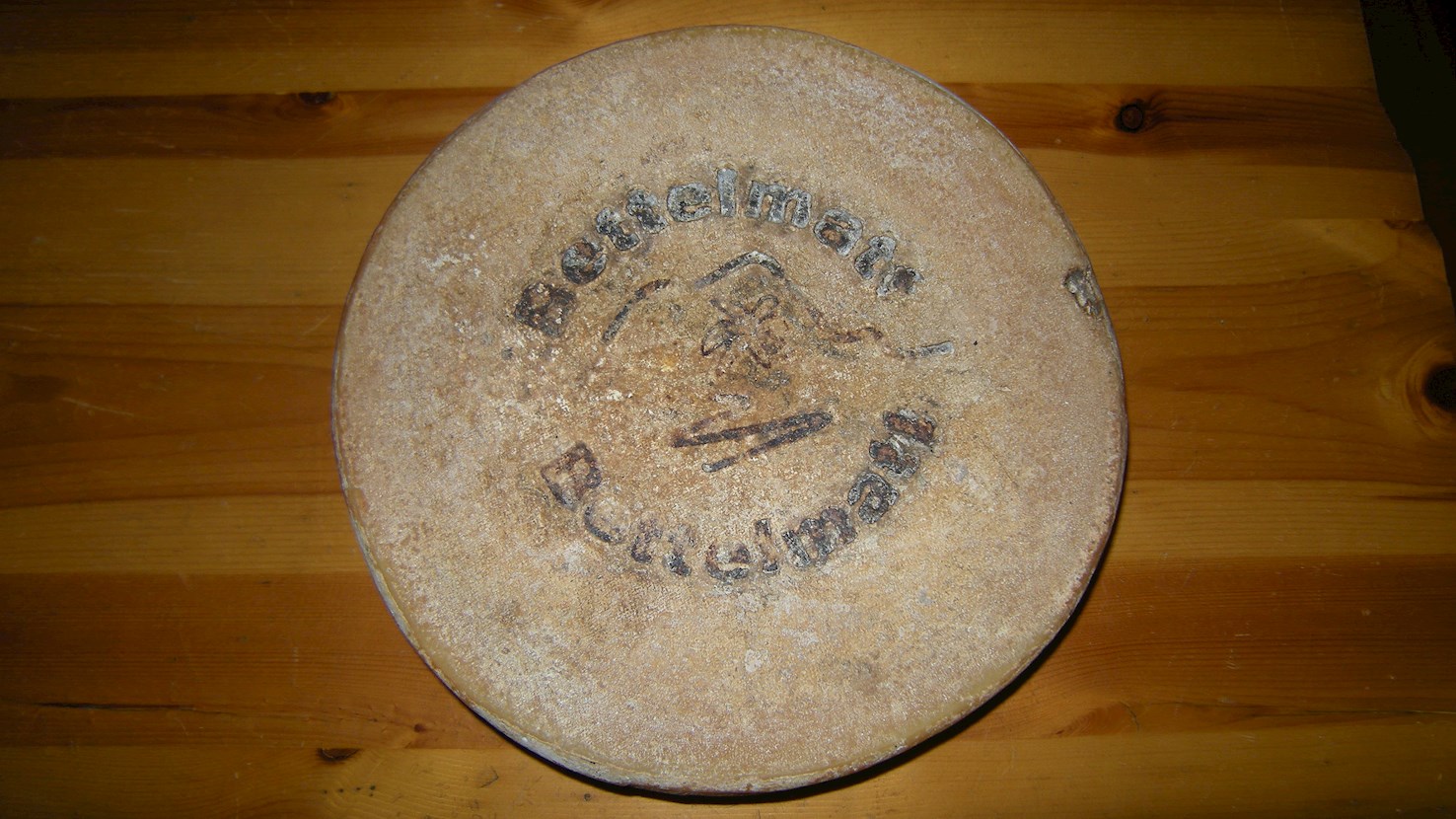
Bettelmatt is a rare toma cheese hailing from Piedmont, particularly the Val Formazza. The cheese is produced exclusively during summer months. It's made from the milk of local cows which graze on high pastures, and it's believed that the special flavor of the cheese comes from a herb called mottolina that grows only in the area. Bettelmatt is aged for 3 months and has a natural rustic rind. The texture is soft, oily, and compact, with irregular eyes. The aromas are reminiscent of ripe fruit and wine, while the flavors are complex and rich, with notes of wild herbs, flowers, and butter. In the past, this cheese was used for the payment of taxes or rent. The name is derived from batte, meaning collection, and matt, meaning pasture or grazing.

04

Ossolano

n/a ·

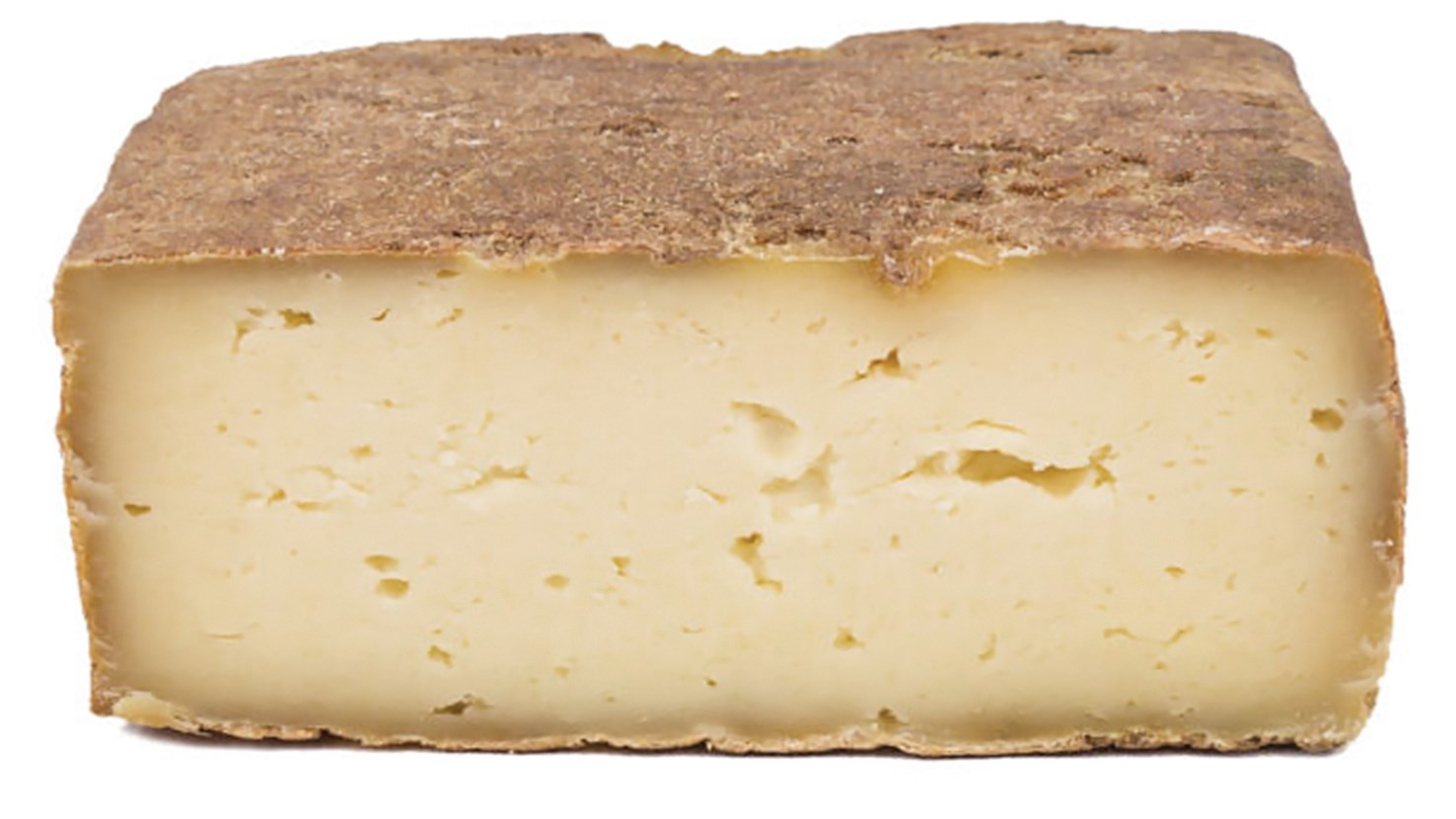
Up until 1000 BCE, Ossolano was known as Nostrano delle valli Ossolane, and it is still today produced in the Alpine valley of Ossola which is nestled along the Toce River in the northernmost province of Piedmont. Ossolano is a semi-hard cheese made with whole cow's milk from the Bruna Alpina breed, and it is available in four different varieties: Ossolano (aged for 60-180 days), Ossolano Vecchio (aged for 180-360 days), Ossolano Stravecchio (aged for a year or longer), and Ossolano d'Alpe which is a mountain cheese produced only during summer months. Ossolano has a sweet and delicate flavor, characterized by the natural aromas of Alpine pastures. It is typically enjoyed either as a snack, with rye bread and cherry tomatoes, or melted over potatoes, polenta, pasta or gnocchi. While matured Ossolano is excellent with full-bodied red wines, younger versions are best paired with light, white wines.

05

Sora

n/a ·

Sora is an Italian cheese originating from Piedmont. It is made with sheep's, goat's, and cow's milk. Sora's texture is soft, dense, and smooth with some eyes, while the flavors are milky and subtle with fruity, floral, or citrus notes. The cheese is also known as the witch's cheese because some believe that it was first produced by a witch cheesemaker. The name sora means shoe, referring to the imprint of the cheesecloth in which it was pressed, as it resembles the sole on a shoe. Sora is said to taste the best in summer, and it is recommended to use it in sauces and fondues. Pair it with dry white wines.

06

Birba Blu

n/a ·

Birba Blu is a blue cheese hailing from Piedmont in northern Italy, crafted by the Rosso family in their dairy nestled near Biella. It is notable not only for its Italian origin but also for its unconventional maturation method: during aging, the cheese is soaked in a locally brewed blonde ale and coated in malted wheat, imparting distinctive layers of flavor and texture. Developed as an evolved take on the family's earlier GratinBlu, Birba Blu derives its character from pasteurized whole cow’s milk, inoculated with blue mold, then aged for around 60 days before being immersed in the blonde beer (often Margot) and encased in malted wheat. The result is a semi-hard cheese with a white paste flecked with blue veins and a rind speckled with wheat grains that heighten the aroma. The soaking process infuses the cheese with gentle fruity and beer-like notes while maintaining its buttery base and introducing subtle caramel undertones. The blue mold adds spiciness and depth, with tasting notes often describing pear and banana hints, alongside an overall balanced mouthfeel that’s smooth yet complex. Birba Blu is best served as a refined table cheese, where its layered flavors can shine. It pairs well with jams, especially fruity or slightly spicy varieties, fresh fruit, charcuterie, crisp crackers, and even nutty chocolates. It works beautifully in cheese boards or combinations that balance its saltiness with sweetness and complementary textures. In its place of origin, Birba Blu remains closely tied to Biella and surrounding areas, available through specialty shops and the Caseificio Rosso’s own channels.

07

Castelrosso

n/a ·

Castelrosso (aslo known as Toma Brusca) is a traditional semi-firm cheese hailing from Piedmont, where it's known as one of the most ancient styles of cheese. The cheese is made from pasteurized Pezzata Rossa cow's milk, which is more acidic than other types of milk. The other name of the cheese, Toma Brusca means acid cheese, referring to the process of leaving the milk to acidify before cheesemaking. As a result, after 30 to 90 days of aging, the flavors are bright, tangy, tart, and slightly spicy. Due to the fact that the cheese ripens from the outside inwards, the texture is softer as it gets closer to the (inedible) rind. The aromas are earthy and reminiscent of hay. It's recommended to pair Castelrosso with Barbaresco and serve it with chestnut honey or mostarda.

08

Crutin

n/a ·

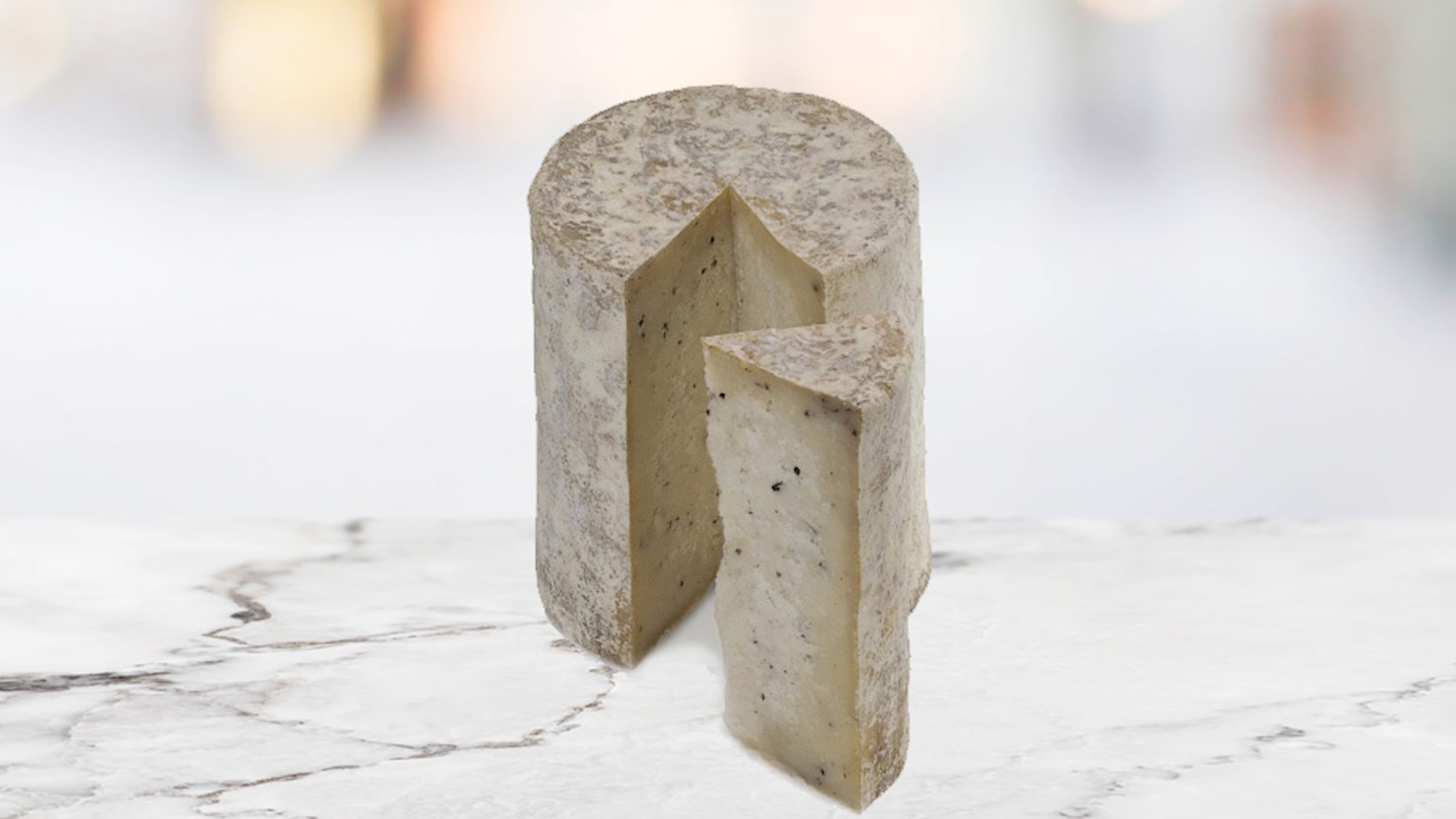
Crutin is an Italian cheese produced in Langhe, Piedmont. The cheese is made from cow's milk and ages from 1 to 2 months. Crutin was created by Beppino Occelli, who named it after a small cellar excavated from stone that was initially used for storage by farmers in the area. The texture is crumbly, and the body is filled with fine black truffle shavings, giving the cheese an intense aroma of truffle with a hint of the stone cellar. The flavors are citrusy and tangy. It's recommended to serve Crutin over carpaccio, eggs, or pasta because it crumbles and flakes very easily. Pair it with a glass of Italian red wine such as Barolo or Barbaresco.

Read more
View all
View map
About this ranking

TasteAtlas food rankings are based on the ratings of the TasteAtlas audience, with a series of mechanisms that recognize real users and that ignore bot, nationalist or local patriotic ratings, and give additional value to the ratings of users that the system recognizes as knowledgeable. For the “Top 8 Piedmontese Semi-hard Cheeses” list until June 06, 2026, 59 ratings were recorded, of which 32 were recognized by the system as legitimate. TasteAtlas Rankings should not be seen as the final global conclusion about food. Their purpose is to promote excellent local foods, instill pride in traditional dishes, and arouse curiosity about dishes you haven’t tried.

The initial list of top producers was compiled based on available reviews, awards, local recommendations, media and blog coverage, and consumer reviews. The list will be updated with ratings from TasteAtlas local ambassadors and TasteAtlas users.

Similar lists