shutterstock

Top 10 Southeastern European Semi-soft Cheeses

Last updated on June 05, 2026

Best Southeastern European Semi-soft Cheeses
01

De Colțești

5 ·
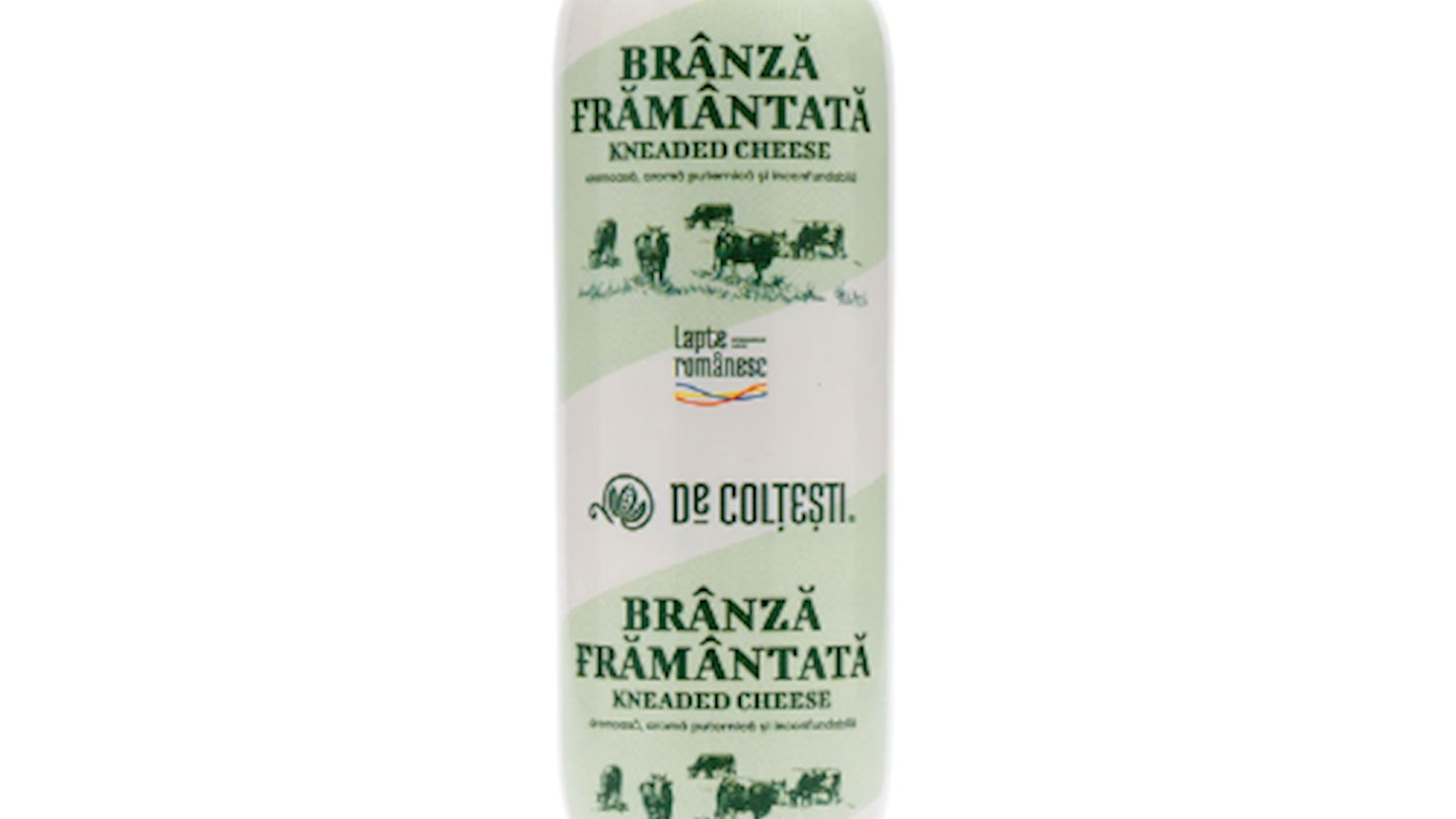
De Colțești is a Romanian cheese producer based in the village of Colțești, in the Rimetea area of Alba County, in the heart of Transylvania, founded in 1994. The company has developed as a modern dairy that combines local milk-making traditions with contemporary technological standards, relying on milk sourced from the mountainous Trascău region. It is best known for its mature and long-aged cheeses, particularly hard cheeses with a pronounced, full-bodied flavor, often marketed under the Torockoi brand. Its portfolio includes both traditional Romanian cheese styles and products inspired by broader European cheesemaking traditions, adapted to modern consumer preferences. The production philosophy emphasizes quality control, consistency of flavor, and carefully managed aging processes, while preserving a strong regional identity. De Colțești is regarded as one of the notable representatives of the modern Romanian cheese scene, successfully bridging Transylvanian tradition with industrial precision and market-oriented production.

Best Southeastern European Semi-soft Cheese Types
01

Mastelo

4.3 ·

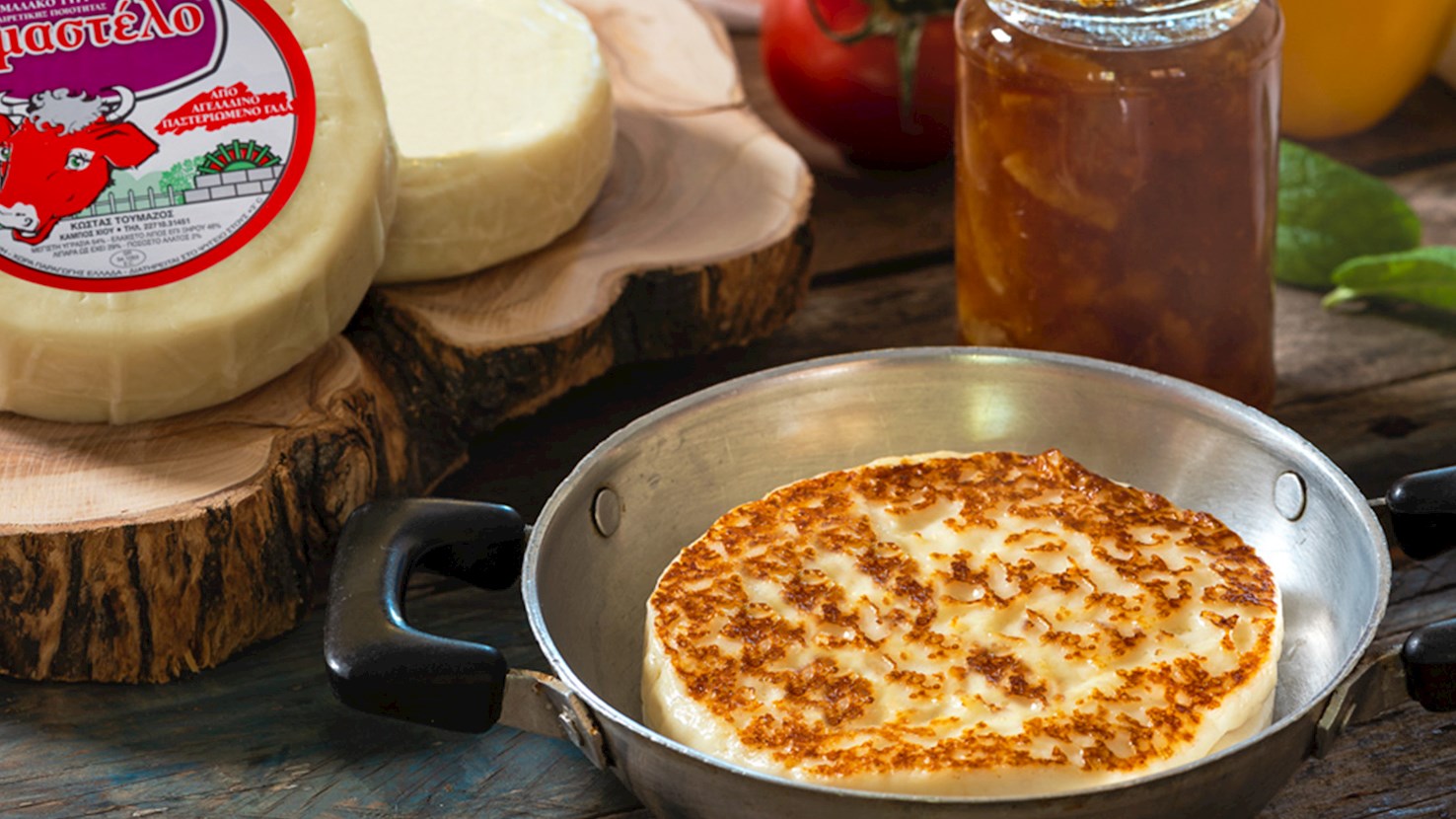
Mastelo refers to trademarked Greek cheeses produced exclusively in Chios. There are two types of Mastelo – one is made from Chian cow's milk, and the other one from goat's milk. The cow's milk version is white in color, with a milky aroma and a smooth texture. The flavors are slightly salty and milky. It has a high melting point, making it great for grilling. It's also especially suitable for saganaki fried cheese meze. The goat's milk variety is also white in color, with a soft and elastic texture and a salty flavor. It's often used instead of mozzarella in pizzas and pies, but it can also be used in sandwiches or as a stuffing in a variety of meat and vegetable dishes. It's recommended to pair it with Greek ouzo. The word mastelo denotes a wooden bucket that's used for the collection of milk.

02

Telemea de Ibăneşti

4.2 ·

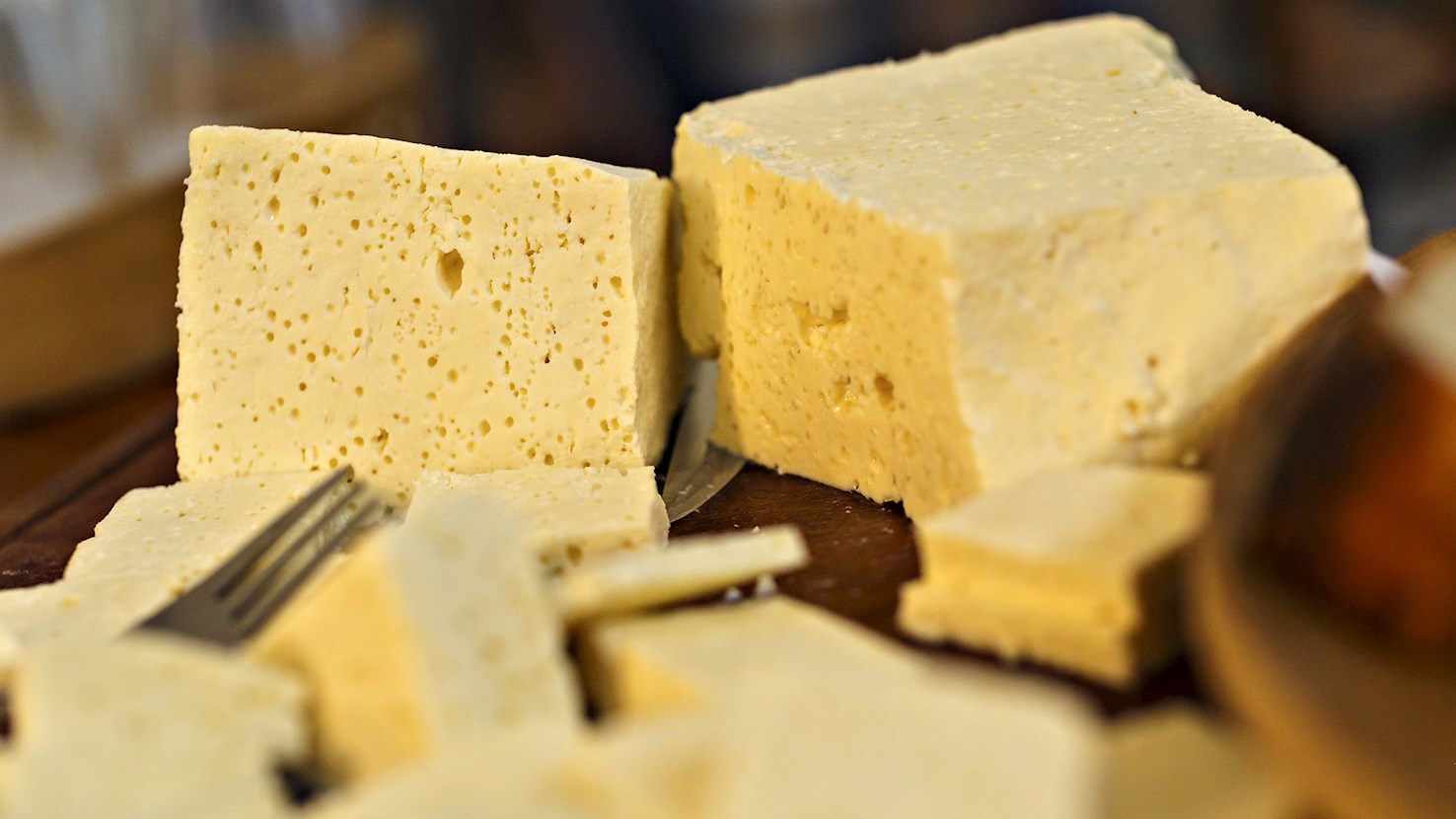
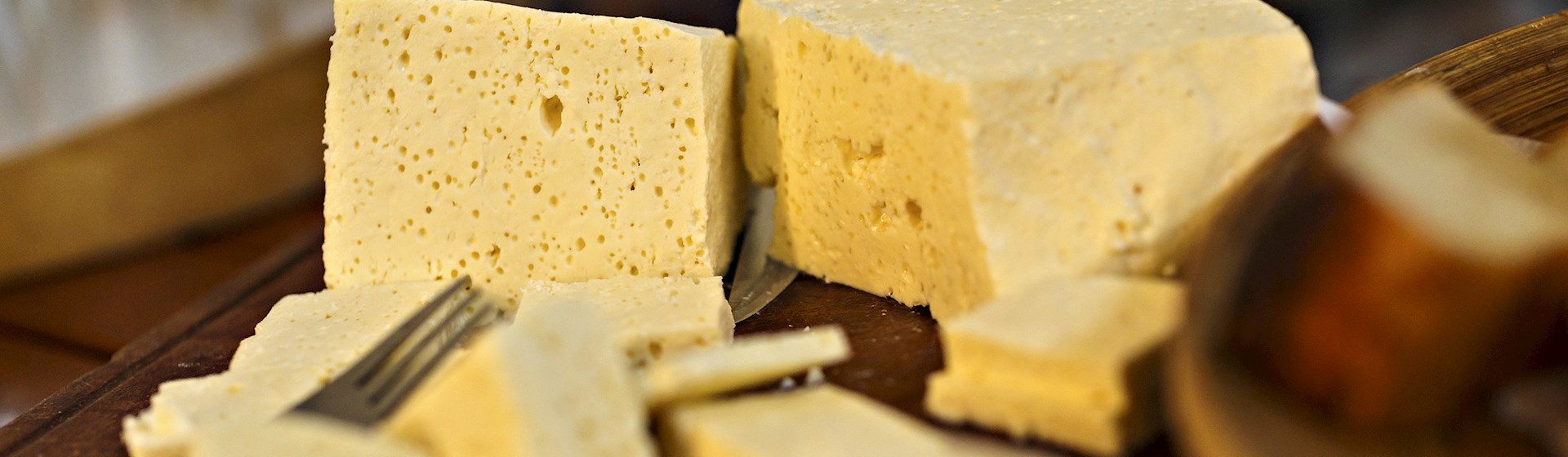
Telemea de Ibanesti is a traditional cheese made in the Gurghiu valley from cow's or sheep's milk. Its texture is quite wet and crumbly because the block-shaped cheese is placed in brine during the production. Telemea is white to yellowish-white in color and has a sweet, sour, creamy, and salty flavor that gets more intense as the cheese ages. The maturation process lasts for a minimum of 20 days. These tasty blocks of cheese are sold in vacuum-sealed bags or drums to preserve the shape and flavor. Due to the fact that it is similar to feta cheese, Telemea is used in salads, snacks, and omelets, and it’s typically paired with white wines.

03

Manouri

4.2 ·

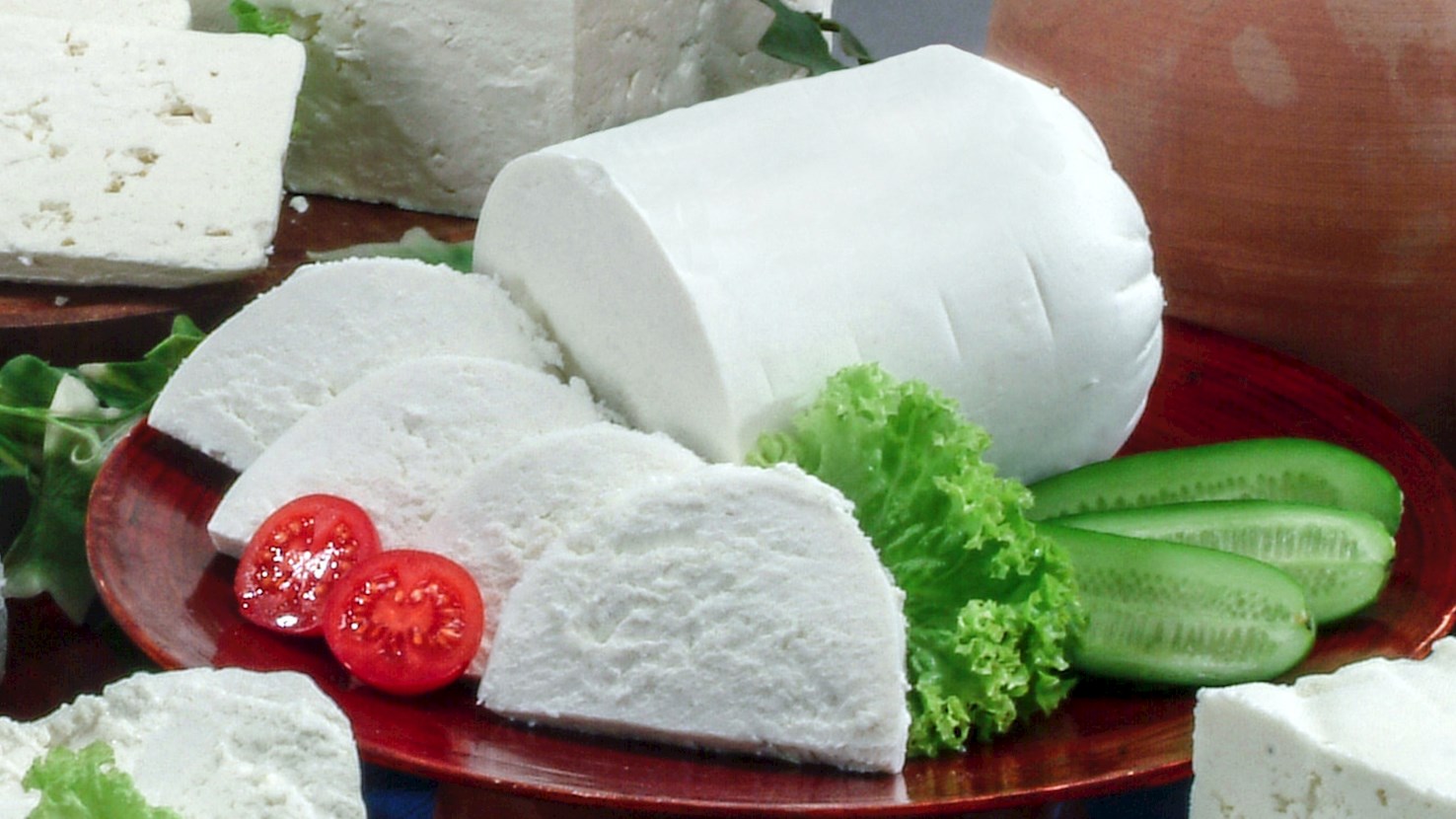
Manouri is a silky smooth fresh whey cheese made exclusively in the areas of Central and Western Macedonia and in Thessalia. It is a particular type of unsalted myzithra cheese known from the Byzantine period. Manouri produced in the province of Mplatsi in Macedonia is considered to be one of the best and it is made by adding milk and cream to the whey of sheep's or goat's milk, or a mixture of the both derived from hard cheese production, usually from making feta cheese. Although it is quite soft, it is firm enough to be sliced. Its flavor is similar to feta, but this cheese is less salty and more creamy. It is described as having a milky, slightly sour aroma. This cheese, cylindrical in shape, is also known as Manoypi. It is traditionally used in preparing pastries such as Spanikopita or eaten with honey or in cheesecakes.

04

Brânză de burduf

4.1 ·

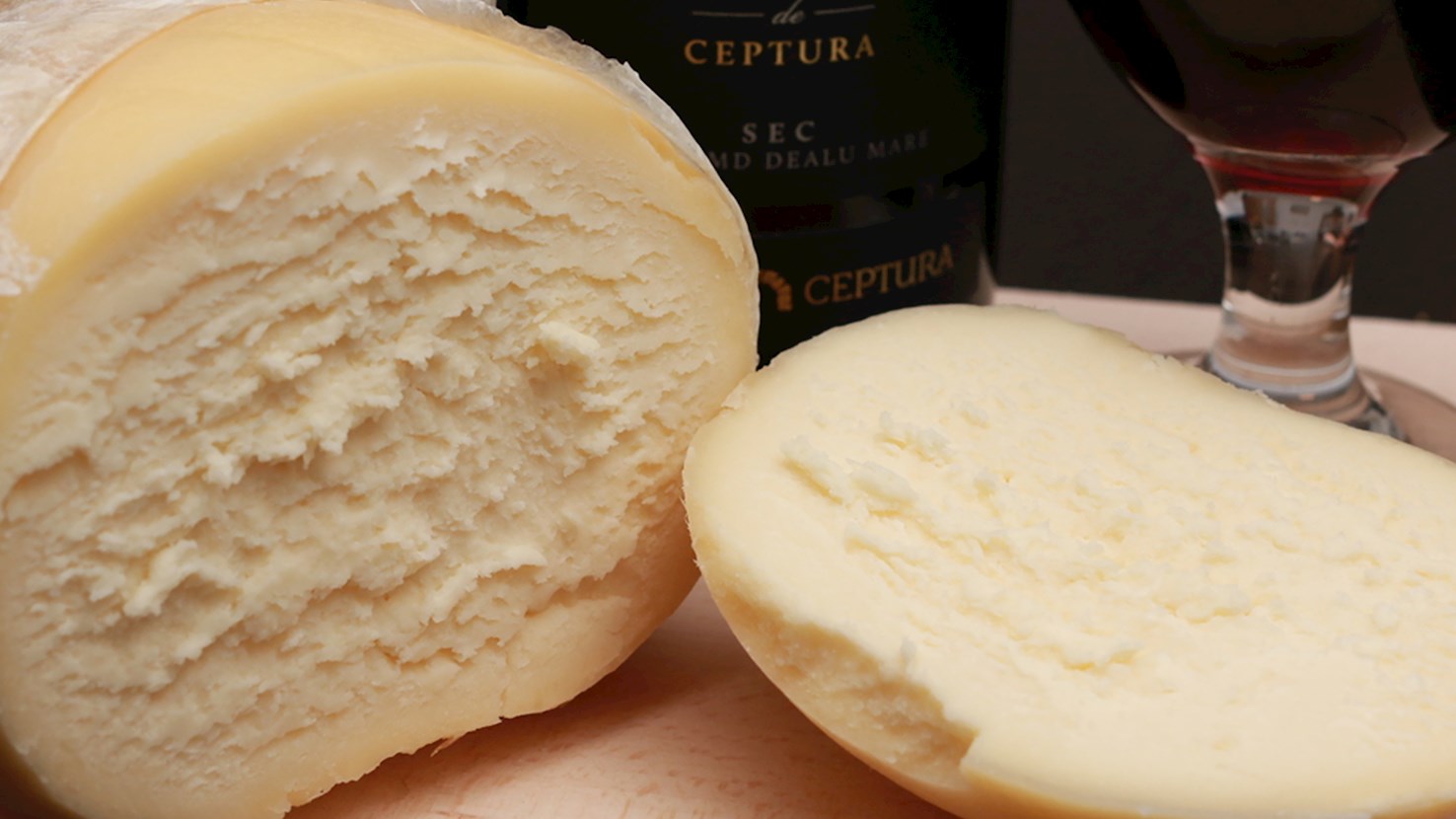
Brânză de burduf is a traditional cheese made from sheep's or (sometimes) buffalo's milk. The cheese is placed in sheep's stomach or skin that's previously been cleaned. Alternatively, it can be placed in a tube made of pine bark. The texture of this cheese is slightly soft, while the aromas and flavors are intense. The name brânză de burduf means kneaded cheese, referring to the method of production in which a traditional sweet cheese called caș is cut, salted, and then kneaded in a large wooden bowl.

05

Cascaval afumat

4.1 ·

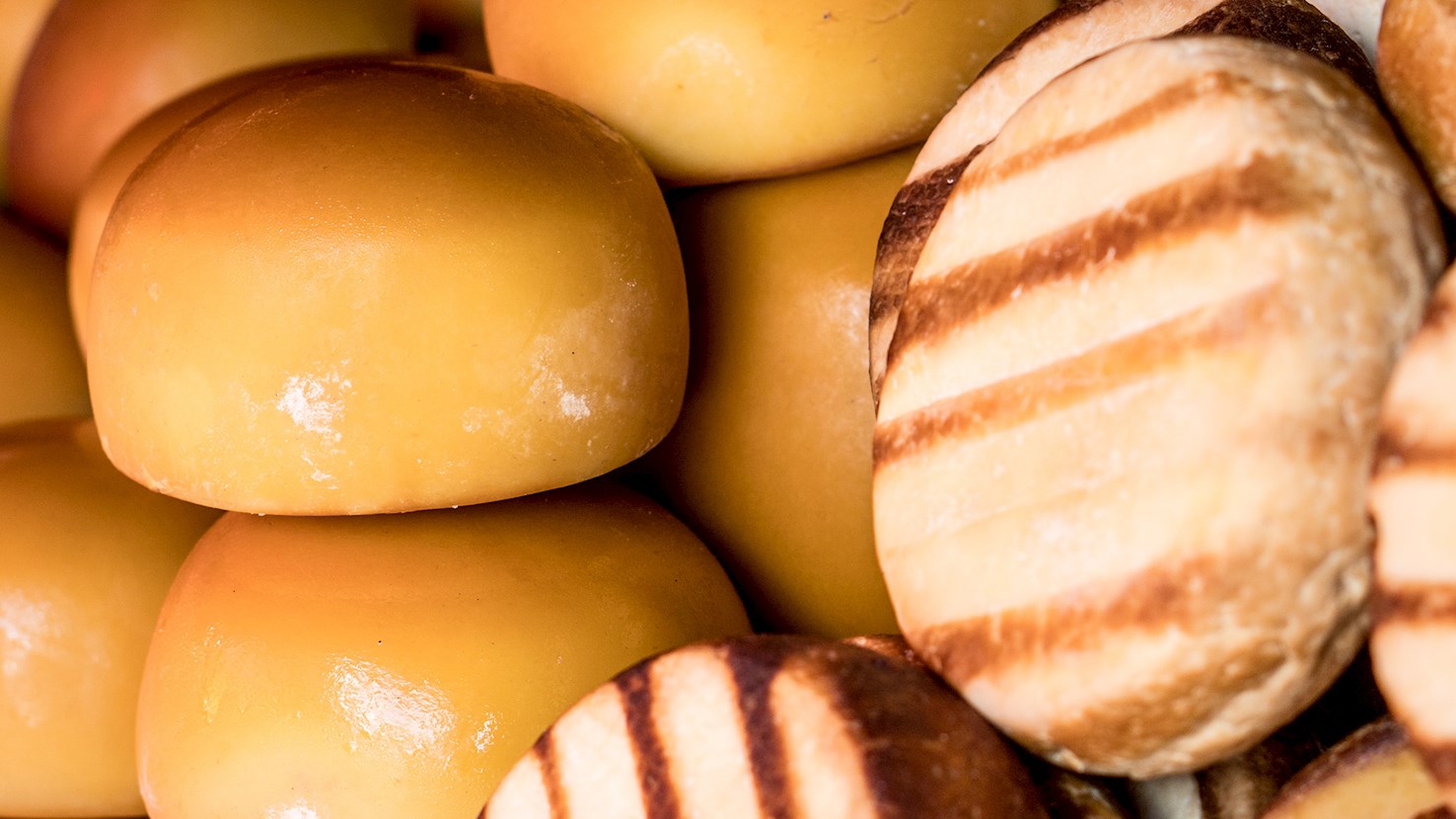
Cascaval afumat is a Romanian cheese made from cow's milk. It's shaped into wheels and blocks, but cascaval afumat can also be braided. The name of this cheese means smoked cascaval. The texture is semi-soft and rubbery, while the flavors are smoky and slightly bitter. It's recommended to serve it with garlic sausages on crusty bread.

06

Năsal

4 ·

Năsal is a traditional cheese that's named after a village in Cluj, Transylvania. The soft and creamy cheese is made from cow's milk, and it has been smear-ripened in caves since the Middle Ages. The cave features the Brevibacterium linens bacteria which grows on the rind, giving the cheese a strong, deep, and earthy flavor that's pretty much impossible to recreate anywhere else. The production of Năsal is very limited. It is recommended to serve it with grapes, nuts, onions, or meat, and pair it with a Romanian dry red wine such as Fetească Neagră.

07

Caș

3.9 ·

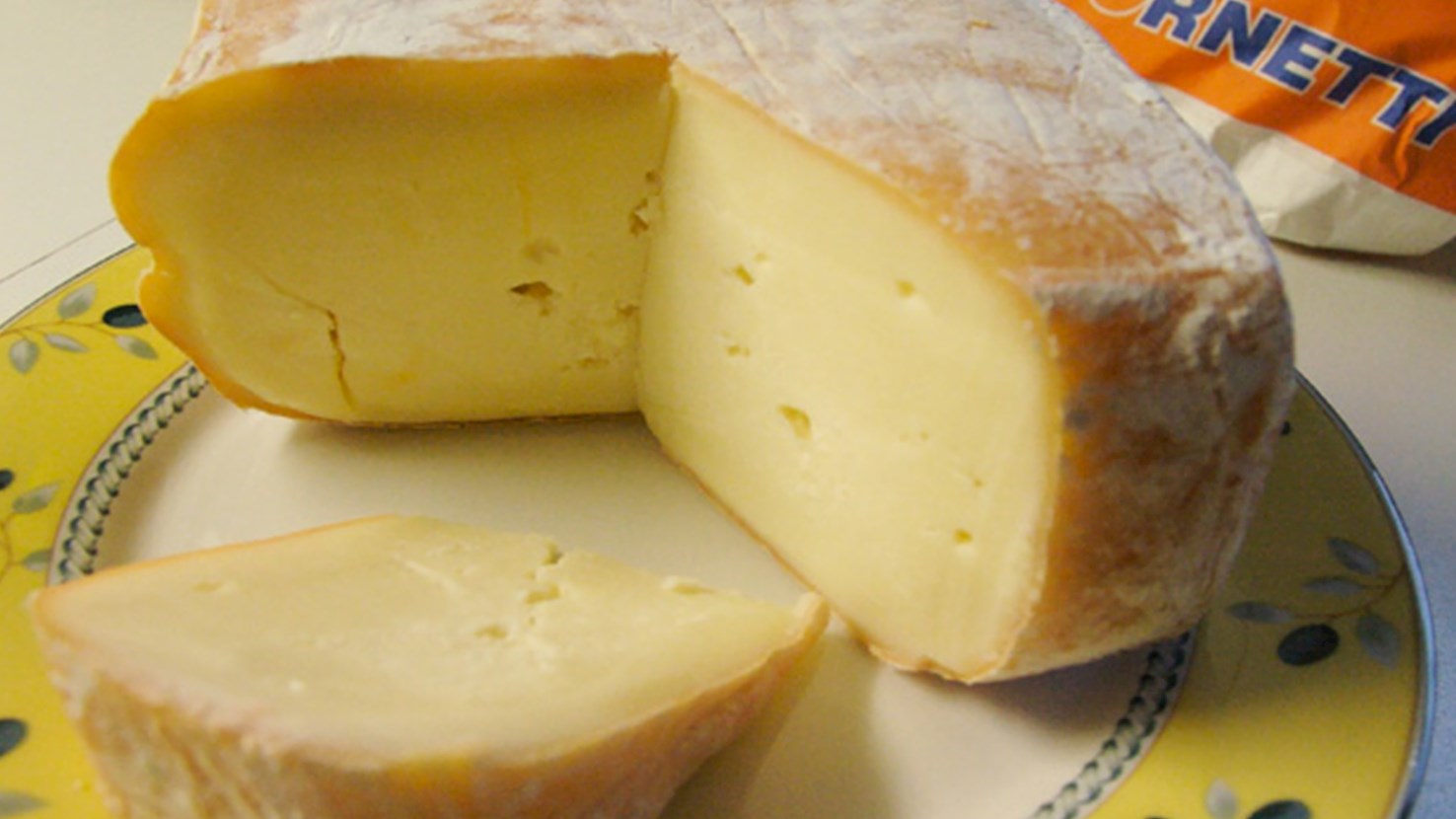
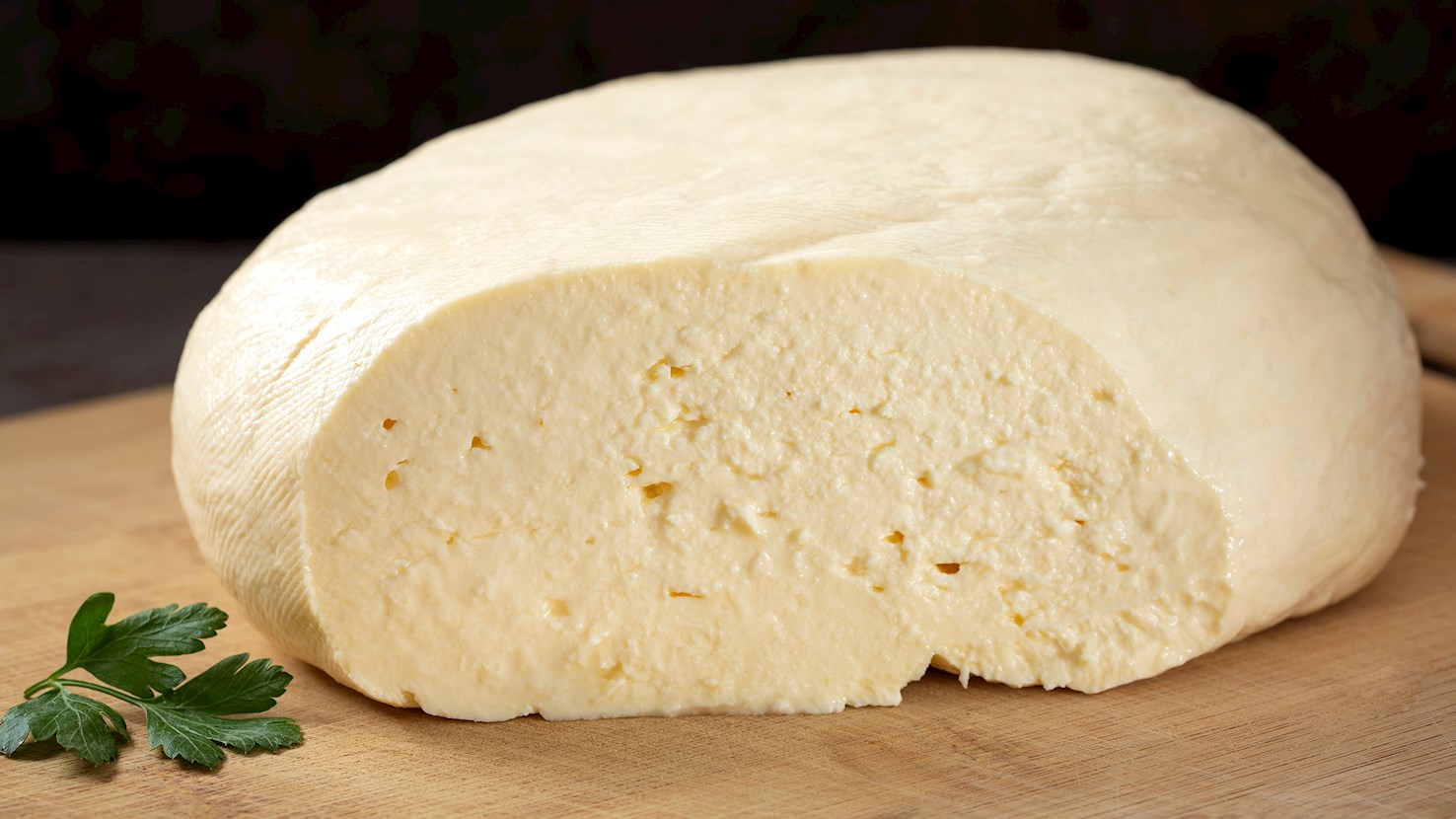
Caș is a traditional fresh cheese made from raw cow's or sheep's milk. The milk is curdled with rennet, and it's later drained to separate the whey. This semi-soft cheese is usually unsalted (or lightly salted) and white in color. In texture, it is smooth and almost squeaky. The flavors are fresh and slightly acidic. Caș is used to make other types of cheeses such as Brânză de burduf and Cașcaval, and if it's stored in brine, after 2-3 weeks it turns into Telemea. The cheese is usually eaten for breakfast with eggs, but it can also be used in pies or shredded and added to salads.

08

Talagani

3.8 ·

Talagani is a Greek cheese typically made from a mixture of sheep's and goat's milk, originating in the Peloponnese region. The cheese has a firm texture and a rich, slightly tangy flavor (it is often compared to halloumi, the popular Cypriot cheese). Due to its high melting point, it retains its shape under heat, making it ideal for grilling or frying, after which it will have a crispy exterior and a soft, melted interior. Talagani is perfect for salads and as a snack with a drizzle of lemon juice or honey, but it can be used in various sweet and savory dishes.

09

Gidino

n/a ·

Gidino is a traditional cheese made exclusively from goat's milk, produced primarily on the island of Naxos. It is known for being slightly harder than feta and has a white color. Its texture is firmer and less fatty compared to other goat cheeses, making it an excellent table cheese. It is often praised for its nutritional benefits, being rich in calcium, magnesium, and phosphorus. Moreover, because it is made from goat's milk, it contains proteins that can be easier to digest and are considered antiallergenic. Gidino cheese can be used in a variety of dishes or simply enjoyed on its own with bread and olive oil​.

10

Kariki

n/a ·

Kariki is a unique and traditional cheese originating from the Greek island of Tinos. Kariki is essentially a blue cheese, but what makes it particularly special is that it's made from the milk of cows, sheep, or goats, and then aged in hollowed out and dried gourds, a method that contributes to its unique taste and texture. The aging process is crucial to developing Kariki's characteristic flavors. The cheese is first left to mature in the gourds for up to six months, where it naturally ferments and develops a strong, pungent flavor, similar to other well-known blue cheeses. However, unlike many blue cheeses that are inoculated with specific molds, Kariki's fermentation process relies on the natural flora present in the gourds and the environment, which gives it a distinct terroir-specific taste that cannot be replicated elsewhere. Kariki is not very well-known outside of Greece, making it a rare find for cheese enthusiasts. Its flavor is described as intensely spicy and salty, with a creamy yet crumbly texture. Due to its strong taste, Kariki is often enjoyed as part of a cheese platter, paired with sweet fruits like figs or pears, or used sparingly in salads and other dishes to add a depth of flavor.

Read more
View all
View map
About this ranking

TasteAtlas food rankings are based on the ratings of the TasteAtlas audience, with a series of mechanisms that recognize real users and that ignore bot, nationalist or local patriotic ratings, and give additional value to the ratings of users that the system recognizes as knowledgeable. For the “Top 10 Southeastern European Semi-soft Cheeses” list until June 05, 2026, 1,182 ratings were recorded, of which 497 were recognized by the system as legitimate. TasteAtlas Rankings should not be seen as the final global conclusion about food. Their purpose is to promote excellent local foods, instill pride in traditional dishes, and arouse curiosity about dishes you haven’t tried.

The initial list of top producers was compiled based on available reviews, awards, local recommendations, media and blog coverage, and consumer reviews. The list will be updated with ratings from TasteAtlas local ambassadors and TasteAtlas users.

Similar lists