



Top 6 Northern European Sheeps

Last updated on June 24, 2026
01

Lofotlam

n/a ·

Lofotlam refers to lamb meat from lambs born, raised, and grazed in the pristine environment of the Lofoten Islands. The meat can be fresh or frozen, prime cuts, and various other cuts. The lambs have to be at least 16 kg and are between 4 and 10 months old when slaughtered. The Lofotlam lamb meat is light red and slightly yellower than other lamb meats, with a fresh aroma, soft texture, and slightly gamey taste. The meat is naturally pre-salted, adding to its unique flavor profile. Also, the meat is notable for its high ratio of intramuscular fat, resulting in juicy and tender cuts. Additionally, the marbled appearance of the meat, due to thin layers of intramuscular fat, adds to its appeal. The lambs graze on pastures and are not given any commercial feed mix. In case the lamb is not ready for slaughter by fall, it will be fed a limited amount of commercial feed mix, which must not contain medications, preservatives, or genetically modified organisms. Once slaughtered, each lamb is stamped with a designated Lofotlam stamp in six places: on both thighs, the sides, and the shoulder. This meticulous process ensures the quality and authenticity of Lofotlam, making it a premium product highly valued for its exceptional taste and texture.

02

Lambakjöt (Icelandic lamb)

n/a ·

Icelandic lamb refers to the meat derived from the young sheep of the Icelandic breed. The lambs are typically raised in a free-range environment, grazing on Iceland's vast pastures, enriched by volcanic soil, and filled with native grasses, herbs, and berries. This diet, along with the pure Icelandic air and water, contributes to the unique, delicate flavor of Icelandic lamb. The lambs are usually slaughtered in the fall, resulting in a meat product that is tender and lean, with a somewhat gamey flavor profile that is generally considered to be sweeter and more complex than many other types of lamb. It's well-regarded by chefs and food enthusiasts around the world. Icelandic lamb can be prepared in a variety of ways, such as roasting, grilling, or slow-cooking, and it pairs well with a variety of herbs and spices. Popular Icelandic dishes often feature lamb, including kjötsúpa, hangikjöt, and plokkfiskur, in which lamb fat is sometimes used as a flavor enhancer.

03

Íslenska sauðkindin (Icelandic sheep)

n/a ·

The Icelandic sheep is a breed of domestic sheep that originates from Iceland. It is a northern European short-tailed sheep breed that is particularly unique because it's one of the few breeds that remained pure and unchanged over centuries, having been isolated on Iceland since its introduction by early settlers, likely the Vikings, around 1,000 years ago. The breed is highly regarded for its adaptability, fertility, and superb quality of its products. The breed is dual-purpose, raised both for meat and wool. Icelandic sheep are quite distinctive in appearance. They are medium-sized, with both males and females often possessing horns. Their fleece, which is dual-coated, consists of a warm inner layer (thel) and a weather-resistant outer layer (tog). This wool is popular for knitting and weaving and is used for making "lopapeysa", traditional Icelandic sweaters. These sheep are also well adapted to harsh climates, being able to survive and thrive in rugged landscapes and extreme cold.

04

Roslag Sheep

n/a ·

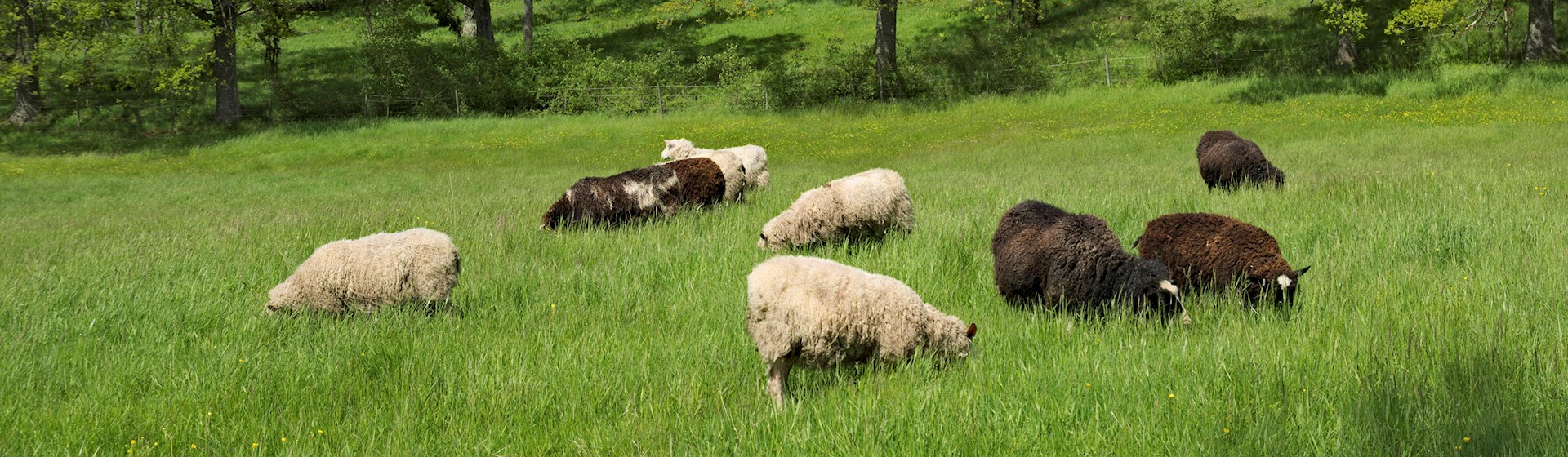
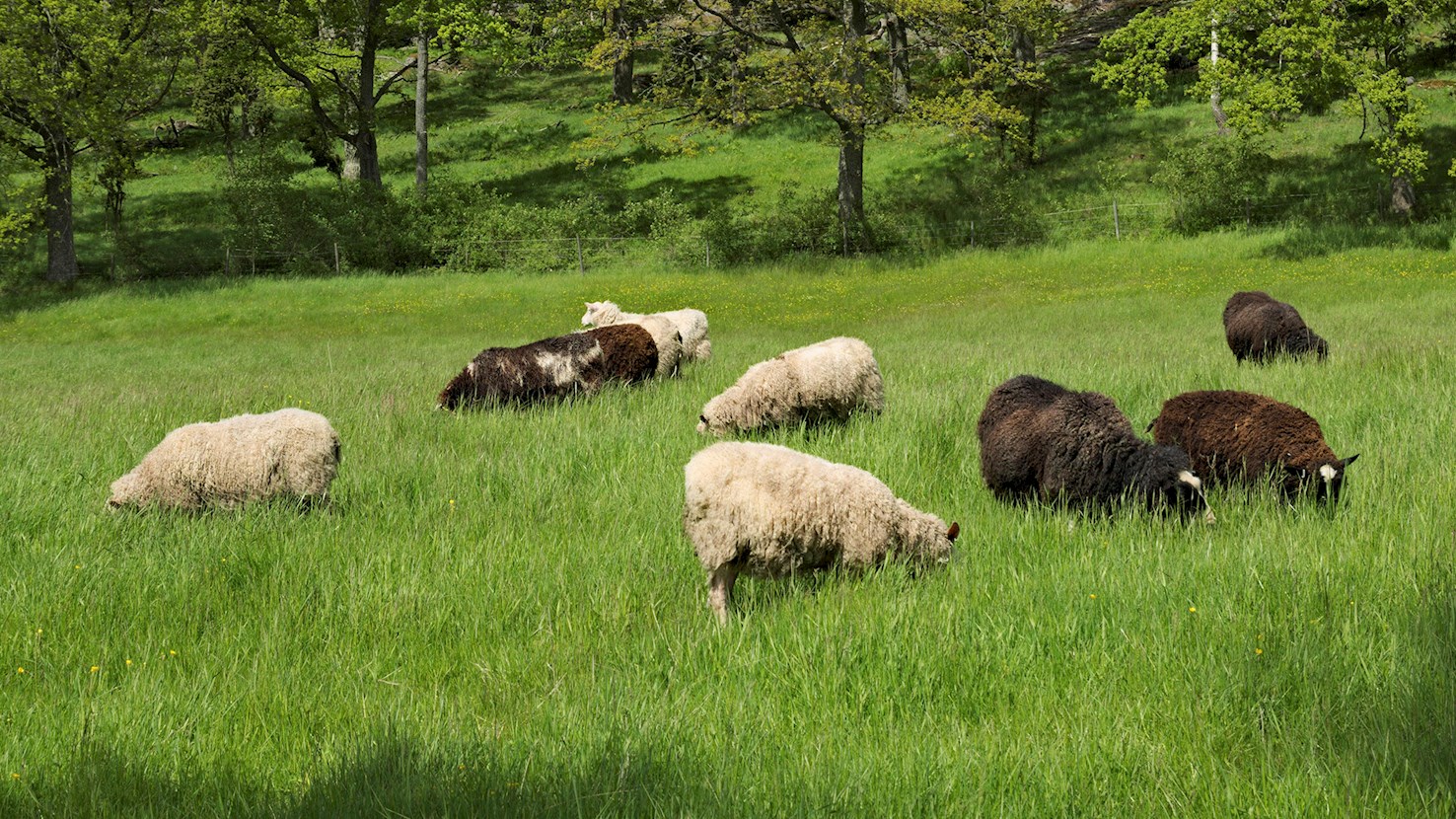
THIS BREED IS ENDANGERED. Roslag sheep or Roslagsfår is an endangered breed of Swedish sheep, believed to have originated in Raggarön in Roslagen. Nowadays, there are only around 500 of these animals on the planet. The sheep are usually kept for the production of wool and meat. They have white or ivory-colored wool, although there are also black and bicolored sheep. The average weight for ewes is from 35 to 40 kg, but rams can reach up to 50 kg.

05

Vadehavslam

n/a ·

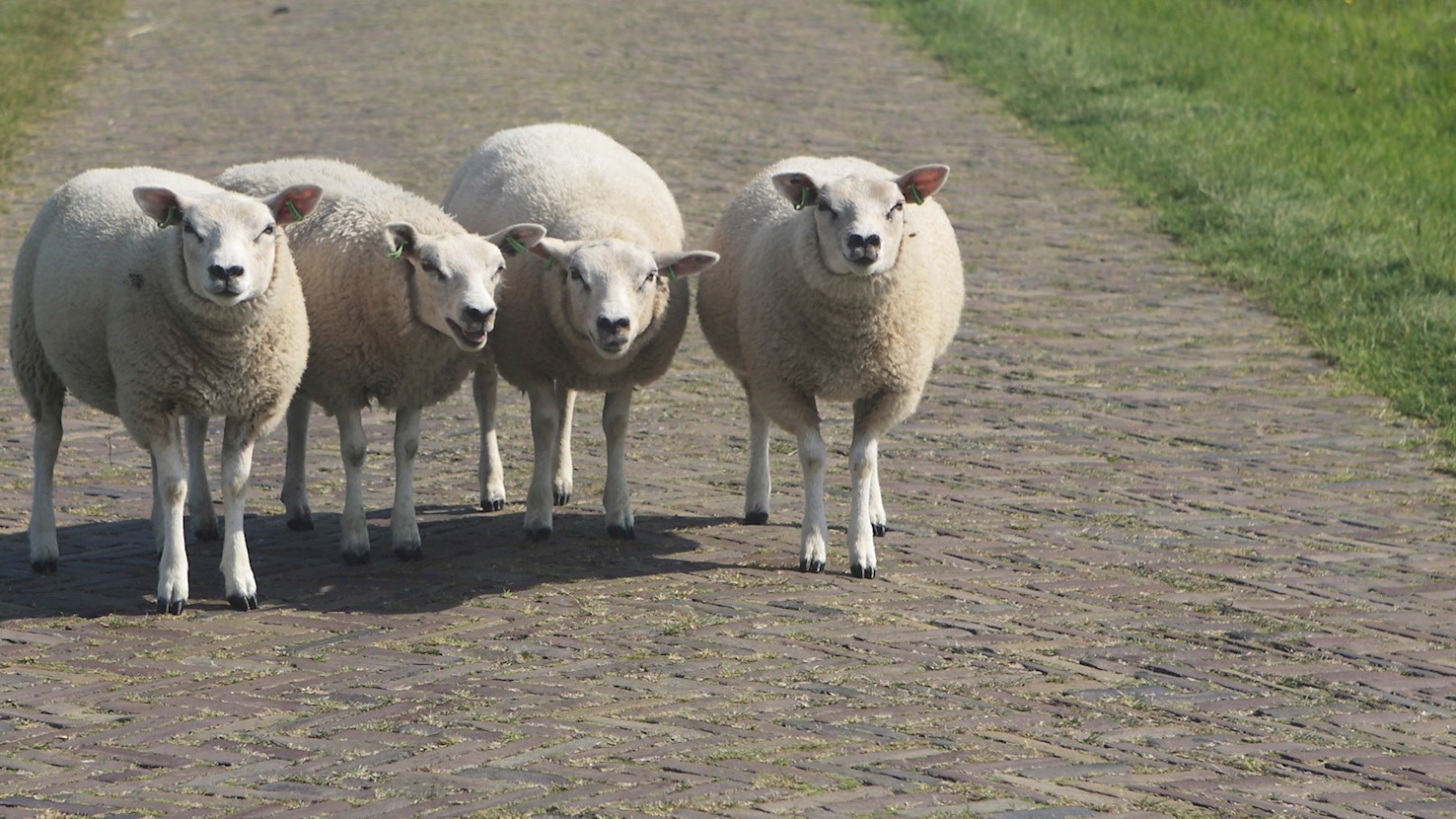
Vadehavslam, or Wadden Sea lamb is fresh lamb meat from the animals of the Texel breed, born and reared in the Wadden Sea region of south-west Denmark. The lambs are quite large (19-25 kilos when slaughtered), meaty, and feed on the grass from the salt meadows where they graze in the winter, along with maize silage, and hay supplemented with barley. They feed on the salt meadows for at least four and a half months per year. Their meat is lean and flavorful, with a distinctively unique, salty taste due to the high potassium and sodium content in the grass. It is a product with a great reputation, and it is even described in the tourist brochures of the Wadden Sea national park as an important part of the region's heritage. For a real gourmet dish enjoy the Wadden Sea lamb meat with Mediterranean vegetables and herbs, polenta and mint.

06

Hånnlamb

n/a ·

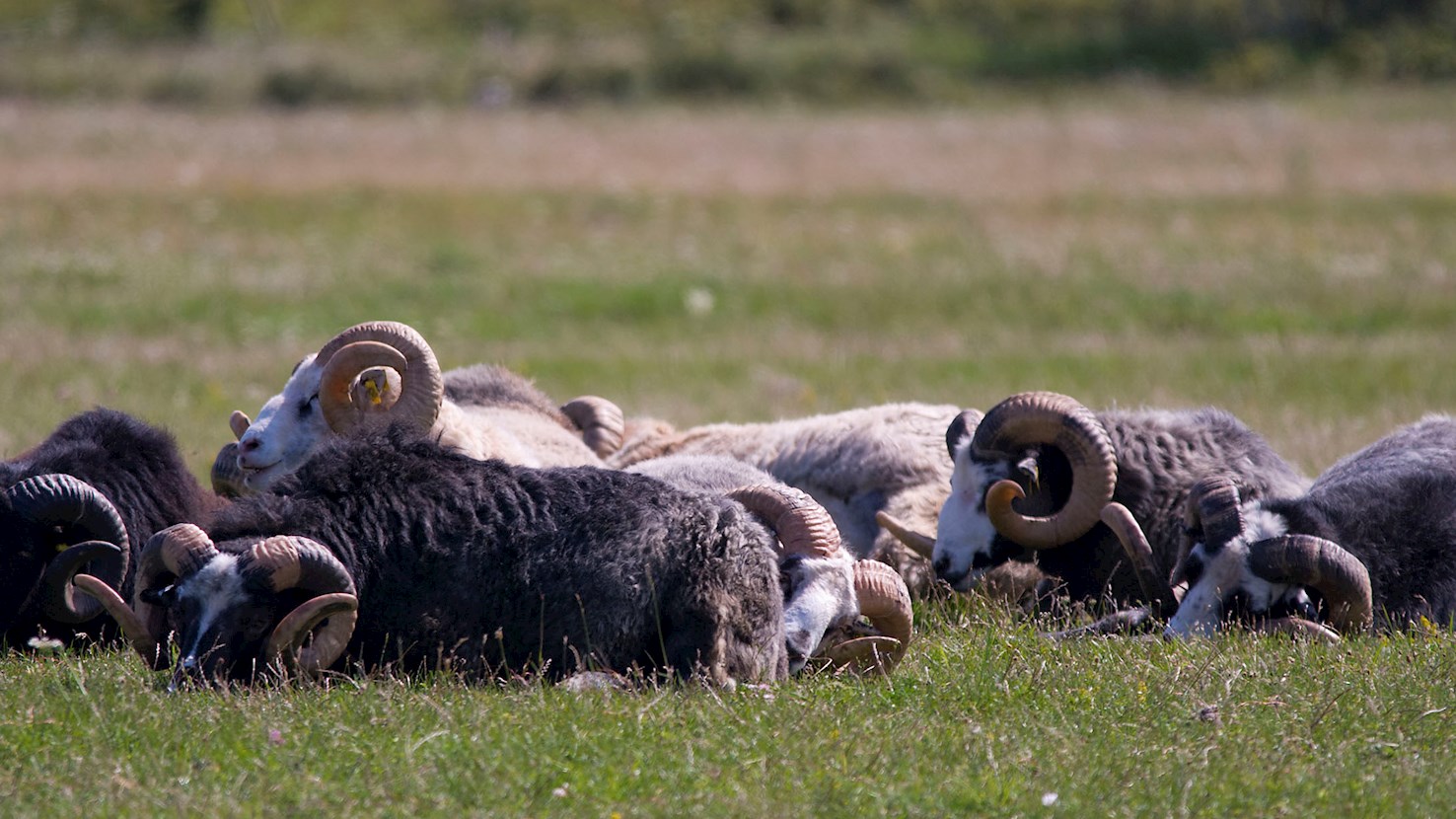
Hånnlamb is the name for whole carcasses and cuts of lamb and sheep of the gutefår breed that is born, reared and slaughtered in the Gotland area in Sweden. Hånnlamb is Gotland word for 'sheep with horns' - the original name of the horned sheep from Gotland rescued from extinction during the early 1900s and later named gutefår in 1973. Gute sheep descended from the old rustic sheep who have adapted to the conditions of the Gotland climate and vegetation. The meat has been marketed both on Gotland and in the rest of Sweden and the animals must be raised on Gotland's high quality pastures. They are slaughtered in autumn when they reach the desired weight of about 30-50 kg. Older animals are slaughtered at any time during the year. The carcass weight is approximately half the weight of the animal, often slightly lower. Quality requirements suggest that the body shape should be fully developed and that the fat coverage should be as little as possible.

Read more
View all
View map
About this ranking

TasteAtlas food rankings are based on the ratings of the TasteAtlas audience, with a series of mechanisms that recognize real users and that ignore bot, nationalist or local patriotic ratings, and give additional value to the ratings of users that the system recognizes as knowledgeable. For the “Top 6 Northern European Sheeps” list until June 24, 2026, 9 ratings were recorded, of which 6 were recognized by the system as legitimate. TasteAtlas Rankings should not be seen as the final global conclusion about food. Their purpose is to promote excellent local foods, instill pride in traditional dishes, and arouse curiosity about dishes you haven’t tried.

Similar lists